Subscription Brands Soft Touch Poly Mailers Material Choice: What It Means
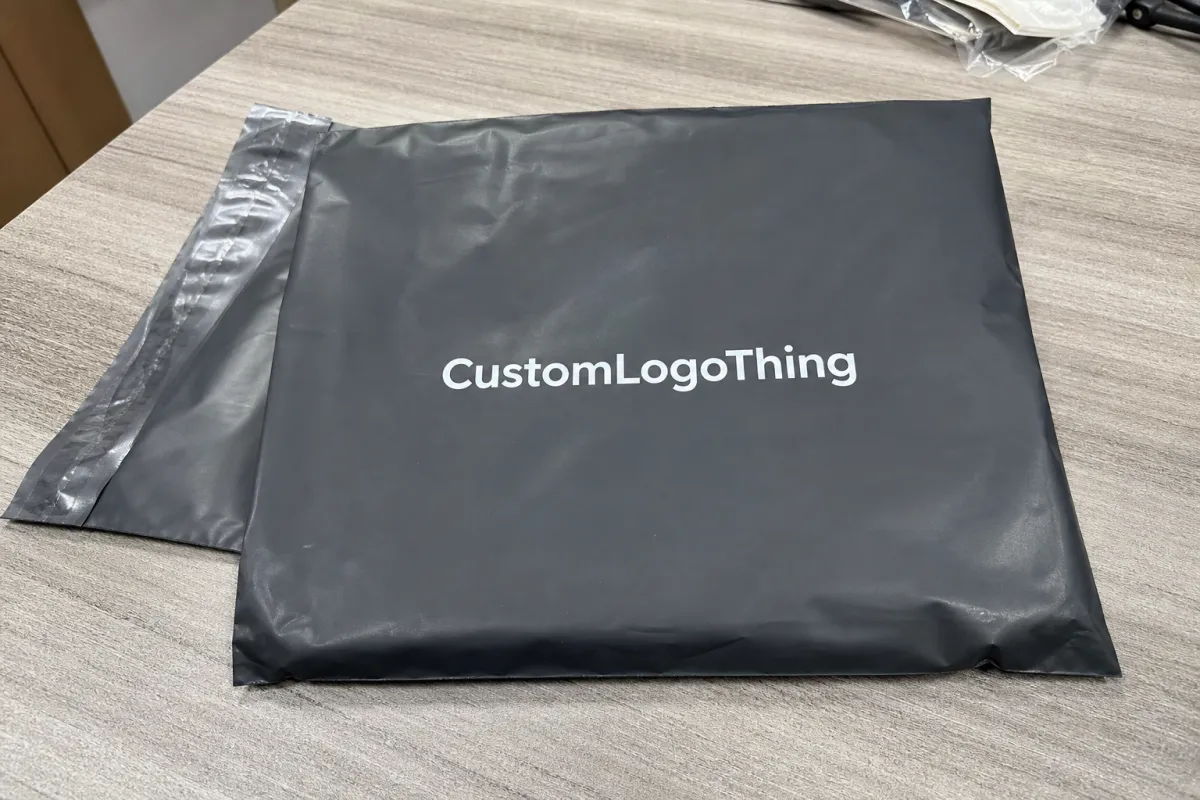
Subscription brands Soft Touch Poly mailers material choice is the process of selecting a film structure, finish, gauge, print method, opacity level, and closure system that can protect recurring shipments while delivering the intended brand feel.
Soft Touch Poly Mailers are flexible polyethylene shipping envelopes with a matte, low-glare exterior and a smoother handfeel than standard glossy poly. The surface can feel velvety or lightly textured, depending on whether the mailer uses a coating, coextruded matte layer, or laminated construction.
That distinction matters. Two mailers can both be sold as “soft touch” and still differ in stiffness, scuff resistance, print behavior, seal strength, and recyclability. A finish that looks premium in a sample photo may perform poorly if labels lift, dark ink rubs, or the flap fails under real fill pressure.
Subscription teams should evaluate the mailer as both a shipping package and a recurring brand surface. The same package may be seen by the same customer every month, so failures compound quickly: damaged contents, difficult returns, slow packing, or a perceived drop in product value.
How Soft Touch Poly Film Works in Real Shipping Conditions
A poly mailer starts as polyethylene film that is formed into an envelope, heat sealed along the sides, and fitted with a pressure-sensitive adhesive flap. Most subscription operations use self-seal closures because they are faster and more consistent than hand-applied tape.
LDPE, or low-density polyethylene, is common because it flexes around soft goods. HDPE adds stiffness and can improve puncture resistance, though it usually feels crisper. Many mailers use coextruded PE films that combine layers for sealing, opacity, strength, and exterior finish.
Gauge is one of the first performance decisions. Lightweight apparel may work in 2.0 to 2.5 mil film. Books, boxed beauty products, bottles, rigid inserts, and mixed kits often need 3.0 mil or heavier because corners and shifting contents stress the film and seams.
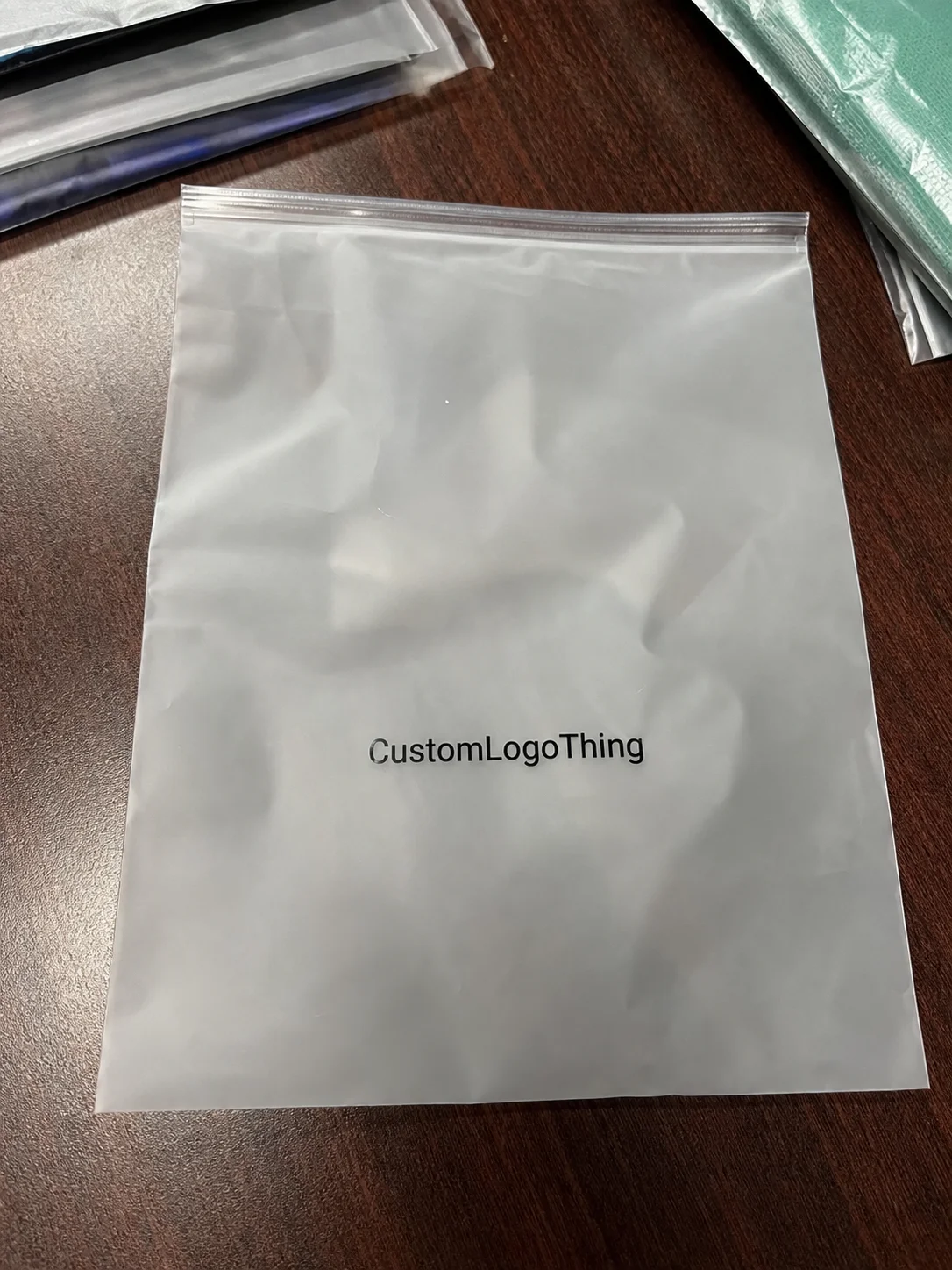
Opacity should be tested with real products inside the bag. An empty sample can look opaque but reveal silhouettes under warehouse lighting or sunlight once filled. This is especially important for beauty, wellness, apparel, collectibles, and personal care shipments.
Closure style affects both cost and customer experience. A strong tamper-evident adhesive strip is standard. Dual adhesive strips make sense for return programs, apparel exchanges, rental models, and try-before-you-keep subscriptions because they can eliminate a separate return package.
Packaging floor rule: if the surface feels premium but the flap lifts, the seam splits, or the shipping label peels, the mailer is not premium. It is just soft.
Very matte or tactile surfaces can show scuffing more than glossy films, especially with dark full-coverage artwork. Before production, rub, flex, label, stack, and ship test samples through the same carrier path customers will experience.
Key Material Factors: Gauge, Finish, Seams, Opacity, and Print
The right mailer is chosen by matching product risk, fulfillment speed, shipping conditions, and brand standards. Subscription programs need extra caution because the product mix may change from month to month.
Gauge: soft garments, socks, and flat textile items can often use thinner film. Rigid boxes, books, bottles, and bundles generally need more thickness because hard edges concentrate stress during sorting and delivery.
Finish: soft matte film reduces glare and supports a quieter premium look, but buyers should ask how the finish handles scuffing, ink adhesion, pressure-sensitive labels, and barcode scanning. If shipping labels curl, wrinkle, or fail to scan, carrier delays and relabeling can follow.
Seams: many poor mailers fail first at the side seam, especially when overfilled. Ask about seal width, seam consistency, and test history with similar weights. ASTM film and seal-strength methods can help frame the discussion, while ISTA distribution testing shows how packages handle real transit stress.
Size and fill room: listed dimensions are not enough. The packed item may include tissue, inserts, inner cartons, wrap, samples, or promotional cards. If the mailer is too tight, packing slows down and adhesive contact drops.
Print: flexographic printing is common for larger runs and can be efficient at volume. Digital or short-run methods are useful for seasonal campaigns, artwork tests, influencer drops, and smaller quantities. Matte films can soften color, so request physical proofs or drawdowns before full approval.
Sustainability: treat claims as specifications. Recycled content, post-consumer waste, mono-material PE, compatible inks, and reusable return strips should be reviewed together. Paper-based alternatives such as FSC-certified kraft or corrugated packaging through the Forest Stewardship Council may fit some programs, but they behave differently than poly around moisture and puncture risk.
Cost, Pricing, MOQ, and Unit Cost Tradeoffs
Soft Touch Poly Mailers usually cost more than plain stock poly because of the finish, film structure, custom printing, setup, and sometimes slower production. For common custom printed subscription sizes, rough pricing may fall around $0.18 to $0.38 per unit at 5,000 pieces, depending on size, gauge, print coverage, and closure style. Smaller runs often cost more per unit.
The main cost drivers are mailer size, film gauge, print colors, ink coverage, finish type, adhesive configuration, recycled content, custom color matching, and whether the order is a first run or repeat run. First orders may include plates, setup, proofing, and color work. Repeat orders are usually more efficient when artwork and material stay unchanged.
Minimum order quantities exist because film sourcing, printing setup, ink mixing, press time, and conversion time require enough volume. For custom Soft Touch Poly Mailers, 2,500 to 10,000 pieces is a common quoting range, though exact minimums depend on the supplier and finish.
The lowest unit price is not always the lowest shipment cost. A mailer that saves two cents but increases damaged products, returns, packing time, or complaints is not cheaper. Compare total cost per shipment: mailer, labels, inserts, labor, damage rate, carrier issues, storage, and customer experience.
| Spec Tier | Typical Use | Common Features | Estimated Unit Range |
|---|---|---|---|
| Cost-conscious matte | Soft apparel, flat goods, lightweight refills | 2.0-2.5 mil PE film, one to two print colors, single adhesive strip | $0.14-$0.26 at mid-volume |
| Durable soft touch | Books, boxed beauty, mixed subscription kits | 2.75-3.5 mil film, higher opacity, stronger seams, custom print | $0.22-$0.42 at mid-volume |
| Return-ready premium | Apparel exchanges, try-before-you-keep, resale or rental models | Soft touch finish, dual adhesive strips, tear strip, added proofing | $0.28-$0.55 at mid-volume |
Price breaks can help, but larger runs must be balanced against storage, demand uncertainty, and seasonal artwork changes. A brand shipping 8,000 orders per month may benefit from a longer run. A newer subscription with changing inserts may be safer with smaller batches until the spec stabilizes.
Ask for two or three quote tiers rather than one option: a standard matte mailer, a higher-gauge soft touch option, and a return-ready version with dual adhesive strips. For related formats, the Custom Packaging Products page can help teams compare beyond one mailer spec.
Process and Timeline from Sample to Finished Mailer
Custom soft touch poly mailers usually move through discovery, sizing, material selection, artwork setup, proofing, production, quality checks, and shipping. A straightforward project may take three to six weeks after proof approval. Specialty finishes, revisions, queue time, or freight delays can extend that schedule.
Start with product measurement and packing trials. Measure the packed shipment, not just the product. Include tissue, cards, inserts, inner cartons, protective wrap, samples, and promotional pieces. Adequate clearance helps packers insert products cleanly without bending corners or straining the flap.
Request physical samples and test stiffness, opacity, label adhesion, barcode scanning, and surface rub. Apply a shipping label, wait several hours, and check whether the corners lift. Rub printed samples against another mailer or corrugated edge to judge scuff visibility.
Artwork should include vector logos, Pantone or brand color references, print-safe margins, bleed, flap orientation, barcode zones, recycling marks, and seam placement. If artwork wraps near a seam, ask whether sealing or distortion may affect the design.
A digital proof confirms layout, but a production or pre-production sample gives a better read on color, finish, seam quality, adhesive strength, and handfeel. For recurring subscription packaging, that added step can prevent a much more expensive failed production run.
Production includes film preparation or sourcing, printing, conversion, adhesive application, carton packing, and inspection. Quality checks should cover size, print registration, seal consistency, count accuracy, carton labeling, and visual finish.
Build the schedule around the subscription calendar. Launch dates, influencer drops, holiday shipments, and monthly renewal cycles leave little room for late proof approval. Delays can force rush freight or a substitute mailer that does not match the approved standard.
Step-by-Step Guide to Choosing the Right Mailer Spec
- List shipment types. Group products by risk: soft garments, rigid boxes, bottles, books, kits, bundles, and items with sharp corners.
- Measure packed dimensions. Include inner packaging and add enough clearance for fast packing and full adhesive contact.
- Define the customer impression. Understated luxury, wellness-clean matte, bold streetwear, eco-minimal, and collectible drop packaging require different finish and print decisions.
- Select a starting gauge. Choose based on product weight and shape, then test one lighter and one heavier option if the assortment changes often.
- Confirm closure needs. Decide between single adhesive, dual adhesive for returns, tamper-evident tear strips, or return instructions.
- Review functional zones. Keep artwork clear of shipping labels, carrier barcodes, warnings, recycling marks, and fulfillment labels.
- Run pack-and-ship tests. Insert real products, seal the mailer, flex it, rub the surface, stack it under weight, and ship test packs.
- Lock the spec after cross-team approval. Brand, operations, and customer experience teams should agree on appearance, protection, packing speed, and unit cost.
This sequence keeps material choice tied to real handling instead of a screen mockup. Teams usually make better decisions after packing and shipping samples than after reviewing one polished render.
For teams comparing sizes, artwork, and finish choices, Custom Poly Mailers is the most relevant starting point. The mailer has to work as a shipping package first and a brand surface second.
Common Mistakes Subscription Teams Make with Soft Touch Mailers
Mistake 1: choosing by appearance alone. A mailer can look excellent flat and still stretch, puncture, scuff, or split in parcel handling.
Mistake 2: ordering the tightest possible size. Tight mailers slow fulfillment, reduce adhesive contact, wrinkle the presentation, and increase the chance of the flap opening.
Mistake 3: ignoring label performance. Some labels do not bond well to certain matte finishes. Test label adhesion and barcode scanning before production.
Mistake 4: forgetting assortment changes. A mailer built around the smallest shipment may fail when a seasonal bonus item, thicker catalog, or promotional insert is added.
Mistake 5: assuming all soft touch finishes are identical. Coated, coextruded, and laminated films can differ in print, sealing, recycling, stiffness, and scuff behavior.
Mistake 6: overprinting dark artwork without rub testing. Black, navy, forest green, burgundy, and saturated matte designs can show conveyor rub more clearly than light artwork.
Mistake 7: treating sustainability as one broad claim. Ask for recycled content percentage, post-consumer waste content, recyclability guidance, mono-material structure, and return-program compatibility.
Mistake 8: approving proofs late. Late approvals compress production and freight timelines and can force rush shipping or substitute packaging.
Next Steps: Build a Spec Sheet Before You Request a Quote
Before contacting a supplier, gather product dimensions, packed weight, monthly shipment volume, target launch date, artwork files, brand color references, and return-shipping requirements. A clear request produces a clearer quote and reduces sampling delays.
Build a spec sheet with mailer size, film gauge range, soft touch or matte finish preference, desired opacity, print colors, adhesive style, recycled-content goals, and quantity tiers. Add notes about sharp corners, liquids, glass, rigid boxes, or heavy inserts so the supplier can recommend a film for the real shipment.
Request physical material samples or a sample kit. Photos cannot show stiffness, slip, opacity, scuff behavior, adhesive strength, or label adhesion accurately. Have fulfillment pack samples, marketing review color and finish, operations test labels and barcodes, and customer service review return handling.
Ask for a cost-conscious matte mailer, a more durable soft touch mailer, and a return-ready mailer. The best value is often the middle option: strong enough for recurring shipments without paying for features the program will not use. For broader context across product categories, the Case Studies page may help your team compare packaging decisions.
The final spec should connect brand feel with shipping performance. Document the shipment, test the film, compare quote tiers, and approve only the mailer that protects both the product and the subscriber experience.
FAQ
What is the best soft touch poly mailer material choice for subscription brands?
The best choice depends on product weight, shape, and brand goals. Soft apparel can often use a lighter matte PE film, while boxes, books, bottles, or mixed kits usually need heavier gauge film and stronger seams. Test physical samples for handfeel, opacity, scuffing, label adhesion, and adhesive strength.
Do soft touch poly mailers cost more than standard poly mailers?
Yes. They usually cost more because of the premium finish, custom film options, print setup, and production requirements. Unit cost is affected by size, gauge, print colors, ink coverage, MOQ, adhesive style, recycled content, and quantity. Compare total shipment cost, not only the mailer price.
Are soft touch poly mailers recyclable for subscription packaging?
Some are recyclable when they use compatible polyethylene structures, but coatings, laminations, labels, inks, and adhesives can affect recyclability. A mono-material PE construction is usually easier to evaluate than a mixed-material laminate. Confirm the exact structure before making disposal claims.
What gauge should a subscription brand choose for soft touch mailers?
There is no universal gauge. Lighter films may work for soft goods, while heavier gauges are safer for rigid, sharp-edged, or mixed subscription items. Test at least two gauges with real products and actual carrier shipments before approving production.
How long does the process take for custom soft touch poly mailers?
Timing depends on sampling, artwork readiness, proof approvals, material availability, print complexity, production queue, and freight. A straightforward project may take three to six weeks after proof approval, so subscription teams should allow time for revisions and testing before the fulfillment deadline.