Cosmetics brands Waterproof Apparel Mailers material choice can be the quiet difference between a clean, premium doorstep delivery and a damp, scuffed package that turns into a replacement order. A customer may order a branded hoodie, makeup pouch, launch-event tee, or influencer kit, and the mailer may sit on a wet porch for 40 minutes while rainwater works against a weak side seal or an overstuffed fold-over flap.
Apparel and beauty-adjacent merchandise often ship in soft, flexible mailers because the format is light, efficient, and easy to brand. That convenience does not remove the performance requirement. The bag still has to survive sorting belts, truck humidity, warehouse handling, porch exposure, and a customer opening it with impatient hands. A glossy logo cannot rescue a thin film that splits at the side weld.
Cosmetics Brands Waterproof Apparel Mailers Material Choice: What It Really Means
For a beauty team, waterproof mailer selection is not only about keeping rain away from fabric. It is about protecting printed inserts, sample cards, stickers, cosmetic sachets, pouches, and the overall presentation that supports the brand promise. A soft cotton tee can absorb moisture and odor quickly. Printed tissue can bleed. A paper insert can curl. A mailer that looks polished at the packing table may look tired after four transfer points and a wet delivery route.
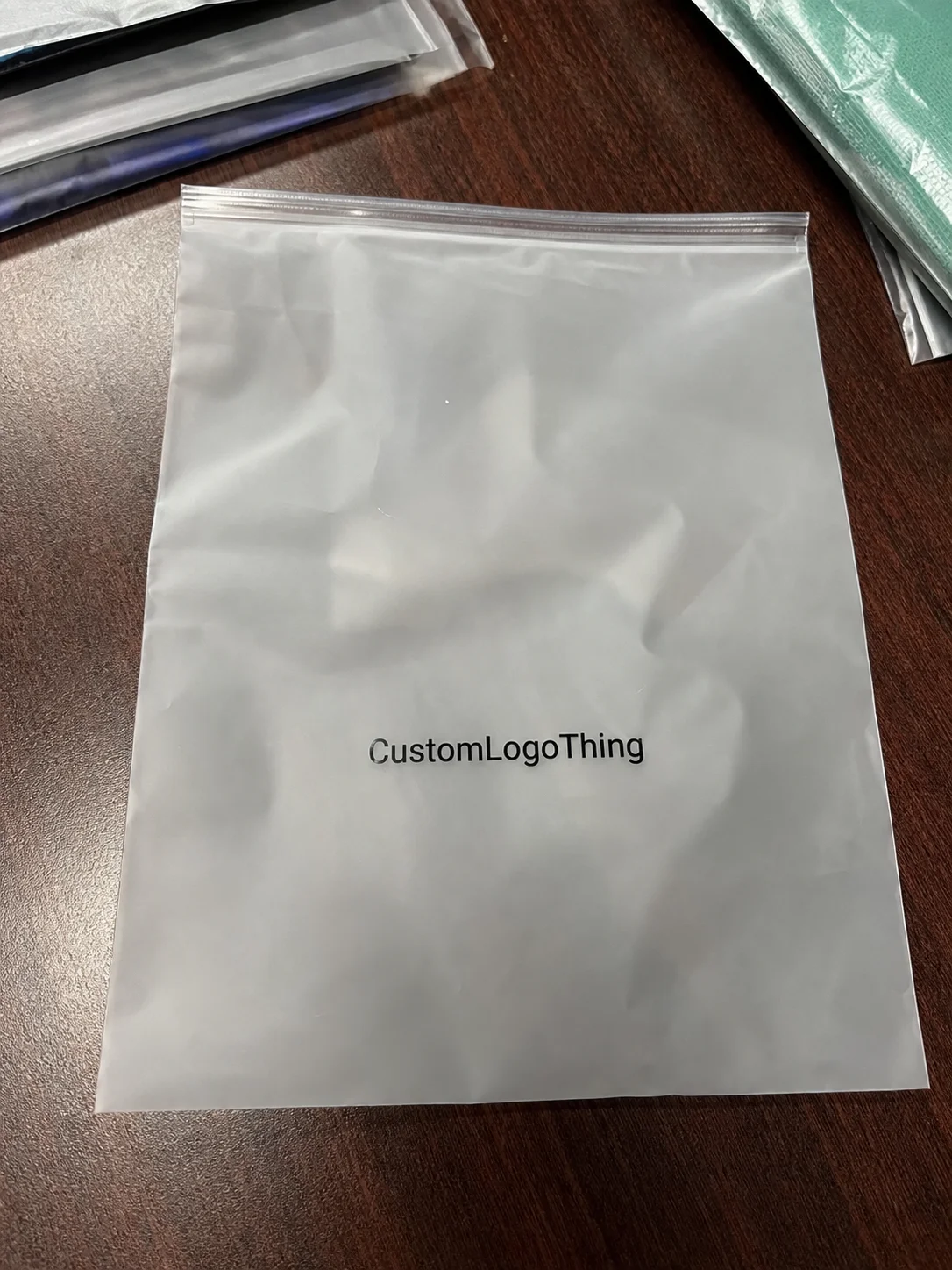
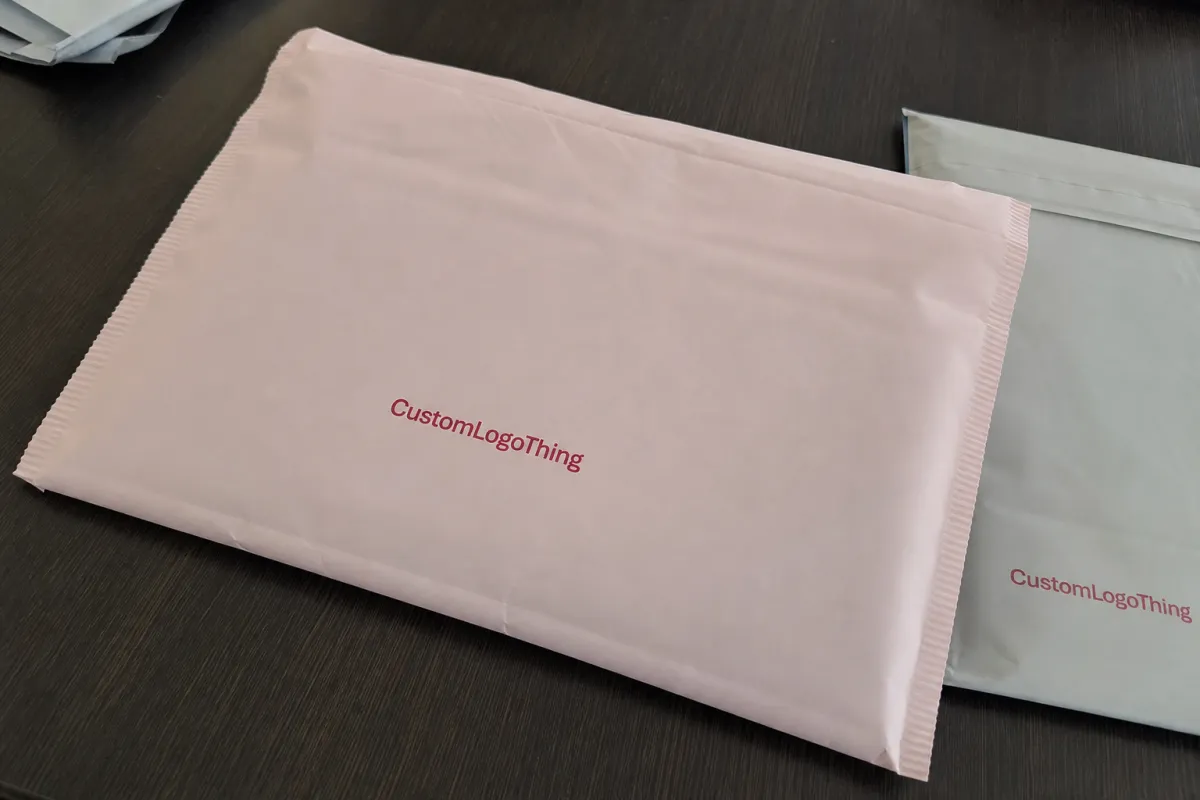
Waterproof Apparel Mailers are flexible Plastic Mailing Bags, usually made from polyethylene films, designed to resist moisture, punctures, and light abrasion while keeping shipments low-profile. They are common for apparel drops, merch bundles, PR kits, subscription add-ons, and e-commerce orders that do not need the structure of corrugated cardboard.
Buyers should keep the language precise. Water-resistant and waterproof are often used loosely, but they are not identical promises. Most poly mailers shed rain and splashes well because the film itself does not absorb water. The finished package, however, depends on film gauge, side seal strength, adhesive quality, fold-over depth, label adhesion, and whether the bag has been filled beyond its practical limit.
Practical rule: the film may resist water, but the packed mailer is only as protective as its weakest point, usually the closure, side seam, sharp product edge, or trapped air pocket.
A buyer-friendly specification starts with the packed order, not the artwork. A hoodie with a canvas pouch, compact mirror, two sample cards, and a thank-you insert is a different risk profile than one folded tee. The right mailer spec should fit the actual bundle after tissue, labels, garment loft, and inserts are included.
How Waterproof Poly Mailer Materials Protect Apparel and Beauty Shipments
A standard poly mailer begins as extruded plastic film. The film is formed, folded, side-sealed, cut to size, and finished with a pressure-sensitive adhesive strip so the packer can close the bag without tape. The format looks simple, but small choices in resin blend and converting setup change how the finished mailer feels, prints, seals, and survives handling.
The most common material family is polyethylene. LDPE is softer and more flexible, LLDPE often improves toughness and puncture resistance, and HDPE blends can add stiffness or a crisper hand. Co-extruded films combine layers so the exterior can print cleanly while the interior supports opacity, strength, or seal performance. Many custom poly mailers use blends rather than one pure resin because converters are balancing cost, feel, machinability, and durability.
Apparel shipments behave differently from boxed cosmetics. Fabric compresses, shifts, and pushes outward. Zipper pouches, folded hangtags, metal keychains, or cosmetic sample cards create pressure points. A mascara sample in a small carton can act like a hard corner inside a soft bag, so a mailer that works beautifully for a flat tee may struggle with a hoodie plus beauty gift-with-purchase item.
Gauge is the easy number buyers ask for, but it is not the whole answer. A thicker film usually improves puncture resistance and perceived quality, and a move from a lightweight mailer to a heavier gauge can make the package feel more substantial in hand. It also raises unit cost, increases carton storage volume, and may affect postage if the shipment is already near a carrier weight break. For many apparel mailers, the practical question is not “what is the thickest option?” but “what is the lightest film that passes fit, opacity, seam, and puncture testing for this exact bundle?”
Closure style matters just as much. A single permanent peel-and-seal strip is common for outbound e-commerce shipments. A dual adhesive strip supports returns because the customer can open one strip and reseal with the second. Tamper-evident adhesive can suit higher-value drops, but it needs enough fold-over room to bond flat. If packers are moving quickly, adhesive placement, release liner grip, and clear closing cues reduce crooked seals and half-closed bags.
For general package testing references, the International Safe Transit Association is a useful source for distribution testing concepts, especially when a brand is moving from small-batch fulfillment into higher-volume shipping.
Key Material Factors: Gauge, Opacity, Seals, Recycled Content, and Finish
The best material choice usually comes down to five working factors: gauge, opacity, puncture resistance, seal quality, and finish. Get those right, and the artwork has a solid foundation. Get them wrong, and even a beautiful print can arrive wrinkled, translucent, or split.
For lightweight tees, thin scarves, flat pouches, or small accessories, a standard gauge may be enough if the mailer is properly sized. Hoodies, robes, multi-piece bundles, and kits with rigid cosmetic samples often deserve an upgraded film because compression during transit can put heavy force on the side welds. Do not judge by weight alone. Shape matters. Corners matter. Packing tension matters.
Opacity is both a privacy issue and a brand-quality issue. Customers should not see the garment color, sample cards, or packing slip through the bag. Beauty brands often want a clean white, soft matte, high-gloss, black, pastel, or campaign-colored exterior, and opacity has to be checked after the actual product is inside. A pale mailer over a black hoodie gives honest feedback immediately.
Puncture and tear resistance need packed-product testing. Zipper pulls, compact mirrors, folded hangtags, metal charms, and rigid sample cartons can press into the film during conveyor handling. A tear may begin as a pinhole, then run along a fold if the film does not have enough toughness. Side welds should look clean, stay flat, and resist splitting when the mailer is flexed or slightly overpacked.
Recycled materials are available, but the claims need care. Post-consumer recycled content can reduce virgin plastic use, though recycled-content films may vary slightly in color, hand feel, or consistency. Store drop-off recyclability depends on local programs, ink coverage, shipping labels, adhesives, and contamination. The EPA recycling resources are helpful for understanding why disposal instructions should be specific rather than broad.
Finish affects both feel and production. Matte can feel upscale and calm, but it may show certain rub marks more clearly than gloss. Gloss can make color pop and photograph well, especially for bright cosmetic campaign palettes. High ink coverage, flood coats, metallic-looking effects, and tight registration can add proofing time and quality-control steps, particularly on flexible film that stretches slightly under press tension.
| Material Factor | Common Choice | Best Fit | Buyer Watchout |
|---|---|---|---|
| Film gauge | Standard to upgraded polyethylene film | Tees, hoodies, robes, merch kits | Thicker feels better but raises unit cost and storage space |
| Opacity | White, black, colored, or co-extruded opaque film | Privacy and premium brand presentation | Test with dark garments and printed inserts inside |
| Closure | Permanent adhesive or dual return strip | Outbound orders or return-friendly apparel drops | Overfilled bags reduce adhesive contact area |
| Recycled content | PCR or blended recycled film | Brands reducing virgin plastic use | Confirm percentage, appearance, and disposal language |
| Finish | Matte, gloss, soft-touch look, or colored film | Campaign packaging and social unboxing | Scuff behavior and color matching vary by film and ink coverage |
Cost, Pricing, MOQ, and Unit Cost Tradeoffs for Custom Mailers
Unit cost is shaped by size, film gauge, resin blend, print method, ink coverage, number of colors, order quantity, closure style, recycled content, and extras such as dual adhesive strips, tear notches, or special finishes. A plain stock mailer will usually be the lowest-cost route. A one-color custom logo print often sits in the middle. Full-coverage branded film, specialty finishes, or complex multi-color artwork usually increases the quote.
Price breaks matter because setup, plates or print preparation, press time, and changeovers are spread across more pieces. A smaller run can still make sense for testing a seasonal merch drop or influencer campaign, but the unit price will not behave like a large replenishment order. That is normal manufacturing math.
Look beyond the bag price. Total landed cost includes freight, storage space, packing speed, damage rate, reshipments, customer service time, and perceived brand value. A cheaper mailer that saves a few cents per unit can become expensive if it creates wet returns, split seams, label failures, or poor unboxing photos.
Ask for side-by-side options instead of one number. For example: standard gauge, upgraded gauge, and a recycled-content version. If the packed order weighs 12 ounces and includes a rigid compact sample, ask what changes at the next gauge level and whether the closure or seal specification changes too. For custom mailers, the useful comparison is cost per successful delivery, not only cost per piece.
Typical production schedules depend on artwork, quantity, print coverage, material availability, and shipping method. Simple custom logo mailers may move faster than full-coverage printed film, while specialty resin blends or high PCR content may require extra sourcing time. For launch planning, many buyers build in a buffer of 2 to 4 weeks beyond the optimistic date, especially if the mailer is tied to a product drop, retail event, or subscription window.
If you are comparing formats beyond poly, review Custom Logo Things’ Custom Packaging Products to think through where poly mailers, rigid boxes, kraft paper solutions, and corrugated cardboard shippers each make sense. Not every beauty shipment belongs in a flexible mailer. Heavy glass, fragile palettes, and leak-prone liquids usually need a more protective structure.
The smartest buyers treat cosmetics brands Waterproof Apparel Mailers material choice as a risk-control decision first and a branding decision second. The logo matters. The package surviving the carrier network matters more.
Process and Timeline: From Sample Mailer to Finished Production Run
A clean production run starts with the product, not the print file. Confirm the exact items going inside, measure the packed bundle, choose the mailer size, select film type and gauge, decide closure style, prepare artwork, review the proof, approve a physical sample if needed, then release the job for manufacturing and packing.
Sizing should happen before artwork is finalized. A mailer that is too tight stresses seams and adhesive. It also slows the packing line because staff have to force the bundle into the bag and fight the fold-over flap. An oversized mailer can look sloppy, create extra wrinkling, use more material than needed, and in some shipping setups contribute to dimensional concerns.
For a basic fit check, measure length, width, and height after the product is folded and wrapped exactly as it will ship. Add enough clearance for the product to slide in without scraping the side seals, plus enough mouth depth for the adhesive strip to close flat. If tissue, stickers, thank-you cards, or cosmetic sample cards are part of the experience, include them in the test pack.
Artwork for custom logo mailers should be vector-based when possible, with clear color references such as Pantone callouts or approved brand values. Keep safe zones near side seals, bottom folds, and adhesive areas. Tiny reverse text, hairline strokes, and low-contrast colors can lose clarity on flexible plastic, especially if the film has texture or heavy ink coverage. Printing on polyethylene is not the same as printing on smooth paperboard.
Digital proofs confirm layout, scale, logo position, and general color intent. Physical samples are better for judging hand feel, opacity, gauge, adhesive performance, label adhesion, and how the package looks after packing. If you are ordering Custom Poly Mailers for a large campaign, a sample round is usually worth the time because it catches problems before thousands of pieces are converted.
Lead time variables are straightforward: custom color matching, high ink coverage, specialty materials, larger quantities, overseas freight, peak fulfillment seasons, and sampling rounds can all add days or weeks. A launch calendar should include artwork approval, sample review, production, freight, inbound receiving, and packing-line setup. For influencer kits or subscription box windows, that buffer protects the campaign from avoidable stress.
Common Mistakes Beauty Brands Make When Choosing Apparel Mailers
Under-sizing is the mistake I see most often in specifications. A team measures the folded garment, then forgets loft, tissue wrap, insert cards, sample sachets, zipper pouches, or the extra flap room needed for the adhesive to bond without tension. The result is a tight brick of product pushing against every seam.
The second mistake is choosing the thinnest film because the spreadsheet looks better. A low-cost mailer that tears, shows through, arrives wrinkled, or feels flimsy can create higher costs through replacements and negative customer impressions. If a brand sells premium cosmetics and then ships a $90 merch bundle in a bag that feels like a grocery produce sleeve, the customer notices.
Product mix also gets ignored. A soft tee is forgiving. A hoodie plus compact mirror sample plus metal keychain is not. A canvas pouch with a zipper pull may be light, but that zipper pull can rub through a thin film during transit. Test the heaviest and sharpest reasonable order, not only the neat sample bundle prepared for a design meeting.
Artwork can create trouble too. Tiny reverse type, fine-line patterns, low-contrast tone-on-tone art, or graphics that cross folds and seals may not reproduce cleanly. Flexible film stretches and moves slightly. Registration can be good, but it is not rigid litho-laminated packaging. Leave breathing room around functional areas.
Sustainability claims need discipline. If the mailer uses recycled content, state the percentage only after confirming it. If the film is accepted through store drop-off programs in some regions, say that carefully and avoid promising universal recyclability. Biodegradable packaging claims, compostable claims, and FSC certified claims belong only where the actual material supports them; FSC certified applies to qualifying paper-based materials, not a standard polyethylene mailer.
Operational mistakes happen on the packing line. Staff may overstuff the bag, trap air, apply the adhesive strip crookedly, or use shipping labels that do not adhere well to a matte or textured finish. A good in-house trial includes label application, barcode scanning, stacking, and a simple compression check under a few packed orders.
If your team is still deciding how different branded packaging formats perform in real campaigns, the Case Studies section can help frame the conversation around function, brand presentation, and repeatable production details.
Actionable Next Steps for Choosing the Right Waterproof Mailer Spec
Start with a practical checklist. Gather the exact items going into the mailer. Measure the packed bundle, not the flat garment. Note the heaviest component, the sharpest component, the darkest garment color, and the most delicate printed insert. Define the customer impression you want: basic utility, clean branded e-commerce, premium launch packaging, or PR-kit presentation. Decide whether returns need to be supported with a second adhesive strip.
- Measure the packed order: include tissue, inserts, labels, samples, and garment loft.
- Test two gauges: compare puncture resistance, seam stress, opacity, and hand feel.
- Check the closure: seal a packed mailer and confirm the adhesive bonds flat without tension.
- Apply real labels: test label adhesion, barcode scanning, and rub resistance on the chosen finish.
- Expose a sample to moisture: leave a sealed pack near light spray or a damp surface for a basic in-house check, then inspect the mouth, seams, and inserts.
Build a simple specification sheet before requesting quotes. Include size, film type, gauge, color, opacity requirement, closure style, print colors, artwork placement, recycled-content preference, quantity, ship-to location, and launch deadline. That one-page document prevents vague quoting and keeps marketing, operations, and purchasing aligned.
Ask suppliers direct questions. What gauge do you recommend for this packed weight and shape? Is the adhesive permanent, tamper-evident, or returnable? How close can print run to the side seal? What affects lead time on this material? What are the MOQ breaks? Can the mailer be made with post-consumer recycled content, and if so, what percentage? Are samples available in the same finish and gauge?
A simple test beats a long debate. Pack five realistic orders, seal them, press the seams, stack them under weight overnight, apply shipping labels, and inspect them the next day. If the mouth puckers, the label lifts, the dark garment shows through, or the side seal looks stressed, adjust before approving the production run.
For beauty brands, waterproof apparel mailer selection should be treated like product protection, not decoration. Choose the film, gauge, seal, closure, finish, and recycled-content option around the actual packed order, then test that pack before committing to the full run.
FAQ
What is the best waterproof mailer material choice for cosmetics brands shipping apparel?
For most apparel shipments, a quality polyethylene poly mailer with enough gauge for the packed product weight and a strong permanent adhesive strip is the practical choice. LDPE or LLDPE blends are common because they balance flexibility, moisture resistance, opacity, and puncture resistance. If the shipment includes rigid cosmetic samples, compact mirrors, or zipper pouches, test a heavier gauge or consider a padded or hybrid option.
Are waterproof apparel mailers fully waterproof if they sit in rain?
The film itself generally resists rain and splashes well, but the closure and seams determine real-world protection. A properly sized mailer with a clean adhesive closure performs much better than an overfilled bag with tension at the mouth. For high-value shipments, test sealed samples with your actual product mix before ordering at scale.
What gauge should cosmetics brands choose for custom waterproof apparel mailers?
Lightweight tees and soft accessories can often use a standard gauge, while hoodies, multi-piece bundles, or items with rigid inserts usually need a stronger film. Do not choose gauge by weight alone; also consider corners, product shape, opacity, and how tightly the mailer will be packed. Ask for samples in two gauges and compare seam stress, puncture resistance, and customer feel.
How do custom printed waterproof apparel mailers affect pricing and MOQ?
Pricing changes with size, gauge, order quantity, ink coverage, number of print colors, closure type, and material choice. Higher quantities usually lower unit cost because setup and production time are spread across more mailers. Request quote options for standard, upgraded, and recycled-content materials so you can compare performance against budget.
Can waterproof apparel mailers for cosmetics brands use recycled material?
Yes, many poly mailers can be made with recycled content, including post-consumer recycled material depending on supplier capability and performance needs. Recycled-content films may vary slightly in color, feel, or consistency, so physical samples are important. Keep sustainability claims specific, and confirm whether the finished mailer is accepted by relevant film recycling or store drop-off programs.