Event Merch Teams Waterproof Apparel Mailers Unit Cost Review
Event Merch Teams Waterproof Apparel Mailers Unit Cost Review: The Real Risk
A festival merch team ships 4,000 hoodies after a rainy outdoor weekend. The drop sells well. Then the cheap paper mailers start arriving soft, torn, stained, or warped; that is why an event merch teams waterproof apparel Mailers Unit Cost Review is not just a packaging comparison, but a margin-protection exercise.
The bag may cost pennies. The failure does not. Once labor, re-pick, repack, customer service time, reshipment, and occasional chargebacks are added, an apparel return can cost more than the original outbound shipment. A $0.22 mailer problem can become a $14 replacement problem quickly, especially after a high-volume presale or post-event merch push.
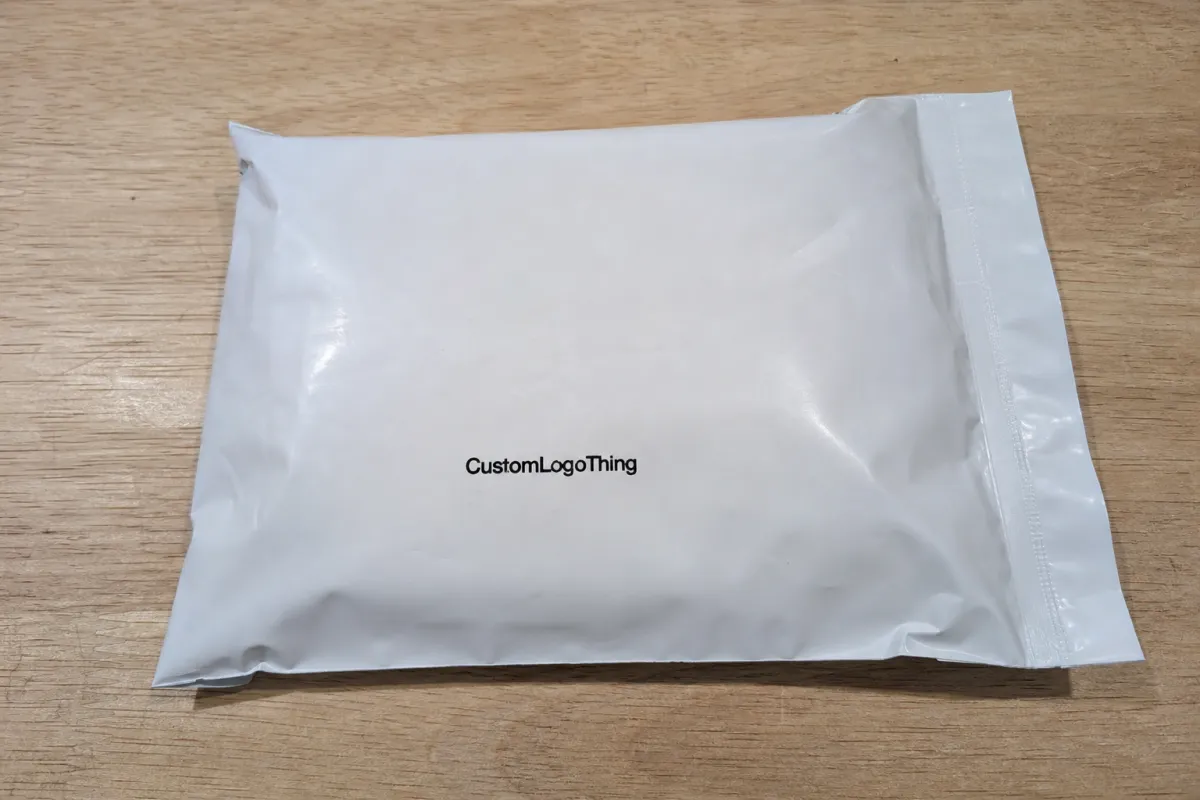
Waterproof Apparel Mailers act like low-cost insurance for T-shirts, hoodies, caps, staff uniforms, sponsor kits, VIP bundles, and post-event ecommerce fulfillment. They resist rain, splash, damp storage areas, and routine carrier handling better than uncoated kraft or thin paper envelopes. They also keep postage efficient because soft goods compress instead of requiring rigid void fill.
Packaging math is rarely about the cheapest component. It is about the lowest reliable landed cost after damage, labor, freight, storage, and customer experience are counted.
From a packaging buyer’s point of view, the visible cost is the bag. The hidden costs sit behind it: moisture damage, scuffed graphics, delayed replacements, storage problems, sponsor disappointment, and customers who expected the event energy to continue after delivery. A mailer is not glamorous, but it is often the last branded touch before the product reaches the fan.
Event merch teams need fast, branded, durable, lightweight, water-resistant mailers that protect soft goods without inflating postage. A useful cost review should cover material, size, print, MOQ, quote variables, lead time, freight, and order steps before anyone approves artwork or sends a purchase order.
Waterproof Apparel Mailer Product Details That Matter for Merch Drops
Custom plastic apparel mailers are flexible polyethylene shipping bags designed for soft goods and branded event merchandise. They are not miniature boxes. They are built for garments that can fold, compress, and travel without crush protection.
The waterproof advantage comes from the film itself. Poly mailers resist rain, splash, warehouse moisture, and carrier handling better than paper envelopes or uncoated kraft packaging. That matters after outdoor concerts, charity runs, fan festivals, conference pack-outs, and tour merch drops where cartons may sit near loading docks, tents, temporary storage rooms, or back-of-house receiving areas.
Common event uses are predictable: concert tour shirts, conference swag, sports fan apparel, charity run gear, influencer pop-up merchandise, staff uniform distribution, and sponsor apparel kits. A single mailer format can often handle a wide range of soft goods if the size is chosen correctly.
Closure options affect both unit cost and operations. Permanent peel-and-seal strips work for outbound orders. Dual adhesive strips add a second seal for returns, which is useful for exchanges, size swaps, and post-event ecommerce programs. Tamper-evident seals can make sense for higher-value bundles, limited-edition drops, or VIP kits, although they usually add cost and may narrow available production options.
Opaque mailers protect privacy and conceal premium goods. Translucent options may be acceptable for internal staff distribution, volunteer kits, or warehouse-to-venue transfers where branding and product visibility are less sensitive. For direct-to-consumer shipments, opaque film is usually the safer default.
Branding can stay simple. One-color logo printing, full-surface artwork, repeat patterns, QR codes, sponsor marks, and campaign-specific creative are all possible. The practical question is whether the artwork improves recognition enough to justify added setup charges, ink coverage, proofing time, and production complexity.
Apparel is a strong fit because fabric has low breakage risk. A folded shirt, hoodie, or cap does not need corrugated board, air pillows, or molded inserts. That keeps dimensional weight under control and reduces storage space. For event teams shipping hundreds or thousands of orders from a temporary fulfillment setup, fewer bulky cartons matter more than they may appear to on the first packaging spreadsheet.
There are limits. Plastic apparel mailers are not designed for fragile drinkware, boxed electronics, sharp metal objects, framed awards, or items needing crush resistance. If a sponsor kit includes a ceramic mug, a pin badge with exposed posts, and a hoodie, the mailer may need an inner carton, added protection, or a different package entirely.
Film, Thickness, Sizing, and Print Specifications to Check
A good specification sheet prevents expensive guessing. For event merch mailers, buyers should confirm material type, film thickness, finished size, flap size, adhesive width, print coverage, color count, and case pack quantity before requesting final pricing.
LDPE is common because it is flexible, tough, and familiar to fulfillment teams. Co-extruded films can improve opacity and strength by combining layers with different properties. Recycled-content options may be available, depending on resin supply, color, print method, and performance requirements. Sustainability claims should be checked carefully; the U.S. EPA’s guidance on recycling and materials management is a useful reference for buyers reviewing disposal language: EPA recycling resources.
Thickness is one of the biggest cost-performance levers. Many apparel mailers sit in the approximate 2.0 to 3.0 mil range, though needs vary. Lighter films can reduce unit cost and freight. Thicker films improve puncture resistance for bulky hoodies, multi-item kits, or shipments with folded seams, zipper pulls, drawcord tips, and stacked fabric pressing against the bag wall.
Sizing deserves more attention than it usually gets. Measure the folded garment stack, then add enough room for fast insertion and a clean seal. Do not oversize by habit. Every extra inch adds material, carton volume, storage space, and sometimes postage inefficiency.
| Typical Use | Common Mailer Size Range | Practical Film Target | Buyer Watchout |
|---|---|---|---|
| Single T-shirt | 10 x 13 in. to 12 x 15.5 in. | About 2.0 to 2.5 mil | Avoid oversized bags that increase material use and look loose around the product. |
| Single hoodie | 14.5 x 19 in. to 16 x 20 in. | About 2.5 to 3.0 mil | Check bulk at the folded hood and cuffs before approving size. |
| VIP apparel bundle | 19 x 24 in. or larger | About 3.0 mil or heavier if needed | Multi-item pressure points can stress thin film and seals. |
Artwork also has rules. Vector logo files are preferred because they scale cleanly. Buyers should provide Pantone or CMYK targets, safe zones, bleed requirements, orientation, and desired print placement. Proof approval should happen before production, not after the team realizes the seal flap faces the wrong direction on the pack table.
Barcodes and QR codes can be printed on poly mailers, but they need review. Contrast, scan size, film distortion, and ink spread can affect readability. If the QR code drives a campaign landing page, test it at actual size. If the code supports logistics, treat it as a functional element rather than decoration.
Sustainability choices can influence both cost and perception. Downgauging, right-sizing, recycled resin, reusable return strips, and clear disposal labeling all matter. So does honesty. A thinner bag that fails and requires a replacement shipment is not an environmental win.
Unit Cost, Pricing Variables, and MOQ for Custom Mailers
Unit cost depends on more than bag size. Film gauge, resin market movement, order volume, print method, number of ink colors, artwork coverage, adhesive format, tooling fees, setup charges, and freight all affect the final number.
MOQ exists for operational reasons. Custom printing requires machine setup, plate or cylinder preparation in some print methods, ink matching, material staging, and production changeovers. Those fixed costs do not disappear because the order is small; they get divided across fewer bags.
Larger runs usually reduce cost per piece. Setup costs spread across more units, press time is used more efficiently, and raw materials can sometimes be purchased in larger lots. As a practical example, a simple one-color custom poly mailer might land around $0.18 to $0.32 per unit at a 5,000-piece run, while a smaller run may sit higher due to setup and freight allocation. Full-coverage printing, heavier film, dual seal strips, specialty opacity, or rush handling can move the range upward.
Buyers should prepare the core quote inputs before comparing numbers: bag dimensions, thickness target, quantity, artwork, print colors, delivery location, in-hands date, return-strip requirement, and any special opacity or recycled-content preference. Missing one of those inputs often leads to placeholder pricing that changes later.
The cheapest mailer may be the riskiest. If it is too thin, too small, poorly sealed, or unable to withstand fulfillment handling, the savings can vanish after the first wave of complaints. A disciplined review compares the factory unit price with the landed operating cost.
Freight deserves direct attention. Poly mailers are lightweight compared with boxes, but carton count, destination, and rush timelines still shift landed cost. A 10,000-piece order shipping ground to one warehouse has a different cost profile from split shipments to three venues and a third-party fulfillment partner.
| Cost Factor | Lower-Cost Choice | Higher-Control Choice | What to Review |
|---|---|---|---|
| Film thickness | Lighter gauge | Heavier gauge | Hoodie bulk, puncture risk, carrier handling |
| One-color logo | Multi-color or full-coverage art | Brand value versus setup and ink cost | |
| Closure | Single peel-and-seal | Dual return strip or tamper-evident seal | Returns, exchanges, VIP kit value |
| Quantity | Minimum run | Bulk pricing quantity break | Storage space, reorder risk, event forecast |
| Freight | Standard ground | Rush or split delivery | In-hands date and receiving capacity |
Review landed unit cost instead of factory unit price alone. Include packaging price, setup charges, proofing, freight, storage, and fulfillment labor impact. That is the number finance and operations actually feel.
Custom Logo Things can help event merch teams compare film strength, brand presentation, and delivery timing without losing sight of unit cost. If you are weighing formats, start with Custom Poly Mailers and price two or three practical specifications before locking the run.
Process, Timeline, and Production Steps Before Your Event Ship Date
The buying journey is straightforward when the brief is complete: inquiry, specification confirmation, artwork review, quote, proof, approval, production, quality check, packing, and shipment. Problems start when each step waits for a different person.
Event merch has unusual timing pressure. Tickets sell on one schedule. Sponsors approve artwork on another. Fulfillment may begin right after the event, after a presale cutoff, or after final inventory counts from the venue. Packaging is often ordered late because the focus stays on the merch itself.
Start with the required in-hands date and work backward. Add proof review, production time, freight transit, receiving time, and a buffer. For many Custom Printed Mailer projects, buyers should expect several business days for proofing and approval, then production and transit based on quantity and print complexity. Rush projects are sometimes possible, but they demand quick decisions and cleaner specifications.
The biggest timeline risk is not always factory production. Delayed artwork approval, incomplete dimensions, sponsor mark changes, or uncertainty about the final garment stack can stall the order just as easily. A one-day delay in proof approval can push production into a more expensive freight lane.
A proof should verify logo placement, print color, bag orientation, seal direction, size callout, barcode readability if used, and order quantity. Check the mailer as a working package. If the fulfillment team loads garments from the short side, the flap direction matters. If the design includes a QR code, scan it from a printed proof or final-size mockup.
Rush feasibility depends on available film, standard sizes, simplified print, and fast approvals. Custom sizes, complex full-coverage artwork, unusual colors, or specialty closures may need more time. Not always, but often enough to plan around.
Assign one approval owner. That single step reduces conflicting sponsor, design, and operations feedback. Event teams should also order a practical overage, often 3% to 10% depending on volume and forecast confidence, for late staff additions, replacement shipments, influencer kits, damaged cartons, and post-event merch sales.
For broader packaging planning, event buyers can compare related formats under Custom Packaging Products, especially if the merch program includes boxes, tissue, stickers, or premium inserts alongside Waterproof Apparel Mailers.
Common Buying Mistakes That Inflate Apparel Mailer Costs
The first mistake is choosing the wrong size. Oversizing looks harmless on a spreadsheet, but every extra inch increases plastic use, carton volume, storage space, and sometimes postal classification. Across 10,000 bags, a small dimensional decision becomes a real cost line.
Undersizing creates a different problem: labor. Fulfillment teams lose time forcing garments into tight mailers. Seals fail more often. Pack stations slow down. A mailer that saves $0.03 per unit can cost more in labor if it adds 12 seconds to every pack-out.
The second mistake is underestimating hoodie bulk. A heavyweight fleece hoodie does not behave like a thin race shirt. The folded hood, cuffs, zipper, and drawcords create pressure points that can test film strength and seal integrity.
The third mistake is selecting film gauge by price alone. Thin mailers may look fine in a quote table, but carrier abrasion, carton compression, and multi-item kits reveal weaknesses. Performance should be tested with the real garment stack whenever possible.
Artwork complexity is another cost trap. Full-coverage print can be smart for premium drops, sponsor-heavy campaigns, or limited releases. For routine operational shipments, a clean one-color logo may deliver better ROI. Many teams overdesign the bag while under-specifying the film, then wonder why the package looks good on the proof but struggles in the carrier stream.
Inventory risk cuts both ways. Ordering too few can force expensive reorders, rush freight, and inconsistent branding. Ordering too many campaign-specific bags can leave dead stock after the event. A size matrix is usually better than a unique bag for every SKU: one mailer for single shirts, one for hoodies, and one for bundles.
Decision discipline matters. Review total packaging performance, not just the first price shown on a quote sheet. That includes pack speed, damage rate, storage space, customer perception, and whether the package survives the route between the fulfillment table and the fan’s doorstep.
Build a Quote-Ready Mailer Brief
A quote-ready brief saves time and prevents fuzzy pricing. Before contacting Custom Logo Things, gather the product type, folded garment dimensions, order quantity, preferred bag size, thickness target, print colors, artwork file, ship-to ZIP code, and deadline.
Send photos or measurements of the actual merch stack if possible. Heavyweight hoodies, oversized tees, bundled sponsor kits, and staff uniform sets can surprise even experienced buyers. A flat garment measurement is not the same as a packed stack measurement.
Ask for comparison pricing. Two or three quantity breaks can reveal the real impact of bulk pricing. Request a standard film option, a heavier-duty option, and freight estimates so the team can evaluate landed cost rather than only the first unit price.
- Confirm size: folded garment stack plus insertion room and seal clearance.
- Confirm film: approximate mil thickness, opacity, and recycled-content preference if relevant.
- Confirm print: number of colors, logo size, repeat pattern, sponsor marks, and QR code placement.
- Confirm closure: outbound-only seal, dual return strip, or tamper-evident format.
- Confirm logistics: delivery ZIP code, in-hands date, split shipments, and receiving hours.
Also ask for production guidance. Is the size standard? Can artwork be simplified to reduce setup charges? Does the timeline support custom printing? Would a slightly different dimension reduce material waste or improve carton packing?
Operational needs should be clear before the quote is approved: outbound-only seal, return-ready dual seal, opacity level, storage space, fulfillment speed, and brand visibility. If the mailer supports a campaign, test the QR code. If it supports returns, test the second adhesive strip.
Custom Logo Things can help with right-sizing, artwork setup, quote comparison, production planning, and coordinating packaging for multi-location event fulfillment. A careful waterproof apparel mailer review turns packaging from a last-minute purchase into a controllable cost and brand-protection decision.
FAQ
What should event merch teams include in a waterproof apparel mailers unit cost review?
Include bag size, film thickness, quantity, print colors, closure type, artwork coverage, freight, setup costs, and delivery deadline. Compare landed unit cost, not just the bag price, because freight and rush timing can change the real cost per shipment. Also review performance requirements such as opacity, puncture resistance, and whether the mailer must support returns.
What MOQ should event merch teams expect for custom waterproof apparel mailers?
MOQ depends on size, print method, material, and setup requirements. Standard-size custom mailers usually have lower minimums than fully custom dimensions or complex full-coverage prints. Ask for quantity breaks so you can compare the per-unit impact of ordering more before a large event or merch drop.
Are waterproof apparel mailers cheaper than boxes for event merch shipping?
For soft goods like shirts, hoodies, and caps, plastic apparel mailers are usually more cost-efficient than boxes because they are lighter and use less storage space. Boxes may still be better for fragile, structured, or premium gift kits that need crush protection. The best comparison is landed shipment cost, including packaging, labor, postage, and damage risk.
How long does production take for branded waterproof apparel mailers?
Timeline varies by quantity, print complexity, material availability, and proof approval speed. The fastest projects typically use standard sizes, simple artwork, available film, and quick buyer approvals. Build in buffer time before the event ship date, especially if sponsors or multiple departments must approve artwork.
What artwork works best on custom waterproof apparel mailers for event merch?
Vector logo files are preferred for clean print results and accurate scaling. One-color logos, repeat patterns, event marks, sponsor locks, and QR codes can work well when sized and positioned correctly. Before approving proof, confirm orientation, color, safe zones, seal direction, and whether the design will still look good when the mailer is filled.