For a coffee brand, packaging has to do a lot in a short amount of time. It needs to protect the product, show it off, and still make sense in the budget. That is why Clear Resealable Poly Bags for coffee brands moq planning often becomes the point where merchandising, freshness, and order economics all collide.
A shopper may only give your bag a few seconds on shelf or in a thumbnail. If the package looks cloudy, flimsy, or confusing, you lose the sale before anyone smells the roast. A clear resealable bag solves part of that problem by showing the beans, the fill level, and sometimes even the inserts or origin card. The resealable part matters too. Customers do not want to decant coffee into another container just to keep it usable.
There is a second reason brands keep coming back to this format: it is practical. Clear bags are light, easy to store, and usually easier to pack than rigid formats. That makes them useful for sample packs, refill pouches, promotional bundles, and direct-to-consumer orders. The catch is obvious enough. “Clear” is not a spec. It is a starting point.
One bag may be polyethylene. Another may be polypropylene. A third may be a laminated structure that looks similar on the outside but behaves differently on the line and in transit. If you do not pin down the material early, the quote can look fine and the order can still be wrong.
Why coffee brands use clear resealable poly bags to protect freshness and sell faster
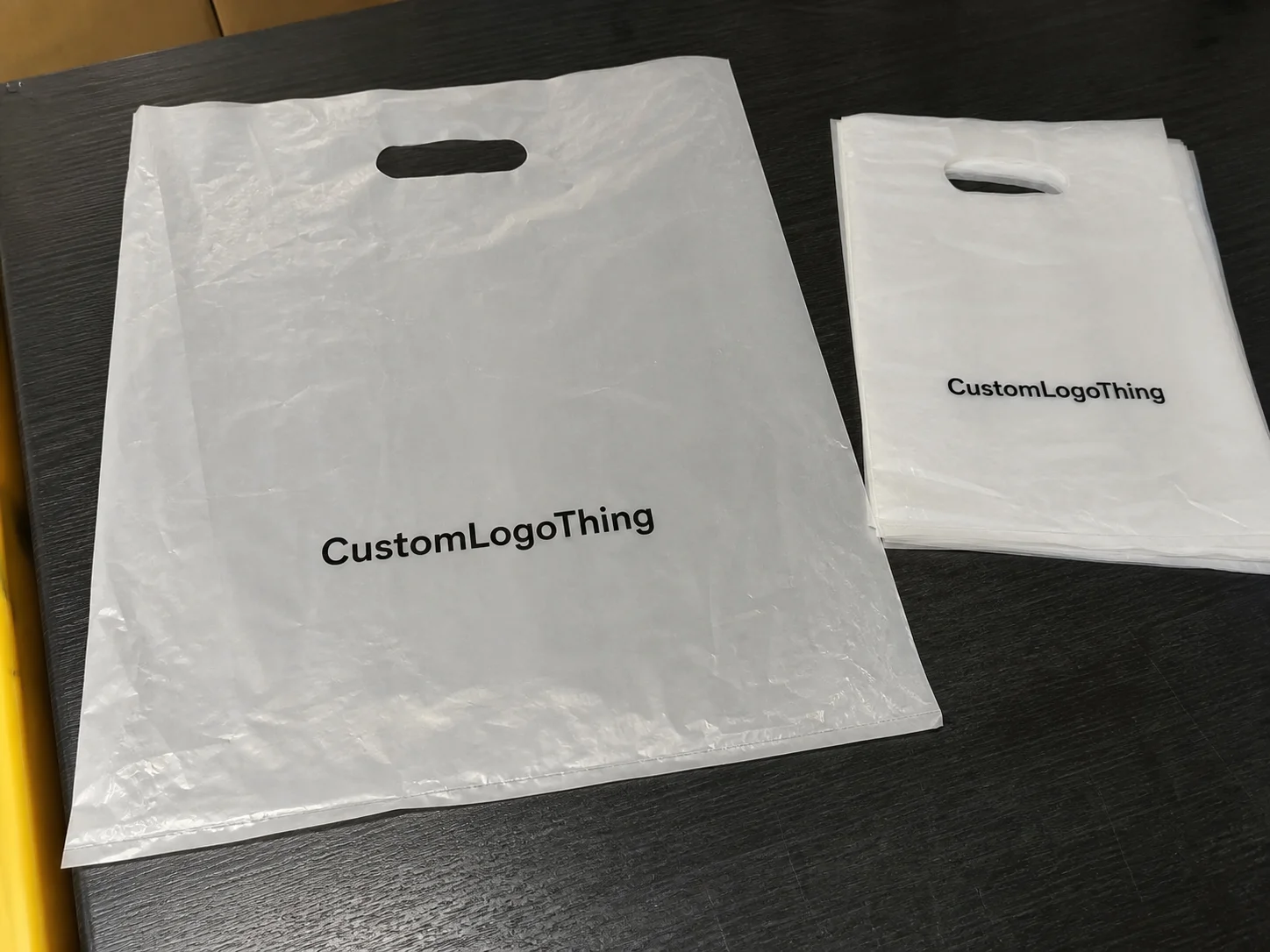
Clear resealable packaging makes coffee easier to evaluate. Buyers can see roast color, bean size, and the general condition of the fill. That sounds simple, but it helps more than people expect. Coffee is one of those products where visual trust matters. A clean, properly filled bag communicates order and consistency before the customer reads the label.
For retail teams, that matters because the package has to earn attention fast. For e-commerce teams, it matters because the product has to photograph well and survive shipping without looking beat up. For subscription brands, it matters because the bag often gets handled more than once before the coffee is gone. A resealable closure gives the customer a better experience after first opening, and that can reduce complaints about stale product or messy storage.
There is also a cost side. Rigid tubs, jars, and tins look premium, but they carry more weight, more storage burden, and more freight expense. Clear Poly Bags are usually easier to scale if you are testing a new roast or launching several SKUs at once. That is why many brands use them for lower-risk programs first, then decide whether a more complex structure is worth it later.
Common use cases include:
- Whole bean coffee in retail or direct-to-consumer channels
- Ground coffee samples and trial packs
- Refill bags for subscription programs
- Promotional bundles with cards or inserts
- Gift sets that need the contents visible
Some buyers also use the same planning logic across other packaging formats. A clear pouch is not the same as a mailer, but the thinking is similar: size control, material choice, and packing speed all affect the final unit cost. If you already manage other formats like Custom Poly Mailers or broader Custom Packaging Products, the same discipline applies here. Define the spec first. Then ask for pricing.
One caution: clear does not automatically mean high barrier. If the bag needs meaningful oxygen or moisture protection, the film structure must be selected for that purpose. A pretty bag that leaks performance is just an expensive mistake.
Material, seal, and closure details that affect shelf life and handling
The biggest surprise for many buyers is that the material choice changes more than the look. It changes how the bag seals, how it feels in hand, how it holds shape on shelf, and how well it survives shipping. Polyethylene is often chosen for flexibility and cost control. Polypropylene typically gives better clarity and a stiffer presentation. Laminated structures are used when the bag needs more strength, better barrier performance, or a more premium feel.
Closure style matters just as much. A press-to-close zipper is usually the simplest option. It is familiar, fast to use, and decent for repeat opening. A slider adds convenience, but it also adds cost and another point of failure if the line is not set up well. If the pack will be filled at speed, the closure should be checked against the actual filling process, not just a catalog description.
Coffee format changes the picture too. Whole bean coffee is cleaner to pack. Ground coffee creates more dust, and that dust can interfere with the seal area if the process is sloppy. If the product is freshly roasted and shelf life matters, some brands also ask about a one-way degassing valve. That is useful in many retail applications, but not every clear bag needs one. If the bag is a secondary package, a short-run promotional pack, or a refill format with a short distribution cycle, a valve may be unnecessary overhead.
These are the performance details worth discussing early:
- Puncture resistance if the bags will be packed tightly or shipped long distances
- Seal integrity for repeat closure and shelf-life protection
- Haze level if product visibility is part of the sales strategy
- Stiffness if you want the bag to stand well in display
- Anti-static behavior if fine coffee dust or cling is a problem on the line
Branding does not have to rely on full-print coverage. Clear bags often work better with a clean label, a small printed panel, or a custom insert. That keeps the product visible and avoids overbuilding a format that already does its main job well. Too much print on a clear structure can fight the point of the packaging in the first place.
For neutral packaging and sourcing references, the industry resources from PMMI and FSC are useful starting points. They do not replace a spec sheet or a test run, but they help buyers ask better questions about materials and claims.
Specifications to lock before you request a quote
Accurate pricing starts with a real spec, not a vague description. If you ask for a quote on a “clear resealable coffee bag” without dimensions, closure type, and material assumptions, the reply will be guesswork. Sometimes the guess is close. Sometimes it is useless. Either way, it wastes time.
Start with the basics:
- Overall width, gusset depth, and height
- Whether the bag is flat, side gusset, or stand-up style
- Thickness in mils or microns
- Closure style: zipper, press-to-close, or slider
- Need for tear notch, hang hole, or tamper-evident feature
- Direct food contact requirements
Food-contact suitability needs to be confirmed at the beginning, not after the quote is approved. If the bag touches coffee directly, the supplier has to verify the right material and compliance path. If the bag is only a secondary pack, the requirements may be different. That distinction affects both cost and paperwork.
It also helps to define how the bag will be used after it arrives. Will it be machine-filled or hand-packed? Will it be boxed loose or packed in cartons with inserts? Will it ship in master cases or mixed retail sets? Those details influence bag structure, carton counts, and the amount of labor needed downstream.
Here is a practical comparison that usually clears up the conversation early:
| Bag option | Typical strengths | Tradeoffs | Best fit |
|---|---|---|---|
| Polyethylene clear bag | Flexible, cost-controlled, easy to source | Lower clarity and stiffness than PP in many cases | Value-focused refill packs and sample programs |
| Polypropylene clear bag | Excellent clarity, cleaner presentation, more stiffness | May cost more than basic PE | Retail-facing bags where shelf appearance matters |
| Laminated clear structure | Stronger performance, better barrier options | Higher cost and sometimes longer setup | Premium coffee programs and longer distribution chains |
| Clear bag with zipper and label | Simple branding, practical reseal function | Less premium than full print | Fast-moving SKUs and lower MOQ planning |
If you already have a current sample bag, send it. Matching to a real bag is usually more reliable than describing one from memory. Dimensional drift, closure height, and film feel all matter more than buyers expect, especially if the product is being filled at scale.
For buyers who want a second pass on the packaging plan, our FAQ and Case Studies pages cover the common decision points without the usual marketing haze.
Pricing and MOQ planning for clear resealable poly bags
This is where the budget conversation gets real. Clear Resealable Poly Bags for coffee brands moq planning is not just about finding the lowest unit price. It is about understanding which choices drive the quote and which ones quietly inflate the total. Material resin, bag size, thickness, closure style, print or label work, compliance requirements, and freight all have a say.
MOQ is usually tied to conversion efficiency and setup time. Standard sizes with common zippers are easier to run and can support lower minimums. Custom dimensions, special closures, and tighter tolerances usually push MOQ upward because the line needs extra setup and the supplier has to spread that cost across enough units to make the job workable.
For smaller coffee brands, the cleanest way to control spend is usually not to chase the cheapest bag. It is to simplify the spec where possible and keep the number of SKUs under control. One or two core bag sizes are easier to manage than a family of slight variations that all look different, cost different amounts, and reorder at different times.
Here is the practical pricing view:
| Order approach | What usually happens | Impact on unit cost | Planning note |
|---|---|---|---|
| Small run with standard bag | Lower setup burden, fewer variables | Usually higher cost per piece than larger runs | Good for testing demand or seasonal launches |
| Custom size with zipper | More precise fit, better brand control | Higher upfront setup, possible tooling fees | Works best when sales volume is predictable |
| Higher-volume replenishment order | Setup cost spreads across more units | Usually lower unit cost and better bulk pricing | Best once the bag spec is proven |
| Printed or labeled clear bag | More branding value, more process steps | Higher cost than plain stock packaging | Ask for tiered pricing by quantity |
Exact numbers depend on the market, the size, and the complexity of the run. A plain clear resealable bag at modest volume may sit in a relatively narrow range, while a custom structure with stronger film, tighter tolerances, or extra branding can move the price up quickly. That is normal. What matters is tiered pricing. If the quote shows 1,000, 5,000, and 10,000 units, you can actually see whether a larger run creates enough savings to justify the inventory.
Also ask about setup charges and tooling fees before you approve anything. Buyers often focus on the unit price and then discover one-time costs after the budget is already approved internally. That is a bad surprise and a common one. If you know the bag will be reordered, accepting a slightly heavier first-run setup can still make sense if the repeat order drops materially.
Process and lead time from spec confirmation to shipment
The production path is usually straightforward if the spec is clean. Quote request first. Then dimension and material confirmation. Then artwork or label review if needed. After that comes sample approval and production. Skip any of those steps, or leave one vague, and the schedule gets softer fast.
Lead time depends on whether the bag is stock, modified standard, or fully custom. A stock or near-stock format moves faster. A custom structure takes longer because the supplier may need to adjust film, closure components, or line settings before production can start. That is not a delay in the abstract. It is the reality of making a specific thing well instead of a generic thing badly.
Sample stages should be separated. A digital mockup is useful for layout, text placement, and rough size communication. It does not tell you how the bag feels, how the zipper behaves, or whether the film looks clear enough under retail lighting. A physical sample answers those questions. If the order is sensitive, a final pre-production approval is worth the time because it confirms the exact spec that will run.
Timing also changes with order volume, closure style, and any special finishing such as perforation or print. Coffee brands launching around roast schedules need to account for internal review, photography, and merchandising calendars. More than one otherwise decent order has been delayed because packaging approval arrived after the marketing deadline had already moved on.
Practical rule: build the packaging timeline backward from the launch date, not forward from the quote date. That leaves room for sample review, internal sign-off, and a correction if the first sample reveals a problem.
For long-distance shipping or mixed-carton distribution, it can also help to compare the pack against recognized testing methods such as ISTA. Not every coffee bag needs formal distribution testing, but the reference point is useful if the product will travel far or get stacked hard in transit.
How we support coffee brands with better fit, clearer specs, and fewer surprises
The best packaging partner does more than send a price. It helps narrow the spec so the bag fits the product, the budget, and the fill process without adding avoidable risk. That matters in this category because a bad first choice can lock you into a costly setup or a format that is awkward to reorder later.
Clear communication is the real work. Tolerances, closure performance, fill method, and shipping expectations should be discussed before the run starts. If the bag will be filled on a fast line, the zipper or press-to-close feature needs to behave consistently. If the product is delicate or the bags will ship in mixed cartons, the film may need more strength than a casual buyer would expect from a “simple” clear pouch.
Sample packs should be checked with actual coffee whenever possible. An empty bag can look great and still perform badly once filled. Ground coffee is the usual troublemaker because dust can interfere with the seal area. Heavier fills can also expose weak gussets, weak bottoms, or a closure that looks fine but opens too easily during packing.
Responsive quoting helps too. Buyers should be able to compare MOQ levels, unit cost, and replenishment economics without playing detective. The point is not to overcomplicate the order. It is to avoid getting trapped by a spec that seemed harmless during quoting and then becomes expensive during repeat production.
If you are comparing packaging across product categories, our Custom Packaging Products page is useful for seeing how different formats are specified and planned. A good packaging process should be boring in the right way. Clear inputs, predictable outputs, fewer surprises.
Next steps to request a quote and avoid MOQ mistakes
Before requesting pricing, gather the essentials: bag dimensions, material preference, closure type, estimated quantity, and whether the bag will touch food directly. That alone removes a lot of back-and-forth and makes the quote more reliable.
Next, ask for pricing in tiers. A useful quote should show how the cost per piece changes at different quantities so you can compare launch orders, growth-stage replenishment, and longer-run bulk pricing. That is the cleanest way to judge whether the MOQ fits the sales forecast instead of just the initial enthusiasm.
Ask for a sample or spec review before production, especially if you are switching from another format. A current sample can reveal fit issues, clarity problems, zipper weaknesses, or panel sizing mistakes that are invisible in a spreadsheet. If you already have roast schedules or a launch date, confirm lead time against those dates early. Inventory shortages usually happen because someone assumed the calendar would be kinder than it was.
The goal is straightforward. The bag should look good, protect the product, and reorder without drama. That is what makes clear Resealable Poly Bags for Coffee brands moq planning worth doing carefully. Get the spec right on the first round and the next order becomes a lot less expensive to think about.
What MOQ should I expect for clear resealable poly bags for coffee brands?
MOQ usually depends on size, film type, closure style, and whether the bag is stock or custom. Standard constructions often support lower minimums than fully custom sizes or printed options. A quote with tiered quantities is the best way to see how MOQ affects unit cost.
Do clear resealable poly bags work for whole bean coffee and ground coffee?
Yes, but the best structure depends on how the coffee will be packed and sold. Whole bean coffee may need different barrier and closure choices than ground coffee. If freshness is critical, ask whether a valve, stronger seal, or laminated structure is recommended.
How do I compare pricing across different bag specs?
Compare material, thickness, closure type, dimensions, and whether printing or labeling is included. Check whether the quote includes freight, sample cost, and any setup charges. The lowest unit price is not always the lowest total cost if the bag is oversized or overbuilt.
What information do I need before requesting a quote?
Provide target dimensions, estimated quantity, product type, closure preference, and food-contact requirements. Include any branding needs such as labels, inserts, or print expectations. If you have a current bag sample, sharing it can speed up spec matching.
How long does production usually take after approval?
Lead time depends on whether the bag is stock, modified, or fully custom. Sample review and internal approvals can add time before production starts. The most reliable schedule comes from confirming specs, artwork, and quantity early in the process.


