Museum retail lives or dies on visibility. If a postcard, pin, print, textile fold, or replica disappears behind cloudy packaging, the shelf does the item no favors. Clear packaging is not decoration. It is merchandising. That is why Clear Resealable Poly Bags for museum shops moq planning starts with display performance first and inventory planning second. The bag has to protect the product, but it also has to stay out of the way. Easy in theory. Slightly more annoying in practice.
That’s because museum stores rarely carry one tidy product line. They carry dozens of low-volume SKUs, each with different dimensions, handling needs, and sell-through rates. One size does not fit all. One order quantity does not fit all either. The trick is to keep packaging consistent enough to simplify stocking and checkout, while avoiding the kind of overbuying that leaves cash trapped in cartons for six months.
From a buyer’s point of view, the best bag does three jobs at once: it protects the merchandise, speeds up handling, and presents the item well under bright retail lighting. Clear film, a clean seal, and a sensible size do more work than a lot of branding gimmicks. Especially in museum shops, where the product itself usually has the story. Packaging just needs to stop sabotaging it.
Why museum shops need clear bags that sell the product first
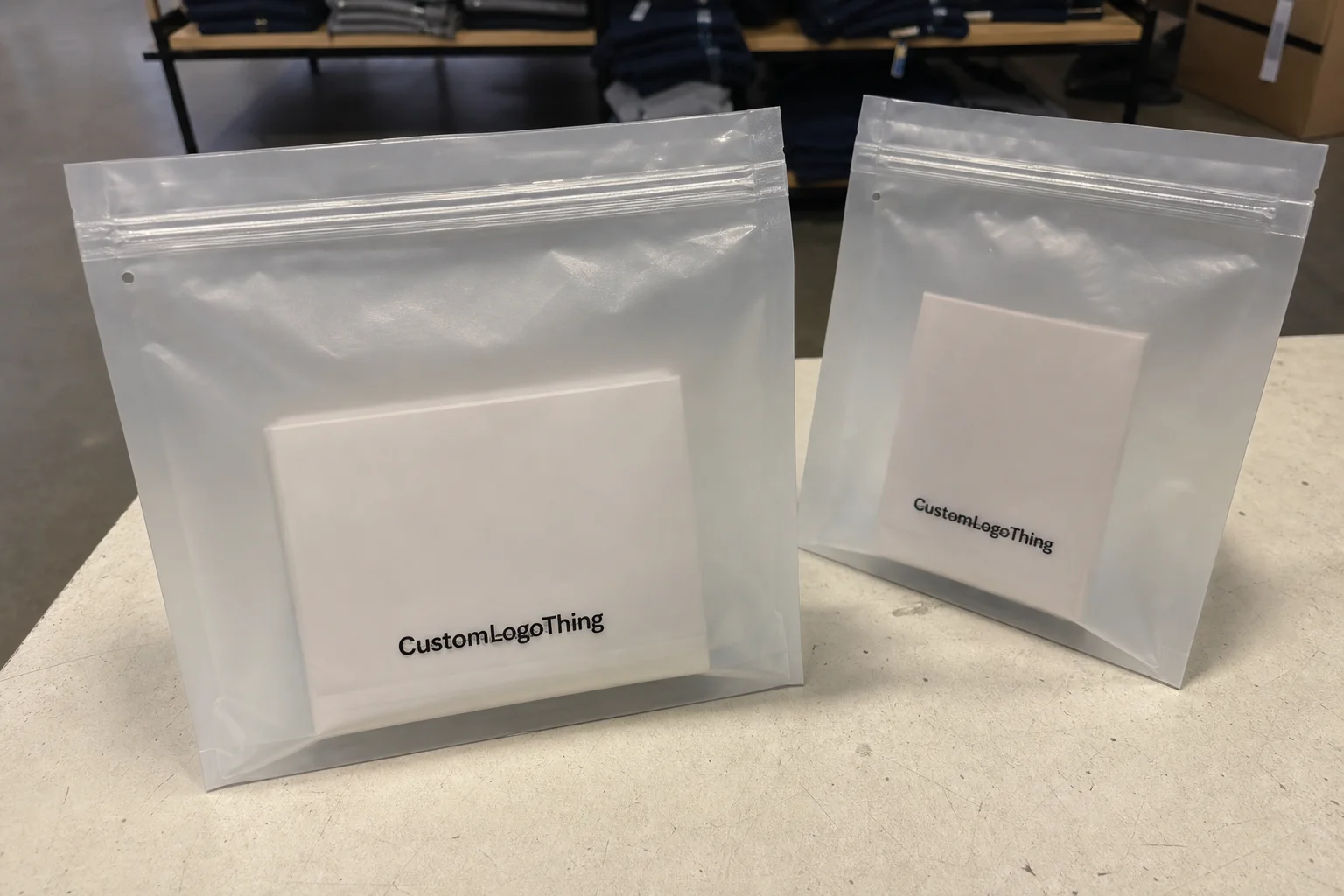
Shoppers decide faster when they can see the product immediately. That’s true in most retail. It’s even more true in museum retail, where buyers often browse quickly between exhibits or make impulse purchases at the register. A clear front turns the package into a display frame. A resealable closure tells the customer the item can be opened and reclosed without wrecking the presentation.
That matters for postcards, paper goods, jewelry cards, folded textiles, and small souvenirs. These items need dust protection and handling control, but they also need to look finished. Loose stock reads as temporary. A neat clear sleeve reads as retail inventory. That distinction matters more than people like to admit.
Clear Resealable Poly Bags for museum shops moq planning also has an operational side. Staff spend less time rebagging damaged items, re-sorting mixed stacks, or dealing with torn sleeves. Standard bag sizes make shelving cleaner. Clear film with low haze prevents that slightly dull, ghosted look you get from poor material quality. Under spotlights, even small defects show up fast. Retail lighting is rude like that.
There is also a pricing psychology effect. A small object in a well-fitted clear bag often feels more premium than the same object tossed into a generic sleeve. The packaging signals care. For lower-ticket products, that signal can affect conversion more than a printed insert ever will.
“If the packaging hides the product, it’s working against the sale. In museum retail, clarity is part of the merchandising.”
For buyers managing multiple categories, the practical value is simple: better visibility, less handling damage, cleaner presentation, and faster checkout. Those benefits are connected. You usually don’t get one without the others.
For broader packaging support across your assortment, see Custom Packaging Products and our FAQ for common ordering questions.
Product details that matter for retail-ready packaging
The best bag for a museum shop is usually the one that disappears visually while still doing its job. Most buyers end up comparing clear polypropylene and clear polyethylene, then choosing between an adhesive flap and a zip-style reseal. Both can work. The right choice depends on how often the item is handled, whether customers are expected to reopen it, and how polished the shelf presentation needs to look.
Polypropylene is usually chosen when clarity and stiffness matter most. It tends to look crisper on shelf and holds its shape better. Polyethylene is softer and more forgiving, which can be useful for items that need a little flex during packing. Neither is “better” in the abstract. The item should decide the film. That same logic applies to cartons, inserts, and mailers: the substrate should fit the product, not the other way around.
Clear Resealable Poly Bags work especially well for:
- Postcards and prints that need edge protection and dust resistance
- Magnets and pins that benefit from small, consistent packs
- Stationery sets that look more premium in a clear sleeve
- Jewelry cards and small accessories where visibility drives impulse purchase
- Folded fabric goods such as scarves or tea towels
- Small collectibles that need a visible but protective retail pack
A few details matter more than buyers expect. Anti-scratch clarity is useful if the bag will be handled a lot. Flat-pack shipping matters because empty bags take up more storage space than most people budget for. Clean edge sealing matters because rough edges can snag merchandise and make the packaging look cheap. If the store uses barcode labels, internal inserts, or hang tags, the bag should accommodate them without making the product look stuffed or crooked.
Compared with standard open-top bags, resealable options give customers a better after-purchase experience. They can reopen the package, protect the item again, and keep it looking decent in a tote bag or drawer. That said, not every item needs the higher spec. A simple open bag may still be fine for low-value, fast-moving stock where convenience matters more than reclosure. Product value, handling, and display conditions should drive the decision.
If you’re standardizing across a museum assortment, the most useful path is usually a small bag family: one format for flat goods, one for soft goods, and one smaller size for accessories. Too many nearly identical sizes create confusion at receiving and waste storage space. Fewer, well-chosen sizes are easier to reorder and easier to train staff on.
Specifications to lock before you place an order
Before asking for pricing, lock the specs. Otherwise every quote becomes a moving target. That’s how “budget-friendly” turns into “why did we approve this?” The fields that need to be fixed are width, length, flap depth, material thickness, seal type, and clarity grade. If any of those are vague, you’re not comparing real prices. You’re comparing guesses.
Thickness should follow the product, not preference. A light paper insert can work in a thinner film, while a framed print, rigid object, or item with sharp corners needs more structure. For flat goods, it often makes sense to choose one bag family and use it across multiple SKUs. For bulkier souvenirs, choose a second family. That reduces SKU sprawl and makes replenishment easier to manage.
Finish details matter too. Check gloss level, haze, and whether the bag opens from the top or side. A small change in opening orientation can affect packing speed during busy periods. If the bags will hold archival paper goods or sensitive prints, ask whether the film and adhesive are suitable for that use. Food-contact certification is usually irrelevant here. Archival-safe handling may matter more, especially if product sits in storage before sale or ends up in a collector’s drawer for years.
Helpful spec checklist:
- Exact finished dimensions of the item, not just the product category
- Internal bag size with enough clearance for easy insertion
- Material type: clear polypropylene or polyethylene
- Thickness in mil or microns
- Closure style: adhesive flap or zip-style reseal
- Special features: hang hole, header area, label panel, or insert pocket
For museum buyers, standardizing around a few common sizes usually saves more than it costs. One universal size for flat goods. One larger size for folded textiles or soft souvenirs. Maybe one smaller size for accessories. That’s enough for many shops. A bunch of near-duplicate sizes just creates storage waste and awkward reordering later.
For packaging standards and transit testing references, the ISTA test protocols are useful when products are shipped in packs or fulfilled through multiple channels. If your program includes sustainability goals, the EPA recycling guidance can help frame material choices and disposal communication.
Cost, pricing, and MOQ strategy for museum buyers
This is where many museum buyers slow down. The right bag is easy to describe, but the order quantity can be harder to justify. Pricing changes with size, thickness, closure style, and whether the order includes printed elements or inserts. Bigger bags consume more film. Thicker film costs more. Specialty closures add cost. If the order includes printing, some vendors may also add tooling fees or setup charges, which need to be separated from unit price so the comparison is real.
A useful pricing framework is better than chasing the lowest headline number. For stock-sized clear resealable bags, the cost per piece usually improves as volume rises. Custom sizing or extra features can increase unit cost, but not always by much if the order is planned properly. A simple stock-like format may sit in a lower bracket around 5,000 pieces and improve again at 10,000 or 20,000 pieces. Exact thresholds depend on the spec, freight method, and region, so landed cost matters more than the printed unit price.
| Buying option | Typical MOQ impact | Unit cost trend | Best use case |
|---|---|---|---|
| Stock size, no print | Lowest MOQ | Higher than volume custom orders | Fast-moving museum staples, small runs, trial orders |
| Custom size, no print | Moderate MOQ | Better at medium volume | Standardized flat goods across multiple SKUs |
| Custom size with insert or print area | Higher MOQ | Best when reordered regularly | Branded retail lines and premium souvenir packs |
The MOQ tradeoff is straightforward. Lower MOQ reduces inventory risk, but higher volumes usually lower unit cost and improve replenishment stability. A smart buyer will estimate monthly sell-through, multiply by lead-time coverage, and add a buffer for seasonal spikes. Museum traffic often rises around exhibit launches, holidays, school breaks, and donor events. If you only buy for the current month, you may pay for that mistake later through rushed production or expensive freight.
Hidden cost drivers deserve attention. Freight can erase a low unit price. Carton pack count affects storage and receiving labor. Mixed sizes can be efficient if the supplier allows consolidation under one order, but only if the packing team can keep SKUs organized at receiving. A lower MOQ is not always the best financial choice if it forces repeat shipping charges every few weeks. Compare the full landed cost, not just the quote.
Honestly, the real question is not “What is the cheapest bag?” It is “What order quantity keeps cash flow healthy while protecting stock availability?” That’s the heart of clear resealable poly bags for museum shops moq planning. Some buyers save money by ordering a larger run once and absorbing the storage. Others should choose a smaller MOQ because the assortment changes too often. Both can be right.
If you also buy other display and shipping formats, it can help to compare bag programs with Custom Poly Mailers so your retail packaging and outbound shipping strategy do not drift apart.
Process and lead time: from quote to delivery
The ordering flow should be simple: request specs, confirm a sample or dieline if needed, approve pricing, place the purchase order, then schedule production and shipment. It gets messy when dimensions are unclear or artwork measurements for inserts are missing. That is where first-run orders usually stall. The buyer knows what they want, but not all the measurements are ready, so the quote keeps bouncing back for clarification.
Lead time depends on the type of order. Stock formats move faster. Custom sizing, printed elements, or special closures add steps. A realistic planning model usually runs like this: stock is fastest, custom takes longer, and sample-approved custom takes the longest. That means the order calendar should be tied to exhibit openings and holiday traffic, not just current inventory count. Running out two weeks before peak season is expensive in ways that never show up cleanly on the PO.
What usually slows an order?
- Unclear dimensions or product measurements
- Missing insert or label specifications
- Late approval on the first sample
- Freight method changes after production begins
- Unexpected updates to bag closure style or thickness
Planning ahead matters more than chasing a slightly lower price. A museum shop with steady display stock protects both revenue and customer experience. When the shelf stays full and the packaging stays consistent, staff spend less time putting out fires and more time selling. That’s the boring answer. It’s also the correct one.
For reference on paper and packaging recyclability considerations, packaging associations such as the Flexible Packaging Association provide useful technical context, especially when you are comparing material choices and end-of-life messaging.
Why our packaging approach works for museum retail operations
Museum retail buyers need more than a price quote. They need packaging that supports presentation, inventory flow, and repeat ordering without constant cleanup. A practical packaging program keeps specs clear, MOQs predictable, and reorder logic easy to follow. That usually means fewer surprises the second and third time the same item comes back through procurement.
The operational upside is real. Fewer damaged items. Easier restocking. More consistent shelf presentation across product categories. When a shop carries both small accessories and flat printed goods, packaging consistency reduces staff training time and lowers the risk of mismatched bags on the floor. That sounds minor until you’re standing in front of a half-empty display during a busy weekend.
Fragmented sourcing causes a lot of avoidable friction. One supplier for bags. Another for inserts. Another for labels. Then someone has to chase three timelines instead of one. A better setup gives clear guidance on sizes, film options, closure styles, and reorder thresholds. That matters for buyers juggling merchandising, procurement, and inventory control without a lot of spare bandwidth.
clear resealable poly bags for museum shops moq planning works best when the program is repeatable. Not flashy. Repeatable. That’s what keeps budgets predictable and shelves looking consistent from one shipment to the next.
If you need to review packaging categories before placing a multi-item order, start with our Custom Packaging Products page and narrow down the pack style that fits each SKU.
Next steps to place an efficient museum shop order
Before requesting pricing, build a short SKU list with current item dimensions, estimated monthly usage, and preferred closure style. That one worksheet can save days of back-and-forth. Separate the items that can share one universal bag size from the ones that truly need their own format. If you skip that step, you usually end up overbuying or creating a second reorder later.
Ask for a pricing ladder at two or three volume points, not one quote. A ladder gives you a real view of MOQ tradeoffs and shows where bulk pricing starts to make sense. Then request sample packs and test them with actual merchandise under shop lighting. Look for fit, clarity, seal feel, and shelf appearance. A bag that looks great on paper can still show haze or glare in the store.
Finally, write the reorder calendar now. Not when the last carton is open. Build it around seasonal peaks, exhibit launches, and shipping lead time. That’s the difference between paying for urgency and buying with intent. For museum stores that care about display quality and cash flow, clear resealable poly bags for museum shops moq planning is less about buying packaging and more about running a cleaner retail operation.
What size clear resealable poly bags work best for museum shop prints and flat souvenirs?
Choose the bag size based on the finished item plus a small clearance for easy insertion and resealing. For flat goods, one standardized size often works better than multiple near-identical sizes because it reduces ordering complexity and keeps inventory easier to manage.
How do I plan MOQ for clear resealable poly bags without overstocking?
Use recent monthly sales, expected lead time, and seasonal peaks to calculate a reorder quantity. A good MOQ target balances unit price savings against storage space and the risk of slow-moving inventory. If your product mix changes often, a lower MOQ may be smarter even if the per-piece price is a little higher.
Are resealable poly bags better than standard open-top bags for museum retail?
Yes, when products are handled often or need dust protection after purchase. They also improve customer convenience and can support a more premium experience. Open-top bags still have a place for very low-value or fast-moving items, but resealable options are usually stronger for display retail.
What material thickness should I choose for museum shop packaging?
Lighter items usually need less film thickness, while heavier or sharper-edged items benefit from a sturdier bag. The right thickness is the one that protects the product without creating unnecessary cost or stiffness. If you are unsure, request samples at two thickness levels and test them with real stock.
How long does it usually take to move from quote to delivery?
Stock sizes move faster than custom formats, while custom dimensions or added features extend the timeline. Approvals, sample requests, and freight method all affect the final delivery window. The safest plan is to work backward from the date you need the bags on shelf, not the date you think you’ll place the order.


