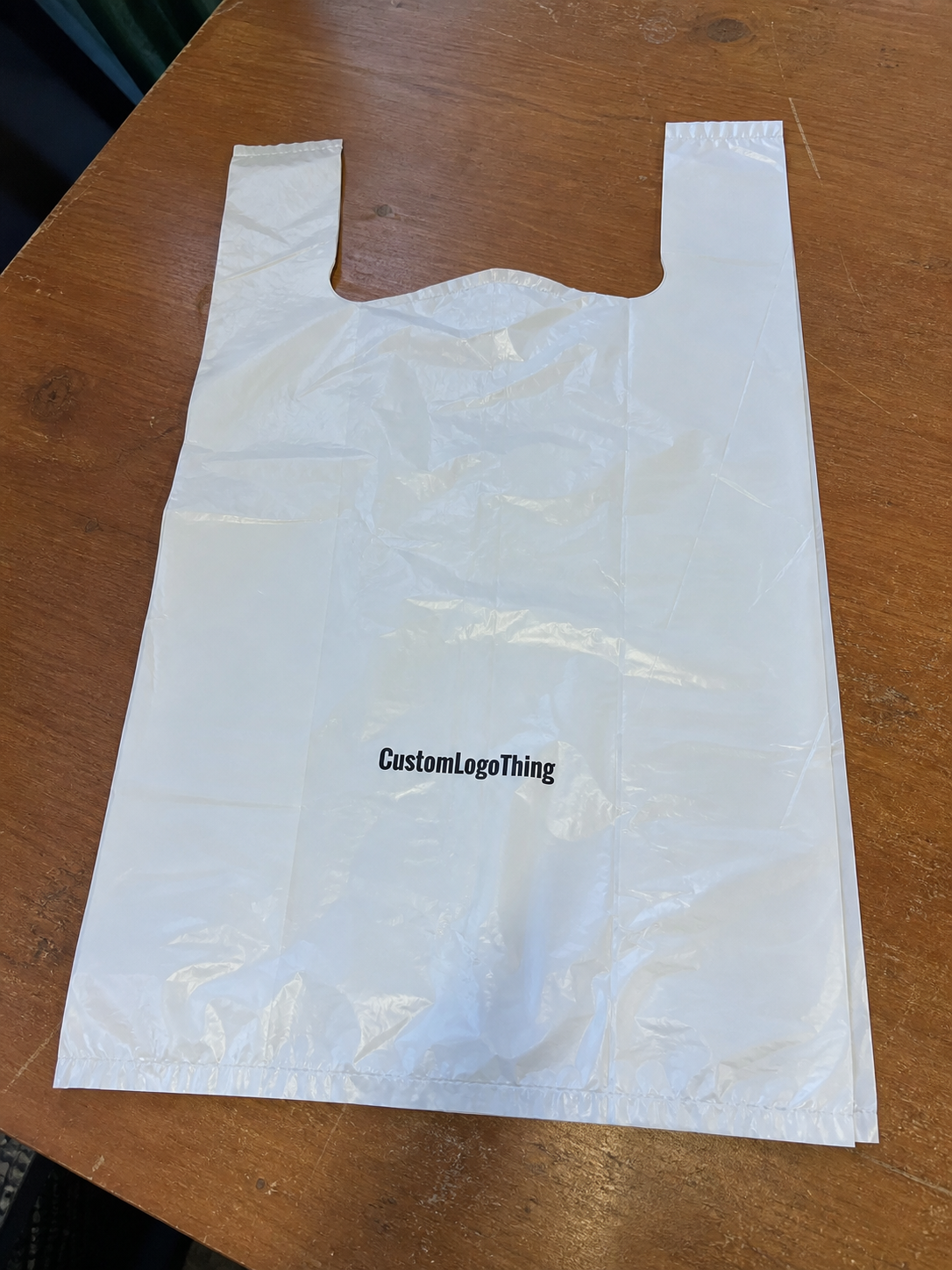
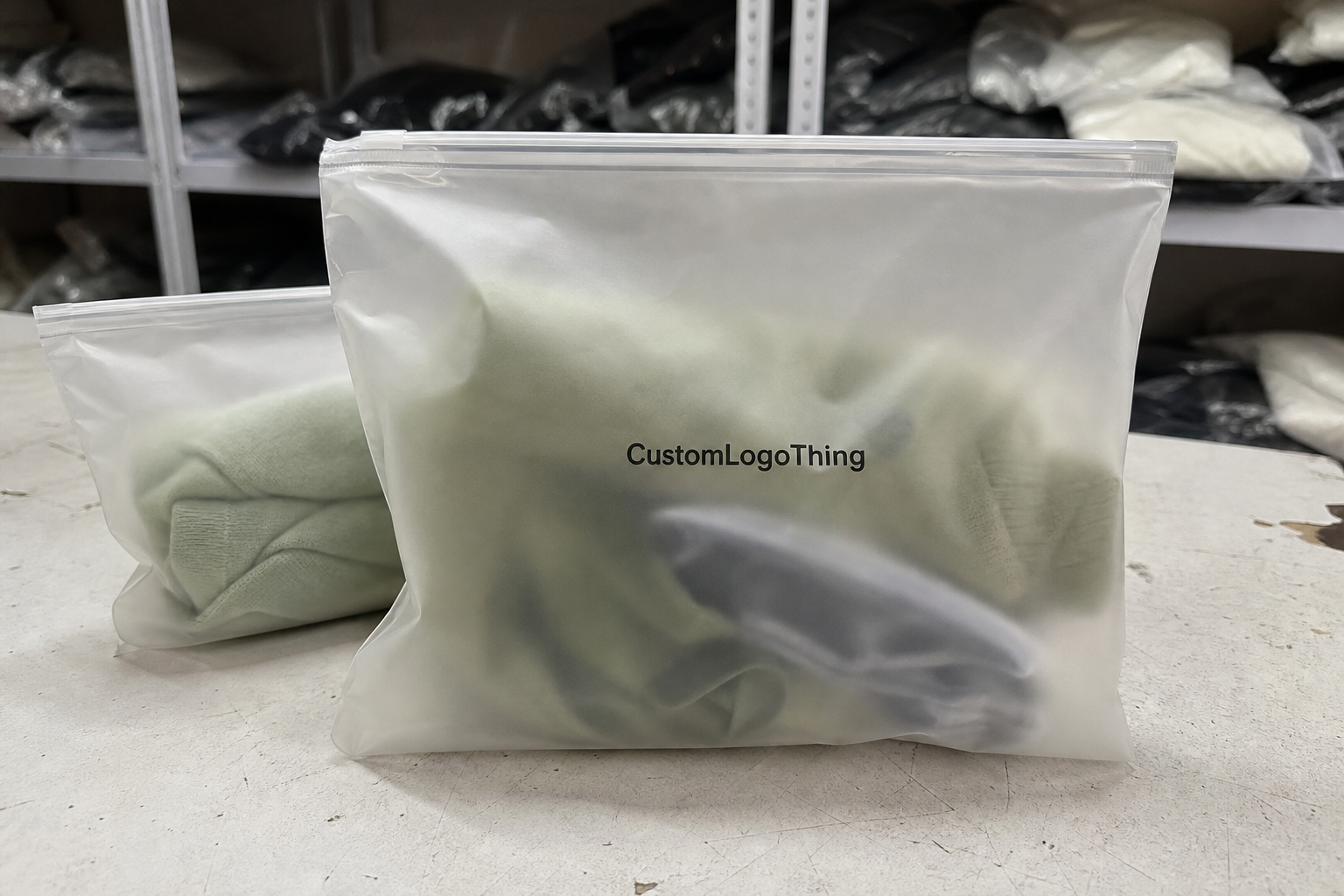
For ecommerce teams, packaging is never just packaging. Clear Resealable Poly bags for ecommerce brands moq planning sit right where product presentation, labor speed, and inventory discipline collide. Pick the wrong bag and it shows up fast: slow packing, weak seals, messy shelves, or a pile of inventory nobody can use because the size was “close enough.” That phrase is expensive.
A clear resealable bag does a few jobs at once. It lets the buyer see the product immediately. It protects against dust and handling. It closes fast without turning the packing line into a tiny daily rebellion. For brands shipping small batches, testing new SKUs, or bundling components into sets, that combination matters more than fancy packaging talk usually admits.
The other reason these bags matter is simple: they scale well. A good spec works for apparel, socks, stationery, cosmetics samples, accessories, small hardware, and subscription inserts. It also helps when you are trying to keep a clean, retail-style presentation without committing to printed packaging before demand is proven.
A bag that speeds packing and protects the product usually earns its place quickly, even if it looks basic on paper.
Why Clear Resalable Bags Matter for Ecommerce Operations
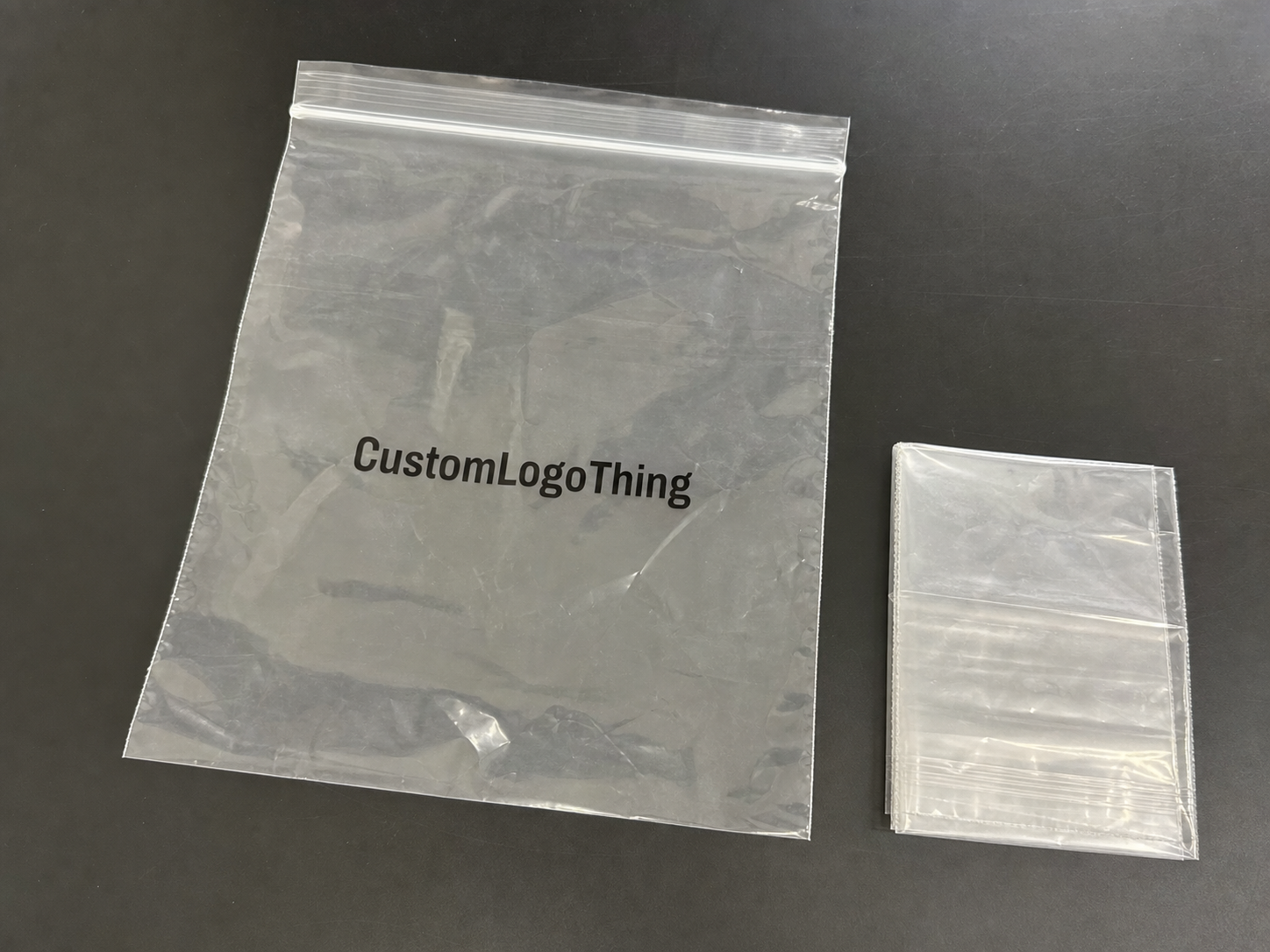
Ecommerce lives on small efficiencies. If a packer can drop an item into a clear bag, press the zipper once, and move on, that saves time on every order. If a customer can see the product before opening, confusion drops. That matters for returns, support tickets, and the endless “what did I order?” questions that fill inboxes.
Clear bags also help the warehouse. Picking teams can verify contents at a glance, which cuts down on mis-picks and mixed orders. That benefit sounds small until you multiply it across hundreds or thousands of units per week. Less rework usually means better margin. Not glamorous. Still real.
For brands comparing packaging formats, it helps to think about the bag as an operational part number, not just a visual accessory. It affects labor, shelf presentation, and landed cost. If you already source Custom Packaging Products, this is one of those components that can quietly improve the whole program.
One practical advantage is flexibility. Clear resealable bags work well for launches, seasonal products, and test runs because they do not force you into heavy printed inventory before the market has spoken. That makes them especially useful for ecommerce brands trying to keep cash from wandering off into a warehouse corner.
Material and Closure Details Buyers Should Verify Before Ordering
The first material decision is usually between low-density polyethylene and polypropylene. LDPE tends to feel softer and more flexible, with solid sealability and good puncture resistance for the cost. Polypropylene is usually clearer and crisper, with a brighter look that works well when presentation matters. It can also feel stiffer and, in thin gauges, a bit more brittle.
If the product needs a forgiving fold or a softer hand, LDPE often makes sense. If visual clarity is the priority, polypropylene may be the better fit. Neither is magically better. They just behave differently, and buyers who skip that distinction usually find out the hard way.
The closure matters just as much as the film. A decent press-to-close zipper should align consistently across the width of the bag and hold through repeated openings without peeling apart at the ends. Ask how the closure performs after multiple cycles. Some low-cost bags look fine on day one and then start losing grip after a few openings. That becomes a real issue for items customers may inspect, repack, or store temporarily.
Useful options to specify include:
- Bottom gusset for added capacity or a stand-up shape.
- Hang hole for retail display or pegboard use.
- Header area for labeling or barcode placement.
- Write-on panel for batch notes or internal identification.
- Tamper-evident feature when first-open integrity matters.
Print placement also affects usability. If the bag is fully clear, the product shows cleanly in ecommerce photography and in the picking area. If there is print, keep it away from the key visual zone and barcode area. Otherwise you end up with a package that works harder for the wrong reasons.
Thickness should be matched to product shape, weight, and edge profile. Too thin, and the film can split in transit or at the zipper corner. Too thick, and you add cost while making the bag feel stiff in hand. For items with sharp edges, heavier contents, or hard corners, moving up a gauge is usually the safer move than pretending a lighter film will behave.
For buyers who want outside references on packaging materials and responsible sourcing, the Packaging & Processing Machinery Association offers useful industry context, and the Forest Stewardship Council is relevant when a broader packaging program includes paper-based components.
Size, Thickness, and Finish Specs That Affect Performance
One of the most common quoting mistakes is giving a nominal size instead of a usable finished size. A bag listed as 8 x 10 inches may not deliver 8 x 10 inches of practical interior space once the zipper, seam allowances, and product thickness are included. Fit should always be checked against the actual product inside the bag, not just the flat item dimension on paper.
Thickness, often expressed as gauge or microns, changes almost everything: puncture resistance, clarity, feel, and shipping durability. Lighter packaging can work for soft goods or inserts. Heavier gauges are better for kits, accessories with corners, or anything likely to get compressed in a mailer. If the bag is part of a larger ship set, you want enough material to protect the contents without creating unnecessary bulk.
Finish options matter too. Ultra-clear film is best for product visibility and a premium look. Frosted film reduces glare and hides minor clutter inside the package. Anti-static film is useful for electronics or dust-sensitive items. The wrong finish can make a clean product look dull, or make a simple product look overdesigned for no good reason.
Some brands need special performance features. Food contact suitability, moisture resistance, odor control, and light protection may all matter depending on what is being shipped. Not every bag needs every feature, but the requirement should be locked before quoting starts, because each one affects cost and production method.
| Option | Typical Use | Pros | Tradeoff |
|---|---|---|---|
| LDPE clear resealable bag | Apparel, soft goods, inserts | Flexible, dependable seal, good puncture resistance | Softer feel, less rigid presentation |
| Polypropylene clear resealable bag | Accessories, stationery, retail presentation | Very clear, crisp look, strong shelf appeal | Can feel stiffer, may be more brittle in thin gauges |
| Gusseted resealable bag | Bulkier products or kits | Extra capacity, better shape retention | Higher material use, more cost |
| Anti-static clear bag | Electronics and sensitive items | Reduces static buildup and dust attraction | More specialized sourcing and pricing |
A useful spec checklist for ecommerce teams includes dimensions, gauge, closure style, print requirements, carton count, and pallet configuration. If you are comparing quotes, keep the comparison sheet consistent. Otherwise one supplier may be pricing a lighter bag, a looser tolerance, or a different pack-out count and the numbers will look better than they really are.
Cost, Pricing, and MOQ Planning for Ecommerce Forecasts
Pricing for Clear Resealable Poly Bags usually changes with size, thickness, closure type, print complexity, and order volume. Bigger bags use more material. Heavier gauges cost more. Special features add manufacturing steps. If the bag is printed, you also need to account for artwork setup, plates, or tooling depending on the decoration method. Those charges can be modest on a large run and painfully noticeable on a small one.
For clear resealable Poly Bags for Ecommerce Brands moq planning, the real question is not “What is the cheapest unit price?” It is “What order quantity gives us the best balance of unit cost, cash flow, and storage control?” Lower MOQ is usually better for new SKUs, seasonal products, or brands still testing demand. Higher MOQ can lower cost per piece, but it also ties up cash and takes up warehouse space. Both sides matter.
Here is a practical way to think about it:
| MOQ Scenario | Best For | Typical Benefit | Main Risk |
|---|---|---|---|
| Low MOQ | Testing a new SKU or seasonal launch | Less inventory risk, faster start | Higher unit cost |
| Mid-range MOQ | Established product with steady sales | Better balance of pricing and flexibility | Some storage commitment |
| Higher MOQ | High-volume or repeat reorder program | Lower cost per piece, stronger bulk pricing | More cash tied up, higher obsolescence risk |
In practice, a near-standard bag size can save money faster than almost any other choice. If a custom size is only marginally better than a stock dimension, the setup charges may wipe out the advantage. Standard sizes usually move through production faster, and the supplier side stays simpler. That said, if your product has a unique shape or needs a tighter fit, custom sizing may still be the right move.
Hidden costs deserve attention too. Freight, carton configuration, warehousing, and import handling can move the landed cost more than the bag price itself. A quote that looks low on paper may not be the lowest cost once cartons, pallet count, or shipping mode are included. For forecast planning, using 30-, 60-, and 90-day demand bands helps the MOQ line up with actual sell-through instead of wishful thinking dressed up as planning.
For teams comparing packaging programs, resources such as Case Studies and our FAQ page can help frame the questions before volume gets locked in.
Process, Lead Time, and Production Steps From Quote to Delivery
A normal order moves through a simple chain: spec review, quote confirmation, sample approval if needed, production scheduling, quality checks, packing, and shipment. The cleaner the input, the faster the output. If dimensions, finish, and closure details are clear at the start, the order is far less likely to stall in clarification emails.
The most common delays are ordinary, which is almost annoying enough to be funny. Missing measurements. Artwork revisions after approval. Confusion about carton pack requirements. Last-minute changes to thickness. Even a small change after a sample is approved can push the schedule because the line may need to be reset or the inspection repeated.
Lead time depends on whether the order is stock, semi-custom, or fully custom. Stock bags can move faster because the film and dimensions are already established. Semi-custom orders take longer because there may be a special closure, print, or carton requirement. Fully custom projects are the longest, especially with printing and special finishes. A realistic planning window is often 12 to 15 business days from proof approval for simpler runs, though that varies with volume and factory load.
Samples help prevent expensive mistakes. A stock sample may be enough for a standard size. A pre-production sample is better when the product is fragile, oddly shaped, or sensitive to heat, humidity, or compression. A real sample test tells you more than a spec sheet ever will, especially for fit and zipper engagement.
For brands shipping by parcel, it is also smart to think about transit standards. If the packaging needs to survive a heavier distribution environment, test against practical handling conditions and reference familiar industry benchmarks such as ISTA methods when they fit the shipping setup.
A simple internal milestone framework works well:
- Spec sign-off
- Artwork approval
- PO release or deposit confirmation
- Production window
- Quality check and pack-out
- Inbound receiving date
How to Reduce Waste, Defects, and Receiving Delays at Scale
When the bag spec is right, a lot of small operational headaches disappear. Cloudy film, weak seals, split corners, and inconsistent zipper engagement are often symptoms of an underspecified or poorly matched package rather than random defects. If the film gauge is too light for the product or the closure profile is inconsistent, those problems show up in receiving and fulfillment almost immediately.
Carton counts and inner packs matter more than many buyers expect. If warehouse teams can count quickly, they are less likely to mix sizes or misplace partial cartons. Clear carton labeling also helps receiving teams confirm contents without opening every box. That saves time and reduces touchpoints, which is good for damage prevention.
Standardizing on fewer bag sizes is another practical way to reduce waste. It simplifies reordering, makes forecasting easier, and helps fulfillment teams work from a smaller set of familiar SKUs. Too many variations create slowdowns, especially if some sizes turn over slowly and others need constant replenishment.
When you review supplier quality control, ask about:
- Dimensional tolerance and acceptable variation.
- Seal inspection for zipper alignment and closure strength.
- Clarity checks for haze, streaks, or contamination.
- Sample retention from each production run.
Those checks are not overkill. They are basic packaging discipline. Fewer defects mean less repacking labor, fewer customer complaints, and a more predictable inbound process. For a growing ecommerce brand, that stability can matter as much as a lower quote.
Next Steps to Request Quotes and Lock the Right Order Quantity
Before requesting pricing, gather the information that actually drives the quote: product dimensions, target fill, material preference, closure style, estimated usage, and whether printing is needed. If the item is fragile, oddly shaped, or exposed to heat or humidity, say so up front. Those details change the recommendation and help avoid a wrong-size order.
It also helps to compare at least two MOQ scenarios. One can show the cost impact of buying smaller volumes, and the other can show the savings from ordering more deeply. That comparison usually makes the tradeoff obvious. A lower MOQ may protect cash. A larger MOQ may protect unit cost. The right answer depends on sell-through, storage, and whether the SKU is stable enough to justify bulk pricing.
Ask for a sample or spec review if the product needs a tighter fit or if the bag will be used under demanding shipping conditions. That one step often prevents expensive surprises later. A few minutes spent reviewing the spec is far cheaper than reworking a shipment or carrying dead inventory for months.
Set your reorder trigger before inventory gets tight. Waiting until the warehouse is nearly empty creates pressure, and pressure usually leads to rushed freight or poor decisions on quantity. A controlled reorder point gives production enough time to complete the run and gives your receiving team a predictable inbound date.
When you keep the process grounded in actual demand, clear resealable Poly Bags for Ecommerce Brands moq planning becomes a straightforward buying decision instead of a guessing game. The best order is the one that matches product fit, budget, and lead time, with enough discipline to keep the packaging program efficient over the long run.
What details do I need to quote clear resealable poly bags for ecommerce brands?
Provide finished size, target product fit, thickness preference, closure style, and whether the bag needs printing or special features. Include estimated annual usage and first-order quantity so pricing and MOQ can be matched to your demand plan. Share packing requirements such as carton count, inner packs, and pallet expectations if warehouse constraints matter.
How do I choose the right MOQ for ecommerce packaging without overbuying?
Base MOQ on a realistic 60- to 90-day sell-through forecast, not peak sales assumptions. Balance unit cost savings against storage space, cash flow, and the risk of design or size changes. For new SKUs, a lower initial MOQ often makes sense until demand is proven.
Do clear resealable poly bags work for fragile or sharp-edged items?
Yes, if the film thickness and dimensions are selected correctly for the product shape and edge profile. Heavier or sharper items may need thicker material or a more protective package format. Testing a sample with the actual product is the safest way to confirm fit and durability.
What affects lead time for custom resealable poly bags?
Lead time depends on order size, stock versus custom sizing, print requirements, and how quickly artwork or approvals are completed. Sample approval and specification changes can extend the schedule. Accurate specs at the start usually shorten the production timeline.
Can I order multiple bag sizes in one ecommerce program?
Yes, but it is usually smarter to limit the number of sizes to control inventory and simplify reordering. Use standardization where possible so purchasing, receiving, and packing stay efficient. A small size range often performs better than a broad assortment with low turnover.