Frosted Zipper Poly Bags for museum shops MOQ planning sounds narrow, but it solves a very ordinary retail problem: how to protect small items, keep displays tidy, and avoid ordering the wrong size in quantities that sit in storage for a year. Museum shops do not have room for packaging that looks loud, feels flimsy, or creates extra work at the counter. The bag has to earn its place.
The frosted finish softens the presentation. The zipper keeps the item together after purchase. Put those two features together and you get packaging that does more than hold merchandise. It frames it, protects it, and makes the sale feel finished instead of rushed.
That is the part buyers usually care about once the conversation gets past the sample stage. Does the bag fit the product. Does it look deliberate on a peg wall or counter tray. Can staff pack it quickly without fighting the material. If the answers are yes, the packaging is doing its job.
Frosted zipper poly bags for museum shops MOQ planning and shelf presentation
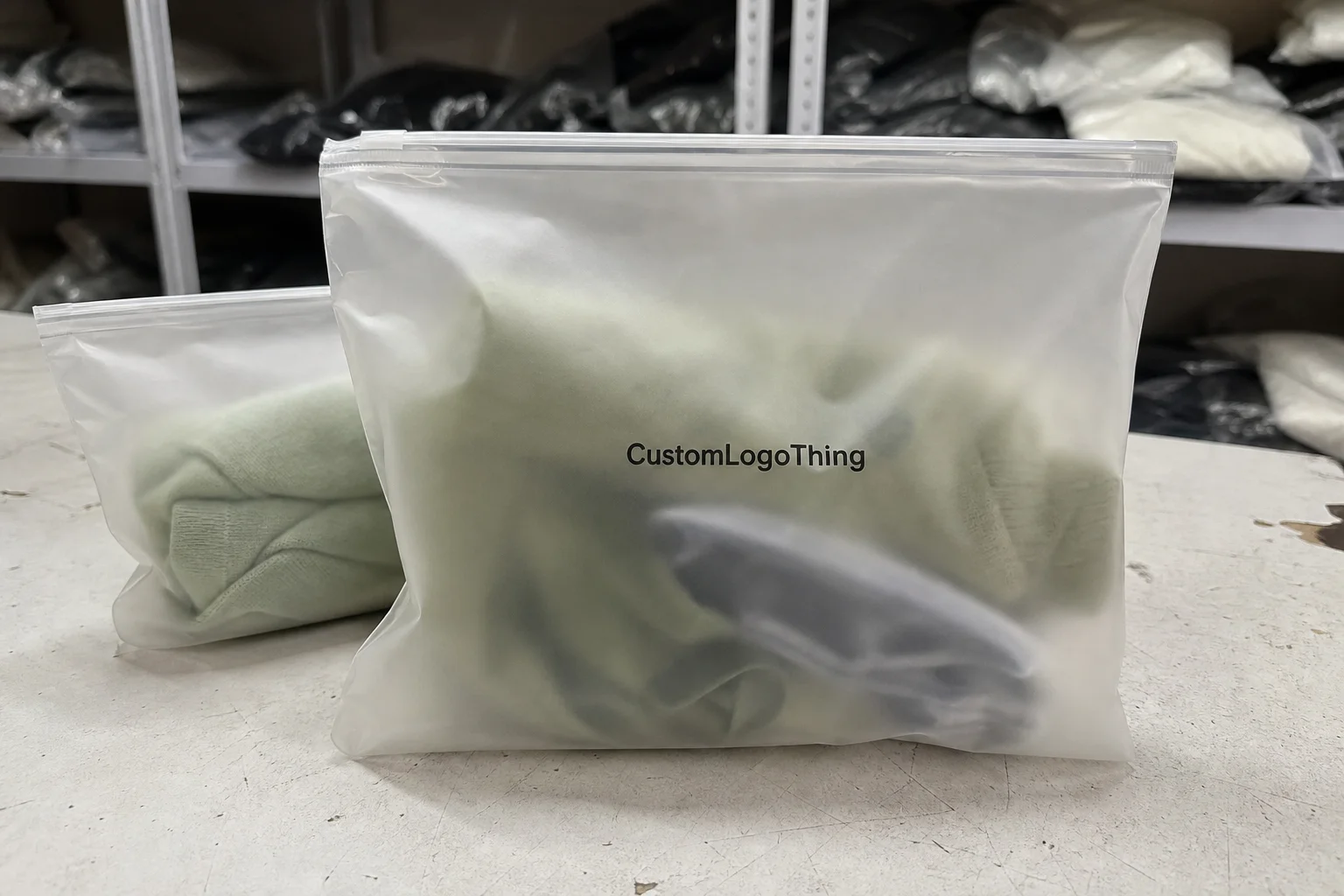
Museum retail is a specific kind of messy. Tables get crowded, staff need to restock fast, and products move through several hands before they leave the store. A frosted zipper bag helps keep that flow under control. The frosted surface reduces glare, hides fingerprints better than a glossy sleeve, and gives the display a calmer look. That matters when the shop is selling small goods next to larger visual distractions.
The zipper matters for another reason. Open sleeves are fine for storage. They are less useful once a customer has paid and wants to carry the item home in a way that keeps it together. A zipper bag handles jewelry, pins, postcards, ornaments, small textiles, and multi-piece gift sets without scattering parts everywhere. It also makes the item easier to reopen later, which customers notice even if they do not say it out loud.
For staff, the operational benefit is just as real. Bags that close cleanly keep inventory sorted, protect surfaces from dust and scuffing, and reduce the time spent repacking damaged presentation sleeves. That is not glamorous. It is simply cheaper than replacing packaging that looked good on paper and behaved badly in the store.
Most shops also need the package to hold up in the back room. A good retail bag should stack well, fit into drawer systems, and stay readable when items are packed by different people on different shifts. If the packaging only looks good on a marketing mockup, it is not a useful retail format.
A retail bag should frame the product, not compete with it. If the packaging is louder than the item, the buyer usually solved the wrong problem.
The best Frosted Zipper Poly Bags for museum shops MOQ planning process starts with the display environment, not the factory catalog. A shop with tight peg walls needs different handling than a store that uses flat counter trays. A store that sells mostly flat art cards needs different bag geometry than one that sells pins and hard goods. The more clearly the use case is defined, the fewer expensive surprises show up later.
Product details that shape presentation, protection, and feel
The film thickness changes the first impression. A 2.5 mil bag is flexible and economical, which can work for inserts, cards, and very light items. A 3 mil to 4 mil bag usually feels more substantial in the hand, stands up better on display, and resists corner curl. That extra body is worth paying for when the packaging sits in public view all day.
Most museum-shop bags are made from PE or LDPE with a frosted surface treatment. The exact polymer matters less than the finished behavior. Buyers should care about stiffness, seal consistency, zipper action, and whether the bag keeps a clean profile after repeated handling. A flimsy zipper track or weak side seal ruins the whole effect, no matter how nice the frosted finish looks on a sample sheet.
Frost level is another small detail that changes the result. Light frost keeps more of the product visible and works well for artwork-heavy pieces. Deeper frost gives a softer, more muted look and can be better for visually busy merchandise. One-sided frosting is useful if one side needs clearer visibility. Two-sided frosting gives a more even presentation and usually looks better when the bag is hanging on a peg.
The fit should be based on the packed item, not the bare object. A postcard with a backing card needs a different allowance than a loose pin. A folded scarf needs more headroom than a flat print. Too tight, and the package looks strained. Too loose, and the item slides around and loses the crisp retail look buyers expect.
Small structural details matter more than they sound. A centered hang hole helps with peg-wall merchandising. Side gussets can help with folded textiles or bundled items. A clean zipper track improves repeat use and makes staff happier during checkout. None of that is flashy. It is just the difference between packaging that helps the store and packaging that causes quiet complaints.
Print space needs the same discipline. Many museum shops need a barcode, SKU sticker, short product copy, or restrained logo placement. The artwork should stay away from the zipper and the seal line, or the package starts to feel cramped. A simple one-color logo often reads better than a crowded full-print design. The frosted surface already brings enough texture to the table.
Size, print, and material specs that prevent costly reorders
Good planning starts with a spec sheet that leaves very little to interpretation. Finished dimensions, film thickness, frosting style, zipper type, print colors, and pack count should all be locked before the quote is approved. If any of those items are vague, the quote can look clean and still turn into a change-order mess once production starts.
For museum retail, I would ask for these details before approving a run:
- Product size with the item fully packed, including cards, inserts, tissue, or backing boards.
- Film thickness in mils, not a vague request for “durable” material.
- Frost level, including whether it should be one-sided or two-sided.
- Zipper type and whether the bag must reopen cleanly for resale or customer reuse.
- Print area, logo placement, barcode space, and any white ink requirements.
- Pack count per carton and whether the shop needs inner packs for receiving.
Ask for a sample against the actual product, not just a flat spec drawing. A bag can look correct on paper and still fail once the item goes in with a tag, card, or wrap. That sample step catches fit issues early. It is cheaper than discovering the problem after thousands of units are already on the water or in transit.
Standardizing bag sizes pays off fast. A museum shop that sells jewelry, flat cards, and small gift bundles can usually build a small family of sizes and reuse them across departments. That reduces dead stock, makes reordering easier, and keeps the team from reinventing the packaging wheel every season. Suppliers also quote repeat sizes more cleanly. Everyone benefits.
For print programs, plan a base layout that can survive seasonal shifts. A restrained logo, a simple product label zone, and a clean barcode position let one bag format support several product lines without retooling each time. If the shop rotates between exhibit merchandise, local artist goods, and holiday assortments, flexibility matters more than decorative complexity.
Pricing, MOQ, and quote structure for realistic planning
Unit cost depends on more than size. Film thickness, zipper style, frosting depth, number of print colors, packing format, and total order volume all affect the final number. A plain stock bag and a fully custom bag are not comparable unless the specs match exactly. Comparing them loosely is how budgets get distorted.
For planning, these ranges are a practical starting point for Frosted Zipper Bags used in retail packaging:
| Option | Typical MOQ | Indicative cost per piece | Best fit |
|---|---|---|---|
| Stock frosted zipper bag with label | 500 to 1,000 | $0.09 to $0.18 | Test runs, short exhibits, seasonal assortment trials |
| Custom frosted bag, one-color logo print | 2,500 to 5,000 | $0.14 to $0.28 | Core assortment, repeatable museum shop programs |
| Custom frosted bag, print plus hang hole or gusset | 5,000+ | $0.22 to $0.42 | Higher-volume departments, stronger shelf presentation |
Those numbers are planning ranges, not promises. Low-MOQ orders usually cost more per piece, which is fine if the shop is testing demand or buying for a short exhibit cycle. Larger runs usually improve price, but only if the inventory will actually move before the next refresh. The mistake is obvious after the fact: people chase the lowest unit price and end up sitting on the wrong size for a season.
Quote structure matters almost as much as the number itself. Ask for setup charges, tooling fees, plate costs, print prep, and any carton or inner-pack fees in writing. Some suppliers bury those costs in the unit price. Others separate them. If a buyer does not ask, comparing offers becomes muddy fast. A slightly higher unit price with no hidden prep charges can be the better deal once landed cost is counted honestly.
For a museum team, the right question is not “what is the cheapest bag.” It is “how many units will sell before the next assortment reset, and how much stock does the shop need to stay in service without rush orders.” That shifts the conversation toward real usage instead of wishful buying. It also gives the team a better basis for negotiating with suppliers on repeat runs.
When the annual usage is known, MOQs stop being abstract. A shop that uses 3,000 to 4,000 bags a year can plan around that reality instead of ordering a box of samples and hoping the rest will work itself out. Hope is not a procurement strategy. It just feels like one until the back room fills up.
Production steps, proofing, and lead time expectations
The usual process is straightforward: quote, spec confirmation, artwork review, proof approval, production, quality check, and shipment booking. The delays happen between those steps. Unclear dimensions, missing dieline information, artwork revisions, and last-minute changes to print placement are the usual culprits. They are boring problems. They still cost time.
A clean logo file speeds things up. If the art is print-ready, with vectors resolved and copy finalized, the proof stage moves quickly. If the file needs cleanup, the order slows down before production begins. For a shop with a fixed opening date, membership event, or exhibit launch, that delay is not a minor annoyance. It can change what is on the floor when customers arrive.
Lead time should be measured from the buyer’s point of view, not the factory’s. A supplier may quote 12 to 15 business days after proof approval for a standard custom run, but freight, customs, and receiving can easily add another week. If the bags have to be in stock by a certain weekend, the order needs buffer time. Margins do not improve when the merchandise table is empty.
Quality control should be specific, not vague. Check zipper alignment, seal strength, film clarity, frost consistency, print registration, and finished dimensions. Look at a packed sample, not just an empty bag. If the bag is meant to hold paper inserts or tags, test the closure with the actual inserted product. A bag that looks perfect empty can behave differently once it is loaded.
Transit standards matter too. If the packaging will travel with inserts or pre-packed goods, basic distribution testing is worth considering. ISTA standards are a useful reference for understanding shipping risk. If the shop also cares about the paper components in the package, FSC certification can support a cleaner sourcing story on printed inserts or tags.
Reordering too late is one of the easiest mistakes to avoid. Seasonal exhibits, holiday traffic, and membership campaigns reveal weak inventory planning immediately. The order should go in before the last carton is opened, not after the team notices the shelf is half empty. That rule sounds simple because it is simple. People still ignore it.
Why frosted zipper poly bags outperform basic sleeves in retail use
Open sleeves are fine for storage. Retail asks more from packaging. A zipper closure keeps the item together during checkout and travel, which lowers the chance of torn sleeves, lost inserts, or loose pieces falling out at the worst possible moment. It is a small change that saves staff from constantly repacking merchandise that should have stayed together in the first place.
The frosted finish also improves the visual read. Compared with a glossy clear sleeve, it softens the display, cuts glare, and makes fingerprints less visible. That can lift the perceived value of small souvenirs, artisan goods, and gifts without changing the product at all. Packaging does not have to shout to do its job.
Consistency is another advantage. A stable silhouette makes the bag easier to stack, face out, hang, or place in a drawer system. Staff do not have to fight curled edges or weak seals. The display stays cleaner during rush periods, which is exactly when museum stores have the least time to manage chaos.
There is also a useful division of labor here. The same bag format can work on the sales floor and in the back room. It presents the item well, groups inventory cleanly, and protects small parts from being lost before the customer gets home. Fewer handling steps mean fewer opportunities for mistakes.
The strongest case for Frosted Zipper Bags is not aesthetic alone. It is the combination of durability, easy handling, and controlled presentation. A good bag should make the merchandise easier to stock, easier to sell, and easier to hand over without extra repacking. That standard is unglamorous. It is also the one that usually holds up after the first busy weekend.
For museum shops, the difference shows up in practical ways: less counter clutter, fewer damaged sleeves, and a more orderly product wall. That is what buyers usually want once the seasonal pressure starts. Pretty packaging is fine. Functional packaging keeps its job after the first rush.
What to send for a fast quote and first sample round
The fastest quotes come from buyers who send complete information the first time. Product dimensions, approximate weight, finish preference, print needs, and target MOQ should all be included. If the item is sold with a backing card, insert, tissue, or folded wrap, that needs to be in the request too. A quote based on the bare item size usually misses the real fit problem.
A photo helps more than many buyers expect. A simple image of the merchandise on a flat surface gives useful context on thickness, proportions, and how much clearance the bag needs. If the product is bundled with a tag or instruction sheet, the image helps the supplier understand the packed shape before the sample is made.
It usually makes sense to ask for two paths in the same quote. One should be a conservative low-MOQ option. The other should show better unit pricing at a higher volume. That gives the buyer a real choice between trial volume and stronger pricing, instead of forcing a guess. It also makes it obvious where the cost curve improves and where it stops making sense to keep adding units.
Tell the supplier how the bag will actually be used. Will it hang on a peg wall, sit on a counter, or go into a gift basket. Will staff need to open and reclose it often. Does the display need one-sided visibility or a more premium frosted finish on both sides. Those usage details change the best size and build more than most buyers expect.
For a museum shop that needs packaging to stay predictable across seasons, the best approach is to settle on a few repeatable sizes and reuse them. One format for jewelry. One for flat art. One for small bundles. That reduces friction every time an exhibit changes or a new product line comes in. It also keeps the buying cycle from turning into a new project every quarter.
That is the real value of Frosted Zipper Poly Bags for museum shops MOQ planning. Fewer surprises. Cleaner shelves. Better use of the order budget. Not exciting, which is usually a good sign in procurement.
What size frosted zipper poly bag works best for museum shop jewelry and small accessories?
Measure the packed item, not the loose product, and leave room for inserts, tags, or backing cards. For small goods, a slightly larger bag usually looks cleaner than a tight fit and is easier for staff to load quickly. Ask for a sample with the actual merchandise before confirming the production size.
What is a practical MOQ for frosted zipper poly bags for museum shops?
MOQ depends on size, print complexity, and film specification, so the right number is tied to the actual build. Low MOQ orders are useful for testing a new exhibit line or seasonal program, but unit cost is usually higher. Annual usage forecasts help determine whether a smaller trial run or a larger repeat order is the better buying choice.
Can frosted zipper poly bags for museum shops be printed with a logo and barcode?
Yes, if the flat print area is planned correctly and the artwork stays away from zipper and seal constraints. A simple logo and barcode layout is often the most efficient approach when the bag also needs to carry product information. Keep the artwork clean and readable so the frosted surface still feels premium instead of crowded.
How long does a custom frosted zipper bag order usually take from proof to delivery?
The timeline usually includes proof approval, production, quality check, and freight time, so delivery is more than just factory days. Artwork revisions and spec changes are the most common reasons a schedule slips. If the shop has a fixed event date, build a buffer and place the order before the last inventory carton is opened.
Should a museum shop choose frosted or clear zipper bags for retail packaging?
Choose frosted when the shop wants a softer, more premium look and less visual clutter around the product. Choose clear when maximum product visibility is the main goal and the packaging needs to disappear on the shelf. For many museum retail items, frosted offers a better balance of presentation, organization, and perceived value.
For museum retail teams that need packaging to do real work on a tight buying calendar, frosted zipper poly bags for museum shops MOQ planning is the difference between a smooth reorder and an expensive rush order.


