Clear Resealable Poly Bags for event teams MOQ planning sounds specific because it is specific. Event packaging gets messy fast. Registration packs, VIP kits, sponsor inserts, badge bundles, merch handouts, speaker gifts — all of it needs to move through assembly without slowing the team down.
The bag is not just a container. It affects pack-out speed, presentation, storage, and whether the crew spends two hours fixing packages that should have been right the first time. If the bag spec is wrong, everything downstream gets more expensive. That is packaging math. It is not glamorous, but it is real.
For event buyers, the cleanest path is usually simple: define the packed item, confirm how the bag will be used, then size the order to the actual program instead of a wishful headcount. That keeps clear resealable Poly Bags for Event teams moq planning tied to production reality, which is where the useful answers live.
Why event teams need a bag spec, not just a quote
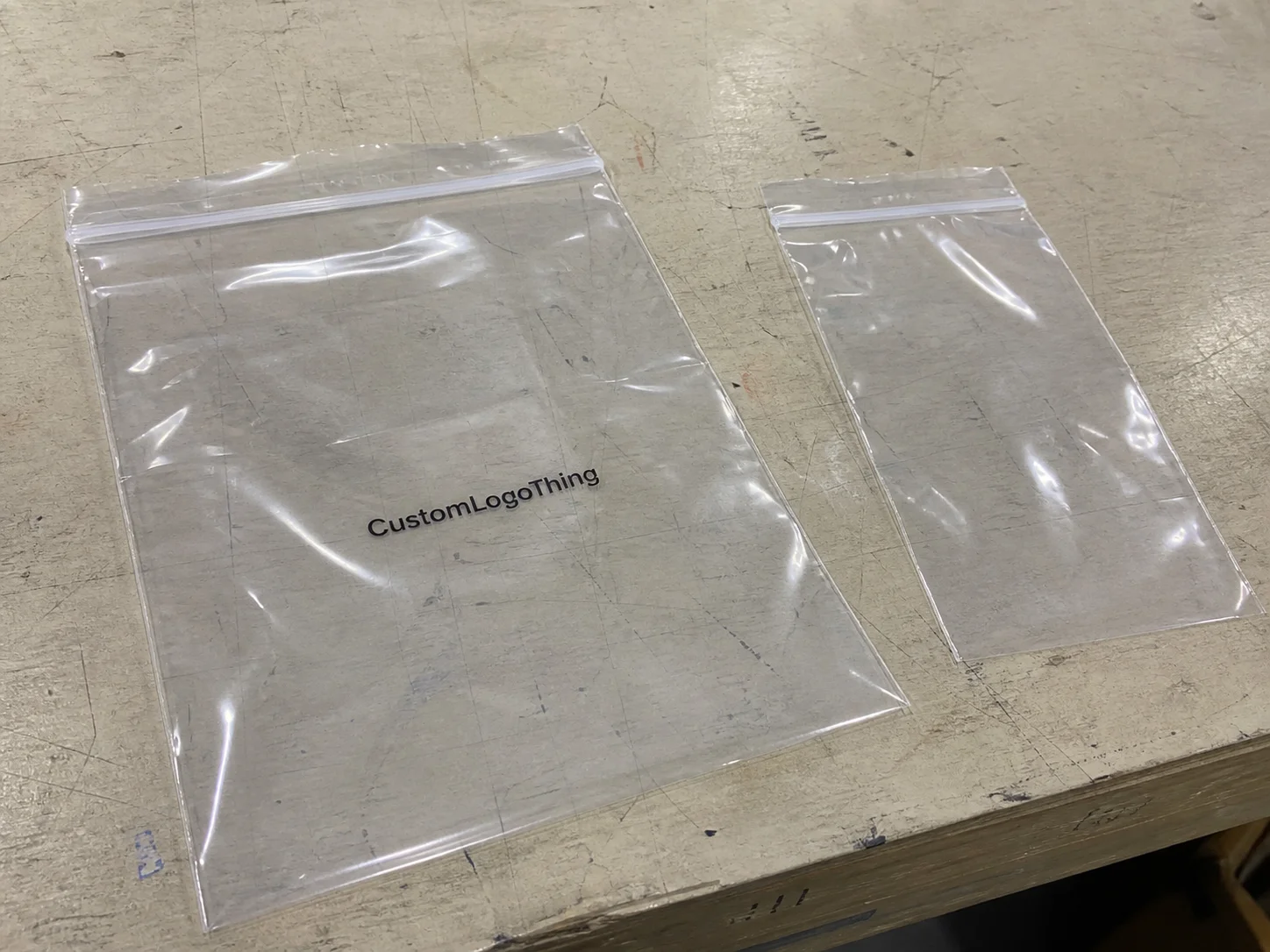
Event packaging can look straightforward until the first assembly session starts. A bag that seemed fine in a spreadsheet may be awkward on the table if it is too tight, too cloudy, or uses a closure that slows the line. Clear resealable bags solve part of that problem because the contents stay visible. That helps with quick auditing, sponsor separation, and batch sorting when different attendee groups need different kits.
They also reduce rework. If a QR card is missing, or a sponsor insert gets swapped late, a resealable bag can be reopened and closed without ruining the presentation. That matters when hundreds or thousands of units are moving through a temporary pack line and every extra step shows up in labor cost.
The overage count is where many event teams get caught. They order only the registered headcount, then need replacements for damaged kits, late sign-ups, VIP swaps, or the usual “one more thing” that appears after the order is already placed. A smart buffer is not waste. It is part of the plan. For event programs, that buffer is often 3% to 8%, depending on how many kit variations are involved.
Practical rule: do not request pricing until you know the packed item size, the closure style, and the real quantity by kit type. Those three details drive the quote more than most buyers expect.
That is why Clear Resealable Poly Bags for event teams MOQ planning should start with a spec sheet, not a generic request for “bags.” The more exact the use case, the easier it is to compare bulk pricing, evaluate unit cost, and avoid surprise setup charges later.
Product details that matter for clear resealable poly bags
The two most common film choices are low-density polyethylene and polypropylene. LDPE is softer and more flexible, with a little more give at the seal. Polypropylene usually has higher clarity and a crisper feel. If the bags will be handled a lot during pack-out, LDPE can be easier to work with. If the presentation needs to look sharp under lights or in photos, polypropylene is worth comparing.
Closure style matters just as much. A zip closure is common for reusable event kits and items that may be opened more than once during a show. A press-to-close seal is similar, but not all closure strips behave the same. Some are easier for staff to use during a long shift or while wearing gloves. Adhesive flap bags are useful for one-time handouts, ticket sets, or literature packs when speed matters more than repeated access.
Thickness is usually measured in mils, and that number matters. A 2 mil bag can work for light handouts, but a 3 mil or 4 mil option is often a better fit for reusable kits, apparel, or any package that will be handled repeatedly. Thicker film also resists scuffing a little better, which helps when cartons are stacked, moved, and opened more than once before the event starts.
Size planning needs to cover the whole pack, not just the main item. Inside dimensions should leave room for inserts, folded apparel, small hard items, or a printed card without forcing the closure. A close-fit bag looks polished on a table, but it still needs enough clearance for real packing speed. Too tight, and labor slows down. Too loose, and the kit looks sloppy. No mystery there.
Optional features can help, but each one affects lead time and sometimes MOQ. Common add-ons include:
- Hang holes for merchandising or displaying kits on peg boards.
- Writable panels for room numbers, group names, or attendee codes.
- Suffocation warnings when required for certain packaging uses.
- Custom print for sponsor logos, event branding, or handling instructions.
Plain stock bags usually move faster through production. Custom print adds artwork review, setup, and sometimes tooling fees. One-color print is simpler than a full-coverage design, and that difference affects both cost and timing. If the event needs more than bags, it helps to review broader Custom Packaging Products so the kit, mailer, and insert formats stay aligned.
Size, thickness, and closure specifications to confirm before ordering
Before requesting a quote, lock these details: width, length, mil thickness, closure type, clarity level, and whether printing is required. That sounds basic because it is basic, and it is also where a lot of event orders go wrong. A supplier cannot price accurately if the bag is described only as “something that fits a brochure and a badge.” That tells them almost nothing useful.
Measure the packed item after every insert is inside. Include the folded depth of apparel, the thickness of a card stack, and any sleeve or divider that stays in the final kit. If multiple pieces go into one bag, stack them the way they will actually ship or be handed out. That gives a realistic finished thickness and helps avoid a bag that is technically large enough but painful to pack.
One common mistake is ordering by product name instead of specification. “7 x 9 resealable bag” does not tell you whether that refers to usable inside dimensions, outside dimensions, or a nominal stock size. Another mistake is ignoring closure tolerance. If the pack is opened and closed several times by staff, the closure needs enough grip to survive handling without failing halfway through the event.
A one-page spec sheet usually works well. Include quantity by kit type, contents list, packed dimensions, bag style, reseal method, and whether the bag will be handled by staff, attendees, or both. If there are multiple tiers, such as general admission, VIP, sponsor, and speaker kits, list them separately. That keeps Clear Resealable Poly Bags for event teams MOQ planning tied to the actual pack-out rather than a rough guess.
| Bag option | Typical use | Relative unit cost | Planning note |
|---|---|---|---|
| 2 mil clear zipper bag | Light handouts, inserts, simple literature packs | Lower | Good for single-use distribution and fast packing |
| 3 mil clear resealable bag | Standard event kits, badge bundles, mixed inserts | Moderate | Balanced clarity, durability, and presentation |
| 4 mil+ clear zipper bag | Reusable kits, apparel, premium packs, repeated access | Higher | Better stiffness and handling, usually worth it for premium programs |
| Printed custom bag | Branded kits, sponsor sets, retail-style event presentation | Highest | May involve setup charges, tooling fees, and longer lead time |
Cost, pricing, and MOQ planning for event programs
The price of Clear Resealable Poly Bags depends on a small list of variables: film grade, size, thickness, closure style, print coverage, and total quantity across the full event program. Plain stock bags are generally the least expensive option. Custom dimensions or branding change the math because the supplier has to cover setup charges, tooling, and production adjustments.
MOQ matters because it sets the lowest efficient run for a given spec. A standard stock size may have a lower MOQ, while a custom size or printed bag usually needs a larger minimum to make the run workable. That is not stubbornness. It is how packaging manufacturing works. Film width, sealing setup, print plates or screens, and packing labor all affect the minimum order.
For buyers managing budget, standardization usually pays off. Instead of creating five slightly different bags for five kit types, see whether two sizes can cover the entire program. A 6 x 9 and an 8 x 10 may handle more than expected if the inserts are planned correctly. Fewer specs often mean better bulk pricing, fewer samples, and fewer mistakes during fulfillment. Also fewer emails. Which is a miracle in itself.
When you request pricing, ask for more than one quantity break. A useful quote should show unit cost at different volumes, such as 2,500, 5,000, and 10,000 pieces. If the event includes multiple drops or locations, ask for pricing by carton and by thousand. That helps you see landed cost, not just factory price.
Here is the part people miss: freight and timing can outweigh the bag cost. A rush fee, upgraded shipping, or split delivery to multiple sites can move the final invoice more than the bags themselves. If the event has a fixed date, it is better to know those numbers early than to discover them after the purchase order is already issued.
As a rough planning range, plain clear stock resealable bags often sit in the low cents per piece at higher volumes, while custom sizes, heavier mil thickness, and print push the number up quickly. The exact range depends on order size and spec complexity, but the direction is predictable: simpler is cheaper, custom is not. Buyers usually know that already. They just hope it will be different this time.
For broader packaging references and industry context, the Institute of Packaging Professionals is a useful starting point, and teams looking at materials or waste-reduction goals can review guidance from the U.S. EPA.
Lead time, proofing, and production steps from PO to delivery
The workflow is usually predictable. Spec review comes first, then quote approval, then artwork or plain-bag confirmation, followed by proof signoff, production scheduling, quality control, packing, and shipping. If the details are already tight, the process moves faster and with fewer surprises.
Plain clear stock bags usually move faster than custom-printed bags. If the size is standard and no artwork is required, the main variables are available inventory and shipping timing. Once print is added, the supplier may need to source the right film, prepare artwork, and confirm print placement. That can add several business days or more depending on complexity.
Proofing deserves more attention than it usually gets. The most useful checkpoints are dimensions, closure orientation, print location, and carton labeling. For event programs, carton labels are not a minor detail. If the bags are going to a registration team, sponsor fulfillment crew, or separate venue drop points, the wrong carton mark can create a last-mile problem right before launch.
Lead time can also change if the order needs first article samples, special warnings, or quantity edits after approval. A new color match or compliance note can push the schedule because it adds review cycles. That is why teams should confirm the spec before issuing the PO instead of trying to refine it after the press is already scheduled. Once production is live, “small change” is rarely small.
A practical expectation: standard stock bags may be available faster, while custom bags often need a longer window from proof approval to ship date. For event teams handling multiple drop points, that buffer matters. One delayed carton can interrupt check-in kits, speaker gifts, or sponsor fulfillment before the doors open.
If the program includes outbound shipment to attendees or exhibitors, compare the bag plan with other formats. For some uses, a resealable bag is the right choice; for others, a mailer protects the contents better in transit. Our Custom Poly Mailers page is useful if you are deciding between on-site kit bags and shipping formats.
What makes a packaging supplier reliable for event timelines
The best suppliers do three things well: they respond quickly, they interpret use cases correctly, and they keep the order details consistent from quote to shipment. For event work, that consistency matters more than polished sales language. If someone can translate “VIP insert kit, clear bag, repeated opening, needs branding, no room for mistakes” into a production-ready spec without a lot of back-and-forth, that is a strong sign.
In-house coordination helps too. Fewer handoffs usually mean fewer errors in size, closure type, or carton count. That matters when deadlines are tight and the client team is juggling registrations, sponsor approvals, and venue logistics at the same time. A supplier who keeps the process tidy is usually worth more than a slightly cheaper quote that creates follow-up work later.
Transparent communication on MOQ, pricing tiers, and lead time is another marker of reliability. If the supplier can show where the price changes at different volumes, explain whether the project needs setup charges, and flag any print-related tooling fees up front, the buyer can plan inventory with less stress. Honest pricing details tend to save money because they prevent last-minute pivots.
Quality control should be visible in the finished product. For clear resealable poly bags, that means consistent seals, acceptable clarity, clean edge finish, and uniform packing in cartons. If event staff are assembling kits in batches, bags that vary too much in size or closure feel will slow the line down. A supplier that understands that reality is thinking like a production partner, not just a seller.
Practical buyers also check for a few small but useful signals: sample availability, tolerance on dimensions, carton pack counts, and whether the supplier can confirm substitution policy if a material is temporarily unavailable. None of that sounds exciting. It is also the stuff that prevents headaches.
For deeper packaging reference material and handling standards, ISTA is helpful when you are evaluating transport and handling expectations for packaged goods. If sustainability certification matters in your buying process, FSC is a useful reference for paper-based components in mixed packaging programs.
Next steps to lock specs and place the order
If you want a cleaner buying process, gather three inputs first: the packed item dimensions, the target quantity by event, and any print or warning requirements. That is enough to start a real quote conversation and enough to avoid the most common sizing mistakes. If there are multiple kit types, list them separately and note how many of each are needed.
Next, get internal approval on the bag spec before ordering. Purchasing, operations, and brand teams should all be looking at the same version, not three different assumptions about size or artwork. A short checklist often works better than a long email thread, especially when several departments are signing off on one packaging component.
Ask the supplier for a quote that shows unit price, MOQ, sample availability, production time, and shipping method. If the event is sensitive to timing, ask what happens if the count changes slightly after approval. That small question can reveal whether the project has flexibility or whether a revised PO would trigger a new slot in production.
Also confirm carton pack counts. Event teams should know how many bags arrive per carton and how many spare units are included for damaged packs, replacement kits, and late additions. A small overage is cheap insurance compared with a missing carton two days before doors open.
If you are still comparing packaging types, review the broader FAQ section on our site and cross-check the bag plan against other custom packaging formats. The more clearly the use case is defined now, the easier it is to protect budget, reduce waste, and keep the team moving on schedule. For clear resealable poly bags for event teams MOQ planning, that last step is usually what separates a quote that looks fine from an order that actually works.
FAQ
What size clear resealable poly bags work best for event team kits?
Choose the bag based on the full packed stack, not the main item alone, and leave room for easy insertion and resealing. Measure width, length, and thickness after all inserts are inside, then add practical clearance for handling speed.
How does MOQ planning affect pricing for clear resealable poly bags?
Higher quantities usually lower unit cost, but custom sizes, closure styles, or printing can raise the minimum run. A good quote should show unit cost at different quantities so event teams can compare true budget impact.
Can clear resealable poly bags be printed for sponsor or event branding?
Yes, but print coverage, ink count, and artwork complexity can affect Lead Time and MOQ. If the timeline is tight, plain stock bags may be the faster option while still keeping contents visible and organized.
What information should I send to get an accurate quote?
Send packed item dimensions, bag style preference, quantity, closure type, and whether you need print or compliance notes. Include the event date and shipping destination so the supplier can confirm lead time and freight options.
How far in advance should event teams order resealable poly bags?
Order as soon as the kit spec is final, because proofing and production timing can change with custom sizes or print. Build in extra time for revisions, sampling, and shipping, especially if the bags are part of a launch or multi-site event.


