Event packaging looks simple until the room fills up, the volunteers start moving fast, and the bags that looked fine on a sample table begin splitting, fogging, or popping open in a rolling cart. That is why Clear Resealable Poly Bags for event teams material comparison matters so much: the right film and closure can save time, reduce mistakes, and keep credential kits, sponsor inserts, merch, and VIP handouts looking clean from check-in to teardown.
Clear Resealable Poly Bags are transparent polyethylene bags with a closure such as a zip track, press-to-close seal, or adhesive flap. The real differences show up in the details. A bag can look almost identical in photos and still behave very differently once it is filled with lanyards, folded brochures, pins, and a badge holder that presses against the seam. For event teams, that means comparing clarity, seal reliability, thickness, print compatibility, packing speed, and reuse value before ordering a full run.
Why event teams compare bag performance before the rush
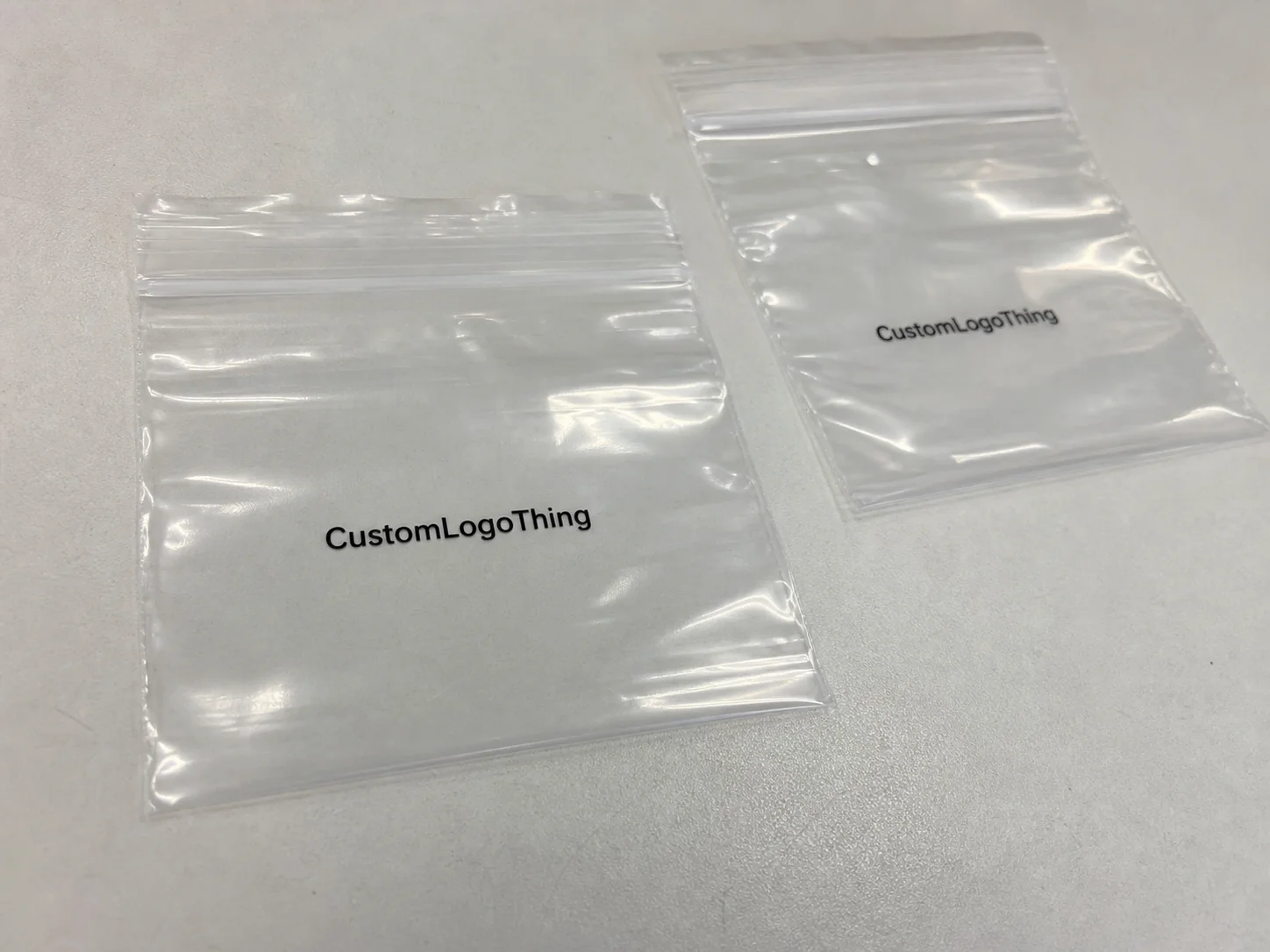
At registration, packaging is not just there to hold items together. It has to help people move faster. A transparent bag lets staff verify contents at a glance, which matters when one table is loading sponsor inserts and another is building VIP packs with different combinations of cards, swag, and access credentials. If the contents are visible, errors drop, sorting gets easier, and the handoff feels more polished.
That is also why the phrase clear resealable Poly Bags for Event teams material comparison is more than a search term. It describes a real buying decision: are you trying to keep a few paper inserts clean, or are you protecting mixed kits that will be handled multiple times, stuffed into tote bags, and reopened by attendees after arrival? Two bags with the same width can behave very differently once they are loaded and stacked in bins.
Event buyers usually compare these criteria first:
- Clarity for quick content checks and presentation.
- Seal reliability so bags stay closed during transport and setup.
- Thickness to resist puncture, stretching, and seam stress.
- Print compatibility for logos, warnings, or simple labeling.
- Packing speed when volunteers are filling hundreds or thousands of kits.
- Reuse value if attendees, staff, or exhibitors will open and reseal them again.
From a packaging buyer’s point of view, the best bag is usually not the thickest one or the cheapest one. It is the one that survives the actual handling pattern of the event without creating extra work. That might mean a light bag for paper inserts, or a heavier gauge bag for merch bundles, travel kits, or items with sharp corners.
For teams trying to balance presentation with sustainability goals, it helps to think about the full pack-out system too. Sometimes a clear poly bag is the right choice inside a larger kit built from corrugated cardboard, kraft paper inserts, or other Custom Packaging Products that keep the set organized. If your sourcing team cares about recycled materials, FSC-certified paper elements, or post-consumer waste content in the broader program, the bag spec should still be evaluated on its own merits instead of assuming every package layer needs the same material.
“If the bag fails during packing, it fails before the event even starts. That is the real cost most teams miss.”
How clear resealable poly bags work across common closure styles
The base material is usually polyethylene film, but the closure changes the user experience in a big way. A zip-style closure gives a more positive tactile feel, which many people prefer when bags will be reopened multiple times. Press-to-close tracks can be faster to open and close in high-volume packing lines, while adhesive flap bags are often chosen when the seal only needs to stay secure once during distribution.
There is no universal winner. A registration team loading 2,000 badge kits may prefer a zip track because volunteers can feel that it is fully closed without staring at every edge. A marketing team handing out literature may like press-to-close bags because they are quicker for simple inserts and usually cost a bit less. Adhesive closure bags can be useful for items that should not be reopened repeatedly, but once opened, they do not offer the same reclose experience.
Film gauge matters here too. A wider opening speeds up packing, but the seal profile has to match the handling load. A bag with a narrow opening and stiff film can slow down volunteers, while a bag with a more forgiving mouth and well-formed closure helps keep the line moving. If your team is packing with gloves, under time pressure, or across multiple tables, the tactile feel of the closure becomes part of the workflow, not just a packaging detail.
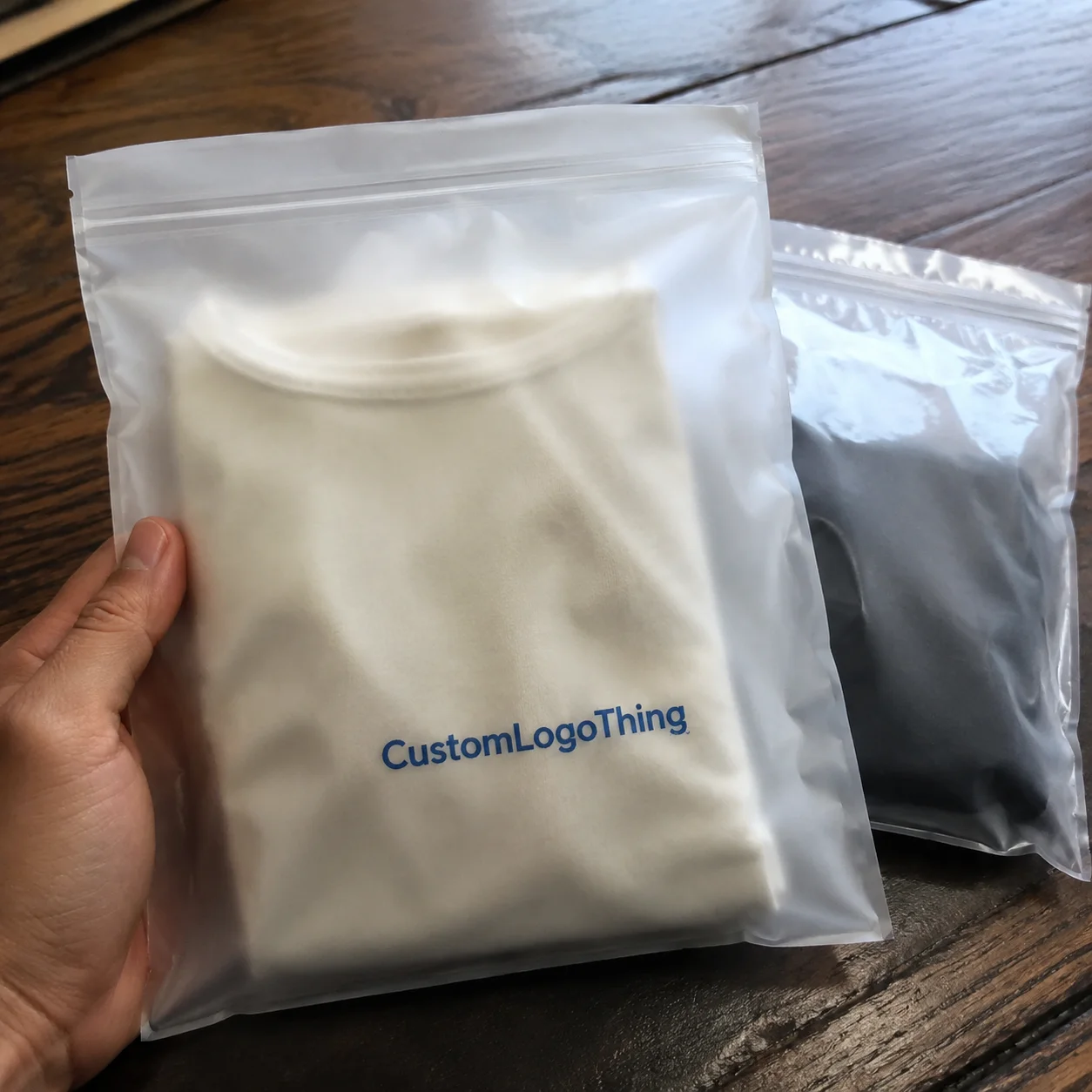
Clarity matters most when the bag is used for sorting, labeling, and presentation. Transparent packaging helps teams confirm contents without opening the bag again, and that matters for sponsor tiers, VIP materials, and multilingual inserts where a wrong set can create embarrassment. Printed logos, warning text, or a small insert card can still work well with clear film if the design stays minimal and does not block the view.
For teams building branded kits, it is common to pair clear bags with a larger outer package, such as Custom Poly Mailers for shipping or a box made from corrugated cardboard for freight. That way the clear bag handles on-site organization while the outer pack handles transit protection. If you are comparing multiple materials, Custom Poly Mailers can be part of the same planning conversation, especially when event kits ship to remote venues or exhibitor storage.
Material comparison: film thickness, clarity, and durability
Most event buyers end up comparing low-density polyethylene, or LDPE, with linear low-density polyethylene, or LLDPE. LDPE tends to feel softer and can be a little more economical, which is why it often shows up in lighter-duty packaging. LLDPE usually offers better puncture resistance and stretch, so it performs well when contents are irregular, have corners, or need a little give during packing.
The practical difference shows up in the hand. LDPE bags often drape more softly and can feel a touch smoother, while LLDPE can feel slightly tougher and more resilient. If you are packing folded flyers, inserts, and small cards, LDPE is often enough. If you are packing lanyards with metal clips, boxed sets, tools, or mixed-material kits, the extra toughness of LLDPE can be worth the modest price bump.
Thickness is usually measured in mils, and that number deserves real attention. A thinner film around 1.5 to 2 mil may be fine for paper handouts, lightweight brochures, or flat inserts that will not be crushed much. Move up into the 2.5 to 4 mil range, and you generally get a sturdier feel that better supports merch bundles, event tools, and repeated handling. If a bag will be stuffed into tote bags, moved through security, and reopened several times, the thicker option often pays for itself in fewer failures.
Clarity is not just “clear” or “not clear.” There is haze, gloss, and scuff resistance to think about. Under bright exhibit lighting, some films look clean on the bench but pick up scratches quickly in transit. Others stay presentable longer but may have a slightly different surface feel. If the bags will be photographed, handed to VIPs, or displayed on a welcome table, you want film that stays visually tidy after rubbing against other kits in a cart or tote.
Durability also depends on seam strength and how the bag holds under load stress. A well-made closure is only part of the story; the side seals and bottom seal have to survive the weight distribution of the contents. Reopened bags can also weaken faster if the closure is forced at an angle or if volunteers are rushing. In real event work, the safest rule is simple: choose the lightest film that still protects the contents and survives the handling pattern you expect.
| Material / build | Typical feel | Best for | Relative cost | Durability notes |
|---|---|---|---|---|
| LDPE, 1.5-2 mil | Soft, flexible | Paper inserts, flat handouts | Lower | Good for light loads; less ideal for sharp edges |
| LDPE, 2.5-3 mil | Balanced | General event kits, small merch | Moderate | Better for repeated handling and light reuse |
| LLDPE, 2.5-4 mil | Tougher, more elastic | Mixed kits, lanyards, items with corners | Moderate to higher | Better puncture resistance and stretch recovery |
| Heavier-gauge clear poly, 4 mil+ | Sturdy | Premium kits, repeated reopening, higher-value contents | Higher | Best when bag failure would create a real problem |
If your team is balancing sustainability messaging, the bag itself may still be polyethylene, while the broader kit can incorporate FSC-certified paper cards, kraft paper dividers, or recycled materials where they make sense. Clear poly bags are not biodegradable packaging, and it is better to be direct about that than to oversell the spec. Honest material choices build trust with buyers and with attendees.
For teams tracking compliance or transport performance, standards bodies like ISTA and trade groups such as the International Safe Transit Association help frame the broader idea of packaging performance under real-world stress. The exact test route for a simple event bag is not the same as a shipping carton test, but the mindset is useful: package for the handling, not for the sample photo.
Cost, pricing, MOQ, and unit cost tradeoffs
The biggest cost drivers are usually size, thickness, closure style, custom printing, and order quantity. A large bag uses more resin. A thicker film costs more. A custom-printed run needs artwork setup and proofing. And the smaller the quantity, the more those fixed costs show up in each unit price.
For many projects, stock bags can be the lowest-friction option. Custom bags, however, may reduce labor on the event floor if they eliminate extra labels, speed sorting, or improve the attendee experience. A bag priced at $0.18 to $0.28 per unit for 5,000 pieces may look cheap enough, but if it is oversized or overbuilt for the job, the team may be paying for unused material. On the other hand, a slightly more expensive bag that fits the kit properly can reduce packing errors and damaged contents, which lowers the real cost per packed set.
Minimum order quantities vary by supplier, but custom runs often start higher than stock options because the setup effort has to be recovered somehow. That matters for event teams planning multiple small drops, regional conferences, or rotating sponsor kits. If you only need a few hundred units, stock may be smarter. If you need one large run for a flagship event, custom can make sense because the labor savings show up fast.
One easy mistake is comparing bag price alone. A better comparison is cost per packed kit. If a stronger bag lets a volunteer pack 15% faster and cuts rework, that labor savings can outweigh a small increase in unit price. If the bag prevents a few damaged VIP kits or keeps sponsor inserts presentable for a whole show floor, the value becomes even clearer.
Price also shifts with market conditions, freight class, and the details of the print. A simple one-color logo usually costs less than full-coverage print. A plain clear bag with no printing often ships faster. If a team needs a custom spec quickly, ask for stock alternatives first and custom options second so you can compare not just the quote but also the lead time and the actual workflow benefit.
Process and timeline: from spec sheet to delivery dock
The production path is usually straightforward, but each step matters. First comes sizing: bag width, length, opening style, and how much room the contents need. Then comes material selection, closure choice, and artwork review if the bag is printed. After that, proofs are checked, production begins, quality checks happen, and the order ships.
Lead time changes with complexity. Stock clear resealable bags can ship much faster because inventory already exists. Custom printed bags, special gauges, or unusual sizes naturally take longer. Seasonal event demand can also stretch timelines, especially when many teams are planning around the same conference calendar and freight network. In practice, the safe move is to build time for revisions, sample approval, and shipping delays before the event date gets close.
If the art file is blurry or the size callout is incomplete, the process slows down. The same is true if the team has not confirmed whether the bag will hold flat paper or a thicker bundle with components that add bulk. A good spec sheet should include dimensions, thickness, closure type, quantity, print colors, and the exact contents the bag is meant to hold. That kind of clarity reduces back-and-forth and protects the schedule.
For event planning, I usually tell buyers to think in buffers. Leave time for at least one proof round. If the bags are critical to registration, order earlier than you think you need to. And if the event is far away or freight-sensitive, ask whether shipping to the venue, a warehouse, or a staging location will be the safest choice.
There are times when a stock bag is the smart move because the event is close and the contents are simple. There are also times when custom is worth the extra lead time because it reduces on-site sorting and creates a better first impression. The right choice depends on whether the bag is just a container or part of the attendee experience.
Step-by-step selection guide for the right event bag spec
- List the contents precisely. Weight, sharp edges, fold lines, and whether anything will be reused all matter. A stack of brochures is a different package than a kit with a metal badge reel and a small product sample.
- Choose the closure by use pattern. If attendees will reopen the bag several times, a zip-style closure usually feels better. If the bag is only meant to be opened once, press-to-close or adhesive may be enough.
- Match thickness to handling conditions. Handoff tables, travel totes, shipping cartons, and storage bins each create different stress. The rougher the handling, the more the film and seam strength matter.
- Decide how much visibility is enough. For some kits, transparency alone is perfect. For others, a simple label, insert card, or small printed area helps organize different attendee groups or sponsor levels.
- Request samples and test them with real contents. Fill the bag, close it, shake it, reopen it, and pack it again. That one short test reveals far more than a spec sheet alone.
There is also a workflow question that buyers sometimes miss. Can the volunteer working the line close the bag with one hand while holding other materials with the other? Can the bag be resealed without fighting the track? Can someone standing under event pressure tell immediately whether it is closed? Those little details are what separate a decent bag from one that truly fits the job.
For larger programs, teams often compare the clear bag spec with outer-pack options such as Custom Poly Mailers or printed boxes, especially when the same kits are both shipped and handed out on site. That is where corrugated cardboard, kraft paper inserts, and clear resealable bags can each play a role without trying to do the same job.
Common mistakes event teams make when comparing bag materials
The most common mistake is choosing by appearance alone. A sample that looks crystal clear on a desk may still have weak seams or a closure that opens too easily once the bag is filled and tossed into a storage bin. Another issue is going too thin because it saves a few cents. That often backfires when the bag stretches, clouds up, or splits during setup.
Overordering custom features is another trap. A printed warning line, a logo, and a specific bag color can all be useful, but not every project needs all three. More decoration can mean longer lead times and higher cost without improving the attendee experience. Simpler is often better when the bag’s job is just to organize and protect.
Teams also forget about the pack-out environment. Volunteers may wear gloves, work in a rush, or need to reseal bags quickly while standing. If the closure is too fussy, the line slows down. If the bag is too slick or the opening too narrow, mistakes creep in. Sample testing with actual staff is the fastest way to catch those issues before production.
Finally, some buyers skip sample validation and assume the spec is correct because the dimensions look close enough on paper. That is risky. A half-inch difference can matter a lot if the contents include folded brochures, thick lanyards, or multiple inserts. Always test the real contents, not a theoretical version of them.
If you are balancing cost, clarity, and event speed, keep the comparison grounded in how the bags will be handled. That is the real answer behind clear Resealable Poly Bags for Event teams material comparison: not which bag is best on paper, but which one actually works in the room, at the table, and in the hands of your staff.
What material is best for clear resealable poly bags for event teams material comparison?
LDPE is often chosen for softness and lower cost, while LLDPE is better when puncture resistance and stretch matter more. The best choice depends on whether the bags hold light handouts or heavier kits with sharp-edged items.
How do I choose the right thickness for event bag packaging?
Match the mil thickness to the weight and shape of the contents. Thinner films can work for paper inserts, while thicker films are safer for merch bundles, tools, or mixed-material kits.
Are zip closure bags better than press-to-close bags for events?
Zip closures usually feel more secure and are easier to reopen repeatedly. Press-to-close bags can be faster and more cost-effective for simple packing jobs, especially when reuse is limited.
What affects pricing the most when ordering clear resealable poly bags?
Size, thickness, closure style, custom printing, and order quantity are the biggest drivers. Labor savings and reduced packing errors can matter as much as the bag’s unit price.
How far in advance should event teams place a custom bag order?
Allow time for spec confirmation, proofing, production, and shipping before the event date. Custom printed or specialty bags should be ordered earlier than stock bags because revisions and lead time can add several days or weeks depending on complexity.
If you are comparing clear resealable poly bags for event teams material comparison across a real event schedule, keep the focus on the contents, the closure, the handling pattern, and the lead time, then choose the lightest film that still protects the kit and keeps the workflow moving. That is usually the spec that holds up best in practice.