Why hotel buyers notice bag material before the guests do
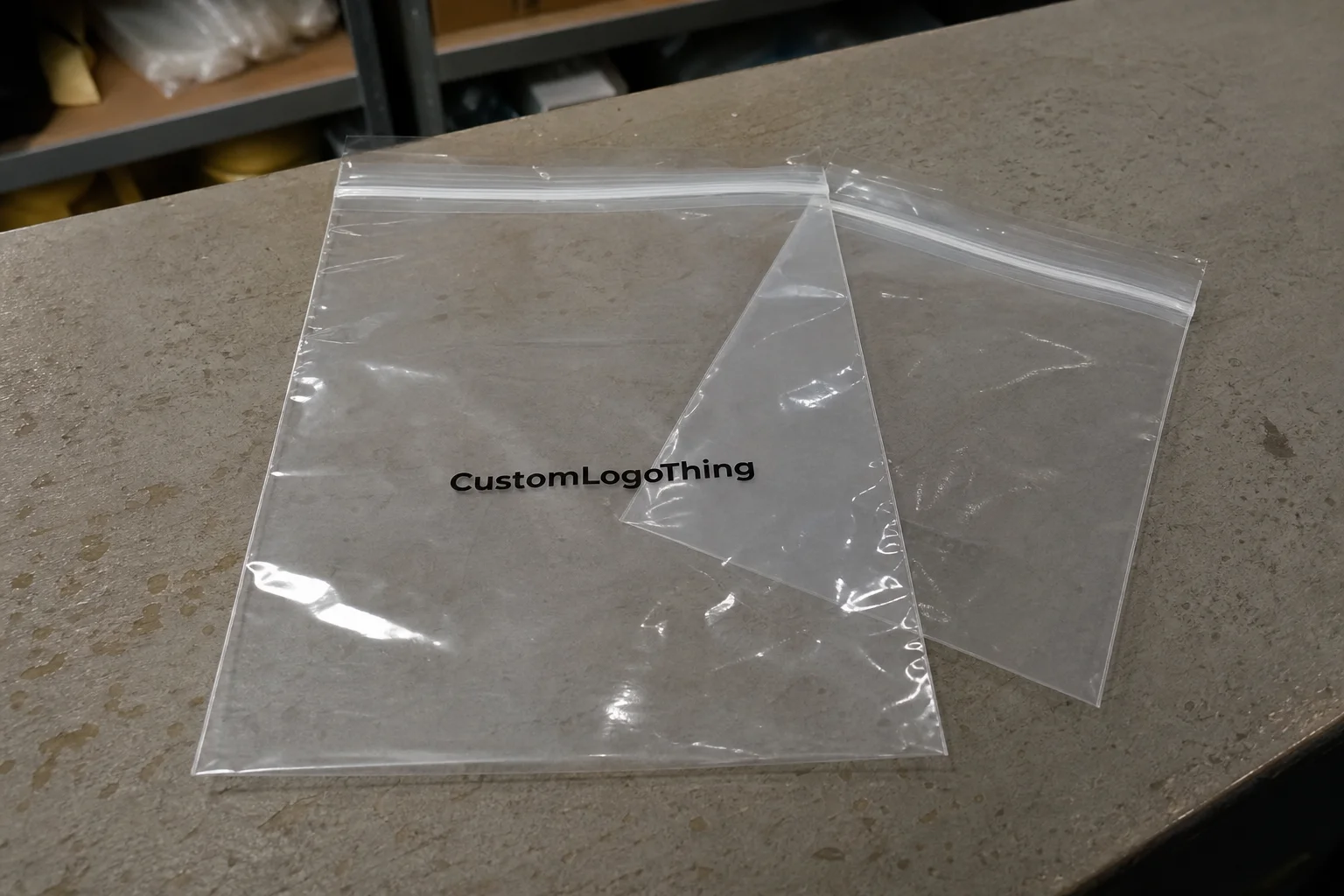
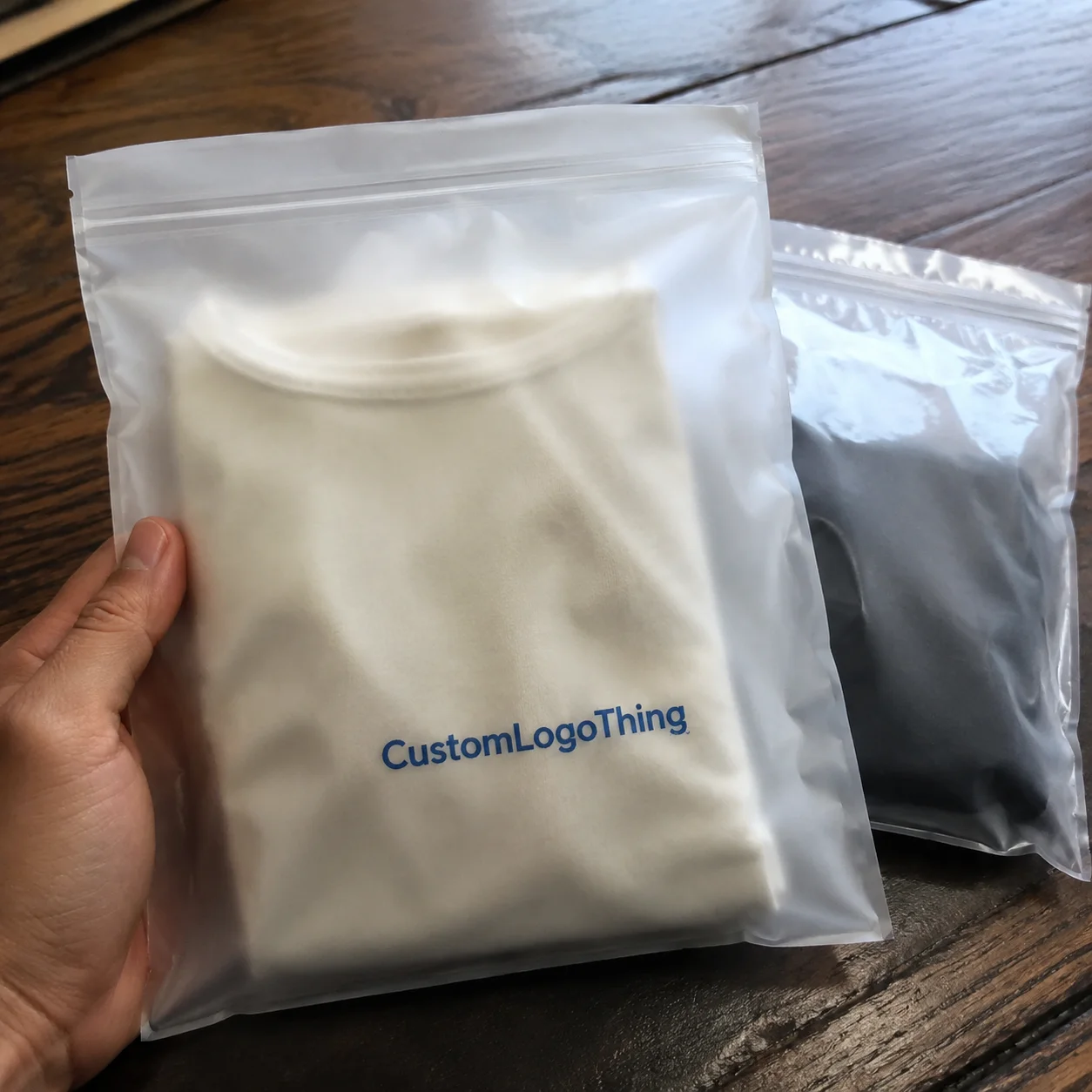
Guests usually see the bag first. Then they notice the item inside. That makes material choice a lot more visible than most hotel buyers expect. For Clear Resealable Poly Bags for hotel groups material comparison, the real question is not just whether the bag is transparent. It is whether the film still looks clean after packing, shipping, storing, and a few rounds of handling by staff.
A bag can look sharp in a digital proof and still disappoint on property. Thin film can haze when stretched. A weak seal can separate in transit. Gloss can pick up fingerprints fast under lobby lights. And if the bag curls or wrinkles on a tray, the presentation looks cheaper than the item inside. Guests may not know the resin name, but they can tell when the packaging feels flimsy.
That is why hotel groups need to think in practical terms. The bag has to protect against light moisture and dust. It has to open fast for staff. It has to hold its shape well enough to look intentional. If it fails on any of those points, the packaging becomes part of the problem.
There is also a workflow side that gets overlooked. Housekeeping teams work fast. Front desk teams do too. If the closure is awkward or the film sticks too much, packing slows down. If the bag is too stiff, it can be annoying to fill and close. So the comparison is not only about appearance. It is about how the bag behaves in real hotel operations.
How clear resealable poly bags work in hospitality packaging
Most hotel buyers end up comparing three basic structures: zip-style closures, press-to-close seals, and adhesive flap bags. Each one has a different job. Zip and press-to-close styles are better for items that may be opened more than once. Adhesive flaps are fine for one-time distribution or short-term presentation, but they do not offer the same repeated-use feel.
Closure quality matters as much as film quality. A wide, easy-to-grip seal speeds up packing. A shallow seal can pop open if the bag is overfilled or squeezed into a cart. Some buyers focus too much on thickness and ignore the closure. That is a mistake. A good material with a weak seal still performs badly.
These bags are useful for amenity kits, folded laundry slips, small retail accessories, guest welcome items, and housekeeping packs. They are not high-barrier packaging. They do not block oxygen or odor the way specialty laminates can. If the contents are sensitive to humidity or long storage, the spec may need a different structure. In those cases, some buyers move toward laminated packs, foil barriers, or boxed presentation using Custom Packaging Products. For simpler hospitality use, clear resealable poly is usually the better balance of cost, speed, and appearance.
“The bag should disappear into the presentation. If it draws attention for the wrong reason, the spec missed something.”
That is also why sample testing matters. Put the real item inside. A folded shirt, a toiletry set, or a small retail accessory changes the look immediately. It also changes how the closure behaves under pressure. Empty samples are not enough.
Material comparison: LDPE, LLDPE, and polypropylene
For Clear Resealable Poly Bags for hotel groups material comparison, the simplest shorthand is this: LDPE feels softer, LLDPE holds up better under stress, and polypropylene gives a crisper, more presentation-focused look. That does not make one material universally better. It depends on what is inside the bag, how often staff will handle it, and how polished the final display needs to feel.
| Material | Best strengths | Common tradeoffs | Typical hotel use case |
|---|---|---|---|
| LDPE | Soft hand feel, flexible, easy to pack, forgiving around folded contents | Lower puncture resistance than tougher blends at the same gauge | Light amenity packs, small toiletry sets, soft items with no sharp corners |
| LLDPE | Better puncture resistance, good tear strength, solid value at moderate thickness | Can feel less soft than LDPE; clarity depends on the formulation | Heavier kits, folded textiles, repeated handling by housekeeping or front desk staff |
| Polypropylene | High clarity, crisp appearance, strong shelf presentation | Can feel stiffer and less forgiving under compression or folding | Premium welcome packs, lobby retail items, gift-style presentation |
LDPE is the easiest to work with in a lot of hotel settings. It opens easily. It folds well. It handles a bit of rough treatment without looking damaged right away. That makes it a practical choice for lightweight contents and fast packing lines. The downside is that very thin LDPE can look limp, especially if the bag needs to stand out on a tray or in a display.
LLDPE is the workhorse. It usually gives better puncture resistance and better toughness at similar thickness. That matters when the contents have corners, edges, or multiple pieces. If the bag is going to be reopened, handled several times, or packed into tight cartons, LLDPE is often the safer pick. It is the option I tend to trust more for mixed-use hotel programs because it tolerates real-world handling better.
Polypropylene is usually chosen for presentation first. It can look brighter and more polished, which is useful for retail-style packaging or higher-end guest packs. The tradeoff is flexibility. Some polypropylene films feel stiffer and can be less forgiving if the contents are compressed or folded hard. Not every clear PP bag behaves the same, either. Film structure and orientation matter, so buyers should not assume all polypropylene products will perform alike.
Thickness changes the result more than many buyers expect. A 2.0 mil LLDPE bag can outperform a thinner polypropylene bag if the closure is better and the fit is tighter. A glossy film can also look more premium than a thicker matte one, even if the matte bag is technically stronger. The spec should always combine material, gauge, closure style, and bag dimensions. Comparing only one of those pieces is how teams end up with a bag that looks good on paper and wrong on the cart.
For hotel groups that need consistency across multiple properties, material consistency matters as much as the first sample. Small changes in resin blend can shift clarity, stiffness, and seal feel from one production lot to the next. If the packaging must look identical across locations, lock the spec tightly and ask for a reference sample or approved standard before production starts.
Pricing and cost factors that change the quote
Price depends on more than size. The biggest drivers are resin type, film gauge, bag dimensions, closure style, print coverage, and order volume. A plain stock-size LDPE or LLDPE bag will usually cost less than a custom polypropylene bag with printed branding and a special closure. That part is predictable. The part that catches buyers off guard is how quickly small spec changes move the unit price.
Minimum order quantity affects cost more than most teams expect. A run of 3,000 pieces and a run of 10,000 pieces may use the same film, but the setup cost gets spread very differently. That means the larger order can lower the unit cost enough to matter. The catch is inventory. Hotels do not want to overbuy a bag that turns out to be the wrong fit for a future rollout.
Here are the variables that should be matched before comparing quotes:
- Resin type: LDPE, LLDPE, or polypropylene.
- Film gauge: for example, 1.5 mil, 2.0 mil, or 3.0 mil.
- Bag dimensions: width, height, and seal allowance.
- Closure style: zip, press-to-close, or adhesive flap.
- Print coverage: no print, one-color logo, or full coverage.
- Order quantity: pricing at 5,000 pieces is not the same as pricing at 25,000.
- Packing configuration: count per carton, carton size, and pallet pattern.
There are smaller cost items too. Custom sizes can require different tooling. Print coverage can add setup and color matching time. A matte finish may cost more than gloss, and it can change how the film looks under hotel lighting. If the bags need to be packed in a specific count per carton, that can affect labor and freight. Freight itself matters more than buyers sometimes admit, especially for heavier gauges and larger cartons.
For a rough planning range, plain clear resealable hospitality bags often land around $0.07 to $0.22 per unit depending on size, thickness, and volume. Printed premium versions can run higher, sometimes $0.18 to $0.45 per unit on smaller runs. That is not a quote. It is a sane budget range that helps buyers ask better questions.
Some hotel groups also compare clear poly packaging with other presentation formats such as corrugated sleeves, kraft paper wraps, or paper-based packaging tied to recycled-content goals. Those can be valid choices, especially when a property wants a more visibly sustainable story. Just be clear about the function. Paper can look better for brand signaling. Poly usually performs better for moisture resistance and repeated handling. If the packaging has to do both jobs, the buyer needs to decide which job matters more.
That is also where claims need scrutiny. Recycled content, post-consumer waste, and FSC certified paper are not the same thing as a bag that resists tearing or keeps moisture out. A bag can support a sustainability story and still be the wrong technical fit. Performance and messaging need to be checked separately.
Process and lead time: from spec sheet to production steps
Most custom bag projects follow the same basic path. Define the dimensions and material. Choose the closure. Approve the artwork or plain sample. Then move into production, inspection, and packing. The projects that stay on schedule usually start with a complete spec sheet. The ones that drag out usually begin with vague instructions and a half-finished approval chain.
Lead time depends on complexity. New tooling adds time. Custom sizing adds time. Artwork proof cycles add time. So does any request for a specific resin blend or a more exact clarity target. A stock clear LLDPE bag with no print is usually faster than a custom polypropylene bag with a special flap and branding on both sides. That is normal. It is not a sign the supplier is slow; it is the nature of the build.
Sample approval is the best checkpoint in the process. A sample lets the team test fit, clarity, seal strength, and how the bag feels in the hand. Front desk staff may care about speed of opening. Housekeeping may care about whether the closure survives repeated use. Purchasing may care about how the cartons stack and whether the bags arrive flat instead of warped.
Typical timing varies, but standard orders are usually faster than custom print runs. A plain stock-style order may be ready in a shorter window, while a custom bag often takes longer because of proofing, color checks, and packing requirements. For first-time programs, it is smart to leave extra room for one round of sample testing before the full production order is released. That prevents costly mistakes like ordering the wrong gauge or discovering too late that the closure is awkward for staff.
A practical approval sequence looks like this: confirm the spec, review the sample, test the sample with the actual contents, sign off on artwork if needed, then release production. Skip a step and the odds of rework go up. Packaging is unforgiving that way.
Common mistakes hotel groups make when choosing bags
The biggest mistake is choosing based on appearance alone. A bag can look clear and attractive in a sample photo and still fail in use. If the closure is weak or the film is too thin, the bag will not hold up through packing, cart movement, stacking, and the occasional overfill.
Another common mistake is trying to shave cost by thinning the film too much. That usually backfires. Thin film tears more easily, looks less substantial, and can make the closure harder to use cleanly. Saving a fraction of a cent per unit is pointless if staff spend extra time redoing bags or if the guest gets a package that feels cheap.
Closure choice causes trouble too. The seal has to open easily, but not accidentally. If it is too tight, packing slows down. If it is too loose, bags can pop open in transit. Hotels that use resealable packaging repeatedly should test the closure with the actual team that will use it. Not a desk sample. Not a single demo. Real staff, real workflow.
Size errors are another source of waste. Too large, and the contents slide around and look sloppy. Too small, and the film stretches, the seal line gets stressed, and the bag can haze. The best bag size is the one that fits the contents with a clean visual margin and enough room for a smooth closure. That sounds basic. It is still where a lot of projects go wrong.
Hotel groups also waste time by comparing bags without defining the use case. A VIP welcome pack, a retail item near the lobby, and a housekeeping supply pouch are not the same problem. If the purpose is not clear, the spec will be fuzzy, and the quote comparison will be noisy. The wrong material can look fine in procurement and perform badly on property.
Storage gets ignored too. Bags stored in hot areas or packed too tightly in cartons can arrive with curled edges, static, or distortion. Thin glossy film is more sensitive to that than many buyers realize. If the property is spread across multiple locations, the packing format should be part of the spec, not an afterthought.
Expert tips for comparing samples and locking the right spec
Test the bag under the lighting it will actually see. A bag that looks clear in a warehouse can look different under warm lobby lighting or bright overhead LEDs. Haze, glare, and fingerprints show up faster in real environments than they do in a sample kit.
Open and close the bag more than once. A good resealable bag should still feel sound after repeated use. If the seal turns mushy, splits, or loses grip after a few cycles, that is a warning sign. Hotel staff do not usually use a package only once. The packaging has to survive real handling, not just a photo shoot.
Compare samples side by side with the same item inside each one. That removes guesswork. Put the same amenity kit or textile fold in an LDPE sample, an LLDPE sample, and a polypropylene sample. Then look at clarity, stiffness, and how the contents sit inside the film. Differences become obvious fast when the contents are identical.
- Check whether the bag lies flat or curls at the edges.
- Look at seam width and whether the seal looks even from end to end.
- See how the film handles fingerprints and scuffs.
- Press the filled sample lightly and see whether the closure shifts.
- Confirm the bag still looks neat after carton compression.
Shipping and storage matter too. Heat, compression, and long-term pallet stacking can change how a bag arrives. That is especially true for thinner gauges and glossy films. Ask how the bags are packed, how many units go into each carton, and whether the carton design keeps the film flat in transit. Those details sound small until a property receives a warped lot and has to use it anyway.
If sustainability is part of the program, check the claim level carefully. Some hotels want companion materials made with FSC certified paper or recycled materials. Fine. But the packaging should still be judged on what it has to do. A recyclable or recycled-content option is not automatically the right choice if the contents need higher puncture resistance or moisture protection. Performance still wins the argument.
Trade guidance from organizations such as the FSC, ISTA, and PMMI can help teams think more clearly about material claims, shipping resilience, and operational packaging standards. Those resources do not pick the bag for you, but they do help separate marketing language from useful specs.
Next steps: build your hotel bag spec before requesting quotes
The cleanest way to handle Clear Resealable Poly Bags for hotel groups material comparison is to create one spec sheet and use it for every supplier quote. Include bag dimensions, material preference, thickness range, closure style, print requirements, carton count, and estimated annual volume. That turns the conversation into a real comparison instead of a stack of unrelated numbers.
It also helps to list three actual use cases from operations. For example: amenity kits for VIP arrivals, retail items in the lobby, and housekeeping supplies that need a resealable pouch. Those three examples usually show whether the bag needs better clarity, better puncture resistance, better speed, or a different closure feel. The best decisions happen when purchasing, operations, and branding are all looking at the same sample and the same facts.
Ask every supplier to quote the same spec. If one quote includes a heavier gauge, a different closure, or a different carton count, the lowest price is not actually the same product. Once the quotes are normalized, the differences usually become useful. One supplier may be stronger on clarity. Another may be better on durability. Another may offer a tighter lead time.
That is the job here. Not just buying a clear bag. Choosing the right bag for the way hotel teams work and the way guests see the brand. If the comparison is handled carefully, the decision becomes straightforward: the right film, the right seal, the right fit, and a price that makes sense for the volume. If not, the result is a cheap-looking package that costs more in friction than it saves in unit price.
What is the best material for clear resealable poly bags for hotel groups?
LLDPE is often the best balance of toughness and flexibility for repeated handling. LDPE works well for softer, lighter-duty needs, while polypropylene is useful when presentation clarity and stiffness matter more. The best choice depends on the contents, how often staff will reopen the bag, and how polished the final display needs to look.
How do I compare clear resealable poly bag pricing across suppliers?
Match the same dimensions, material, thickness, closure type, print, carton count, and quantity before comparing numbers. Ask whether the price includes freight, samples, setup charges, and packing configuration. Compare unit cost only after the spec is normalized, or the lowest quote may not be the same product.
What thickness should hotels consider for resealable poly bags?
Light items can often use thinner gauges, while folded textiles, kits, or multi-piece packets usually need more film. Thicker film improves toughness and feel, but it also raises cost and can change bag flexibility. The right thickness is the thinnest option that still resists tearing, popping open, and looking flimsy in guest-facing use.
How long does custom production usually take for these bags?
Lead time depends on whether the bag is stock-sized or fully custom, plus whether printing or special features are involved. Samples, proof approval, and material availability can extend the schedule. Plan extra time for first-time orders so you can test fit and closure performance before full production.
Can clear resealable poly bags be reused in hotel operations?
Yes, many resealable styles are built for multiple open-and-close cycles if the film and closure are specified correctly. Reusable performance depends on bag thickness, the type of seal, and how much stress the bag sees during handling. For high-turnover use, choose a more durable film and test closures with the actual team workflow before scaling up.