Comparing a clear Zipper Bags Bulk order with boxes, mailers, or plain pouches usually comes down to one thing: what needs to be visible, protected, and easy to handle without adding unnecessary packaging cost. Clear zipper bags do that well. They let staff verify contents quickly, give customers a direct view of the product, and keep items together with a reclosable seal that works for packing, retail display, and short-term storage.
That combination sounds basic, but it solves a lot of small operational problems. Visibility reduces picking mistakes. Reclosability reduces repacking. A simple transparent bag can also cut the number of labels or inserts needed, especially when multiple SKUs are close in size or appearance. The savings are not dramatic on one order. Across repeated shipments, they are hard to ignore.
For buyers, the challenge is not finding a clear zipper bag. It is choosing a spec that fits the product, the line, and the final use. Material, thickness, closure style, and print coverage all affect performance more than many catalog photos suggest.
Why clear zipper bags solve everyday packaging problems
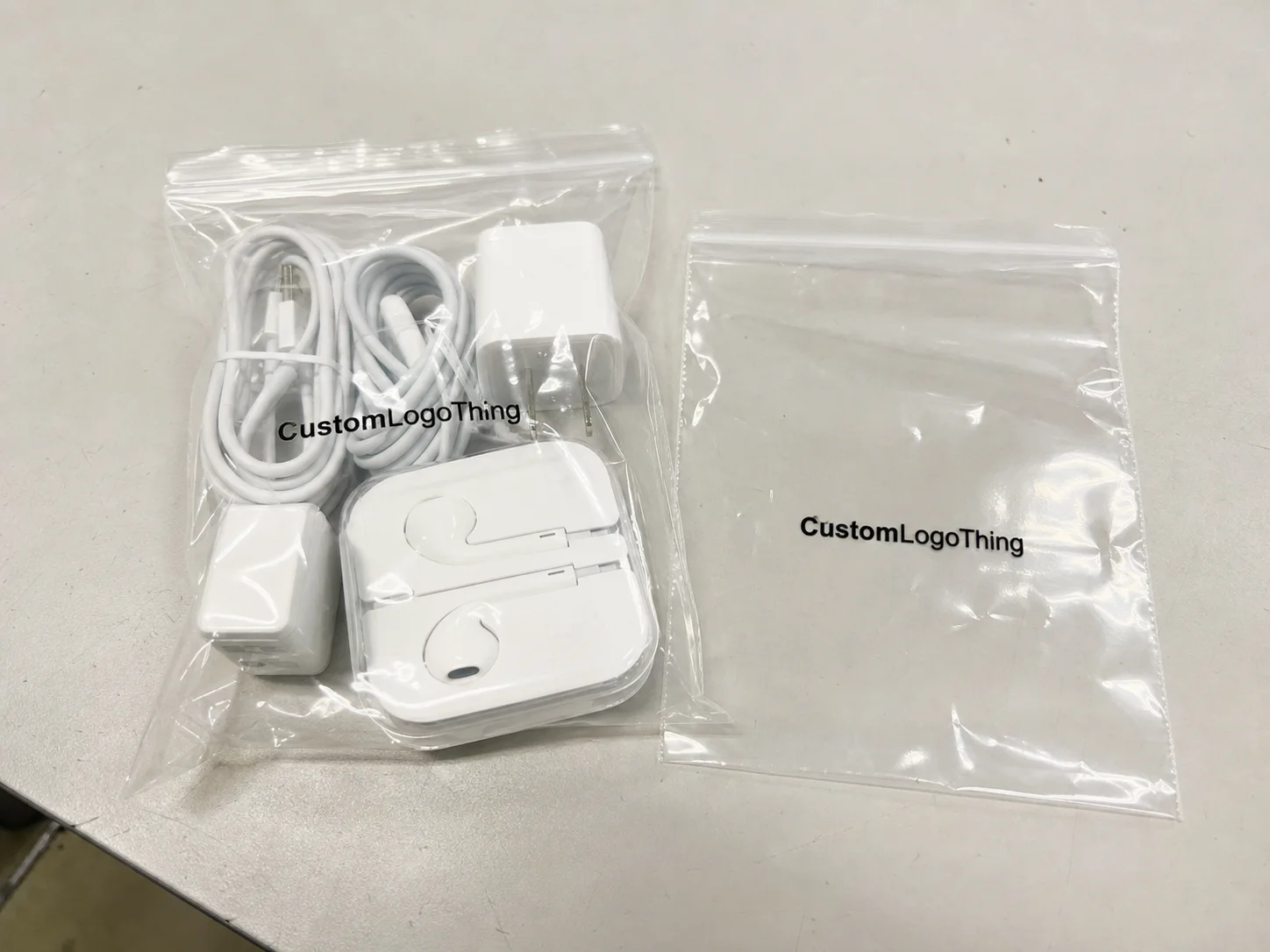
A clear zipper bag is useful because it does two jobs at once. It displays the product and keeps it contained. That makes a clear Zipper Bags Bulk Order practical for sample programs, accessory kits, cosmetics, stationery, small tools, hardware, apparel, and other items that need dust protection without losing visibility.
The visibility is not just a merchandising benefit. In packing and assembly areas, transparent film helps operators confirm contents before sealing. That matters when several items look similar but differ in size, shade, or accessory count. One wrong component can trigger returns, replacements, or a wasted kit. A clear bag catches a lot of those errors before they leave the floor.
These bags also hold up well when the package is opened and resealed more than once. A zipper closure gives repeat access without destroying the package, which is useful for internal kits, retail accessories, and items that may be inspected before use. The bag stays useful longer than a sealed pouch would.
“Clear packaging should do a few jobs very well: show the product, protect it from light handling, and stay easy to use. Once a spec tries to cover every possible use case, it usually becomes expensive and less reliable.”
There are limits, though. Clear zipper bags are not a substitute for high-barrier packaging when you need oxygen control, heavy puncture resistance, or long-term freshness protection. They are a practical choice for organization, display, and moderate handling. If the product is sharp, oily, moisture-sensitive, or high-value, the structure needs to reflect that reality.
- Best fit: retail display, kitting, samples, parts, accessories, and small consumer goods
- Common benefit: fast identification and lower repacking time
- Main limit: not designed as high-barrier or heavy-abuse packaging
Material, closure, and appearance details buyers should compare
The first comparison point is the film. Most clear zipper bags are made from polyethylene or polypropylene. Polyethylene usually feels softer and more flexible. Polypropylene tends to feel crisper and stiffer, with a cleaner presentation on shelf. That difference affects how the bag opens, how it stacks, and how premium it looks in the hand.
Thickness matters just as much. Thin film can work for flat, low-risk items, but heavier gauges improve puncture resistance and make the bag feel more stable. If the contents have sharp edges, metal parts, or dense components, the film needs enough body to survive handling without tearing near the zipper line or side seals. A bag that looks fine in a sample tray can fail once it goes through a real packing line.
Closure style also deserves careful review. A single-track zipper is common for light to moderate use. A double-track closure usually gives a stronger reseal feel and is better for items that are opened frequently. Buyers sometimes assume all zipper closures behave the same. They do not. The snap, resistance, and alignment of the tracks affect both user experience and defect rates.
| Option | Typical feel | Best use | Typical pricing impact |
|---|---|---|---|
| Polyethylene, single-track zipper | Softer, flexible | Light accessories, samples, internal packing | Lower |
| Polypropylene, single-track zipper | Crisper, clearer presentation | Retail display, stationery, cosmetics | Moderate |
| Heavier film, double-track zipper | More secure reseal feel | Frequently opened kits, parts, premium presentation | Higher |
| Frosted or partially printed bag | Less transparent, more branded | Privacy, mixed retail/internal use | Depends on print coverage |
Appearance details matter too. Crystal-clear film is best when the product itself needs to be seen. Frosted or semi-clear options are useful when privacy or a softer look matters more than full visibility. Print coverage changes the presentation fast; a large logo panel on clear film does not read the same way as a small label area.
Practical extras can improve usability. Hang holes support peg display. Write-on panels help with internal sorting. Tamper-evident features are useful when first-opening visibility matters. Reinforced seams are worth considering if the bag will be filled tightly or moved through a rougher distribution chain.
The right size is not always the one that matches the product dimensions on paper. A rigid item with corners needs more working room than a flat item of the same measured width. If the fit is too tight, the zipper area takes more stress and the bag wears faster. That is a specification issue, not a cosmetic one.
Size, thickness, and custom specification checklist
Size mistakes are common because buyers often stop at nominal dimensions. For any clear Zipper Bags Bulk Order, confirm the full usable size, zipper position, seal width, and whether the design needs a gusset for extra volume. A bag that technically fits can still be awkward if the closure sits too low or the product distorts the film.
Thickness is usually listed in mil or microns. Lighter gauges work for flat items and lower-risk contents. Heavier film adds puncture resistance and improves shelf presentation, especially when the bag must hold shape in bins or on display. If the pack needs a more premium feel, a slightly thicker spec often reduces complaints and sorting issues later.
Use this checklist before requesting a quote:
- Width and height: measure the product plus enough working room for insertion and closure.
- Zipper position: confirm whether the closure sits at the top edge or leaves extra headspace.
- Seal width: wider seals can improve durability for heavier contents.
- Gusset depth: useful for bulkier parts, folded textiles, and multi-item kits.
- Film gauge: match to product weight, sharpness, and handling frequency.
- Surface needs: clear, frosted, label-friendly, or print-ready.
Tolerances matter more than many buyers expect. A bag produced to spec still has a normal manufacturing range. That is why sample testing should use the actual product, not a rough estimate or a drawing. A half-inch can be the difference between a clean fit and a bag that bulges at the zipper or looks overstretched on shelf.
Storage and transit conditions should also inform the spec. If bags will be packed with sharp components, stored in humid areas, or handled by multiple people before use, say so early. The answer may be a heavier film, a different seal profile, or a stronger closure style. Small adjustments at the spec stage often cost less than fixing issues after production starts.
For larger programs, samples or a detailed spec sheet are worth the time. Clear zipper bags can look fine on a screen and still feel too slippery, too thin, or too rigid in real use. Testing a sample against the actual product is one of the simplest ways to avoid expensive rework.
Cost, pricing, and MOQ factors that shape your quote
Pricing depends on the inputs, so the fastest comparison method is to review those inputs directly. Material grade, bag size, thickness, zipper type, print requirements, and quantity all affect unit cost. A small plain bag in light film costs far less than a large printed bag in heavy-gauge material with a reinforced closure.
MOQ often reflects production setup. Stock-style formats can usually start at lower quantities because the material and tooling are already established. Custom sizes, specialized closures, or printed bags tend to require larger minimums because setup time, waste allowance, and material planning are higher.
Order volume usually improves unit pricing, but bigger is not always cheaper in total. Large sizes and heavier gauges use more film, and the material cost rises quickly. Packaging budgets get tight when buyers underestimate how much a few millimeters of extra width can change film consumption across thousands of bags.
Printing affects cost more than many buyers expect. One-color branding is relatively simple. Multiple locations, large coverage areas, specialty inks, or matte effects add setup time and raise the price. If the bag needs to stay highly transparent, the print plan should support that goal rather than overwhelm it.
Buyers often see pricing move in a pattern like this:
| Order style | Typical unit cost tendency | MOQ tendency | Notes |
|---|---|---|---|
| Plain stock-style bag | Lower | Lower | Good for fast replenishment and simple use cases |
| Custom size, no print | Moderate | Moderate | Driven mainly by size and film spec |
| Printed retail bag | Higher | Higher | Setup and artwork approval affect cost and timing |
| Heavier gauge with special features | Higher | Varies | Used when durability or premium feel matters |
Ask for a line-item quote whenever possible. That makes it easier to compare bag size, thickness, quantity, and print options without guessing what is driving the total. A clear quote should show the tradeoffs. If it does not, you are missing useful information.
For buyers planning repeat purchases, the first quote should also help forecast the next one. Once the spec is stable, the cost pattern becomes easier to manage, especially when reorder quantities stay consistent.
Production steps, turnaround, and delivery planning
Most orders move through the same basic sequence: quote review, spec confirmation, artwork or dieline review if needed, sampling or proof approval, production, quality check, and shipment. The order sounds ordinary, but each step removes a different kind of risk. A few minutes spent confirming the zipper style or headspace can prevent a full run from being off target.
Turnaround depends on complexity and approval speed. Stock-style orders usually move faster than custom printed runs, and special materials or heavier films can extend lead time if sourcing takes longer than expected. If artwork changes several times before sign-off, the schedule will stretch. That is usually a coordination issue, not a production mystery.
A practical lead-time range for straightforward custom work is about 12 to 15 business days from proof approval. Simpler stock-style orders may move faster, while complex printed or specialty runs can take longer. Multiple SKUs should be coordinated early so one delayed approval does not hold the rest of the shipment.
Before production begins, buyers should have the following ready:
- Target dimensions
- Approximate quantity and, if possible, two quantity tiers
- Thickness preference
- Closure style
- Artwork files or labeling direction
- Shipping address and receiving window
- Any compliance, inspection, or packing requirements
Shipping timing deserves more attention than it usually gets. If the bags are needed for a launch, a warehouse move, or a seasonal sales window, count backward from the in-hand date, not the order date. That leaves room for approvals, transit, and the occasional correction that shows up during production planning.
Clear input at the start usually saves more time than trying to speed things up later. When the spec is defined, the artwork is ready, and the delivery window is realistic, the order tends to move with fewer surprises.
For buyers who need help with common order questions, our FAQ page covers practical issues that often come up before production.
What to expect from a manufacturing partner
A dependable supplier should do more than quote a price. They should check the spec, flag fit issues, and explain where a higher-cost option is justified and where it is not. That kind of guidance is often more useful than a low opening number, because it reduces the chance of rework, waste, or a package that performs poorly in the field.
Experience shows up in small details: zipper alignment, seal integrity, film consistency, and batch repeatability. A defect that seems minor on a spec sheet can slow a packing line or create complaints after shipment. A zipper that does not close cleanly, a weak seal, or uneven film thickness can create problems that become visible only after the order is already in circulation.
Pre-production review is one of the most useful checkpoints. This is the stage where dimensional questions, fill expectations, and shipping constraints should be resolved before the run starts. If the bag needs to hold a bulky kit, a sharp accessory, or a retail insert, that should be discussed before production rather than after the first carton lands.
Manufacturing partners should also recommend material thickness and closure style based on use, not just on margin. Light film belongs with light use. Heavier film belongs with sharp or frequently handled items. Stronger closures make sense when repeated access matters. Print should support presentation, not distract from the product.
In practice, the best packaging partner helps you avoid surprises. The lowest sticker price is rarely the lowest total cost once defects, delays, and rework are included.
Repeatability matters too. If the second shipment looks different from the first, warehouse teams notice immediately. Consistency in size, color, zipper feel, and seal quality is one of the quiet signs of a healthy packaging supply chain.
Next steps to place a clear zipper bags bulk order
If you are ready to move forward, start with the information a production team actually needs: target size, approximate quantity, thickness preference, closure type, and whether branding or labeling is required. That is enough to begin a real quote conversation instead of a guessing game. A well-defined clear zipper bags bulk order is much easier to price accurately than a vague request for something clear and resealable.
Requesting two quantity tiers is often helpful. It makes unit pricing easier to compare and can show whether the next volume break is worth the added inventory. Sometimes the smaller order makes more sense for cash flow. Sometimes the larger tier wins because the per-unit difference is meaningful.
If the bag will be customer-facing, food-adjacent, or used for products that need a precise fit, ask for a sample or proof. Physical confirmation matters more than assumptions, especially when clarity, zipper feel, or shelf presentation affect the decision. The bag should fit the product, close properly, and hold up in the actual use case.
Before the order is placed, confirm delivery timing against launch dates, warehouse receiving windows, and seasonal spikes. That simple check keeps the project from arriving too late to matter and gives the supplier a realistic target. It also makes planning easier on both sides.
If you are preparing specs, the most efficient starting point is size, film thickness, closure style, quantity, and any print requirements. With those details in hand, a production team can confirm feasibility, Pricing, and Lead Time without unnecessary back-and-forth.
FAQ
What information do I need to request a clear zipper bags bulk order quote?
Provide size, thickness, quantity, closure style, and whether you need printing or labeling. Share how the bags will be used so the supplier can recommend the right film and seam strength. Include shipping destination and target in-hand date to get a realistic quote and timeline.
How do I choose the right thickness for clear zipper bags in bulk?
Use lighter film for flat, low-risk items and heavier film for sharper, bulkier, or frequently handled products. Ask for thickness in mil or microns and compare it with your product weight and storage conditions. Request a sample if the bag needs to feel more rigid or more durable in retail use.
What affects MOQ for custom or stock-style zipper bags?
MOQ is usually driven by material sourcing, printing setup, and whether the bag requires a custom size or standard format. Printed bags often need higher minimums than plain bags because of setup and production efficiency. Larger quantities usually improve unit pricing, but exact thresholds depend on the spec.
How long does production usually take for clear zipper bags bulk orders?
Lead time depends on whether the order is stock-style, custom printed, or requires special materials. Approvals, artwork readiness, and sample confirmation can shorten or delay the schedule. A clear spec sheet and quick responses help keep turnaround moving.
Can clear zipper bags be used for retail display and internal packing at the same time?
Yes, many buyers use the same bag style for both visibility at retail and organized packing in the warehouse. Choose closure strength, film thickness, and size based on the stricter of the two use cases. If the product is sharp, heavy, or repeatedly accessed, specify those conditions before ordering.


