Why bakery packaging quietly leaks margin
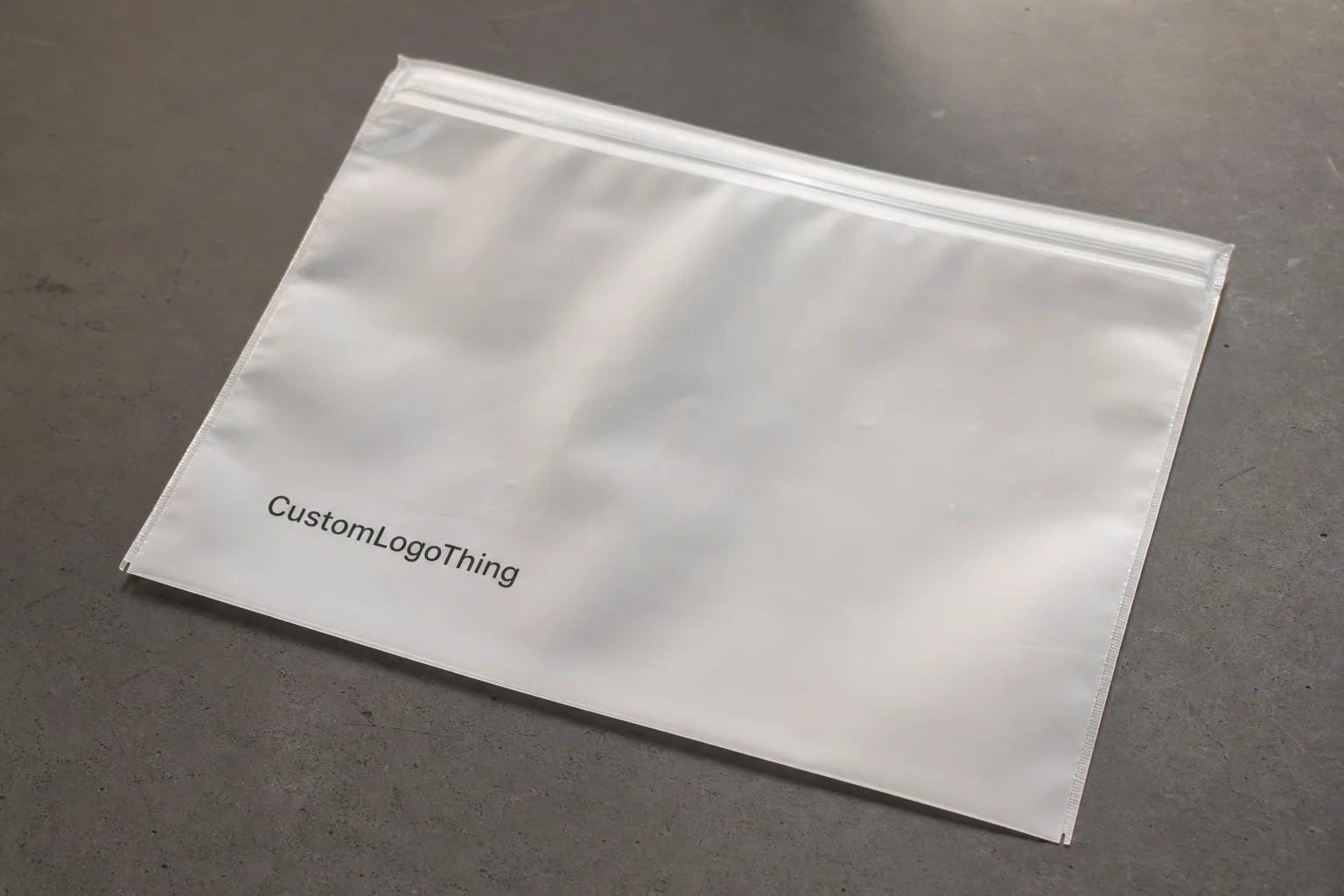
The first mistake bakery buyers make is chasing the lowest sticker price and calling it a win. Then the bags split at the seam, cookies stale sooner than expected, and the team spends time re-bagging product or pulling damaged packs off the shelf. That is how clear zipper Bags for Bakeries Unit cost becomes a margin question, not a quoting exercise.
From a buyer’s point of view, the bag has three jobs. It protects the product, it presents cleanly on a shelf or in a case, and it keeps pack-out from becoming slow and annoying. If a bag sags, clouds over, or fights the filling line, the “cheap” option gets expensive fast. A few cents saved on packaging can easily disappear into waste, labor, and markdowns.
Repeatability matters too. Bakeries do not need a bag that behaves on one run and drifts on the next. They need the same closure feel, the same clarity, and the same size tolerance every reorder. When dimensions vary, filling time changes. When zippers are inconsistent, customer complaints rise. The line between packaging and operations is thinner than people think.
That is why unit cost needs context. A bag price only means something if you compare it against spoilage, breakage, and the time required to package each batch. The real question is not “What is the cheapest bag?” It is “What is the lowest total cost that still holds product, looks clean, and reorders without drama?”
Bag styles, closures, and bakery use cases
Clear bakery bags are not one thing. The format changes how the product displays, how it seals, and how much labor it takes to use. A flat zipper pouch is simple and usually cheapest. A stand-up pouch gives stronger shelf presence. A gusseted bag adds room for bulky items. Each style shifts the cost per piece, the filling speed, and the way the product sits on a shelf.
For cookies and biscotti, a flat resealable bag often works well if the product is relatively uniform. For scones, brownies, and pastries with uneven shapes, extra headspace helps prevent crushing and awkward bulging. Granola and snack mix usually do well in stand-up pouches because they need vertical stability and a clear face panel for branding. If the bakery sells through a case or counter display, appearance matters more than it does in back-of-house storage.
Closure details that actually matter
A standard press-to-close zipper is still the most common choice. It is familiar, quick to use, and customer-friendly. A tear notch helps with first-open convenience, though it changes how the pack opens under retail handling. Tamper-evident features cost more, and in bakery packaging they only make sense when the product is higher value, shipped through multiple hands, or sold through channels that expect visible security.
The tradeoff is straightforward. More features usually mean more setup work, higher scrap risk, or a higher unit price, and sometimes all three. That does not make the feature wrong. It just means the buyer should connect it to an actual use case instead of adding options because they sound premium on a spec sheet.
Use case drives size
Soft pastries need extra room so they are not flattened. Dense items like biscotti or protein-style cookies can use slimmer profiles and tighter dimensions. If the bag is too large, product slides around and looks sloppy. Too small, and the packing team is forced to slow down or force the closure, which shortens bag life and creates complaints later.
For counter display, presentation is the priority. For online orders, the bag needs to survive handling and often a secondary mailer. Subscription packs need repeatable sizing so inserts, labels, and case counts line up every time. That is why buyers should define the end use before asking for a quote. A bag sized for shelf appeal is not automatically the right bag for shipping, and the reverse is just as common.
- Flat zipper pouch: best for lighter cookies, slices, and small baked goods
- Stand-up pouch: better for shelf display and products that need vertical presentation
- Gusseted clear bag: useful for thicker, bulkier bakery items
- Resealable zipper bag: preferred where freshness and repeat use matter
Specs that change shelf life and display
Packaging specs are where buyers either get a useful quote or a meaningless one. The core stack is simple: material, film thickness, zipper style, clarity, seal strength, and any barrier requirement. For bakery products, those details affect freshness, shelf appeal, and whether the bag survives handling without splitting at the seam.
Clear film is popular because the product sells itself. That is not marketing language, it is basic retail behavior. If the cookie looks good, the bag should not hide it. High-clarity film helps. Frosted or tinted material can hide imperfections, but it also reduces visibility and can make fresh product look older than it is. If the product is the hero, the package should get out of the way.
There is a practical chemistry layer here too. Dry baked goods do not usually need the same barrier level as oily or aromatic products, but they still need a structure that resists scuffing, grease marks, and zipper failure. For many bakery uses, PET/PE or OPP/CPP style structures are common because they balance clarity, sealability, and cost. The exact laminate matters less than the outcome: a bag that stays clear, seals cleanly, and does not haze after a few days on shelf.
Thickness and durability
Film thickness is usually one of the first cost decisions. Thinner film lowers the price, but it is less forgiving with sharp edges, crunchy toppings, or repeated opening and closing. For light cookies or dry pastries, a moderate gauge may be enough. For heavier bakery goods or products with hard inclusions, better puncture resistance is worth the extra spend. Otherwise, the bag tears and the savings disappear into replacements.
Common thickness ranges vary by structure and supplier, but a packaging buyer usually thinks in terms of use. If the pack is display-only, lighter film can work. If it is for shipping, freezer storage, or repeated consumer use, stepping up the gauge is often cheaper than replacing damaged inventory. The bag does not need to be overbuilt. It does need enough margin to survive the actual journey.
Food-contact and handling checks
Ask whether the resin is food-contact-safe and suitable for direct contact with baked goods. Also confirm odor control, grease resistance, and any freezer or heat exposure requirement. If the bakery product carries oil or butter, cheap film can absorb smell or pick up visible smudging. That is bad on a shelf and worse in a sealed shipping carton.
If the package must meet food-contact expectations, buyers should ask for material declarations and applicable compliance statements for the sales region. For broader packaging standards, the Institute of Packaging Professionals is a useful industry reference point. If the product is moving through distribution, transport testing based on recognized methods such as ISTA protocols is a sensible check, especially for fragile baked goods or multi-stop delivery networks.
Display is not a vanity feature
Clear packaging only works if the print, zipper, and film cooperate. A cloudy bag makes product look tired. A weak zipper makes the package feel cheap. A warped seal makes the whole thing look like a rush job. None of this is subtle to shoppers. They read it in seconds and move on.
| Option | Typical use | Relative unit cost | Buyer tradeoff |
|---|---|---|---|
| Thin clear flat zipper bag | Cookies, small pastries | Lower | Cheaper, but less puncture resistance |
| Medium-gauge stand-up pouch | Granola, mixed baked snacks | Mid | Better shelf presence, higher material cost |
| Heavier gusseted resealable bag | Bulk bakery items, shipping packs | Higher | More durable, often worth it for fewer damages |
Clear zipper bags for bakeries unit cost: the real price drivers
The real drivers behind Clear Zipper Bags for bakeries unit cost are not mysterious. Size, film gauge, zipper style, print coverage, custom features, and order quantity do most of the damage or savings. If a supplier gives you a price without those details, the number is basically decorative.
MOQ is the quiet killer of small orders. Lower quantities usually mean higher unit cost because setup charges, make-ready, and production waste are spread across fewer bags. That is normal. A custom run of 3,000 bags will not price like 30,000 bags, even if the artwork is simple. That is not a conspiracy, it is arithmetic.
Print changes the math faster than many buyers expect. A one-color logo on clear film is usually simpler than a multi-color design with full coverage. Partial print can preserve the product view and keep costs down. Full-bleed artwork adds visual impact, but it also adds ink coverage, registration risk, and more attention on press. If the bakery does not need that level of coverage, skip it. The product should earn the shelf space, not the packaging trying to compensate for it.
Freight is part of the unit cost too, even though it gets treated like a separate line item. A larger bag uses more material and often weighs more. That affects carton weight, pallet count, and shipping method. Bags packed flat are cheaper to ship than bulky formats that waste air inside the carton. Buyers who only compare ex-works price miss the full landed number.
What usually moves the price fastest
- Bag size: larger dimensions use more material and often raise freight weight too
- Film thickness: thicker film generally costs more but improves puncture resistance
- Zipper style: standard press-to-close is usually cheaper than specialty closures
- Print coverage: full-bleed print costs more than a simple logo or one-color mark
- Custom features: tear notches, venting, hang holes, or barrier upgrades add cost
- Total quantity: larger volume lowers bulk pricing and reduces cost per piece
Here is the practical pricing lens. Compare the bag price against labor saved, fewer damaged goods, and fewer markdowns from stale product. If a stronger zipper and better film save one rebagging step on every case, that can justify a few extra cents per unit. Cheap can be expensive when the team keeps fixing weak packaging.
For rough planning, buyers often see stock-style Clear Zipper Bags at higher volume around $0.08-$0.18 per unit, while custom printed bakery bags often land around $0.18-$0.45+ per unit depending on size, print coverage, and closure type. Small runs can sit above those ranges. That is why asking for a real quote matters more than reading a catalog and guessing.
To get a useful number, quote with exact dimensions, product weight, intended use, and whether the bag is for retail display, shipping, or freezer storage. If those details are missing, the supplier has to pad the estimate. That is how bad briefs create fake precision.
Process and turnaround: from artwork to shipment
The ordering process should be boring. That is a compliment. Boring means fewer surprises. Start with a spec sheet, confirm the dimensions, choose material and closure, then review the digital proof before production starts. If the supplier asks for a dieline, use it. If the logo file is low resolution, fix it before printing, not after the run lands.
Sampling can be fast or slow depending on what you need. Plain stock samples are usually quick. A custom pre-production sample takes longer, but it reduces the risk of getting the wrong size, the wrong zipper feel, or a bag that looks clear on screen and cloudy in person. For bakery packaging, that sample is worth it when the product is delicate or the bag has to sit on retail shelves for any length of time.
Typical timeline blocks
Proofing often takes a few business days once the artwork is clean and dimensions are confirmed. Production commonly runs several weeks depending on quantity and print method. Shipping adds its own clock, and freight method matters more than people think. Air is faster and pricier. Ocean is cheaper and slower. Ground sits somewhere in between if the supplier is domestic.
There is also a hidden timeline cost: revision cycles. If the bakery keeps changing the artwork after proof approval, the order slows down and the unit cost tends to rise indirectly through resampling, rush handling, and freight upgrades. The fastest route is simple. Approve one spec, approve one artwork version, and keep changes to a minimum after that point.
“The fastest quote is the one with real dimensions, real quantity, and a real use case. Everything else turns into guesswork.”
That line gets ignored more often than it should. It saves time. Time, for a bakery buyer juggling replenishment and product launches, is part of cost.
What direct factory sourcing changes for bakery buyers
Direct sourcing usually changes three things: price control, spec control, and schedule control. You cut out extra middle layers, which often means better visibility into what you are paying for and why. That does not guarantee every factory quote will be lower. It means there is less noise in the process and fewer guesses hidden inside the price.
For repeat bakery orders, factory sourcing can make reorders cleaner. Once the spec is locked, the same film, zipper, and print layout can be repeated with fewer interpretation problems. That matters because a bakery does not want its cookie bag looking slightly different every batch. Small inconsistencies are noticeable on shelf and annoying in production.
There is another practical benefit: better control over what gets changed. When a reseller sits between the buyer and the factory, a simple adjustment can turn into a slow chain of interpretation. Direct conversations reduce that risk. The buyer can ask for a slightly heavier film, a tighter zipper tolerance, or a different carton pack without losing the thread.
Support that actually helps
A good factory partner should talk plainly about material choice, zipper type, print area, packing method, and carton configuration. Not every seller does. Some just bounce price sheets around and call it service. That is not enough when the bag has to protect fragile bakery goods and still look clean under retail lighting.
If sustainability claims matter, ask for documentation that matches the actual material. FSC applies to paper-based components, not plastic film, so those claims should never get mixed together. If the order will ship through distribution, transport testing tied to ISTA methods is a sensible check. The environmental side of packaging is real, but cost and performance still decide most bakery buying decisions.
The real advantage of direct factory buying is repeatability. Same bag. Same closure. Same look. Same reorder result. That is what buyers actually need, whether the order is 5,000 pieces or 50,000.
Next steps to quote, sample, and place the order
If you want a clean quote, prepare five things: bag size, product type, target quantity, artwork files, and any shelf-life, freezer, or shipping requirements. That is enough to get past vague pricing and into something usable. If you only have a rough idea, give a preferred size and a backup size. It makes the comparison far more honest.
For bakery buyers, the fastest decision path is usually this:
- Pick one standard size that fits the product without excess void space.
- Choose the closure that matches customer use, not the wish list.
- Ask for stock and custom quotes side by side.
- Check MOQ, lead time, and sample approval rules before saying yes.
- Compare clear zipper bags for bakeries unit cost against labor savings and damage reduction, not against a random catalog number.
If the quote looks too cheap, ask what was excluded. Often it is the obvious stuff: higher thickness, better zipper quality, print, or compliance documentation. If the quote looks too high, ask which spec is driving it. Size and quantity are usually the first places to check.
One more thing. Do not overbuy a speculative design just because the per-piece price drops by a penny. That is how warehouses end up with the wrong size and stale artwork. A tighter spec and a realistic MOQ usually beat a heroic guess.
FAQ
What drives clear zipper bag unit cost for bakeries the most?
Bag size, film thickness, zipper style, print coverage, and order quantity usually move the price more than anything else. Smaller runs cost more per bag because setup and waste get spread across fewer units. Special features like extra barrier, tear notches, or custom shapes can add cost fast, so only specify what the bakery actually needs.
What MOQ should I expect for bakery clear zipper bags?
MOQ depends on whether the bag is stock or fully custom, but custom printed runs usually start higher than plain stock bags. If you want a lower MOQ, keep the size standard and limit print complexity. Ask for separate quotes on stock and custom options so you can see where the break-even point sits.
Are clear zipper bags food-safe for cookies and pastries?
They should be made from food-contact-safe materials and confirmed as suitable for the intended product. Greasy or delicate items may need a material with better barrier or puncture resistance. Always confirm whether the bag is intended for direct food contact, freezer use, or ambient display, and ask for the relevant documentation in writing.
How long does a custom bakery zipper bag order usually take?
Artwork proofing can be quick if the files are ready, but delays happen when logos or dimensions are incomplete. Production time depends on quantity, print method, and factory workload, then shipping adds its own timeline. If the order is time-sensitive, approve the spec early and avoid changing the artwork after proof approval.
How can I lower unit cost without making the bags look cheap?
Use a standard size, reduce print colors, and avoid custom features that do not add selling value. Choose the lightest film that still protects the product, then test for tears and seal performance. Larger order quantities usually lower the unit price more effectively than shaving tiny amounts off the material spec.


