Clear Zipper Bags for Bakeries Wholesale Pricing and Ordering
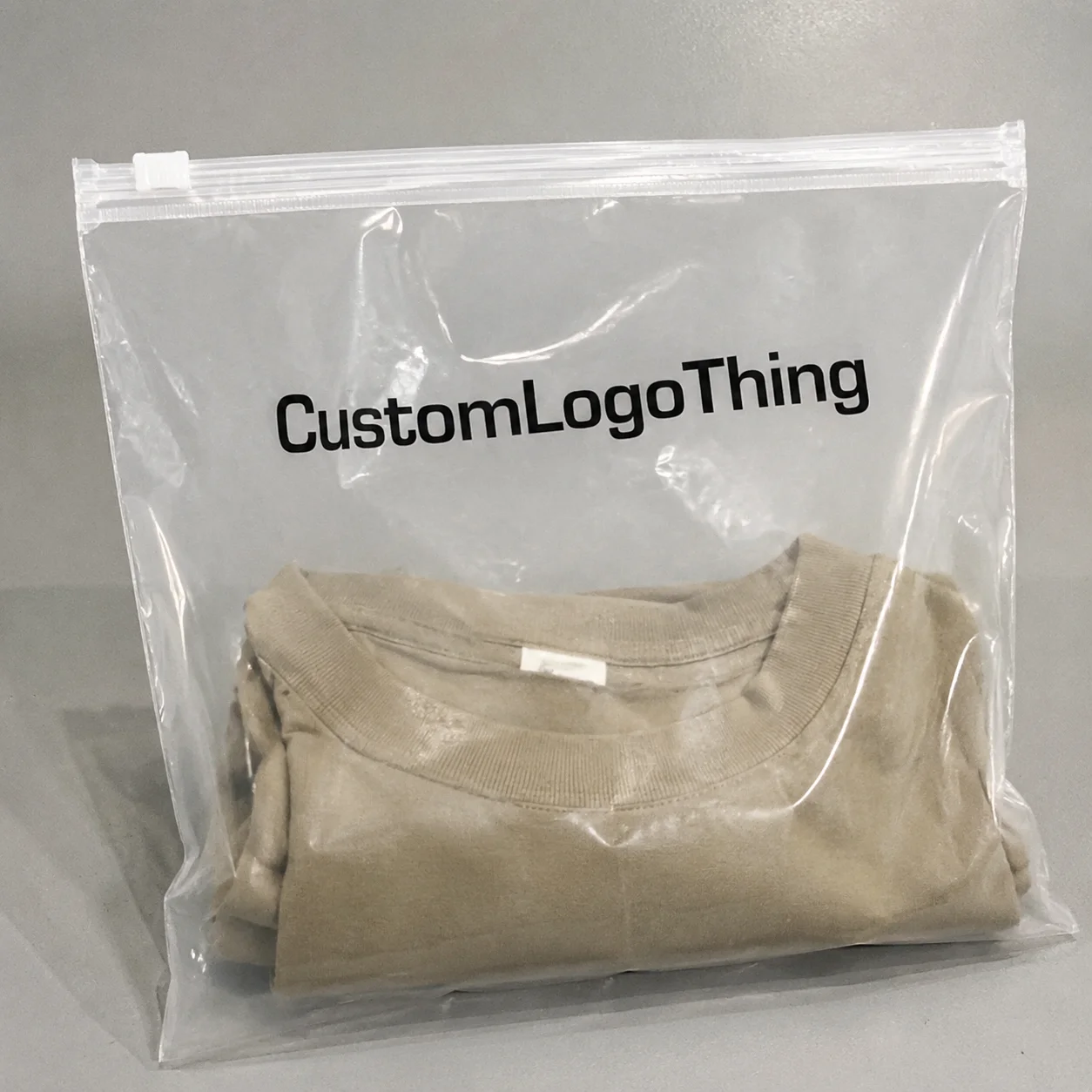
For bakeries moving cookies, brownies, snack mixes, mini pastries, or grab-and-go assortments, Clear Zipper Bags for bakeries wholesale pricing is rarely just a line item. The bag affects packing speed, shelf presentation, product protection, and how much labor gets burned correcting avoidable mistakes. A package that opens cleanly, closes fast, and shows the product without extra graphics can do more work than a more expensive box or printed sleeve that looks polished but slows the line.
That is why pricing should be read in context. A lower unit price means little if the film is too thin for the product, the zipper is awkward to close, or the bag size forces operators to fight the packaging during pack-out. Bakery buyers generally get a better result when they compare total handling cost, not only the invoice price. A bag that saves 2 seconds per unit on a 3,000-unit run can matter more than a few tenths of a cent on the quote.
Clear packaging also changes how a customer reads the product. People can see portion size, texture, freshness, and the actual item without turning the package around or decoding a label. That visual shortcut matters for bakery items sold near checkout or in mixed assortments where the product itself helps close the sale. The bag becomes part of the merchandising system, not just the container.
Why Clear Zipper Bags Speed Up Bakery Pack-Out
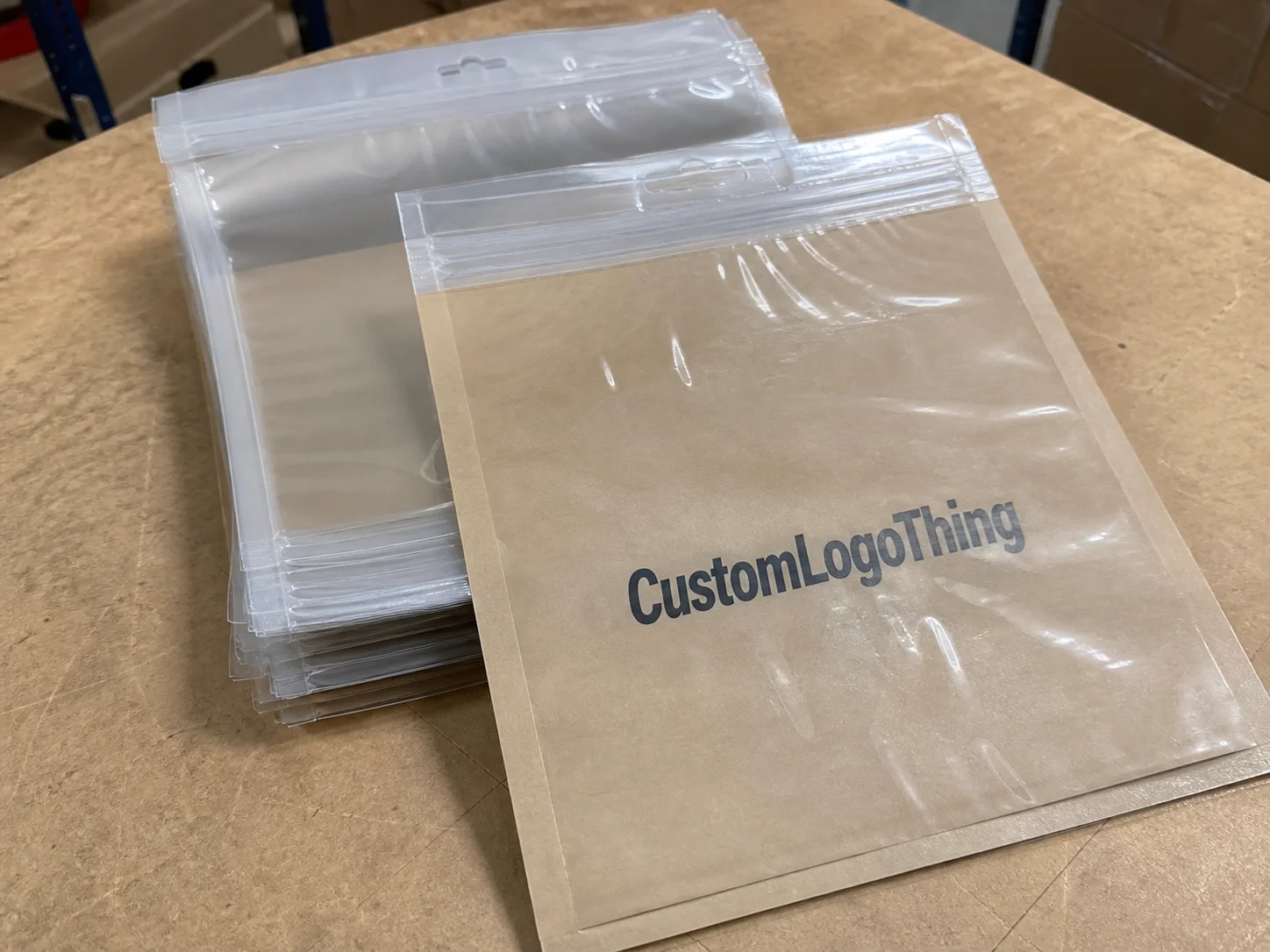
Packaging efficiency is usually determined by small details. A zipper that presses shut with one motion, a bag opening that stays open long enough to fill cleanly, and a film that does not crease badly all affect throughput. None of those features is dramatic on its own. Put them together on a busy bakery line, and the difference shows up in labor hours, rework, and the number of units a team can process before a shift ends.
That is the practical reason clear zipper bags for bakeries wholesale pricing deserves a closer look. The bag is not only a retail display item. It is a workflow tool. If operators can fill, seal, and label without fighting the packaging, the order cost becomes easier to justify. If they cannot, the cheapest bag often becomes the most expensive one after labor is counted.
Visibility is another part of the equation. Clear film reduces the need for secondary display cartons when the bakery wants the product to speak for itself. That helps with cookies, biscotti, brownies, granola clusters, and snack blends where appearance influences buying decisions. It is especially useful for smaller bakeries that need one packaging format to support several SKUs. A single clear bag can carry more than one role if the dimensions are chosen carefully.
“The quote on the page is only part of the cost. In bakery packaging, the hidden bill usually shows up in packing time, mistakes, damaged product, and the space the packaging takes in storage.”
Buyers also benefit from consistency. A standardized clear zipper bag makes it easier to keep pack counts aligned, check product visually before sealing, and avoid putting the wrong label on the wrong item. In high-volume runs, those small controls prevent the kind of waste that never appears in the original quote but always appears in the final margin.
For teams that need to organize purchasing across multiple packaging formats, a wholesale program can help keep the spec stable from one reorder to the next. That matters more than it sounds. Once a bakery has built its process around a bag size, a zipper feel, and a certain film thickness, changing those variables can ripple through the packing line.
What to Check Before Requesting Samples
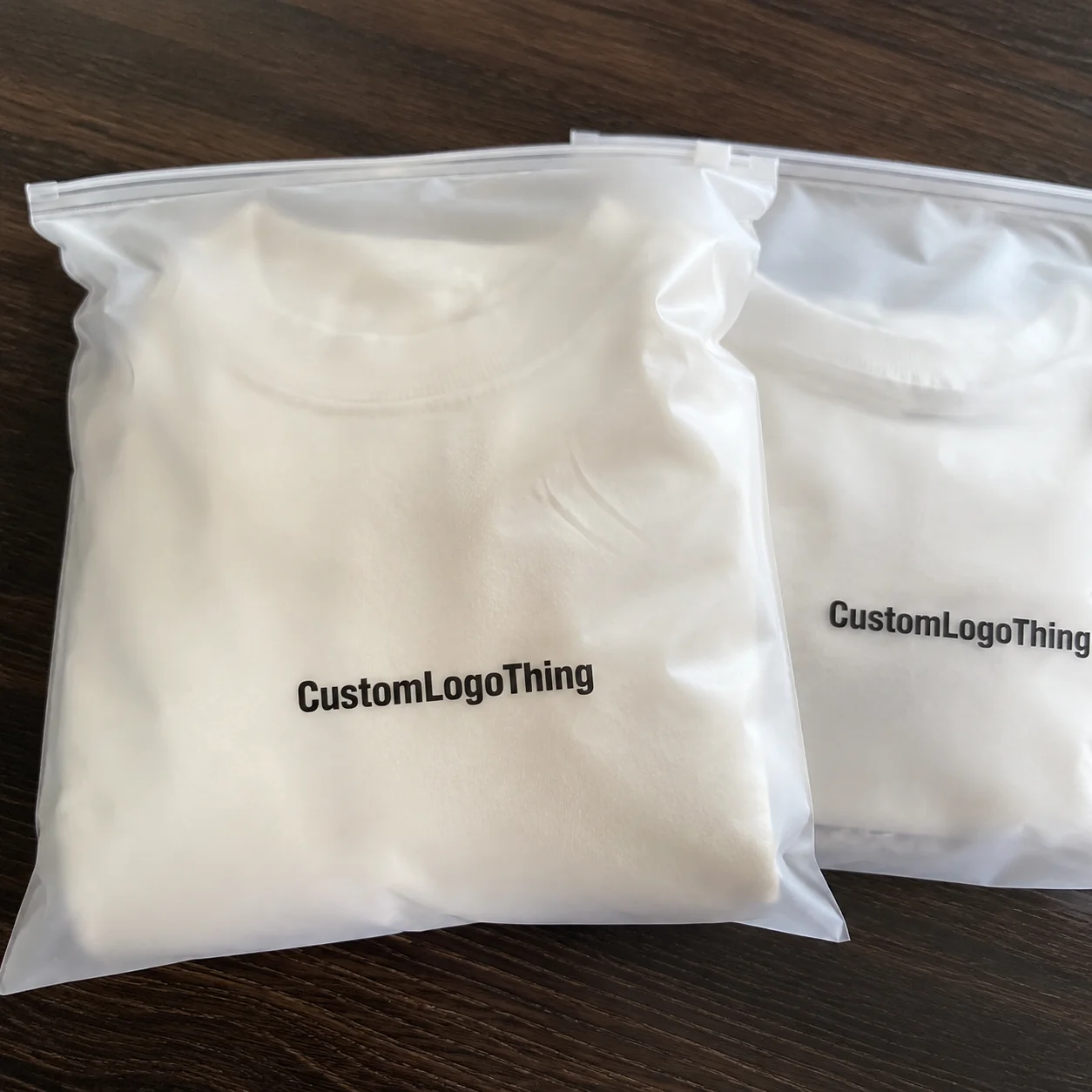
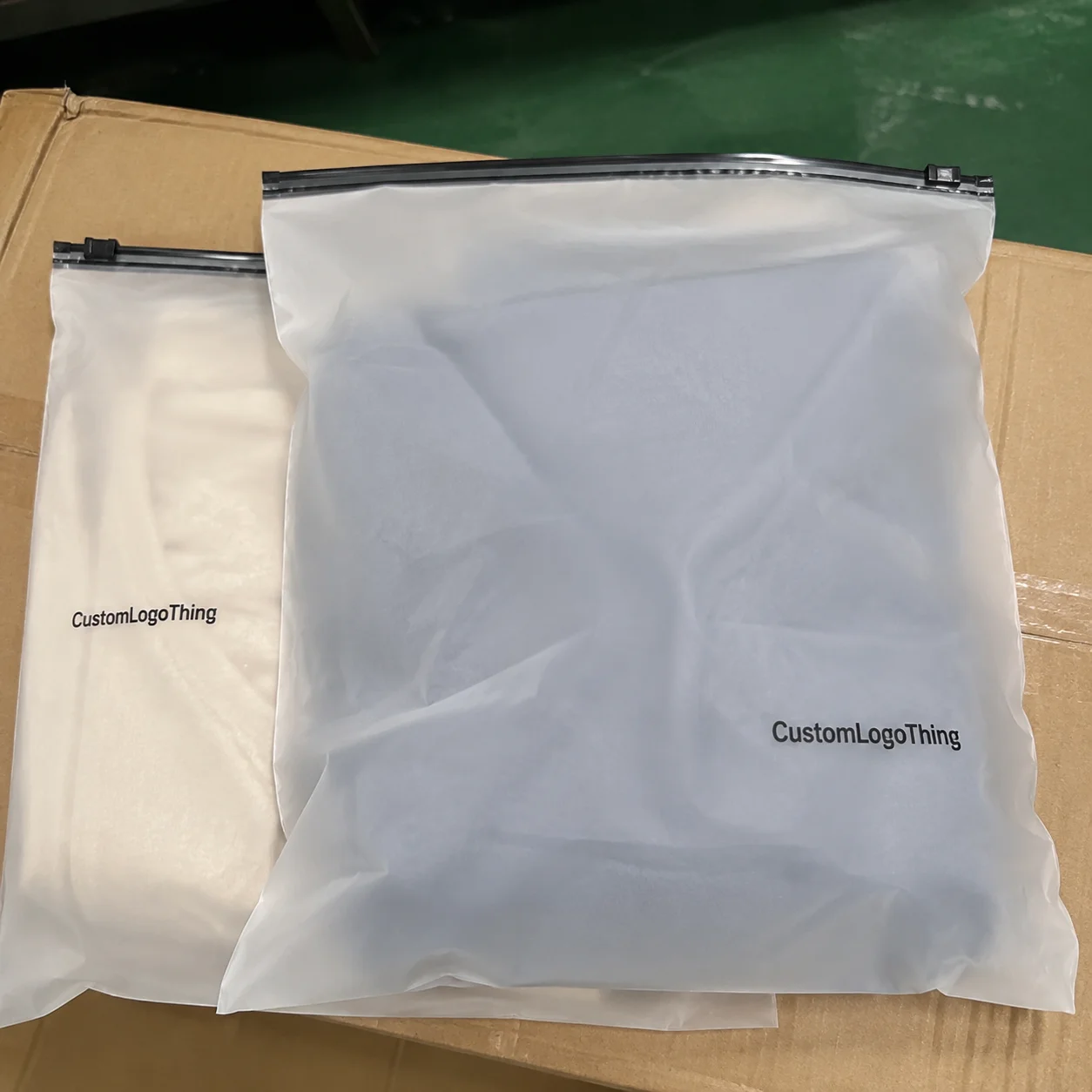
Material choice comes first. Polyethylene is common because it is flexible, food-friendly in many applications, and usually seals well. It tends to feel softer and more forgiving, which suits bakery items that do not need a rigid package structure. Polypropylene is generally clearer and stiffer, so it can create a sharper retail look. That can be useful for premium presentation, though the tradeoff may be a firmer hand feel and a different sealing behavior. The right choice depends on how the product is packed, stored, and handled.
Zipper style matters just as much. A standard press-to-close zipper is often enough for cookies, candies, and dry bakery snacks that will be opened and closed a few times. Some buyers prefer a stronger closure for items with sharp edges, such as brittle toppings or crunchy clusters, because the closure needs to hold after repeated use. A tactile, easy-to-find zipper can also reduce customer frustration, which sounds minor until a package is opened by a dozen hands on a retail shelf.
Size selection needs to follow the product rather than the other way around. A single cookie bag is not the same spec as a gusseted pouch for a pastry assortment or a larger bag for snack mixes. Too much empty space makes the package look loose and can shift the contents around in transit. Too little space slows filling and can crush the product. For most bakery items, a modest allowance above the actual product dimensions is enough to keep loading efficient without wasting material.
Before sampling, check whether the bag is intended for food contact and whether the supplier can document the material specification. If you also use cartons or inserts, it can be worth checking paperboard sourcing standards such as FSC for related packaging components. For transit-sensitive programs, the packaging principles published by ISTA can help frame what the bag has to survive once it leaves the production room.
Samples should be tested against real product, not just handled empty. An empty bag can look ideal and still fail once the bakery item is inside. What matters is fit, opening behavior, zipper feel, clarity, and whether the package closes cleanly after repeated handling.
Spec Checklist for Bakery Packaging Buyers
Useful quotes start with useful inputs. A product name alone usually leads to vague answers and unhelpful pricing. When a buyer sends dimensions, fill weight, closure preference, and monthly volume, the response becomes far more accurate. For bakery packaging, the main spec points are straightforward:
- Width and length of the bag.
- Thickness, usually listed in mils or microns.
- Zipper type, such as press-to-close or single-track.
- Material grade, most often polyethylene or polypropylene.
- Seal strength and whether the closure is meant for repeated opening.
- Food-contact suitability and supporting documentation.
Thickness affects both puncture resistance and the overall feel of the package. A thinner film can be very clear and help reduce cost, but it may feel less substantial and can be more vulnerable to sharp biscuit edges, toasted toppings, or stacked corners. Heavier-gauge film improves confidence during packing and shipping, though it usually costs more and may reduce absolute clarity a bit. There is no universal best option. The right spec is the one that balances presentation, protection, and line speed.
Fit deserves more attention than it usually gets. A bag that is too tight slows pack-out and increases the risk of damaging the item. A bag that is too large wastes film and can make the package look loose on the shelf. For mini loaves, pastry assortments, and similar bakery items, a sample fit test tells you more than a product sheet ever will.
Useful extras are worth paying for only when they solve an actual problem:
- Hang holes for peg displays near checkout or on retail walls.
- Writable panels for date coding, flavor notes, or batch identification.
- Gussets for thicker items or stacked bakery assortments.
- Custom printing if branding matters more than plain stock appearance.
Packaging format also affects how the bags are received and stored. Bulk-packed cartons, pallet count, carton size, and case pack all influence warehouse handling. Those details often get left out of an early conversation, but they matter once the shipment lands. A low unit price that creates storage friction can erase savings quickly.
For buyers building a repeat ordering system, the cleanest approach is to line up the product dimensions, order cycle, and storage constraints before the first quote is accepted. That makes the spec harder to misunderstand and easier to repeat on the next reorder.
Pricing, MOQ, and What Changes the Unit Cost
Clear zipper bags for bakeries wholesale pricing usually moves with five variables: material, size, thickness, zipper construction, and order volume. Printing adds another layer. A small unprinted bag for a single cookie can price very differently from a larger gusseted bag for mixed pastries, even if both are described as “clear zipper bags.” The label is not enough. The spec is what drives the quote.
MOQ, or minimum order quantity, changes the math as well. A bakery testing a new SKU may want enough bags for one production cycle without locking cash into excess inventory. A stable product with predictable demand can justify a larger order if the lower unit cost supports margin. The right quantity is the one that fits the production calendar and the sales pace, not the one that looks impressive on paper.
| Bag Type | Typical Use | Approx. Wholesale Price Range | What Drives the Cost |
|---|---|---|---|
| Small clear press-to-close bag | Single cookies, candy bites, sample packs | $0.06-$0.12 per unit at 5,000 pcs | Film gauge, zipper style, carton pack count |
| Medium clear zipper bag | Brownies, snack mixes, mini pastries | $0.09-$0.18 per unit at 5,000 pcs | Bag size, clarity grade, thickness, MOQ |
| Gusseted clear bag with zipper | Bulk cookies, layered bakery items, clusters | $0.12-$0.22 per unit at 5,000 pcs | Material volume, gusset depth, sealing complexity |
| Printed clear zipper bag | Branded retail bakery packaging | $0.18-$0.45+ per unit depending on artwork | Print coverage, color count, setup, order size |
Those figures are directional, not absolute. Freight, carton configuration, custom dimensions, and raw material swings all affect the final number. Two suppliers can appear far apart on price and still end up close once the details are normalized. That is why experienced buyers compare like with like: same dimensions, same film thickness, same zipper, same shipping assumptions.
Printing is where many pricing comparisons go sideways. A quote that looks inexpensive may exclude setup costs, plate charges, or approval adjustments. Another quote may bundle those into the unit price. If the numbers are not structured the same way, the comparison is misleading. The better question is not “what is the lowest number?” but “what exactly is included in that number?”
For a buyer who needs a dependable supply relationship, the conversation should begin with usage volume, product weight, and line speed. Those details help determine whether a lighter film is sufficient or whether a thicker, more expensive bag will save money later by reducing product damage and packing slowdowns. A good wholesale pricing review should expose that tradeoff rather than hide it.
Lead Time From Quote to Delivery
The usual process is simple enough: request specs, confirm material and size, receive a quote, approve samples if needed, place the order, then schedule production and delivery. The trouble starts when the spec is incomplete or when the order includes custom printing. Stock-style unprinted bags generally move faster because there is less setup and fewer approval stages. Custom work takes longer, especially when artwork or size changes are involved.
Artwork approval is often the biggest timing variable. If the file needs bleed corrections, contrast adjustments, or color refinement, the order pauses. Buyers who treat artwork as a production input instead of a side task usually avoid delay. The cleaner the file and the tighter the approval path, the better the odds of keeping the schedule intact.
For planning, many standard wholesale orders can move through in roughly 12 to 15 business days after proof approval. Larger jobs, special film gauges, and printed runs may take longer. That range is not a promise; it is a practical working estimate. Seasonal demand can also stretch timelines, especially around holidays or product launches when everyone is trying to replenish at once.
A supplier can usually quote faster and more accurately if the buyer sends five pieces of information up front:
- Product dimensions and fill weight.
- Estimated monthly usage.
- Closure preference and whether customers will reopen the bag.
- Food-use requirements and internal approval needs.
- Delivery window tied to the production calendar.
That list sounds basic, but it saves time. More important, it reduces the chance of accepting a package that looks fine on a screen and fails once it reaches the bakery line. Packaging problems are rarely dramatic. They usually arrive as a series of small inefficiencies that drain labor and margin.
What to Expect From a Wholesale Supplier
Bakery buyers do not need packaging theory. They need precise answers on size, seal feel, material, and cost. A useful supplier should be able to translate those concerns into a clear spec, a comparable quote, and a realistic lead time. If a quote is hard to interpret, the buyer is likely to pay for assumptions instead of performance.
The strongest wholesale relationships are the ones that stay stable after the first order. Consistent carton pack, clear material documentation, and predictable reorders matter because packaging problems show up downstream. A late shipment can stop a packing run. A spec change without warning can create waste. A zipper that feels different from the sample can force a line adjustment that was never planned. That is the real cost of weak communication.
Supplier value also shows up in how well the bag fits the bakery’s actual operation. A good fit means the pack line keeps moving, the product stays protected, and the shelf presentation holds up under customer handling. As a bakery grows, the packaging should be able to scale with it: a different size for a new SKU, a thicker film for a heavier item, or printed branding once the product is established. The better supplier relationship is the one that can support those changes without starting from zero each time.
If the packaging is being purchased alongside other components, it helps to view the whole system rather than a single bag. Film, inserts, labels, and outer cartons all affect the final customer experience. A good wholesale partner should be able to keep those details aligned instead of treating each item as an isolated purchase.
How to Plan Your Order
Before asking for pricing, gather the essentials: product dimensions, estimated monthly volume, closure preference, and whether the order needs stock or printed bags. If the bakery item is sensitive to crumbs, moisture, or shelf presentation, samples should come first. A sample test tells you whether the zipper feels right, whether the film shows the product clearly, and whether the bag allows easy filling without wasting material.
A sensible order process usually looks like this:
- Define the product and how it will be sold.
- Confirm the size, thickness, and zipper style.
- Compare clear zipper bags for bakeries wholesale pricing at the same volume and spec.
- Test samples with real bakery product, not empty bags.
- Place the first wholesale order with a realistic replenishment schedule.
That sequence keeps the purchase grounded in actual operating conditions. It also reduces the chance of overbuying a style that looks good in a catalog but fails in the packing room. For a new SKU, the safest move is usually the simplest spec that still protects the product and supports shelf presentation. Once the line has real feedback, the package can be adjusted with far more confidence.
The best pricing decisions usually come from comparing the bag cost against three things: packing time, waste, and damage risk. If a slightly better bag improves all three, it may be cheaper in practice even if the unit price is higher. That is the central mistake buyers make when they focus only on the lowest quote.
One final check helps avoid surprises: confirm that the quote reflects the same thickness, zipper, dimensions, carton pack count, and freight assumptions across every supplier. Without that, a pricing comparison can look precise while hiding the real differences that matter on the floor.
For bakery operations that need clear, visible packaging and a repeatable purchasing pattern, the right bag is usually the one that fits the product cleanly, closes reliably, and keeps the pack line moving without extra handling. That is the standard worth using when reviewing clear zipper bags for bakeries wholesale pricing.
What sizes are common for clear zipper bags for bakery orders?
Common sizes range from small treat bags for individual cookies to larger formats for multi-pack pastries and snack mixes. The correct size should allow easy filling, a clean close, and enough room to avoid crushing the product.
How do I compare clear zipper bag pricing across suppliers?
Compare the same dimensions, thickness, zipper style, and material so the quote is truly apples-to-apples. Also check MOQ, freight assumptions, carton pack count, and whether the price includes custom printing or only stock packaging.
Are these bags suitable for food contact use?
Ask for confirmation of food-contact suitability before ordering, since that depends on the material and how the bag is manufactured. Bakery buyers should verify that the bag fits internal food safety requirements as well as the shelf use case.
What affects lead time on wholesale bakery bag orders?
Lead time depends on whether the order is stock or custom, plus quantity, material availability, and artwork approval if printing is involved. Larger orders and specialized specs usually take longer than standard clear stock bags.
Can I get samples before placing a larger order?
Yes. Samples are the most reliable way to check fit, clarity, zipper feel, and how the bag handles real bakery product dimensions. A sample test can prevent the wrong size or closure style from going into production.