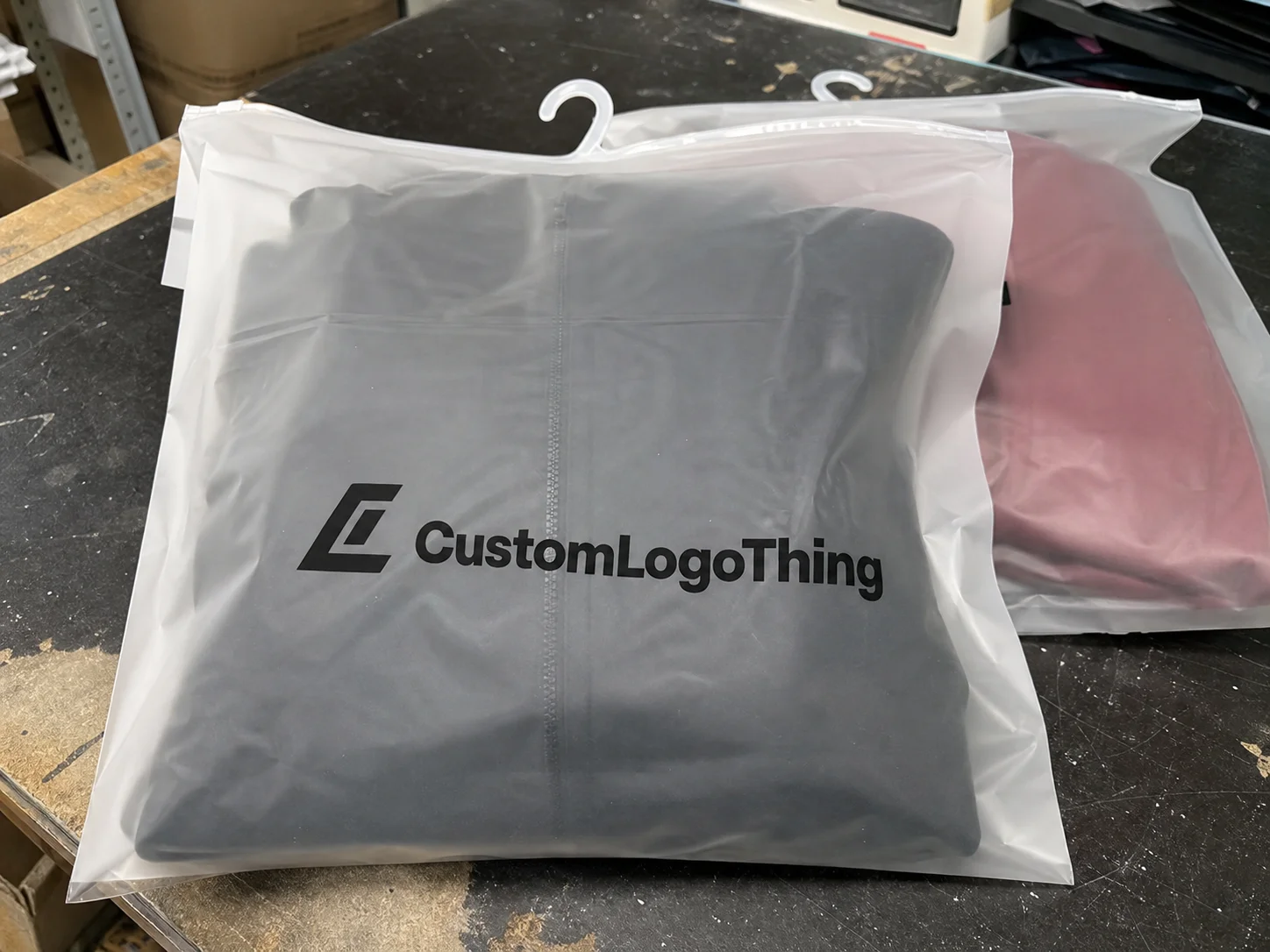
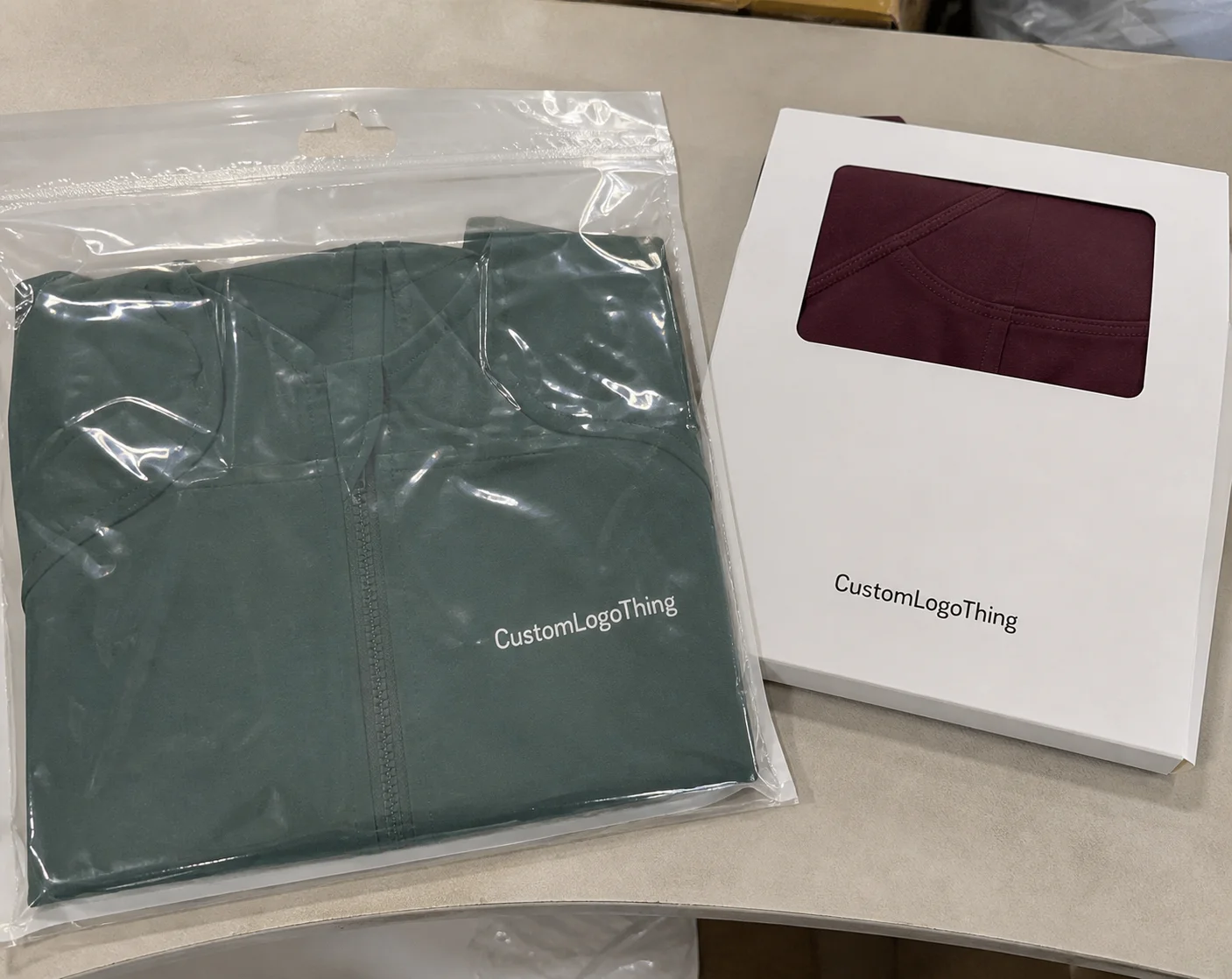
Streetwear packaging gets judged fast. A weak bag can make a clean garment look careless before anyone even touches the fabric. That is why the clear zipper Bags for Streetwear labels quote checklist matters: it helps you compare Specs, Pricing, MOQ, and turnaround before you commit to a run that has to work in wholesale, DTC fulfillment, and retail display.
From a packaging buyer’s point of view, the goal is simple. The bag should show the product clearly, keep it protected, and support the brand story without becoming a cost or handling problem. In practice, the right spec depends on more than size alone, because film clarity, zipper feel, thickness, and print coverage all change how the pack performs on the line and in the customer’s hands.
Streetwear also has a nasty habit of punishing vague specs. If the fold is off by half an inch or the zipper snags during packing, the “cheap” bag stops being cheap very quickly. That is usually where rework starts.
Why Streetwear Brands Rely on Clear Zipper Bags for Retail-Ready Presentation
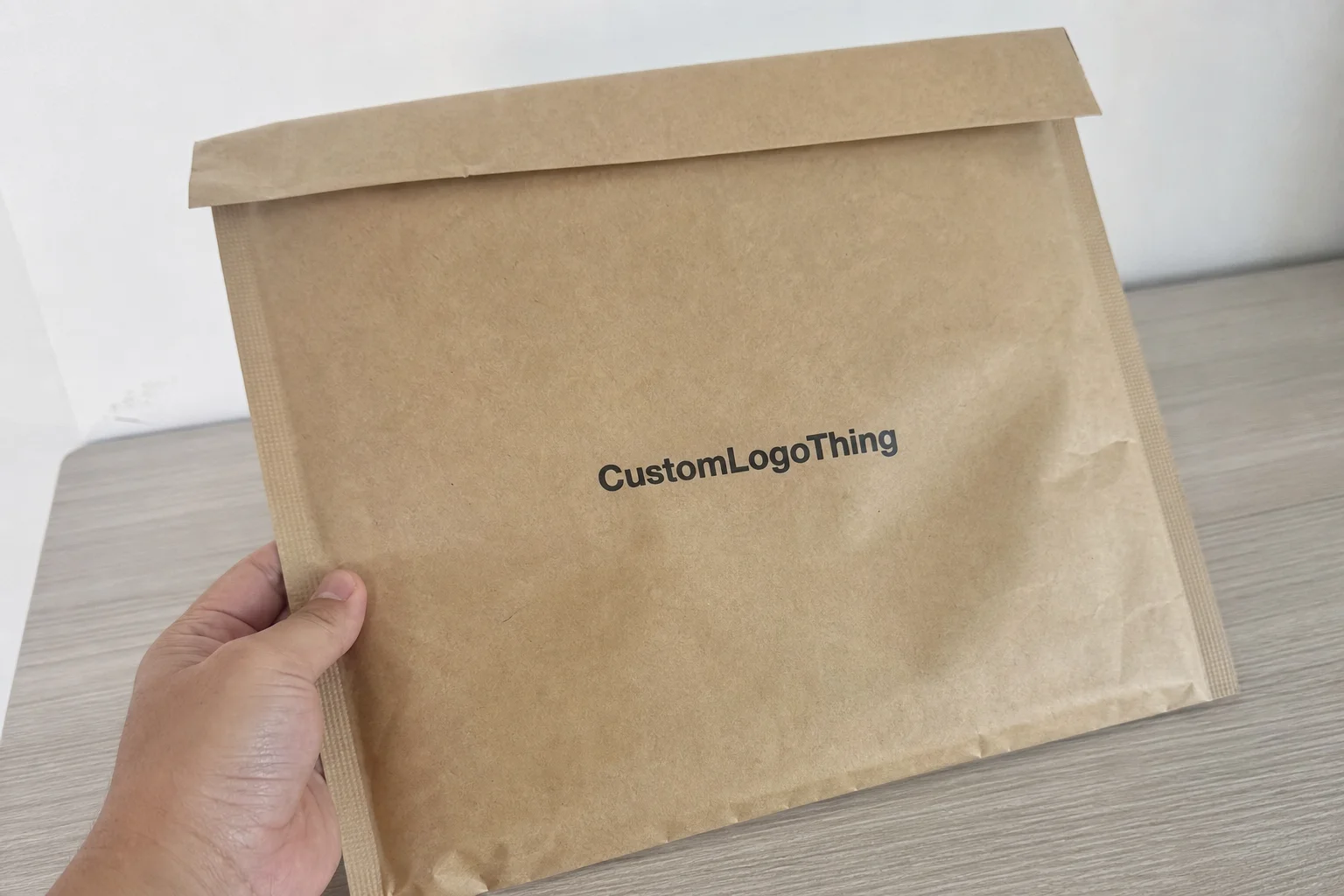
Streetwear is a visual category. A buyer, store associate, or fulfillment team member often sees the package before they see the garment, and that first impression can shape how the product is handled. Clear zipper bags let the brand show the color, fold quality, graphic placement, and overall finish without opening anything, which is especially useful for folded tees, hoodies, joggers, socks, hats, and small accessory bundles.
The operational side is just as practical. A reclosable bag helps reduce dust pickup, handling marks, and moisture exposure during carton storage and shipping. It also reduces the chance that a piece comes back looking dirty or scuffed because the package did not protect it well enough. For brands shipping through retail channels or fulfilling direct-to-consumer orders, that extra layer of protection is not cosmetic; it helps control product condition all the way to the end user.
There is also a presentation advantage in wholesale and boutique settings. Clear packaging makes it easier for staff to identify sizes, colorways, and folded content quickly, which matters when assortments are moving in and out of fixtures, bins, and packing stations. Some brands keep the bag intentionally minimal, while others add a logo, barcode panel, warning text, or size marking to keep the pack useful as well as branded.
Good packaging for streetwear has to do two jobs at once: look clean enough for retail display and hold up to repeated handling without feeling flimsy. That balance is what usually separates a standard poly bag from a bag that actually fits a premium apparel program.
Product Details That Matter Before You Request a Quote
Before you ask for pricing, get clear on the material structure. Most clear zipper Bags for Apparel are built from PE, CPP, or laminated film structures. PE is common because it is flexible, economical, and easy to handle. CPP often gives a crisper feel and better optical clarity, while laminate constructions can improve stiffness, seal performance, or print quality depending on how the bag is built. The right choice depends on how the bag will be used, how often it will be handled, and how premium you want it to feel on shelf.
Thickness matters more than many buyers expect. Around 40 to 60 microns can work for basic inner packaging and light apparel, while 70 to 100 microns is more common when a brand wants better hand feel, less stretching, and a more substantial look. Thinner film can keep costs down, but it also tends to wrinkle more and may feel too soft for higher-end retail programs. If the garment is heavy, bulkier than a standard tee, or packed with inserts, a heavier gauge usually saves headaches later.
Zipper construction changes both packing speed and end-user experience. A press-to-close zipper is common for apparel and usually offers the fastest packing experience. Slide zippers can feel a bit more premium and are easier for some end users to reopen, but they can add cost and complexity. Tamper-evident or security-style closures are less common for standard streetwear, yet they can make sense for higher-value retail programs or packed bundles where the brand wants an obvious first-open indicator.
Clarity and finish also change the perception of the product. A crystal-clear film makes graphics and fabric texture easy to see, which works well for graphic tees and clean branded folding. A frosted or matte effect softens the look and can hide fingerprints or minor scuffs on the bag surface, but it reduces visibility. That tradeoff is worth discussing early, because the finish affects both presentation and how confident the customer feels before opening the pack.
Size fit is where many first quotes go wrong. A folded tee may fit in a narrow sleeve-style bag, but a heavyweight hoodie or jogger set needs extra room, especially above the zipper so the pack can close without forcing the fold. I usually suggest sending the folded dimensions of the actual item, not just garment body measurements, because the way the piece is folded for shipping changes the bag spec more than most people expect.
If branding is part of the order, confirm print method and placement. Common options include a one-color logo, a simple size mark, warning copy, or a barcode panel for warehouse workflows. For large runs, some buyers also ask for custom logo plastic bags with a discreet printed area that preserves visibility while still carrying the brand identity.
| Option | Typical use | Key strength | Tradeoff |
|---|---|---|---|
| PE clear zipper bag | Standard tees, socks, basics | Flexible, economical, easy to pack | Less crisp than premium film structures |
| CPP clear zipper bag | Retail-facing apparel, graphic items | Better clarity and cleaner presentation | May cost more than basic PE |
| Laminated structure | Premium packaging programs | Improved feel and print performance | Higher setup and unit cost |
Specifications Buyers Should Lock In for Streetwear Packaging
Every quote should be built around a clear spec sheet. At minimum, ask for width, height, gusset depth if applicable, film thickness, zipper style, and whether the bag is flat or expandable. If those details are vague, the quote may look fine at first and then turn into rework later when the bags do not match the packing method.
Tolerance is not a side detail. A bag that is supposed to measure 12 x 15 inches should not drift enough from run to run that the fold no longer fits or the zipper sits in the wrong place. Tight tolerances help keep packing consistent and prevent the kind of line interruptions that happen when operators have to fight every tenth bag. If the bag has a hang hole, tear notch, air vent, or anti-static treatment, those details should be written into the spec rather than left as “standard.”
For retail and warehouse use, I also like to confirm odor expectations, carton packing style, and whether the supplier can keep the material consistent across repeat orders. Apparel buyers may not ask for formal lab testing on every bag, but when a program is going into chain retail or structured fulfillment, references to ISTA handling standards and general material consistency can help you make a better comparison between suppliers.
If the packaging system includes hangtags, inserts, or size identification that sits beside the bag spec, it helps to review Custom Labels & Tags at the same time so the packaging stays consistent across the product line.
Clear Zipper Bags for Streetwear Labels: Quote Checklist
Here is the part that saves the most time. If you want accurate pricing for Clear Zipper Bags for Streetwear labels quote checklist requests, send the supplier a complete set of details instead of a partial inquiry. The better the input, the cleaner the quote.
Best practice: compare not just the unit price, but also the approved sample, freight, lead time, and carton configuration. A low quote that creates packing problems is not really a low quote.
- Bag dimensions: width, height, and gusset depth if the bag expands
- Film thickness: specify the gauge or microns you want quoted
- Quantity: quote at least two or three volume levels
- Closure: press-to-close, slide zipper, or tamper-evident style
- Print needs: logo, size panel, barcode, warning text, or no print
- Product type: tee, hoodie, jogger, hat, socks, accessory set, or bundle
- Folding style: flat fold, retail fold, or ship-ready fold
- Shipping destination: zip code or country for realistic freight
- Packing format: inner carton, master carton, pallet count, and case pack
- Approval method: sample, digital proof, or pre-production proof
When a supplier has all of that information, the quote can be compared apples to apples. If you leave out the folding style, for example, the supplier may quote a bag that fits the garment technically but slows down the packing line. If you leave out the destination, freight can be off by a surprising amount, especially for larger carton counts or longer transit lanes.
For custom printed bags, ask whether there are setup fees tied to plates, cylinders, tooling, or print screening. Even a simple one-color run can have a meaningful setup charge, and that needs to be included when you compare different vendors. If the supplier offers a sample or digital proof, use it. Streetwear packaging is visual, and a printed panel can look a lot different on screen than it does on the finished film.
There are a few more items that keep getting missed: whether the zipper is centered or offset, whether the seal area is wide enough for repeated closure, whether the bag can be packed by hand or machine, and whether the carton count fits your warehouse process. Those details may sound minor. They are usually the reason a “good price” becomes an annoying line issue.
Cost, MOQ, and Unit Pricing Factors That Change the Final Number
Price is driven by a handful of straightforward variables. Raw material grade, thickness, zipper type, bag size, and print coverage are the main ones. Stock clear zipper bags are usually the simplest and least expensive option. Fully custom dimensions, heavier film, and branded printing all add cost, and so does anything that requires special tooling or tighter tolerances.
MOQ has a big effect on unit pricing. At small volumes, setup costs are spread over fewer pieces, so the unit price is higher. As quantity rises, the price per bag often drops, though not always by the same percentage across every spec. A plain clear zipper bag and a printed streetwear bag may have very different breakpoints, especially if one requires multiple print colors or a more premium film structure.
Freight and customs are part of the real number too. A quote that looks attractive at the factory level may not be the best value once cartons, palletizing, export paperwork, and delivery charges are added. That is why I prefer looking at the fully landed unit cost rather than only the ex-factory number. For recurring streetwear programs, that approach makes budgeting much more reliable.
Here is a simple comparison of how pricing tends to move:
| Spec choice | Typical cost effect | Why it changes price |
|---|---|---|
| Plain clear bag | Lowest | No print, simpler production |
| Heavier film | Moderate increase | More material per unit |
| Custom size | Moderate increase | Special tooling and less efficient runs |
| One-color logo print | Moderate increase | Setup, ink, and registration control |
| Multi-color print or premium finish | Higher increase | More setup and tighter process control |
If you are comparing suppliers, ask for multiple quantity breaks. A run of 5,000 might have one unit price, while 10,000 or 20,000 pieces may move the number enough to justify a larger order. That does not mean bigger is always better; it just means the quote should show the real cost ladder so you can decide based on reorder pattern, launch volume, and storage space.
Typical budget ranges vary a lot by spec, but buyers often see plain stock zipper bags in the low cents per piece, mid-weight custom bags moving into the higher cents, and printed or premium structures climbing above that once setup is spread across the order. That range is not useful without the exact spec, which is why quote discipline matters more than headline price.
Process and Timeline: From Sample Approval to Production Steps
The normal workflow is pretty consistent: inquiry, spec confirmation, quote, artwork review, sample or proof approval, production, inspection, and shipment. The process slows down when files are incomplete or the size spec is still being debated. In practice, the fastest projects are the ones where the buyer already knows the folded garment size, print position, and delivery target before the first email goes out.
Delays usually happen for predictable reasons. Artwork arrives in the wrong format. The bag dimensions are described loosely instead of precisely. The sample is approved late because three people need to sign off. All of those issues can push back a launch, and on a fashion calendar, even a small delay can be expensive if it misses a delivery window or a retail reset.
Typical timelines vary by quantity, print complexity, and whether tooling is required. A straightforward plain bag may move faster than a custom printed order that needs proofing and press setup. Many apparel programs also need time for freight booking, carton consolidation, and final release checks. If your campaign date is fixed, confirm both production lead time and shipping transit time in writing before approval.
As a rough planning guide, stock-style bags can sometimes move in one to three weeks after approval, while custom printed or custom-sized runs often need three to six weeks, sometimes longer if artwork changes or the order lands near a busy production window. Ocean freight adds more time than air, which sounds obvious until someone discovers it two days before launch. That kind of surprise is expensive and completely avoidable.
Quality control should cover more than just appearance. I would expect the supplier to check material thickness, zipper function, print registration, seal integrity, and carton count before shipment. If the bags are going into a structured retail or ecommerce flow, it is fair to ask whether the packing method supports current environmental compliance expectations in your market, especially if your brand is using recycled content or making sustainability claims.
For brands trying to keep launch timing tight, the safest habit is simple: finalize the artwork first, approve the sample quickly, and do not change the spec after sign-off unless you absolutely have to.
What to Look for in a Supplier for Streetwear Packaging Programs
Strong packaging suppliers talk about process, not just price. You want someone who can explain film sourcing, seal consistency, print registration, sample policy, and how they control variation from run to run. Those details matter because clear zipper bags are supposed to be invisible in the best sense: they should do their job without creating extra work for your production or fulfillment teams.
Communication is a huge part of supplier quality. If a vendor answers fast but cannot explain tolerances, proof timing, or production updates, that is a warning sign. A better supplier will tell you what is standard, what is custom, and what takes extra time or money. That kind of transparency helps a brand plan drops, reorder stock, and coordinate packaging with apparel production instead of scrambling at the end.
It also helps when the supplier can support both smaller batches and ongoing programs. Streetwear labels often test a new design in a limited drop, then scale quickly if the piece performs well. A packaging partner should be comfortable with both situations and able to keep the spec consistent as volume changes. For brands that want a branded finishing system across product lines, packaging should fit cleanly with other pieces like garment labels, hangtags, and inserts from Contact Us or similar support channels when a project needs a direct quote conversation.
What usually matters most: documented specs, repeatable output, and clear lead times. Fancy sales language does not protect a hoodie in transit, but a controlled production process does.
One more filter helps a lot: ask for what the supplier does when the run is off-spec. If they can explain hold points, replacement policy, and sample retention, that usually tells you more than a polished brochure ever will.
Next Steps to Order the Right Zipper Bag Spec Without Rework
Before requesting samples or a formal quote, gather the garment dimensions, folded thickness, target quantity, print details, and delivery destination. If you have a reference photo of the product folded the way it will ship, send that too. It helps the supplier see the actual fit and reduces the odds of a first-round sizing miss.
If print placement matters, ask for a sample or digital proof before production starts. If zipper feel matters, ask to review the closure style. If clarity matters, specify exactly how much visibility you need, because crystal-clear, frosted, and matte finishes all create a different brand impression. The more concrete the request, the cleaner the quote will be and the less likely you are to pay for changes later.
Also confirm MOQ, expected lead time, and preferred packing format before you approve the order. A quote that fits your budget but misses your schedule is still a bad fit. For a streetwear brand, the right packaging spec is the one that can be repeated, not just admired.
If you are comparing multiple factories, make them quote the same structure. Same dimensions. Same film thickness. Same zipper type. Same freight terms. Otherwise you are just shopping for confusion, which is a very expensive hobby.
Build the checklist once, then use it on every reorder. That is the part that keeps packaging boring in the best way possible.
FAQ
What details do I need for clear zipper bags for streetwear labels quote checklist pricing?
Send the bag size, thickness, quantity, zipper type, print needs, and shipping destination. Add the garment type and folding method so the supplier can confirm fit and avoid sizing errors on the first quote.
What MOQ is typical for custom clear zipper bags for apparel brands?
MOQ depends on size, print setup, and material structure, but custom dimensions and branded printing usually require a higher minimum than stock bags. Ask for pricing at several quantity levels so you can compare launch volume against reorder volume.
Can clear zipper bags be printed for streetwear packaging?
Yes. They can be printed with logos, size marks, barcodes, or simple brand copy, depending on the film and production method. Confirm print area, color count, and artwork format before approving the quote.
How long does production usually take after sample approval?
Lead time depends on quantity, print complexity, and material availability, but production usually starts after artwork and sample approval. Shipping method also affects delivery, so confirm both factory lead time and transit time in the quote.
What should I compare besides unit price when ordering zipper bags?
Compare material quality, zipper performance, thickness, freight, MOQ, and the approval process, not just the lowest unit cost. A cleaner spec and a more reliable timeline often save money by preventing rework and launch delays.