A $0.12 bag can save a $120 dispute. That is the cleanest way to think about tamper evident Bags for Streetwear Labels Cost breakdown. The bag is not just packaging. It is part of risk control, fulfillment speed, and the paper trail that settles arguments before they get messy.
Streetwear brands buy these bags for a few practical reasons. They protect limited drops, reduce switch claims, and give the outbound box or pouch a more disciplined look. That matters more for a hoodie, sneaker accessory, or premium tee than for commodity apparel. A sealed bag says the shipment was intact when it left. That is the whole point.
Buyers usually start with unit price and end up comparing the total annoyance factor. A bag that tears too early, slows the packing line, or needs constant hand checking is not actually cheap. The useful questions are boring but necessary: what size, what film, what seal, what print, what MOQ, and what is excluded from the quote?
Cheap packaging is only cheap if it survives the entire job: packing, transit, handoff, and the customer who opens a ticket with one blurry photo and a lot of confidence.
What Buyers Actually Pay For
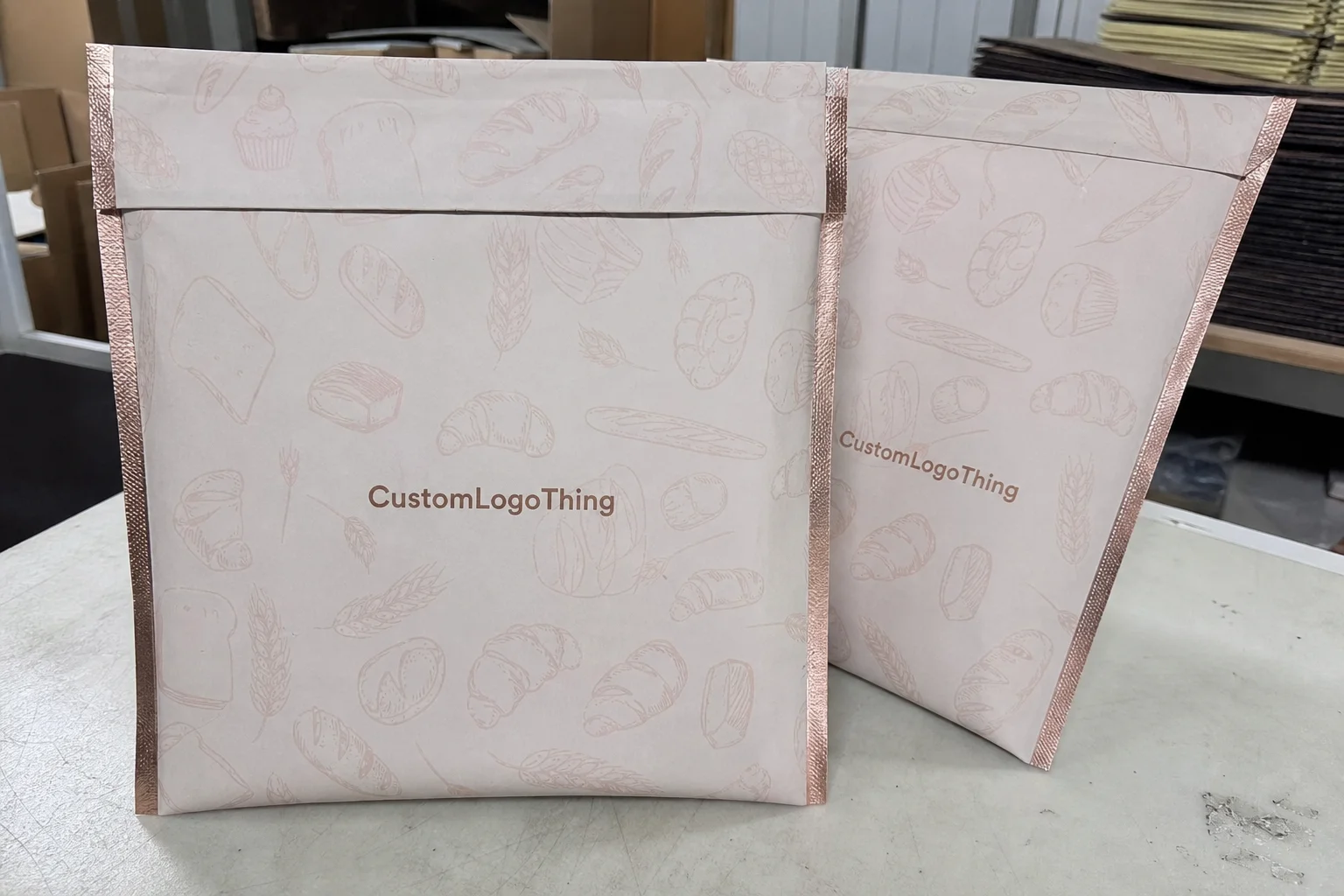
Most people treat tamper evident packaging like a plain poly mailer with a fancier label. That is too shallow. The value sits in first-open evidence, cleaner handoff, and fewer disputes. Streetwear brands feel that more than most because the product value is often concentrated in a small parcel. If a sealed item leaves the warehouse and comes back with a claim, the bag is part of the evidence trail.
That is why tamper evident Bags for Streetwear labels cost breakdown starts with risk, not material alone. A limited-run tee with a healthy resale market can justify a stronger seal and cleaner print because the package helps protect margin. The same logic applies to wholesale handoff, retail transfers, and event distribution where stock changes hands quickly. No one wants a premium item traveling in packaging that looks temporary.
Streetwear buyers also care about presentation. A clear or frosted bag lets the product show through without turning the shipment into a generic pouch. Add a warning line, a size sticker window, or a discreet logo and the bag becomes part of the unboxing. That works on drops where the packaging needs to feel intentional without slowing fulfillment into a crawl.
In practice, the real cost is a stack of smaller choices:
- Size drives film usage and waste.
- Material gauge changes tear resistance and hand feel.
- Seal type affects fraud protection and packing speed.
- Print coverage changes setup and unit cost.
- Order quantity determines how fast setup gets absorbed.
If the bag is part of a broader brand system, it should match the same visual language as the rest of the package. A consistent label and tag program keeps the whole outbound presentation cleaner. Mixed branding looks sloppy fast.
Seal Types, Film Options, and Brand Details
Film choice is where the bag starts acting like a packaging component instead of just a pouch. Clear PE is the standard for visibility and simple packing. Frosted film pushes the look higher and hides scuffs better. Recyclable blends can support a sustainability claim, but only if the material still performs under load. Thicker gauges, usually around 2.5 to 4 mil for this use, improve tear resistance and give the bag a more substantial feel.
Seal style matters just as much. Adhesive closures are simple and fast, which is why they dominate apparel lines. Tear-strip entry adds a cleaner first-open signal, but it can slow packing if the line is not trained. Security tape or tamper tape raises the bar further because it is harder to reseal without showing damage. For high-value streetwear drops, that extra friction is often worth it.
Brand details should stay practical. Matte film can look more premium than glossy, especially on black-heavy artwork. Glossy film may scan better under some warehouse lights, but it shows fingerprints and scuffs faster. Logo placement should not fight the size sticker or barcode window. If the product team wants a warning statement, place it where it helps without blocking product visibility.
There is a real tradeoff on the floor. Stronger seals and heavier film usually mean slower packing. That is not a failure. That is process. A fulfillment team can move fast with a basic adhesive bag. Add perforation, tear-strip alignment, or extra inspection steps, and the line slows unless the operation is built around it.
For brands that care about recycled content and material claims, current packaging guidance from packaging.org is a better reference than guessing from social media posts. Packaging claims need support. Otherwise they become expensive decoration.
Print, Sizing, and Spec Choices
Before anyone prices a custom bag, the spec needs to be locked. Flat width, usable depth, flap length, film thickness, adhesive width, and print area all affect the quote. A sloppy spec is the fastest route to a quote that looks good and turns into a mess later. Oversized bags waste film and feel lazy at retail. Undersized bags create repacking labor, damaged corners, and avoidable claims.
Streetwear buyers often underestimate how much print coverage changes cost. A one-color logo near the top is cheap relative to a full-area print with warning copy, size callouts, and a repeat pattern. Multi-color work adds setup. Full bleed coverage can raise both setup and unit cost, especially on smaller MOQ orders. If the artwork is busy, the supplier will price for that complexity. That is not mystery. It is margin protection.
Artwork Readiness
Vector artwork saves time. So do clean Pantone references and print-safe margins. If the logo file is a low-res screenshot, the proof cycle gets longer and the chance of a weak print rises. That delay has a cost even when it does not show up as a separate line item. It can push a drop by a week, and a week on a launch calendar is not a small thing.
Functional Add-Ons
Some add-ons are worth paying for. Perforation can help controlled opening. Hang holes support retail display. Serial numbering helps limited releases and anti-switch tracking. Barcode windows make warehouse work less clumsy. The rule is simple: add features that reduce friction or shrink risk. Add too much and the bag stops behaving like a tool. It becomes a project. Packaging budgets get silly fast when that happens.
If labels and packaging need to match visually, build the bag spec from the same design system as the rest of the brand packaging. That keeps the line cleaner and the finished shipment more coherent.
Cost, Pricing, MOQ, and Unit Cost
Here is the number everyone wants first: the money. The honest answer is that tamper evident Bags for Streetwear Labels cost breakdown depends mostly on quantity, material gauge, print coverage, and seal complexity. Small runs cost more per piece because setup has not been spread out yet. Larger runs usually lower cost per piece sharply once tooling and setup are absorbed.
For reference, stock-style Tamper Evident Bags with minimal branding can start around $0.10 to $0.18 per unit at higher quantities. Printed custom versions often land around $0.18 to $0.40 per unit depending on size and coverage. Very small runs, especially under a few thousand pieces, can climb higher because fixed charges stay in place while the order stays tiny. That is just arithmetic acting annoying.
Tooling fees depend on print method and supplier. On simple flexo-style work, tooling can run roughly $60 to $200 per color, sometimes more if the art is complex or the supplier uses a different plate structure. Setup charges often sit between $75 and $250. Rush jobs, color matching, split deliveries, and special packing usually add more.
| Option | Typical MOQ | Estimated Unit Cost | Common Setup / Tooling | Best Fit |
|---|---|---|---|---|
| Stock clear tamper evident bag | 1,000-3,000 | $0.10-$0.18 | $0-$75 | Simple fulfillment, low-branding needs |
| One-color printed bag | 3,000-5,000 | $0.16-$0.26 | $75-$200 | Logo, size marks, basic warning text |
| Frosted or thicker-gauge bag with custom print | 5,000+ | $0.22-$0.38 | $120-$300 | Premium drops, better presentation, stronger feel |
| Fully custom security bag with tear-strip and numbering | 5,000-10,000+ | $0.30-$0.55 | $200-$500+ | Higher-value shipments, tighter anti-switch control |
MOQ is where a lot of buyers get squeezed. A 1,000-piece trial run might be possible, but the unit economics are usually ugly. A 5,000-piece reorder often looks much better because setup is spread across more units. That is why the first order is rarely the cheapest order, and reorders often look smarter than they did on paper the first time around.
One more buying rule: compare the quote line by line. If freight is excluded, if the proof is extra, or if the supplier charges separately for sample approval, the quote is not as competitive as it looks. Cheap on paper, expensive in total. Classic trap.
For brands that want to keep shipping decisions grounded in testable handling conditions, the standards language at ista.org is a useful reference. It helps keep the conversation on transit performance instead of guesswork.
Production Process, Lead Time, and Turnaround
The production path is predictable if the buyer gives usable information. It starts with spec confirmation, then artwork review, then a digital proof. If the order is complex or tied to a launch, a sample or pre-production approval may follow. After that comes bulk production, quality control, packing, and shipment. Nothing exotic. Delays usually come from bad inputs, not the calendar.
Simple stock-based orders can move in about 5 to 10 business days once the order is cleared. Fully custom printed bags usually land around 12 to 18 business days after proof approval, sometimes longer if the art needs multiple revisions or special materials are involved. Rush work is possible, but only if the artwork is ready, the material is in stock, and the buyer accepts the extra cost. If any of those pieces are missing, "rush" becomes an expensive fantasy.
The usual timeline killers are boring. Missing dielines. Late approvals. Color changes after proofing. Unclear delivery address. A buyer who keeps moving the target date. Everyone in packaging has seen this. The problem is rarely manufacturing. It is decision drift upstream.
Shipping time is separate from production time. Domestic freight may be straightforward. Air freight can rescue a launch, but it inflates landed cost quickly. Ocean freight lowers shipping cost but adds calendar risk. If the order is leaving overseas, transit can matter more than the actual bag production. Buyers who ignore that part usually blame the supplier for a math problem.
Streetwear brands that run tight drop calendars should keep saved specs, final artwork, and delivery windows on file. That is the difference between a normal reorder and a rescue job. It also makes it easier to compare tamper evident Bags for Streetwear labels cost breakdown across suppliers without rebuilding the same quote from scratch every time.
Quality control should be checked in plain terms. Seals need to close cleanly. Adhesive should hold after a normal packing cycle. Print should not smear or peel when handled. Bag dimensions should match the approved spec, not "close enough." If the bag has a tear-strip, the strip should break in a controlled way instead of shredding the corner. Those checks save more money than any marketing claim.
Why Brands Reorder Instead of Switching
Once the spec is dialed in, most brands stop shopping every order. That is not laziness. It is economics. A known bag with known print quality, known seal behavior, and known pack speed is better than saving a few cents and re-learning the process. Consistency lowers returns, keeps the warehouse calmer, and avoids the hidden cost of retraining staff on a new seal or folding pattern.
Limited drops make this even more obvious. If the packaging changes every release, the team spends time checking artwork, testing fit, and revalidating the seal. If the bag stays the same, the operation gets faster. Wholesale accounts benefit too because the packaging arrives predictable and retail-ready, which helps brand control at handoff. Nobody wants a premium product sitting in packaging that feels like an afterthought.
Good suppliers also make reorders easier. Fast proof revisions. Clear comments on dimensions. Honest feedback on whether a requested finish will actually hold up. No surprise freight. No weird MOQ language that appears only after the customer is already halfway committed. The support matters because packaging is often ordered under deadline pressure, not in a calm planning window.
There is a simple truth here: buyers do not keep a supplier because the quote was 2 cents lower once. They keep the supplier because the bag arrived right, the line kept moving, and the packaging did not create a problem in the middle of a drop.
What to Send for a Quote and Faster Reorder
If you want a quote that means something, send the exact bag size, quantity, print colors, seal style, and target delivery date. Add the artwork file, Pantone references, and any required security details. If the order is tied to a launch, ask for a mockup or pre-production proof. That is cheap insurance compared with finding a problem after 5,000 bags are already in motion.
A good reorder file should also include the previous unit price, the approved specs, and the last shipment method. That lets the supplier compare apples to apples instead of rebuilding assumptions. A lot of bad quotes happen because the buyer asks for "the same bag" and the supplier has to guess what that means. Precision saves money. Vague brief, vague quote. That is how it works.
For streetwear labels comparing Tamper Evident Bags for streetwear labels cost breakdown, the practical checklist is short:
- Bag dimensions and film gauge
- Seal type and adhesive width
- Print colors and coverage area
- MOQ and target reorder quantity
- Setup charges, tooling fees, and freight terms
If the package is part of a product launch, compare the quote against unit cost at two or three quantity breaks. That shows where bulk pricing actually starts to matter. Then decide whether the extra 1,000 or 2,000 units are worth the lower cost per piece. Sometimes they are. Sometimes they are just inventory sitting in the corner looking expensive.
The cleanest buying decision uses the fully landed cost, not just the bag price. Compare lead time, proof quality, and reorder stability. That is the part that turns a packaging quote into a purchasing tool.
FAQs
What affects tamper evident bags for streetwear labels cost the most?
Quantity is the biggest lever because setup gets spread over more units. Bag size, film thickness, and print coverage usually move price more than brand copy does. Security features like tear strips or special adhesive raise cost, but they also reduce handling risk.
What MOQ should a streetwear brand expect for custom tamper evident bags?
MOQ depends on whether the bag is stock, printed, or fully custom. Smaller runs are possible, but unit pricing is higher and setup cost matters more. Reorders usually become much cheaper once artwork and specs are already approved.
How long does production usually take for tamper evident packaging?
Simple stock-based orders move faster than fully custom printed bags. Proof approval and artwork changes are the main timeline killers. Shipping method can add more time than production if the order is leaving overseas.
Can tamper evident bags be customized for premium streetwear drops?
Yes, with print placement, tinted film, matte finishes, and branded warning text. You can also add serial numbers, labels, or size markers for warehouse use. The right spec should protect the product without looking like generic shipping packaging.
How do I compare quotes without getting burned?
Compare the same bag size, material, print count, MOQ, and shipping terms. Check whether setup, proofing, and freight are included before calling a quote cheap. Ask for the unit price at more than one quantity break so you can see the real cost curve.


