If you are buying a coffee roaster cuffed knit Beanies Material Sample guide, the first surprise is how much the fabric changes the brand read. A beanie can look polished in a mockup and feel ordinary in hand because rib density, cuff recovery, and yarn finish alter the whole impression. That matters for coffee roasters more than most apparel buyers, because these beanies show up in tasting rooms, on event tables, in shipping boxes, and on staff heads all week long.
What looks like a small sourcing decision is really a tactile brand test. One sample can tell you whether the knit holds shape, whether the logo sits cleanly on the cuff, and whether the beanie feels like a retail item or a giveaway. That is the real job of sampling: remove guesswork before a bulk order locks in cost, timing, and inventory risk.
Why Knit Samples Change Coffee Brand Perception Fast
Most buyers think about knit headwear as a decoration project. In practice, the fabric speaks first. A dense rib knit reads structured and premium; a looser knit reads softer, but it can also look a little sleepy under a small logo. Coffee brands feel this difference quickly because their merch is rarely seen in a sterile retail setting. It is worn during early morning espresso service, outdoor markets, bag fulfillment, and the occasional cold warehouse shift.
The sample is where perception gets tested in a way a screen mockup cannot fake. Cuff height changes how large the logo appears. Yarn sheen changes whether black looks flat or rich. Stretch recovery changes whether the beanie returns to shape after a long wear session or starts to sag by the end of the day. Those details are easy to miss until a sample arrives on the desk.
From a packaging buyer's point of view, that tactile proof matters for the same reason a carton sample matters. You are not approving art alone. You are approving the physical experience. A beanie that works for a specialty coffee brand usually needs to balance warmth, fit, and a clean branding zone, and the sample shows whether that balance actually exists.
Small test, big signal: a beanie sample often tells you more about perceived quality than a 10-image presentation ever will. That is especially true if the merch is meant to sit beside bags, tumblers, and other items that already carry a premium story.
Coffee Roaster Cuffed Knit Beanies Material Sample Guide
This coffee roaster Cuffed Knit Beanies material sample guide should act like a buyer's checklist, not a sales brochure. The goal is to compare handfeel, stretch, stitch structure, decoration zones, and finish consistency with enough detail to make a confident yes-or-no decision. If a supplier sends only a photo, you are still guessing. If they send a sample set with notes, you can compare one body against another without relying on memory.
A useful sample pack usually includes yarn swatches, knit gauge notes, cuff height options, color chips, and at least one decorated placement example. That mix matters because the same base beanie can behave very differently with an embroidered mark, a woven label, or a patch. On thick rib knits, fine details can blur slightly; on denser structures, the same logo can look crisp and controlled. Some buyers also ask for a seam sample or a crown photo, because crown shaping can change the whole fit even when the front looks right.
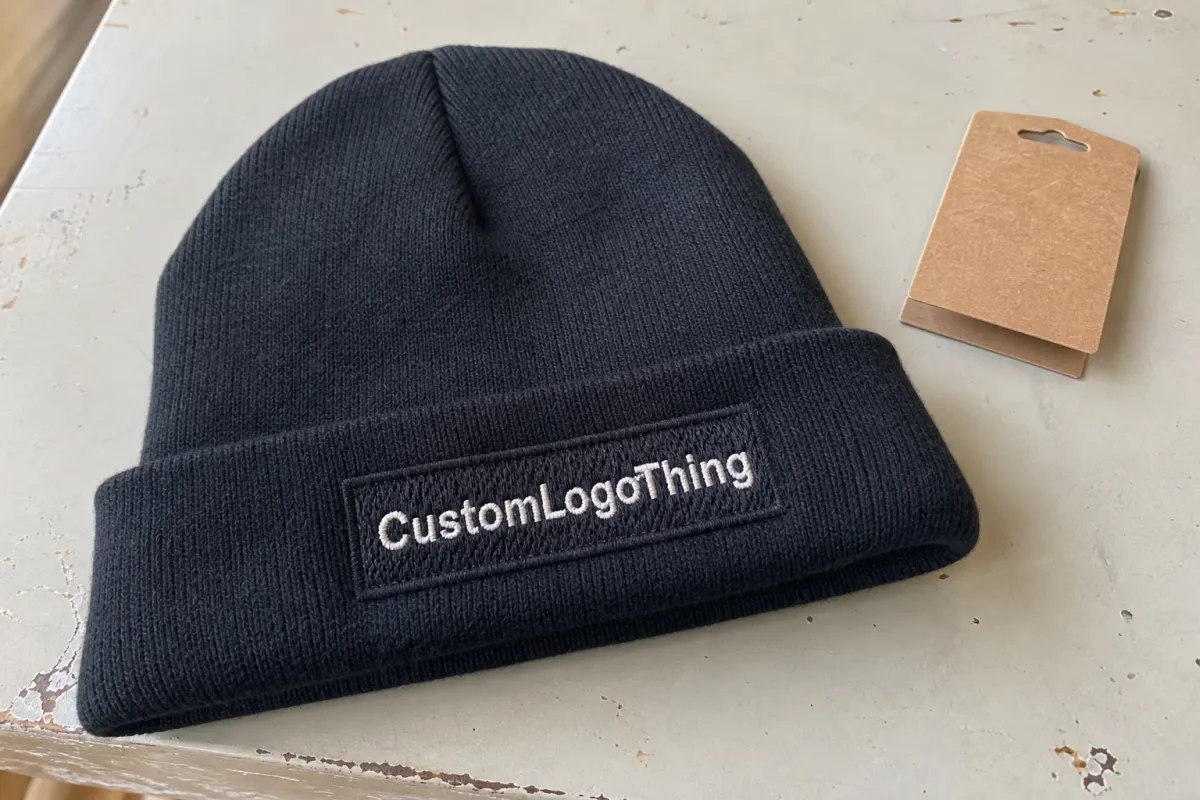
The cuff deserves special attention. For coffee roasters, it is often the primary branding zone, which means the fold height affects both the size of the logo and the way the beanie sits on the head. A 2.5-inch cuff and a 3.5-inch cuff may sound close on paper, but they can change the visual balance enough to make one version feel retail-ready and the other feel like event swag. The same applies to cuff elasticity: too tight and it leaves a mark, too loose and the logo area loses structure.
Compare samples side by side. Do not judge one in isolation. Two beanies that both look "fine" on a desk can reveal very different personalities under daylight, under indoor lighting, and when worn for 20 minutes at a tasting bar. That side-by-side comparison also makes it easier to spot subtle yarn differences that are hard to describe but easy to feel.
"A good sample should answer three questions fast: will it fit, will the logo hold up, and will the texture match the brand story?"
Key Factors That Make a Sample Worth Approving
The first filter is fiber content. Acrylic usually wins on price and color consistency. Cotton blends feel more natural, but they can be less springy and may not rebound as cleanly after repeated wear. Recycled polyester gives brands a stronger sustainability story, especially if the rest of the merch line already uses recycled materials or post-consumer waste content. Wool blends add warmth and a richer hand, though they can increase cost and sometimes require more careful care instructions. There is no universal best choice; the right answer depends on whether the beanie is meant for retail, staff wear, or a seasonal promo pack.
Knit gauge is the next test. Finer gauges tend to look cleaner and support sharper embroidery, while chunkier knits feel cozier and more casual. Stitch density affects more than looks. It influences stretch recovery, the structure of the cuff, and whether the beanie collapses after repeated wear. If a sample feels too loose in the hand, assume the logo will sit on a less stable surface. If it feels unusually stiff, ask whether that stiffness comes from the yarn, the knit construction, or a finishing treatment that may soften after washing.
Color is where many approvals go sideways. Coffee roasters often choose earthy neutrals, charcoal, deep brown, cream, and black-on-black combinations. Those colors can look elegant, but they also expose dye inconsistency very quickly. A shade that looks warm under a showroom light can turn flat in daylight. Ask for color chips or lab dips if the line must match an existing apparel program. When possible, check the sample next to the actual coffee bag stock or printed carton, not just on a white table.
Decoration compatibility matters too. Embroidery is common because it sits well on dense rib knits and usually feels premium. Woven patches can carry more detail and multiple colors. Sew-on labels and woven labels work well for minimal branding, but they should not crowd the cuff edge. A sample should prove which method keeps the logo readable without distorting the knit. On softer knits, large embroidery can pull the fabric slightly; on very dense knits, a patch may sit better than a heavy stitch count.
Finally, fit is not optional. The sample should confirm crown height, overall depth, and cuff balance on real heads, not just on a flat surface. If the beanie rides too high or feels shallow, no amount of good decoration will save it. For staff use, the test is simple: can someone wear it for a full shift without constant adjustment?
How to read the fabric before you approve it
Run your fingers across the ribbing. Then stretch it and let it rebound. A quality sample should recover without twisting, thinning, or leaving loose waves at the cuff edge. If the cuff takes too long to recover, the finished product may look tired after a few wears. Check the inside as well as the outside; loose yarn ends inside the beanie can scratch, snag, or hint at rushed finishing.
Also inspect the seam line and the crown closure. A neat seam is easy to overlook on a product sheet and hard to forgive once the beanie is worn. If the seam bulges, the crown can sit awkwardly under the cuff, which changes the whole silhouette.
Decoration cues that matter most
Look for thread tension, stitch cleanliness, and how the mark sits after the fold is set. On beanies, a logo that is technically correct can still feel too small, too heavy, or too far off center once worn. That is why a physical sample is worth the wait. Ask the supplier to confirm stitch count or patch size if the logo has fine lines, because small artwork often becomes unreadable when the knit surface is too soft.
For brands thinking about packaging too, ask whether the shipment will ride in corrugated cardboard mailers with kraft paper or a lighter pack-out. If sustainability is part of the story, request FSC certified paper components and check whether the filler includes biodegradable packaging or other recycled materials. The sample is a chance to check the whole unboxing path, not only the knit.
For packaging performance standards, it also helps to know whether the supplier references drop or transit testing similar to what ISTA methods are built to evaluate. If your coffee brand sells into wholesale, that level of discipline is not overkill; it is insurance.
A final material caveat: minor shade variation between the sample and the bulk run is normal, especially with heathered yarns or recycled fiber content. The question is not whether variation exists. The question is whether the variation stays within a range your brand can live with.
Cost, MOQ, and Unit Pricing for Sample Orders
Sample pricing is driven by fiber choice, knit complexity, decoration method, color count, and whether the beanie comes from a stock body or a fully custom build. A simple stock acrylic sample may be modest, while a custom wool blend with a woven patch, custom label, and special packaging can cost several times more. That spread is normal. The sample is buying certainty, not just one physical unit.
MOQ changes the math fast. Lower minimums usually raise the unit price because setup costs have less volume to spread across. Larger runs usually reduce the per-piece cost, but they also demand a stronger approval decision up front. Many coffee roasters land somewhere in the middle: enough quantity to make the program worth it, but not so much that slow-moving inventory becomes a headache.
Here is a practical pricing frame to use as a starting point. Real quotes vary by decoration, yarn market, and factory capacity, but these ranges help buyers spot outliers quickly.
| Sample / Production Path | Typical Sample Cost | Typical Production Range | Best Fit |
|---|---|---|---|
| Stock acrylic body, basic embroidery | $25-$45 | $3.50-$5.50 per unit at 500+ pcs | Fast retail tests and staff merch |
| Acrylic / wool blend, woven patch | $35-$60 | $5.00-$8.00 per unit at 500+ pcs | Premium coffee shop programs |
| Recycled polyester body, label plus embroidery | $40-$70 | $4.50-$7.50 per unit at 1,000+ pcs | Sustainability-led merch lines |
| Fully custom wool blend with custom packaging | $45-$80+ | $6.00-$9.00+ per unit at 1,000+ pcs | Higher-retail or wholesale programs |
Do not let sample cost distract from the bigger question: what risk does the sample remove? If a $55 sample prevents a 1,000-piece mistake, it is a cheap lesson. Ask for pricing separated into material, decoration, packaging, and shipping so you can compare options cleanly. That clarity matters even more if the beanies ship with branded inserts, sticker packs, or FSC certified tissue inside the box.
One more practical point: hidden costs are usually where surprise lives. Setup fees, revision fees, custom labels, split shipments, and rush freight can all push the total higher than the first quote suggests. That is normal in custom headwear. It just needs to be visible. If a quote looks unusually low, check whether it excludes art prep, sampling revisions, or packaging assembly.
Process and Lead Time: From Sample Request to Approval
A clean sample process usually follows five steps. First, the buyer sends specs: target quantity, logo size, preferred fiber, color direction, and packaging needs. Second, the supplier confirms a base style and decoration method. Third, artwork placement gets approved. Fourth, the sample or pre-production mock is produced. Fifth, the buyer reviews it in person and signs off, or asks for revisions.
Lead time depends on more than knitting speed. Yarn sourcing can add time if a specific color is not already in stock. The knitting schedule matters. So does the decoration queue. Transit time can be deceptively long if the sample is moving across multiple legs or if packaging components are shipping separately. A simple approval cycle can stretch quickly once any one of those links slows down.
Revision rounds are the real schedule variable. One change to cuff depth might be easy. A change to yarn content or logo technique can trigger a fresh sample round and a new timeline. That is why coffee roasters planning a seasonal drop or wholesale reset should build in buffer time. A launch that looks generous on a spreadsheet can feel tight once a corrected sample lands a week later than expected.
From a production planning angle, it helps to coordinate the beanie approval with the rest of the merch stack. If your roastery is also ordering shirts, tote bags, or packaging inserts, the sample dates should not collide. The goal is to keep the whole merch program moving on one calendar instead of three disconnected ones.
If packaging is part of the approval, ask whether the supplier has tested the mailer setup under rough handling conditions. A light fold in a paper envelope is fine for local pickup, but a shipped order may need stronger protection. That is where FSC paperboard, corrugated cardboard, or a smarter insert structure can make the unboxing feel deliberate rather than fragile.
For planning purposes, most stock-based sample requests move faster than fully custom builds. A simple decorated sample can come together in roughly one to three weeks if the body already exists and the artwork is straightforward. A fully custom knit, color match, or branded packaging set can take several weeks longer. The exact calendar is less important than the pattern: custom decisions pile up quickly, and each one adds a handoff.
Step-by-Step Guide to Reviewing the Sample in Real Use
Do not approve the sample from a desk chair alone. Wear it. Stretch it. Fold and refold the cuff. Then look at it in the same light where customers or staff will actually see it. A tasting room under warm light can flatter some colors and flatten others. Outdoor markets can expose loose stitching and contrast issues immediately.
- Inspect the knit surface for snags, uneven tension, or visible pattern drift.
- Check the cuff recovery after stretching it several times.
- Wear the beanie for at least 10 to 15 minutes and note hot spots or shallow fit.
- Look at logo legibility from a normal conversational distance, not just up close.
- Compare the sample against your coffee bag design, outerwear, and retail packaging.
- Photograph it in daylight and indoor light to see whether color shifts hurt the brand read.
That last step is easy to skip, but it saves headaches. A beanie that photographs well helps sell itself online and in social content. A beanie that looks muddy in photos may still be fine in person, but if your coffee line relies on lifestyle imagery, the sample should prove it works on camera too. Check the image at both close range and thumbnail size; a strong product can disappear if the logo blends into the knit.
I also recommend a simple scorecard. Rate fit, warmth, cuff structure, logo clarity, and color match on a 1-to-5 scale. It sounds basic. It works because internal teams remember feelings differently. A scorecard keeps the conversation grounded in the same criteria instead of whichever sample someone handled most recently.
One useful test: lay the beanie next to your roast-level labels or bag art. If the tones clash in a way that feels accidental, the sample is telling you the truth before production does. If the contrast feels intentional, the product line starts to look coherent rather than assembled.
A practical review also includes care thinking. Ask how the beanie should be cleaned, whether the shape survives a wash cycle, and whether the decoration can tolerate normal wear. A sample that looks excellent on day one but falls apart after a few uses is not a real approval.
Common Mistakes, Expert Tips, and Next Steps
The biggest mistake is approving from a mockup alone. Knit texture, cuff depth, and decoration scale all shift once the piece is physically produced. The second mistake is choosing the softest sample automatically. Soft does not always mean durable. For coffee roasters that need retail-ready merch, repeated wear matters more than a single first impression.
Another common miss is ignoring packaging as part of the sample. Even a simple beanie order can look more refined with kraft paper wrap, a clean hang tag, and a mailer made from recycled materials. If your brand already talks about compostability or low-waste merchandising, ask whether the supplier can support biodegradable packaging or a mailer structure that cuts down on excess void fill. A better box does not save a weak beanie, but it does reinforce the quality story.
Here are a few practical moves that improve approval odds:
- Request two close material options so you can compare structure and handfeel, not just color.
- Ask for both decorated and undecorated views if logo visibility is a major selling point.
- Review samples under daylight and indoor lighting before you sign off.
- Confirm whether the final production body matches the sample exactly, not "close enough."
- Lock the quote and timeline before you approve anything that has custom yarn or packaging.
One more tip: do not let a sample pass because the team is eager to move. The best time to catch a mistake is before production, not after 800 units are boxed. If the sample has a weak cuff, a fussy logo, or a color that misses the rest of the merch line, pause and revise.
For coffee brands, the smartest path is usually simple: shortlist the strongest body, confirm the decoration method, request a revised quote if needed, and set the production calendar before the season gets busy. That way the approval is a decision, not a delay.
Used well, a coffee roaster cuffed knit Beanies Material Sample guide gives you control over the part of the product that people can feel in one second and remember for weeks. That is why the sample matters. It turns a merch idea into a buying decision with fewer surprises and a better chance of matching the brand on the first try.
What should a buyer look for in a coffee roaster cuffed knit beanies material sample guide?
Check yarn feel, cuff structure, stitch density, and how the decoration sits on the knit. Compare at least two options side by side so you can spot differences in recovery, fit, and branding clarity. Make sure the sample reflects the actual production body, not just a similar-looking beanie.
How many samples should a coffee roaster request before ordering cuffed knit beanies?
Two or three samples is usually enough to compare material feel, color, and decoration quality. Ask for a decorated version if logo placement and visibility matter to the final buy. Add a revised sample if the first round does not match the intended fit or brand palette.
Does embroidery or a woven patch work better on cuffed knit beanies?
Embroidery usually reads cleaner on dense rib knits and supports a more integrated look. Woven patches can help with fine detail or multicolor logos, but they add a different feel on the cuff. Choose the method that best matches your logo size, desired texture, and target retail price.
What affects the cost of coffee roaster cuffed knit beanie samples?
Fiber content, knit gauge, decoration method, and customization level are the main cost drivers. Setup fees, revisions, packaging, and shipping can add to the sample total quickly. Ask for an itemized quote so you can compare stock and fully custom options fairly.
How long does the process usually take from sample request to approval?
Simple stock-based samples can move quickly, while custom yarns, colors, or decoration rounds take longer. Lead time usually depends on sourcing, knitting, decoration queue, and shipping speed. Build in extra time for revisions so production does not start on a rushed approval.