Coffee roaster paper shopping Bags Unit Cost looks simple on a quote sheet, right up until the line items start talking back. Two bags can share the same width and height and still land in different price bands once the paper basis weight changes, the handle style changes, or the print area expands. Add freight, and the number can move again. I have seen buyers assume they were comparing the same bag, only to discover they were really comparing two different manufacturing jobs.
For coffee roasters, the bag is doing more work than most people give it credit for. It carries beans, of course, but it also carries the first impression of the shop. A customer walks out with it. It sits on a kitchen counter. Sometimes it gets photographed. That means coffee roaster Paper Shopping Bags unit cost is not just a procurement issue; it is a brand decision with a very visible footprint.
The lowest quote is not automatically the best buy. A flimsy bag can tear on the way out the door, and then the savings disappear in one awkward handoff. A bag that is beautifully made but overbuilt for a quick bean pickup can push coffee roaster paper shopping Bags Unit Cost higher than it needs to be. The real goal is a bag that fits the job and still makes sense on the P&L.
Coffee Roaster Paper Shopping Bags Unit Cost: What Changes It
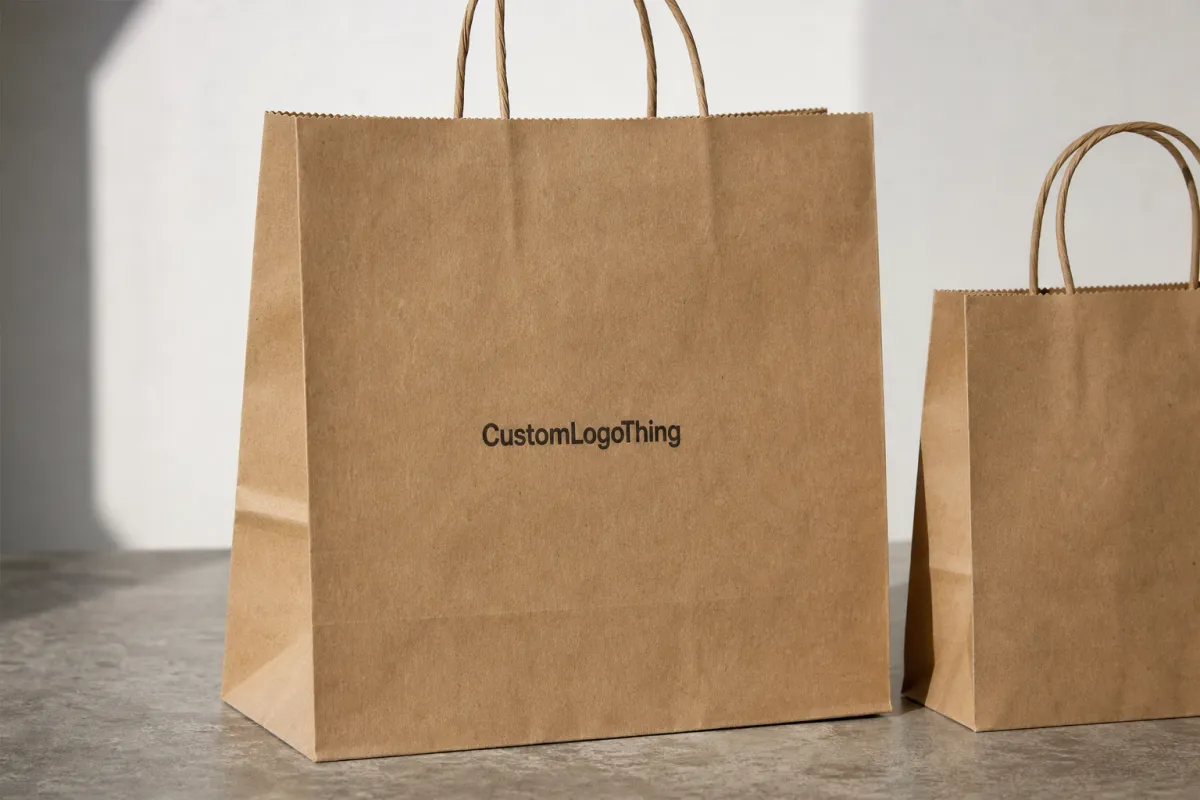
The first thing to understand about coffee roaster Paper Shopping Bags unit cost is that dimensions only tell part of the story. Material usage matters, sure, but the hidden cost drivers are usually the ones that get ignored in early conversations: paper weight, handle construction, print coverage, reinforcement, and the amount of finishing work the factory has to do.
Picture a standard brown kraft bag with twisted paper handles and a single-color logo. Now compare that with a bleached white bag built from heavier stock, printed on multiple panels, and reinforced for boxed merchandise. Both are Paper Shopping Bags. Both can be used by a coffee roaster. Their coffee roaster paper shopping bags unit cost, though, can be miles apart because the second version asks for more material, more ink, and more labor.
Coffee roasters tend to feel this difference more sharply than other retailers because their usage is so mixed. A small counter bag for one bag of beans is one thing. A retail bag for mugs, filters, and holiday bundles is another. Once the load gets heavier or less predictable, the spec has to grow up with it, and that usually raises coffee roaster paper shopping bags unit cost in a way that is easy to defend.
Volume helps, but it does not magically erase setup work. Plates, print prep, machine time, and quality checks still have to happen. That is why coffee roaster paper shopping bags unit cost usually falls as quantity increases, but not in a perfect straight line. Small orders absorb those fixed costs badly. Larger orders spread them out. That is the math, and it is stubborn.
The best purchasing mindset is value-first. A bag that looks clean, survives customer handling, and supports a sustainable story can justify a slightly higher cost per piece. That is especially true in specialty coffee, where the bag may sit on display at the counter or travel into markets, pop-ups, and tasting events. If the print looks muddy or the handles feel weak, the brand pays for it even if the invoice looks tidy.
For buyers comparing options, coffee roaster paper shopping bags unit cost should be judged against the actual job the bag will do. If the bag only holds a light pouch, the spec can stay lean. If it needs to carry boxed coffee or mixed retail items, the structure should be upgraded before the purchase order is signed. Fixing that later is usually more expensive than getting it right the first time.
Product Details: Paper Shopping Bags Built for Coffee Roasters
Coffee roaster paper shopping bags unit cost becomes much easier to evaluate once the bag itself is clearly defined. Coffee roasters use paper shopping bags for a handful of common jobs: counter sales, gift packaging, event handouts, takeaway orders, and subscription add-ons that need a nicer presentation. Each use pushes the bag toward a different balance of strength, finish, and price.
Kraft paper is the usual starting point. Brown kraft gives a grounded, specialty-coffee look and often supports a sensible coffee roaster paper shopping bags unit cost. White bleached paper creates a brighter shelf presence and can make logos pop, though it tends to reward cleaner artwork and better print control. Neither option is inherently better. The right choice depends on the brand tone and the price ceiling.
Handle style changes both the feel and the economics. Twisted paper handles are popular because they are sturdy, familiar, and efficient to convert. Flat paper handles can be more economical on some runs and are often fine for lighter loads. Die-cut handles create a cleaner silhouette, but they are usually better for shorter carry distances. Rope handles, meanwhile, add a premium touch and often nudge coffee roaster paper shopping bags unit cost upward because the assembly is more involved.
The trade-off is pretty straightforward: the more the bag behaves like a refined retail package, the more likely the coffee roaster paper shopping bags unit cost rises. That does not make premium wrong. It just means premium should be intentional. If the bag is part of a gift purchase or front-of-house merchandising, the extra finish can pull its weight. If it is just carrying one pouch across the parking lot, a simpler build is usually the smarter move.
Sustainability deserves a practical conversation, not a slogan. Buyers often ask about recycled content, recyclability, and responsibly sourced fiber. Those are fair questions. If the brand is trying to tell a cleaner environmental story, the bag should stay as paper-forward as possible and avoid mixed materials unless they solve a real performance problem. Cleaner construction also keeps coffee roaster paper shopping bags unit cost more predictable.
For teams that want an established sourcing signal, FSC certification is a useful reference point. The FSC system helps buyers assess responsibly managed fiber sourcing, which can matter when packaging claims are part of the brand promise. It is not a silver bullet, and it does not replace a proper spec review, but it is a sensible piece of due diligence.
Put simply, coffee roaster paper shopping bags unit cost follows the bag's role. Daily carryout bags do not need the same finish as bags used for gift packaging or retail display. Clear use case, cleaner buying decision.
A bag that looks fine in a mockup can still fail on the retail floor if the handles, paper weight, or bottom construction are not matched to the load. The quote should fit the real use, not the idealized artwork.
Specifications That Affect Performance and Fit
The quickest way to get a reliable coffee roaster paper shopping bags unit cost is to lock the spec before asking for a quote. At minimum, confirm width, gusset, height, paper weight, handle style, print colors, and carton pack. Those details drive both production and performance, and they help the factory quote accurately the first time instead of playing detective later.
Size is only one part of the equation. A bag for a 12 oz retail coffee pouch may sit close in dimensions to a bag used for accessories or gifts, but the load path is different. A flexible pouch does not stress the bottom the same way a boxed set or ceramic mug does. That difference can affect coffee roaster paper shopping bags unit cost even when the outer measurements look almost identical.
Paper weight is another major lever. A lighter kraft bag can work well for samples and quick counter pickups, while a heavier stock gives more body and better crease resistance. In many mid-market jobs, buyers look at the 100-150 gsm range, but the right answer depends on load, handle style, and the image the bag is meant to project. If the bag needs to feel substantial in the hand, say so before anyone starts guessing at coffee roaster paper shopping bags unit cost.
Artwork also changes the number. A single-color logo on one panel keeps the run simple. A wraparound design, multiple inks, or full-bleed coverage increases prep and sometimes handling. More ink is not the same thing as better design. In fact, the cleanest bags often sell best because the typography reads clearly and the brand looks confident rather than crowded. That kind of restraint can keep coffee roaster paper shopping bags unit cost under control without making the bag feel stripped down.
It helps to think through the real use before approving the spec. Will the bag carry one pouch, or a bundle of products? Will customers walk a long distance with it, or just move a few feet from counter to car? Will the bag need to stack neatly in backroom cartons? Those are boring questions, and that is exactly why they save money. They shape the structure, and the structure shapes coffee roaster paper shopping bags unit cost.
If the bags are likely to move through stores, distributors, or event setups, it is smart to treat packaging performance as part of the brief. References like ISTA exist because packaging should match the conditions it will actually face. Paper shopping bags are not shipping cartons, obviously, but the mindset is the same: design for the handling reality, not the wishful version.
Carton pack and pallet pattern matter too. A bag packed 100 per carton behaves differently in storage and freight than one packed 250 per carton. It changes receiving labor, warehouse space, and shipping efficiency. So the useful quote is not only the one with the lowest factory figure. It is the one that shows how the bags will arrive and what that means for coffee roaster paper shopping bags unit cost over the life of the order.
One rule saves a lot of grief: do not approve artwork until the dimensions, handle style, and paper weight are locked. A polished proof on the wrong structure is still the wrong bag. And yes, that can get kinda expensive to fix after production starts.
Coffee Roaster Paper Shopping Bags Unit Cost: Pricing, MOQ, and Quote Basics
Now to the part everyone wants first: coffee roaster paper shopping bags unit cost. The honest answer is that it depends on quantity, construction, and print complexity. Setup costs have to be paid somewhere, so smaller orders almost always carry a higher per-piece price. As volume rises, those same fixed costs get spread across more bags, which is why bulk pricing usually improves the unit number.
MOQ belongs in the same conversation. Minimum order quantity is not just a seller's rule; it reflects how the bag is converted and printed. Simpler bags with fewer print colors may allow lower entry quantities. More detailed versions with special handles or heavier finishing often need larger runs to stay economical. That is why coffee roaster paper shopping bags unit cost tracks production method, not just the number of pieces you want.
Here is a planning table, not a promise. Final coffee roaster paper shopping bags unit cost will still depend on exact size, paper weight, print coverage, carton pack, and freight.
| Order Tier | Typical Cost Per Piece | Setup Charges | Best Fit | Notes |
|---|---|---|---|---|
| 1,000 pieces | $0.62-$1.10 | $80-$250 | Pilot programs, new artwork, short-term events | Higher coffee roaster paper shopping bags unit cost because setup is spread across fewer units |
| 3,000 pieces | $0.34-$0.62 | $80-$250 | Core retail bag orders, seasonal replenishment | A common balance point for cost and flexibility |
| 5,000 pieces | $0.24-$0.45 | $80-$250 | Established roasters with steady bag usage | Often where coffee roaster paper shopping bags unit cost starts to feel more efficient |
| 10,000 pieces | $0.18-$0.32 | $80-$250 | Multi-location retail, high-volume e-commerce support | Best cost spread, but storage and cash flow matter |
That table is useful, but it is also a reminder that a low unit price is only one piece of the puzzle. A lower number can hide higher freight, extra proofing, or carton charges if the quote is not written carefully. Another vendor may offer a more complete landed estimate. Compare those two without reading the notes and you can end up thinking you saved money when you did not. That is why coffee roaster paper shopping bags unit cost should be reviewed as landed cost whenever possible.
I also recommend asking for two quantities at once: the target run and the next meaningful break. A roaster might request 3,000 pieces and 5,000 pieces side by side. If the bigger run drops coffee roaster paper shopping bags unit cost enough to justify the extra storage, the buyer gets a clearer answer before artwork is approved. That is a better decision than trying to optimize after the bag is already in production.
For repeat programs, reorder stability matters just as much as the first quote. The best deal may not be the cheapest single run. It may be the quantity that balances cash flow, warehouse space, and replenishment timing across the next few cycles. In other words, coffee roaster paper shopping bags unit cost should support the operation, not just impress someone during the first review.
A quote only works if it shows what happens after production. Freight, packaging format, proofing, and setup charges all affect the real landed number.
Process and Timeline: From Artwork to Delivery
Good pricing only matters if the order also arrives on schedule. The production path for coffee roaster paper shopping bags unit cost usually follows a familiar sequence: quote request, spec confirmation, artwork review, proof approval, production, quality check, and shipping. Clean information from the buyer keeps the job moving. Missing details create back-and-forth, and back-and-forth eats time.
The fastest quote requests include exact dimensions, quantity, artwork if available, handle preference, target ship date, and delivery location. That last point matters more than many teams expect. Freight changes the final coffee roaster paper shopping bags unit cost, and transit time can determine whether a domestic move or an ocean shipment makes more sense. If the supplier knows the destination ZIP code or port, the estimate is more useful from the start.
Here is where projects slow down most often:
- Artwork arrives in the wrong format or with low-resolution images.
- The buyer waits too long to approve the proof while internal comments keep circling.
- The order changes size, handle style, or print count after the quote is already issued.
- No one confirms carton requirements, pallet needs, or shipping deadlines.
Each of those delays can affect coffee roaster paper shopping bags unit cost indirectly because they can trigger extra proofing rounds or production rescheduling. The factory is built around efficient runs. Late changes often mean the order gets re-slotted, and that can affect both timing and cost. Nobody likes that surprise.
Lead times vary by plant and structure, but a practical planning window for many custom paper bag runs is a few business days for spec confirmation and proofing, then roughly 12-18 business days for production after proof approval, with shipping time added on top. Rush schedules are sometimes possible, but they depend on material availability, print complexity, and how quickly the buyer responds. Fast proof turnaround usually helps more than anything else when the goal is to keep coffee roaster paper shopping bags unit cost inside the original plan.
A simple checklist keeps the process tidy:
- Confirm the bag's actual use: retail sale, gift packaging, event handout, or subscription support.
- Lock the exact size and handle style before artwork is finalized.
- Ask for both factory pricing and landed pricing so the coffee roaster paper shopping bags unit cost is easy to compare.
- Request a sample or proof when the paper, print, or construction is new.
- Verify storage, carton pack, and replenishment timing before approval.
If the bags will pass through distribution, stores, or event handoffs, treat shipping performance as part of the design brief. Industry references like ISTA exist for a reason: packaging should match the conditions it will actually face. That habit protects both the product and the budget, and it keeps coffee roaster paper shopping bags unit cost from being judged in a vacuum.
The tighter the buyer defines the job, the smoother the project runs. Realistic timing makes the quote easier to trust. That is the kind of boring efficiency that saves real money.
Why Choose Us for Sustainable Coffee Packaging
Custom Logo Things fits roasters that want practical packaging guidance, not just a price line. The right partner should understand how coffee roasters buy, store, move, and hand out bags in real settings. That means paying attention to structure, print method, carton pack, and the actual use pattern behind the order. When those pieces line up, coffee roaster paper shopping bags unit cost becomes easier to control and easier to repeat.
Clarity is usually what buyers value first. A good quoting process should show the cost drivers in plain language so the team can compare one option against another without guessing. If one spec uses heavier paper, another uses a more complex handle, and a third uses more ink coverage, those differences should be visible in the proposal. That kind of transparency turns coffee roaster paper shopping bags unit cost into a working number instead of a vague estimate.
We also focus on packaging that supports sustainability goals without complicating the order. That usually means paper-forward constructions, sensible print coverage, and brand choices that do not require unnecessary layers of material. If a buyer wants a cleaner environmental story, the bag should help tell it in a straightforward way. That is better than piling on features that add waste and push coffee roaster paper shopping bags unit cost higher than necessary.
Follow-through matters just as much. Good packaging work does not stop at proof approval. It continues through production checks, carton planning, and shipping confirmation. When a roaster is tying packaging to a retail launch or seasonal inventory plan, that consistency is worth real money. Repeatable results reduce rework, and rework is one of the fastest ways to inflate coffee roaster paper shopping bags unit cost over time.
For buyers who want a practical environmental reference, EPA recycling guidance can help frame internal conversations about paper-based packaging and responsible disposal. The important thing is to keep the sustainability story grounded in what the material actually is and how the bag is built. Honest packaging advice builds trust, and trust belongs in the value equation just as much as coffee roaster paper shopping bags unit cost.
From my side, the best packaging relationship reduces confusion. When a supplier can explain the trade-offs clearly, the buyer can make a faster decision and avoid costly corrections later. That matters even more for coffee roasters, where packaging is both functional and brand-facing.
Next Steps to Lock In the Right Order
If you are moving toward a quote, gather the basics first. The next estimate will be stronger if you send the bag size, quantity, handle style, number of print colors, artwork files, and ship-to address. If you already know the in-hand date, include that too. Those details help the supplier estimate coffee roaster paper shopping bags unit cost accurately and cut down on a second round of corrections.
It also helps to ask for the quote in three parts: unit price, setup charges, and freight. That way you can see the real landed cost instead of relying on a headline number that leaves out important pieces. If you are comparing vendors, this is the cleanest way to judge coffee roaster paper shopping bags unit cost side by side.
When the design or construction is new, ask for a proof or sample. A small approval step can prevent a costly misread on logo placement, handle feel, or paper tone. In packaging, that brief pause often saves a much larger correction later. For a custom coffee bag project, that is money well spent, because the right sample can protect both the brand and the coffee roaster paper shopping bags unit cost you planned to hit.
Before approving production, look at the bag from the store floor, the tasting counter, and the event table. Will the handles feel comfortable? Will the bag stand up without slumping? Does the logo read clearly from a few feet away? Those are simple questions, but they matter. A bag that performs well in the hands of staff and customers usually creates better value than a cheaper bag that feels weak on arrival.
If you want the process to stay efficient, keep the order clean and the communication direct. That is the easiest way to lock in a bag that fits the product, the brand, and the schedule. If you are comparing coffee roaster paper shopping bags unit cost across different options, the best move is to Request a Quote that spells out the spec, the setup, and the freight so there are no surprises later.
The practical takeaway is simple: compare like with like, and ask for landed pricing before you approve the artwork. If the unit number looks good but the spec is fuzzy, you do not yet know the real coffee roaster paper shopping bags unit cost. Clear dimensions, clear materials, clear freight, then the decision gets a whole lot easier.
Frequently Asked Questions
What affects coffee roaster paper shopping bags unit cost the most?
Paper weight, bag size, handle style, and print coverage usually have the biggest impact on coffee roaster paper shopping bags unit cost. Quantity matters too, because setup costs spread out as the order gets larger. Freight and packaging format can also change the landed number, especially when the bags ship long distance.
What MOQ should I expect for custom coffee roaster paper shopping bags?
MOQ depends on the bag size, print method, and construction details. Simpler bags usually allow lower entry quantities than more decorated versions, and that can help keep coffee roaster paper shopping bags unit cost manageable for a first order. Ask for the most economical run size and the next price break so you can plan ahead with better visibility.
How can I lower coffee roaster paper shopping bags unit cost without making the bag look cheap?
Use a standard size when possible, keep the print layout clean, and avoid unnecessary finish steps if the branding still reads clearly. A simple one-color logo on a well-made paper bag often looks more confident than a crowded design. The right balance can reduce coffee roaster paper shopping bags unit cost while still giving the bag a polished retail feel.
How long does production take after artwork approval?
Timeline depends on proof approval, material availability, and current production load. Shipping time is separate from manufacturing time, so both need to be checked before you commit to a launch date. Fast approvals usually help more than anything else when you want to protect coffee roaster paper shopping bags unit cost and keep the schedule on track.
What should I send for the fastest quote on coffee roaster paper shopping bags?
Send bag dimensions, quantity, print colors, handle preference, and artwork if available. Include the delivery location so freight can be estimated correctly, and mention whether you need a sample, proof, or a target in-hand date. The more complete the request, the easier it is to quote coffee roaster paper shopping bags unit cost accurately the first time.

