Coffee roasters Kraft Paper Bags unit cost is rarely a paper-only calculation. The outer kraft layer may look like the obvious expense, but the price usually moves because of the finished construction: valve, zipper, barrier film, print coverage, bag format, and order quantity. A roaster can simplify the look and still pay more if the bag has to preserve aroma longer, stand better on shelf, or run more cleanly through the filling line.
That is why the best quote is the one that reflects the real job of the package. A 250 g retail pouch, a 1 lb flagship bag, and a 5 lb wholesale pack solve different problems. They do not use the same material recipe, and they do not behave the same way in production. Once the bag size, seal area, and closure are fixed, the rest of the pricing conversation becomes much easier to read.
Quick rule: one reliable format across multiple SKUs usually lowers the total program cost more effectively than trimming features off several different bag styles.
What drives coffee roasters kraft paper bags unit cost?
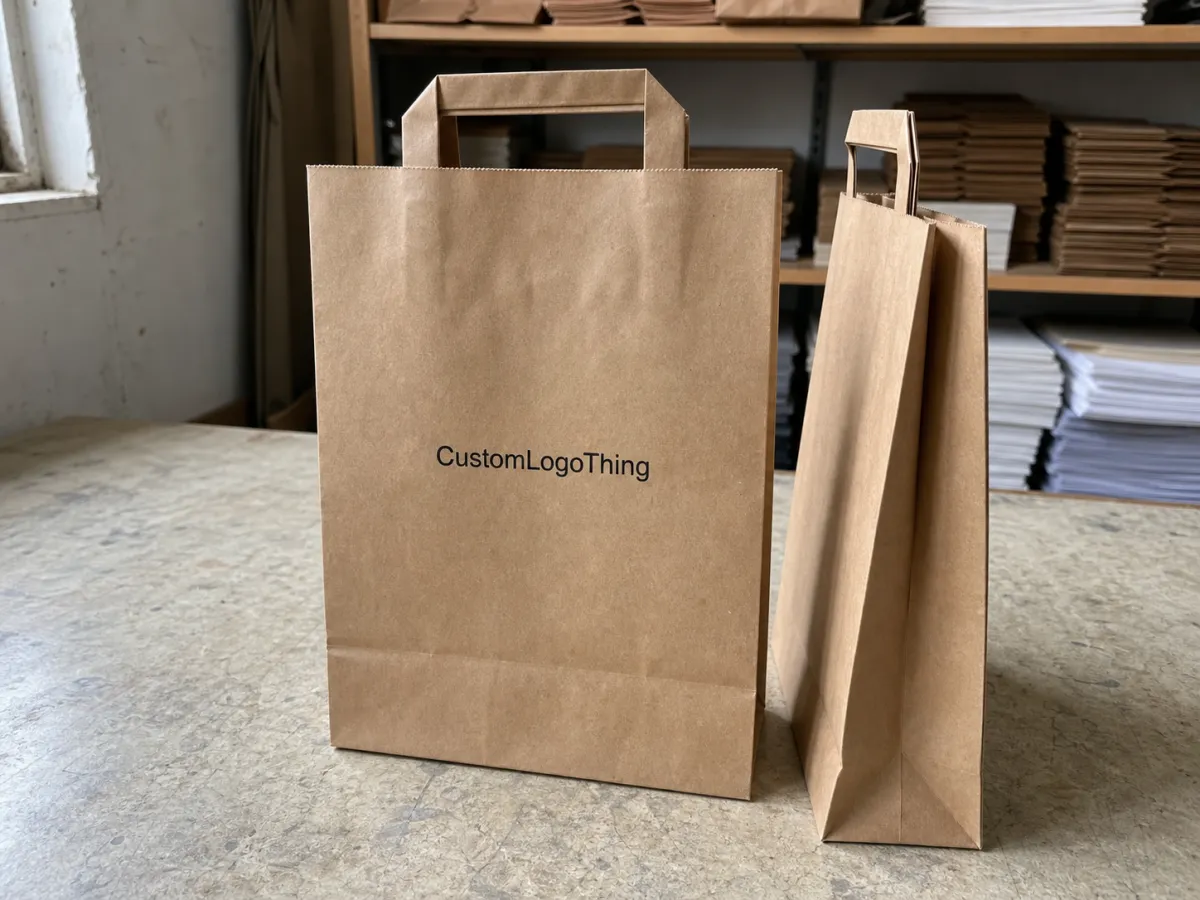
The biggest cost driver is usually not the kraft paper itself. A finished coffee bag is a layered structure, and each layer adds something different to the bill. One-way valves, resealable zippers, high-barrier laminates, matte finishes, soft-touch coatings, and full-coverage print can all move pricing farther than the outer paper grade. A plain brown look may appear simple, but the package still has to hold back oxygen, manage degassing, and survive handling.
Roasters are not buying a sheet of paper. They are buying performance in a format that has to fill, seal, ship, and sell. A bag with a better barrier may cost more, yet that extra spend can protect roast quality and reduce complaints. A cheaper bag that fails early is expensive in a different way: stale coffee, returned inventory, and more rework on the production floor.
The best quotes begin with a clean brief. If the supplier has to guess at fill weight, gusset depth, closure type, or artwork coverage, the first price is likely to move later. That back-and-forth wastes time and often hides the true landed cost until the order is already in motion.
- Size: fill weight, finished dimensions, gusset depth, and headspace.
- Structure: side gusset, stand-up pouch, or flat-bottom format.
- Closure: zipper, heat seal, tear notch, tin tie, or no reclose feature.
- Print: number of colors, coverage area, and whether kraft remains exposed.
- Volume: MOQ, annual usage, and whether this is a launch or a reorder.
Standardization matters more than most teams expect. One dieline reused across several roasts can reduce setup time, simplify carton planning, and keep inventory tighter. That tends to save more than shaving a few cents from a paper spec that does not affect the line. It also makes receiving and warehousing simpler, which matters once the bags start moving in corrugated cardboard master cases.
If sustainability claims are part of the brief, separate the outer paper from the functional structure. A kraft exterior can be FSC certified, but the barrier layer still needs to do its job. FSC certification documents paper sourcing and chain-of-custody, which is useful, yet it does not automatically tell you how long the coffee will stay fresh or how the seal will behave under load.
Buyers usually save more by standardizing one dieline than by chasing tiny material savings that do not change performance.
Bag structures that protect roast quality
Structure should follow the way the coffee is packed and sold. A side gusset bag is often the most economical option for volume, stacking, and case packing. A stand-up pouch gives stronger shelf presence and usually looks cleaner in retail sets. A flat-bottom bag offers the widest faces and the most premium presentation, but it also uses more material and more complex converting, so the unit cost rises with it.
Closures carry their own price and operational trade-offs. A one-way degassing valve is common for freshly roasted whole bean coffee because it lets gas escape after roasting without pulling oxygen back in. A zipper adds convenience and makes the bag feel more retail-ready. Heat seals, tear notches, and tin ties all have a place, but each one should be matched to the product flow rather than added by habit.
Barrier build is the quiet part of the package. Kraft is the face; the inner laminate does the protection work. Depending on the product and the shelf-life target, that structure may be PET/PE, PE/PE, metallized film, or another high-barrier laminate designed to reduce oxygen and moisture ingress. For fresh roasted coffee that needs a longer retail life, the barrier spec deserves more attention than the printed face.
Not every program needs every feature. A wholesale line that turns quickly may not need a zipper. A gift set might need one because the package itself is part of the value. The right package is the one that fits the route to market, not the one that sounds the most premium in a sales deck.
Some brands ask for recycled content, compostable claims, or biodegradable packaging because the message fits the brand. That can be sensible, but the structure still has to hold aroma and seal properly. Claims that look good on paper can become a liability if they raise rejects, weaken shelf life, or complicate the filling line. Post-consumer waste content is worth discussing, but it should be weighed against barrier performance, print quality, and seal consistency.
For shipping and distribution, the outer pack matters more than many buyers plan for. If bags are shipped in corrugated cardboard cases and stacked on pallets, compression and vibration can affect corner crush, zipper stress, and panel scuffing. ISTA test methods are useful here because they force the packaging conversation out of theory and into handling reality.
Specs that affect filling speed and shelf life
Bag size should match the actual fill weight and bean density. A bag that is too large wastes material and often looks underfilled. A bag that is too tight can crowd the seal zone, create awkward panel shape, or make the finished pack look stressed. For many roasters, the common retail sizes sit around 250 g, 12 oz, 1 lb, and 2 lb, but the correct size depends on the roast profile and the amount of headspace needed for a stable seal.
Line fit matters just as much as shelf appearance. Mouth width, seal width, gusset depth, and zipper placement all influence how the bag runs on manual, semi-automatic, or fully automatic equipment. A well-proportioned bag feeds faster, seals more consistently, and generates fewer rejects. That is a labor issue as much as a packaging issue, and it shows up fast once the line is busy.
Shelf life depends on how the barrier, seal, and closure work together. If the coffee is whole bean and the distribution window is long, the package should be designed around oxygen and moisture protection, not just appearance. If the product is moving locally and selling quickly, the build can be simpler, but it still needs to protect aroma and keep the seal stable through transport and storage.
- Manual packing: benefits from a wider mouth and a forgiving seal zone.
- Semi-automatic lines: need consistent dimensions and stable zipper placement.
- Fully automatic lines: need tighter tolerance control and predictable film behavior.
- Retail shelf: benefits from flat faces, strong stance, and readable print.
Secondary packaging is easy to ignore and expensive to fix later. A well-designed coffee bag can still arrive scuffed or bent if the corrugated case is too small, too loose, or stacked badly on the pallet. The bag and the carton should be designed together. That is especially true for heavier formats, where load compression can affect the seal area and the way the pack sits on shelf after transit.
Plan the copy panel early too. Barcode space, roast date, lot code, and legal text should not be squeezed in after artwork is nearly approved. If the layout changes late, proof cycles stretch. A small change in panel size can also force a change in the dieline, which turns into a production delay that costs more than the wording itself.
A good-looking bag that jams the line is not a bargain.
Pricing, MOQ, and quote drivers
Pricing gets clearer once the bag is broken into parts that can be compared. Structure, material build, print method, finishes, accessories, freight, and carton pack-out all belong on the quote. A supplier should be able to show where the money is going. If the number arrives as a single line item with no detail, it is hard to know whether the quote is competitive or just incomplete.
MOQ usually lowers unit cost as volume rises, because setup and tooling are spread across more bags. That said, the lowest per-bag price is not always the right business decision. A smaller launch run can be the better move if the roast program is still changing, storage space is limited, or cash flow matters more than inventory leverage. The best order size balances savings against risk.
The ranges below are practical, not absolute. They reflect common custom builds with kraft exteriors, standard barrier structures, and typical print coverage. Region, freight method, finish, and artwork complexity can move them meaningfully.
| Format | Typical Build | 5,000 pcs | 10,000 pcs | 25,000 pcs | Common Use |
|---|---|---|---|---|---|
| Side gusset kraft bag | 1-2 color print, standard barrier, no zipper | $0.19-$0.30 | $0.15-$0.24 | $0.11-$0.18 | Wholesale, value line, quick-turn SKUs |
| Stand-up kraft pouch | Valve, zipper, 2-4 color print, standard finish | $0.34-$0.52 | $0.27-$0.42 | $0.21-$0.33 | Retail shelf, subscription, direct-to-consumer |
| Flat-bottom kraft pouch | Valve, zipper, matte finish, fuller coverage print | $0.48-$0.78 | $0.38-$0.60 | $0.30-$0.46 | Premium retail, flagship blends, gift programs |
These ranges only help if the quote is itemized. Ask for separate lines on packaging, freight, and any accessory charges. Delivered cost is usually the number that matters, and it can run 8% to 15% higher than the factory price once cartons, freight, and handling are included. Heavier structures and lower order quantities make that gap wider.
Print method also affects pricing in ways that are easy to miss. Flexographic printing may need plates and setup, which makes very small runs expensive. Digital print can reduce setup burden on short orders, but it may not be the cheapest path at scale. If artwork is likely to change often, it is worth checking whether the print method makes future reorders easier, not just the first purchase cheaper.
One smart move is to group several SKUs into one print family. If the only difference between roasts is the panel copy or a small color change, the same construction can often be reused. That keeps tooling steady, reduces setup cost, and lowers the chance of a mismatch on the filling line or in inventory.
Process, timeline, and approval steps
A clean quote process starts with a complete brief. Send size, fill weight, closure choice, print colors, target quantity, and preferred structure in one message if possible. Add the shelf-life target, the filling equipment, and whether the order is retail, wholesale, or both. That reduces assumption-making on both sides and usually shortens the quote cycle.
The normal sequence is straightforward: request, proof, sample, approval, production. Digital proofs often come back in 24 to 48 hours when the brief is complete. Physical samples take longer, especially for custom constructions or special print effects. Once artwork is approved, standard production lead times often sit around 12 to 20 business days, with longer windows for more complex builds, special finishes, or higher-volume runs.
If the artwork includes compliance text, UPC placement, or retailer-specific requirements, handle those early. A barcode correction after proof approval is annoying on a simple bag and disruptive on a multi-SKU program. Color matching deserves the same discipline. Screen renders are not enough if brand color matters. Ask for a target reference and a signed proof so expectations are fixed before production starts.
A practical approval path looks like this:
- Spec confirmation: dimensions, barrier, closure, print, and MOQ.
- Digital proof review: copy, panel layout, barcode, and color blocks.
- Sample check: feel, seal behavior, zipper function, and shelf appearance.
- Final sign-off: one clear approval note with no hidden edits in email threads.
- Production and packing: final run, carton pack-out, and shipment planning.
Most production issues come from small gaps in the brief: a missing seal width, a late copy change, a bag that is too tight for the fill weight, or a finish that was never tested on the line. Those are preventable. A better spec sheet does not just speed up the order; it protects the budget from avoidable revisions.
Why repeat buyers keep the same format
Repeat buyers usually settle on one kraft bag format because it simplifies the entire operation, not just procurement. Ordering is easier, receiving is easier, picking is easier, and reorders are less stressful. Once a format works, there is less reason to keep changing it for cosmetic reasons that do not affect sales.
Consistency also helps the brand. Retail buyers and subscription customers recognize a package faster when the structure stays the same across blends and roast levels. A familiar silhouette on shelf, paired with predictable panel placement, builds recognition more reliably than a new bag style every season. That matters more for core products than many teams admit.
The manufacturing side benefits too. One spec means fewer setup changes, fewer carton-size adjustments, and fewer inventory mistakes. If the bag also holds up well in corrugated cardboard cases, the logistics chain becomes more predictable. Fewer dents, fewer returns, and less waste tend to follow.
If one format already fills well, seals well, and stands up on shelf, changing it just to save a fraction of a cent often costs more than it returns.
Stable specs also make pricing steadier from run to run. Once the construction is fixed, the supplier is not relearning the job each time. That helps keep coffee roasters Kraft Paper Bags Unit Cost more predictable, which matters for seasonal volume swings and subscription reorders that repeat on a schedule.
Common buying mistakes that inflate unit cost
Over-specifying the bag is the easiest way to spend too much. Multiple zippers, heavy lamination, full-coverage print, specialty finishes, and oversized panels can all raise cost without improving the product. A premium look is fine if it supports the channel, but every extra feature should earn its place.
Size errors are just as costly. A bag that is too large uses more material and takes up more shelf and carton space. A bag that is too small can make filling slower and the final pack look cramped. Either mistake hits both appearance and efficiency, which is why fill-weight testing should happen before the order is locked in.
Another common error is approving artwork before the bag has been tested on the line. A design can look sharp in a PDF and still fail in use if the seal zone is too narrow or the mouth opening is wrong for the equipment. That kind of surprise usually triggers a reprint or a rushed revision, which is where unit cost climbs fast.
Kraft papers are not interchangeable either. Some are stiffer, some print better, and some resist scuffing more effectively. If the brand wants recycled content, ask how much is in the paper, where it sits in the construction, and whether it changes print or seal behavior. Claims around biodegradable packaging should be checked with the same discipline. A label can sound clean while the package still underperforms in the real world.
A better comparison looks at the full build:
- Outer look: kraft tone, print coverage, and shelf presentation.
- Inner performance: barrier, seal strength, and freshness protection.
- Operations: fill speed, reject rate, and carton pack-out.
- Landed cost: freight, handling, and storage, not factory price alone.
That view keeps the discussion grounded. A cheap bag that slows production or shortens shelf life is not cheap.
Next steps for a clean spec and faster quote
If the goal is a quote that works on the first pass, gather the basics before asking for pricing. Size, fill weight, closure choice, print colors, annual volume, and expected shelf life should be on the same page. If you can also note the filling equipment, carton size, and shipping destination, the quote will usually be much closer to the real delivered number.
Separate must-have features from nice-to-have features. A valve may be essential. A matte finish may be optional. A zipper may be right for retail and unnecessary for a wholesale line that sells through quickly. Once those pieces are separated, the base unit cost becomes much easier to interpret.
For brands still refining the package, a sample or proof plan is worth asking for before volume is committed. A physical sample can reveal details that a rendering cannot: how the bag stands, how the zipper tracks, how the seal feels, and how print reads against kraft stock. That matters most for bags that will face retail shelves or long-distance shipping.
Send one complete brief, ask for an itemized quote, and compare the landed cost rather than the factory number alone. That is the most direct way to evaluate coffee roasters kraft Paper Bags Unit cost with confidence and choose a structure that fits the roast, the volume, and the way the bags will actually be used.
FAQs
What changes coffee roasters kraft paper bag unit cost the most?
Bag structure, barrier build, and print coverage usually have the biggest impact. Quantity matters too, because setup and tooling are spread across more bags as volume rises. Valves, zippers, and specialty finishes add cost, but they often make sense if freshness and usability are part of the product promise.
How does MOQ affect custom coffee bag pricing?
A higher MOQ usually lowers unit cost because setup costs are spread across more bags. A lower MOQ can be useful for testing or a launch order, but the per-bag price is usually higher. The right order size should balance savings, storage space, and cash flow.
Do kraft coffee bags need a one-way valve?
Fresh roasted whole-bean coffee usually benefits from a valve because it lets gas escape after roasting. If the coffee is packed differently or sold very quickly, the need may be lower, but it should still be evaluated. Valve choice should match roast level, shelf life, and shipping method.
What should I send to get an accurate quote on coffee bags?
Send bag size, fill weight, closure type, print colors, and target quantity. Include barrier expectations, finish preferences, and whether the bags are retail or wholesale focused. Add lead time expectations and shipping destination so the quote reflects real delivered cost.
What should I compare besides coffee roasters kraft paper bags unit cost?
Compare barrier performance, shelf life support, and how well the bag runs on your filling equipment. Look at delivered cost, not just factory price, because freight and handling affect margin. Check shelf appearance and reorder consistency so the packaging supports the brand over time.

