Buyer Fit Snapshot
| Best fit | Compare Biodegradable vs Recycled Poly Mailers for Brands projects where brand print, material claims, artwork control, MOQ, and repeat-order consistency need to be specified before quoting. |
|---|---|
| Quote inputs | Share finished size, material target, print colors, finish, packing count, annual reorder estimate, ship-to region, and any compliance wording. |
| Proofing check | Approve dieline scale, logo placement, barcode or warning zones, color tolerance, closure strength, and carton packing before bulk production. |
| Main risk | Vague material claims, crowded artwork, missing packing details, or unclear freight terms can make a low unit price expensive after revisions. |
Fast answer: Compare Biodegradable vs Recycled Poly Mailers for Brands should be specified like a repeatable production item. The safest quote records material, print method, finish, artwork proof, packing count, and reorder notes in one written spec.
Production checks before approval
Compare the actual filled-product size with the drawing, then confirm tolerance on folds, seals, hang holes, label areas, and retail display edges. Reserve space for logos, QR codes, warning copy, and material claims before decorative graphics fill the panel.
Quote comparison points
Review material grade, print process, finish, sampling route, tooling charges, carton quantity, and freight assumptions side by side. A quote is only useful when the supplier can repeat the same color, closure quality, and packing count on the next order.
Compare biodegradable vs Recycled Poly Mailers and the conversation usually starts in the wrong place. People begin with the sustainability label, then discover the real test happens on a packing bench, in a trailer, or on a wet porch where nobody is thinking about marketing language. A mailer either protects the product or it does not, and that is the part that tends to decide the whole program.
From a buyer's point of view, the better question is not which option sounds greener. It is which one holds up under your actual shipping conditions, your actual labor pace, and your actual return rate. If you compare biodegradable vs Recycled Poly Mailers only by the claims on the spec sheet, you can miss the stuff that costs real money later, like rework, damage, and customer complaints.
There is no single winner here, and I would be wary of anyone who says there is. A biodegradable mailer can make sense for a brand with a clear disposal story and a product that is light enough for the film to handle. A recycled poly mailer often wins because it behaves more like the familiar polyethylene bags fulfillment teams already trust. The smarter way to compare biodegradable vs recycled poly mailers is to look at product weight, shipping lane, print needs, and what customers can realistically do with the packaging after it arrives.
That is the lens used throughout this article. You will see where each material tends to perform well, where it starts to wobble, how pricing usually moves, and why lead time can stretch more than buyers expect. If you are narrowing down a supplier, this should help you compare biodegradable vs recycled poly mailers with more confidence and a lot less guesswork.
Compare Biodegradable vs Recycled Poly Mailers: The Shipping-Shelf Reality
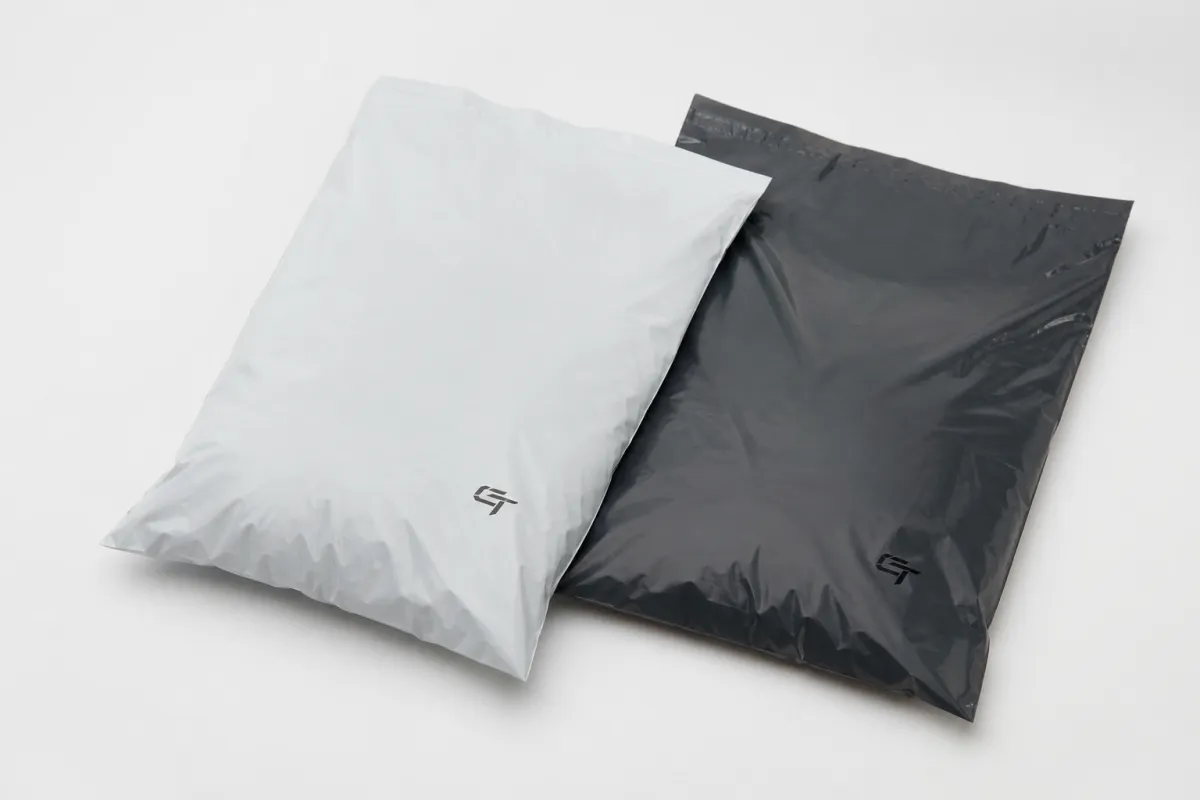
When I compare biodegradable vs recycled poly mailers on a packing bench, I do not start with the environmental claim. I pick up the film and feel how it behaves. Does it stretch a little before it gives, or does it feel brittle at the corners? Does the seal grab cleanly, or does it need a slower pass and a more careful hand? Those details sound small until you are processing a few hundred orders a day, because packaging is judged in a truck, on a conveyor, and at the doorstep, not in a marketing deck.
Biodegradable mailers usually lean on compostable or break-down language, but that language can get fuzzy fast unless the supplier is specific about the standard, the conditions required, and the disposal path. Recycled mailers are usually built around reclaimed resin and tend to feel closer to conventional polyethylene. That is the core distinction when you compare biodegradable vs recycled poly mailers: one tries to change the end-of-life story, while the other reduces virgin resin without asking the fulfillment team to relearn the whole packing flow.
That difference matters because a sustainability claim cannot cover for a weak package. A mailer that looks good on a sales page but splits at the seam or punctures around a hang tag is still waste once the product needs a replacement shipment. I have seen brands spend more on a supposedly better film, then pay again for extra inserts, double mailing, and customer service time. That is where compare biodegradable vs recycled poly mailers stops being a materials debate and starts looking like a margin question.
- Moisture: recycled poly mailers usually keep the classic poly advantage here, with dependable resistance to humidity, light rain, and rough handling.
- Tear behavior: biodegradable films can work well, but some blends are more sensitive to sharp edges, cold storage, or repeated flexing.
- Seal reliability: the adhesive strip and seal area often decide whether a mailer survives a real pack test or only looks fine on the sample table.
- Print surface: opacity, ink hold, and scuff resistance can vary more than buyers expect, especially on thinner films or lighter colors.
For apparel, accessories, and other soft goods, the biggest question is whether the mailer is just a transport layer or part of the customer experience. If the bag has to look premium, carry custom print clearly, and still survive a rough delivery route, you need to compare biodegradable vs recycled Poly Mailers by actual packaging behavior, not by the promise printed on the supplier sheet.
My practical advice is simple: choose the material that protects the product with the least operational drama. If that ends up being recycled content and a stable packing routine, that is a valid answer. If the biodegradable option is documented properly and passes the product-specific test, that can be the right call too. The mistake is assuming every sustainable-looking mailer is automatically the better one.
For brands still sorting through formats, our Custom Poly Mailers page is a useful starting point, and the broader Custom Packaging Products catalog can help you compare a few structural alternatives before you lock in a spec.
Top Options Compared: Compare Biodegradable vs Recycled Poly Mailers Side by Side
To compare biodegradable vs recycled poly mailers side by side, start with the material feel, because that is usually the first clue you get in the real world. Recycled poly mailers often feel familiar to staff who have packed standard polyethylene bags before; they slide well, seal predictably, and do not ask for much retraining. Biodegradable mailers can feel a little different depending on the blend, with some having a softer hand and others feeling slightly more rigid or matte. That is not just a cosmetic detail. It affects how the bag folds around the product and how the seal line behaves under pressure.
Puncture resistance comes next. Apparel with zippers, buttons, folded cardboard inserts, or sharp hang tags can put a surprising amount of stress on a thin film, especially if the product shifts inside the bag. When you compare biodegradable vs recycled poly mailers in that situation, recycled film often has the edge because it tends to keep the classic polyethylene toughness buyers expect. Biodegradable film can absolutely work, but I would test it with the actual product shape, not just an empty sample. Empty samples are fine for a first glance, but they do not tell the whole story.
Moisture resistance is another place where the difference shows up in transit. Recycled poly mailers usually hold up well against damp depots, wet porches, and condensation during shipment. Biodegradable options vary more by formulation, which is why I ask for clear data instead of broad claims. If the package needs to arrive looking crisp and clean, compare biodegradable vs recycled poly mailers by seal integrity and water exposure, not by brochure language.
Branding is often the first thing buyers focus on, but it should sit behind protection in the decision order. Both materials can be custom printed, and both can carry a logo, return instruction, or QR code. The difference shows up in surface uniformity, scuffing, and opacity. If your artwork uses large ink fields or a dark background, recycled poly mailers often give a more predictable print result. If your brand is trying to signal a softer, lower-waste, or compostable message, a biodegradable film can support that story, provided the print still holds up after handling.
| Comparison point | Biodegradable mailers | Recycled poly mailers |
|---|---|---|
| Material feel | Can feel softer or slightly more matte depending on the film blend | Usually closest to standard poly handling |
| Puncture resistance | Good on lighter goods, but test carefully with sharp edges or rigid inserts | Usually strong and familiar for apparel, soft goods, and general ecommerce |
| Moisture resistance | Varies by formulation and supplier | Typically strong, with dependable protection in wet shipping conditions |
| Print quality | Can print well, but surface consistency varies more | Often more predictable for logos, warnings, and return messaging |
| Typical 5,000-unit price range | $0.24-$0.42 per unit, depending on size, print, and certification | $0.18-$0.32 per unit, depending on size, print, and recycled content level |
| Best fit | Brands with a clear disposal story and light-to-moderate shipping demands | Brands that want stable performance with lower operational friction |
That table is a broad buying guide, not a quote sheet, and it is exactly why compare biodegradable vs recycled poly mailers cannot be reduced to a single line on an invoice. Size, print coverage, gusset style, adhesive type, and freight location all move the number. If you are comparing basics, subscriptions, apparel, and seasonal drops side by side, the best fit may change from one SKU to the next.
One more point that buyers sometimes miss: recycled does not automatically mean low quality, and biodegradable does not automatically mean fragile. Both can be excellent if the spec is right. But if you compare biodegradable vs recycled poly mailers only at a glance, the recycled option often looks like the safer default because fulfillment teams already know how it behaves under pressure.
Detailed Reviews: What We Liked and Where Each Mailer Falls Short
Biodegradable mailers usually score well on first impression. The sustainability message is easy to understand, and that matters for brands whose customers expect the packaging to reflect the same values as the product. When you compare biodegradable vs recycled poly mailers from a brand-story angle, biodegradable film can feel more aligned with a lower-waste message, especially if the supplier can document compostable standards clearly and explain the intended disposal route in plain language.
Where I get cautious is storage and handling consistency. Some biodegradable formulations are more sensitive to heat, humidity, or long warehouse dwell times than buyers expect. That does not make them bad; it simply means you should not assume they behave like standard poly. I have watched a summer packing line where a softer film started to feel a little sticky after sitting near warm equipment all afternoon, and that one detail changed the pace of the whole shift. If a brand holds inventory for months, or if the packing area gets hot in peak season, compare biodegradable vs recycled poly mailers by shelf stability as much as by appearance.
Recycled mailers are easier to trust as a baseline. They generally feel familiar to packers, seal quickly, and tolerate a wide range of fulfillment environments without forcing process changes. In practice, that is valuable. A material that behaves the same way at 8 a.m. and 4 p.m., with different staff and different packing speeds, saves time and reduces mistakes. That is one reason many operators compare biodegradable vs recycled poly mailers and end up leaning toward recycled content for steady-volume programs.
If the package fails, the environmental claim is already weakened, because the replacement shipment, extra labor, and customer frustration all become part of the real footprint.
Print quality deserves a separate test. Some biodegradable films accept ink cleanly but scuff sooner in transit. Some recycled films print with excellent clarity but show minor surface variation from lot to lot. That is where a buyer should request samples with the actual artwork, not a blank bag and a promise. If you compare biodegradable vs recycled poly mailers on a sample that is not close to your final spec, you are testing the wrong thing.
I also pay attention to noise, because packers notice it even if they do not say so out loud. A loud, stiff mailer can slow a line down and make the process feel rougher, while a softer film can feel easier to work with. That sounds minor until you are shipping hundreds or thousands of orders. The best-performing mailer is not just the one that looks good on a screen; it is the one that keeps up with a real packing run. For many brands, that is where compare biodegradable vs recycled poly mailers becomes a daily operations decision rather than a sustainability debate.
Product fit matters too. Lightweight tees, socks, and soft accessories are easier on a mailer than a hoodie with a zipper pack or a boxed item with sharp corners. If the product is soft and low-abrasion, biodegradable can be a reasonable choice when the supplier is solid. If the product is heavier, awkward, or likely to be returned, recycled poly mailers often stay ahead because they keep their shape better under repeated handling. That is not a theory; it is the kind of thing that shows up after a few thousand shipments.
For buyers validating a program against industry standards, shipping test methods such as ISTA profiles are useful, and the International Safe Transit Association explains them well at ISTA. Pairing that kind of testing with your own packout trial gives a much more honest read than a spec sheet alone. I would take that kind of real-world test over a pretty sample every time.
Cost, Pricing, MOQ, and Quote Reality
Cost is where compare biodegradable vs recycled poly mailers gets very real, very quickly. Recycled poly mailers are often cheaper per unit because the material system is familiar, production capacity is broader, and suppliers usually have more stable sourcing options. Biodegradable mailers tend to carry a premium, especially if the film is specialty made, certified, or custom printed. That premium may be worth it for brand positioning, but it should be intentional, not accidental.
MOQ changes the math just as much as the unit price. A small order can make tooling, proofing, freight, and carton quantities more important than raw film cost. I have seen buyers compare biodegradable vs recycled poly mailers on a per-bag basis and miss the fact that one quote included a friendlier setup package, while the other buried cost in shipping or special print prep. If the order is small, ask whether stock sizes are available, whether one-color print is enough, and whether the supplier can combine freight with other products to reduce landed cost.
Here are the main quote variables that move the final number:
- Film thickness: a thicker bag may cost more, but it can reduce damage and reshipments.
- Custom size: odd dimensions often increase waste, trim loss, and unit price.
- Print coverage: full-bleed artwork usually costs more than a simple logo or one-color mark.
- Adhesive type: stronger closure strips and dual-seal options can add cost, but they also help returns.
- Freight destination: shipping a heavy carton run across long distances changes landed cost fast.
That is why I tell buyers to compare biodegradable vs recycled poly mailers on landed cost, not just price per thousand. The cheapest quote can become the most expensive choice if it fails seal testing, scuffs too easily, or requires an emergency reorder. Sample rounds, reproofing, and storage also belong in the budget. A bag that looks inexpensive on paper may still create hidden cost if it needs extra handling or higher reject rates during packing.
To make the pricing picture more concrete, think in ranges rather than promises. For a mid-volume custom run, recycled poly mailers may land somewhere around $0.18-$0.32 per unit, while biodegradable options may sit closer to $0.24-$0.42 per unit, depending on size, print colors, recycled content percentage, and order quantity. Those are directional ranges only, but they help buyers compare biodegradable vs recycled poly mailers with a grounded starting point.
If you are still shaping the spec, a limited first run often saves money in the long run. A smaller test order lets you see if the bag tears at the seam, whether the adhesive holds on the return path, and how the print wears after transit. Once the spec is right, scaling becomes far less painful. That is usually the part people wish they had done first.
Process and Lead Time: How Production Steps Affect Delivery
When you compare biodegradable vs recycled poly mailers, the production path matters because it shapes both consistency and lead time. Resin selection comes first, then film extrusion, printing, slitting, sealing, and final carton packing. Every one of those steps can affect the finished bag. A slight change in film gauge can alter stretch behavior and seam strength. A print pass that looks perfect on press can still scuff if the film surface is not matched well to the ink system.
Recycled resin can introduce more batch-to-batch variation than buyers sometimes expect, especially if the feedstock mix shifts. That does not mean it is unreliable, but it does mean color matching and thickness control should be checked carefully on repeat orders. If your brand has a strict Pantone target, compare biodegradable vs recycled poly mailers with sample approval from the actual production line, not a generic reference sheet. Repeatability matters more than a beautiful sample that nobody can reproduce.
Biodegradable mailers can take longer if specialty film sourcing, certification documents, or extra proof approvals are needed. Some suppliers move quickly; others need more coordination, especially if they are sourcing a compostable blend or a specific recycled-content laminate. In practice, I would plan for standard production windows of roughly 12-15 business days after proof approval for a straightforward custom order, with longer timelines for more complex print or unusual sizes. If the order is rush, every revision counts, and a small artwork change can add more time than people expect.
Proofing is where buyers can save the most time. A clear artwork file, confirmed bag dimensions, and a signed proof keep the process moving. If you are trying to compare biodegradable vs recycled poly mailers for a launch date, ask whether sample approval can happen before the rest of the order enters production. That is often the difference between hitting a release and shipping late. Nobody wants to explain a packaging delay after the product is already ready.
Lead time also depends on how much the supplier has to explain. A simple recycled-content mailer with one-color print and a standard size usually moves faster than a biodegradable option that needs extra documentation, a special seal style, or a custom-sized carton insert. That is not a criticism; it is just how production works. If you want a fast turn, choose the least complicated spec that still meets your shipping needs. Fancy is nice, but simple ships easier.
For a broader look at disposal behavior and recycling guidance, the EPA offers useful public resources at EPA recycling resources. That does not choose the mailer for you, but it does help frame the end-of-life conversation in a more realistic way.
How to Choose Between Biodegradable and Recycled Poly Mailers
The easiest way to compare biodegradable vs recycled poly mailers is to start with the product, then work outward to the customer, the warehouse, and the budget. If the product is light, soft, and not especially fragile, a biodegradable option may be a credible fit when the brand has a real disposal story and the film passes pack testing. If the product is heavier, oddly shaped, or likely to travel through rough handling, recycled poly mailers often become the safer and more forgiving choice.
I also look at how the mailer will be perceived by the customer. If it is part of a premium unboxing experience, branding and surface finish matter more, so the print and texture should be tested under realistic lighting and handling. If the mailer is mostly a transport layer, then the decision should lean toward durability, seal reliability, and cost. That is why compare biodegradable vs recycled poly mailers by use case, not by general reputation.
A simple decision matrix can keep the conversation honest:
- Product weight: heavier items push you toward stronger film and better seam performance.
- Disposal reality: if customers do not have a practical way to use the intended end-of-life path, the claim loses value.
- Print needs: dark logos, large coverage, and fine text require more consistency from the film surface.
- Budget: compare biodegradable vs recycled poly mailers on total landed cost, not just the quote line.
- Warehouse speed: if packing is fast and staff turnover is high, the more familiar material usually wins.
Return flow matters too. Returns can be rough on packaging, and a mailer that performs beautifully on the outbound leg can still fail on the way back if the seal is weak or the film is too thin. If returns are part of your business model, compare biodegradable vs recycled poly mailers under return handling conditions as well. That is a common blind spot, and it can change the answer in a hurry.
For smaller brands or first-time custom buyers, I usually recommend a test order before a full rollout. One SKU, one shipping lane, and one week of packing data will tell you more than a polished sales pitch. If you can measure damage rate, seal failures, print scuffing, and packing speed, you will know which material fits your operation. That is much more useful than guessing, and it keeps the process from getting kinda expensive in the wrong direction.
Some buyers like to start by browsing our Custom Poly Mailers page for structure, then move into Custom Packaging Products to see whether another format makes more sense for the product mix. That approach keeps the packaging choice tied to function, which is where it belongs.
Our Recommendation: Compare Biodegradable vs Recycled Poly Mailers the Smart Way
My honest read is this: recycled mailers usually win on predictable performance, easier packing, and lower unit cost, while biodegradable mailers can win when the brand has a strong sustainability narrative and a disposal path that customers can actually follow. When you compare biodegradable vs recycled poly mailers the smart way, the best choice is usually the one that protects the shipment with the least operational friction.
That does not mean biodegradable is a niche choice or that recycled is automatically the answer forever. It means the package should earn its place. If the product is light, the customer base is environmentally engaged, and the supplier can back up the claims with meaningful documentation, biodegradable can be a very good fit. If your operation values speed, familiar handling, and broad shipping tolerance, recycled poly mailers are often the cleaner business decision. Either way, compare biodegradable vs recycled poly mailers with the same tests: seal strength, scuff resistance, print clarity, moisture exposure, and return-path durability.
Here is the rollout order I would use for a new program:
- Request samples in the exact size you plan to ship.
- Test the seal with the product inside, not empty.
- Run a short ship test through your normal carrier lane.
- Check how the artwork looks after handling and transit.
- Compare landed cost, including freight and sample rounds.
- Review the disposal claim and make sure customer messaging is clear.
That sequence keeps the discussion grounded. Too many packaging choices are made from a spec line or a polished mockup, then the operations team has to absorb the problem later. If you compare biodegradable vs recycled poly mailers with one pilot run before scaling, you cut that risk sharply and give yourself a cleaner read on what the market will actually tolerate.
If you want the short version, here it is: buy for the product and shipping environment first, then layer in the sustainability story. That order protects margin, reduces waste, and keeps the customer experience consistent. Compare biodegradable vs recycled poly mailers on actual performance instead of wishful thinking, and the answer usually gets a lot clearer pretty quickly.
FAQs
Are biodegradable or recycled poly mailers better for shipping apparel?
Recycled poly mailers usually perform better for standard apparel because they offer dependable seal strength, moisture resistance, and a familiar packing feel. Biodegradable mailers can work well for lightweight garments, but I would test them for scuff resistance, storage conditions, and return handling before a full rollout. If you compare biodegradable vs recycled poly mailers for T-shirts, hoodies, or mixed apparel orders, the recycled option is often the safer default.
Which is usually cheaper when you compare biodegradable vs recycled poly mailers?
Recycled poly mailers are often cheaper per unit because the material system is more familiar and production capacity is broader. Biodegradable mailers often cost more, especially when custom print, specialty film, or certification documentation is part of the quote. If budget is tight, compare biodegradable vs recycled poly mailers on landed cost and total program risk, not just the per-bag number.
Can I custom print both biodegradable and recycled poly mailers?
Yes, both can usually be custom printed, but the surface finish, ink adhesion, and color consistency can differ by material and supplier. Ask for printed samples and proof approval before placing a full order, especially if brand color accuracy matters. When you compare biodegradable vs recycled poly mailers with artwork on the actual film, small differences in opacity and scuffing become much easier to spot.
What MOQ should I expect for biodegradable versus recycled poly mailers?
MOQ varies by size, print complexity, and supplier, but custom biodegradable runs often need a higher commitment than stock recycled mailers. If your order is small, ask for stock sizes or limited-color print options to keep the MOQ and setup cost manageable. That is another place where compare biodegradable vs recycled poly mailers can change the conversation fast, because setup economics often matter more than the raw film price.
How do I know which option is actually more sustainable for my business?
Look beyond the label and check resin content, certification claims, disposal reality, and how much packaging waste each option prevents through performance. The most sustainable choice is often the one that ships safely, avoids rework, and matches the disposal system your customers can actually use. If you compare biodegradable vs recycled poly mailers with those factors in mind, you will usually get a more honest answer than any marketing claim can give you.
If you are making the final call, keep it practical: compare biodegradable vs recycled poly mailers by how they behave in your own operation, how clearly you can explain the disposal path, and how much risk you want to carry in packing and transit. A well-chosen mailer does more than close around a product; it protects the shipment, supports the brand, and keeps the fulfillment process calmer.
So the clean takeaway is this: compare biodegradable vs recycled poly mailers with real samples, real shipping tests, and real pricing, then choose the option that fits your product and customer expectations best. That is the path I trust most, because it leads to fewer surprises, fewer returns, and a packaging system that still makes sense after the first wave of orders is long gone.


