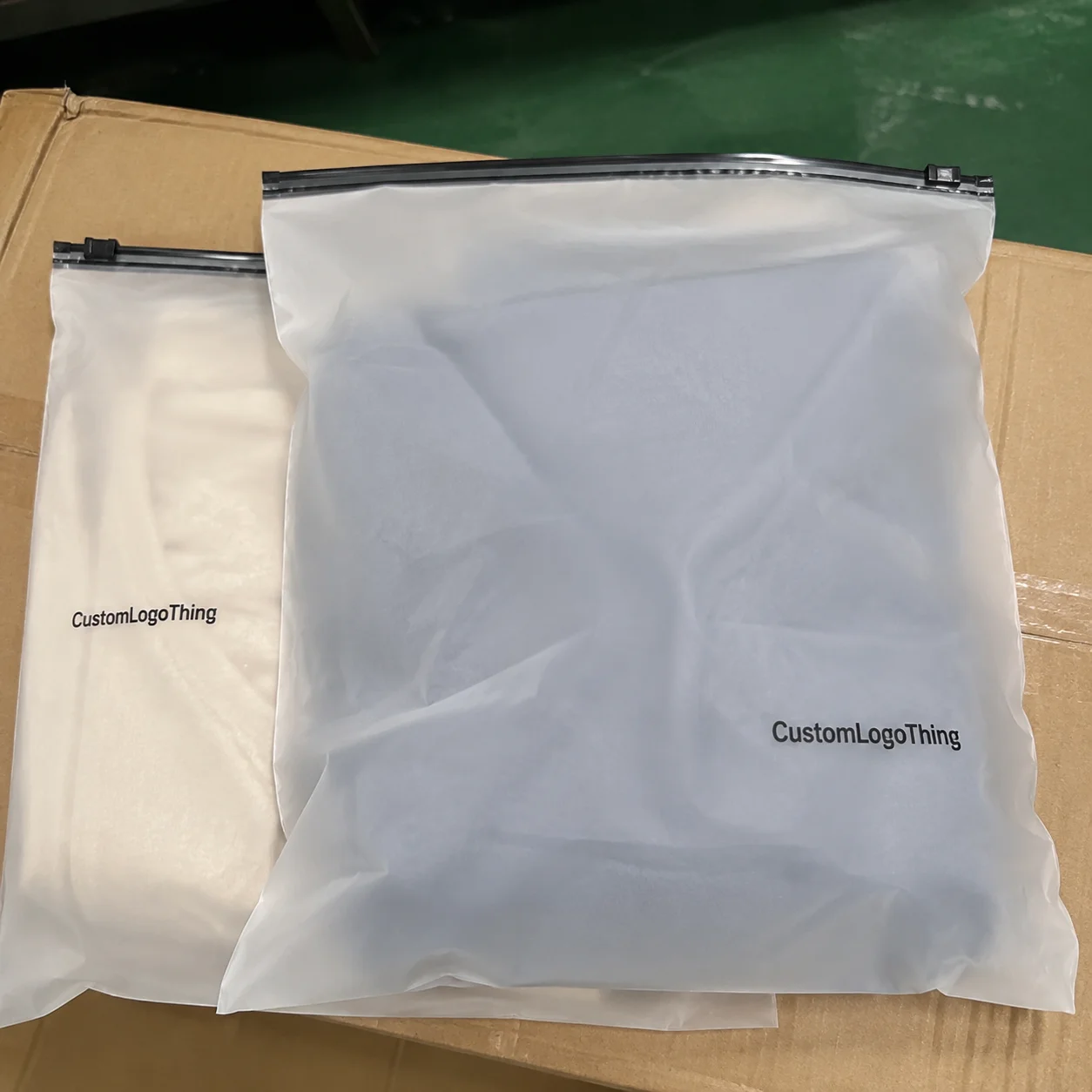
A $28 bracelet dropped into a cloudy, oversized bag looks like a clearance-bin afterthought. The same bracelet in a crisp, correctly sized clear zipper bag looks organized, protected, and ready for retail. Buyers comparing Clear Zipper Bags Unit Cost for jewelry are usually not just buying plastic; they are buying presentation, SKU control, faster packing, and lower handling risk.
The Jewelry Packaging Math Most Buyers Miss
Jewelry is a strange category from a packaging economics point of view. The product is often light, compact, and high in perceived value. A pair of earrings may weigh under 20 grams and still sell for $18, $48, or far more, which means a bag costing a few cents can influence the first impression of an item priced at hundreds of times the packaging cost.
That ratio matters. If a clear zipper bag costs $0.04, $0.09, or $0.18 per unit depending on size, thickness, print, MOQ, and freight, packaging still represents a small fraction of many jewelry orders. Yet it can decide whether the customer sees the piece as carefully handled or casually packed.
Clear Zipper Bags remain popular for earrings, rings, bracelets, charms, chains, beads, findings, pendant sets, repair parts, and boutique replenishment orders for practical reasons: visibility, resealability, moisture resistance, dust protection, and fast packing. A picker can see the item. A customer can inspect the item. A wholesale account can count the item. Nobody needs to open five bags to find one gold-filled chain.
Paper cards, cotton pouches, rigid boxes, and glassine envelopes all have a place. Rigid boxes improve gifting and shelf presence. Cotton pouches feel tactile and reusable. Paper cards can display earrings cleanly. Glassine envelopes offer a softer paper-based look. Still, Clear Zipper Bags often win in inventory storage, ecommerce fulfillment, component control, and unit cost.
The sharper buyer question is not “What is the cheapest bag?” It is “Which bag keeps the jewelry clean, visible, untangled, and cost-controlled from packing table to customer unboxing?”
Many brands underprice the labor side. A cheap bag that is too small, too cloudy, or too weak can add 8 to 20 seconds per packed unit as staff adjust cards, reopen zippers, reorient chains, or replace torn bags. On a run of 5,000 pieces, that becomes roughly 11 to 28 extra labor hours. Plastic is cheap. Repacking is not.
Clear Zipper Bag Product Details That Affect Retail Presentation
Clear zipper bags are transparent polyethylene or polypropylene bags with a press-to-close seal. They are used for jewelry display, storage, shipping inserts, component organization, sample kits, and backroom sorting. Simple product, many cost variables.
LDPE, or low-density polyethylene, is softer and more flexible. It works well for packing lines where staff need a bag that opens easily and tolerates repeated handling. PP, or polypropylene, has higher clarity and a crisper feel, which can make stones, chains, and metal finishes easier to inspect through the film. Recycled-content options may be available depending on quantity, compliance needs, and finish expectations, though recycled films may vary more in haze, color consistency, and hand feel than virgin material.
Common jewelry applications include anti-tarnish storage for silver pieces when paired with the right insert, individual earring sets, pendant chains, bead kits, repair parts, wholesale sample packs, and boutique replenishment orders. For sterling silver, the bag alone is not always enough. Anti-tarnish strips, controlled storage, and shorter exposure to air and humidity may also matter, especially for inventory that sits for months before sale.
Closure choices change both handling and presentation. A standard zipper is the common low-cost option. A double-track zipper adds more closure confidence for heavier or repeatedly handled items. Hang-hole zipper bags support peg display. Write-on panel bags help warehouse teams label SKUs, metal types, sizes, or repair notes without adding a separate sticker.
Optional details can push the bag from basic utility to more polished retail packaging. Rounded corners feel cleaner in hand. Reinforced seams reduce split risk. Suffocation warning print may be recommended or required depending on opening size, destination, and sales channel. Matte writable panels help with internal control. Hang holes support peg merchandising. Custom logo printing gives the bag a brand cue without the higher cost of a box.
Clarity is not decoration. It is a control feature. Buyers can inspect color, stone condition, chain style, clasp type, plating tone, or SKU match without opening the package. That reduces handling, fingerprints, repacking, and accidental mixing.
Custom Logo Things supports plain and logo-Printed Clear Zipper Bags matched to jewelry dimensions, quantity targets, and fulfillment needs. For a brand comparing clear zipper bags unit cost for jewelry, the practical starting point is not a generic price list. It is the actual bag size, film, thickness, closure, print, and delivery location.
Specifications to Lock Before You Request a Quote
A clean quote starts with locked specifications. If those change later, the price can move. Sometimes by a little. Sometimes enough to restart the comparison.
Before requesting pricing, define width, height, zipper placement, film thickness, material type, print colors, total quantity, closure style, and packing method. A 2 inch by 3 inch bag for studs is a different production equation from a 4 inch by 6 inch bag for bracelet cards. The plastic area changes, the carton count changes, and freight can change too.
Jewelry sizing needs more care than weight-based categories. Tiny stud earrings may use compact bags, especially if they are already mounted on small display cards. Bracelets and chains often need extra length to avoid curling or bunching. Carded jewelry requires room for both the product card and zipper clearance, because forcing a card against the zipper can deform the top edge and make the package look poorly fitted.
Thickness should be described in practical terms, not only as a number on a specification sheet. Lighter gauges suit storage, low-touch packing, and budget-driven bulk orders. Thicker gauges feel more premium and better resist punctures from clasps, earring posts, hooks, jump rings, or charm edges. For jewelry bags, buyers commonly evaluate film around 2 mil to 4 mil for many use cases, though the right number depends on product shape, handling, and desired feel.
Clarity and finish affect inspection. High-clarity PP or premium PE can improve product visibility. Frosted or matte accents can create a boutique look, but full frosted film may reduce the ability to inspect stone color, metal tone, or chain style. That tradeoff matters for ecommerce teams packing many similar SKUs.
Print placement deserves discipline. Logos should not cover the jewelry viewing area unless the bag is designed mainly for branding rather than display. A small logo near the lower corner, upper corner, or below the product zone often preserves inspection while still giving the bag a branded finish. Large ink blocks can look expensive on a mockup and annoying on a packing table.
Compliance is less glamorous, but it is not optional. Suffocation warnings may be required or recommended depending on bag opening size, destination market, and sales channel rules. For broader packaging safety and distribution testing context, buyers can review resources from ISTA, especially if jewelry kits ship through parcel networks in mixed cartons.
Send product dimensions or photos before finalizing. A chain, hoop earring, and charm bracelet can all be similar in weight and still need different bag proportions. Shape drives fit. Fit drives presentation. Presentation affects returns, reviews, and reorders.
| Jewelry Type | Typical Bag Consideration | Cost Impact | Buyer Watchout |
|---|---|---|---|
| Stud earrings | Compact bag, high clarity, card clearance | Lower material use | Bag may look oversized if chosen from a generic stock size |
| Bracelets | Extra length to reduce curling | Moderate plastic area increase | Charm edges can puncture thin film |
| Chains | Flat packing, anti-tangle control, SKU visibility | Depends on length and card use | Too much empty space encourages tangling |
| Bead kits and findings | Stronger seal, accurate counts, write-on panel | May require thicker film | Weak zippers can spill small components |
Clear Zipper Bags Unit Cost for Jewelry: What Changes the Number
Clear zipper bags unit cost for jewelry is shaped by material, size, thickness, print complexity, order quantity, special features, packing format, and freight. The bag may look small, but a half-inch increase in both width and height can add meaningful film area across 10,000 or 50,000 units.
Plain stock-style bags are usually faster and lower-cost. They use existing size formats, standard film, and no custom branding. Custom printed zipper bags add artwork checks, proofing, ink, production alignment, and often setup charges or plate-related costs depending on print method and order details.
Custom dimensions change the equation again. A manufacturer may need to schedule a specific size run, adjust sealing equipment, or allocate film more narrowly. That can make MOQ higher than a standard size. The same applies to specialty materials, unusual zipper tracks, hang-hole formats, or recycled-content requests.
Realistic cost ranges vary widely, but a buyer may see plain small clear zipper bags priced in the low cents at higher volumes, while custom printed jewelry zipper bags can move higher depending on thickness, print colors, and quantity. For example, 5,000 small plain bags will price very differently from 5,000 custom printed 3 mil PP bags with two-color artwork and carton-level labeling. The headline cost per piece is only one part of the decision.
The cheapest bag can become expensive fast. Poor zipper alignment slows packing. Weak seals allow products to spill or mix. Cloudy film makes stones and metal tones harder to verify. Incorrect sizing creates repacking labor or wasted inventory. A bag that saves $0.02 but causes 300 repacks is not a bargain.
There are practical cost-saving levers. Choose an existing size close to your need. Reduce unnecessary thickness if the jewelry is low-risk and protected by a card. Limit ink colors. Consolidate SKUs into two or three bag sizes instead of eight. Order in batches that match sell-through, so you gain bulk pricing without storing obsolete packaging for a discontinued line.
Compare quotes on landed cost, not just bag price. Freight, cartons, proofing steps, setup, rejected samples, and delivery timing can materially change the true cost per usable bag. If two quotes differ by $0.015 per unit but one excludes freight and the other includes it, the cheaper number may not be cheaper.
Custom Logo Things can quote based on exact dimensions, quantity, material, thickness, printing, and delivery destination, so the number reflects real production conditions. That matters because assumptions hide in small details: zipper style, carton pack count, print coverage, film grade, and deadline pressure.
Process and Timeline From Artwork to Packed Cartons
The buying process should be linear: inquiry, specification review, quote, artwork check, digital proof, sample or pre-production confirmation when needed, production, quality inspection, packing, and shipment.
That sequence protects the buyer and the manufacturer. If the quote is issued before dimensions are confirmed, the price can wobble. If artwork is approved before logo placement is checked against the jewelry viewing area, the finished bag may be technically correct but commercially weak.
Several details speed up the timeline: approved dimensions, vector artwork, confirmed logo placement, clear quantity targets, delivery address, billing details, and fast proof approval. Vector files such as AI, EPS, or clean PDF artwork usually reduce logo problems. Raster files can work in some cases, but low-resolution artwork may produce jagged edges or require redraw time.
Several details slow production. Unclear bag size. Product fit uncertainty. Multiple artwork revisions. Specialty film requests. Unusual zipper styles. International compliance questions. Last-minute quantity changes after materials are planned. None of these are rare, and most are avoidable with a tighter specification packet.
Sampling is a useful risk control for new jewelry lines. A physical sample can reveal whether a bracelet sits flat, whether the logo covers too much of the viewing area, whether the film feels too thin, or whether the zipper clearance is tight. Sampling adds time, but it can prevent a much larger error on a full run.
Lead time depends on specification review, artwork approval, sampling needs, production schedule, QC requirements, and shipping method. Plain standard bags usually move faster than custom printed or custom-sized zipper bags. Custom orders need proofing, production setup, print alignment, seal checks, carton packing, and freight coordination.
Buyers should work backward from the real date: product launch, market event, subscription box packing window, wholesale ship date, or ecommerce restock. Then add buffer for proofing and freight. If the jewelry has to ship on a Friday, the bag cannot arrive Friday morning and still be useful.
Custom Logo Things helps identify missing specifications early. That is not glamorous work, but it prevents the classic packaging failure: discovering at the packing table that the zipper presses into the product card, the bag is too wide for the bin, or the logo sits directly over the stone.
Quality Checks That Matter for Small, High-Value Items
Jewelry packaging has a different risk profile than bulk commodity packaging. The item is small, often delicate, and easy to scratch, tangle, mislabel, or lose.
Quality checks should cover film clarity, zipper strength, seal consistency, edge cutting, print registration, ink adhesion, hang-hole placement, carton count accuracy, and cleanliness. A bag used for a $4 hardware part can tolerate a different visual standard than a bag holding a plated charm necklace sold as a gift.
Zipper reliability is the first checkpoint to watch. A bag that pops open during storage or parcel movement can mix SKUs, expose jewelry to dust, or trigger customer complaints. One spilled bead kit or tangled chain assortment can erase the savings from a lower unit cost.
Print quality matters too. Logos should be legible, aligned, and sized for the bag. Overprinting near the zipper or side seams can distort the mark. Heavy ink coverage may reduce visibility or create a less refined look. For a small jewelry pouch, restraint usually looks more expensive than oversized branding.
Fit testing should be physical, not only digital. The jewelry should slide in without force, sit flat enough for presentation, and allow the zipper to close without pressing against stones, hooks, posts, or chain bulk. If staff must fold, squeeze, shake, or reorient each item, the bag is not correctly specified.
Consistent bag sizing also improves storage and packing efficiency. Ecommerce teams can bin SKUs more cleanly, count units faster, apply barcodes more consistently, and fulfill wholesale jewelry orders with fewer mistakes. That operational value is easy to overlook because it does not show up in the bag quote.
Packaging standards can also inform sustainability and material discussions. The EPA’s sustainable materials management resources are useful for buyers weighing waste reduction, right-sizing, and material efficiency. For clear zipper bags, the practical sustainability move is often right-sizing first: less excess film, fewer repacks, and fewer damaged or rejected units.
Quality protects margin. If packaging reduces returns, repacks, customer uncertainty, and SKU confusion, the clear zipper bags unit cost for jewelry becomes a control point rather than a throwaway expense line.
Next Steps to Get a Firm Bag Quote Without Rework
A firm quote needs firm inputs. Send the jewelry type, product dimensions, desired bag size, material preference, thickness, quantity, print colors, logo file, delivery destination, and deadline. If you are not sure about the bag size, send the product dimensions and a photo of the item in its current packaging.
For mixed jewelry collections, choose two or three target sizes before requesting final pricing. One universal bag may work if the line is narrow and the products are similar. Multiple sizes may cost slightly more to manage, but they can reduce wasted film, improve presentation, and prevent small pieces from floating inside oversized bags.
Photos are useful. Show the jewelry inside the current bag or pouch. Then say what is failing: too cloudy, too thin, too large, weak zipper, no logo, slow packing, difficult counting, barcode placement problems, or poor fit with product cards. That information is often more useful than a long description.
Evaluate the quote by comparing usable bag cost, MOQ, print method, setup charges, freight, proofing steps, carton packing, and delivery timing. A quote with a lower unit price but higher freight or longer lead time may not support the actual launch plan. A quote with better fit and fewer handling issues may save money after packing labor is included.
The decision path is fairly simple. If speed matters most, ask about available clear stock sizes. If branding matters most, prioritize print layout, logo scale, and film clarity. If cost matters most, standardize sizes, reduce ink colors, avoid unnecessary thickness, and increase order quantity where sell-through supports it.
Custom Logo Things can help convert those inputs into a practical production quote instead of a loose estimate. For a reliable clear zipper bags unit cost for jewelry, buyers should submit exact specs and have the real bag priced, not a rough version of it.
FAQ
What is a typical clear zipper bag unit cost for jewelry orders?
The unit cost depends on size, thickness, material, quantity, printing, and freight. Plain standard-size bags usually cost less than custom printed or custom-sized bags. For an accurate number, provide dimensions, quantity, print requirements, and delivery location so the quote reflects the actual bag, not a rough category price.
What MOQ should I expect for custom clear zipper jewelry bags?
MOQ varies by bag size, film type, and whether the bag is plain or custom printed. Standard sizes may support lower quantities than fully custom dimensions or specialty materials. If your order is near a price break, increasing quantity can often reduce the per-bag cost and improve bulk pricing.
Which thickness is best for clear zipper bags for jewelry?
Lightweight gauges can work for simple storage or low-cost packing. Thicker film is better for jewelry with clasps, hooks, posts, charms, or heavier handling. The right choice should balance feel, puncture resistance, clarity, product shape, and budget rather than chasing the thickest film automatically.
Can I print my logo on clear zipper bags for jewelry packaging?
Yes, logos can usually be printed on clear zipper bags depending on material, size, quantity, and artwork. Vector artwork is preferred for clean edges and accurate placement. For jewelry, logo placement should preserve visibility so customers and packing teams can inspect the item without opening the bag.
How long does production take for custom clear zipper jewelry bags?
Timeline depends on specification review, artwork approval, sampling needs, production capacity, quality checks, and shipping method. Plain standard bags are typically faster than custom printed or custom-sized bags. To avoid delays, confirm dimensions, quantity, artwork, and delivery deadline before proofing begins.