Small Bags Can Quietly Wreck Your Boutique Margins
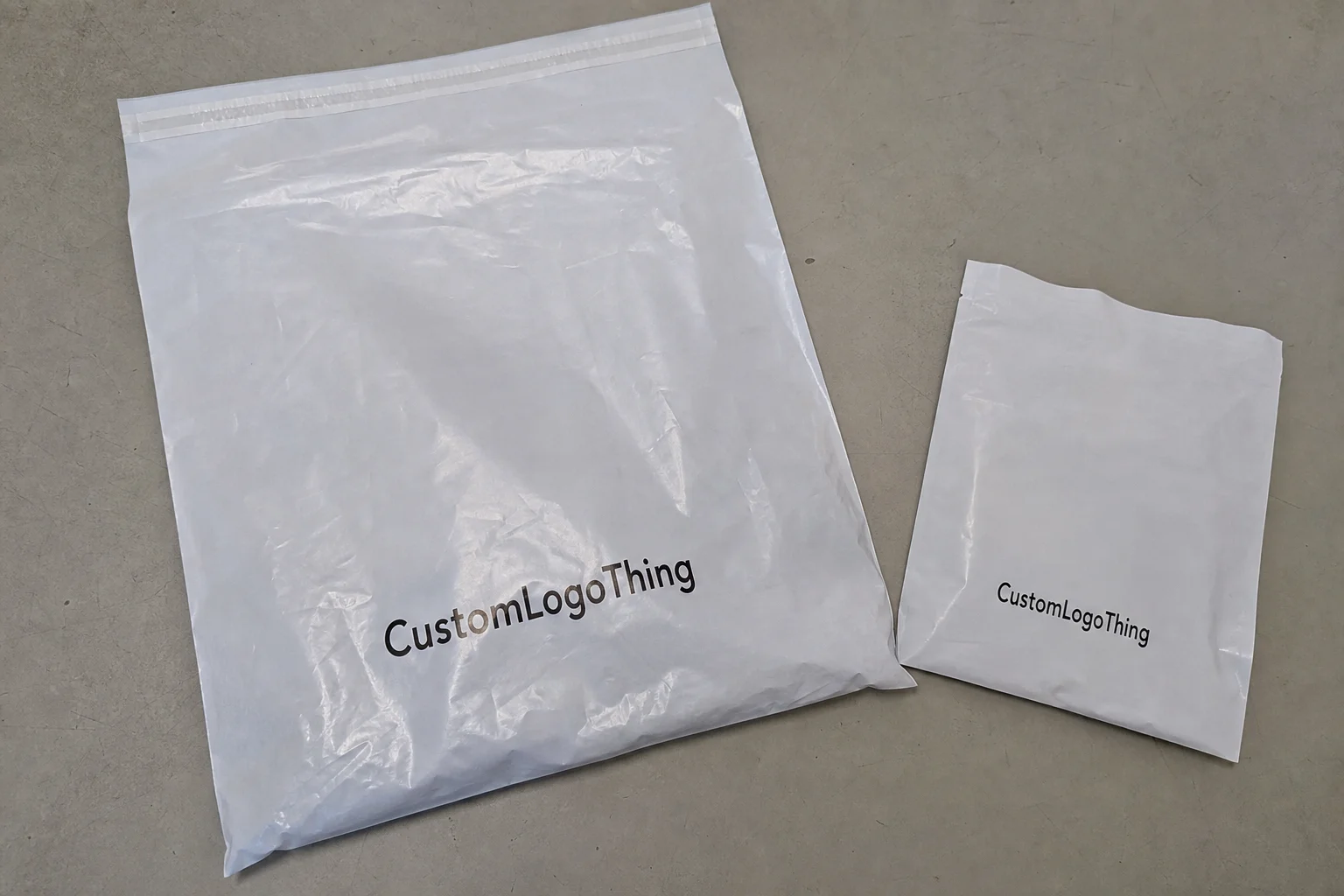
A boutique sells a $28 accessory, then spends $0.42 on the bag because nobody checked the Clear Zipper Bags unit cost for boutique orders before buying. Cute packaging is nice. Cute packaging that eats margin is just math wearing lip gloss.
Clear Zipper Bags protect small products while keeping them visible. Jewelry, hair clips, socks, stationery, beauty samples, press-on nails, scarves, craft kits, and small apparel add-ons all benefit from a clean transparent package. Shoppers can see color, texture, size, and contents without opening anything, which matters more than people admit.
For boutiques testing new SKUs, pop-up assortments, seasonal bundles, or Subscription Box Inserts, clear zipper bags are usually a lower-risk packaging choice than rigid boxes or fully printed pouches. They look organized, pack quickly, and do not force the product into a premium structure before the sales data supports that spend.
Simple bags do not always mean simple pricing. Unit cost changes with size, film thickness, zipper quality, material type, print method, quantity, packing style, and whether the order uses a stock size or custom tooling. A 3 inch by 5 inch clear PE bag with a one-color logo is not priced like a 10 inch by 13 inch CPP bag with a slider zipper and frosted back panel. Buyers still ask for “just a simple bag” all the time, and the quote has to translate that phrase into real production details.
Practical rule: packaging should support the sale, not become the reason your gross margin limps into the weekend.
The useful question is not whether clear zipper bags are affordable. Many are. The better question is which specification gives your product enough protection, enough brand presence, and enough retail polish without turning the package into a tiny margin leak repeated thousands of times.
What Clear Zipper Bags Actually Do for Boutique Products
Clear zipper bags are transparent plastic bags with a resealable press-to-close zipper, slider zipper, or similar closure. Most boutique applications use PE, PP, CPP, or laminated films. Each material has its own hand feel: soft, crisp, glossy, stiff, or more premium depending on structure and thickness.
PE is flexible and forgiving. PP is clearer and crisper. CPP offers strong clarity with a smoother retail feel. Laminated film can add durability, stiffness, or barrier performance, but it also increases cost per piece. No surprise there.
Common boutique uses include jewelry cards, handmade accessories, boutique apparel add-ons, swimwear, scarves, stickers, gift bundles, checkout counter items, cosmetics samples, lash packaging, and press-on nail kits. Flat products usually fit well. Soft products can work too if the bag has enough room and the film is not too flimsy.
The selling advantage is visibility. A shopper sees the item immediately. No guessing. No opening a sleeve at the counter, handling the product, then trying to stuff it back in while pretending everything still looks new. Clear packaging also helps staff scan inventory faster because color and product type are visible without flipping through opaque packaging.
Protection is the other job. Clear zipper bags help keep dust, fingerprints, shelf handling, loose threads, minor moisture exposure, and counter mess away from your products. They are not a vault. They are not a substitute for high-barrier packaging if the product needs oxygen, aroma, oil, or vapor protection. For many boutique goods, though, they are far better than naked inventory in a drawer.
Compared with other options, clear zipper bags sit in a useful middle lane. They are usually cheaper than folding cartons or rigid boxes, more reusable than open poly bags, more product-visible than opaque mailers, and faster to pack than fold-over sleeves. For retail display, a hang hole can make them pegboard-ready, but that detail should be selected on purpose rather than added because it sounds official.
They are not ideal for every product. Premium gifting may need structure. Heavy goods may need gussets or reinforced seals. Oil-based cosmetics, scented items, or oxygen-sensitive goods may need a better barrier film. If the packaging has to hold shape, block scent, or protect against serious puncture risk, a basic clear zipper bag may be underbuilt.
Clear Zipper Bags Unit Cost for Boutique Orders: What Moves the Price
The Clear Zipper Bags Unit Cost for boutique packaging depends on several dull variables. Dull variables are where the money hides.
The main cost drivers are bag dimensions, film type, thickness, zipper style, print method, print coverage, order quantity, packing requirements, shipping distance, and whether the job uses a stock size or custom tooling. A larger bag uses more film. A thicker bag uses more resin. A slider zipper adds components and labor. Multiple print colors add setup charges and quality-control steps. Machines do not care that your order “feels small.” Machines are rude like that.
For planning, simple stock clear zipper bags may land around $0.03 to $0.12 per piece in higher quantities, depending on size and thickness. Custom printed boutique bags often range from $0.08 to $0.35+ per piece. Larger custom bags, premium film, slider closures, matte effects, frosted panels, or complex print can push above that.
Small test runs cost more per unit because setup charges, proofing, plate preparation, labor, and machine time still exist. A 500-piece order does not divide those fixed costs very far. That is why a quote can look too high at low volume, then become reasonable at 3,000 or 5,000 pieces.
| Bag Type | Typical MOQ | Planning Unit Cost | Best Use | Cost Watchout |
|---|---|---|---|---|
| Stock clear zipper bag, unprinted | 500–1,000 pieces | $0.03–$0.12 each | Samples, quick launches, backroom organization | Branding requires labels, stickers, or inserts |
| Stock clear bag with label | 250–1,000 bags plus labels | $0.06–$0.20 each combined | Very small batches and seasonal tests | Label application adds labor and inconsistency risk |
| Custom printed stock size | 1,000–5,000 pieces | $0.08–$0.25 each | Boutique retail packaging with a logo or care note | Limited size flexibility |
| Fully custom printed zipper bag | 3,000–10,000 pieces | $0.12–$0.35+ each | Branded product lines and retail display | Tooling fees, proofing steps, and longer lead time |
MOQ ranges vary by supplier and specification. Stock sizes may start around 500 to 1,000 pieces. Custom printed bags often start around 3,000 to 10,000 pieces, especially if you need custom dimensions, special film, or direct print. Lower MOQ can sometimes happen through labels or digital decoration, but the unit cost usually climbs.
Here is where boutiques overspend: ordering too many sizes, choosing 4 mil film for items that only need 2 mil, printing full-coverage graphics on a package meant to show the product, adding vents without a real reason, or choosing slider zippers because they “feel premium” on a $9 item. Maybe they do. Maybe they just cost more.
Landed cost matters too. Shipping, cartons, duties, rush fees, and storage space can change the real cost per piece. A cheap bag that ships like a brick is not cheap. For imported or large-volume orders, ask whether the quote is EXW, FOB, delivered, or landed. If those terms sound annoying, good. They are annoying. They also decide who pays what.
If unit cost is the main concern, ask for quantity breaks. Compare 1,000, 3,000, 5,000, and 10,000 pieces when possible. The best price is not always the largest order once storage, cash flow, SKU changes, and rebrand risk enter the room.
Specifications That Matter Before You Ask for a Quote
A clean quote starts with clean specs. Send vague information and you get vague pricing. Send exact information and the supplier can price material, print, setup charges, carton count, and shipping with fewer assumptions.
Your quote request should include width, height, usable opening, bottom style, material preference, thickness, closure type, print colors, artwork placement, quantity, shipping ZIP or country, and deadline. If the bag needs a hang hole, vent hole, euro slot, barcode zone, suffocation warning, or retail peg display compatibility, say that early.
Size and Fit
Measure the product, not the bag you wish existed. Add clearance for backing cards, folded fabric, thicker seams, bundled items, or anything that makes the product puff out. A bag that is too tight looks cheap and slows staff down. For flat jewelry cards, add roughly 1/4 inch to 1/2 inch of width and height clearance. For soft apparel accessories, you may need 1 inch or more, depending on fold thickness.
Ask for usable dimensions, not just outside dimensions. The zipper track, seals, and bottom edge can reduce the space available inside the bag. This small detail causes very real packing headaches.
Film Thickness
Film thickness is commonly measured in mils in the U.S. One mil equals 0.001 inch. Lighter clear bags may use around 1.5 to 2 mil film for small flat goods like stickers, jewelry cards, or paper inserts. Boutique accessories and products handled often usually feel better at 2.5 to 4 mil. Heavy or sharp-edged items may need thicker film or a different structure entirely.
Do not overbuy thickness just to feel safe. Thick film costs more, ships heavier, and can look bulky on delicate products. Film that is too thin wrinkles, tears, and makes the product look like it came from a discount bin. Pick the right middle.
Material Choice
PE is soft, flexible, and common. PP is clearer and crisper, which can improve retail presentation. CPP gives good clarity with a smoother hand feel. Laminated film structures can add stiffness, durability, or barrier performance, but they usually raise bulk pricing and may require higher MOQ.
If sustainability claims matter, be careful. Do not put eco language on plastic packaging unless the material and end-of-life pathway support it. For paper-based accessory packaging or inserts, FSC certification can matter. For transit testing, especially if your packaged items ship in bundles or subscription boxes, ISTA procedures can help guide performance expectations.
Zipper Style
Standard press-to-close zippers are the usual choice for boutique clear bags. They are cost-effective and familiar. Slider zippers add convenience, especially for larger apparel bags, but they increase cost and can create bulk. Stronger zippers make sense if customers will reuse the bag, if the product is handled frequently, or if the contents press against the closure.
For most jewelry, accessories, stickers, and beauty samples, a standard zipper is enough. Spend the money on better fit or cleaner print first.
Print and Finish
Print options include a one-color logo, QR code, website, care line, barcode area, frosted panel, matte finish, spot print, or full custom branding. Boutiques should usually start clean. A clear front with a neat logo often sells better than a bag covered in artwork that hides the product.
If the clear zipper bag unit cost is under tight control, keep print simple: one color, one side, modest coverage, and production-ready vector art. That combination is boring in the best possible way.
Print Options, Branding Choices, and Cost Tradeoffs
Boutiques often do best with restrained branding. A small logo, web address, care note, barcode, or QR code can look sharper than a giant graphic nobody asked for. The product should still be the hero. If the bag is clearer than your pricing strategy, that is a separate problem.
Direct printing works well for volume orders because the logo is applied during production or finishing. It looks integrated and clean, but it usually carries MOQ requirements, setup charges, and artwork rules. Labels are better for very small batches or fast seasonal tests. They cost more in labor if someone applies them by hand, but they avoid custom bag commitments.
Hot stamping can create a premium metallic effect for select products. It is not always practical on flexible clear film, and it may limit fine detail. Frosted or matte effects can make a clear zipper bag feel more upscale, especially with jewelry, swimwear, skincare samples, or gift bundles. They also add cost. Funny how that works.
One-color printing is usually the most cost-efficient branded option. Multiple colors require tighter registration, more setup, longer proofing, and better artwork control. If your logo depends on gradients, tiny reversed text, or six colors, simplify it for packaging. A bag is not a billboard.
Print placement matters. Avoid placing important text across zipper tracks, side seals, fold zones, gussets, or areas that stretch when filled. If customers cannot read it once the product is inside, it is decoration theater. Keep key content inside a safe zone, usually at least 1/4 inch away from seals and closure areas, though the exact tolerance depends on the bag style.
Artwork should be supplied as vector files, usually AI, EPS, or production-ready PDF. Pantone or CMYK references help control color. Minimum line thickness and small text limits should be checked before proof approval. A blurry screenshot from a social profile is not production artwork. It is a cry for help in PNG form.
Smart boutique branding combinations include:
- Clear body plus one-color logo: clean, low-risk, and usually the best cost-control option.
- Clear front plus frosted back: premium feel while keeping the product visible.
- Hang hole plus barcode zone: useful for retail peg display and checkout scanning.
- Logo plus simple care message: helpful for apparel accessories, swimwear, scarves, and handmade goods.
- Stock bag plus branded label: practical for low MOQ testing before committing to direct print.
If you are comparing clear zipper bag quotes across suppliers, make sure the print method is the same. A labeled stock bag and a direct-printed custom bag are not equal quotes. They may both hold the product, but the production economics are different.
Production Process, Timeline, and Lead Time Expectations
The process is not glamorous. Good. Glamour usually means somebody skipped a detail.
A normal custom zipper bag order follows this sequence: confirm specs, review artwork, quote, approve digital proof, sample if needed, produce, inspect, pack, and ship. That plain sequence prevents expensive surprises. It also gives the supplier a chance to catch problems before material is cut or printed.
Stock unprinted bags may ship within a few business days if inventory is available. Stock printed bags often take roughly 7 to 15 business days after proof approval. Fully custom production usually runs 3 to 6 weeks, depending on film, print complexity, tooling, volume, and production queue.
Several things slow orders down: missing dimensions, low-resolution artwork, color changes after proofing, unusual film requests, custom tooling fees, payment approval delays, holiday congestion, and packaging decisions made by committee. That last one is deadly. Ten people reviewing a one-color logo can somehow consume a week.
Samples can help. Physical stock samples are useful for checking size, clarity, thickness, and zipper feel. Printed pre-production samples make sense for larger or premium orders, especially if the logo placement, finish, or material feel matters. Digital proofs are usually enough for simple one-color Logo Placement On a known stock size.
Not every order needs a paid sample. Guessing on size, though, is a classic expensive mistake. If you are packaging a folded scarf, swimsuit, or accessory bundle, test the fit physically before ordering thousands. Paper dimensions do not always tell the truth once fabric, air, and staff handling get involved.
Quality checks should include zipper alignment, seal strength, size tolerance, print registration, clarity, carton count, and random pull tests. Boutique packaging still needs production discipline. ASTM test methods may be relevant for material properties such as film strength, puncture resistance, or seal performance, depending on the product and distribution path. For shipped bundles, transit testing through ISTA-style thinking can help reduce damage risk.
Order before inventory runs out, not when the last ten bags are sitting on the packing table and everyone suddenly wants rush pricing. Rush orders exist, sure. They are rarely where good pricing lives.
Build a Spec Sheet Before You Request Pricing
The fastest path to a usable quote is a simple spec sheet. It does not need to be fancy. It needs to be complete.
Send Custom Logo Things the following:
- Product type and use case
- Product dimensions, including thickness when packed
- Desired bag size or requested sizing help
- Quantity range, such as 1,000, 3,000, and 5,000 pieces
- Material preference, such as PE, PP, CPP, or “recommend based on product”
- Thickness target, such as 2 mil, 3 mil, or “midweight retail feel”
- Zipper type, such as standard press-to-close or slider
- Print colors and artwork placement
- Logo file in vector format if available
- Shipping location and deadline
Request two or three quantity breaks. For example, ask for 1,000, 3,000, and 5,000 pieces. That shows where the unit cost actually improves. Do not assume the largest order is smartest if storage is tight, cash is limited, or the product line may change next season.
Ask for one practical option and one upgraded option. A practical option might be standard clear PE with one-color print. An upgraded option might be clearer PP or CPP, thicker film, a frosted panel, or a premium finish. Seeing both makes the tradeoff obvious instead of emotional.
Standardize sizes where possible. One bag that fits three SKUs is usually better than five nearly identical custom bags eating cash and shelf space. Perfect fit is nice. Controlled inventory is nicer when rent is due.
Custom Logo Things can help compare material choices, print methods, MOQ options, production-ready artwork requirements, and bulk pricing based on actual specs. That is the difference between a quote and a guess with a dollar sign in front of it.
If Clear Zipper Bags Unit Cost for boutique packaging is the deciding factor, send product dimensions, order quantity, logo file, shipping location, and deadline first. That keeps the pricing tied to product margin, not packaging guesswork.
FAQ
What is a realistic clear zipper bag unit price for boutique packaging?
For planning, stock clear zipper bags can range around $0.03 to $0.12 each in larger quantities. Custom printed boutique zipper bags often range from about $0.08 to $0.35+ each, depending on size, thickness, material, print, and order volume. The fastest way to tighten pricing is to provide exact bag size, quantity, print colors, and shipping destination.
What MOQ should a boutique expect for custom clear zipper bags?
Stock sizes may start around 500 to 1,000 pieces. Custom printed or custom-sized bags commonly start around 3,000 to 10,000 pieces, depending on print method, film, and dimensions. Lower MOQs may be possible with stock bags and simple labels, but the unit cost will usually be higher.
How do I lower the unit cost on clear zipper bags without making them look cheap?
Use one standard bag size across multiple products where possible. Choose one-color logo printing instead of full-coverage graphics. Avoid unnecessary thickness, slider zippers, hang holes, vents, or specialty finishes unless they support the product price. Ask for quantity breaks so you can find the best cost-per-piece point without overordering.
Are clear zipper bags good enough for premium boutique products?
Yes, if the material, clarity, fit, and print are chosen well. For a cleaner premium look, consider higher-clarity PP or CPP, neat logo placement, frosted panels, or slightly thicker film around 3 to 4 mil. For luxury gifting, rigid boxes or printed pouches may feel more premium, but they cost more and often hide the product.
How long does custom clear zipper bag production usually take?
Unprinted stock bags can often ship within a few business days if inventory is available. Printed stock bags may take about 7 to 15 business days after proof approval. Fully custom sizes, special materials, or complex printing often take 3 to 6 weeks, depending on the order details and production queue.


