Compare PVC Zipper Garment Bags Unit Cost for Beauty Packaging
When a $2 Dress Cover Carries a $200 Beauty Sale
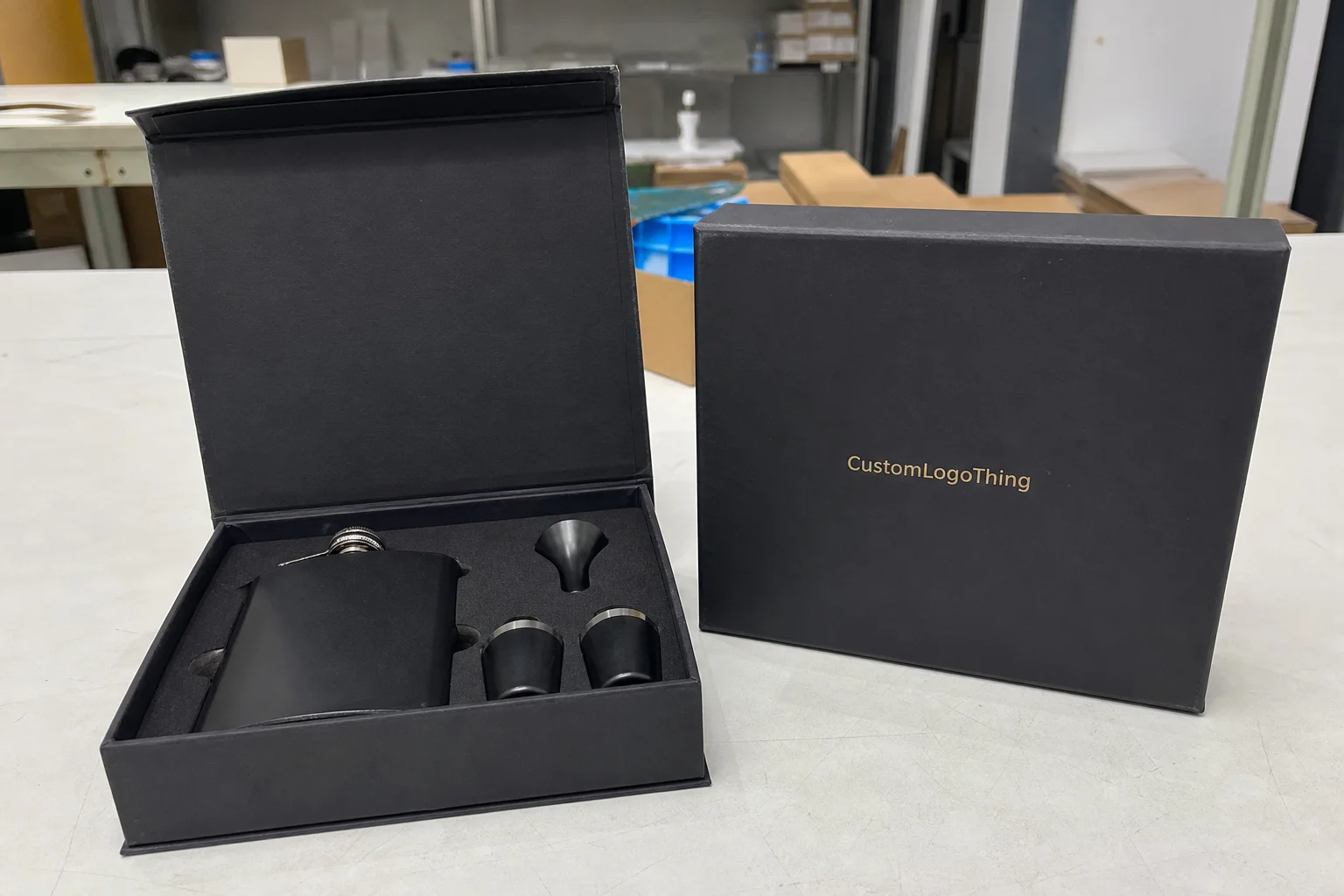
A spa robe can feel premium on the hanger and still lose that impression if it arrives in a cloudy sleeve with a weak closure. Buyers comparing PVC Zipper Garment Bags unit cost for beauty packaging need to look beyond the bag price alone, because protection, presentation, freight, and repeat handling all affect whether the final package feels credible.
Beauty packaging has an unusual job. It often protects soft goods that are not fragile in the usual sense, yet the visual damage from poor packaging is immediate. A salon cape stuffed into a thin sleeve looks temporary. A makeup artist robe in a creased bag looks discounted. A branded event garment with a zipper pull that jams at check-in creates the wrong impression before anyone sees the logo.
That is the commercial tension. The garment bag may represent only a small percentage of the finished product value, but it controls the first tactile moment. Clear PVC shows color, size, and fabric type. Frosted PVC softens the view while still allowing staff to identify contents. A zipper adds access without destroying the package, which matters for showrooms, training kits, beauty launches, spa storage, influencer mailings, and promotional wardrobe packaging.
From a buyer’s point of view, PVC Zipper Garment Bags sit between disposable poly sleeves and rigid retail boxes. They are more structured than basic plastic garment covers, yet they ship flatter and store more efficiently than most rigid gift boxes. They resist moisture, support repeated handling, and offer a printable surface for a logo, campaign slogan, size marker, barcode, or QR code.
Many teams under-spec this category because the product looks simple. It is not. The true cost per piece depends on film thickness, zipper quality, logo method, order quantity, carton packing, destination, and defect tolerance. A low quote can be legitimate, or it can be missing freight, setup charges, sample fees, upgraded zipper hardware, or the PVC thickness needed for repeated salon handling.
Packaging reality: a cheap garment bag is only cheap until the zipper fails at an event, the robe arrives wrinkled, or the retail associate cannot find the correct size quickly.
PVC Zipper Garment Bags Unit Cost for Beauty Orders
The quoted pvc zipper garment bags unit cost for beauty orders usually comes from a cluster of inputs rather than one simple material price. Finished size is the first variable. After that, PVC thickness, zipper type, slider quality, hanger opening, gusset depth, logo coverage, quantity, packing method, and delivery destination all move the number.
As a general buying pattern, a small custom printed PVC zipper bag for lightweight beauty apparel will usually price lower than a full-length robe bag with a gusset, reinforced hanger opening, and large logo print. Short event runs carry a higher unit cost because artwork setup, printing preparation, sampling, and production administration are spread across fewer pieces. Larger salon, spa, or beauty retail programs often improve bulk pricing because cutting, sealing, printing, and packing can repeat with fewer resets.
Larger bags, however, do not scale in a neat straight line. A bag that is 25% taller may not cost only 25% more. Material yield changes. Cutting waste may increase. The zipper is longer. Heat-sealing time can rise. Carton volume grows. Freight can become the quiet cost driver, especially when the bags ship flat in wide cartons with relatively low product density.
| Cost Driver | Typical Buyer Choice | How It Affects Unit Cost | Beauty Packaging Comment |
|---|---|---|---|
| Finished size | Short cape bag, folded robe bag, full-length garment cover | Larger patterns use more PVC and longer zipper runs | Measure the garment in its real packed position, not from a flat product photo |
| PVC thickness | Specified by mm or micron range | Heavier film increases material cost and carton weight | Thicker PVC is usually justified for robes, uniforms, and repeated storage |
| Printing | One-color logo, multi-color logo, full-panel graphic | More colors and coverage can add setup charges and longer production time | Beauty logos often work well as one or two bold spot colors |
| Zipper construction | Nylon zipper, plastic zipper, upgraded puller, reinforced ends | Better hardware increases cost but reduces visible failures | Zipper feel is part of the perceived product quality |
| Quantity | Launch order, seasonal run, recurring program | Higher volume spreads setup and administration across more units | Quote two or three tiers to see the practical cost change |
| Freight and packing | Carton count, shipping method, split delivery | Bulky cartons can raise landed cost even if the factory unit price is low | Ask for carton dimensions and units per carton before approving |
A serious quote should name the material thickness, finished size tolerance, logo print method, number of print colors, zipper details, packing count per carton, sample fees, tooling fees or plate charges if applicable, freight basis, and estimated lead time. If those fields are blank, the quote is not firm enough for purchasing approval.
MOQ matters as well. Custom Printed PVC Zipper Garment Bags usually need a minimum order quantity that balances setup labor, print preparation, and factory scheduling. Plain stock-style bags may allow lower starting quantities. Fully custom sizes with printed logos require more planning, especially if the order includes a special zipper pull, custom gusset, reinforced handle, or brand-specific artwork placement.
Be careful with the lowest first number. Thin PVC, weak zipper sliders, vague freight terms, no pre-production sample, and missing print charges can make the starting price look attractive. The real unit cost is the landed, approved, usable cost, not the smallest line item in an email.
Product Details That Matter for Beauty Garment Packaging
The standard construction is straightforward: a clear or frosted PVC body, full or partial zipper closure, hanger slot or reinforced hanger opening, heat-sealed edges, optional gusset, and printed logo panel. Small changes inside that list alter how the bag behaves in a salon, warehouse, retail backroom, or launch-event kit.
Clear PVC is practical because staff can identify robes, capes, uniforms, samples, colorways, and sizes without opening the bag. That reduces handling, which reduces scuffing, zipper wear, and repacking time. Frosted PVC creates a softer and more finished look while hiding minor folds better, yet still shows enough of the garment to be useful.
Zipper quality is one of the most visible quality signals. A nylon zipper may be suitable for many garment covers. A plastic zipper can give a slightly chunkier look. Metal-look pulls or branded pullers raise presentation, although they can also raise MOQ and tooling complexity. Reinforced zipper ends are worth discussing because repeated opening creates stress at the same points every time.
Handles need the same practical thinking. A die-cut handle can work for lightweight promotional pieces. A sewn-style or reinforced handle is better for heavier robes or multi-piece beauty sets. Some garment covers should have no handle at all if the main use is closet hanging or flat carton distribution. The wrong handle adds cost and can create tearing, distortion, or awkward packing.
Branding surfaces are flexible. A front logo is often the cleanest route. Full-panel print creates stronger retail presence, but it can reduce visibility and add print risk. Spot color graphics, care instructions, barcode areas, QR code panels, and campaign slogans can all work if the artwork has safe margins and does not collide with seams, zippers, handles, or hanger openings.
Sustainability deserves a direct answer. PVC is durable and reusable, but it is not the right answer for every eco-positioned beauty brand. Buyers should request material declarations, check local packaging rules, and think about actual usage life rather than making broad claims. The U.S. Environmental Protection Agency offers practical background on materials, recycling systems, and waste reduction at epa.gov/recycle. For shipping validation, especially when garment bags are part of a broader kit, standards from ISTA can help frame transit testing expectations.
One more detail: odor. PVC bags can have a noticeable smell immediately after production and packing. That does not automatically mean a defect, but premium beauty packaging should be aired, packed cleanly, and checked before customer-facing use. Ask about acceptable odor after airing and inspection standards before production begins, not after cartons arrive.
Specifications to Confirm Before Requesting a Quote
Good quotes start with good inputs. A buyer asking for “a PVC zipper bag with logo” will usually receive a cautious estimate or a long list of questions. A buyer sending a measured spec can get a much firmer unit cost.
- Finished width: measured across the bag body, allowing shoulder clearance.
- Finished height: measured from top edge to bottom seal, with allowance for garment length.
- Gusset depth: useful for robes, thick uniforms, or multi-piece sets.
- PVC thickness: specified as a target range rather than “good quality.”
- Zipper length and direction: full front zipper, side zipper, partial opening, or bottom-to-top direction.
- Hanger opening: slot, round opening, reinforced patch, or no opening.
- Edge reinforcement: especially for repeated use or heavier garments.
- Print location: front center, lower panel, upper logo, barcode zone, or full panel.
- Print colors: Pantone references are better than “pink” or “gold.”
- Quantity: include launch and reorder volumes if possible.
Thickness should match use. Thinner PVC can work for lightweight promotional garments that will be handled once or twice. Heavier PVC is better for spa robes, salon uniforms, repeated backroom storage, and premium gifting. Thicker is not automatically smarter, though, especially if it makes the bag bulky, expensive to ship, or too rigid for folding into a kit.
Sizing is where many mistakes begin. Measure the actual garment hanging or folded, then add clearance for shoulders, sleeves, fabric loft, and zipper closure. A robe with a belt can be much bulkier than its flat measurements suggest. A salon cape may be wide at the shoulder area but thin through the body. If the bag is too tight, the zipper line bends, the garment wrinkles, and the package looks strained.
Print method choices also affect cost and quality. Screen printing is efficient for bold logos and simple spot colors. Heat transfer or digital-style methods may suit detailed artwork, gradients, or smaller runs, depending on production capability. Large white logos on frosted PVC can look clean and premium. Metallic effects may look attractive on a mockup but should be tested because plastic surfaces, inks, and curing conditions vary.
Production tolerance is real. Custom Plastic Bags are not precision-machined parts. Buyers should avoid layouts that depend on exact millimeter placement, ultra-tight garment fit, or print alignment directly against a zipper edge. A practical spec accepts normal tolerance while protecting the brand-critical elements: logo position, zipper function, surface clarity, and garment fit.
Use a simple quality checklist before approving the sample or first production batch:
- Clear or evenly frosted surface with no major scuffs
- Even heat seals without sharp edges
- Smooth zipper travel across multiple open-close cycles
- Correct logo color against approved artwork
- Consistent PVC thickness and hand feel
- Clean carton packing without excessive compression
- Acceptable odor after reasonable airing
- Carton labels that match SKU, color, size, and quantity requirements
For buyers comparing PVC zipper garment bags unit cost for beauty programs, these specifications prevent the classic problem: five suppliers quoting five different products while all calling them “custom garment bags.”
Production Steps, Timeline, and Lead Time Expectations
The production path is predictable when the spec is clear. Submit dimensions, garment use, artwork, quantity, and delivery details. Receive a quote. Confirm the artwork. Approve a digital proof. Review a physical sample if needed. Approve bulk production. Manufacture, inspect, pack, ship, and receive.
Each step carries a different risk. Artwork approval can move in a day if the vector file, Pantone references, and print placement are ready. Sampling can add several business days or more, depending on custom size, zipper construction, print method, and freight method. Bulk production timing depends on material availability, order volume, factory queue, and whether the job uses standard construction or special components.
A physical sample adds confidence. It also adds time. For a new robe program, high-value launch kit, or premium beauty retail set, that time is usually justified. You can test garment fit, zipper feel, PVC clarity, logo size, handle comfort, and carton packing before committing to the full run. For a repeat order with approved specs, a digital proof and purchase order may be enough if nothing has changed.
Artwork preparation deserves discipline. Send vector logo files such as AI, EPS, or clean PDF when possible. Include Pantone or brand color references. Define print size in inches or millimeters. Mark safe margins around zippers, seams, and hanger openings. If the logo must align with the garment inside, say so early because that can affect bag dimensions and packing orientation.
Inspection should not wait until final delivery. Practical checkpoints include material verification, zipper testing, seal strength checks, print registration, logo color review, quantity count, and carton labeling. If the garment bags will ship as part of beauty kits, consider the broader pack-out environment as well. A perfect bag can still arrive damaged if cartons are overfilled, under-labeled, or stacked poorly.
Most delays are not caused by heat sealing or zipper installation. They come from unresolved sizing, late artwork revisions, uncertain delivery addresses, unclear carton labels, and last-minute changes to shipping method. Build approval time into the schedule. A buyer who needs bags for a launch event should treat proof approval as part of production, not as a quick administrative formality.
Scheduling tip: if the event date is fixed, work backward from the delivery date, then add buffer for sample review, artwork corrections, carton transit, and receiving inspection.
How Custom Logo Things Reduces Packaging Risk
Custom Logo Things helps beauty buyers turn a presentation goal into a manufacturable PVC zipper garment bag spec. That sounds basic, but it is the part that protects the budget.
A buyer may start with a simple request: clear garment bags with a logo for spa robes. The real quote needs more structure. How wide is the robe at the shoulder? Will it hang or fold? Is the robe terry, satin, waffle, or microfiber? Is the bag customer-facing or backroom-only? Does the logo need one color or multiple colors? How many cartons can the receiving location accept?
Custom Logo Things quotes around dimensions, thickness, printing, zipper construction, MOQ, packing, and freight rather than pushing one generic plastic bag. That matters because two bags can look similar in a photo and behave very differently in use. A small gusset change may help a thick robe sit naturally. A stronger zipper may prevent complaints during launch distribution. A slightly smaller print area may reduce setup complexity without weakening the brand presentation.
Sampling is not decoration. It is risk control. If fit, thickness, zipper feel, or premium appearance matters, a sample can reveal problems before the full order is packed into cartons. For repeat runs, approved spec sheets and artwork proofs reduce ambiguity and help the next batch match the previous one.
Beauty brands and purchasing teams can also consolidate related plastic bag needs through Custom Logo Things. Poly mailers, frosted bags, die-cut handle bags, garment bags, retail pouches, and promotional sleeves often belong to the same packaging program even if they are ordered at different times. Consolidating specs can make brand color, logo scale, carton labeling, and reorder planning cleaner.
The value is not hype. It is fewer surprises. A low pvc zipper garment bags unit cost for beauty quote means very little if the bag is too tight, the zipper jams, or the logo prints too close to the seam. Clear approval points, production spec sheets, artwork proofs, and carton details create a better path from estimate to usable goods.
Build a Quote Packet That Gets a Firm Unit Cost
The fastest way to get a useful price is to send a complete quote packet. It does not need to be a perfect technical drawing. It only needs enough detail to remove guesswork.
- Choose the garment type: spa robe, salon uniform, cape, influencer robe, event apparel, retail add-on, or makeup artist kit garment.
- Measure the garment: width, height, shoulder span, folded thickness, and any bulky belt, hood, or sleeve detail.
- Decide the use: hanging storage, folded kit packing, customer handout, warehouse protection, or retail display.
- Select the look: clear PVC for easy identification or frosted PVC for a softer premium effect.
- Choose a thickness target: lightweight for short-term promotion, heavier for repeated handling.
- Define zipper preference: full zipper, partial zipper, nylon zipper, plastic zipper, upgraded puller, or reinforced ends.
- Estimate quantity: include both launch quantity and reorder quantity if the program will repeat.
Gather brand assets before the quote request. Send a vector logo, Pantone or brand color references, print size, print location, QR code if used, care text if required, and photos of packaging styles you like or want to avoid. A reference photo is helpful, but do not rely on it alone. Photos rarely show thickness, zipper quality, carton packing, or production tolerance.
Quote at two quantity tiers whenever possible, such as a launch order and a reorder order. The first run may carry more sampling, setup charges, and decision time. The second may show better production efficiency once the specs are approved. That comparison gives purchasing teams a clearer view of cost per piece and helps marketing decide whether a premium construction is viable at scale.
Delivery details also change the real number. Provide the warehouse address, event date, shipping preference, carton labeling needs, and whether split shipments are required. If one portion must ship to a beauty event and the balance to a fulfillment center, say that before the quote is finalized. Split delivery can affect packing instructions and freight cost.
Decide how much sampling you need. Request a physical sample if fit, thickness, zipper feel, logo scale, or customer-facing presentation matters. Use a digital proof only when speed is more important and the construction is already familiar. Neither route is always right. The better choice depends on risk, deadline, and order value.
To compare pvc zipper garment bags unit cost for beauty accurately, send complete specs instead of asking for a generic per-bag estimate. Custom Logo Things can then quote the bag you actually need: the right size, the right zipper, the right logo method, the right MOQ, and the right landed unit cost for your beauty packaging program.
FAQ
What affects PVC zipper garment bag unit cost for beauty brands the most?
The biggest drivers are bag size, PVC thickness, zipper quality, print coverage, order quantity, packing method, and freight destination. A larger or thicker bag may cost more not only in material, but also in carton volume and shipping weight. Custom printing adds setup charges and production costs, especially when artwork uses multiple colors or large coverage.
What MOQ should I expect for custom PVC zipper garment bags?
MOQ depends on size, print method, material choice, and production scheduling. Plain or lightly customized bags may have a lower starting quantity than fully custom printed garment bags. For an accurate MOQ, provide dimensions, thickness, logo details, and whether you need a sample before bulk production.
Are PVC zipper garment bags suitable for spa robes and salon uniforms?
Yes. They are commonly used for robes, uniforms, capes, promotional garments, and beauty-event apparel because they protect items while keeping them visible. For heavier robes or repeated use, choose stronger PVC thickness and reliable zipper construction. If garments will hang, confirm the hanger opening and shoulder width so the bag does not pull or deform.
How long does production take for printed PVC zipper garment bags?
Timeline depends on artwork approval, sampling, order volume, material availability, and shipping method. A physical sample adds time but reduces risk when fit, thickness, and zipper feel are important. Repeat orders usually move faster if the previous specs, artwork, and packing instructions remain unchanged.
What should I send to get an accurate quote for beauty garment bags?
Send finished bag dimensions, garment type, PVC thickness preference, zipper style, quantity, print artwork, number of colors, delivery address, and required delivery date. Include photos or reference packaging if you want a specific look or construction. Ask for pricing at multiple quantities to compare the realistic unit cost for launch orders versus reorders.


