A salon launch kit looks polished until the pressed stylist coats arrive wrinkled, dusty, and mixed in with loose product samples. That is the kind of problem custom PVC Zipper Garment Bags for beauty brands are designed to prevent: they protect apparel, keep kits organized, and turn a practical garment cover into visible branded packaging.
Custom PVC Zipper Garment Bags for Beauty Brands: What They Really Do
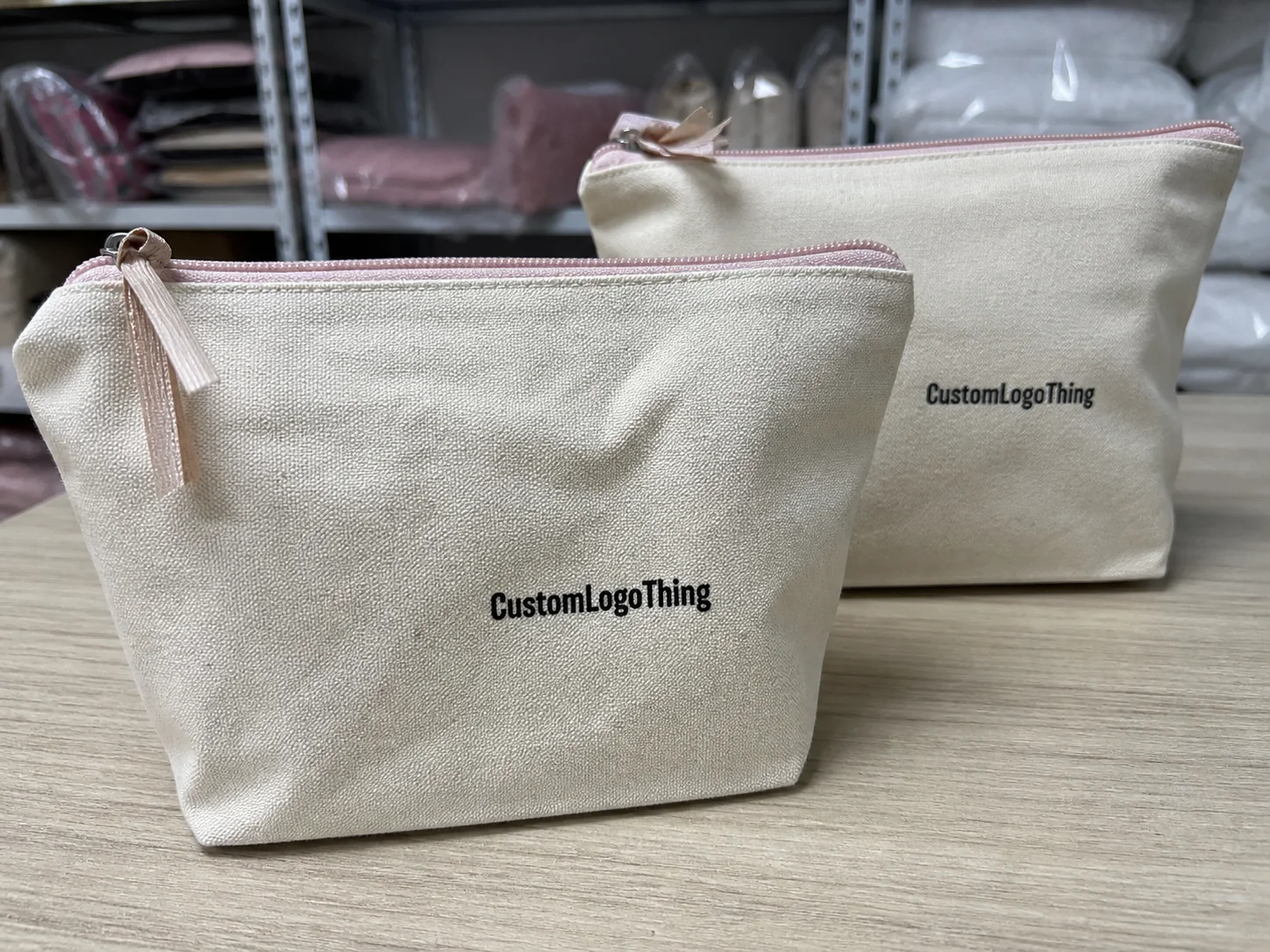
Beauty brands handle more apparel than many people outside the industry realize. Stylist coats, spa robes, makeup artist aprons, influencer event outfits, bridal team garments, trade show wardrobe sets, and retail gift-with-purchase apparel all need to stay clean, identifiable, and presentable before they reach a hanger, treatment room, counter display, or changing area.
A flexible PVC zipper garment bag is more than a storage sleeve. It works as a protective package, a presentation piece, and an inventory tool in one item. The basic structure is simple: PVC film, a zipper closure, a hanger opening, optional gusseting, and a custom logo, label, patch, or insert area. For beauty, wellness, spa, cosmetics, and salon teams, that simple structure can solve several small handling problems that become expensive during launches or multi-location rollouts.
Clear or tinted PVC lets staff see the garment inside without opening the bag. That matters during event setup, where five black stylist coats in five plain covers can waste time at the worst possible moment. PVC also wipes clean easily, which is useful around cosmetics counters, prep tables, treatment rooms, and backstage areas where powder, hair product, skin care samples, and shipping dust tend to travel.
From a packaging buyer’s point of view, the value is not only in the bag itself. It is in reducing garment mix-ups, protecting pressed apparel during transit, and making the kit feel intentional. These bags are often used for salon uniform rollouts, spa robe storage, influencer wardrobe mailers, launch event apparel, bridal beauty team kits, and trade show wardrobe management.
Packaging-floor reality: the best garment bag spec is rarely the most expensive one. It is the version that matches garment weight, handling frequency, shipment method, and the level of brand presentation the project actually needs.
The practical decisions are construction, film thickness, finish, zipper quality, print method, size, and timing. None of these choices is especially difficult, but they should be made in the right order. Fit comes before decoration. Handling requirements come before premium features. A clear purpose saves money and usually produces a better-looking bag.
How PVC Zipper Garment Bags Are Built and Branded
Most PVC Zipper Garment Bags start with flexible PVC film supplied in rolls or sheets. The film is cut to size, layered or folded into panels, and joined at the edges. Depending on the thickness and final design, seams may be heat sealed, sewn, or made with a combination of sealing and stitching. Heat sealing gives a clean edge on many flexible bag styles, while sewing can help on thicker constructions, reinforced openings, handle points, and high-stress areas.
Zippers deserve more attention than they often receive. Nylon coil zippers are common because they bend well with flexible bags and usually open smoothly across long lengths. Plastic sliders keep the piece light and cost-efficient. Metal pulls can feel more premium, but they may raise cost and can scratch glossy surfaces during bulk packing if the bags are not protected. Branded pull tabs are possible, though they usually add setup cost, approval steps, and sometimes higher minimums.
The shape should follow the garment. Flat covers work well for one lightweight coat, apron, or folded uniform. Gusseted garment bags add depth for plush robes, jackets, layered stylist sets, or outfits that need room through the shoulder and body. Short apparel bags are useful for folded uniforms and retail bundles. Full-length bags are better for gowns, long coats, dresses, and wardrobe pieces that should hang naturally.
At the top, a hanger opening lets the hook pass through. A reinforced top cutout helps reduce tearing if the filled bag is carried by the hanger or moved frequently on rolling racks. Some designs include a snap flap or dust guard near the hanger area to reduce exposure around the shoulders, where lint and shipping dust often settle first.
Branding can be handled several ways. Screen printing is common for bold, one-color or two-color logos. Heat transfer may suit certain artwork styles, depending on film compatibility and finish. Labels or patches can work for small runs or projects where the buyer wants a flexible branding solution. Printed inserts are another practical route, especially if the brand wants to test a campaign message without committing to permanent print on every bag.
Beauty logos often include fine type, delicate symbols, foil-like effects, soft gradients, or pale-on-pale color palettes. Those details can look beautiful on cartons, pouches, and retail displays, but flexible PVC needs a production-minded review before the artwork is approved. Line thickness, color count, ink opacity, print position, and viewing distance all affect the finished result. A pale champagne logo may look refined on a frosted bag in the proof, then disappear over a cream robe unless the print method and placement are chosen carefully.
Finish changes the tone. Clear PVC says practical and product-visible. Frosted PVC softens the presentation and reduces glare. Tinted PVC can support a brand color, such as blush, smoke gray, amber, or soft lavender. Opaque PVC adds privacy for VIP kits and wardrobe handling. Glossy film feels sharp and retail-like, while matte or frosted surfaces tend to feel calmer and more spa-oriented.
Material, Size, and Feature Choices That Matter Most
PVC thickness is one of the first specs to settle. A thinner film feels light, folds easily, and may be enough for single-use event distribution or light garments. Heavier film gives more structure, better durability, and a more premium hand feel, especially for repeated handling by salon teams, stylists, retail staff, and event crews.
Typical flexible PVC garment bags may fall around 0.10 mm to 0.30 mm in thickness, although exact availability depends on supplier, finish, and production method. A light bag for a single apron might sit near the lower end. A reusable robe or jacket bag may need something closer to the middle or upper range, particularly if the bag ships filled, hangs for long periods, or is handled many times.
Size should come from the garment, not from a generic chart. Measure the apparel on a hanger. Record shoulder width, full hanging length, sleeve spread if the garment is bulky, and thickness at the widest point. Then allow breathing room. A coat that is 38 inches long may need a bag closer to 40 or 42 inches, depending on hanger shape, zipper placement, and whether the hem must stay flat.
Gussets deserve special attention. A flat bag works for one lightweight garment, but robes, jackets, layered uniforms, or multiple pieces often need a side or bottom gusset. Without depth, the garment pushes against the zipper and seams, creating stress. That stress can lead to snagging, distorted presentation, or early failure.
Visibility is another design choice with practical consequences. Clear PVC makes product identification fast. Frosted PVC reduces the stark look of clear plastic and can feel more elevated. Tinted PVC supports package branding and can tie into a larger visual system with custom printed boxes, tissue, labels, and retail displays. Opaque PVC adds privacy for wardrobe teams or VIP apparel, though it removes the quick-identification advantage.
Small features can make the bag easier to use:
- Zipper length: full-length access is easier for coats and gowns, while shorter openings may work for folded apparel.
- Pull style: larger pulls are easier for staff wearing gloves or working quickly during setup.
- Hanger opening reinforcement: useful if garments are carried or shipped on hangers.
- Carry handles: helpful for event apparel and trade show transport, but they need reinforced anchor points.
- Document pocket: practical for size cards, staff names, look numbers, packing lists, or care instructions.
- Size label window: valuable for salon uniforms and multi-location rollouts.
- Interior divider: useful when one kit includes a coat, belt, scarf, or accessory set.
Beauty industry use cases vary. Spa robes may need drying time after laundering before they go into a PVC bag, because non-breathable storage can trap moisture. Salon uniforms need easy identification by size and staff role. Event apparel needs stronger transport protection because it may move through cartons, rolling racks, hotel rooms, and backstage areas before use.
Buyers sometimes over-focus on added features and under-focus on fit. A well-sized, clear 0.20 mm PVC bag with a smooth zipper and correct logo placement can outperform a feature-heavy bag that is too tight across the shoulders.
| Use Case | Suggested Construction | Practical Spec Notes | Best Branding Choice |
|---|---|---|---|
| Single stylist coat or apron | Flat PVC zipper bag | Light to mid-weight film, hanger opening, one-color logo | Screen print or label |
| Plush spa robe | Gusseted garment bag | Mid to heavier film, reinforced top, larger zipper pull | Frosted PVC with bold logo |
| Influencer event outfit | Full-length clear or tinted bag | Document pocket, careful packing, premium finish | Tinted PVC with screen print |
| Trade show wardrobe set | Gusseted bag with handle | Strong seams, size window, reinforced handle points | High-contrast logo and ID pocket |
Pricing, MOQ, and Unit Cost Drivers to Understand
Pricing depends less on the label “PVC garment bag” and more on the full bundle of specifications: dimensions, film thickness, finish, zipper quality, construction style, gusset depth, print method, artwork coverage, quantity, sampling, and freight. Two bags that look similar in a small web photo can price very differently once the actual spec is defined.
Size is a direct cost driver. Larger bags consume more PVC, require more cutting area, take more sealing or sewing time, and may need careful packing to prevent creasing or scuffing. A short folded-uniform bag uses far less material than a full-length robe or gown bag with a 3-inch gusset.
Film thickness and finish also affect price. Standard clear PVC is usually more cost-efficient than specialty tinted, frosted, matte, or textured film. Heavier film costs more per square inch and can take more time to process. Premium textures or custom colors may bring higher minimums because the material itself must be purchased in larger quantities.
Printing has its own economics. A one-color logo in one position is typically more efficient than multi-color artwork with tight registration. Large print coverage uses more ink, takes more setup care, and may need testing for opacity on clear or tinted film. Special inks, multiple print locations, very fine cosmetic-style type, and color matching can add cost.
Minimum order quantity, or MOQ, is often tied to material purchasing, machine setup, print setup, and labor efficiency. It is not always a supplier being difficult. Setting up a line to cut, print, seal, zip, inspect, and pack 75 highly customized bags can take nearly as much coordination as a larger run, so unit cost rises sharply at very low volumes.
For broad budgeting, simple custom PVC Zipper Garment Bags might land around $1.20 to $3.50 per unit at moderate quantities, depending on size and print. More developed styles with gussets, heavier film, pockets, handles, custom zipper pulls, or specialty finishes can move into the $3.50 to $8.00+ range. Very small runs, complex samples, and rush freight can push the effective unit cost higher. These are planning ranges, not a quote, because material markets, specifications, and shipment terms change.
Ask for a good-better-best comparison. For example, request one quote for a flat clear bag with one-color print, one for a frosted mid-weight bag with gusset, and one for a premium tinted version with pocket and reinforced handle. That comparison often reveals whether thickness, print size, or order quantity is driving the biggest difference.
| Spec Choice | Typical Cost Impact | Buyer Note |
|---|---|---|
| Larger dimensions | Medium to high | More material, more carton space, more freight volume |
| Thicker PVC film | Medium | Improves structure and durability, but adds material cost |
| Gusset | Medium | Worth it for robes, jackets, and multi-piece sets |
| Multi-color print | Medium to high | More setup, registration control, and proofing time |
| Custom zipper pull | High upfront | May require tooling or higher MOQ |
| Document pocket | Low to medium | Useful for size, staff name, kit list, or care card |
Process and Timeline From Specs to Finished Bags
A good order process starts with discovery. The manufacturer or packaging partner needs garment type, target quantity, desired dimensions, use case, destination, deadline, logo files, color expectations, and any retail or event requirements. If the apparel is bulky or high-value, photos and measurements on a hanger help more than a short written description.
The usual sequence looks like this:
- Confirm garment type, quantity, use case, and delivery deadline.
- Measure the garment on a hanger and choose the bag format.
- Select PVC thickness, finish, zipper style, gusset, pockets, and handles.
- Prepare artwork, preferably vector files such as AI, EPS, or editable PDF.
- Review quote tiers and adjust the spec if budget or timing requires it.
- Approve a digital proof or request a physical sample.
- Approve pre-production details before bulk production.
- Complete production, quality checks, packing, and shipping.
Artwork proofing should not be rushed. The proof should show logo placement, print size, print color, bag dimensions, zipper direction, hanger opening, gusset position, and any pockets or handles. If the logo sits over the garment’s darkest area, the proof should make that visible. If the zipper opens from the bottom rather than the top, someone needs to catch that before production begins.
A digital proof is faster and cheaper. It can be enough for simple projects with standard clear PVC, a one-color logo, and familiar dimensions. A physical sample gives better confidence on film feel, zipper movement, logo opacity, and real garment fit. For expensive robes, launch kits, retail presentation, or high-volume rollouts, sampling is usually money well spent.
Production time varies with material availability, print complexity, order size, approval speed, workload, quality expectations, and freight method. As a working planning range, simple repeat-style projects may need around 12 to 20 business days after final proof approval. New custom samples plus bulk production can easily require 4 to 8 weeks, depending on the spec and shipping lane. Rush projects are sometimes possible, but rush decisions often remove useful testing time.
Small delayed decisions can cost more time than the actual sealing or printing. The bag itself may not be complicated, but teams can lose a week debating zipper direction, logo scale, or whether the robe should hang or fold. Decide those points early. Your production calendar will thank you.
For event launches, trade shows, salon openings, influencer mailers, and seasonal uniform rollouts, build in buffer time. A clean target is to have finished bags in hand at least 7 to 14 days before packing begins. If the garment bags need to be filled, labeled, inserted into product packaging, or matched with custom printed boxes, add more room.
Quality control should be defined before production, not after cartons arrive. Basic checks may include finished dimensions, zipper movement, seam strength, hanger opening position, print placement, print adhesion, color consistency, scuffs, odor, and carton packing condition. If the bags will ship filled, it is also sensible to test one packed garment through the real handling path: hanger, rack, carton, unpacking table, and final presentation.
For broader handling and transport planning, packaging buyers can reference testing frameworks from ISTA, especially if filled kits ship through parcel networks. For sustainability and packaging waste considerations, the EPA Sustainable Materials Management resources are useful background, though PVC decisions should be reviewed against your own distribution, compliance, and recovery requirements.
Common Mistakes Beauty Brands Make When Ordering
The first mistake is measuring the garment flat on a table. Apparel behaves differently on a hanger. Shoulders spread, sleeves fall, hems shift, and bulky fabric creates depth. If the bag is built from flat measurements only, the filled result can look tight, crumpled, or undersized.
The second mistake is choosing the thinnest film only to save cost. Thin PVC can be perfectly fine for light, short-term use. It is not always ideal for repeated handling by salon teams, stylists, event crews, or retail staff. A bag that collapses, wrinkles heavily, or tears near the hanger opening can make an otherwise polished brand kit feel cheap.
Logo placement creates another common problem. A beautiful mark can disappear over dark fabric, land awkwardly across a belt, or sit right on top of a robe collar. With custom pvc zipper garment Bags for Beauty Brands, the garment inside is part of the visual composition. Proof the bag with the actual apparel color in mind, not on a blank white background only.
Zipper stress is easy to underestimate. Overfilled bags, tight gussets, weak sliders, and thick robe fabric can cause snagging or early failure. If the bag will hold multiple pieces, spec the depth honestly. A 2-inch gusset may look slimmer in a carton, but a 3-inch or 4-inch gusset may protect the zipper and seams far better for plush textiles.
Another mistake is assuming all clear PVC looks the same. Clarity, slight tint, surface gloss, flexibility, odor, scratch resistance, and fold behavior can vary noticeably from one specification to another. Ask for material samples if the look and hand feel matter to the brand experience.
Shipping and storage get forgotten too. Garment bags may ship folded, stacked, or packed in cartons. Heavy compression can create creases, especially on thicker glossy film. If crease tolerance is low because the bags are part of a Premium Retail Packaging presentation, discuss packing method, carton count, interleaving, and unpacking instructions ahead of time.
Compliance questions matter for retail, international shipment, or high-volume promotional programs. Requirements can depend on destination, use, labeling, material additives, and customer expectations. Not every garment bag needs the same documentation, but it is better to ask early than to discover a restriction after production.
One more caveat: PVC is protective and highly practical, but it is not breathable. Do not use it as a long-term damp-textile storage solution. Robes, towels, capes, and freshly laundered uniforms should be fully dry before packing. If the garment needs extended storage in a humid setting, ask whether ventilation details or an alternate material format should be considered.
Actionable Next Steps Before You Request Samples or a Quote
Start with a garment list. Keep it simple, but make it specific: item type, hanging length, shoulder width, thickness, fabric type, whether it travels alone or with other pieces, and whether the garment must stay pressed. A list with six measured items is more useful than a vague request for “custom apparel bags.”
Choose the primary use case before you choose the finish. Long-term closet storage, salon back-room organization, retail presentation, launch event distribution, influencer kit packing, and trade show transport all point toward different specs. A clear flat bag may be best for uniform sorting. A frosted gusseted version may be better for robe presentation. A handled bag may be smarter for event transport.
Prepare artwork correctly. Vector logos are strongly recommended because they keep edges clean and make proofing more accurate. Include brand color references such as Pantone values if color matters. Decide whether the logo should feel subtle and premium or high-contrast and highly visible. Those are different print decisions.
Before contacting a supplier, build a checklist:
- Bag width, length, and gusset depth
- PVC finish: clear, frosted, tinted, opaque, matte, or glossy
- Approximate thickness target
- Zipper color, pull style, and opening direction
- Hanger opening size and reinforcement
- Handle, pocket, divider, or size label window
- Logo size, print position, color count, and artwork file type
- Target quantity, delivery location, and deadline
Ask for quote tiers at different quantities. A 500-piece order may price very differently from 1,000 or 2,500 pieces because setup costs spread across more units. If budget is tight, ask for one alternate construction: smaller logo print, no pocket, standard clear film, or a flat format instead of gusseted. Sometimes a modest spec change saves more than expected.
Request a fit review if the garment is bulky, expensive, or central to a launch. Sending a sample garment, clear photos, or a short video of the garment on a hanger can prevent avoidable production issues. The goal is not to overcomplicate the order. The goal is to catch fit, zipper, and presentation problems while they are still cheap to fix.
If these bags are part of a broader branded packaging program, review adjacent formats too, including pouches, apparel sleeves, mailer kits, and presentation cartons. Custom Logo Things has a wider range of Custom Packaging Products that can support uniform rollouts, promotional kits, retail packaging, and product packaging sets. You can also browse Case Studies for examples of how packaging design decisions change across different types of branded projects.
Once your brand has measurements, artwork, quantity, and deadline in hand, you can compare custom pvc zipper garment bags for beauty brands based on function, cost, and presentation instead of guessing. That is the cleaner way to buy: spec the bag around the real garment, the real handling path, and the brand impression you want people to remember.
FAQ
What are custom PVC garment bags for beauty brands usually used for?
They are commonly used for salon uniforms, spa robes, stylist coats, event apparel, influencer wardrobe kits, trade show outfits, and branded retail presentation. They help protect garments from dust, handling, light moisture, and mix-ups while keeping the brand visible through custom printing, labeling, or package branding details.
How thick should PVC zipper garment bags be for robes or uniforms?
Light garments can often use thinner flexible PVC, while heavier robes, jackets, and repeated-use uniforms usually benefit from a thicker film with stronger seams. The right choice depends on garment weight, handling frequency, whether the bag ships filled, and whether the brand wants a soft flexible feel or a more structured premium presentation.
Can custom PVC zipper bags be printed with small beauty brand logos?
Yes. Small logos, fine lettering, and delicate cosmetic-style artwork should be reviewed for print method, line thickness, color opacity, and placement. Vector artwork is strongly recommended because it keeps logo edges clean and makes proofing more accurate before production.
What affects the cost of custom PVC zipper garment bags the most?
The biggest cost drivers are bag size, PVC thickness, zipper style, gusset or pocket features, print coverage, number of colors, order quantity, and sampling requirements. A quote with multiple quantity breaks and one or two simplified spec options can help identify the best value.
How long does production take for custom zipper garment bags?
Timeline depends on material availability, artwork approval speed, sampling needs, print complexity, order quantity, quality checks, and shipping method. Simple projects may take about 12 to 20 business days after final approval, while new custom samples plus bulk production often need 4 to 8 weeks.


