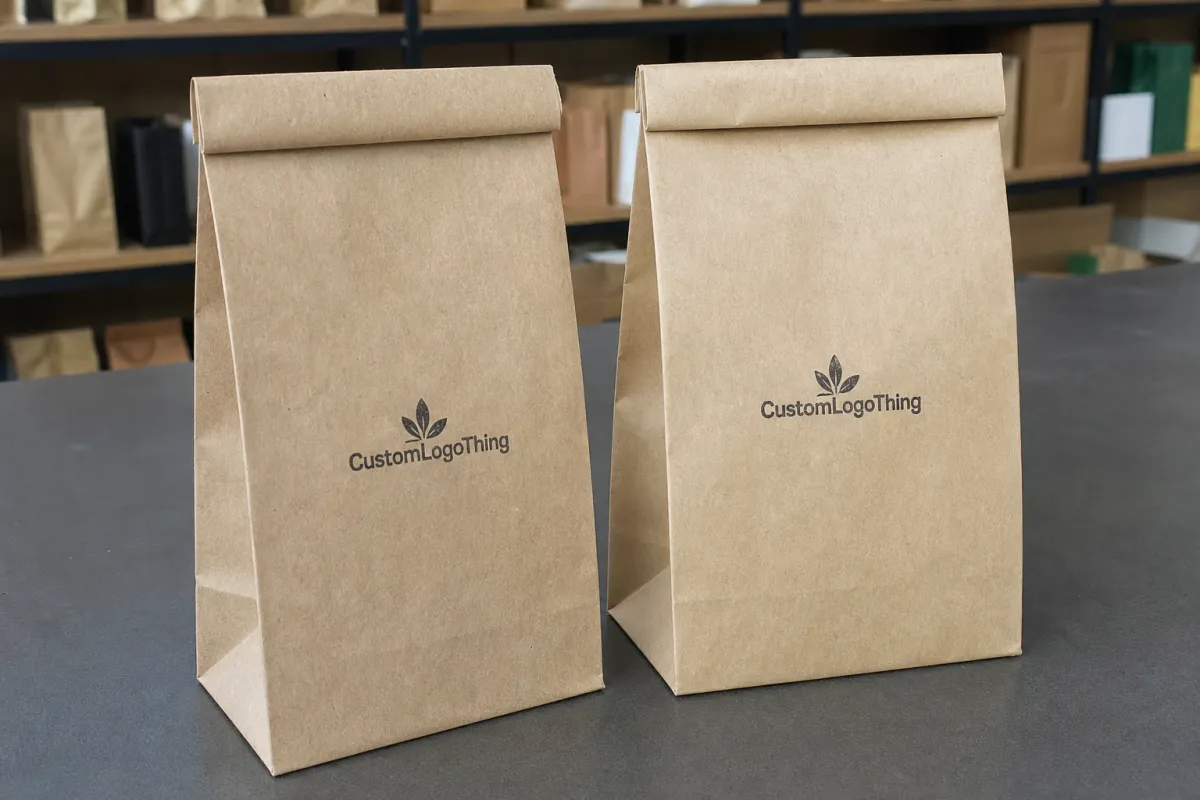
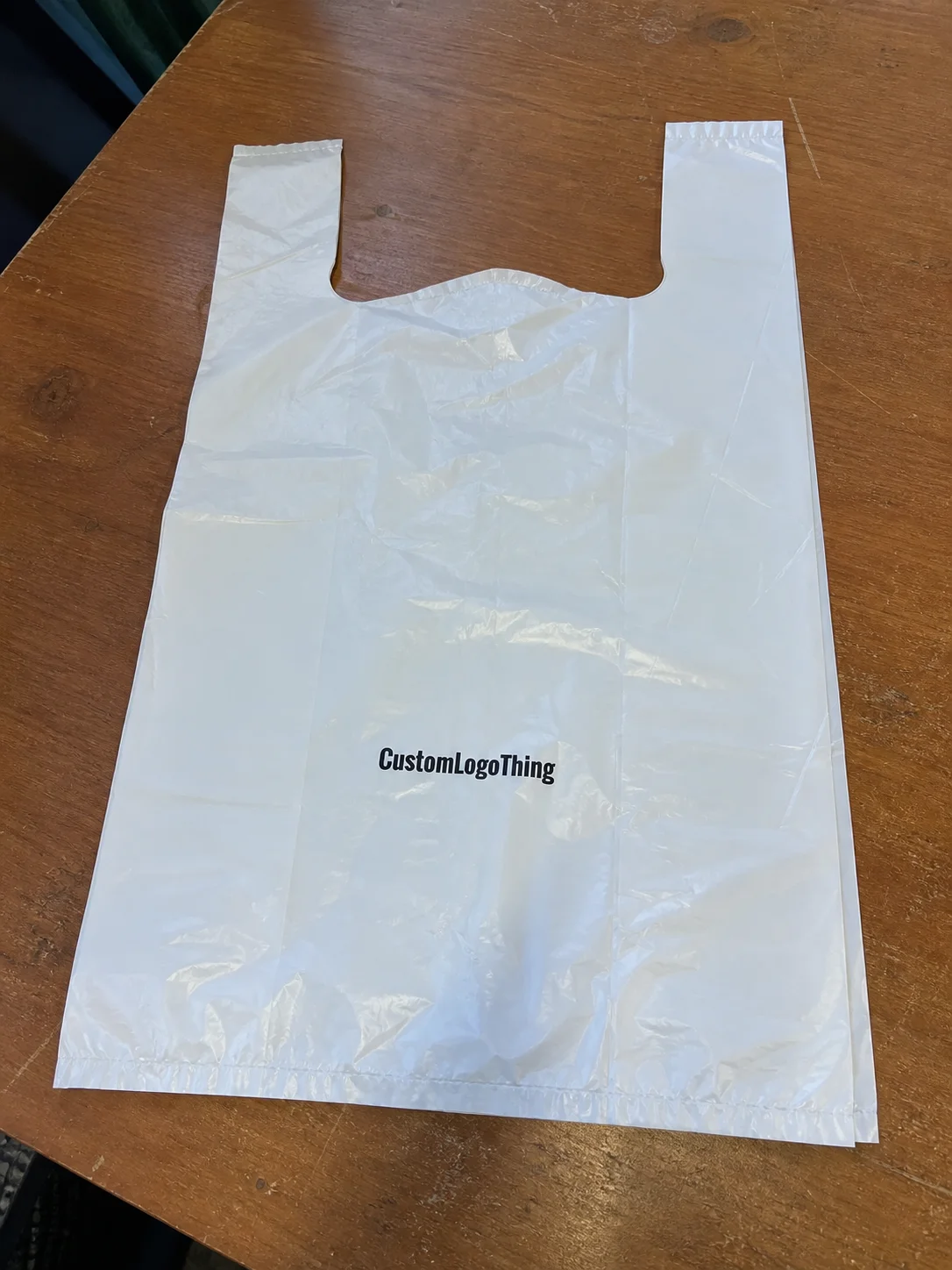
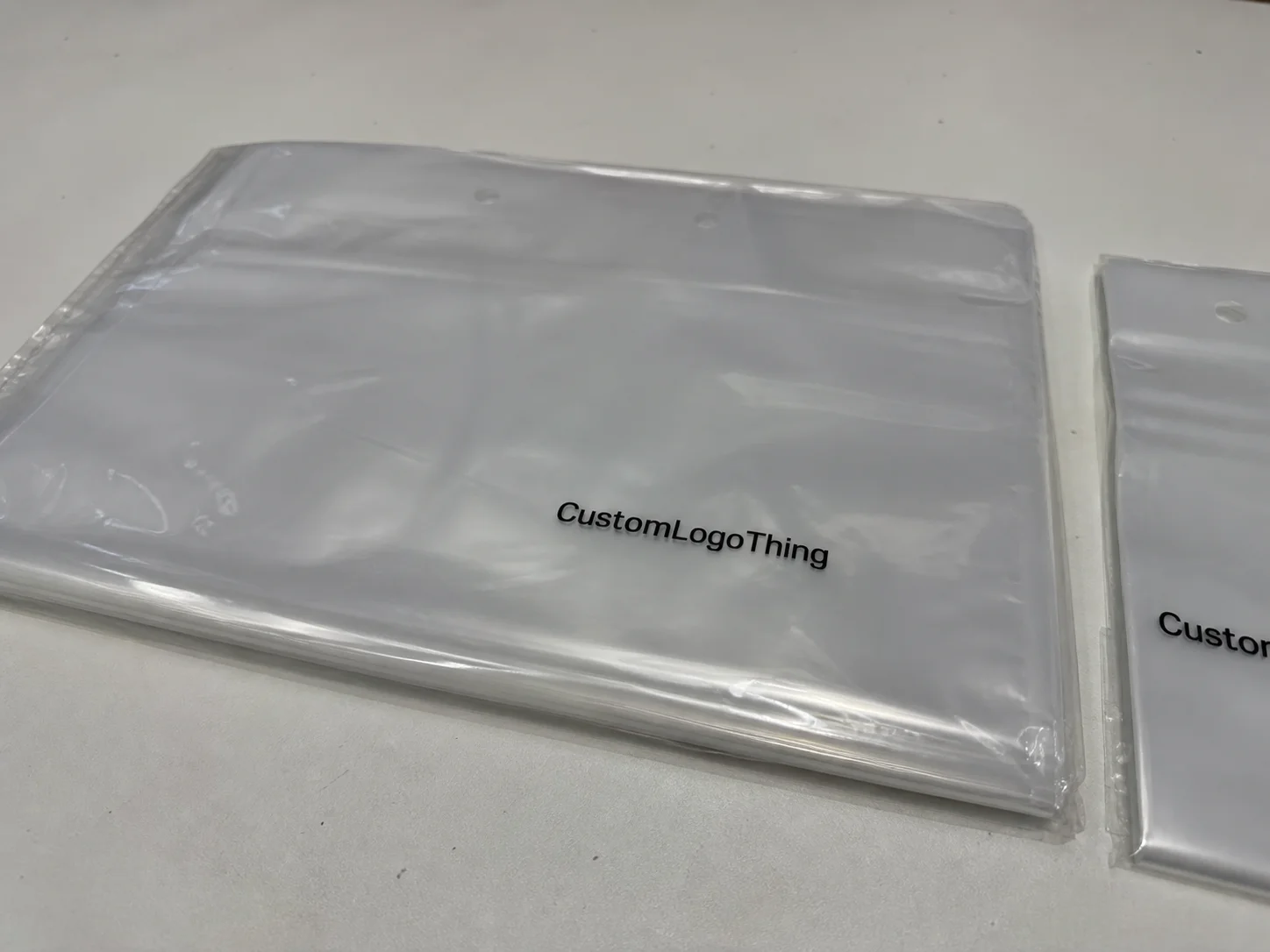
Buyer Fit Snapshot
| Best fit | Compostable Paper Bag Supplier projects where brand print, material claims, artwork control, MOQ, and repeat-order consistency need to be specified before quoting. |
|---|---|
| Quote inputs | Share finished size, material target, print colors, finish, packing count, annual reorder estimate, ship-to region, and any compliance wording. |
| Proofing check | Approve dieline scale, logo placement, barcode or warning zones, color tolerance, closure strength, and carton packing before bulk production. |
| Main risk | Vague material claims, crowded artwork, missing packing details, or unclear freight terms can make a low unit price expensive after revisions. |
Fast answer: Compostable Paper Bag Supplier: Film, Print, MOQ, and Carton Packing should be specified like a repeatable production item. The safest quote records material, print method, finish, artwork proof, packing count, and reorder notes in one written spec.
Production checks before approval
Compare the actual filled-product size with the drawing, then confirm tolerance on folds, seals, hang holes, label areas, and retail display edges. Reserve space for logos, QR codes, warning copy, and material claims before decorative graphics fill the panel.
Quote comparison points
Review material grade, print process, finish, sampling route, tooling charges, carton quantity, and freight assumptions side by side. A quote is only useful when the supplier can repeat the same color, closure quality, and packing count on the next order.
If you are comparing a compostable paper bag supplier, start with the one question that tends to save people the most trouble: what, exactly, is compostable in the finished bag? The paper may be fiber-based and the sample may look clean, but the ink, adhesive, liner, coating, or window can quietly change the claim. That is the messy part of sustainable packaging. A bag can look natural and still miss the mark because one small component does not belong in a compost stream.
From a packaging buyer's point of view, the job is pretty straightforward, even if the details are not. Find a compostable paper bag supplier that can show the material stack, explain how the bag behaves in real use, and be honest about the limits. If you are buying for a cafe, bakery, retail launch, or delivery program, the bag has to hold up, print well, and support a believable end-of-life story. That is not an extra. That is the baseline.
Years ago, while reviewing samples for a food service client, I saw a bag that checked every visual box until we opened the spec sheet and found a thin plastic window hiding in the structure. The sample looked great on the table. The claim did not survive the paperwork. That kind of thing happens more often than buyers think, and it is exactly why the supplier conversation has to go beyond the first sample in your hand.
What a Compostable Paper Bag Supplier Really Means
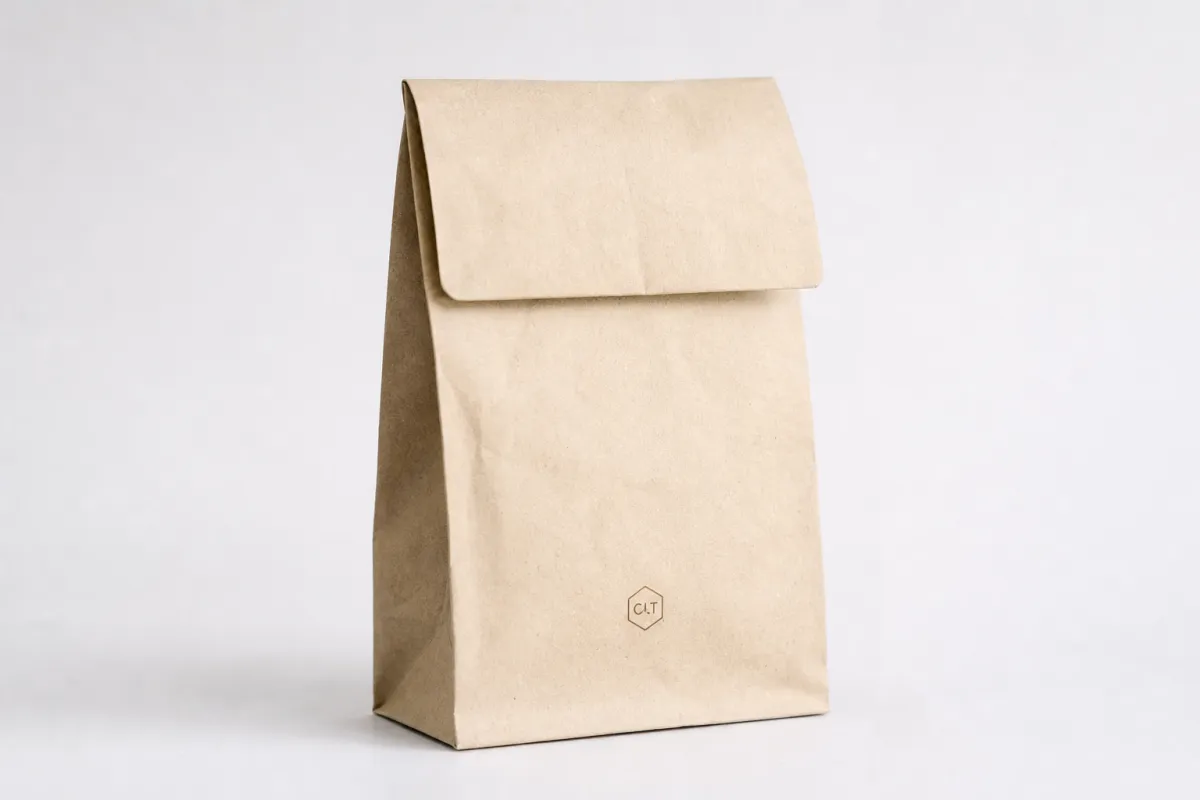
A real compostable paper bag supplier should be able to explain the full bill of materials without sidestepping the parts that matter. What grade of paper is being used? Is there a liner? What glue holds the seams together? Is the print system water-based, soy-based, or something else? If the bag has a window, what is that film made from? These details matter because one non-compostable component can ruin the whole claim. The paper may be fine, but the bag is only as honest as its weakest layer.
That is why the word “paper” is not enough. A paper-based bag designed for composting usually uses kraft paper, recycled paper, or a specialty fiber stock, plus compostable or fiber-compatible finishing choices. In some cases, the print will use water-based inks and low-residue adhesives. In other cases, the design needs to avoid barrier coatings altogether. A compostable paper bag supplier should not just nod and say, “Yes, it is green.” They should explain which parts are certified, which parts are acceptable within the structure, and which parts are still a compromise.
Take a practical example. A bakery might replace plastic-window pastry bags with a paper bag that uses a fiber-based or compostable window, or it may remove the window entirely to keep the claim cleaner. A retail brand might want carry bags for in-store pickup and delivery. The bag still needs to fold correctly, survive handling, and print sharply with the logo. A compostable paper bag supplier who only talks about the paper stock is missing the part that actually affects customer use.
There is also a terminology problem. People sometimes use compostable, recyclable, and biodegradable as if they mean the same thing. They do not. A paper bag can be recyclable but not compostable, compostable but only under industrial conditions, or made from recycled fiber and still fail a compostability test because of a finish or adhesive. If a supplier glosses over that, they are making your compliance team do the hard part later. Nobody enjoys that little surprise.
Here is the uncomfortable truth: many bags are marketed as compostable, but they are only partially compostable or only compostable under industrial conditions. That distinction matters. Standards such as ASTM D6400, EN 13432, and related certification programs show what has been tested and under which conditions. If a supplier cannot describe the standard, the testing scope, and the end-of-life limits in plain English, they are selling vibes, not packaging.
Buyer reality check: if the supplier cannot explain the paper grade, glue, coating, and print system in one clean conversation, the sample is not the problem. The spec is.
There is also a branding angle. Compostable packaging sits at the intersection of eco-friendly packaging, green packaging, and actual performance. A bag that claims a lower carbon footprint sounds great, but that claim still needs support. Fiber sourcing, transport distance, print coverage, and disposal path all change the math. In practice, the best compostable paper bag supplier is the one that can talk about tradeoffs instead of pretending every option is perfect.
For buyers who care about responsible sourcing, FSC certification can be useful on the paper side. You can review the FSC framework if you want a clearer picture of forest-management claims. That does not automatically make a bag compostable. It only helps separate fiber sourcing from end-of-life claims, which are two different conversations. Packaging gets messy when people try to treat them as one thing.
How a Compostable Paper Bag Supplier Works
A compostable paper bag supplier is not just taking an order and sending boxes. The process usually starts with a brief, then material selection, sizing, dieline work, artwork review, sample production, approval, mass production, quality inspection, packing, and shipping. If that sounds like a lot for a bag, that is because it is. Custom packaging lives or dies on small decisions: one millimeter off in width, the wrong fold style, or a handle that looks fine in a mockup but feels flimsy in hand.
Material choice changes almost everything. Kraft paper tends to feel natural and strong, but the print result can be more muted. Recycled paper can support a circular economy story, yet the fiber blend may affect brightness and stiffness. Specialty compostable papers may align better with the claim, but they can narrow finishing choices. A good compostable paper bag supplier should be able to say, “This stock works well for a bakery bag,” or “This one handles retail weight better,” instead of pretending every paper behaves the same. It does not.
Then comes finishing. Handles, gussets, seals, coatings, and the print method all influence the final result. A water-based coating can improve moisture resistance, but not every water-based coating is compostable. A reinforced handle may improve carry strength, but the reinforcement paper and adhesive still have to fit the overall claim. A compostable paper bag supplier worth trusting will call out safe options, conditional options, and no-go options. That is useful. It saves you from expensive optimism.
It also helps to know whether the supplier owns the factory or brokers the order. Neither model is automatically bad. A factory-direct supplier may offer tighter control over lead time, color consistency, and inspection. A broker may have more flexibility across multiple plants and can sometimes find a better fit for unusual specs. The tradeoff is control. With a broker, you are often buying coordination. With a factory-direct compostable paper bag supplier, you are often buying closer production control. Either can work. The difference shows up when something changes midstream.
In the best case, the supplier gives you a clear production map:
- Brief review: size, use case, target weight, print coverage, and disposal claim
- Spec build: paper type, gsm, handles, coating, and finish
- Sampling: one or two physical prototypes, not just a PDF
- Approval: artwork sign-off and spec confirmation
- Production: batch manufacturing and in-line checks
- Inspection and packing: carton count, bundle format, shipping labels
That is what a serious compostable paper bag supplier does. It is a chain of technical decisions, not a single “yes.”
Compostable Paper Bag Supplier Pricing, MOQ, and Quote Basics
Pricing is where buyers tend to guess, and guesswork is expensive. A compostable paper bag supplier usually prices by bag size, paper weight, handle type, print colors, certifications, packaging format, and order quantity. If you want a lower number, the supplier has to remove cost somewhere. That might mean lighter paper, fewer print colors, simpler handles, a plain finish, or a bigger MOQ. There is no magic. There is only tradeoff.
For a custom carry bag with one- or two-color print, it is common to see a test run in the rough range of $0.22-$0.45 per unit at 5,000 pieces, depending on size and handle style. At 20,000 pieces, the price might drop into the $0.12-$0.28 per unit range if the spec stays simple. Add heavier stock, more colors, or a reinforced structure, and the number climbs quickly. A compostable paper bag supplier may quote lower on the unit price but higher on setup charges, so always ask what is included.
MOQ matters because it changes both your risk and your unit cost. Lower minimums are useful if you are testing a new product line or checking how a design performs in real stores. Higher quantities make the per-unit price friendlier, but they also punish bad assumptions. If the size is slightly off, you now have several pallets of “close enough” bags. That is not a strategy. That is a regret with a freight label.
| Order Type | Typical MOQ | Typical Unit Price | Best For | Main Tradeoff |
|---|---|---|---|---|
| Test Run | 3,000-5,000 pcs | $0.22-$0.48 | New launches, sample market tests, seasonal trials | Higher cost per bag |
| Standard Custom Order | 10,000-20,000 pcs | $0.12-$0.30 | Stable retail programs, cafes, and repeat replenishment | More cash tied up up front |
| Premium Spec | 20,000+ pcs | $0.28-$0.70 | Heavy-duty carry bags, premium branding, stronger finishes | Higher spec cost and longer approval time |
That table is only a starting point, not a universal price sheet. A compostable paper bag supplier will price differently if you need foil-like branding, a larger gusset, custom handles, or packaging that must pass transit abuse. And yes, shipping matters. Freight can be a quiet little monster, especially if cartons are bulky. A bag that is cheap to make can still be painful to land.
When you compare quotes, do it line by line. Ask whether the price includes tooling, plates, sampling, testing, export paperwork, packaging, and freight. Some quotes include certification documents; others charge extra. Some include a standard carton pack; others quote only the bag itself. A polished quote from a compostable paper bag supplier can look cheaper than it really is if the missing costs are hiding in the margin.
Also, build a budget range instead of a single fantasy number. I usually suggest three buckets: a test order, a standard reorder, and a premium version with heavier stock or better print coverage. That keeps the conversation practical. It also keeps your team from acting shocked when the “sustainable option” is not identical to the cheapest generic paper bag on the market. Sustainable packaging still has math attached.
If you are trying to reduce total environmental impact, think beyond unit cost. A slightly better spec may lower damage rates, reduce reprints, and improve customer perception. That can matter more than a penny or two saved on paper. A smart compostable paper bag supplier will discuss those tradeoffs instead of pretending every savings path is free.
Compostable Paper Bag Supplier Process and Timeline
The timeline is usually more predictable than buyers expect, as long as they stop changing the brief every ten minutes. A compostable paper bag supplier normally moves through spec gathering, quoting, sampling, approval, production, inspection, packing, and shipping. Each step has its own clock. If the sample arrives and the buyer decides the logo should be larger, the gusset should be wider, and the handle should move up 8 mm, the clock resets. That is not bad luck. That is a new order pretending to be the old one.
Sampling is where schedules often wobble. A simple stock paper bag may sample quickly. A fully custom build with special print, handles, and compostability constraints can take longer because the supplier needs to confirm how all the parts behave together. A responsible compostable paper bag supplier will tell you whether you are looking at a fast prototype or a more controlled engineering sample. Those are not the same thing, and pretending they are the same thing causes launch pain later.
Production lead time depends on volume, print complexity, and current factory load. For a straightforward order, a reasonable range is often 12-20 business days after approval, before freight. More complex bags can run longer, especially if custom handles, special coatings, or multiple print passes are involved. Shipping can add another week or several weeks depending on the lane. If your launch date is fixed, work backward. The bags will not appear on their own because marketing put them on a calendar.
A compostable paper bag supplier should also help you understand the difference between sample lead time and mass production lead time. Samples might take a few days or a couple of weeks. Full production needs tooling schedules, material availability, and inspection windows. If the supplier gives you only one vague date for everything, ask for a split schedule. You want milestones, not poetry.
Peak season can slow things down. Raw paper prices move, print slots fill up, and freight gets weird. It happens. Buyers who need a fixed retail launch or a restaurant opening should place the order early and leave a buffer of at least 1-2 weeks beyond the promised date. That buffer feels boring until it saves your launch. Then it feels smart.
For performance-focused programs, shipping tests matter too. Bags may be fine in a carton and still fail if the packaging is weak or the carton configuration is poor. If the bags will travel far, ask about carton strength, bundle compression, and transit testing. Organizations such as ISTA provide useful guidance on transport testing logic, which is worth a look if you care about real-world handling rather than showroom perfection. A compostable paper bag supplier who understands shipping is usually more useful than one who only understands print files.
Key Factors to Compare Before You Buy
Start with performance, not the sustainability headline. A compostable paper bag supplier should be able to show carry strength, tear resistance, moisture behavior, and how the bag folds or stacks. If the bag is for bakery goods, grease resistance matters. If it is for retail, handle load matters more. If it is for delivery, the bag needs to survive a rougher ride than most people imagine. A pretty bag that collapses under use is not eco-friendly packaging. It is expensive disappointment.
Next, ask for documentation. Certifications, test reports, and clear statements about what parts of the bag are compostable matter a lot. Look for proof tied to the actual structure, not just a vague claim about the paper. If a supplier says the bag is compostable but cannot show what was tested, that claim is weak. If they can explain the standard, the sample, and the material stack, you are dealing with a much better compostable paper bag supplier. Truth beats adjectives every time.
Print quality also matters. Sustainability does not excuse a muddy logo or crooked registration. A custom bag is part of the brand experience, and the brand experience starts the moment the customer picks it up. Poor ink density, soft edges, or uneven color make the whole project feel cheap, even if the material story is strong. A solid compostable paper bag supplier should know how their print system behaves on kraft, recycled stock, and lighter papers. If they do not, your brand will discover it for them.
Communication is a real buying criterion, even though people pretend it is a soft skill. It is not. Suppliers who answer clearly, send updated specs, and flag risks early save you time and mistakes. If they hide behind jargon or reply three days later with half an answer, that is a warning. Custom packaging projects fail all the time because nobody confirms the details. A reliable compostable paper bag supplier makes confirmation easy.
Here is a simple comparison checklist that keeps the review grounded:
- Material: paper grade, gsm, recycled content, coating type
- Claim: compostable, recyclable, FSC-certified, or a mix
- Performance: load capacity, tear resistance, moisture tolerance
- Print: color count, ink system, registration quality
- Delivery: sample time, production time, shipping method
- Proof: spec sheet, certification, inspection photos, test data
If you want a broader sustainability frame, remember that the most useful projects are the ones that fit the circular economy without overstating the claim. A compostable paper bag supplier should help you reduce waste, not create confusion. That is the difference between serious green packaging and branding theater. People notice that difference quickly.
The EPA has useful composting background if you want a general reference point on organic waste handling and why contamination matters in disposal streams: EPA composting guidance. That kind of reference helps because end-of-life claims are only as good as the actual local system. A bag can be compostable on paper and still end up in the wrong bin in the real world.
Common Mistakes Buyers Make With Compostable Paper Bags
The biggest mistake is assuming every “eco” bag is compliant. It is not. Buyers often focus on the paper and forget the coating, lamination, adhesive, window, or even the tape used in packing. One non-compostable component can break the entire claim. A compostable paper bag supplier should help you spot those traps before they become labels on a shipping pallet.
Another mistake is chasing the lowest unit cost and stopping there. Cheap bags can tear, warp, or feel flimsy in hand. Then you get complaints, reorders, and brand damage. That costs more than the original savings. A better compostable paper bag supplier will explain where the price lives: in gsm, handle reinforcement, print passes, or certification scope. If the quote is suspiciously low, something important is missing.
Skipping samples is a classic way to make the project expensive later. Photos do not tell you how a bag feels, folds, or holds weight. A sample shows whether the handle placement is comfortable, whether the gusset opens cleanly, and whether the print looks sharp or washed out. A competent compostable paper bag supplier will expect you to test samples with the actual product load, not just admire them on a desk.
Underestimating lead time is another common error. Custom sustainable packaging often needs a little more back-and-forth than off-the-shelf stock. If the launch date is fixed, treat the order like a deadline, not a hope. Build in time for artwork approvals, sample tweaks, and freight delays. A supplier can move quickly only if the buyer does not keep reopening the brief. That is true for almost every compostable paper bag supplier I have seen buyers work with, and it is boringly consistent.
One more trap: using sustainability language too loosely. If the bag is compostable only under industrial conditions, say that. If the paper is FSC-certified but the whole bag is not compostable, say that too. Honest claims reduce trouble later. They also make your team look competent, which is always a nice bonus. The market does not need more vague green packaging. It needs cleaner decisions from a real compostable paper bag supplier.
Here is the blunt version: a bad spec creates more waste than a good one. A well-chosen bag can support zero waste messaging, but only if the material and disposal path are actually defensible. That is why the best buyers ask annoying questions early. It saves them from painful ones later.
There is one more mistake I see often: assuming the supplier understands your local disposal reality just because the bag carries a compostable claim. A paper bag that passes a lab test may still be impractical in a market where food-soiled fiber is collected differently, or not collected at all. If your customer base is spread across multiple cities, you may need a claim that is careful rather than clever. That is not weakness; it is basic trustworthiness.
Expert Tips and Next Steps for Choosing a Compostable Paper Bag Supplier
Start with a scorecard. Keep it simple: materials, certifications, pricing clarity, sample quality, timeline, and communication speed. Then compare every compostable paper bag supplier against the same list. That keeps the decision from drifting into personality contests, which happen more often than people admit. Packaging projects are supposed to be technical. Somehow they still become sales rep auditions.
Ask for one sample that matches the real use case exactly. If the bag will hold pastries, test pastries. If it will hold retail apparel, test apparel. If it is for takeout, test the actual filled weight and moisture exposure. A generic demo sample is better than nothing, but it is not enough. A serious compostable paper bag supplier should be able to produce a relevant sample, not just a pretty one.
Request a production plan in writing. You want quantities, milestones, approval points, estimated ship dates, and a clear note on what happens if artwork changes. That document is boring in the best way. It removes a lot of vague promises and gives you something to hold the supplier to. If your supplier cannot put the plan on paper, they are asking you to trust a cloud.
My practical next step advice is straightforward: choose two or three suppliers, get matched quotes, review the material spec sheet, and place a controlled test order before you scale. That is how a compostable paper bag supplier becomes a usable partner instead of a guess. If the team wants a quick gut check, compare the sample, the spec sheet, and the end-of-life claim side by side before anyone approves artwork. That one habit prevents a lot of expensive backtracking.
One final sanity check helps a lot: ask yourself whether the supplier is making the claim simple or making it clear. Simple is usually marketing. Clear is usually competence. If the answer from a compostable paper bag supplier includes the paper grade, the finish, the standard, the lead time, and the risk points without hand-waving, you are probably in decent shape.
That is the whole game. A strong compostable paper bag supplier is not the one with the loudest sustainability language. It is the one that understands material limits, pricing structure, schedule pressure, and the difference between a nice-looking sample and a bag that actually performs in the wild. Pick the supplier that can prove the claim, then test the bag in the conditions it will really face. That is the cleanest path to packaging you can defend without crossing your fingers.
Frequently Asked Questions
What should I ask a compostable paper bag supplier before I order?
Ask what parts of the bag are compostable, not just the paper. Request certifications, test data, and a written spec sheet. Confirm MOQ, lead time, and whether the samples match production. If a compostable paper bag supplier answers those three things clearly, you are already ahead of most buyers.
Are compostable paper bags really compostable everywhere?
No. Many need industrial composting conditions, not backyard piles. The bag is only valid if every major component supports the claim. Local disposal rules matter, so check the real end-of-life path before you build a claim around it. A compostable paper bag supplier should tell you that without trying to dress it up.
How does pricing work with a compostable paper bag supplier?
Price usually changes with size, paper weight, print, handles, and quantity. Higher MOQ lowers unit cost, but increases risk if the spec is wrong. Always ask what is included in the quote before comparing suppliers. A low number from one compostable paper bag supplier means very little if tooling, shipping, or testing are missing.
What is a normal timeline for custom compostable paper bags?
Sampling can take days to weeks depending on customization. Production often runs 12-20 business days after approval, and shipping adds its own clock. Artwork changes and peak season are the biggest delays. A good compostable paper bag supplier will give you separate timing for sampling, production, and transit.
How do I know if a compostable paper bag supplier is reliable?
They answer technical questions clearly and do not dodge with vague language. They provide samples, certifications, and a realistic schedule. They flag risks early instead of pretending every order is easy. If a compostable paper bag supplier is calm, specific, and consistent, that is usually a better sign than a flashy brochure.
Choose the supplier that can prove the claim, not just decorate it. A strong compostable paper bag supplier gives you a spec you can defend, a sample you can trust, and a timeline you can actually use. That is how you get packaging that supports the brand, respects the budget, and fits the job.
Related packaging resources
Use these related guides to compare specs, costs, quality checks, and buyer decisions before making the final call.