A digital mockup can make almost any winter beanie look gift-ready. Then the cartons arrive: the knit feels thin, the pom looks sparse, and the embroidered logo puckers as soon as someone pulls the cuff over their forehead. This corporate gifting Pom Pom Beanies material sample guide exists because beanies are tactile products, not flat promotional items.
That sounds obvious, but it is still one of the most common approval traps in branded merchandise. A buyer signs off on 1,000 units from a screen image, while the real product will be judged by hand in under five seconds. Weight, stretch, warmth, pom density, logo behavior, and packaging all register before the recipient reads the brand name.
What a Corporate Gifting Pom Pom Beanies Material Sample Guide Should Prove
A good sample process answers a blunt question: will this beanie feel like a useful winter gift or a throwaway giveaway? From a packaging buyer's point of view, the same logic applies to a beanie as to a rigid gift box or corrugated cardboard shipper. Photos show shape and color. Samples reveal substance.
A practical sample review should cover yarn options, knit structures, lining choices, pom materials, decoration swatches, color references, packaging examples, and pre-production checkpoints. If the program involves 500 employee gifts, the risk is moderate. If it involves 5,000 client mailers with a branded unboxing moment, the sample becomes a risk-control document.
Procurement, marketing, HR, and brand teams usually enter the decision from different angles. Procurement looks at delivered cost and minimum order quantity. Marketing checks brand color and logo clarity. HR wants to know whether employees will actually wear the item. The sample gives those opinions a physical basis, so the conversation moves from preference to evidence.
Sampling is not decoration theater. It is the cheapest point in the project to catch poor stretch recovery, weak logo contrast, scratchy yarn, flimsy packaging, or a pom that makes the entire gift look less expensive than it is.
Think of it like approving a box. A 350gsm C1S artboard with soft-touch lamination feels different from a thin folding carton, even if both look similar in a PDF proof. Beanies work the same way. The sample reveals warmth, drape, cuff structure, logo placement, and presentation quality before the purchase order locks the team into bulk production.
How Material Samples Reveal Warmth, Fit, and Brand Perception
Material names can mislead buyers. Acrylic, recycled polyester, wool blends, cotton blends, and fleece-lined knits all have good and bad versions. The better question is not which fiber sounds premium; it is which sample feels right for the recipient, climate, decoration method, and budget.
Acrylic is common because it holds color well, supports lower price points, and usually works for broad corporate gifting. Some acrylic beanies feel soft and substantial. Others feel shiny, flat, and light. Wool blends can feel warmer and more elevated, but they may raise cost, introduce itch concerns for some wearers, and require clearer care labeling. Recycled yarn supports ESG messaging when the supplier can document recycled content rather than relying on a vague claim.
Fleece lining adds comfort and warmth, especially for outdoor events or cold-weather employee programs, but it changes the fit. A lining can make a beanie feel tighter, add bulk around the seam, and increase unit cost by roughly $0.80-$2.00 depending on construction and quantity. That extra cost may be sensible for field teams or winter client kits; it may be unnecessary for a light seasonal giveaway.
Knit gauge matters. A tighter knit often feels smoother and more structured, while a chunkier rib knit creates a casual retail look. A 2x2 rib has more texture and stretch than a flatter jersey knit. That can be good for comfort, but it also affects decoration. Stitches may sink into heavy ribbing or distort as the cuff stretches.
Useful products are kept longer. Industry research from the Advertising Specialty Institute has repeatedly shown that practical wearables tend to generate stronger retention than disposable giveaways. A warm beanie distributed before a ski trip, winter volunteer event, warehouse shift, campus recruiting season, or outdoor fundraiser has a better chance of being worn than a desk item with no seasonal use.
The pom is a small component with a large visual effect. Loose, low-density poms can cheapen an otherwise acceptable knit. Fuller acrylic or faux fur poms create a more retail-inspired impression. Ask to compare pom diameter, density, attachment strength, and color matching. A 3-inch pom and a 4-inch pom can change the silhouette dramatically, especially on smaller head sizes.
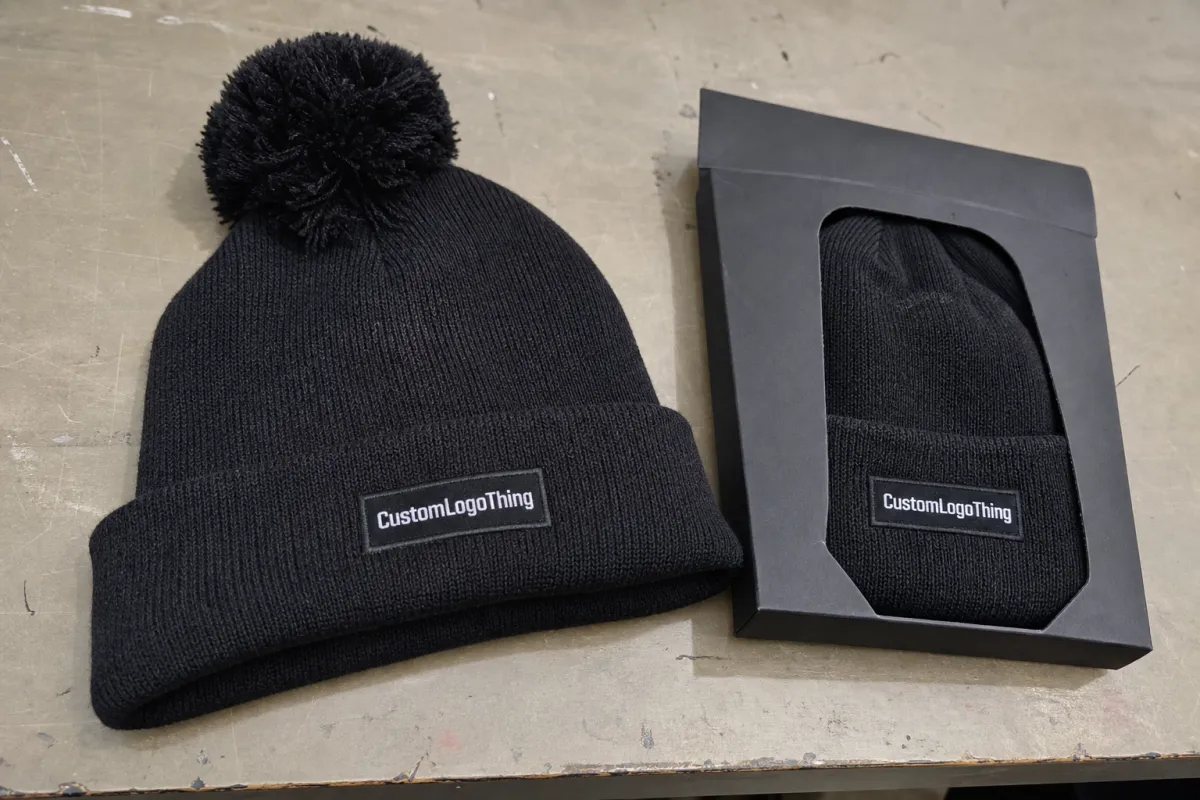
Decoration should be tested on actual heads, not only flat on a desk. Cuff height, stretch, and logo angle change once the beanie is worn. Embroidery can look clean on a relaxed sample, then buckle on a stretched cuff. Woven labels or patches may outperform direct stitching on highly elastic knits, especially for fine-line logos.
Key Sample Specs to Compare Before Approving Pom Pom Beanies
A sample without specifications is just a nice object on a conference table. Document the core variables: yarn content, knit style, beanie length, cuff height, pom size, pom material, lining, logo method, label placement, packaging format, and expected production tolerance. Even a one-page scorecard can prevent expensive confusion later.
Weight is one of the fastest quality clues. Two beanies can look nearly identical in a mockup, yet the heavier sample may feel more substantial and gift-worthy. Ask suppliers for gram weight per unit where available. If they cannot provide it, weigh the samples internally on a small postal scale. A difference of 15-25 grams can be noticeable in hand.
| Sample Variable | What to Check | Typical Buyer Impact |
|---|---|---|
| Acrylic knit | Softness, shine, stretch recovery, color depth | Often budget-friendly; quality varies widely by yarn and gauge |
| Wool blend | Warmth, itch level, care label, fiber percentage | Feels more premium but can raise cost and care complexity |
| Fleece lining | Fit, bulk, seam comfort, added warmth | Improves comfort; may add about $0.80-$2.00 per unit |
| Embroidery | Stitch count, puckering, legibility on ribbing | Traditional corporate look; large logos can stiffen the cuff |
| Woven patch | Fine detail, edge finish, attachment method | Good for small text, crests, and detailed marks |
| Gift packaging | Polybag, kraft paper band, mailer, box, insert card | Can shift the gift from basic merch to branded experience |
Decoration choice changes both appearance and comfort. Embroidery gives a classic corporate look, but high stitch counts can create a dense patch of thread. Woven patches handle small text better. Faux leather patches can feel retail-inspired, although fine detail may need debossing tests. Jacquard knit-in logos work for larger brand marks but usually require higher minimums and more planning because the design becomes part of the knit structure rather than an added decoration.
Color deserves physical proof. Screen color and yarn color rarely match perfectly because knit texture changes how light hits the surface. Request yarn cards, lab dips, or a physical pre-production reference when brand color matters. Navy, charcoal, black, and heather yarns are especially tricky because low-contrast decoration can disappear under indoor lighting.
Logo scale is another quiet risk. A design that works on a hoodie may become unreadable on a 2.5-inch cuff. Small registration marks, thin taglines, and complex icons often fail first. In practice, a simplified logo, woven patch, or short wordmark may protect the brand better than forcing the full lockup onto a stretchy surface.
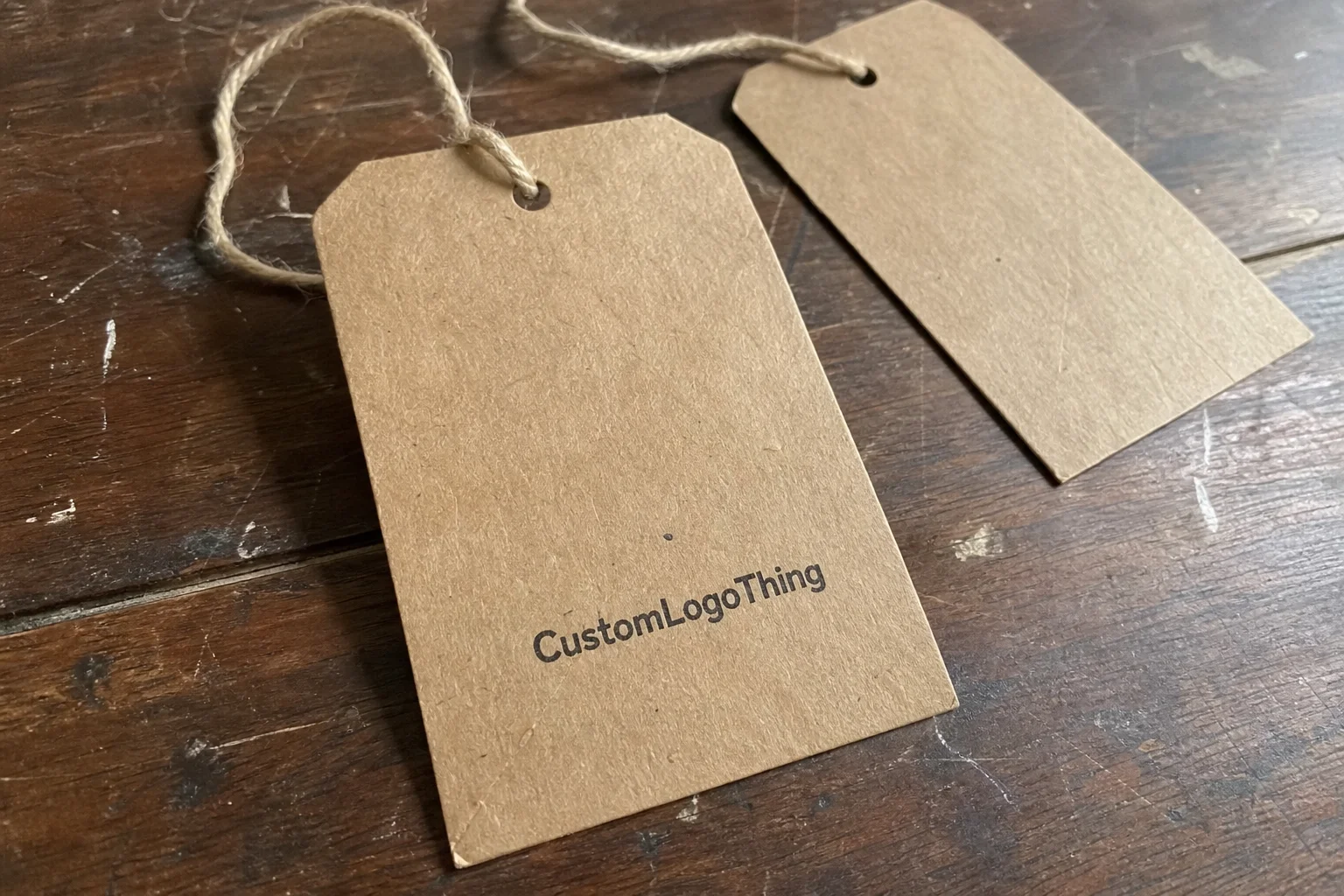
Packaging should be reviewed with the beanie, not after it. A polybag may be fine for internal distribution. A kraft paper belly band can add structure at low cost. A custom mailer or gift box costs more but may be justified for client appreciation kits. If sustainability claims are part of the program, verify whether the packaging uses FSC certified paper, recycled content, or biodegradable materials rather than relying on broad wording.
Process and Timeline: From Sample Request to Approved Bulk Order
The cleanest process starts backward from the gifting moment, not from the purchase order. If the beanies must arrive before an employee onboarding wave, trade show, holiday drop, ski retreat, or client appreciation campaign, every approval step needs a deadline.
- Define recipient, use case, quantity range, and target delivered budget.
- Shortlist two or three material directions based on climate and perceived value.
- Request blank stock samples or swatches to assess hand-feel and fit.
- Review decoration options against the actual logo artwork.
- Approve a decorated sample or pre-production sample where risk justifies it.
- Confirm packaging, insert cards, labels, carton packing, and shipping plan.
- Release bulk production only after final approvals are written and dated.
There are three sample types worth separating. Stock samples show blank material quality and are usually the fastest. Decorated samples test logo placement, thread colors, patch quality, and contrast. Pre-production samples confirm the final product before mass production, including yarn, pom, label, decoration, and packaging.
Timelines depend on inventory, customization, freight, and approval speed. Blank stock samples may move within a few business days if available. Decorated samples often need 7-15 business days after artwork approval. Fully custom yarn, private-label packaging, or overseas production can stretch much longer, especially if lab dips, woven labels, custom mailers, or compliance reviews are involved.
The bottlenecks are rarely dramatic. A low-resolution logo needs vector cleanup. Legal wants evidence before approving a recycled-content claim. Brand teams debate thread color. Shipping addresses arrive in three different spreadsheets. Someone asks whether the kraft paper sleeve should match the insert card. Each delay is small; together, they eat the schedule.
Rushed sampling is expensive. It can force air freight, reduce material choices, or push a team to approve the weaker product because the event date is too close. A disciplined corporate gifting Pom Pom Beanies material sample guide keeps each decision visible: material approval, logo approval, packaging approval, shipping method, and final quantity.
Cost, MOQ, and Quote Variables Buyers Should Question
Beanie pricing is not only about the hat. It is a bundle of yarn, knit complexity, pom construction, decoration, labels, packaging, freight, sample fees, and order quantity. A quote that hides all of that behind one blended unit price can make comparison almost useless.
For basic stock acrylic Pom Pom Beanies with standard embroidery, buyers may see rough unit pricing in the $5-$9 range at moderate quantities, depending on logo complexity and freight. Mid-range options with better yarn, woven patches, or upgraded packaging may land closer to $8-$14. Premium builds with wool blends, fleece lining, custom poms, retail-style patches, and gift boxes can move beyond $15 per unit. These are planning ranges, not guarantees; order size, supplier model, freight class, and delivery date can swing the number quickly.
MOQ logic is straightforward once you break it apart. Stock beanies with standard decoration usually support lower minimums. Fully custom knit patterns, dyed yarn, jacquard branding, custom woven labels, or private-label packaging often require higher quantities because setup time and material sourcing have to be spread across more units.
Ask for itemized quotes. Material upgrade. Decoration method. Patch setup. Sample fee. Packaging. Insert card. Freight. Split shipments. Repacking. If a supplier changes from a polybag to a custom gift box, you need to see whether that adds $0.60 or $3.50 per unit. If air freight is required, the inexpensive beanie can become costly very fast.
Sample fees should not surprise anyone. A free blank sample may be available, especially for stock inventory. Decorated samples and pre-production samples usually require setup time, machine time, operator attention, and shipping. For a high-visibility program, that fee is often minor compared with the cost of 2,000 flawed units.
Compare total delivered cost, not unit price alone. A low-cost beanie in flimsy packaging may require repacking. A poorly tested logo may need a second production run. A weak material choice may make the gift feel disposable. If the goal is retail-like merchandise, the budget has to support retail-like material weight, finish, and presentation.
Common Sampling Mistakes That Make Corporate Beanies Feel Cheap
The biggest mistake is approving from a photo. A mockup cannot tell you whether the cuff recovers after stretching, whether the pom sheds, or whether the embroidery feels like a hard plate against the forehead. Touch the knit. Pull the cuff. Put it on a person.
Another mistake is choosing the lowest-price acrylic automatically. Acrylic is not the villain; bad acrylic is. Some acrylic beanies are soft, dense, and practical. Others are thin, slick, and prone to looking tired after light handling. The sample should settle that argument quickly.
Oversized logos cause more damage than buyers expect. Visibility sounds good in a meeting, but a large embroidered mark can stiffen the cuff and make the beanie less comfortable. If the recipient will not wear it, the branding failed. A smaller patch or simplified wordmark often performs better.
Mismatched decoration methods create avoidable disappointment. Fine-line logos may need woven patches. Bold marks may work well as embroidery. Large geometric brand patterns may suit jacquard knit-in construction. The material sample guide should connect artwork style to the right decoration method rather than treating every logo the same.
Color surprises are common. Navy thread on charcoal knit can vanish. Black patches on heather gray can look muddy. White embroidery may appear too stark for some brands but perfect for others. Test contrast under office lighting and daylight if the program has enough visibility to justify the extra check.
Packaging neglect is the final cheapening effect. A premium-feeling beanie handed out in a flimsy clear bag loses some of its gift value before the recipient wears it. A simple kraft paper band, recycled paper sleeve, or branded box can frame the item better. For mailer programs, review crush resistance, carton packing, and whether inserts shift during transit. Packaging groups such as ISTA publish test procedures that are useful reference points for distribution thinking, even if a small promotional order does not require formal testing.
Do not skip wash, stretch, lint, and shedding checks. Handle the sample like a recipient would. Fold it. Wear it for 20 minutes. Tug the pom lightly. Check for pilling. Look at the logo after the cuff has been stretched several times. Supplier photos will not show these problems.
Expert Tips for Comparing Samples Like a Procurement Investigator
A side-by-side table removes some of the politics from merchandise decisions. Give each sample a score for material, weight, stretch recovery, softness, logo clarity, pom density, packaging, MOQ, lead time, and delivered cost. Use a 1-5 scale. It is simple, but it works.
Blind-touch testing is even better. Put three beanies on a table without price tags or supplier names. Ask five team members to rank them by feel before they see the mockups. The strongest-looking presentation often loses when people judge the knit and fit first. That gap is useful evidence.
Test the beanie in the environment where it will be used. Outdoor event staff may care about warmth and wind protection. Warehouse teams may want comfort under movement. Ski trip recipients may expect a retail look. Campus recruiting audiences may judge style more sharply than internal teams expect. Client mailers need packaging that protects shape and creates a clean reveal.
Pressure-test every claim before printing it. If the product says recycled polyester, ask for fiber composition details and recycled-content documentation. If the sleeve says FSC certified, confirm the paper source and certification chain. The Forest Stewardship Council is a useful authority for understanding FSC claims. If packaging mentions post-consumer waste or biodegradable materials, get the exact wording right. Sustainability language builds trust only when it is specific.
Photograph each sample three ways: on a person, flat on a table, and inside the intended packaging. Stakeholders make better decisions when they can judge wearability and unboxing together. A beanie that looks strong flat may sit awkwardly on a head. A box that looks premium empty may crush the pom when packed.
Keep a retained approved sample. Put it in a labeled bag with approval date, supplier reference, decoration notes, and packaging details. When bulk production arrives, compare against that retained sample. Packaging QA teams do this with cartons, inserts, labels, and print standards all the time. Wearable gifts deserve the same discipline because both shape brand trust before a word is spoken.
Build a Sample Approval Checklist Before You Order
Before asking for samples, define the recipient, event date, target budget, material preference, logo method, packaging style, and delivery plan. A vague request produces vague samples. A clear brief helps the supplier send options that match the real project instead of whatever is easiest to pull from inventory.
- Recipient: employees, clients, event attendees, field teams, recruits, or VIP gift recipients.
- Use case: winter commute, outdoor event, onboarding kit, client mailer, ski trip, or retail-style merch drop.
- Material target: acrylic, recycled polyester, wool blend, cotton blend, fleece-lined, or mixed sample set.
- Decoration: embroidery, woven patch, faux leather patch, label, jacquard logo, or combined branding.
- Packaging: polybag, kraft paper band, custom sleeve, mailer, gift box, or kit with insert card.
- Logistics: single bulk delivery, split shipments, home mailing, event delivery, or kitting partner.
When budget allows, request at least two material directions and two decoration options. The best answer is often found through comparison rather than assumption. A mid-weight acrylic with a woven patch may beat a more expensive wool blend if the logo reads better and the packaging is stronger.
Prepare vector artwork, brand color references, shipping destinations, quantity ranges, and any compliance requirements before quote stage. If sustainability is part of the story, state what needs proof: recycled materials, FSC certified paper, post-consumer waste percentage, country of origin, or care-label language. For general environmental claim guidance, the U.S. Environmental Protection Agency is a useful starting point for buyers trying to avoid vague green claims.
Use a pass, revise, or reject framework. “Looks good” is not enough. Pass means the sample is approved as shown. Revise means the material works but the logo, pom, fit, color, or packaging needs adjustment. Reject means the sample does not meet the brief or budget. Decisive feedback keeps production from stalling in opinion loops.
Confirm what the final approval sample represents. Is it the exact yarn, exact decoration, exact pom, exact label, and exact packaging? Or is it only a close reference using similar stock material? That distinction matters. A close sample may be acceptable for a small internal run. For a major client gift, the final pre-production sample should match the bulk order as closely as possible.
A corporate gifting Pom Pom Beanies material sample guide should help buyers choose a warmer, better-branded, better-packaged gift before money is locked into bulk production. The investigation is not complicated. Touch the knit. Test the logo. Question the claim. Compare the packaging. Then approve the beanie people will actually want to wear.
FAQs
What should a corporate gifting pom pom beanies sample kit include?
It should include blank material samples, decorated logo samples, yarn or color references, pom options, lining choices, label examples, and packaging samples. For higher-value programs, ask for a pre-production sample that reflects the final beanie, decoration, and packaging before bulk production begins.
How many material samples should I compare before ordering custom pom pom beanies?
Compare at least two to three material options if the gift has visibility or budget significance. Include one budget option, one mid-range option, and one premium option so stakeholders can judge the tradeoff between unit cost and perceived value.
Which material is best for corporate gifting pom pom beanies?
Acrylic is common for budget-friendly color variety, wool blends feel warmer and more premium, recycled polyester supports sustainability messaging, and fleece-lined styles add comfort. The best material depends on climate, recipient expectations, decoration method, packaging plan, and budget.
Do decorated samples increase the cost of pom pom beanie orders?
Decorated samples can add setup, production, and shipping costs, but they reduce the risk of approving poor logo placement, weak contrast, or uncomfortable stitching. For large or high-visibility corporate gifting programs, the sample cost is usually small compared with the risk of a flawed bulk order.
How early should buyers request pom pom beanie material samples?
Request samples as soon as the audience, budget range, and gifting deadline are known. Build in time for material review, decoration testing, stakeholder approval, production, quality checks, packaging, freight, and any split shipments.