Corporate gifting with Unstructured Dad Hats works best when the cap is treated as everyday apparel, not a throwaway promo item. A soft, relaxed hat fits more heads comfortably, feels better out of the box, and gets worn more often. For a buyer, that matters more than a loud first impression.
These hats also pack efficiently, fit neatly into onboarding kits and event mailers, and avoid the sizing problems that slow down tees, jackets, or shoes. That makes them practical for internal rewards, conference giveaways, holiday boxes, and milestone gifts.
"A soft cap feels less like a billboard and more like something people actually keep."
The basic rule is simple: wear rate beats novelty. A hat worn repeatedly creates more impressions than a flashier item that stays in a drawer.
Corporate Gifting Unstructured Dad Hats Bulk Order Planning Basics
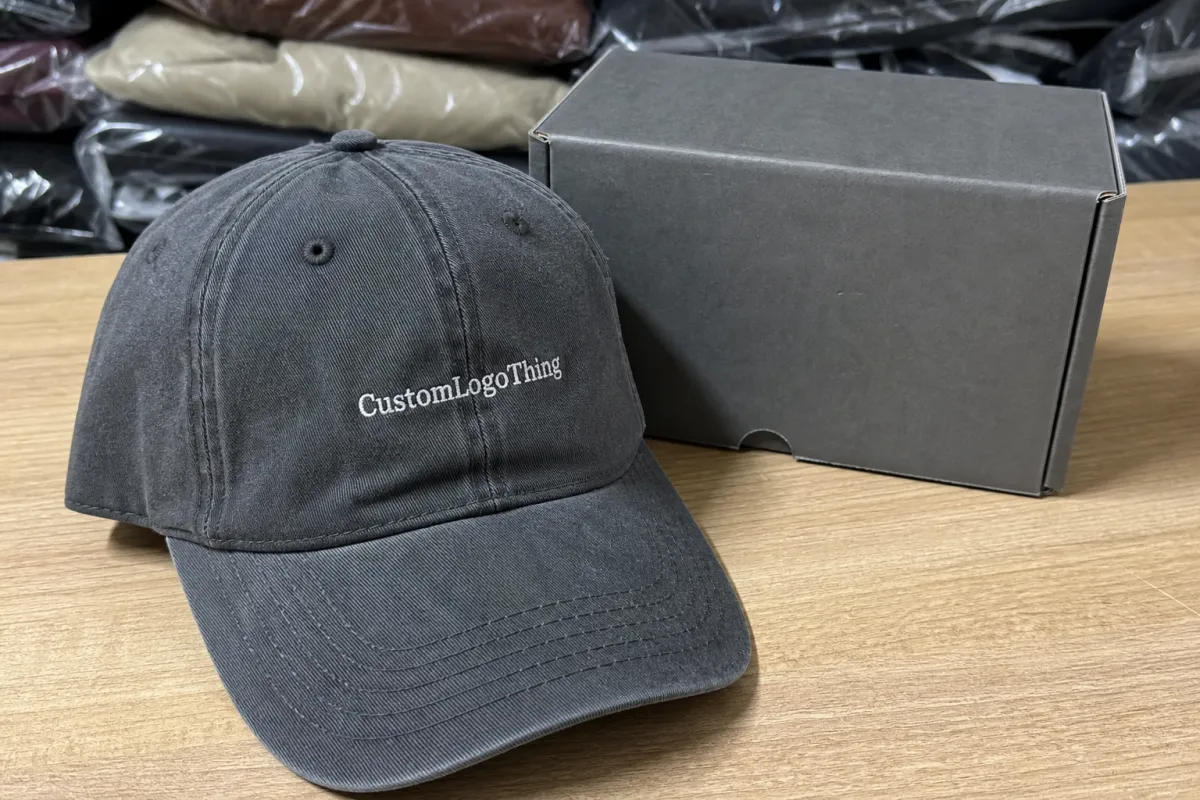
Unstructured Dad Hats are popular because they solve for comfort and distribution. The soft crown sits closer to the head, which makes the fit more forgiving across mixed head shapes and hair volumes. That reduces the chance that someone tries the hat once and sets it aside.
They are also easy to ship and kit. Dad hats stack well in cartons, pack into mailers without much waste, and do not create size-run headaches. For HR teams, event planners, and procurement buyers, that simplicity saves time and lowers the odds of last-minute changes.
Common uses include:
- Onboarding kits for new hires
- Conference giveaways and booth handouts
- Sales incentives and recognition awards
- Service anniversary or holiday gifts
- Mailer bundles with notebooks, drinkware, or apparel
A structured cap can feel more polished, but a softer hat usually wins on actual wear. The version people keep reaching for is the one that creates value after the event is over. For recurring programs, a fixed spec also makes reordering much easier than chasing a lower quote every time.
Unstructured Dad Hat Product Details Buyers Should Verify
The difference between a cap that feels elevated and one that feels generic is usually in the construction. Before approving artwork, verify crown height, panel count, bill curve, closure style, and fabric finish. Those details shape fit and decoration behavior as much as the logo itself.
A 6-panel low-profile cap sits differently from a mid-profile version. Low-profile styles hug the head and read more casual. Mid-profile styles carry more height and can feel slightly more formal. The bill matters too: a pre-curved bill gives a relaxed look immediately, while a flatter bill changes the silhouette and may feel less approachable for broad gifting use.
Closure style should also be checked early. A fabric strap with a brass buckle often feels more considered than a basic plastic snap. A metal slider can work well too, depending on hardware weight and stitch quality. Buyers trying to raise perceived value usually notice these details even if recipients never name them.
Fabric choice affects both feel and presentation. Brushed cotton has a softer hand and a broken-in feel. Garment-washed twill looks casual and hides handling better. Chino twill reads cleaner and slightly firmer, which can help when the brand wants a sharper appearance. The right fabric depends on how formal the gift should feel and how much structure the decoration needs.
Color is another area where orders drift. Screens help with direction, but they are not reliable for final matching. If a company has approved merch colors, compare against a physical sample or an older production piece. Dye lots and lighting can change the result enough to matter in a gift box.
| Decoration Method | Typical Setup | Typical Added Cost per Unit | Best For | Notes |
|---|---|---|---|---|
| Flat embroidery | $35-$75 digitizing | $1.25-$3.00 | Clean logos, simple branding | Best for 1-3 thread colors and readable text |
| Woven patch | $40-$90 | $1.75-$3.75 | Fine detail, crisp edges | Good balance of softness and visual impact |
| Leather patch | $50-$100 | $2.50-$4.50 | Heritage looks, understated gifts | Not ideal for tiny type or complex artwork |
| Woven label | $30-$60 | $0.90-$2.00 | Subtle branding | Low profile, good for minimal corporate identity |
The decoration choice changes the hand feel, the front-panel stiffness, and the durability of the brand mark. Flat embroidery works well for simple logos and small color counts. Woven patches add polish without much weight. Leather patches look strong on neutral colors, but they reward simpler artwork and cleaner type. If the logo depends on tiny text or fine detail, simplify it before production. Fixing artwork early is cheaper than redoing a large run.
Specs That Control Fit, Decoration, and Reorder Consistency
Good Bulk Order Planning is built on locked specs, not assumptions. Before pricing starts, define the cap in a way that can be repeated later: crown height, strap material, sweatband type, seam finish, and whether the profile is low or mid.
Decoration limits matter just as much as cap construction. Soft crowns can pucker under heavy stitch counts, and thin lines or tiny type can lose clarity once stitched. If the artwork is too detailed for the fabric, move that detail to an insert card, sleeve, or hangtag instead of forcing it into the cap face.
Useful spec checks include:
- Fit: low-profile or mid-profile, with a closure that suits the audience
- Fabric: brushed cotton, garment-washed twill, chino twill, or similar finish
- Decoration area: front panel, side panel, or back placement
- Artwork tolerance: minimum line weight, stitch density, and thread count
- Repeatability: approved sample, reference photo, and saved spec sheet
Reorders go smoother when the first run is documented well. Keep the approved sample, the final art file, and the spec sheet together. Note the exact cap color, closure hardware, decoration size, and patch placement. That avoids guesswork when the second order lands months later.
Production consistency also depends on supply chain realities. Fabric lots shift, wash treatments vary, and hardware can change slightly across vendors. If brand color is strict or the hats are part of a company-wide rollout, ask for a pre-production proof and compare it with a reference cap before the main run starts.
If the hats are part of a larger kit, packaging standards matter too. Carton strength, inner packing, and labeling all affect arrival condition. For shipping through parcel networks, the distribution testing framework at ISTA is a useful reference. For paper inserts and sleeves, FSC certification can support sourcing claims without adding noise to the design.
Pricing, MOQ, and Unit Cost for Bulk Orders
Quotes become easier to compare once the cost is broken into parts. A useful quote separates the base cap, decoration setup, sample charge, packaging, and freight. That prevents the common mistake of comparing one supplier’s low headline price with another supplier’s higher landed cost.
MOQ depends on decoration type, artwork complexity, and packaging. Simple embroidery often starts around 48 to 100 units. Custom patches, special trims, or presentation packaging can raise the floor to 100 to 250 units. Smaller quantities almost always increase unit cost.
For planning, ask for pricing at 50, 100, 250, and 500 units. Those breakpoints usually show the real volume curve and help reveal whether the campaign should be trimmed, expanded, or split into waves. A buyer who sees those numbers side by side can make a cleaner decision.
Typical budget ranges for a mid-quality corporate gift cap at moderate quantities might look like this:
- Blank unstructured dad hat: $4.50-$8.50 each
- Flat embroidery add-on: $1.25-$3.00 each
- Woven patch add-on: $1.75-$3.75 each
- Leather patch add-on: $2.50-$4.50 each
- Simple individual polybag or insert card: $0.20-$0.80 each
The range is wide because thread count, logo size, number of placements, fabric source, and packaging all move the final number. A one-color front logo on a simple cotton cap is a different project from a two-location design on washed twill with a custom insert card. Good quotes make that difference visible instead of hiding it inside a lump sum.
Unit price only matters if the presentation still feels deliberate. Many teams compare two paths: the lowest-cost version and the version that photographs better and feels more complete in hand. The higher-cost option is not always correct, but the comparison usually exposes tradeoffs that are easy to miss in a rush.
Bulk Order Process and Timeline From Quote to Delivery
Approvals usually set the pace more than production does. A typical path runs from brief to quote, then mockup, sample approval, production, inspection, packing, and shipment. The fewer times the art or spec gets reopened, the faster the project moves.
A realistic timeline for a standard embroidered run is often 12 to 18 business days after proof approval, with transit added on top. Patch applications, custom woven labels, or special packaging can add several days. Rush orders exist, but they usually come with tighter limits on color count, revisions, and decoration complexity.
The fastest briefs answer the practical questions up front:
- Logo file and placement
- Hat color and closure type
- Decoration method
- Quantity by color or size run
- Packaging needs
- Ship-to address and deadline
Proofing deserves a real checkpoint. A clean digital mockup is useful, but it does not replace a sewn proof or a physical sample. If the logo includes small text, ask for a close-up photo of the decoration. If color is critical, compare against a swatch or a previous production sample. Screen-only approval is weak evidence, especially on darker fabrics where thread contrast can shift once stitched.
Rush production is not magic. Faster schedules usually mean simpler decoration and fewer decision points. That works well for internal handouts or event merchandise, but it is less helpful if the cap needs a special patch build, a unique closure, or gift-ready packaging. In those cases, keeping the normal timeline is usually the safer choice.
Quality Control, Packaging, and Reorder Support That Protects Brand Perception
Quality control cannot be treated as a final glance. Uneven stitching, off-center logos, weak closures, or inconsistent dye lots make the gift feel disposable. That changes how the brand is read as soon as the box is opened.
Checks should start with construction, then decoration, then packaging. Are the seams straight? Does the bill curve consistently? Is the closure secure and stitched cleanly? Is the logo centered and readable at conversational distance? Those basic checks catch the problems that create complaints later.
Packaging shapes the experience almost as much as the cap itself. Individual polybags keep dust off and simplify kitting. Insert cards can carry campaign messaging, sustainability notes, or redemption instructions. Carton marks and count labels help warehouse teams move faster. If the gift needs a more polished look, folded tissue or a simple branded band can improve presentation without adding much risk. For paper-heavy presentations, recycled stock or FSC-certified paper keeps the sourcing story cleaner.
Reorder support is another quiet test of whether a program will hold together. Keep the approved sample, spec sheet, and final art files in one place. Add notes about cap color, patch dimensions, thread colors, and packaging format. That documentation reduces drift later. Without it, every reorder becomes a memory exercise, and memory is a weak production system.
Transit also deserves attention. If the hats are boxed with other products, ask for carton counts, inner pack logic, and the final shipper breakdown. That helps with freight estimates and receiving plans. The Packaging School and the broader resources at packaging.org are useful for teams trying to understand package structure without overcomplicating the job.
Next Steps to Lock the Right Spec and Order Size
The most reliable quote starts with one clean brief. Include the logo file, target quantity, color preference, decoration method, packaging needs, budget range, and delivery date. If the hats are part of a broader merch or onboarding program, say whether they must match a previous run or sit beside other branded items in a kit.
Then compare two quote versions. One should optimize for unit cost. The other should optimize for presentation. Side by side, the tradeoff usually becomes obvious. A few cents saved on the cap can disappear if the packaging feels thin. A slightly higher-cost patch can lift the perceived value enough to justify the spend.
Before approving production, confirm these four items:
- Spec: hat construction, decoration method, and color match
- Sample: physical approval or tightly reviewed pre-production proof
- Shipping: transit method, in-hand date, and carton plan
- Records: saved artwork, reference cap, and reorder notes
That sequence keeps the order grounded. Lock the spec, approve the sample, reserve the production window, and choose the shipping method before timing gets tight. Done well, the result is a wearable gift people keep and use.
What is the usual MOQ for corporate gifting dad hats in bulk?
Many programs start around 48 to 100 units, but the real MOQ depends on decoration type, color count, and packaging requirements. Simple embroidery usually allows lower minimums than custom patches or multi-location branding. Ask whether the MOQ is per design, per color, or per size run so the quote is actually comparable.
How long does bulk unstructured dad hat production usually take?
A normal timeline includes quoting, mockup approval, sample review, production, inspection, and transit, with approvals driving most delays. Standard embroidered runs often take 12 to 18 business days after proof approval, before shipping time is added. Rush work is possible, but it usually requires simpler decoration and fewer revisions.
Which decoration method keeps unstructured dad hats soft and wearable?
Flat embroidery and low-profile patches usually preserve the relaxed shape better than heavy 3D stitching or oversized appliques. Woven or leather patches can look premium without making the crown feel stiff. The best choice depends on logo detail, durability, and how subtle the branding needs to be.
What should I send to get an accurate bulk order quote?
Send your logo file, target quantity, color breakdown, decoration method, packaging needs, delivery location, and target date. Include whether you want samples, because sample approval can change both price and timeline. Share your budget range so the supplier can suggest the right spec instead of guessing.
Can the same corporate gifting unstructured dad hats be reordered later?
Yes, if the supplier keeps the approved art, spec sheet, and color references on file for repeat production. Some variation can still happen from fabric lots, dye batches, or replacement trims months later. Keeping a signed sample or reference cap reduces drift on future runs.