corporate gifting Unstructured Dad Hats material sample guide buyers usually discover the same thing after the first round: a hat can look polished on a mockup and still feel thin, shallow, or oddly warm once it arrives. That gap matters more in gifting than in ordinary merch because the cap is carrying a brand message, a budget decision, and a first impression all at once.
The useful distinction is simple. A material sample checks the base hat before anyone commits to decoration or bulk production. A decorated proof shows how the logo behaves on that base. A pre-production sample gets close to the final order, including trims and packaging cues. Each stage answers a different question, and mixing them up is how teams waste time and money.
Most buyers do not need fabric-school vocabulary. They do need a practical way to compare hand feel, fit, logo clarity, and presentation without losing sight of the actual audience. A cap meant for executives should not be judged by the same standard as one meant for a tradeshow handout. The stakes are different, so the sample process should be different too.
Corporate Gifting Unstructured Dad Hats Material Sample Guide
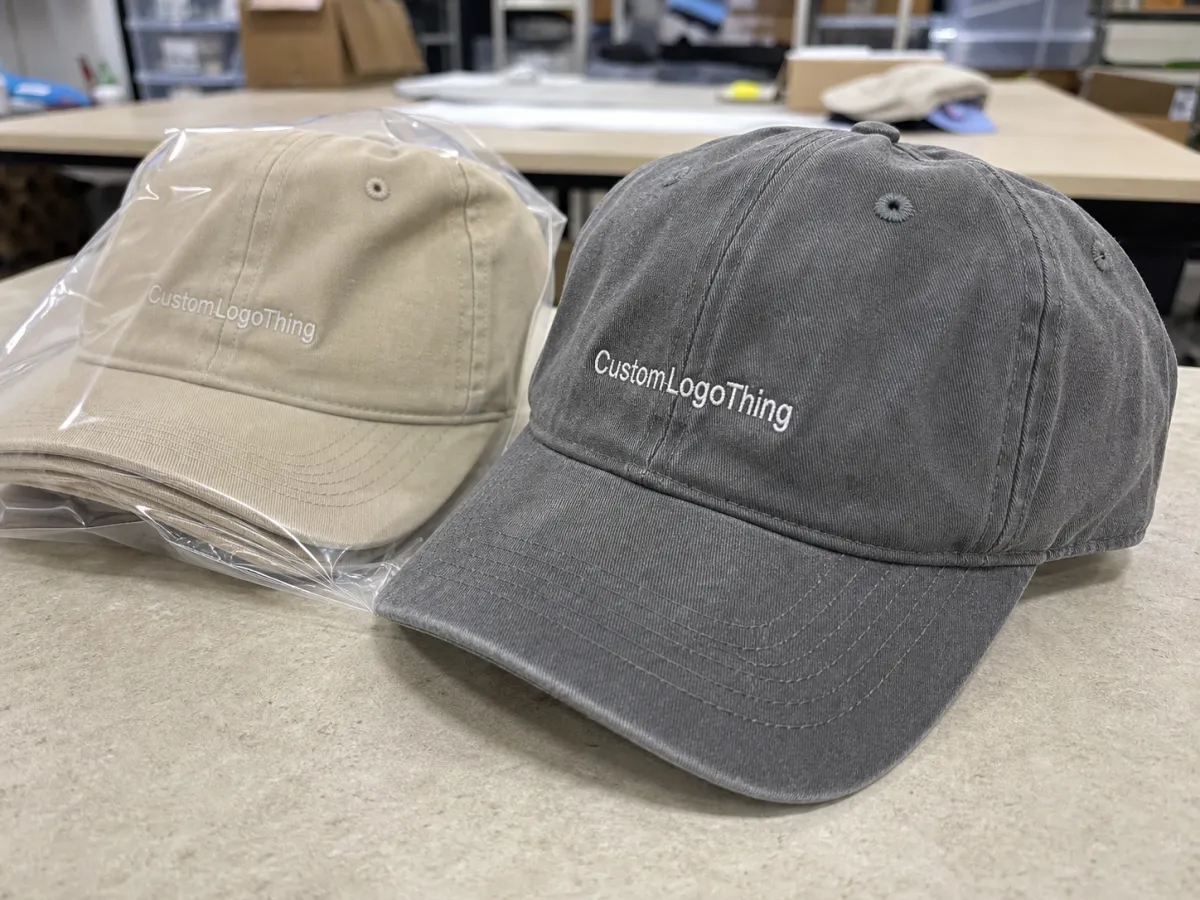
For client gifts, leadership recognition, and employee milestone packages, an unstructured dad hat works best when it feels relaxed but not disposable. The crown should fall naturally without collapsing into a limp shape. The fabric should feel substantial in the hand, and the logo should sit cleanly enough that the piece reads deliberate rather than promotional.
That is why the corporate gifting Unstructured Dad Hats Material Sample guide should begin with physical samples, not digital renderings. A screen can hide a lot. It cannot tell you whether the front panel has enough body for embroidery, whether the sweatband feels scratchy after five minutes, or whether the brim curve matches the look you wanted.
A strong sample set usually includes some combination of these items:
- Fabric swatches for color, weave, finish, and weight comparison.
- Blank hats for fit, drape, and comfort testing.
- Decorated proofs for embroidery, patch work, woven labels, or tonal branding.
- Packaging references if the gift presentation matters as much as the cap itself.
The base fabric is only part of the story. A brushed cotton twill can feel softer than a standard twill, but if the crown is too unstructured, the hat may look tired before it is worn. A heavier canvas can feel premium, yet it may run too warm for outdoor recipients. The best sample is the one that solves the right problem for the right audience.
There is also a practical comparison to make with packaging. A carton can look sharp in a proof and still crush in transit if the board is wrong. A cap works the same way. If the construction is too soft, the gift can arrive with the shape already compromised. If the decoration is too heavy, the front panel can buckle and the hat starts to look less like apparel and more like a sign.
How Sample Kits Actually Move from Swatch to Approval
Sample kits usually move in stages because no one wants to spend time and money on a fully decorated cap before the base is approved. A good supplier will start with swatches or blank stock hats, then move to logo placement and stitch tests once the fabric direction is settled. The weakest kits overload the buyer with too many near-identical choices and make comparison harder than it needs to be.
The first thing to test is the shape in hand. Put the hat on, take it off, set it on a table, and handle it a few times. That is where the unstructured crown tells the truth. Too little body and the cap slumps. Too much and it starts behaving like a stiff promotional cap with a softer surface.
Approval also gets messy when the wrong people are looped in too late. Marketing may care about visual consistency. Procurement is watching price and risk. HR or employee experience may care most about comfort and wearability. If those groups review the sample in separate rounds, the process stretches. If they review it together, the team can usually spot tradeoffs faster and avoid a second shipment.
There is a second mistake that causes even more confusion: approving the blank hat and assuming the decorated version will behave the same way. It often will not. Dense embroidery can pull the front panel. A patch can sit beautifully on one fabric and awkwardly on another. A tonal thread choice may look subtle and premium, while a high-contrast logo can make the whole piece feel louder than intended. The base sample is only half the decision.
Packaging should be reviewed in the same pass if the hat is part of a gift set. A cap packed loosely in a plain polybag sends a different message from one protected in corrugated cardboard with kraft paper tissue or a recycled insert. If the program is trying to reduce waste, ask early about recycled materials, FSC certified board, or biodegradable packaging options. These details do not change the cap, but they do change the perceived quality of the gift.
For transport and sourcing claims, the most useful references are practical ones: ISTA for package testing and FSC for certified sourcing. Neither tells you which hat to buy. Both help prevent an otherwise good sample from arriving crushed or from being presented with packaging claims that do not match the spec.
What Changes the Feel, Fit, and Finish of the Cap
An unstructured dad hat looks simple from a distance, but several build choices shape how it feels in practice. Crown depth affects how much room sits above the head. Panel construction changes whether the front panel falls softly or holds a gentle curve. The brim curve changes the silhouette from the side, which is often where buyers decide whether the piece feels casual or polished.
Fabric weight matters more than most first-time buyers expect. A lighter cotton twill usually breathes better and feels easy to wear in warm climates. A heavier brushed canvas can feel more substantial, but if it is too dense it will push the cap toward stiffness. Garment-washed finishes usually soften the hand and reduce the fresh-from-the-box look, which can be useful when the goal is a relaxed gift rather than a sports cap.
Small construction details add up quickly:
- Closure style — a self-fabric strap with a brass buckle usually reads more refined than a basic plastic snap.
- Sweatband — cotton tends to feel softer against the forehead than a rough synthetic tape.
- Stitch density — tighter stitching often looks cleaner and tends to hold up better over time.
- Eyelets — tonal embroidered eyelets can look premium if they match the fabric rather than competing with it.
- Interior labels — woven labels and neat size tapes make a cap feel finished, not anonymous.
Decoration choice changes the read of the whole product. Embroidery is still the default because it feels durable and familiar, but it is not always the best choice for soft, low-profile hats. A small woven patch can preserve the relaxed shape of the front panel better than dense thread coverage. Tonal branding works well when the gift needs to feel quiet and executive. Large logos can work for event kits, but on a soft crown they can flatten the silhouette and make the hat look less considered.
Fit is not one-dimensional. A field team may prefer a more relaxed fit if the cap is meant for all-day wear. A leadership audience usually expects cleaner lines, less visual bulk, and a calmer logo treatment. If the artwork has fine detail, the cap body has to support it without puckering. Otherwise the brand mark looks crowded, and the whole piece drops in perceived value.
That is the practical test. Not whether the hat is technically acceptable, but whether it looks like it belongs in a gift box next to the rest of the program. If it feels like a giveaway before anyone wears it, the structure, decoration, or fabric balance probably needs another round.
Cost, MOQ, and Quote Drivers for Sample Orders
Sample pricing is driven less by the hat category itself and more by the production path. A stock blank sample is usually cheaper because the body already exists. A decorated proof costs more because it includes artwork setup and production time. A pre-production sample costs more again because it is built closer to the final order and may include custom labels, patches, or packaging.
Typical ranges are still useful. A blank stock sample often lands around $12-$25 per unit. A decorated proof may fall in the $35-$75 range. A pre-production sample can run $60-$120+, especially if the cap includes special trims, custom labeling, or multiple decoration steps. Shipping usually adds $8-$25 for a single destination, with higher costs if samples must be split across offices.
| Sample Type | What It Shows | Typical Cost Range | Best Use |
|---|---|---|---|
| Fabric swatch | Color, weave, finish, and hand feel | $0-$10 | Early narrowing of fabric options |
| Blank stock hat | Crown shape, comfort, closure, and drape | $12-$25 | Fast approval of the base body |
| Decorated proof | Logo size, placement, stitch quality, and patch behavior | $35-$75 | Testing brand presentation |
| Pre-production sample | Final spec, trim, decoration, and packaging direction | $60-$120+ | Final sign-off before bulk order |
MOQ matters, but mostly after sampling. It shapes the bulk quote, not the sample itself. The real cost drivers for samples are digitizing, Pantone matching, rush handling, revision rounds, and freight. If the hat needs specialty thread, custom patches, or a nonstandard closure, expect the sample price to rise. Ask for a line-item quote so the team can see the difference between sample cost, decoration, shipping, and any credit that may apply to the production order.
That credit detail is easy to miss. Some suppliers apply all or part of the sample fee to the bulk order. Others treat samples as a separate expense. The difference is not trivial if the program is testing several styles. A few expensive rounds can add up quickly, and that matters in corporate gifting where the cap is usually one component inside a broader budget.
Packaging can also change the quote. A recycled mailer, custom insert, or branded sleeve may be inexpensive on a per-unit basis, but it still affects the sample timeline and the unboxing experience. For many buyers, that final presentation is part of the product, not an afterthought.
Process and Turnaround From Sample to Bulk Order
The cleanest process usually follows the same sequence: request, spec review, sample build, internal review, revisions if needed, and final approval. Buyers who send complete artwork, color references, logo placement details, and closure preferences up front usually move faster. When the supplier has to guess, the sample almost always comes back with avoidable errors.
Turnaround depends on the type of sample. A simple blank sample can often move in 5-7 business days if stock is available and shipping is straightforward. Decorated proofs usually take 10-15 business days. Pre-production samples can stretch to 12-20 business days, especially if the order involves custom labeling or multiple production steps. Add extra time if the buyer wants a second round for color correction, placement changes, or packaging revisions.
The fastest projects are not the ones with the fewest options. They are the ones with the clearest instructions. Missing artwork files, vague Pantone targets, and scattered feedback are the most common causes of delay. If one person wants a tonal logo and another wants high contrast, the factory ends up waiting while the team sorts out its own decision.
Setting a decision date before the sample ships helps more than most buyers expect. It keeps the approval window from drifting while everyone waits for one more opinion. That matters when the gift is tied to a launch, recognition event, or year-end program. Miss the date and the hats can still be perfect, but they arrive too late to do their job.
Packaging and shipping can create delay as well. If the hats need to be reviewed by several departments, they may need separate cartons, individual labels, or different insert notes. A sturdy shipper, a clean mailer, and enough protection inside the box can make the difference between a reviewable sample and one that has to be flattened and explained before anyone can even evaluate it.
Common Mistakes That Waste Sample Rounds
The most expensive mistake is approving from photos alone. Camera light changes color. Lenses distort depth. A phone image can make a soft crown look firmer than it is, or flatten the fabric texture so much that brushed twill and smoother twill become impossible to compare. If the order matters, ask for the physical hat before final approval.
Fit errors are close behind. One reviewer is not a real test. Different head sizes, hair volume, and comfort thresholds change how a cap wears. A hat that feels perfect on one person may sit too high or too shallow on another. In a corporate gift program, that inconsistency can be more damaging than a minor logo adjustment because the product is supposed to work across a broad audience.
Logo scale is another common problem. Oversized decoration can crush the relaxed shape of the front panel and make the cap feel more like a billboard than apparel. Smaller placement, lower-contrast thread, or a patch with cleaner edges often preserves the silhouette better. The right choice depends on whether the goal is visibility or restraint.
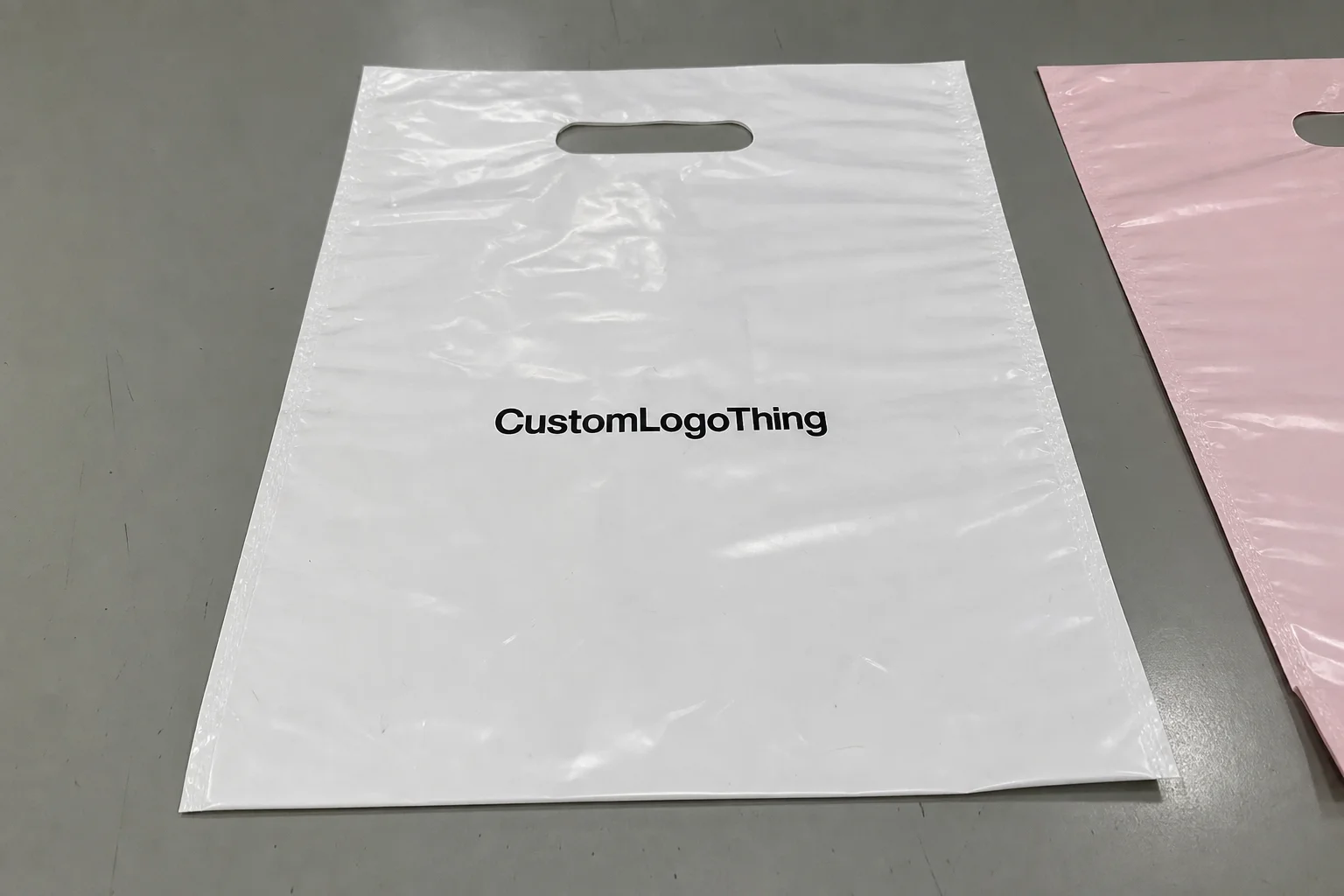
Packaging mistakes are easy to ignore until the sample arrives. A strong cap can still feel cheap if it comes in a sloppy polybag or with a loose insert. Better options are usually simple: a tidy kraft paper wrap, a recycled insert, a clean mailer, and if the program calls for it, a minimal note printed on post-consumer stock. If the packaging looks careless, the product gets blamed for it.
There is also a sequencing mistake that creates a lot of noise. Teams sometimes spend too long debating the hat before they decide how the gift should feel overall. The cap, note card, carton, and fill material should work together. If one component is loud and the others are restrained, the set feels disjointed. If all of them are considered together, the presentation feels intentional without adding much cost.
Next Steps for a Faster, Cleaner Approval
Before requesting samples, define five items in writing: the audience, the target budget, the logo placement, the closure style, and the level of softness or structure you want in the crown. That short brief saves more time than a long chain of back-and-forth questions. It also makes supplier quotes easier to compare because everyone is pricing the same target.
Ask for two or three material options, one backup colorway, and at least one close-up review step before final approval. The backup matters. Sometimes the softest fabric does not hold the logo as cleanly as the second-best option. It is better to discover that while samples are still moving than after production has started.
A simple scorecard helps the internal review stay honest. Rate comfort, visual quality, branding impact, and cost on a 1-to-5 scale. That keeps the conversation away from vague reactions and toward actual tradeoffs. Buyers make better decisions when the criteria are visible and the disagreements are specific.
For gift programs, the hat should be judged as part of a larger package. The outer carton, insert, and note should reinforce the same tone as the cap. That is where recycled board, kraft paper, corrugated protection, and restrained branding can quietly raise the perceived value of the entire set. The effect is subtle, but it is real.
Use corporate gifting Unstructured Dad Hats material sample guide thinking as a checklist, not a slogan. Compare the base fabric, review the decorated proof separately, test the fit on more than one head, and confirm how the sample is packed before anyone approves production. Those steps do not guarantee a perfect order, but they make a bad one much less likely.
What should a corporate gifting unstructured dad hats material sample guide include?
It should cover fabric, crown shape, closure, decoration, and packaging so buyers can compare samples on the same terms. A useful guide also separates blank hats from decorated proofs, since those answer different questions. Comfort and logo legibility should always be checked in person.
How many hat samples should I request before placing a corporate gift order?
Most teams should request two to three options if they are balancing fabric feel, color, and logo treatment. A backup is useful when the first-choice material does not support decoration as cleanly as expected. One person’s opinion is rarely enough for a gift that will be seen by many recipients.
What drives the price of unstructured dad hat material samples?
Blank stock availability, decoration method, and shipping speed usually matter more than the style name itself. Custom labeling, digitizing, Pantone matching, extra revision rounds, and freight to multiple offices can raise the cost. Ask whether sample fees can be credited toward the final bulk order.
How long does the sample and approval process usually take?
Blank samples can move in about a week if the stock is ready, while decorated proofs and pre-production samples take longer because they involve more steps. Internal review is often the slowest part. A decision date helps keep the schedule from slipping while people wait for one more opinion.
What should I check on the final sample before approving production?
Check the hand feel, fit, stitching, logo scale, and whether the crown still looks premium after handling. Review the color under normal office light, not just bright camera light. Packaging matters too, because a corporate gift should feel finished from the first touch to the unboxing.