Subscription Unstructured Dad Hats Bulk Order Planning matters because the soft stuff is usually what drifts first. A cap can look easy on a product page and still come back with a different crown feel, a looser strap, or a logo that sits a few millimeters off-center on the next reorder. That is enough to make a recurring program feel inconsistent even when the invoice looks normal.
From a buyer's perspective, the cap is only one line in a larger system. You are managing a repeat item, a forecast, decoration specs, packaging, and a shipment rhythm that has to hold up over time. If those pieces are left loose before the first PO, every reorder becomes a fresh debate over fabric, thread, and timing. That is where margins get thinner than expected.
Why subscription unstructured dad hats need a real plan
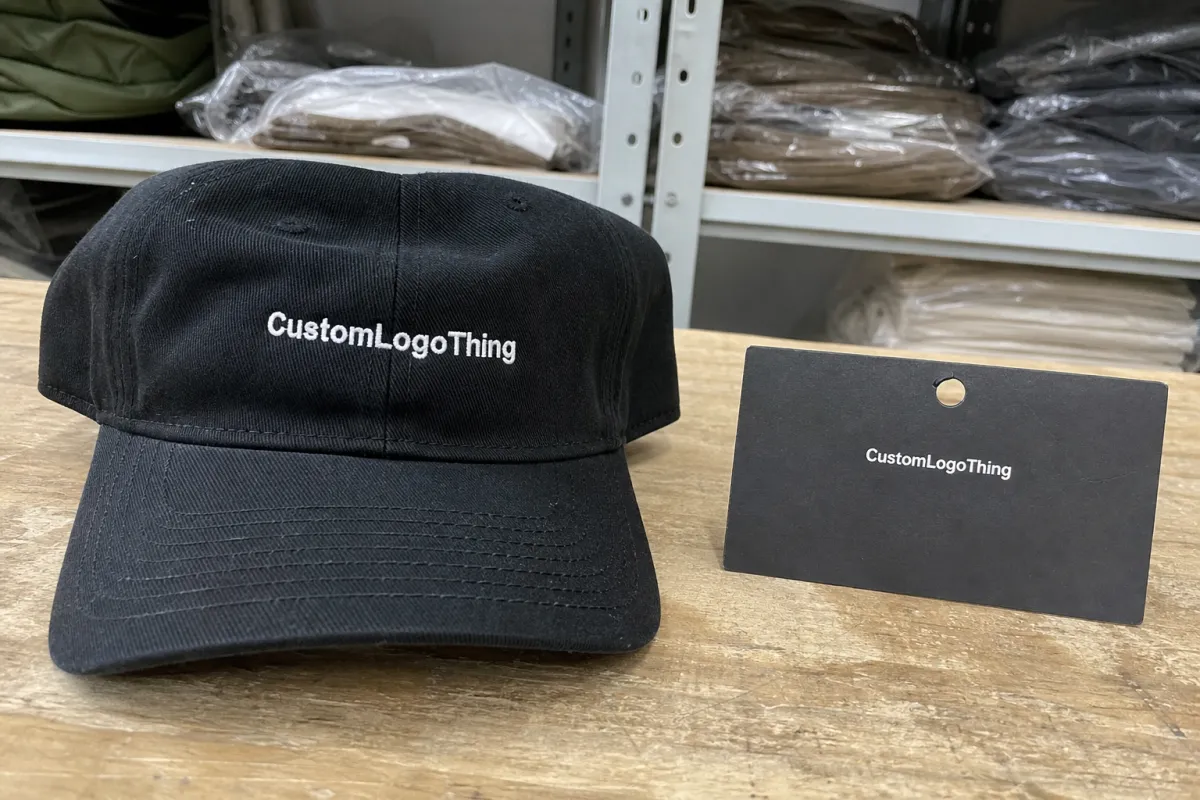
Unstructured Dad Hats are designed to look relaxed, which sounds forgiving until production starts. The soft crown can sit differently depending on fabric weight, wash treatment, stitch density, packing method, and even how long the cap sits in a carton before shipping. Two runs that look close on a screen can feel different in hand. Customers notice. Brand teams notice. Returns and replacement requests make sure of it.
That is why subscription Unstructured Dad Hats bulk order planning starts with consistency, not novelty. A one-off promo cap can survive a little variation. A monthly or quarterly program cannot. If the buyer wants the same hat to arrive again and again, the supplier needs a master spec that does not drift unless someone signs off on a change.
Think of these caps as a repeat program item with three jobs: they need to wear comfortably, carry branding cleanly, and stay predictable across production runs. In practice, the buyer is paying for control as much as the cap itself. The best programs usually keep one approved sample on file, one artwork version, and one production standard. Change all three at once and the order stops being repeatable.
A relaxed cap is not a relaxed production item. The softer the product, the more the spec has to do.
Buyers who treat the program like any other recurring physical product usually get better results. Fixed inputs. Documented approvals. A reorder trigger that fires before stock gets tight. That approach keeps the order from becoming a guessing game every time the next drop is scheduled. If you need a broader purchasing framework, our Wholesale Programs page is a useful starting point.
What to lock in before the first cap run
The first decision is the base style. A six-panel unstructured dad hat has a different front shape than a five-panel cap or a structured profile, and that changes both logo placement and how much support the front panel gives the decoration. Closure type matters too. Self-fabric strap with buckle, metal slide, tri-glide, or tuck-in back each change fit, finish, and carton packing behavior. A small choice on paper can affect the whole production flow later.
Fabric selection deserves the same level of attention. Garment-washed cotton gives a softer hand and a more broken-in look, but it can create slight color drift across dye lots. Brushed twill is often cleaner visually and easier to keep consistent. Canvas feels sturdier. Pigment-dyed finishes deliver the worn-in retail look many streetwear, beverage, and subscription merch programs want. None of these is automatically better. They behave differently, and that difference shows up in repeat orders.
Decoration choice should follow the product and the use case, not habit. Embroidery is usually the safest option for recurring orders because it wears well and keeps the front panel clean. Woven patches work better when the logo has small detail or a flatter retail look is the goal. A light print can work too, but on a soft crown it often reads less premium unless the design is intentionally minimal. Oversized decoration on an unstructured cap can make the front panel fight the artwork instead of supporting it.
Color control is where a lot of repeat programs lose consistency quietly. If the subscription wants the same navy, stone, washed black, or olive every time, define the color standard before the first run. That means Pantone targets where possible, thread matches, and any finish notes that affect appearance. A buyer who skips this step usually ends up accepting "close enough" later, which is a costly way to discover that close enough is not a spec.
Packaging should be decided early too. Flat-packed caps are not fragile, but they can still lose shape if cartons are overfilled or if the brim support is weak. If the subscription ships with other products, the carton count and pack method need to be written down. A cap that looks fine in a sample box can arrive tired and flattened after a long transit if the packout was never tested.
Spec details that keep repeat orders consistent
Spec sheets are not glamorous, but they do most of the heavy lifting in a recurring order. At minimum, the sheet should list crown height, brim length, panel count, closure style, strap adjustment range, and fabric composition. For unstructured dad hats, those details matter because a few millimeters can change the way the cap sits and how the logo frames the front panel.
Decoration placement needs more precision than "center front." Give a distance from the brim seam, a height from the crown base, and a maximum width for the artwork. If the logo is a patch, include dimensions, edge finish, and whether the patch can cross a seam. If it is embroidery, call out stitch-count limits and any no-go zones around the eyelets, seams, or back closure. The cap will forgive a lot. The spec should not.
Small trim details create bigger consistency problems than most buyers expect. Sweatband type, eyelet count, inside label style, and hangtag or carton pack requirements all affect the finished product. If the first run used a woven inside label and the reorder arrives with a printed label, the item is no longer identical. That kind of detail is easy to miss in a rush and hard to explain to a customer who notices the difference immediately.
A good sample process solves most of this before bulk production starts. Ask for a pre-production sample that includes actual measurements, logo placement photos, and written approval notes. A photo alone is not enough. A signed sample sheet with the approved crown depth, decoration size, color reference, and packout method protects both buyer and supplier when the next replenishment order comes around.
QC should be specific enough that a production team can act on it. Common checks include stitch alignment, logo centering, crown symmetry, brim curve, strap finish, loose threads, and carton counts. For embroidery, it helps to inspect a few hats under daylight-balanced lighting because thread sheen can change how a logo reads. For patches, check edge lift and adhesion around corners. For washed fabrics, compare several pieces from the same carton, not just one.
Transit standards can help too. Caps are less delicate than molded goods, but they still suffer in bad packing. If the shipping route is rough or the order is traveling inside mixed cartons, suppliers who understand general transit testing standards such as ISTA can reduce crushed crowns and flattened brims. If any packaging components use paper or fiberboard, materials with FSC certification can support sustainability claims without turning the product into a slogan.
Cost, pricing, and MOQ tradeoffs for recurring orders
Pricing on subscription unstructured dad hats Bulk Order Planning is easier to read when the quote is split into real buckets. Usually you are paying for cap body cost, decoration setup, sample charges, packaging, freight, and any charge tied to split shipments or rush timing. If a supplier gives one blended number with no breakdown, that is not clarity. It is hidden math.
MOQ changes unit cost because setup work gets spread across fewer hats. Smaller runs usually cost more per piece, especially if the decoration is detailed or the cap body uses a custom wash. Larger runs reduce the unit price, but only if the buyer can actually move the inventory. A good MOQ is not the largest one you can survive. It is the smallest one that keeps the program profitable and repeatable.
The biggest savings usually come from restraint. One cap body. One artwork file. One thread set. One colorway, or at most a tightly controlled second color for a real business reason. Every extra variation adds labor, handling, and room for error. If the subscription is still proving demand, do not build a six-color matrix just to make the line look busy.
Here is a practical way to compare common setup paths:
| Option | Typical MOQ | Approx. Unit Cost | Best For | Main Tradeoff |
|---|---|---|---|---|
| Blank body with minimal embroidery | 100-300 pcs | $4.50-$7.50 | Early-stage subscription testing | Lower customization, stronger margin control |
| Branded unstructured cap with patch | 300-500 pcs | $5.80-$9.20 | Retail-ready repeat orders | Higher setup cost, better logo detail |
| Washed cap with embroidery and custom trim | 500-1,000 pcs | $6.80-$11.50 | Established subscription programs | Best presentation, more spec control required |
Those ranges move with fabric choice, stitch count, packaging, and freight, so they are planning numbers, not promises. A buyer who wants a sharper quote should ask for pricing by quantity break, plus separate setup and sample line items. That makes the budget readable and keeps reorder decisions honest.
A useful planning rule is to price against annual subscription volume, not only the first shipment. If the program will consume 2,400 caps over twelve months, build the quote around that total and phase deliveries around it. That often creates a better cost structure than treating each monthly order like a fresh small run. The math gets more stable, and so does the replenishment schedule.
There is also a hidden cost in constant variation. Switching closure types, changing a patch size, or adjusting the color split can add real time to production and inspection. Those changes do not always show up as a large line item, but they show up in delays and extra communication. That is a cost too.
Process and lead time from sample to shipment
The production path should be clear before money changes hands. A normal sequence looks like this: quote, proof, sample, revision if needed, bulk production, inspection, packing, and transit. If a supplier skips straight from proof to bulk without a sample on a repeat program, they are asking the buyer to fund optimism. That is not a serious way to manage a recurring item.
Lead time depends on three major factors: fabric availability, decoration method, and buyer response time. If the cap body is in stock and the artwork is approved quickly, the timeline can be relatively tight. If the fabric is custom dyed, the embroidery is dense, or the buyer takes days to approve every step, the schedule stretches. In most cases, the long pole is not stitching. It is waiting for decisions.
For recurring orders, reorder buffers matter more than rush promises. A sensible trigger is to start the next run before the current batch is gone, especially if the hats are part of a subscription box or a monthly drop. That protects against freight delays, QC rework, or a sudden increase in demand. It ties up a little more planning, but it is still cheaper than running out.
Rush turnaround can be useful, but only in a narrow set of cases. If the body is standard, the decoration is simple, and the artwork is already approved, faster production may make sense. If the order needs custom dye, multiple colorways, or a brand-new patch, a rush order is usually just a mistake with a faster schedule. The buyer pays more and gets less certainty.
Packaging and transit should be part of the timeline too. Ask how the cartons are packed, how many units go per master case, and whether the supplier can photo-document packing before shipment. If the order is shipping alongside other goods, brim support and carton compression become more important than they look on a spreadsheet. A cap can survive a lot. It does not survive lazy packing very well.
What a reliable supplier should make easy
A dependable supplier stores the master spec so reorders do not depend on somebody finding a three-month-old email thread. That sounds basic because it is basic. Yet a surprising number of cap orders still restart from scratch every time, which wastes time and invites drift. If the supplier cannot point to the approved body, artwork, and trim spec in one place, the process is weaker than it should be.
They should also flag decoration risk early. Large logos on a soft front panel can distort the crown. Thick patches can create bulk near seams. Tiny type can disappear on washed fabric. None of that is mysterious. It is predictable. A good supplier says so before the sample stage gets expensive, not after the bulk order is already moving.
Color and QC support should feel organized, not improvised. Ask for thread approvals, photo checks on the sample, and clear defect thresholds on bulk production. If a supplier calls every minor variation acceptable, that is not flexibility. It is a lack of standards. Buyers need tolerances, not guesswork. A sensible QC plan usually includes acceptable stitch variance, strap centering tolerance, label alignment, and carton count verification.
A strong partner also helps forecast the next run from sell-through instead of simply taking whatever quantity lands in the cart. If the subscription converts well, the next PO should reflect that. If demand softens, the supplier should help adjust cadence and quantity without rebuilding the program from zero. That kind of support is worth more than a slightly cheaper cap body because it keeps the subscription healthy.
For sourcing teams that prefer a simple order path, the supplier should make the next steps obvious enough that the internal team can repeat them without hand-holding. If you need a refresher on common ordering questions, our FAQ page covers the usual basics without adding noise.
Next steps to launch a subscription-ready hat order
Start with the inputs that actually control the run: target quantity, reorder cadence, logo file, preferred cap body, closure type, color target, packaging needs, and price ceiling per unit. Then freeze one spec sheet and stop improvising. Subscription programs fail when every reorder turns into a new creative meeting.
Next, request a quote that separates setup, unit cost, sample charges, and freight. If the vendor can only offer one blended number, ask for the breakdown again. You need to see where the money is going, especially if the program may scale. A clean quote makes it easier to compare material options, compare decoration methods, and decide whether one monthly shipment or one larger quarterly release works better.
From there, approve one pre-production sample and decide whether the program needs a backup decoration method for later. Some brands start with embroidery and later switch to woven patches because the logo evolves. That is fine, but it should be planned, not accidental. The whole point of subscription unstructured dad hats bulk order planning is to keep the repeat order repeatable.
If you are building a new cap program now, send the supplier one clear brief and one clean spec. Keep the list tight. The less guessing they do, the fewer surprises you buy. That brief should fit on one page if possible. If it needs three pages, it probably contains things the factory cannot act on yet.
Subscription unstructured dad hats bulk order planning works best when the buyer acts like a manufacturer for one afternoon: lock the spec, control the variation, and price the whole cycle, not just the first carton. Do that, and the reorders become much easier to manage.
How do I start subscription unstructured dad hats bulk order planning for a new program?
Start with one master spec for body, closure, decoration, and color so every reorder follows the same standard. Build the first order around forecasted subscription volume plus a small buffer, not the minimum you can get away with. Request a sample before bulk production so fit and logo placement are approved before the run gets expensive.
What MOQ makes sense for recurring dad hat orders?
Use MOQ as a cost lever, not a goal; the best number is the lowest run that still keeps unit cost acceptable. If the subscription is still proving demand, start at a smaller quantity and lock the spec so scaling up is easier later. Ask the supplier whether MOQ changes by color, decoration method, or packaging, because that is where surprises usually hide.
What decoration works best for unstructured dad hats in bulk?
Low-profile embroidery is usually the safest choice for soft crowns because it holds up and looks clean on repeat orders. Woven patches work well when the logo has small details or the brand wants a flatter front panel. Avoid oversized decoration that fights the relaxed shape of the cap; soft hats do not handle giant hard logos especially well.
How long is the lead time for a subscription hat reorder?
Plan for sample approval, bulk production, quality checks, and shipping; the fastest part is rarely the part people assume. Lead time gets longer when artwork changes, fabrics are custom dyed, or the buyer is slow to approve proofs. For subscription programs, set a reorder trigger early enough that the next batch is moving before stock gets tight.
Can I mix colors or logos in one bulk order?
Yes, but mixed runs usually split the job into multiple SKUs, which can raise setup costs and complicate minimums. The cheapest path is one cap body and one decoration setup, then limited variations only where the subscription needs them. If mixing is required, confirm each colorway, logo version, and packaging option before quoting so the price reflects the real order.

