A toy Unstructured Dad Hats unit cost review usually starts with a simple surprise: the soft, relaxed cap that looks almost casual in a sample room often feels more premium in a buyer’s hands than a stiff five-panel style, especially once embroidery, washing, and finishing are done with care. For Custom Logo Things buyers, that matters because this cap format can work across promo kits, staff uniforms, school stores, retailer exclusives, and merchandise runs without forcing a rigid fit on every wearer.
In practice, the real value is not just the look. It is how the cap price behaves as the order changes. A relaxed crown, a curved brim, and a straightforward decoration plan can keep the unit cost reasonable, but the quote still moves with fabric choice, closure hardware, stitching density, and MOQ. This article breaks the buying side down plainly so you can ask for the right sample, compare the right quote, and know where your money is actually going before you approve production.
From a packaging buyer’s point of view, that kind of clarity is worth more than a polished sales pitch. You want a clean cap spec, a realistic bulk pricing target, and a quote that separates the blank cap, decoration, packaging, and freight so there are no surprises later.
Why buyers switch to relaxed dad hats for lower-risk orders
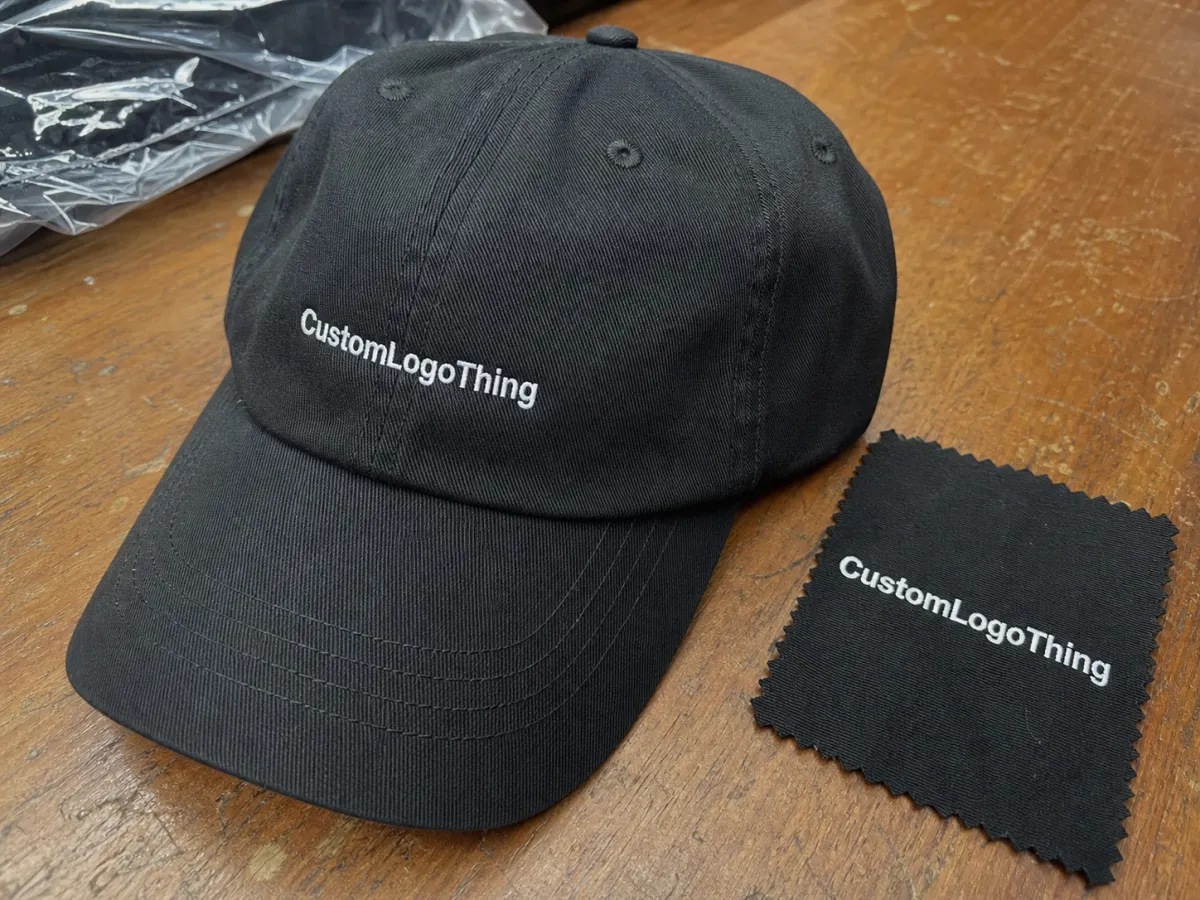
A soft, unstructured crown is one of the most forgiving silhouettes in headwear. It does not hold a crisp shape the way a structured cap does, so it tends to look relaxed instead of boxy, and that matters for buyers trying to keep a program broad enough to sell through. A low-profile fit with a pre-curved visor usually lands well with mixed audiences because it breaks in quickly and feels familiar on first wear.
That is why toy Unstructured Dad Hats Unit Cost Review conversations often start with comfort and finish with economics. For a promo kit, comfort can lift adoption. For a retailer exclusive, the softer hand feel can make the cap feel more premium than the decoration alone suggests. For a school store or staff uniform order, the relaxed fit helps the same SKU work across more head shapes, which reduces the risk of overbuying a size run that misses the mark.
What buyers often miss is that the silhouette itself does not have to be expensive. The price usually stays sensible unless you start stacking design changes: a heavy wash, contrast stitching, a leather or woven patch, specialty thread, metal hardware, and custom packing all add cost. Even so, the style still offers a clean path for buyers who want a cap that looks easy to wear and easy to merchandise.
Practical rule: if the cap will be handed out, bundled, or displayed with apparel, a relaxed dad hat often sells the idea faster than a stiff cap because it reads as wearable immediately, not “needs breaking in.”
The best programs for this style are usually the ones that value comfort and reach over pure structure. That includes gift-with-purchase campaigns, fan merch, campus stores, hospitality uniforms, and limited retail runs where a moderate cost per piece is easier to defend than a fussy silhouette that only looks good on a hanger.
Cap details buyers should confirm before they price the run
Before anyone quotes a toy Unstructured Dad Hats unit cost review accurately, the cap details need to be pinned down in plain language. “Dad hat” sounds simple, but the actual build can vary a lot. Most buyers are looking at a low-profile crown, six panels or sometimes five, a curved brim, and an adjustable closure. That said, the details underneath the style can change the quote in real ways.
Construction points that matter
First, ask whether the crown is fully unstructured or lightly supported in the front. A true unstructured front will collapse softly, while a lightly supported front keeps the face of the cap a bit cleaner for embroidery or patch placement. Panel count changes the sewing time, and visor style affects both the fit and the hand feel. If the brim is pre-curved, the cap can be worn immediately. If it is flat, shaping becomes part of the buyer’s expectations and sometimes part of the labor cost.
Second, confirm the closure. A self-fabric strap with a brass buckle looks classic and usually lands in the right price range for retail-oriented programs. A plastic snap closure can be efficient for higher-volume promo orders. A fabric strap with a metal slide may feel more refined, but that hardware choice can nudge the quote upward depending on finish and supply availability.
Wear and fit checks
Fit is where many cap programs get approved too quickly. Ask for the inside circumference, crown depth, and sweatband feel. A soft cap can still be uncomfortable if the sweatband is stiff or the front panel seam sits awkwardly. If the fabric is dyed, verify colorfastness so the hat does not bleed after a wash or leave dye transfer on light apparel in the same shipment.
Decoration also needs to match the body. Flat embroidery works cleanly on a relaxed front if the logo is not too dense. Patches can help a soft crown hold a clearer brand mark. Woven labels, printed accents, and small side or back placements all work, but they should be chosen with the fabric and budget in mind rather than just the art file.
Useful detail checklist:
- Crown profile: low, medium-low, or true relaxed
- Visor: pre-curved, lightly curved, or flat
- Closure: buckle strap, snap, or slide adjuster
- Support: fully unstructured or lightly reinforced front
- Inside finish: sweatband softness, taping, and seam cleanup
Material and decoration specs that move the quote
Fabric choice is one of the strongest cost drivers in a toy Unstructured Dad Hats unit cost review. Cotton twill is still common because it sews well, prints and embroideries cleanly, and gives a familiar hand feel. Chino twill often has a tighter weave and a slightly cleaner face. Washed cotton and pigment-dyed fabrics bring that broken-in look buyers often want for lifestyle merch, but the finish process can add cost and may create more variation from piece to piece. Recycled blends can be a smart brand fit if sustainability is part of the story, but they should be checked for color consistency and decoration response before the order is locked.
Decoration is the next major lever. A small flat embroidery logo with one or two thread colors is usually straightforward. The price changes quickly if the artwork includes dense fills, tiny lettering, multiple thread changes, or a large stitch count across the front panel. Patch work adds another layer because you are paying for the patch itself, the application method, and sometimes the extra setup needed to place it cleanly on a soft crown.
There is a difference between a design that looks simple on screen and one that is simple to produce. A wide patch with a curved edge may need a higher tooling fee or a different placement template. A logo that wraps to the side panel can increase labor even if the artwork is not complex. Back branding and side marks are useful for retail presentation, but they add handling steps, so they should be included in the quote instead of assumed as a free upgrade.
Buyers should also ask about the less visible details: seam finishing, inner taping, ventilation eyelets, buckle material, and label placement. A woven main label in the center seam is common, but a side woven label or a heat-transfer neck label can change both the look and the production setup. If the sample photo does not show the inside, that is a reason to ask for more photos or a physical sample.
For buyers who need an apples-to-apples comparison, a simple spec sheet helps more than any sales call. Use one line for each material and decoration choice, then ask suppliers to quote the same configuration. That keeps the comparison honest and cuts down on the back-and-forth that usually happens when one vendor quotes a washed cap and another quotes a standard twill cap without saying so.
For broader standards on packaging and transit confidence, it is worth checking how shipping and handling expectations are documented across the industry. The ISTA testing framework is useful if the caps are being packed with other goods and need to survive distribution without crushed brims or damaged cartons. If your program includes recycled content or responsible sourcing language, the FSC site is also a helpful reference point for paper-based packaging components.
| Spec choice | Typical use | Approx. unit cost at 500 pcs | Approx. unit cost at 3,000 pcs | What changes it most |
|---|---|---|---|---|
| Cotton twill, flat embroidery | Promo, team, school store | $4.20-$6.10 | $2.85-$4.10 | Stitch count, thread colors, closure type |
| Washed cotton, woven patch | Retail merch, lifestyle drop | $5.10-$7.40 | $3.55-$5.20 | Wash finish, patch size, label package |
| Pigment-dyed, side embroidery | Fashion-forward capsule | $5.60-$8.20 | $3.95-$5.95 | Dye variation, extra decoration placements |
| Recycled blend, minimal print | Eco-positioned branded program | $4.80-$7.00 | $3.30-$4.95 | Fabric source, print setup, documentation |
Toy Unstructured Dad Hats Unit Cost Review and Pricing Drivers
A proper toy unstructured dad hats unit cost review separates the quote into pieces instead of treating the final number as a mystery. The blank cap cost is the base. Then you have decoration, setup charges, packaging, and freight. On some programs there are also tooling fees for special patches, custom molds, or unusual closures. If those are hidden inside one line item, the quote can look cheaper than it really is.
The biggest lever is quantity. A run of 300 caps usually carries a higher per-cap cost than a run of 3,000 because the same artwork setup, trimming, inspection, and packing labor are spread over far fewer units. That is why MOQ matters so much. A factory may accept a small order, but the cost per piece often reflects the reality of stopping a line, setting up decoration, and handling a short run without the efficiency of scale.
Here is a practical way to think about the money:
- Blank cap cost: fabric, closure, sewing, and basic finishing
- Decoration cost: embroidery, patch application, print, or label work
- Setup charges: digitizing, mockup prep, and production staging
- Packaging: individual polybags, size stickers, cartons, inserts
- Freight: domestic transfer, air, ocean, or courier to your door
The other thing buyers underestimate is how art complexity affects the math. A one-color logo with a clean outline is fast. A full front panel fill with fine text is not. Every thread change adds movement and machine time. Every extra placement adds handling. Even a small change, such as adding a woven side label or switching to a metal clasp, can move the quote enough to matter when you are trying to hit a tight merchandising margin.
One useful buying habit is to ask for two prices at the same time: factory cost and landed cost. Factory cost helps you compare the cap itself. Landed cost tells you what the shipment really costs once it reaches your warehouse or fulfillment center. If you are ordering for a retail drop or a timed campaign, landed cost is usually the number that matters most because it shows the real budget impact.
For buyers who want a cleaner request, send the following in one message: quantity range, exact logo file, thread color count, fabric preference, closure preference, target delivery window, and whether the quote should include packaging and shipping. That cuts the quote cycle down and makes the price easier to defend internally.
Typical quote driver ranges: setup charges may be $20-$60 per logo for simple embroidery digitizing, patch tooling can run higher depending on shape and finish, and rush timing can add a meaningful premium if production has to be moved ahead of other orders. The exact number depends on artwork and factory workflow, so it is better to ask for a line-by-line quote than to guess from a single headline price.
For buyers who want a cleaner vendor comparison on shipping and carton handling, packaging guidance from the Packaging School / packaging.org ecosystem can help frame the conversation around protection, presentation, and transport rather than just the cap itself.
Production steps and lead time from proof to delivery
The production path is straightforward, but every step matters if the delivery date is fixed. A typical cap order starts with art review, then a mockup or digitized proof, then sample approval if needed, followed by bulk production, inspection, packing, and shipping. That sounds simple on paper. In real production, timing depends on how quickly the buyer answers questions and how locked the spec is before the factory starts.
For a standard run, many buyers should plan on about 12-15 business days from proof approval to completion of bulk production, then add transit time based on the shipping method. A sample round can add another 5-10 business days if a physical pre-production sample is required. Air freight is faster but expensive; ocean freight is slower but better for larger runs. If the order is tied to a launch date, work backward from the in-hands deadline instead of forward from the quote date.
Most delays happen for ordinary reasons: artwork gets revised after the proof is issued, colors are not chosen on time, quantity changes after the line is scheduled, or the approval sits in someone’s inbox. A relaxed cap is forgiving on the wearer, but production is not forgiving when decisions keep shifting. Once the crown fabric, closure, and decoration method are confirmed, keep them frozen unless there is a strong reason to change.
Inspection and packing deserve more attention than they usually get. Caps can leave a factory looking fine on the sewing line and still arrive with flattened brims or crushed cartons if the packing method is weak. That is one reason transit testing standards such as ISTA matter, especially if the caps are going through a distribution center before retail. A simple carton drop or compression review can save a lot of headaches later.
If the order is going direct to stores or event kits, ask for carton counts, carton dimensions, and piece counts per carton before production begins. That helps the freight team quote accurately and helps the buyer estimate shelf or storage space. It also avoids the annoying surprise of a great unit price that turns into a poor landed result because the cartons were packed inefficiently.
Timeline view:
- Art review and mockup: 1-3 business days
- Sampling or pre-production approval: 3-10 business days if needed
- Bulk production: often 12-15 business days after approval
- Inspection and packing: 1-3 business days
- Transit: depends on air, ocean, or domestic routing
How to compare suppliers without comparing apples to apples
Supplier comparison gets messy fast because not every quote is built on the same spec. One vendor may quote a washed cotton cap with a leather patch and a metal clasp. Another may quote a standard twill cap with flat embroidery and a plastic snap. Those are not interchangeable numbers, even if the mockup pictures look similar at a glance. The first rule is simple: line up the same fabric, the same decoration method, the same closure, and the same packing before judging the price.
Ask for sample policy, QC process, and written confirmation of the key details. A supplier that confirms the crown profile, logo size, and color references in writing is making it easier for you to protect the order later. Also ask whether the quote includes digitizing, whether artwork edits cost extra, and whether carton labeling or retail hangtags are part of the price. Those small items can change the real cost much more than most buyers expect.
A low quote can be perfectly legitimate, but it can also hide a softer fabric, a lighter sweatband, or a decoration method that will not hold up in wear. On a cap, the weak point is often not the front logo. It is the stitching around the panel seams, the stability of the patch edge, or the quality of the closure hardware after repeated adjustment. If the price is unusually low, ask what changed to get there.
This is where buyer discipline pays off. The cheapest quote is not always the best value, and the most expensive quote is not always the safest. What matters is whether the supplier can document the spec, keep the decoration clean, and deliver the order in the form you approved. That is especially true for merchandising programs where the cap will be judged in a store display, not just in a shipping carton.
Good supplier comparison questions:
- Is the quote based on the same fabric weight and finish?
- Does the price include setup charges and digitizing?
- Are artwork revisions or proof changes billed separately?
- What is the actual MOQ by color and decoration?
- Is the sample policy refundable or charged against bulk?
- What quality checks happen before packing?
A thoughtful toy unstructured dad hats unit cost review is not about chasing the lowest sticker price. It is about finding the supplier who can hit the fit, finish, timeline, and budget together without forcing you to make up the difference later in rework or freight.
What to send next for a fast, accurate order plan
If you want a fast quote, send a complete request the first time. The best orders start with a clean logo file, quantity range, preferred colors, decoration method, target unit cost, and the in-hands date. If you already know the closure style, say so. If you need a retail-ready finish, mention packaging and hangtag expectations. The more complete the first message is, the less the quote has to be revised later.
It also helps to ask for both a mockup and a landed-cost estimate. Mockups show what the cap should look like. Landed cost shows what it will actually cost to receive. Those are not the same number, and treating them as one number causes budget mistakes. If you are comparing programs for promos, school stores, or retail, the landed number is usually the one that determines whether the order is viable.
For buyers working through approvals, a simple next-step decision is enough: approve the sample, revise the quote, or move to bulk production. Keeping the decision tree short keeps the order moving. That is especially true when the cap is part of a larger branded kit and the hats have to coordinate with bags, inserts, or apparel that are already on a hard deadline.
If you are planning a cap run now, the smartest move is to lock the spec, confirm the MOQ, and ask for a line-by-line quote that separates the blank cap, decoration, setup charges, packaging, and shipping. That gives you a real basis for comparison and turns a toy unstructured dad hats unit cost review into a buying tool instead of just a price check.
FAQ
What changes toy unstructured dad hats unit cost the most?
Quantity is usually the biggest lever because setup costs spread out as the order gets larger. Decoration complexity matters next, especially stitch count, patch size, and the number of thread colors. Fabric choice, packaging, freight, and rush timing can all move the final landed price as well.
What MOQ should I expect for toy unstructured dad hats?
MOQ depends on the factory, fabric, and decoration method, so it is best confirmed with the exact spec sheet. Smaller runs are possible, but the per-cap cost is usually higher because setup and handling are spread across fewer units. Ask whether mixed colors or mixed logo placements are allowed within the same order.
Which decoration works best on toy unstructured dad hats?
Flat embroidery is usually the most durable choice for simple logos and a clean retail look. Patches work well when the design needs more detail, texture, or a sharper brand feel. Prints can be efficient for simple art, but the best method depends on stitch count, fabric, and budget.
How long does a custom toy unstructured dad hats order take?
Allow time for artwork review, mockup approval, and any sample round before bulk production starts. Bulk production and shipping should be planned separately so the in-hands date stays realistic. Revisions, peak seasons, and freight method can all extend the timeline.
How can I lower the unit cost without hurting quality?
Keep the design simple by limiting thread colors, stitch count, and extra trim changes. Choose one fabric, one closure style, and standard packaging so the order stays efficient. If the budget allows, moving up in quantity is often the cleanest way to reduce per-cap cost.

