Buyer Fit Snapshot
| Best fit | Corrugated Box Cost Calculator projects where brand print, material claims, artwork control, MOQ, and repeat-order consistency need to be specified before quoting. |
|---|---|
| Quote inputs | Share finished size, material target, print colors, finish, packing count, annual reorder estimate, ship-to region, and any compliance wording. |
| Proofing check | Approve dieline scale, logo placement, barcode or warning zones, color tolerance, closure strength, and carton packing before bulk production. |
| Main risk | Vague material claims, crowded artwork, missing packing details, or unclear freight terms can make a low unit price expensive after revisions. |
Fast answer: Corrugated Box Cost Calculator: Pricing Factors Explained should be specified like a repeatable production item. The safest quote records material, print method, finish, artwork proof, packing count, and reorder notes in one written spec.
Production checks before approval
Compare the actual filled-product size with the drawing, then confirm tolerance on folds, seals, hang holes, label areas, and retail display edges. Reserve space for logos, QR codes, warning copy, and material claims before decorative graphics fill the panel.
Quote comparison points
Review material grade, print process, finish, sampling route, tooling charges, carton quantity, and freight assumptions side by side. A quote is only useful when the supplier can repeat the same color, closure quality, and packing count on the next order.
Corrugated Box Cost Calculator: Pricing Factors Explained
A Corrugated Box Cost calculator only earns its keep if it reflects the way boxes are actually made, shipped, and used. A lot of buyers start with the dimensions and assume that number will do most of the work, then wonder why two suppliers quote very different prices for what looks like the same carton. The truth is less tidy. Quantity, board grade, flute profile, print coverage, structural details, tooling, and freight can move the number more than a few millimeters ever will.
That is why a corrugated box cost calculator beats guessing. It gives packaging teams a way to compare options before RFQs go out, so you are not stuck trying to reconcile three quotes that were built from three different interpretations of the same spec sheet. I have seen buyers shave a box size to save money, only to learn later that the smaller footprint caused pack-out problems, slower fulfillment, or product damage. The cheapest change on paper is not always the cheapest change in practice.
If you are pricing Custom Shipping Boxes, or comparing one-off custom cartons against custom shipping boxes built for repeat orders, the goal stays the same: get to a realistic estimate before samples, proofs, and approvals start burning time. A good corrugated box cost calculator should give you a sharper budget, fewer quote surprises, and less back-and-forth with sales teams who somehow always need one more detail.
The practical promise is simple. Better estimates. Clearer planning. Fewer assumptions. A corrugated box cost calculator is not magic, and it should not pretend to be. It is a decision tool that becomes useful the moment it is fed real packaging information instead of a rough guess and a prayer.
Why a corrugated box cost calculator beats guessing
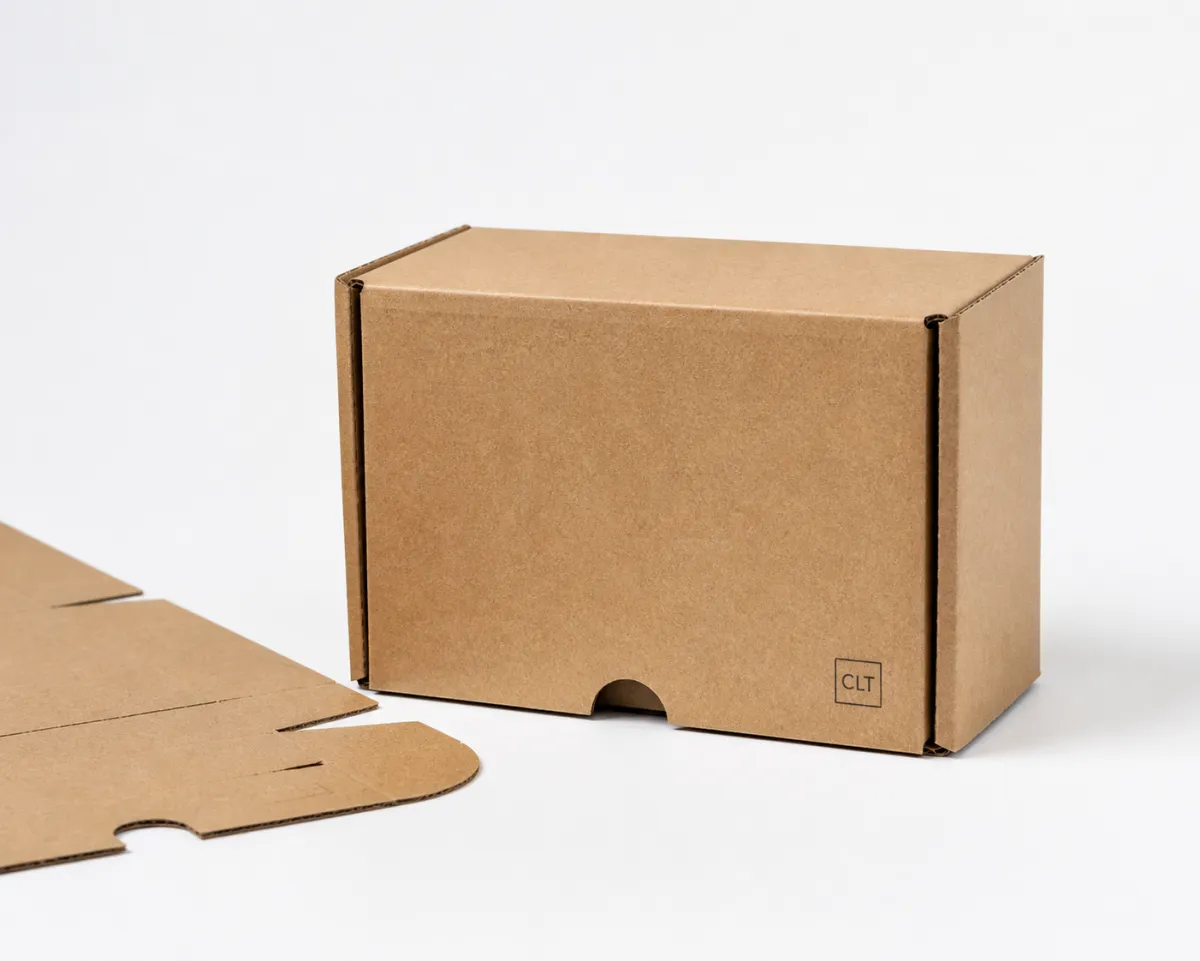
A corrugated box cost calculator gives you a faster read on packaging cost than asking for blind quotes. That sounds obvious, yet plenty of buyers still send an email that says "need a box for skincare" or "need a shipping carton, not too expensive." That is not a spec. That is a shrug.
The calculator works best when it forces the buyer to answer the questions that matter: inside dimensions, product weight, board preference, print count, closure style, and ship-to location. With those details, a corrugated box cost calculator can estimate unit cost, setup charges, and likely MOQ more accurately than a vague vendor conversation can. It also helps you compare apples to apples, which is rare enough to matter.
Picture a mid-size brand trying to lower packaging spend on a subscription shipper. The first instinct is often to shave a few millimeters off the box. That may save some board, but the better savings might come from moving away from a heavy double-wall build, choosing a stronger single-wall with a smarter flute profile, and reducing print coverage from a full flood to a smaller logo panel. A corrugated box cost calculator makes those tradeoffs visible before the order is locked.
A cheap quote is not cheap if the box collapses, the product rattles around, or the shipment gets damaged in transit. The invoice is not the full story.
For buyers who need packaging that protects both the product and the budget, a corrugated box cost calculator is a planning tool, not just a price checker. It helps answer the questions that should be settled early: Can we afford the box style we want? Does the print spec fit the budget? Is the MOQ realistic for a test run? If any of those answers are no, better to know now than after artwork is approved and everyone is kinda hoping the math works itself out.
There is also a connection between quoting speed and quote quality. When a supplier receives clean inputs, they can respond faster because they do not have to keep clarifying the same messy details. That means a corrugated box cost calculator can shorten the path from concept to budget approval, which is exactly what most packaging teams need. Nobody gets bonus points for spending three weeks chasing a number that should have been obvious from the beginning.
Another reason the better calculators matter: they help you think in terms of landed cost, not only unit cost. Freight, sample charges, and tooling fees can reshape the real spend in ways that a simple per-piece estimate never shows. A corrugated box cost calculator that ignores those items is only giving you half the picture.
Corrugated box cost calculator: product details that change the number
The first thing a corrugated box cost calculator should ask for is box style. A regular slotted container, a die-cut mailer, a tray, a tuck-top shipper, and a specialty e-commerce format all come with different converting requirements. Some are efficient at scale. Some need more labor, different tooling, or tighter tolerances. Same board, very different price.
Inside dimensions matter more than outside dimensions because they determine product fit. They also affect how much board gets used and how efficiently the box nests on the sheet. A buyer who provides only outside size can accidentally overpay or under-specify the package. A decent corrugated box cost calculator should push for inside dimensions first, then build the rest of the estimate from there.
Construction changes price too. Single-wall is often the default for many shipping jobs, but double-wall becomes the better choice when the product is heavy, fragile, or stacked in bulk. The trick is not to buy extra strength just because it feels safer. Extra material can be smart, but extra material without a reason is just expensive overkill. A corrugated box cost calculator should help you see where the strength threshold actually sits.
Closure style, hand holes, vents, partitions, and inserts can all add labor or tooling complexity. A simple mailer with a standard tuck closure is not the same animal as a die-cut box with interior inserts and ventilation cutouts. If the calculator ignores those details, the result is a fantasy number. A real corrugated box cost calculator needs the full spec picture, not only the headline dimensions.
A practical buyer rule helps here: if the box has to do more than hold product and survive transit, the spec should be written down in plain language before pricing starts. That includes:
- Product weight and fragility level
- Expected stacking or pallet load
- Need for inserts, dividers, or partitions
- Manual packing versus automated packing
- Any venting, die-cuts, or display requirements
The more complete the input, the more useful the corrugated box cost calculator becomes. This is also where buyers save time. A supplier can only quote cleanly if the request includes enough detail to decide on board grade, box style, and production method without playing twenty questions.
If your package is part of a larger retail experience, keep the structural goals separate from the cosmetic goals. The calculator should show what the box needs to do physically. Then you can decide whether the branding layer belongs on a printed exterior, a label, or a second-stage carton. That is how you control unit cost without making the box feel cheap.
For buyers ordering from Custom Shipping Boxes, this is where the real decision starts. A corrugated box cost calculator is not about squeezing every box down to the lowest possible number. It is about finding the lowest usable number for the job.
Corrugated box cost calculator: specifications that move pricing
Once the structure is set, the corrugated box cost calculator needs the material details. Board grade is a major factor. ECT, burst strength, and flute choice all influence how much protection the box provides and how much the carton costs to produce. A 32 ECT single-wall shipper is a very different pricing job than a 44 ECT or double-wall carton, and pretending otherwise is how people end up confused by their own quote.
Flute profile matters because it changes crush resistance, print surface, and board thickness. E-flute is often favored for tighter print and a cleaner presentation. B-flute and C-flute are common for shipping strength and cushioning. Double-wall combinations such as BC or AC push cost higher, but they can reduce damage claims if the product is heavy or the route is rough. A smart corrugated box cost calculator should account for that tradeoff instead of chasing the cheapest board line.
Print specs are another big swing factor. One-color flexo is usually the most economical route. Add multiple colors, flood coverage, coating, or lamination, and the per-piece number moves quickly. A corrugated box cost calculator should separate the cost of basic branding from more decorative finishes so you can see exactly what the upgrade costs. That kind of transparency keeps buyers from paying for "premium" when they only needed clear, clean branding.
Cut size and sheet layout also influence the final quote. Smarter nesting can reduce waste and improve sheet yield, which lowers cost per piece without touching the design itself. This is why a corrugated box cost calculator should not be treated like a simple spreadsheet of dimensions. Layout efficiency matters. Two boxes with nearly identical size can have different pricing because one nests cleanly and the other wastes paper.
Tooling and setup belong in the estimate as well. Custom dies, print plates, proofing, sample runs, and prepress checks can create one-time costs that show up as setup charges or tooling fees. Buyers sometimes get distracted by a low unit price and then discover the upfront charges later. That is not savings. That is a delayed surprise. A good corrugated box cost calculator makes those costs visible early.
For sourcing teams who need a quality benchmark, recognized test standards help define the spec. ISTA shipping test standards are useful when you want packaging performance tied to transit conditions, and FSC certification can matter if your board needs a verified responsible sourcing story. You can review FSC certification criteria if your buyer checklist includes sustainability claims or chain-of-custody requirements. A corrugated box cost calculator becomes more reliable when the material target is clear.
There is a simple logic most packaging buyers learn the hard way: every upgrade only matters if it solves a real problem. A stronger board that prevents damage can be a smart buy. A glossy finish on a shipper that never gets seen by a customer? That is usually decoration posing as strategy. The best corrugated box cost calculator result comes from disciplined tradeoffs, not wishful upgrades.
| Box Option | Typical Use | Setup / Tooling | Pricing Behavior | Buyer Takeaway |
|---|---|---|---|---|
| Plain RSC, one-color flexo | Basic shipping and storage | Low to moderate | Lowest unit cost at higher volumes | Best for strict budget control and repeat orders |
| Die-cut mailer, printed exterior | E-commerce and retail presentation | Moderate to high | Higher setup charges, better presentation value | Good for brands that need a cleaner unboxing experience |
| Double-wall shipper | Heavy, fragile, or bulk goods | Moderate | Higher material cost, lower damage risk | Worth it when claims or breakage are expensive |
| Printed specialty carton with inserts | Gift, subscription, or premium retail packaging | High | Highest upfront and per-piece cost | Use only when brand presentation justifies the spend |
If you want a clean estimate, the corrugated box cost calculator should separate the actual package from the nice-to-have extras. That means board grade first, structural needs second, print complexity third, and special finishes last. In that order. Reverse it, and you will pay for features before you know whether the box can do the job.
Corrugated box cost calculator: cost, pricing, and MOQ
A quote usually breaks into a few parts: board material, converting labor, print setup, die charges, packaging, freight, and any special handling or testing. A corrugated box cost calculator should reflect those components because the difference between unit cost and total order cost is where a lot of buyers get tripped up. A low per-piece quote can still carry a heavy upfront spend if the setup and tooling are high.
That is why MOQ matters. Minimum order quantity exists because a production line has to be set up, plates or dies may need to be made, and machine time has real cost. For small runs, the plant spreads those fixed costs across fewer boxes, so cost per piece goes up. At larger volumes, the same setup gets diluted, which is where bulk pricing starts to make sense. A corrugated box cost calculator helps you see the break points instead of guessing them.
There is a recognizable pricing pattern. Simple Custom Shipping Cartons at lower volumes may land in a higher cost per piece range because setup charges are not spread out. Once you move into larger runs, the unit cost often drops noticeably, especially if the sheet layout is efficient and the print is simple. Add full coverage print, lamination, or custom inserts, and the curve climbs again. A corrugated box cost calculator is useful because it shows where those curves begin to flatten.
Buyers also need to understand that MOQ is not a random punishment. It is a production reality. If a supplier offers very low MOQ, the per-piece price often reflects it. If they offer aggressive bulk pricing, ask what changed: more boxes, simpler print, standard board, or a different production method. A reliable corrugated box cost calculator should let you compare those scenarios without pretending every quantity is equally efficient.
Below is a practical way to think about quantity bands. These are not universal prices, because board grade, print coverage, shipping zone, and box size all affect the final number. Still, they are useful for planning:
- 500-1,000 units: Best for testing, but setup charges may push unit cost higher.
- 2,500-5,000 units: Common sweet spot for many custom runs with better cost per piece.
- 10,000+ units: Usually where bulk pricing becomes much more visible, especially on repeat orders.
The smartest comparison is not "which quote is cheapest?" It is "which quote has the same dimensions, same board, same print count, same finish, same quantity, and same shipping terms?" If those details do not match, the corrugated box cost calculator numbers are not comparable. They are just numbers.
One more buying point: freight can quietly become a major part of the total spend. Bulky cartons can ship cheaply per pallet and still feel expensive if the receiving address is far from the plant. That is why a corrugated box cost calculator should include destination early. A quote without freight is not a complete quote. It is a teaser.
In our quoting process, we try to show cost drivers plainly so buyers can make a real decision instead of chasing the lowest headline price. The corrugated box cost calculator is most useful when it tells you what the box costs to make, what it costs to set up, and what it costs to land. That is the actual budget question.
Process and timeline: from quote request to delivery
The process is usually straightforward, but only if the buyer sends clean information. A solid corrugated box cost calculator workflow starts with a request, then moves into spec review, engineering checks, proofing, sample approval, production, quality control, and shipping. Skip one step and the timeline starts wobbling. Skip two, and everybody smiles politely while the schedule slips.
The fastest quotes usually come from the cleanest briefs. If artwork is missing, inside dimensions are vague, or the box style is not defined, the supplier has to stop and ask questions. That adds time. A corrugated box cost calculator can only do so much if the input file reads like a mystery novel.
Lead times vary by complexity. Simple custom shipping runs can often move from proof approval to production in about 10-15 business days, depending on board availability and plant load. More customized packaging with special finishes, inserts, or structural changes often needs 15-25 business days or more. If samples are required first, add time for that too. A realistic corrugated box cost calculator conversation should include the delivery date, not only the unit price.
Sample approval is one of the most common delay points. Buyers ask for a custom structure, then notice the drawer is tight, the insert is off by a few millimeters, or the print area clashes with a fold. Better to catch that before production. That is the whole point of engineering support. A good supplier should flag issues early because waiting until production to discover a bad dieline is an expensive habit nobody asked for.
Freight planning matters as well. A carton that looks cheap on the factory floor can arrive late or cost too much if shipping was left as an afterthought. A corrugated box cost calculator result should be paired with a delivery plan: pallet count, shipping method, and receiving window. If the packaging is needed for a launch, holiday drop, or retail reset, timeline discipline is part of the job.
For brands building a recurring box program, repeat order timing is worth mapping too. The first run may need proofing and approval, but the reorder should be faster if the dieline and artwork are already approved. That is one of the quieter benefits of using a corrugated box cost calculator early. You are not only estimating the first buy. You are setting up the next one.
Why choose us for corrugated box pricing
Buyers do not need more mystery. They need a quote that explains itself. That is the standard we try to hold: clear cost drivers, visible setup charges, and no hidden padding tucked behind a nice-looking unit price. A corrugated box cost calculator should make the purchase easier, not feel like a trapdoor.
We also care about structural guidance. Some brands overspend on board because nobody explained the difference between protection and overbuild. Others under-spec the box and spend twice later on damage, returns, or rework. A practical corrugated box cost calculator is only as good as the packaging logic behind it, and that is where a lot of suppliers cut corners.
Scalability matters too. If you are testing a product, low MOQ may be the right starting point even if the unit cost is higher. If you are ready to roll into repeat production, bulk pricing should come into play. We help buyers compare both sides of that decision instead of pretending every order should be priced the same way. The corrugated box cost calculator should support a real buying plan, not just a one-off transaction.
Consistency is another big one. Board quality, print accuracy, and production control all affect whether the boxes actually work. The cheapest quote is pointless if the cartons arrive warped, weak, or off-register. A corrugated box cost calculator should be paired with a supplier who understands that box performance is part of the value, not an optional bonus.
One thing buyers often overlook is repeat-order savings. A clean dieline, a locked board spec, and a stable print method can make future orders easier and faster. That lowers friction, reduces re-approval work, and keeps the packaging budget from getting rebuilt every time you reorder. A corrugated box cost calculator helps establish that baseline so your next quote starts from reality instead of from scratch.
If you are comparing vendors, ask them to explain exactly what is included: board, print, tooling, sample charges, freight, and QC. Then compare the answers line by line. A supplier who can explain the quote in plain language is usually easier to work with after the sale too. Fancy words do not hold a carton together.
For buyers who want a straight answer on Custom Shipping Boxes, we focus on the actual package first. The design has to protect the product, fit the fulfillment workflow, and stay inside budget. That is what a serious corrugated box cost calculator should help you do.
Next steps to get an accurate corrugated box cost calculator result
If you want a useful number, come prepared. A corrugated box cost calculator works best when you have the inside dimensions, product weight, box style, board preference, print colors, quantity, and delivery destination ready before you ask for pricing. Throwing in "roughly this size" is how people get rough quotes. Not surprisingly, rough quotes do not help much.
Before you request a quote, gather the essentials:
- Inside dimensions, not just outside dimensions
- Product weight and fragility level
- Board grade or flute preference if you already know it
- Print count, coverage, and any special finish
- Quantity target and acceptable MOQ range
- Ship-to ZIP or destination for freight planning
- Need for inserts, partitions, or coatings
Then compare at least two spec-identical quotes. Not similar. Identical. Same dimensions, same board, same print, same quantity, same freight assumptions. That is the only way a corrugated box cost calculator result turns into a fair comparison. Otherwise, you are comparing one supplier's standard carton against another supplier's custom build and calling it pricing research.
If the box is structural or the product is fragile, ask for a dieline review or sample approval. That adds a little time upfront but can save a lot of money later. A corrugated box cost calculator should not be the last step before production. It should be the first serious filter before you commit to tooling and samples.
Think about reorder strategy too. A launch order, a pilot run, and a steady replenishment order do not need the same MOQ or the same packaging spec. If you know the product is going to repeat, build the first quote around that reality. A corrugated box cost calculator can help you see where repeat-order savings live, especially if the material and print method stay consistent.
Freight method matters as much as the box itself. Pallet shipments, LTL, and parcel delivery all change the landed number. The buyer who ignores freight usually ends up surprised, and not in a good way. A corrugated box cost calculator should be tied to real logistics, not only factory math.
Bottom line: a corrugated box cost calculator only gives a useful answer when the specs are tight, the quantity is real, and the buyer is ready to order. Feed it vague inputs and you get vague pricing. Feed it proper packaging details and it becomes a practical buying tool instead of a guessing game.
How accurate is a corrugated box cost calculator for custom shipping boxes?
A corrugated box cost calculator is accurate only when the box dimensions, board type, print, quantity, and destination are known. A rough calculator is useful for budgeting, but a final quote still needs engineering and freight checks. Complex styles, inserts, and special finishes can shift the number quickly.
What details do I need for a corrugated box cost calculator quote?
Provide inside dimensions, product weight, box style, board grade, flute, print colors, quantity, and ship-to ZIP or destination. If you need inserts, coatings, or a special closure, include that too. Missing one detail usually means the first corrugated box cost calculator result is not really the final quote.
Does a higher MOQ lower unit cost on corrugated boxes?
Usually yes, because setup and tooling are spread across more units. The break point depends on print complexity, board usage, and how efficient the sheet layout is. Past a certain point, savings flatten out, so bigger is not always dramatically cheaper. That is why a corrugated box cost calculator helps you find the sweet spot instead of chasing a fantasy volume.
How do board grade and flute affect corrugated box cost?
Stronger board grades and thicker flute profiles usually cost more because they use more material. They can reduce damage and claims, which may save money overall if the product is fragile. Choosing the Right strength is about balancing protection and unit price, and a corrugated box cost calculator should reflect that tradeoff clearly.
Can a corrugated box cost calculator include freight and samples?
Yes, but only if the supplier knows the shipping destination and whether samples or tooling are needed. Freight can be a major part of total spend, especially on bulky boxes. A real buying decision should compare landed cost, not just factory price, so the best corrugated box cost calculator result includes those numbers from the start.
If you are pricing a new box this week, send the exact inside dimensions, board grade, print colors, quantity target, freight ZIP, and any inserts together in one message. That gives the corrugated box cost calculator a real spec to work with and keeps the quote grounded in the way the box will actually be made and shipped.

