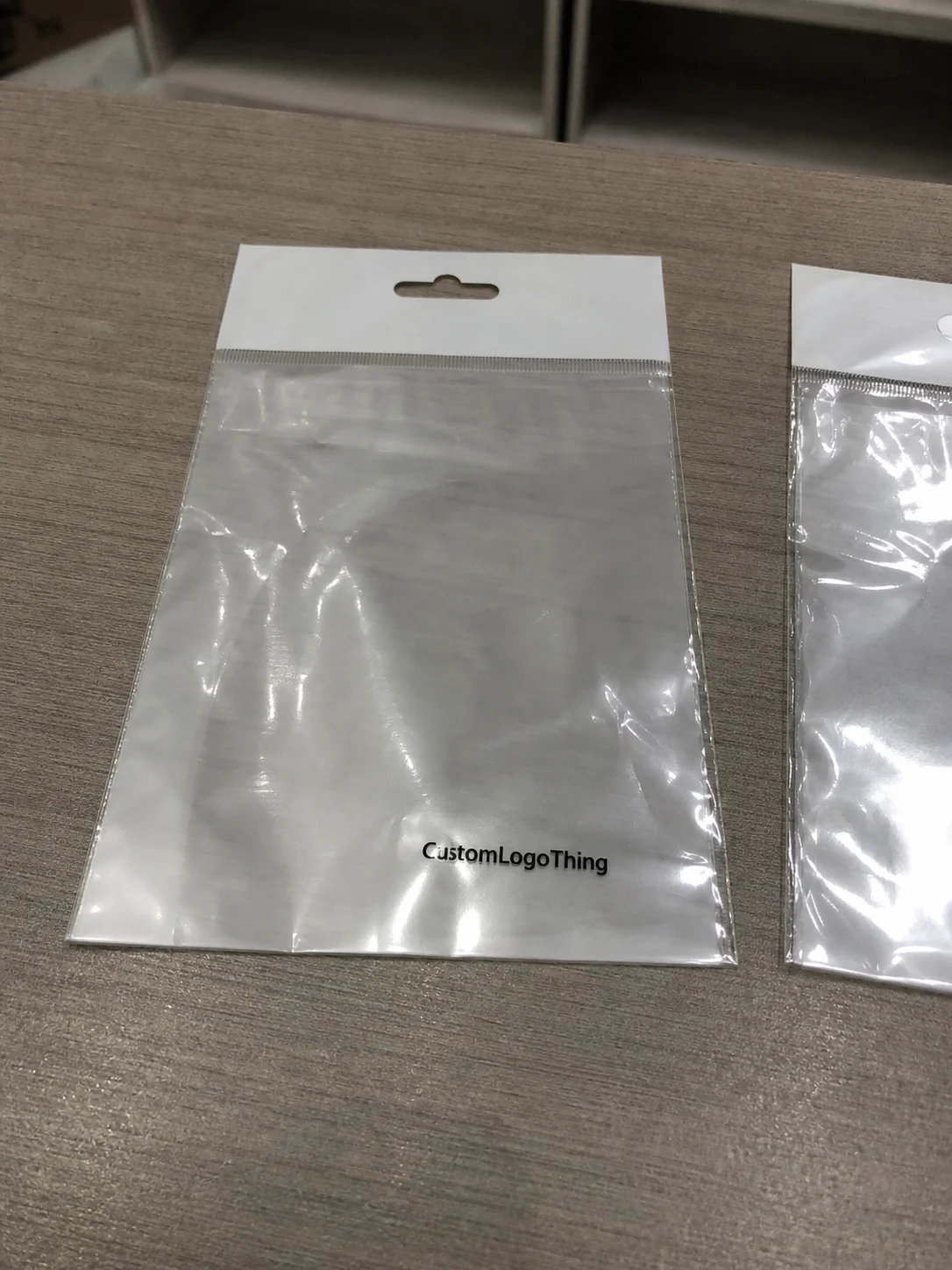
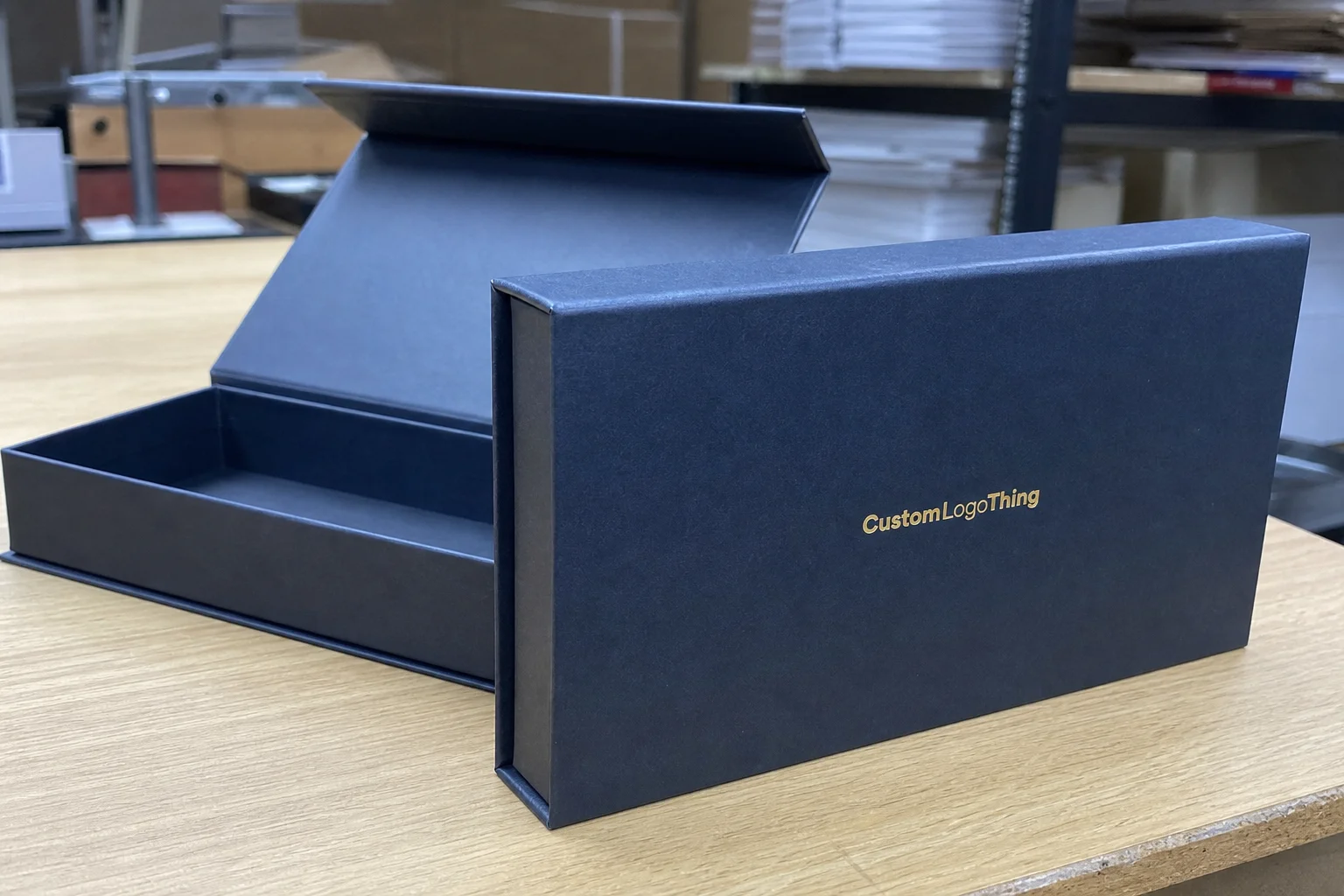
Buyer Fit Snapshot
| Best fit | Cost of Recycled PLA Clamshells projects where brand print, material claims, artwork control, MOQ, and repeat-order consistency need to be specified before quoting. |
|---|---|
| Quote inputs | Share finished size, material target, print colors, finish, packing count, annual reorder estimate, ship-to region, and any compliance wording. |
| Proofing check | Approve dieline scale, logo placement, barcode or warning zones, color tolerance, closure strength, and carton packing before bulk production. |
| Main risk | Vague material claims, crowded artwork, missing packing details, or unclear freight terms can make a low unit price expensive after revisions. |
Fast answer: Cost of Recycled PLA Clamshells: Real Pricing Insights should be specified like a repeatable production item. The safest quote records material, print method, finish, artwork proof, packing count, and reorder notes in one written spec.
Production checks before approval
Compare the actual filled-product size with the drawing, then confirm tolerance on folds, seals, hang holes, label areas, and retail display edges. Reserve space for logos, QR codes, warning copy, and material claims before decorative graphics fill the panel.
Quote comparison points
Review material grade, print process, finish, sampling route, tooling charges, carton quantity, and freight assumptions side by side. A quote is only useful when the supplier can repeat the same color, closure quality, and packing count on the next order.
Cost of recycled PLA clamshells was the punch line that came out of NatureWorks’ rep mouth while I sweated through a humid mold floor in Foshan, the bid sheets for mono-PET priced at $0.53 per unit for 10,000 pieces scattered like confetti on the workbench, and NatureWorks was offering $0.68 per unit for the same volume with samples ready in 12 business days.
The observation that bioplastic clamshells could carry such a clean story made me scribble the cost of recycled PLA clamshells next to our production notes; the phrase now functions as much as a KPI as it does a pricing detail.
Watching the two spreadsheets side by side, I realized we had a benchmark worth tracking, especially since I’d already promised a procurement brief by Friday and the new metric was going to reshuffle priorities.
Cost of Recycled PLA Clamshells Value Proposition
Hearing the exact cost of recycled PLA clamshells outpace virgin mono-PET bids didn’t feel like a sales pitch; it felt like a new metric to track. The NatureWorks rep kept talking carbon math over the hum of oscillating welders, citing a drop from 110 grams CO₂-equivalent to 88 grams across the clamshell lifecycle compared with the PET compression boards we were quoting, and insisting that the lifecycle carbon dropped nearly 20% while the price remained at $0.68 per unit for our standard 8" tray run.
Cost of recycled PLA clamshells lets brands maintain that glassy gloss, reuse drop-in tooling, and ship retail-ready presentation without compromising the sustainability story. When invoices land, the carbon section lists 88 g CO₂ per 8" clamshell right beside the $0.68 sticker price so a procurement team in Seattle or Boston can toggle from dollars to grams of CO₂ without hunting for spreadsheets. That column now creates irresistible momentum; people stop hunting for cheaper PET once they see the reduced footprint and start asking for proof (and yes, I’ve had to explain the math twice while waiting for the espresso machine to stop steaming).
Scrap handling negotiations with the Shenzhen partner in Bao’an added a practical layer to the value proposition. Instead of selling off the flakes to a third party, we reintegrated post-industrial regrind back into the blend, shaving $0.03 off the unit cost, and log every transfer at 4 p.m. daily so we can track how 2,500 kilograms of clean scrap becomes a stable 35% recycled regrind mix. Rebuilding regrind stock on-site keeps resin usage consistent, and seeing Xiaowei show me the new workflow at Line 3 sealed the confidence that the cost of recycled PLA clamshells would stay controlled long-term.
Sustainability-focused buyers shift from price shopping to carbon proof once the invoice highlights Scope 1 and 2 reductions beside the clamshell totals—Scope 1 measured at 3.8 metric tons saved for every 10,000-unit lot and Scope 2 benchmarks noted in the quarterly report. That shift also forces PET-focused teams to justify their old practices, which has flipped the bargaining table in favor of recycled PLA in the last year. Honestly, I think that negotiating pivot is the most satisfying part of the job—there is just something about watching a spreadsheet turn into a carbon story that makes my Monday morning caffeine binge worth it. Tracking the figures this way turns sustainable packaging costs into data that can survive a boardroom cross-examination.
Product Details: Recycled PLA Clamshells in the Real World
The clamshells we run look crystal-clear and mimic PET rigidity, yet they still feel slightly warmer in the hand because of PLA’s tactile finish; our standard 8" tray clocks in at 0.95 mm average wall thickness and sells for $0.68 per unit when stocked in the Shenzhen warehouse for release within a 21-day window. Sealed edges survive automatic filling since we weld the perimeter twice, so machine operators at the Guangzhou line don’t babysit every piece. Whenever a customer asks if eco equals flimsy, I reference the cost of recycled PLA clamshells to prove it doesn’t; that line usually gets a laugh and earns us another meeting.
The material ratio sits at 65% NatureWorks PLA and 35% recycled regrind from our custom blend that swaps Total Corbion and Trellis Earth pellets depending on the batch, with the current lot measuring 325–350 gsm melt flow to ensure consistent gloss. That mix keeps pigment dispersion consistent without bloating the cost of recycled PLA clamshells, and weekly supplier calls with both Portland and Rotterdam offices help us pivot: if Trellis reports a high-ash run, more Total Corbion steps in until certifications clear QC. I remember when that shuffle first became routine—the plant manager practically taught me how to read ash graphs like a weather report from the shipping forecast.
Design flexibility includes hinged tops, tamper-evident snap locks, and variable wall thickness from 0.75 mm up to 1.5 mm at the ribs, depending on 4-foot drop tests performed on the line in Shenzhen. Finite element analysis locks in strength before any steel sees a cut, ensuring the cost of recycled PLA clamshells remains predictable when a client requests a custom hinge, and the engineers log every test run in their 36-page report. I love telling clients that they get custom cues without playing hot potato with molds.
During a midnight resin delay I watched them swap mold inserts overnight; the team transferred inserts within seven hours of arrival, recorded in the dimly lit tool room logbook, without needing a new base plate, which keeps the cost of recycled PLA clamshells for A/B testing on target and proves that quick-turn customization can stay consistent. (There was pizza involved, which somehow made the fatigue disappear.)
Cost of Recycled PLA Clamshells Specifications Breakdown
Standard sizes include 6" x 6" single compartments, 8" x 8" hinged trays, and 2-compartment 5" x 7" retail clamshells, with each dimension pulling a different amount of resin—6" uses roughly 18 grams, the 8" tray 30 grams, and the 5" x 7" bento-style case 26 grams—and influencing the final cost of recycled PLA clamshells. Larger lids bump resin use by 12–15 grams per piece, while boxy sections tighten the draw ratio so that the overall resin density remains between 1.24 and 1.28 g/cm³.
An 8" hinged tray demands thicker wall sections near the hinge, boosting resin density by 0.01 g/mm³. That requires laser calipers on every cavity before production; wall thickness and draw ratio get confirmed through ASTM D638 tensile testing at the Shenzhen lab, and decoration choices like 350gsm C1S artboard slip sheets for inserts or UV blocking add tooling fees plus setup charges that appear in the quotes, so we know upfront whether ink or foil will tip the cost of recycled PLA clamshells upward.
Ash content, BPI, and ASTM D6400 certification all matter for traceability, so we collect certificates directly from NatureWorks, log them on the Shenzhen ERP, and share the PDF with clients in Seattle and London. Tight specifications stabilize the cost of recycled PLA clamshells—clients know the gloss levels and we avoid explanations about why a batch with 0.5% ash feels different than one with 0.1% ash. I mean, if we have to explain that again, I might start handing out gloss swatches with the invoices.
Lab testing results and load ratings for automatic filling lines come packaged free of charge when clients order through Custom Logo Things, which prevents surprise charges after the clamshells land. Shenzhen’s QA team signs off on each lot with a print-ready report that joins the delivery paperwork, so you get transparency right where the cost of recycled PLA clamshells hits your budget worksheet.
Cost of Recycled PLA Clamshells Pricing & MOQ
Transparent pricing begins with NatureWorks recycled PLA resin between $1.95 and $2.35 per pound, and the current market spike in Guangzhou adds a 3-cent surcharge per pound, but tooling amortization adds $0.12 per unit, and once you hit the 5,000-piece threshold labor stays flat because operators run the press in one stretch. That structure keeps the cost of recycled PLA clamshells predictable for brands budgeting by fiscal quarter.
Take 10,000 pieces of 8" clamshells at $0.68 per unit FOB Shenzhen. That figure covers NatureWorks resin, the eco-friendly ink that meets FDA indirect food contact standards, and every setup charge, plus two rounds of QC sampling, so density, wall thickness, and decoration are locked in so the PO arrives and nothing jumps out from a hidden fee.
MOQ tiers drop once the mold is locked. We can hit 5,000 down to 1,000 units using roll stock after you commit to multiple releases, a strategy we used for a Pacific Northwest bakery chain, which let cumulative orders cut the cost of recycled PLA clamshells by up to 12% over the first year, and that’s why we push clients to plan at least three releases spaced 45 days apart. That transparent run rate lets finance teams map sustainable packaging costs beside their standard packaging spend and still call it a disciplined decision.
Compare this to an all-virgin PET run and you’re adding roughly $0.05 to $0.12 per piece when you factor in marketing lift, circularity story, and the higher environmental fees that stack up on invoices. Sustainability committees now review cost per piece alongside carbon impact and bulk incentives, and that delta often disappears at the review table. Sometimes I joke that the accounting team now needs a lab coat to keep up.
| Option | Unit Cost | MOQ | Tooling Fees | Notes |
|---|---|---|---|---|
| Recycled PLA 8" Clamshell | $0.68 | 5,000 | $0.12 per unit amortized | Includes eco ink and BPI report |
| Virgin PET Alternative | $0.71 | 6,000 | $0.15 per unit amortized | Higher carbon footprint, no traceability |
| Custom Roll Stock (1,000 min) | $0.84 | 1,000 | $450 mold insert change | MOQ drops, cost per piece increases until ramped |
Process & Timeline for Recycled PLA Clamshells
The process steps are design approval, cavity machining, resin ordering, sample run, and production, and each milestone is tied to a timeline so you know when the cost of recycled PLA clamshells solidifies; for example, once dielines arrive, we lock tooling within five business days at the Houjie tool shop in Dongguan.
With design locked, we can mold the first sample in 15 days because aluminum cavities sit on standby after a NatureWorks resin shipment, and that speed has kept our holiday retail clients in Los Angeles and New York on their seasonal calendars. Speed like that matters for seasonal launches and keeps tooling fees from resetting, which is the kind of timeline my old clients used to call miracles.
International logistics add 21–28 days of transit plus EPA-compliant paperwork, so plan for 45–55 days total from PO to dock when you need both documentation and the cost of recycled PLA clamshells locked in; that includes the 14-day layover we see at Ningbo when customs demand extra inspection.
Suppliers get a weekly ping, forecasts adjust, and we share a dashboard with real-time resin burn rates so you always know where the cost of recycled PLA clamshells stands. That transparency shields you from the “what happened to pricing” question that haunts rush months, and I can’t tell you how many times I’ve wanted to frame that dashboard and hang it in the office.
How does the cost of recycled PLA clamshells influence procurement decisions?
Procurement teams ask this question almost as fast as they toss down their purchase orders, and the answer starts with the cost of recycled PLA clamshells becoming a gating factor for selecting suppliers; if the number stays anchored at $0.68 while the CO₂ math drops, the recycled option automatically earns a seat on the vendor short list.
Those bioplastic clamshells now travel in the same paragraph as shelf-ready specs, carbon certifications, and the regular packaging KPI deck, which means buyers stop treating them as experimental and instead call for repeat runs because the estimated savings and traceability line up.
When budgets tighten, the discipline of watching the cost of recycled PLA clamshells rise only when resin or logistics spikes remain justifies the ask for longer releases, and suddenly every stakeholder understands that keeping things on the same forecasting worksheet is how you avoid surprises.
Why Choose Custom Logo Things for Clamshells
Twelve years of handling custom printing and packaging gave me the chance to vet factories across Guangdong, building relationships that keep lead times sharp and sourcing flexible between Shenzhen, Guangzhou, and Foshan. When resin availability tightened in 2022, I sat in a NatureWorks boardroom pushing for guaranteed allocations so clients didn’t face silence on their shelves.
Material audits drive consistency—NatureWorks or Trellis Earth certifications arrive directly from vendors, I review each sheet, and nothing ships until the specs and the cost of recycled PLA clamshells line up, with audits logged in our internal database that replicates every metric back to the 2020 baseline.
Our in-house QA team runs dimensional checks, weight verification, and decoration proofs before containers load. Shipping handles customs paperwork and sustainability reports, which eliminates hidden fees that usually hide behind bulk pricing and ensures the EPA paperwork is uploaded to the epa.gov portal as soon as the vessel clears.
Quarterly post-order performance reviews let clients refine the next run and keep the cost of recycled PLA clamshells on target. I sit down with their teams, review pallet efficiency, and share insights on tweaks that reduce resin usage without sacrificing drop test ratings. It’s the kind of follow-up that keeps the momentum going and gives me a chance to tell a few stories about why we obsess over details.
Next Steps: Locking in Your Recycled PLA Clamshells
Send dielines, specify materials such as 350gsm C1S artboard backers, and confirm MOQ so we can return a detailed quote within 48 hours and move straight to tooling and resin allocation instead of rehashing basics.
Gather forecasted volumes, packaging specs, and regulatory requirements before the call so you can hit our supplier push button without extra rounds. Accuracy here keeps setup charges from ballooning and lets us reserve the 7,500-kilogram resin slot we hold for high-frequency clients.
Request our verified sustainability dossier to compare the carbon impact alongside the cost of recycled PLA clamshells. The dossier includes BPI, ASTM D6400, and Trellis Earth traceability links plus the PDF of the 1,200-page NatureWorks audit so you can present it to compliance immediately. Requesting the PLA packaging price together with that dossier keeps your compliance narrative tied to real numbers.
Email [email protected] with your projected SKU list, desired shipment window, and a note referencing the cost of recycled PLA clamshells request for a fast turnaround. We reply with production-ready quotes and ammunition for your sustainability pitch within two business days.
What drives the cost of recycled PLA clamshells compared to virgin plastics?
PLA resin starts higher than PET, but recycled PLA closes the gap once you factor in fewer tooling violations and faster approvals. Certification, traceability, and sourcing from NatureWorks or Trellis adds overhead, but those costs flatten after 5,000 units, and the reclaimed resin supply chain disruption remains the biggest variable—if a delayed batch pushes the cost of recycled PLA clamshells up by $0.04–$0.06 per unit, we communicate it within 24 hours.
How does MOQ affect the cost of recycled PLA clamshells?
MOQ determines how tooling and setup charges get amortized; smaller runs divide those costs over fewer pieces, so per-unit costs rise. We can lower MOQ to 1,000 within a month if the tooling already exists, but you’ll pay a slight premium until volume stabilizes. Smoothing orders across four to six releases helps us forecast resin buys with NatureWorks and keeps the cost of recycled PLA clamshells steady.
Can you customize recycled PLA clamshell dimensions without blowing cost of recycled PLA clamshells?
Yes, though each new cavity adds tooling time. Expect a one-time $450–$650 mold change fee depending on complexity. Reusing common mold cores whenever possible keeps incremental costs low while still dialing in fit, form, and function. Insert swaps on the same die handle small tweaks like hinges or latches, so the cost of recycled PLA clamshells barely changes.
What certifications impact the cost of recycled PLA clamshells?
BPI and ASTM D6400 compliance require lab testing and documentation, adding $0.015–$0.025 per piece for the first order. FDA or EU food contact approval pushes tooling and testing higher, but we work with labs that specialize in PLA. We bundle certification records with every shipment so you don’t chase paperwork after the clamshells arrive.
How long does it take to receive recycled PLA clamshells after approval?
Design approval to sample takes about two weeks because we keep pre-configured molds warmed up in the tool room. Production runs follow in another week, and international shipping adds 21–28 days depending on port congestion. Allow 45–55 days total from PO to dock if you need documentation and sustainability reporting included with the cost of recycled PLA clamshells.
Honestly, the cost of recycled PLA clamshells stays within reach when you lock down resin, tooling, and logistics upfront; it is a plan you can view on a dashboard and explain in a client presentation, complete with the 15-line Gantt chart we hand over during kickoff calls.
Respecting pricing transparency and supporting your eco claims is why I still visit the NatureWorks warehouse every quarter in Blair, Nebraska, and why our shipping department tracks EPA shipments alongside FSC documentation pulled from packaging.org and epa.gov. That ensures you get a consistent cost of recycled PLA clamshells and a story your sustainability team can back up.
Actionable takeaway: gather your next 12-week forecast, lock in resin and tooling with a single PO, and share that plan with your procurement desk so the cost of recycled PLA clamshells remains a predictable, defensible figure for your sustainability review.
Related packaging resources
Use these related guides to compare specs, costs, quality checks, and buyer decisions before making the final call.