Cotton twill caps sample approval checklist for bakery buyers
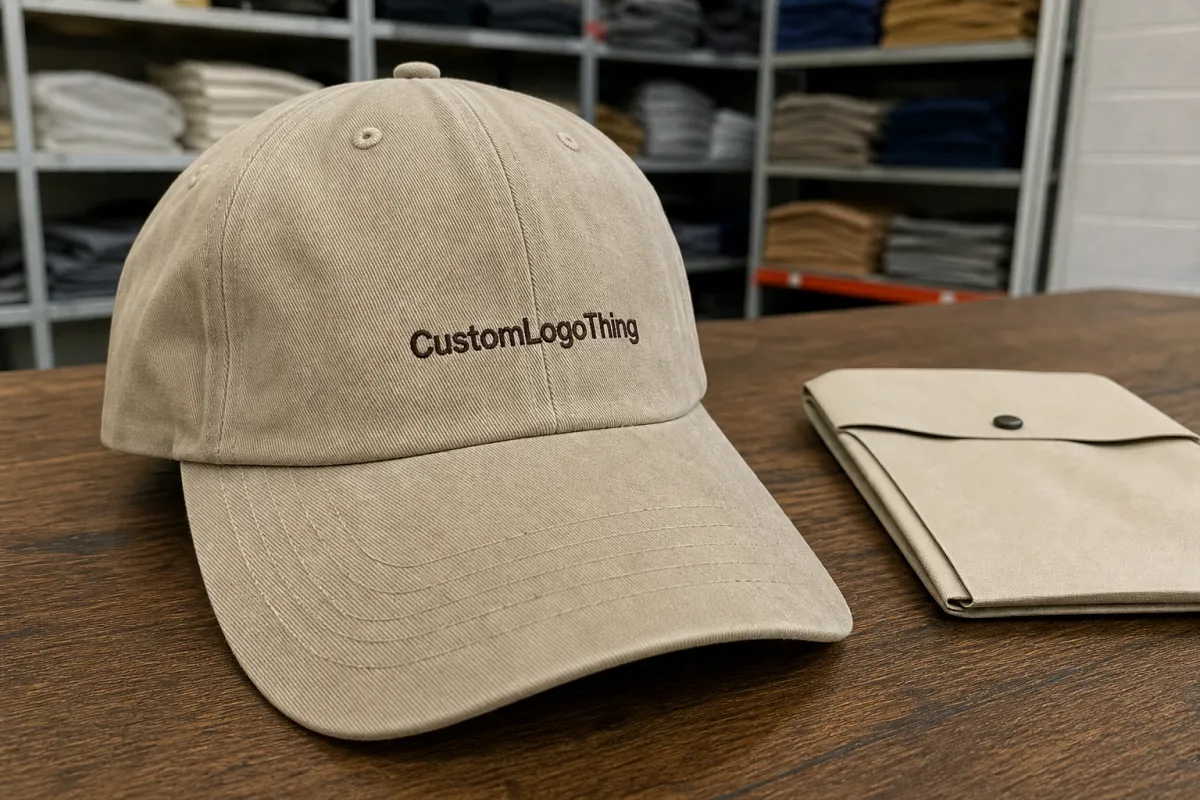
The cotton twill caps Sample Approval Checklist for bakery buyers exists for a reason that shows up quickly in real life: a cap that looks tidy in a mockup can look completely different once it is worn under bright prep lights, beside a branded pastry box, or across a six-hour shift on a warm kitchen line. Screens smooth everything out. Cotton twill does not. Neither does embroidery thread.
For bakery buyers, the sample is not a decorative checkpoint. It is the first real test of whether the cap works for staff, brand, and budget at the same time. Approve the wrong sample and you pay twice: once for the sample itself, then again for a full order that misses the mark. The failures are usually familiar. The crown sits too high. The logo is too close to the seam. The color skews warmer than expected. The cap feels stiff enough for a warehouse but not for a long shift in a busy bakery.
That is why the most useful approval criteria are plain and specific: fit, fabric handfeel, logo clarity, color accuracy, and consistency across units. None of that sounds glamorous. It also happens to be what keeps a uniform program from turning into a repeat complaint.
A bakery cap has to work for the decorator, the cashier, the shift lead, and the delivery runner. If it pinches at the temples, rides too high, or turns the logo into a crooked-looking afterthought, stop there. Fix the sample before production starts. A hundred nice-looking caps do not help if nobody wants to wear them.
A bakery uniform order should fail in sampling, not slowly in service.
One pattern shows up again and again: the buyer approves from a single polished image, then the first bulk batch arrives and the team starts asking why the cap feels stiff, why the embroidery sits too high, or why the “cream” color now looks like old oatmeal under store lighting. This checklist is built to stop that kind of expensive, avoidable drift.
What to inspect on the sample before you sign off
Start with the basics. Check the crown shape, brim curve, closure type, and overall fit on more than one head size. A bakery team is rarely made up of one body type. Front-of-house, production, and delivery staff will all wear the same item differently, which is why a sample that fits one person well can still be wrong for the group.
Then move from visual approval to wear testing. Put the cap on and keep it there for several minutes. Does the sweatband itch? Do the seams press into the forehead? Does the front panel collapse too easily, or does it keep its shape without feeling rigid? These small annoyances matter. They are the reasons staff quietly stop wearing uniform pieces even when the item passed the photo review.
Compare the sample against the approved mockup or reference image, but do it carefully. The logo should sit in the right place, at the right size, with enough space around seams and panels. A logo can look sharp from five feet away and still fail because it sits too close to a curved seam. That is not a minor detail. It changes how the whole cap reads.
Use a short sign-off list and keep it concrete:
- Fit: comfortable on at least two head sizes
- Structure: crown and brim hold shape after wear
- Decoration: logo placement matches the approved proof
- Comfort: no scratchy seams, hot spots, or rough edges
- Finish: no loose threads, puckering, or visible distortion
One practical rule helps: anything that would annoy someone during a long shift will annoy them more by the end of it. If the sample feels slightly off in the first five minutes, do not expect time to improve it.
Fabric, fit, and decoration specs that control the final look
Fabric specs matter more than many buyers expect. Cotton twill can feel soft, crisp, dense, or cheap depending on weave, finish, and weight. For a standard branded bakery cap, 280gsm to 350gsm cotton twill is a common range. Lighter twill tends to feel softer and breathe a little better. Heavier twill holds structure and usually reads more premium. Neither is automatically right. The better choice depends on whether you want a relaxed staff cap or a cleaner retail-facing look.
Fit belongs in the spec sheet, not in a side note. Decide whether you want a low-profile front, a mid-crown shape, or a fuller structured profile. State the closure clearly: Velcro, snapback, buckle, or metal slide. If your bakery has cold storage, back-of-house prep, or a team that moves between ovens and front counter, the closure and sweatband comfort become practical concerns, not cosmetic ones.
Decoration is where a lot of good intentions go sideways. Lock down the logo size, placement distance from the seam, stitch direction, and whether you want flat embroidery or a raised effect. Fine text is the usual trouble spot. Thin lettering under about 4 mm can blur quickly in embroidery, especially if the artwork has narrow counters or stacked lines. Thread does not forgive much.
Color deserves its own line item too. Use a Pantone reference, a physical swatch, or an approved sample cap from a previous run. Bakery buyers often live in the grey zone between cream, stone, tan, and off-white. Those shades are not interchangeable once they sit next to aprons, pastry boxes, and store lighting that is warmer than it looks on paper.
If the order includes packaging or inserts, keep the paperwork just as orderly as the cap spec. Hangtags, paper bands, and retail cartons can all create extra handling or compliance requirements. Ask for FSC documentation where it is relevant. If packaging needs shipment testing, match the test profile to the route and carton size; the ISTA references are a useful starting point, and FSC lays out chain-of-custody basics clearly.
The cleanest spec sheet is usually the cheapest one, not because it lowers the quote by magic, but because it removes the revision loop that eats time and creates errors.
Cost, pricing, and MOQ factors that change the quote
Buyers usually want one number. Suppliers usually need several. That friction is normal, but the quote becomes much easier to compare when it is broken into sample fee, decoration setup, unit cost, and freight. If all of those are mixed together, it is hard to tell whether one cap program is actually cheaper or just packaged more cleverly.
For cotton twill embroidered caps, a realistic pricing band looks like this:
| Option | Typical sample cost | Typical bulk unit cost | Best for |
|---|---|---|---|
| Stock cap + 1-color embroidery | $35-$70 | $2.10-$3.80 at 300+ units | Basic bakery staff use |
| Structured cap + detailed embroidery | $60-$120 | $3.20-$5.20 at 200+ units | Front-of-house and brand-heavy sites |
| Custom color or custom label build | $90-$160+ | $4.50-$6.50 at 300+ units | Multi-location rollouts with strict brand rules |
MOQ changes with decoration complexity and component choices. A simple embroidered order on a stock cap may begin at 50-100 units. Add custom color matching, woven labels, special closures, or a private-label interior tape, and the floor often moves to 200-300 units or more. That is not a trick. It is setup cost spread across the run.
If a buyer needs to cut price without hurting the result, the best savings usually come from keeping the logo to one placement, using a stock color instead of a custom dye lot, choosing a standard closure, and avoiding artwork edits after the sample is already built. Those decisions are boring. They also save the most money.
One caution: cheap is not always cheap. A slightly lower unit price can be erased by extra rework, replacement caps, or a second sample round. For bakery buyers, the real cost includes the time spent correcting something that should have been locked earlier.
Process and timeline from mockup to bulk approval
The workflow should be simple: brief, mockup, sample build, photo review, physical sample, revision if needed, then final approval. If a vendor tries to skip the physical sample for a bakery staff order, that is a red flag. A digital proof cannot show brim stiffness, seam comfort, or how the cap sits after it has been worn for a few minutes.
Typical timing is fairly predictable when the artwork is ready and the brief is clear:
- Artwork and brief review: 1-2 business days
- Sample build: 5-10 business days for a standard cotton twill cap
- Courier transit: 2-5 business days depending on route
- Revision sample: another 5-8 business days if changes are needed
- Bulk production after approval: often 12-20 business days
Three things usually slow the process down: unclear artwork, late feedback, and changes after the sample has already been made. If the bakery opening date is fixed, say so at the start. Also send the full package on day one: logo file, target color, quantity range, packing needs, and any store-by-store labeling notes. A missing detail at the beginning tends to become a long email chain later, which always seems to happen when the buyer is already busy.
A good approval process asks for three things in writing before production begins: final quote, MOQ, and lead time. Vague promises cause trouble later. Clear numbers keep the order moving.
Common sample mistakes that create avoidable rework
The biggest mistake is approving from screen photos alone. Lighting changes color. Compression hides stitch problems. And a photo never tells you whether the cap feels too stiff on the forehead. If the approval process depends on images only, expect a second round of corrections.
Another common problem is vague feedback. “Make it nicer” is not a useful note. Neither is “closer to the reference” unless you can say what needs to change. Is the logo too small, too high, too dull, too wide, or too flat? Production teams can fix specific problems. They cannot fix mood.
Buyers also forget to inspect more than one sample. If the order is for a team, look at several units, not just the one best-looking piece. Small variation is normal. The point is to make sure the average sample still meets the standard.
Closure style and logo position deserve more attention than they usually get. A cap can look fine at first glance and still fail because the closure is awkward, the embroidery sits too close to the seam, or the front panel collapses in a way that was not obvious in the photo. Missing one of those details can force a second sample and push the whole run back by a week or more.
If the sample passes on paper but fails during a shift, it is not approved. It is delayed.
The point of the checklist is not to be fussy. It is to avoid cheap mistakes that become expensive rework.
Keeping repeat orders consistent
Repeat orders are where a good cap program proves itself. Once the first sample is approved, the goal is not novelty. It is repeatability. The next order should look like the first one, feel like the first one, and hold the same standards for color, decoration, and fit. That matters more than most buyers admit, especially when the caps are being reordered for new hires, seasonal staff, or additional store openings.
The only way to get that consistency is to lock the spec properly. Keep the approved cap style, crown shape, closure, embroidery placement, thread colors, and packaging notes in one place. If the color was approved as stone on the first run, it should come back as stone on the second. If the logo sat 55 mm from the center seam, that measurement should not drift because someone copied an old order from memory.
Drift usually starts with sloppy documentation. One person remembers the first sample. Another person sees an old email. The factory gets a partial file set and fills in the gaps with what seems close. Then the buyer notices that the new batch looks slightly different and has to spend time chasing the mismatch. That is avoidable, but only if the original approval details are treated like production data, not casual correspondence.
For busy bakery teams, practical support matters more than polished sales language. Clear notes reduce back-and-forth. Tight proofing saves time. Predictable production keeps store launches from slipping because a cap order needed one more round of explanation. The best repeat program is the one that feels almost dull: same spec, same color, same result.
Next steps to approve the sample and release production
Send the full approval packet before the sample is finalized: logo file, target size, cap color reference, quantity, destination, and any bakery-specific packaging instructions. If the order needs inner packs, retail tags, or store-level labels, include that now. Small omissions tend to reappear later as extra freight, extra sorting, or extra labor.
Then review the sample against a simple sign-off list and mark each item approved, revise, or reject. Keep the decision visible. Do not bury it in a long email thread where it can be read two different ways by two different people. That is how cap orders become disputed orders.
Before releasing bulk production, confirm four items in writing:
- final quoted price
- minimum order quantity
- production lead time
- payment terms and freight method
If those four points are clear, the order usually moves cleanly. If one is fuzzy, assume it will become a problem later. That is not pessimism. It is just how uniform and packaging orders behave once they leave the spreadsheet.
Use the Cotton Twill Caps sample approval Checklist for Bakery Buyers to lock the spec, approve the sample, and release production without wasting time on preventable revisions.
What should bakery buyers check first on a cotton twill cap sample?
Start with fit, logo placement, and color match. Those three issues create the most expensive rework. Then check stitching, closure comfort, and whether the cap still looks balanced after someone has worn it for a full shift. If any of those fail, do not approve the sample just because the embroidery looks neat from a distance.
How much does a cotton twill cap sample usually cost?
A sample fee often covers mockup setup, decoration, and shipping, and it is usually separate from bulk pricing. The final amount depends on embroidery complexity, custom colors, and whether a physical pre-production sample is required. Ask whether the sample fee is credited back on the final order; that detail changes the real cost.
What MOQ should bakery buyers expect for cotton twill caps?
MOQ depends on decoration method, cap style, and whether the order uses stock materials or custom components. Simple embroidered orders often allow lower MOQs than fully custom builds with special colors or labels. If you need multiple bakery locations covered, ask for pricing tiers at 50, 100, and 300 units so you can compare cleanly.
How long does sample approval and production usually take?
Sample review can move quickly if artwork, colors, and quantity are already locked before the first proof. Most delays come from unclear feedback or change requests after the sample is already in hand. Get the lead time in writing for both sampling and production so the bakery launch date stays realistic.
Can the same checklist work for reorders and new bakery locations?
Yes, and that is the point. A tight checklist makes the first approval reusable for future orders. Keep the approved spec sheet, artwork file, color reference, and final sample photos together for easy reorder matching. That way new locations get the same cap, not a close-enough version that quietly drifts over time.