A pom pom beanies Sample Approval Checklist is the difference between approving a hat that looks fine on a screen and approving one that actually holds shape, fits cleanly, and survives retail handling. The weak points are rarely dramatic. They are usually the small things buyers notice only after the sample is in hand: a crown that sits too tall, a cuff that loses recovery, a pom that looks centered in a photo but hangs awkwardly on the head.
That is why sample review matters so much for knitted accessories. A beanie can pass the style test and still fail the product test. The knit may be soft, the logo may be sharp, and the color may match, yet the piece can still feel wrong once it is stretched, worn, and compared against the tech pack. The approval process is not about giving a polite yes. It is about proving the product can be made consistently, at the right price, with the right finish.
Pom Pom Beanies Sample Approval Checklist: What Fails First
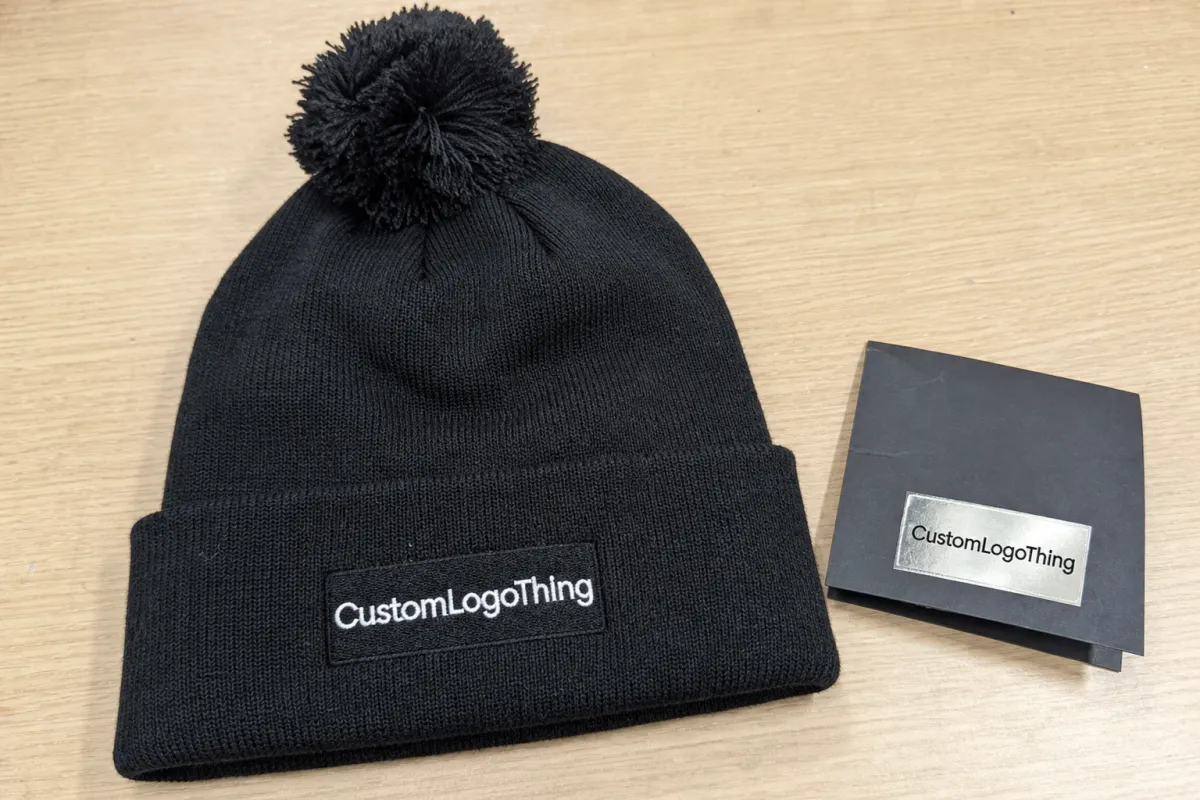
Most rejections happen quickly and for practical reasons. The first failure point is usually fit. If the beanie pinches the forehead, rides too high, or slouches in a way that was never requested, the sample is already off target. The next common problem is recovery. A knit that stretches nicely in the hand but stays baggy after a few pulls is a future returns issue. Pom balance comes next, because a heavy or off-center pom changes the silhouette more than many buyers expect.
Decoration can also sink an otherwise decent sample. A clean logo does not fix a crown that has too much height or a rib that twists under pressure. Buyers often notice that contrast only after the sample is worn, not when it is laid flat on a desk. That is why a pom pom Beanies Sample Approval Checklist should evaluate the full product: body knit, cuff, pom, trim, label, and pack-out. Treating decoration as the only proof point creates blind spots.
The best first review is side by side with the tech pack, approved artwork, and color reference. Photos help, but they do not show gauge density, seam bulk, or how the cuff sits when folded. A sample is a spec-drift check. If the approval notes do not say exactly what is wrong and how much it is off, the next revision will probably solve the wrong problem.
A sample is only useful if it answers the hard questions early: does it fit, does it recover, does the pom stay balanced, and does the decoration survive handling?
From a buyer's perspective, that early discipline prevents expensive guesswork later. Once bulk knitting begins, even a small correction can affect yarn use, trim sourcing, and lead time. A sample that feels vague or "close enough" is usually not ready.
Sample Approval Process and Timeline From First Knit to Signoff
The smoothest approval path is usually linear: brief the supplier, knit the first sample, add trim and decoration, inspect, note revisions, request a second sample if needed, and sign off only when the sample matches the agreed standard. In reality, delays tend to appear at the handoff points. A vague color reference, missing artwork dimensions, or feedback sent in scattered messages can add days before anyone starts the revision.
For planning, a straightforward sample often takes about 5 to 7 business days once measurements, yarn references, and artwork are locked. Custom-dyed yarn, specialty pom construction, or new packaging can push that to 10 to 15 business days, sometimes longer if a supplier has to source a substitute or wait for a color match. Revisions add another cycle. Buyers who send one consolidated comment round usually get faster turnarounds than buyers who keep adjusting the brief after the sample is already underway.
It also helps to separate roles. Design should confirm the look. Merchandising should confirm the commercial fit and price point. Production should confirm that the sample can be repeated at scale. If those checks happen late and separately, the revision turns into a compromise instead of a correction. One final signoff owner, plus one backup reviewer, keeps the approval trail clean.
| Sample Stage | Typical Cost Impact | What Gets Checked | Common Delay Trigger |
|---|---|---|---|
| Proto sample | Low to moderate | Basic shape, fit, and yarn behavior | Unclear measurements or artwork |
| Sales or visual sample | Moderate | Color match, trim, and decoration placement | Split feedback from different teams |
| Final approval sample | Highest, but usually still separate from bulk | Exact spec match before production | Late design edits or missing swatches |
The table reflects what actually happens in knit programs. A small revision, such as lowering the pom profile or tightening the cuff, can force a fresh sample if the supplier needs to rework the pattern or resettle materials. The tighter the first brief, the fewer loops the process needs.
Cost, MOQ, and Quote Factors That Shape Sample Approval
Sample approval is not only a visual decision. It is also a cost decision. A basic knit beanie sample with stock yarn and simple embroidery may fall around $25 to $60 before shipping. A custom pom style with dyed yarn, a branded patch, or specialty labeling can run $60 to $150 or more, especially if the sample goes through more than one revision. Those are working ranges, not fixed rates, but they help buyers compare quotes without getting distracted by polished sales language.
The main price drivers are easy to identify once the sample is in hand. Yarn type, stitch density, pom construction, embroidery count, patch method, woven labels, hang tags, and packaging all influence cost. A brushed acrylic yarn behaves differently from a wool blend, and a dense rib knit takes more time than a lighter, looser construction. If the pom uses a custom fiber mix or a hard-to-match color, the sample cost rises. If the packaging needs printed inserts, retail stickers, or FSC-certified paperboard hang tags, add proofing time and extra setup.
MOQ matters too. Lower quantities usually carry a higher unit cost because setup gets spread across fewer pieces. Larger orders can absorb more customization, but only if the spec is stable. In many knit programs, a modest MOQ might sit around 100 to 300 pieces per color, though the real number depends on the yarn, the number of colors, and the decoration method. A low sample price is not always a bargain if the quote excludes revisions, freight, or trim changes.
That is why experienced buyers compare sample quotes line by line. They ask what the fee includes, how many revision rounds are covered, whether decoration changes are extra, and whether the supplier can hold the price if the sample shifts after approval. A Pom Pom Beanies sample approval checklist works best when it is tied to the quote, because the approved sample and the priced sample should describe the same item.
One practical rule helps here: if the sample needs custom sourcing, treat it like a project with milestones. That keeps the budget realistic and makes the approval easier to defend internally.
Knit, Fit, and Pom Details Buyers Should Inspect Closely
Good sample review spends more time on feel than on appearance. Yarn hand feel, gauge consistency, and stretch recovery say a lot about how the beanie will wear after repeated use. A tighter rib usually holds its shape better. A looser knit often feels softer, but it can relax sooner and distort faster. Neither option is automatically better. The right choice depends on the target price, the brand position, and whether the hat is meant for casual wear, cold-weather use, or retail display.
Pom quality deserves its own check. Look at fullness, symmetry, attachment strength, and color match. A pom can look fine at arm's length and still sit awkwardly once the beanie is on the head, especially if the crown point is too high or the attachment is not centered. A light pull test followed by a wear check reveals more than a close-up photo. If the pom drags the knit out of shape, the attachment method needs review before production.
Decoration should be checked with the same discipline. For embroidery, look for alignment, stitch density, and puckering around the knit. For a woven patch, inspect edge cleanliness and placement against the center line. For a label, verify that it does not scratch, curl, or buckle when the cuff is folded. Small placement errors become obvious once the hat is worn, and that is usually the moment the buyer realizes the sample was approved too quickly.
Color also needs direct comparison. Check the sample in daylight against the approved swatch, not under one flattering office lamp. Look for speckling, uneven dye uptake, and any mismatch between the physical sample and the digital rendering. A darker heather yarn can hide minor flaws, but it can also change logo contrast more than buyers expect. That is one reason the pom pom beanies Sample Approval Checklist should cover the product as a whole instead of letting each department judge only its own piece.
For retail-ready orders, pack-out matters as much as the beanie itself. If the item is meant to hang on display, confirm the hang tag position and punch. If the shipment must survive distribution-center handling, carton quality and transit testing should be part of the review. For programs with rigid pack requirements, testing against relevant methods from ISTA can prevent avoidable damage after bulk production starts.
Step-by-Step Review Method for a Clean Sample Signoff
The easiest way to keep comments organized is with one review sheet that captures measurements, photos, notes, and pass or fail decisions. That single record becomes the approval history. It also keeps people from arguing later about what changed. If one reviewer sends a marked-up photo, another sends a spreadsheet, and a third adds a separate email, important details get lost very quickly.
- Start in natural light and compare the sample against the tech pack, approved swatch, and artwork.
- Measure the hat flat, then on head, so you can confirm circumference, height, cuff depth, and crown balance.
- Feel the knit for stretch recovery, surface smoothness, and any rough yarn behavior around seams or labels.
- Inspect the pom with a light pull, then check whether the attachment sits centered and balanced.
- Review the decoration, packaging, and labeling, then mark the status as approved, approved with notes, or revise and resubmit.
That sequence sounds simple because it is. The challenge is sticking to it. Buyers often approve too early because the hat photographs well. A physical sample should be handled, worn briefly, and turned inside out if needed. Two minutes on a head can reveal more than a dozen close-up images. If the cuff bites, the crown collapses, or the pom shifts the silhouette, write it down immediately and label the version clearly.
Use one review voice. If three people send comments separately, the factory will solve three different problems instead of one real problem.
Final status should stay narrow and unambiguous. Three outcomes are enough: approved, approved with minor notes, or revise and resubmit. Anything looser invites confusion. If a sample is approved with notes, those notes need to say whether they are cosmetic or mandatory. That distinction matters because it tells the supplier whether bulk knitting can begin or whether another revision is required. For traceability, tie the signoff to the revision number, the measurement sheet, and the photo set.
Common Mistakes That Delay Pom Pom Beanie Approval
Approving from photos alone is the biggest trap. Knit texture, weight, stretch, and pom volume all change once the item is in hand. A screen image can hide a slightly off crown shape or a pom that sits heavier on one side. Those are the kinds of details that shape buyer confidence, which is why a pom pom Beanies Sample Approval Checklist should always include a physical review.
Vague feedback causes the next delay. "Looks good" tells the supplier almost nothing. "Make it better" tells them even less. Useful feedback names the issue, the location, and the direction of change: lower the crown by 1 cm, reduce pom diameter by 10%, move the patch 5 mm lower, or tighten the rib recovery. Specific notes keep revision rounds from multiplying.
Packaging is another easy miss. If the program includes size labels, inserts, polybags, or retail cartons, those items should be checked during sample approval, not after bulk production begins. Mixed labels, missing inserts, or carton marks that do not match the master record create warehouse problems later. For shipping-heavy orders, carton quality and pallet configuration deserve attention too. Sample approval is not only about the beanie; it is about the item that arrives ready for handling.
Late design changes are another predictable source of delay. A new pom yarn, a different label material, or a revised logo placement can affect sourcing, cost, and lead time. Even a small adjustment may send the sample back through yarn procurement or trim setup. Buyers sometimes underestimate that ripple effect because the change looks minor on paper. In production, minor changes still consume time.
None of these mistakes is dramatic by itself. Put them together and the schedule slips quietly. The cleanest fix is discipline: one approved reference, one comment round, one final version.
Expert Tips and Next Steps Before You Approve Production
The strongest pom pom beanies sample approval checklist is the one that gathers every comment into a single consolidated round. That keeps the supplier from chasing scattered instructions and gives the buyer a clearer record of what changed. It also makes the approval process more honest, because everyone is reviewing the same revision at the same time.
Physical swatches are worth keeping. If a color has to match a brand standard, send the supplier a dated swatch and keep one on your side for direct comparison. If a problem is easier to show than to describe, mark up the photo instead of writing a long paragraph. An arrow, a short note, and a measurement reference usually communicate more clearly than a wall of text.
Prioritize the details that affect quality: fit, pom security, decoration placement, and knit recovery. Cosmetic preferences can be discussed, but they should not block production if they do not affect wear or brand presentation. Buyers who separate critical issues from subjective ones move faster and make better calls, especially on seasonal accessories where missed timing can turn into markdown pressure.
Lock the final sample version before production starts. If the quote, the timeline, and the approved sample do not match, something will get paid for twice.
Before releasing the order, confirm the sample version number, the measurement sheet, the color standard, the decoration method, and the packaging notes. Keep the approved physical sample where both merchandising and production can reference it. If questions come up later, that piece becomes the only standard that matters.
Frequently Asked Questions
What should be on a pom pom beanies sample approval checklist?
Include fit, stretch recovery, yarn hand feel, pom size and attachment, color accuracy, decoration placement, and label or packaging details. Add measurement checkpoints and photo notes so the approved sample can be matched against production later.
How many sample rounds are normal for pom pom beanies approval?
One to two rounds is common when the tech pack is clear and the buyer gives consolidated feedback. More rounds usually mean the color reference, fit spec, or trim details were not defined tightly enough at the start.
Why does the sample price change during approval?
Price changes when the buyer requests new yarns, new decoration methods, extra revisions, or custom trims that were not in the first quote. MOQ and order size can also affect unit cost once the sample moves toward bulk production.
How do I check whether the pom on a beanie is approved?
Inspect the pom for fullness, symmetry, attachment strength, and color match under good light. Do a light pull test and confirm the pom sits balanced on the crown without pulling the knit out of shape.
What should happen after the sample is approved?
Confirm the final sample version in writing, including any measurements, colors, decoration details, and packaging notes. Release bulk production only after the quote, timeline, and approval record all match the same finished specification, and keep the pom pom beanies sample approval checklist on file for the run.

