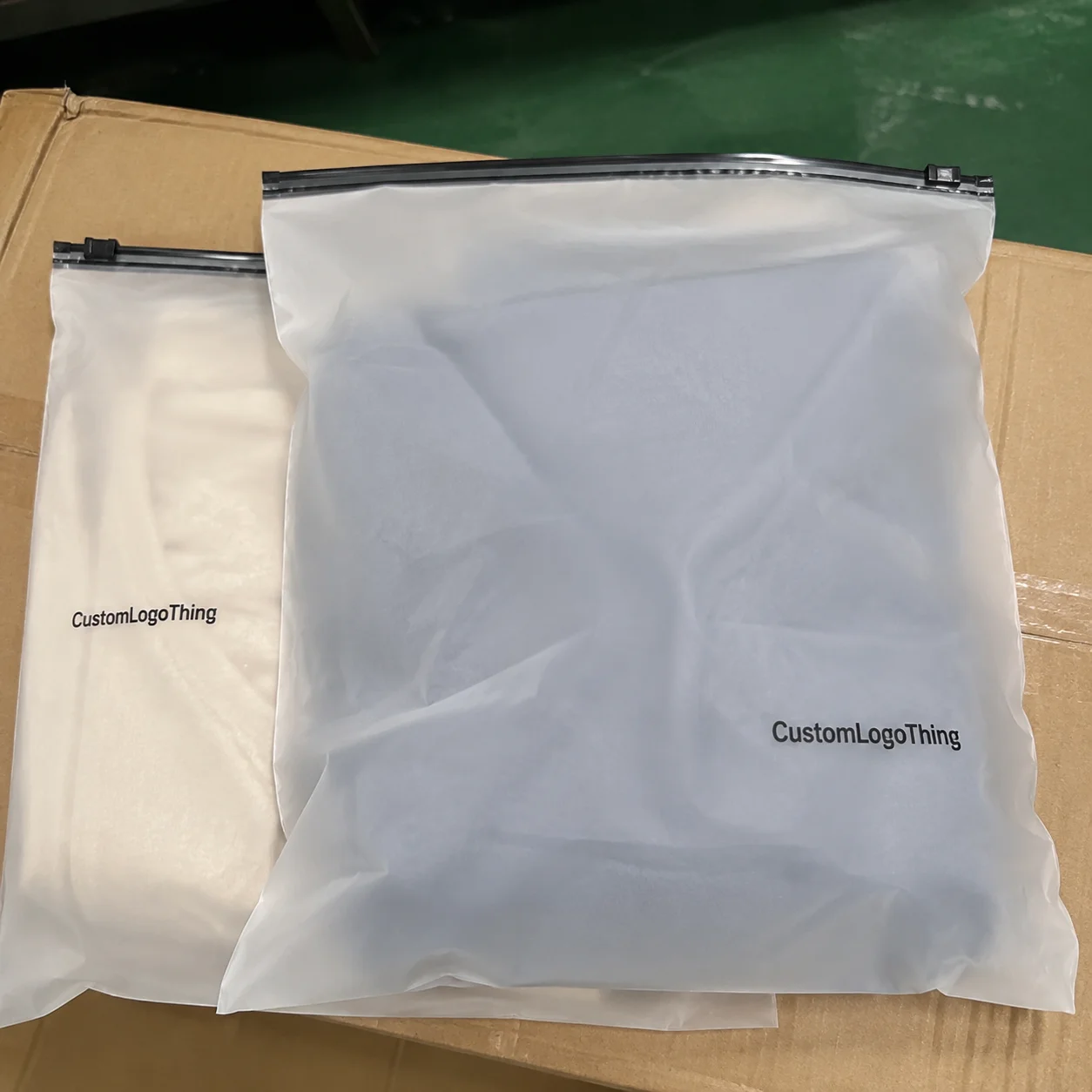
If you are comparing Courier Mailer Bags for boutiques quote checklist options, the lowest unit price is rarely the best buy. A bag that feels flimsy, seals poorly, or prints off-color can make a premium garment look cheaper before the customer even opens it. That first touchpoint matters more than many buyers expect. It protects the product, carries the brand, and affects how efficiently the packing line moves.
From a packaging buyer’s point of view, a quote should answer three questions before anything is approved: How should it present? How well should it protect? What is the landed cost? If a supplier cannot price those three clearly, the quote is incomplete.
The phrase “Courier Mailer Bags for boutiques quote checklist” may sound narrow, but the sourcing work behind it is broader. You are not just buying a shipping sleeve. You are balancing appearance, closure reliability, print quality, freight efficiency, and the risk of reordering the wrong spec. A well-written brief saves more money than squeezing a few cents from the unit price.
Why Boutique Orders Fail Before the First Shipment Leaves
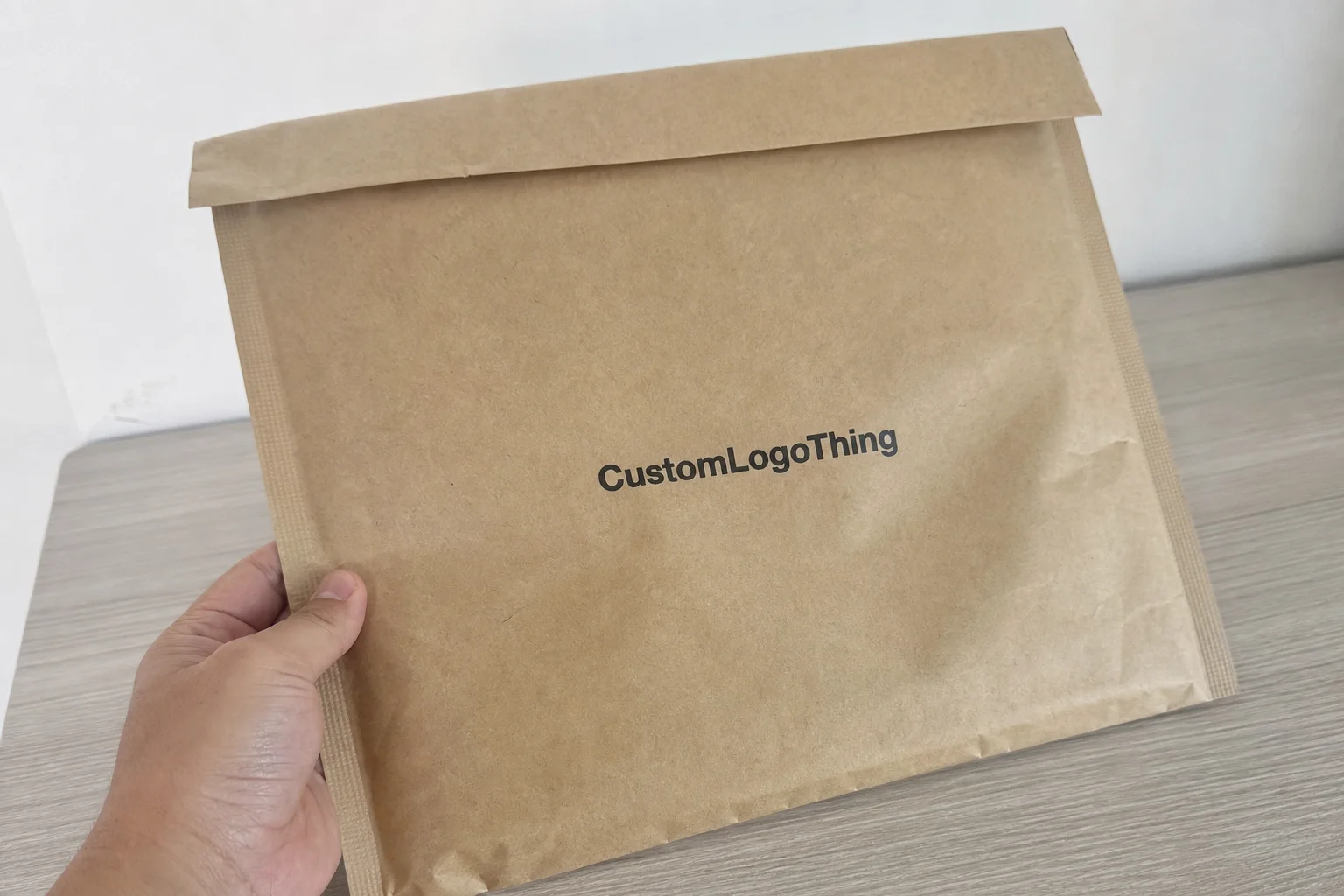
Most bad mailer purchases begin with a vague brief. “We need a branded bag” sounds simple, but it leaves too much open to interpretation. The result is predictable: wrong dimensions, weak adhesive, poor opacity, or print that looks louder on screen than on the finished bag. A solid quote checklist forces both sides to define the job before money changes hands.
That matters because the mailer is often the first brand object a customer touches. For apparel, beauty, accessories, and lifestyle products, the bag is doing more than shipping. It sets expectations. A matte mailer with crisp print signals intention. A thin, translucent bag says “budget,” even if the product inside is not.
Order failures usually show up in places that are expensive to fix. Returns rise when bags tear in transit. Packing slows down because staff have to double-check fit and seal integrity. Customer complaints increase when adhesive strips fail, when bags split at the seam, or when the finish scratches easily during transport. Then comes the expensive part: a second run. One reprint can wipe out the savings from choosing the lowest quote.
In practice, the strongest quote process starts with three variables:
- Presentation — how the bag looks in hand and on arrival.
- Protection — how it handles moisture, puncture risk, and rough shipping.
- Landed cost — unit price plus tooling, freight, duties, and sampling.
If a supplier does not discuss all three, keep shopping. For broader reference on shipping performance and material language, the Packaging Machinery Manufacturers Institute and ISTA provide useful frameworks for comparing claims. Not every boutique mailer needs lab testing, but the standards-based thinking helps separate marketing terms from measurable performance.
There is also a practical reason to be disciplined at the quote stage: bag specifications are hard to correct once production begins. A missing dimension, a vague print placement note, or an unclear seal requirement can turn a cheap quotation into a costly delay. Packaging buyers who work with seasonal stock feel this most sharply, because a bag that lands late can miss the sales window entirely.
Material, Finish, and Closure Choices That Shape Presentation
Material choice changes almost everything. Standard PE film is common because it is economical, flexible, and easy to print. Co-extruded film can improve toughness and gives better control over opacity, which is useful if the bag must hide the product shape. Recycled-content film may support brand positioning, but buyers should ask for actual composition details rather than loose sustainability language. If a supplier claims post-consumer content, ask for documentation and whether the claim is tied to a certified chain of custody.
Finish affects perception more than many brands expect. Gloss tends to sharpen color and make print pop. Matte reduces glare and often reads more upscale, especially for fashion labels. Soft-touch or frosted effects can improve hand-feel, but they can also show scuffs differently and carry a higher price. If your customer base leans premium, that finish detail may be worth the extra spend. If the product is high-volume basics, it may not be.
Closure style is not a small detail. It is the difference between a bag that stays shut and one that creates a complaint.
- Self-seal adhesive: fast for packing teams, standard for many boutique mailers.
- Tamper-evident strip: better for security-minded shipments and customer trust.
- Tear strip: helps the customer open the bag without knives or damaged contents.
- Double adhesive strip: useful if the bag is reused for returns or exchanges.
Weather resistance deserves attention too. If the parcel may sit in a depot, a van, or on a covered porch, moisture resistance matters. For short local routes, a lighter bag may be enough. For longer routes or less predictable carrier handling, higher opacity and a thicker structure are safer. You do not need to overspec every order, but you do need the structure to match the shipping reality.
| Option | Typical Strength | Presentation | Common Use | Relative Cost |
|---|---|---|---|---|
| Standard PE film | Good for light apparel | Basic, functional | Entry-level boutique shipping | Lowest |
| Co-extruded film | Better puncture and opacity | Cleaner, more premium | Fashion, accessories, boxed items | Moderate |
| Recycled-content film | Depends on blend and thickness | Brand-friendly, natural look | Sustainability-led labels | Moderate to higher |
| Soft-touch matte | Good if thickness is adequate | Premium, tactile | Beauty, luxury apparel | Higher |
Size, Thickness, and Print Specifications to Confirm
Size errors are expensive because they are hard to hide. Always measure the usable internal dimensions, not just the flat outer size printed on a spec sheet. A folded knit top, a rigid box, or a garment pack with tissue can need more room than expected. If the bag stretches at the seam or the adhesive lands on the product edge, the spec is wrong.
For boutique products, measure the packed item in three dimensions, then add clearance. A garment mailer may need 10–20 mm of extra room on each side for easy insertion. A boxed accessory may need more, especially if the box corners are sharp. The smaller the bag, the tighter the tolerance should be.
Thickness is usually given in microns or gauge. Do not let the number sit on its own. Ask what that thickness means in practice. A thicker film generally improves puncture resistance and stiffness, which helps with heavier or sharper products. But extra thickness also raises cost and shipping weight. For many boutique applications, a well-built bag in the 60–100 micron range is a sensible starting point, though the right spec depends on product weight, route length, and how much abuse the parcel is likely to take.
Print specs should be locked early. Otherwise, quotes drift.
- Artwork placement: centered, repeat pattern, or full-bleed coverage.
- Pantone targets: especially important for brand colors that must stay consistent.
- Number of ink colors: one-color branding is usually cheapest.
- White ink coverage: critical on tinted or recycled-looking film.
- Bleed area: define edge coverage to prevent white margins.
Operational details matter too. Ask about seam strength, tear-notch placement, return-strip alignment, and production tolerance. A quote that ignores those points is not complete. Reorders should also hold within a defined tolerance range, otherwise a “same” bag can shift from batch to batch and complicate packing.
“The lowest quote is not the cheapest bag. The cheapest bag is the one that fits, seals, prints correctly, and does not force a second run.”
Print method can also affect consistency. Flexographic printing is often economical for larger volumes and repeat artwork. Digital printing can suit shorter runs or designs that change often, though the economics vary by supplier. If your brand refreshes graphics seasonally, ask how the printer handles color matching across runs. Small differences are obvious on retail packaging, and they tend to show up more in matte finishes than on gloss.
Quote, Pricing, and MOQ Factors That Change Your Unit Cost
Unit pricing for mailer bags moves with a handful of variables. Size is first. Larger bags use more film, more ink, and more freight space. Film structure comes next, because multi-layer and recycled-content builds often cost more than a standard single-layer option. Then there is print complexity, adhesive upgrades, packaging format, and carton configuration. Even the way bags are packed inside master cartons can affect freight efficiency.
MOQ is where many boutique buyers lose visibility. Lower quantities usually mean higher unit cost because setup charges are spread across fewer bags. A 1,000-piece run can look expensive next to 5,000 pieces for exactly that reason. Ask for tiered pricing. If the supplier only offers one number, you cannot see the real economics.
Here is a useful comparison for planning.
| Order Size | Typical Unit Cost Range | What Usually Changes | Best For |
|---|---|---|---|
| 1,000 pieces | $0.30-$0.60 | Higher setup burden, limited economies | Testing a new brand look |
| 3,000 pieces | $0.22-$0.42 | Better spread of tooling and print setup | Seasonal drops and steady boutique volume |
| 5,000 pieces | $0.18-$0.34 | More favorable print and material economics | Core SKUs and repeat orders |
Those ranges are directional, not universal. A full-bleed print, double adhesive strip, or premium finish will push the price up. A plain one-color bag on standard PE will sit lower. Freight can swing the total just as much as the bag cost, especially on heavier films. If you ship internationally, ask whether the quote includes customs paperwork, duties, and local tax treatment. That detail often gets buried.
Also confirm what is included in the sample and tooling line. Does the quote cover plates, cylinders, proofing, and one pre-production sample? Or is each item billed separately? For reorders, ask whether the setup economics reset or whether the tooling is already amortized. That changes annual spend more than many teams expect.
If your current packaging mix also includes cartons, inserts, or labels, review Custom Poly Mailers alongside the mailer bag spec. In some cases, aligning the artwork system across outer mailers and inserts cuts approval time and reduces sourcing complexity.
One caution: cheap freight assumptions can distort the quote more than the bag itself. A supplier may quote attractively on ex-works pricing, then the landed number climbs after export handling, inland transport, and destination fees are added. Ask for the full movement cost if you are comparing suppliers across regions.
Process, Timeline, and Production Steps for Approval
A clean ordering process reduces surprises. The better suppliers move through a simple chain: spec collection, quotation, artwork review, sample approval, production, quality control, and shipment booking. If one of those steps is missing, ask why. The fewer assumptions made early, the fewer delays later.
Typical checkpoints should be visible in the quote. Expect a proof turnaround in a few business days, a sample lead time that may run one to two weeks depending on complexity, a production window often in the 12-15 business day range after approval, and a transit estimate based on destination. If a supplier cannot give those milestones, they are not pricing the job as a managed production order. They are guessing.
Delays usually come from the same places:
- Missing vector artwork.
- Unclear Pantone references.
- Changing the bag dimensions after proof.
- Late approval from internal stakeholders.
- Seasonal congestion that was never discussed at quote stage.
One practical rule: confirm the production slot before final payment. That is especially true for launches tied to retail events, influencer drops, or holiday ranges. A low quote is irrelevant if the bags miss the window by two weeks. The better suppliers will tell you whether they can hold a slot once artwork is approved. Ask directly.
For packaging performance and transit claims, ASTM and ISTA standards are the right reference points when shipment durability becomes part of the brief. They do not apply to every mailer order, but they are useful if you are shipping fragile accessories or want a more disciplined test plan. For sustainability claims, the EPA and FSC are better sources than a sales brochure with vague green language.
Quality control should be visible, not assumed. A practical QC plan checks seal adhesion, print registration, film thickness, and carton counts before dispatch. Buyers ordering by the thousands should ask whether the supplier performs batch sampling and how they handle nonconforming units. Small defects matter more than they sound; a one-percent failure rate in a 5,000-unit order is fifty bags, and those fifty tend to be the ones customers remember.
Supplier Signals That Reduce Risk on Boutique Reorders
There is a clear difference between a real manufacturer and a reseller with a nice website. Real manufacturers tend to be more precise about batch consistency, print control, and reorder tolerance. They can explain film structure, adhesive performance, and how color is managed from one run to the next. Resellers often speak in broader terms and avoid technical questions.
Good signals include transparent sampling, clear dielines, and a willingness to explain trade-offs. If a supplier hides behind vague terms like “premium quality” without giving thickness, opacity, or closure details, that is a warning sign. A useful partner will tell you what can shift within tolerance and what cannot. That honesty protects both sides.
For boutiques that refresh designs seasonally, flexibility matters. You may want small-batch test runs, occasional artwork changes, or multiple SKUs without rebuilding the whole spec every time. Suppliers that can support that rhythm are easier to work with, even if their quote is not the lowest on page one. In packaging, consistency beats improvisation.
Documentation also matters. Ask for proof of recycled content claims, material origin where relevant, and shipping compliance information. If a product is being positioned as more sustainable, the paperwork should support the claim. Otherwise, the claim is only marketing copy. The same goes for any statement about compostability or recyclability. The bag must match the claim, and the claim must match the material.
One more practical filter: ask how they handle reorders after six months. Can they match the prior print? Can they source the same film structure? Do they keep the artwork file and production notes on record? That is where a supplier earns trust. Not by saying “yes” quickly, but by showing they can repeat the order without drifting.
Consistency checks should include simple but concrete items: correct bag opening orientation, adhesive placement, color variance against the approved proof, and a sample pulled from the middle of the run rather than just the top of the carton. Those checks sound basic. They are also the ones that catch the most expensive problems.
Next Steps: Build a Quote-Ready Spec Sheet
If you want accurate pricing, make the brief easy to quote. Start with the exact bag dimensions, product weight, print area, color count, target quantity, and required delivery date. Add whether the bags will hold folded garments, boxed items, or accessory sets. The more specific the packed item, the more useful the quote.
Prepare the files suppliers need: vector logo, brand colors, reference images, and packing notes that affect presentation or speed. If you have a Pantone standard, include it. If you need a matte look instead of gloss, say so. If the bag must support returns, say that too. These are not minor comments. They change the structure and price.
Then request at least two quote tiers. One should reflect your target spec. The second should show the impact of a higher finish, thicker film, or stronger closure. That side-by-side comparison makes the decision easier. It turns the buying choice into a facts-based conversation rather than a subjective one.
For boutique buyers, the best Courier Mailer Bags for boutiques quote checklist is simple: define the product, define the print, define the closure, define the quantity, and define the delivery window. Do that, and the rest of the sourcing conversation becomes much clearer.
A final practical point: keep a record of the approved spec, not just the invoice. When packaging reorders are delayed, the issue is often not the supplier’s memory but the buyer’s missing paper trail. A short spec sheet with dimensions, film type, closure, print method, and approved artwork date prevents drift on the next run.
FAQ
What should be on a courier mailer bags for boutiques quote checklist?
Include bag size, film thickness, material type, closure style, print colors, and any finish upgrades. Add MOQ, target delivery date, shipping destination, and whether the quote covers tooling, samples, and freight.
How do I choose the right size for boutique courier mailers?
Use the folded product dimensions, not the retail display size, and leave clearance for sleeves, tissue, or inserts. If the item is boxed, measure the outer carton and confirm the bag can seal without stressing the seams.
How much does custom printing change the quote on mailer bags?
Each added color, full-bleed artwork, or special finish usually raises setup complexity and unit cost. Simple one-color branding is often the lowest-cost path; premium effects should be compared against reorder volume.
What MOQ is typical for boutique courier mailer bags?
Many suppliers quote in the low thousands, but the exact MOQ depends on size, print method, and material choice. Lower MOQs are possible, but the unit price usually increases because setup costs are spread across fewer bags.
What files do I need to request an accurate quote?
Prepare vector artwork, Pantone references, bag dimensions, print placement notes, and a target quantity. Also include your required ship date and delivery address so the supplier can price production and freight correctly.