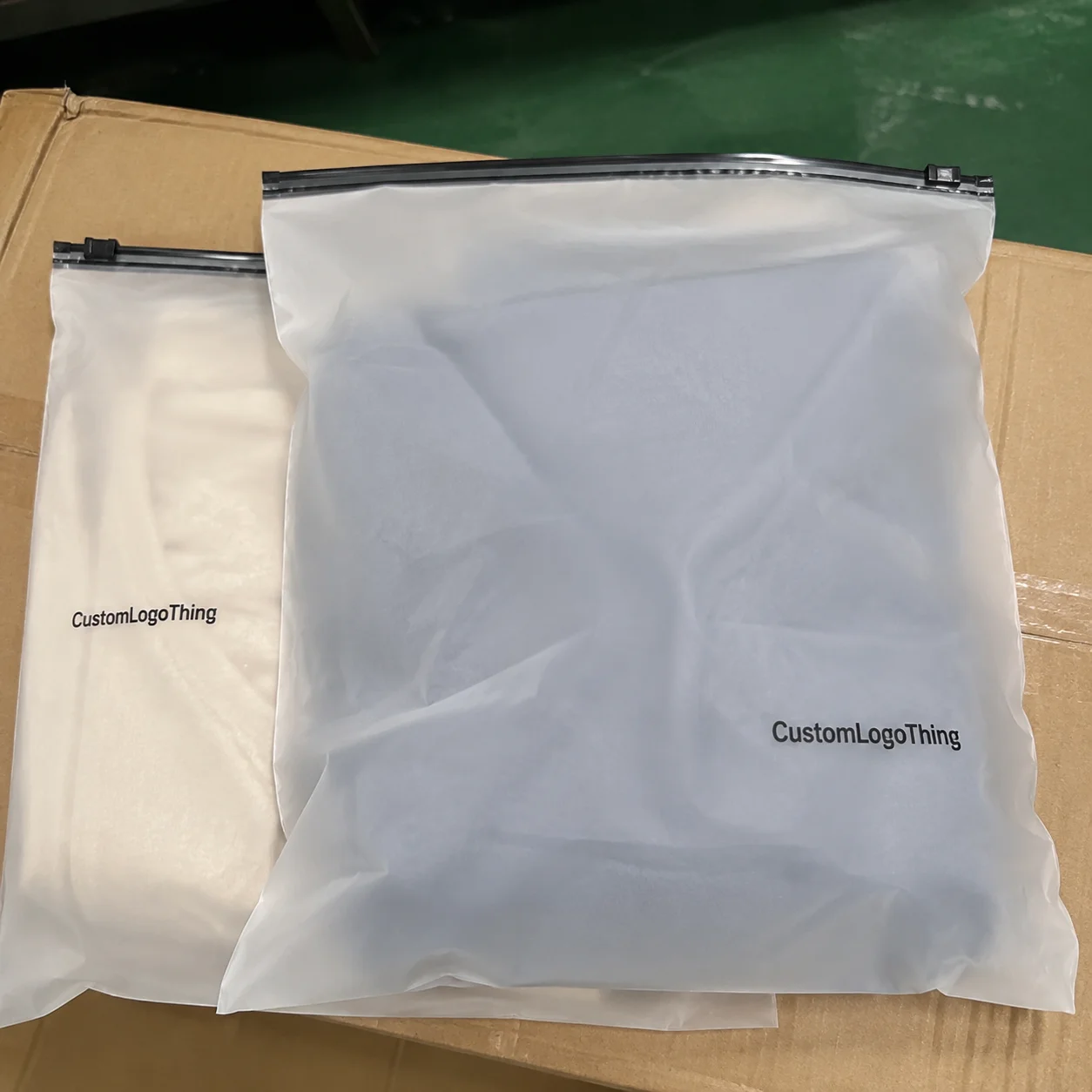
Replica jerseys, training tops, youth kit, sponsor merchandise, season-ticket packs: once a sports club starts shipping regularly, the outer packaging stops being background noise. That is why the Courier Mailer Bags for sports clubs print comparison matters more than many buyers expect. The bag is often the first physical touchpoint after checkout, and it can either make the order feel professional or make it feel like someone grabbed the nearest generic pouch and hoped for the best.
A cheaper bag can cost more overall if it tears, slows packing, or triggers returns because apparel arrives scuffed or wet. For clubs, the right comparison is not just “what is the lowest quote?” It is print quality, material performance, cost, lead time, and order size, all viewed through the real lens of club fulfilment. Packaging is boring right up until it starts generating complaints.
Why sports clubs keep switching to printed courier mailers
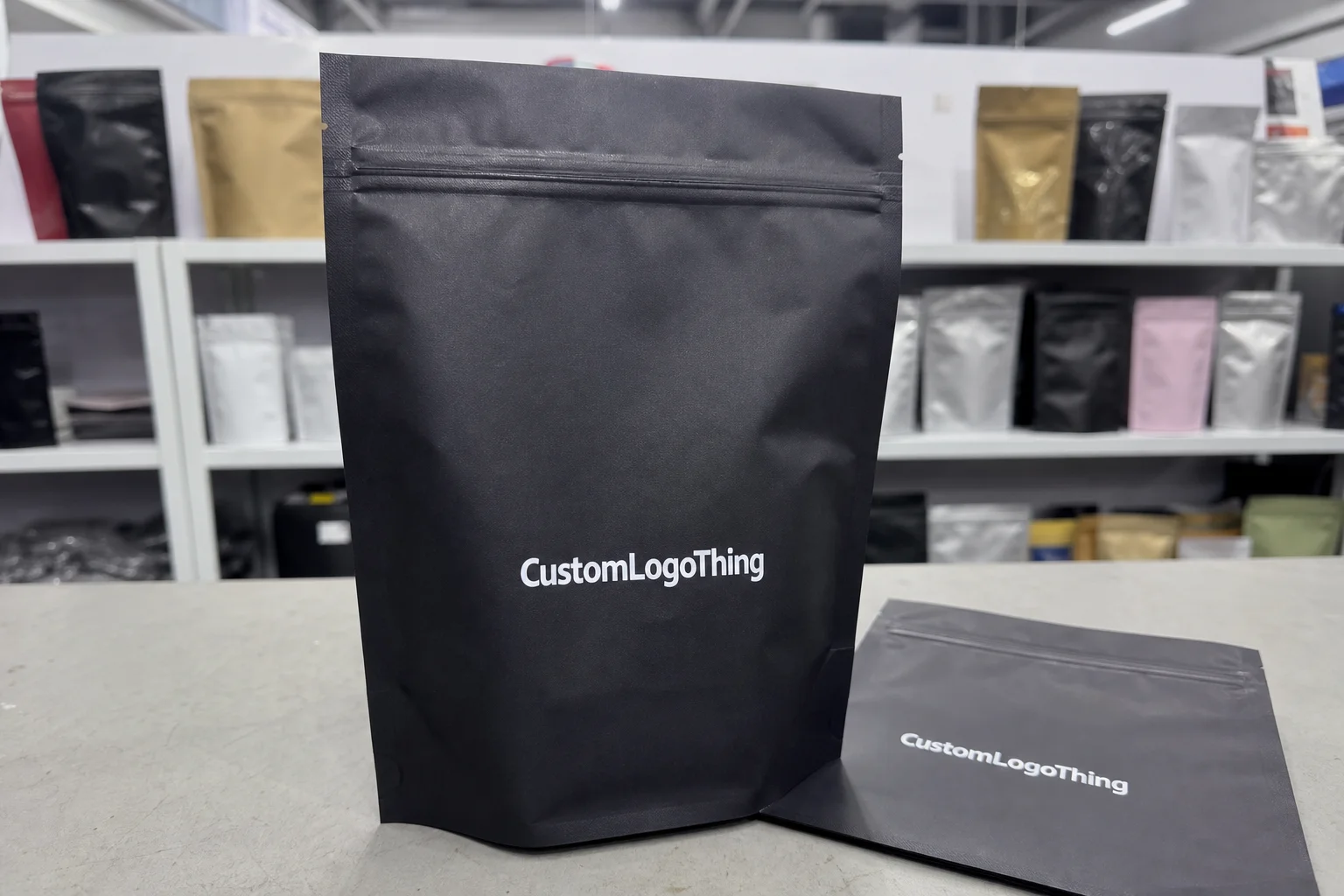
A club shop shipping 50 replica shirts a week does not need luxury packaging. It does need a bag that protects the goods, speeds up packing, and looks like it belongs to the club. That is the practical case for printed courier mailers. They keep shirts dry, hide contents from view, and create a stronger branded handoff when the parcel lands on a doorstep or at a reception desk.
From a packaging buyer’s point of view, the outer bag is part of the merchandising system. A plain mailer says “delivery.” A printed one says “club order.” That distinction matters because sports shoppers are not buying a commodity; they are buying affiliation. A crisp crest, a sponsor line, or a simple one-color logo can reinforce that feeling without inflating pack costs.
The other reason clubs switch is operational. Printed bags can reduce handling errors because staff can visually separate first-team retail, academy orders, and event giveaways. A different print for each line also helps in shared warehouses where multiple club products move through the same bench space. Standardized bag sizes can improve inventory control too, which sounds dull until you have three nearly identical mailers and one very annoyed picker.
Many buyers assume a low-cost bag is automatically the smart move. It is not always the case. If a flimsy mailer tears during transit, the replacement cost goes well beyond the bag price. Add customer service time, resend freight, and the brand damage from a poor unboxing, and the economics change quickly.
What this comparison should help you do:
- Match print method to order volume.
- Choose a film thickness that survives real handling.
- Balance brand presentation against setup cost.
- Pick a lead time that fits kit launches and retail peaks.
How printed courier mailer bags work for club fulfilment
In plain English, Courier Mailer Bags are lightweight protective envelopes used for apparel, accessories, paperwork, and small retail orders. For sports clubs, they are usually made from LDPE, recycled-content film, or a co-extruded plastic structure with a self-seal adhesive strip. Some include a tear strip, which sounds minor until you are trying to open 300 orders in a busy dispatch room.
The printing process depends on the artwork and the run size. Flexographic printing is common for larger volumes because it keeps unit costs under control once setup is done. Digital printing is better for shorter runs, variable artwork, or clubs that change sponsors often. You will also see spot color branding for clean logos and strong contrast, while CMYK is used when the design needs more detailed imagery or tonal variation.
There is a production chain behind the bag that buyers rarely see. Artwork is prepared, traps and bleed are checked, color references are confirmed, and then the print is applied to film before the bag is converted, sealed, slit, or perforated depending on the spec. If the supplier is using offset printing for inserts or labels alongside the mailer program, that may sit in the wider packaging workflow too, though the mailer itself is usually flexo or digital.
Bag structure changes the result as much as the print method does. A 60-micron film handles differently from an 80-micron film. Opaque white-back film hides the contents better than thin translucent stock. A gusseted design gives you more room for folded hoodies, but it can also alter how a logo sits near the seam. If the print area straddles a fold, expect distortion unless the artwork has been set up for it.
For club fulfilment, three things matter most: packing speed, presentation, and protection against rain, abrasion, and courier handling. The print should look good, yes. But it also needs to survive rough transit, because a sponsor logo on a torn bag is not brand visibility; it is a bad review with a crest on it.
“The best mailer is the one that disappears into the workflow and still makes the order feel branded when it reaches the customer.”
Courier mailer bags for sports clubs print comparison: what to compare
If you are comparing courier mailer Bags for Sports Clubs print comparison quotes, keep the lens narrow and practical. The print method is only one piece of the puzzle. You need to compare print quality, bag durability, sustainability claims, and brand impact side by side, because a cheap print that rubs off or a flashy design that slows packing is not value.
Print quality means sharpness, colour consistency, and edge detail. Can the crest hold its thin lines? Do sponsor marks stay readable at arm’s length? On plastic film, very fine detail can fill in more than it would on paper. A simple logo lockup often outperforms a crowded design, especially if the film has a slight sheen.
Durability covers both the bag and the print. A good courier mailer should resist scuffing in transit and maintain seal integrity under normal courier handling. If the ink scratches away during friction, the parcel may still arrive intact, but the finish looks tired before the customer even opens it.
Sustainability needs a careful read. Some bags contain recycled content; others are recyclable depending on the local waste stream and the film type. Ask whether print chemistry, adhesives, or multi-layer structures affect end-of-life handling. Broad claims are cheap. Specifics are useful.
Brand impact is where sports clubs can get more strategic than many retail buyers. Full-color graphics can work well for merchandise launches, but a one- or two-color logo often looks cleaner and costs less. If your club mark is already strong, minimal print can be enough.
Use case matters too. A first-team retail order may deserve a better presentation than a bulk academy pack. Fundraising orders, sponsor mailers, and event giveaways can all sit on different points of the quality-cost curve.
| Comparison point | Flexographic print | Digital print | Best fit for clubs |
|---|---|---|---|
| Typical order size | Medium to large | Short to medium | Depends on monthly volume |
| Colour handling | Strong with spot color | Good for CMYK artwork | Simple crests or artwork-heavy designs |
| Setup cost | Often higher | Usually lower | Small clubs testing a new design |
| Unit cost at scale | Usually lower | Can stay higher | High-volume club shops |
| Artwork changes | Less flexible | More flexible | Seasonal sponsor changes |
For clubs that also ship smaller accessories, it can help to compare mailers with Custom Poly Mailers. The format is similar, but the spec can shift depending on whether you are sending socks, scarves, shirts, or mixed bundles.
If you want a technical benchmark for transit performance, the testing language used by organizations such as ISTA is a useful reference point: ISTA transport testing standards. For material and environmental context, the EPA’s guidance on recycling and waste reduction can also help frame sustainability claims: EPA recycling guidance.
Cost, pricing, MOQ and unit cost: what clubs actually pay
The quote line most buyers stare at is unit price. Fair enough. But in mailer packaging, unit price is only useful when you know what sits underneath it. Bag size, film thickness, print colours, print method, and any special print finishing all shape the final number.
As a rough market frame, simple printed courier mailers for club use might sit around $0.18-$0.28 per unit at 5,000 pieces, depending on size, colour count, and coverage. Smaller runs can drift upward. Add a second print colour, and costs can rise. Add a white-ink underlay, extra opacity, or a more complex bag construction, and they rise again. None of that is surprising once you see how much material and setup are involved.
MOQ, or minimum order quantity, is where smaller clubs feel the pinch. Digital printing often allows lower minimums, which is useful if you are testing a new crest, a sponsor update, or a limited-edition merch drop. Flexographic printing usually wants more volume before the numbers make sense. That is not a flaw. It is the nature of the process.
Then there are the hidden costs. Artwork setup. Plate charges if the supplier is using flexo. Sample approvals. Freight. Storage. If you order too far ahead and tie up cash in boxes of mailers you will not use for six months, the “cheap” quote starts looking expensive in a different way.
Here is the framework I would use from a packaging buyer’s point of view:
- Compare quotes using the same size, thickness, and quantity.
- Include setup and freight in the total.
- Check whether the bag protects the merchandise well enough to avoid re-send costs.
- Judge the value of the print against the club’s branding goals.
For some clubs, spending an extra cent or two per bag is worth it if the seal is stronger and the print looks cleaner. For others, especially those mailing in volume, the savings from flexographic printing can make a real difference over a full season.
Process and timeline: from artwork approval to delivery
Production usually starts with a brief: bag size, film type, print method, colour count, and expected volume. After that comes artwork preparation, then proofing, then sampling if needed, then print setup, then production, then quality checks, packing, and shipping. That sounds straightforward, but one missing sponsor logo or an unclear Pantone reference can stall the schedule more than the actual manufacturing run.
Lead times vary. A simple digital run with clean artwork can move faster than a flexo job that needs plates and multiple approvals. If a club is planning for tournament season, preseason launch, or a holiday retail spike, waiting until the final week is asking for rush freight and avoidable stress. In practice, a buffer for proof corrections is just as valuable as a buffer for production.
The approval stage is often where delays hide. Artwork may look fine on screen and then fail at print size because the logo is too fine or the type is too thin. Sponsor sign-off can also take longer than expected, especially if multiple stakeholders need to agree. This is why a timeline should include room for one or two revisions, even if the supplier has quoted an efficient schedule.
Many suppliers can turn around a straightforward specification in roughly 12-15 business days from proof approval, but that depends on run size, method, and freight distance. If a club needs a custom size, special opacity, or a highly detailed full-color design, expect more time. Building in slack is cheaper than paying for express service later.
For clubs that want to manage the broader packaging calendar more carefully, packaging trade bodies such as PMMI and the resources at the Packaging Machinery Manufacturers Institute can help contextualize production and conversion standards, even if they are not mailer-specific. The point is to think in systems, not just SKUs.
Common mistakes clubs make when comparing printed mailers
1. Choosing by price alone. This is the classic mistake. A low quote can hide thin film, weak sealing, or higher damage rates. If the bag fails, the savings vanish quickly.
2. Overcomplicating the artwork. Fine lines, tiny text, and too many colours can look sharp on a design file but muddy on plastic film. If the artwork is not built for the process, the bag carries the cost of that mistake in plain view.
3. Ordering the wrong size. Shirts, hoodies, and mixed merch bundles do not all fold to the same footprint. A bag that is too small stresses the seam. A bag that is too big looks wasteful and can make pack-outs slower.
4. Ignoring packability. If volunteers, part-time staff, or warehouse teams are handling the orders, the seal strip and opening style matter. One awkward closure can slow down hundreds of pack-outs.
5. Treating sustainability claims as generic. Recycled content is not the same as recyclability. The print route, adhesives, and film structure all matter. Ask for the exact material specification and do not rely on broad phrases.
There is also a subtler mistake: assuming every bag needs to do every job. In reality, a club may need one spec for premium retail, another for bulk academy fulfilment, and a third for admin packs or event materials. Trying to force one “universal” bag often creates compromise on all three fronts.
Expert tips for sharper branding and smarter reorders
Use contrast. Strong club colours read better when the artwork is planned against the film colour, not just against a screen mockup. Black on white is clear. Silver on clear is much harder to trust. If the bag is going into a dim storeroom or a busy dispatch bench, legibility matters more than ornament.
Keep the artwork system simple. One primary logo lockup, one sponsor line, and one callout is often enough. Crowded layouts usually cost more and communicate less. If the club needs seasonal variation, set up a consistent template so only one element changes between drops.
Ask for physical samples if the order includes dark fabrics, glossy garments, or multiple pack sizes. A sample tells you more than a mockup about opacity, seal feel, and whether the printed surface scuffs easily. That is especially true with mailers that use a matte finish or a softer film blend.
Standardize two or three bag sizes across the range. Inventory gets simpler. Picking errors fall. Reorders become faster because the team is not re-learning the spec every time. Honestly, that is one of the easiest ways clubs can improve packaging without spending more.
Finally, document the approved spec. Record size, thickness, print colours, material type, and actual monthly usage. Next time you quote, you will have a real baseline rather than a memory and a rough guess. That can shave time off procurement and reduce the risk of a mismatched reorder.
Next steps for choosing the right print specification
Start with function. What does the bag need to carry? How often does the club ship? Is the goal premium presentation, low cost, or a carefully balanced middle ground? If that is clear, the rest of the decision gets easier.
Then shortlist two print routes and request quotes on the same basis: same bag size, same thickness, same colour count, same quantity. Without that discipline, the comparison is fiction. A lower quote may simply be quoting a thinner or smaller bag.
Ask for images or proofs that show logo placement, edge detail, and the way the print sits on the selected film. If possible, hold samples next to actual club merchandise. A mailer can look fine on a PDF and still feel wrong in hand.
Set an internal decision date that leaves room for samples and corrections, then build a reorder calendar around kit launches and retail peaks. That reduces panic buying. It also keeps the club from paying rush fees because someone left packaging until the last possible week.
For a sports club, the smartest choice is rarely the fanciest one. It is the spec that ships cleanly, protects the product, and keeps the brand looking consistent from first order to final reorder. If you are working through a Courier Mailer Bags for sports clubs print comparison right now, use the bag as a business tool, not just a container.
FAQs
What is the best print method for courier mailer bags for sports clubs?
Digital print is often best for short runs, seasonal drops, or frequent artwork changes. Flexographic print usually suits larger orders because unit cost tends to fall as volume rises. The right choice depends on order size, colour count, and how detailed the club artwork is.
How do I compare courier mailer bags for sports club orders on price?
Compare the same bag size, thickness, print colours, and quantity across every supplier quote. Look beyond unit price and include setup charges, freight, samples, and any plate costs. A higher upfront price can still be cheaper overall if the bag reduces damage or packing time.
What MOQ should a sports club expect for printed mailer bags?
MOQ varies by print method and supplier, with lower minimums usually available on digital runs. Higher-volume print methods may have more restrictive minimums but better unit economics. The right MOQ is the one that fits your stock turnover without tying up cash in excess inventory.
How long is the lead time for custom courier mailer bags?
Lead time depends on artwork approval, sampling, production method, and shipping distance. Simple artwork and a standard spec can move faster than a multi-color, sponsor-heavy design. Build in extra time for proofing and changes so the club is not forced into rush charges.
Can courier mailer bags for sports clubs be recyclable or made with recycled content?
Yes, some options use recycled content or recyclable materials, but the exact specification matters. Ask whether the printing method or adhesive affects recyclability in your local waste stream. Always confirm the supplier’s material details rather than relying on broad sustainability claims.