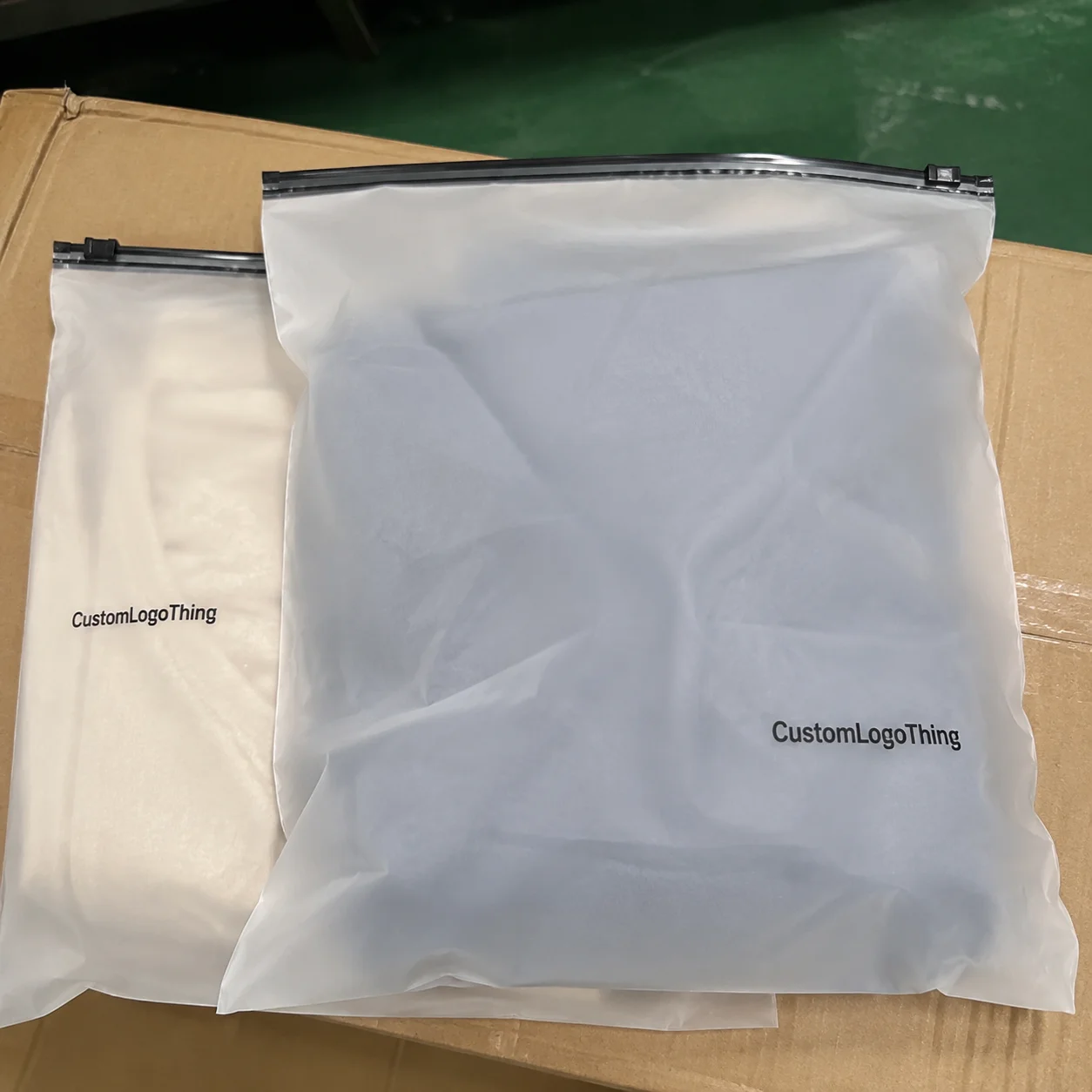
Matte Zipper Bags for Sports Clubs Order Guide & Specs
Choose matte zipper Bags for Sports clubs with the right size, finish, MOQ, price structure, and lead time so merchandise, snacks, and kit packs arrive organized and easy to hand out.
Buyers usually land on a matte zipper Bags for Sports clubs order guide because the packaging has to do more than hold product. It needs to look clean in photos, survive bulk handling, and stay easy to distribute when coaches, volunteers, or retail staff are moving fast.
Matte film helps because it reduces glare and keeps logos easier to read under stadium lighting, event tents, and bright retail fixtures. It also hides fingerprints and scuffs better than glossy film, which matters when bags are stacked, repacked, and handed out in volume.
Buyer reality: the outside of the bag is often judged before it is opened. If the outside looks orderly, the contents feel more valuable.
Why matte finish works under real lighting
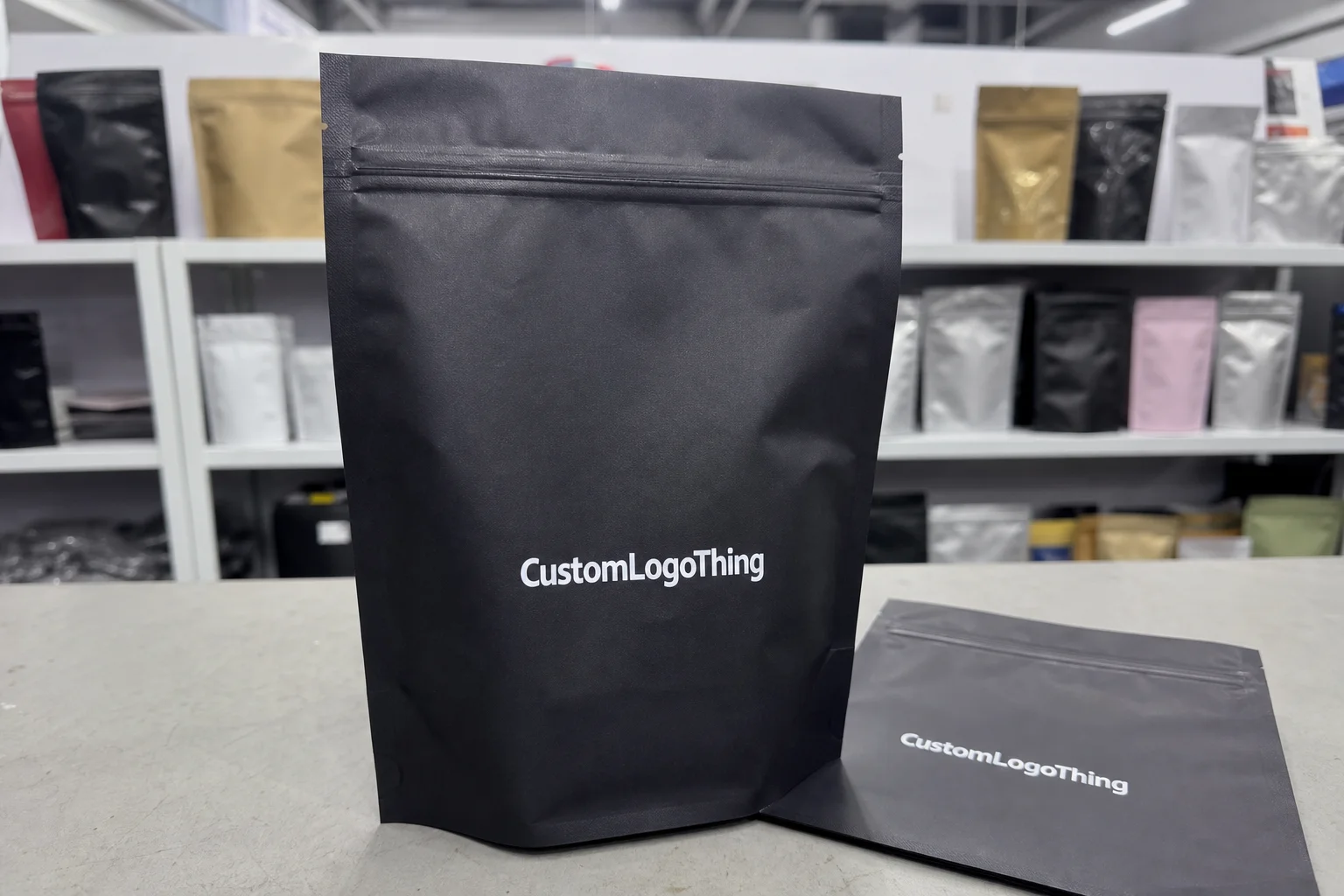
Matte film changes how the artwork reads. Instead of bouncing reflections across the front panel, it keeps color flatter and the logo easier to scan from a distance. That helps in team stores, locker rooms, check-in tables, and social posts.
It also holds up better during distribution. Glossy surfaces show fingerprints, rub marks, and handling wear quickly. Matte does a better job of keeping the package looking finished after packing and transit, which matters when the order is going out in large quantities.
For club packaging, matte is usually the safer default because it looks controlled in mixed environments. A registration table or merchandise booth often has labels, tape, cartons, and other visual clutter nearby. Matte packaging cuts through that without looking flashy.
That does not mean glossy is wrong. It means the finish should follow the use case. If the bag is meant to look premium but understated, matte usually works best. If the club wants a high-shine retail effect, glossy may be the better fit, but it will be more sensitive to glare.
Bag formats and finish choices
The right format depends on what the club is packing. Small flat zipper bags work for pins, wristbands, patches, tickets, and other light items. Medium sizes suit socks, folded tees, accessories, and small retail sets. Larger formats are better for apparel, travel kits, or mixed pack-outs.
Closure style matters too. A standard press-to-close zipper is usually the most efficient choice for simple bulk packing. A slider zipper costs more, but it is easier to open repeatedly if the club expects the bag to be reused after the handoff.
Finish and structure should follow the job. A full matte surface is the cleanest option for most club merchandise. A matte bag with a clear window works when contents need to be visible at a retail table. A matte exterior with printed panels gives more branding room while still controlling glare.
Structure affects how the bag performs when loaded. Gussets add depth and help the bag stand on a table. Flat bags are simpler and cheaper, but they can collapse when filled. Seal placement also matters because side seals and bottom seals affect stability and usable volume.
For sports clubs, the better question is not, "What looks premium?" It is, "What format works cleanly at this quantity with these contents?" That framing keeps the order practical and avoids paying for features that do not improve use.
Material specs that control durability
Material choice shapes the whole order. PE is common because it is flexible, easy to source, and cost-effective. CPP adds a slightly crisper hand feel. Laminated constructions are useful when the club wants stronger print performance, better barrier properties, or a sturdier overall build.
Thickness is one of the first specs to lock. Buyers may see it listed in mils or microns, and the number matters more than the sales sheet language suggests. For light accessories, a thinner film can be enough. For folded apparel, mixed kit packs, or heavier contents, a thicker film is safer. Many club orders land around 2.5-4 mil, with the lower end better for lightweight giveaways and the higher end better for repeated handling or fuller bags.
A bag that feels too thin may save a few cents per unit, then cost more in damaged product, failed seals, or re-packing labor. Overbuilding the bag has the opposite problem: it raises cost and can make the package bulkier than needed.
Print performance on matte surfaces deserves close attention. Matte film usually makes colors look more controlled and less shiny, which helps sports branding. It can also expose weak artwork faster. Thin fonts, low-resolution logos, and poor contrast can look acceptable on screen and muddy on the bag, so vector files are the safest starting point.
If color accuracy matters, send Pantone targets and ask how the print method will hold them. Spot color work, process printing, and flexographic setups behave differently. If the design includes gradients or fine detail, request a proof early and check the small elements first.
Food-contact use is separate from apparel or accessory use. If the bags will hold snacks, confirm the compliance status for that exact application and ask for documentation that matches the material and intended use. Do not assume a generic packaging spec covers food.
For paper inserts, instruction cards, or outer cartons, FSC-certified paper is a practical option if the club wants a stronger sourcing claim. If transit durability matters, the [ISTA testing framework](https://ista.org/) is a useful reference for thinking about drop and shipping stress. For paper-based components, [FSC](https://fsc.org/en) is the better standard to check. These references keep the spec tied to real performance.
Pricing, MOQ, and what changes the quote
Price is usually the result of seven variables: size, thickness, zipper style, print coverage, color count, quantity, and how much setup the supplier has to absorb. Change one of them and the unit cost moves. Change three and the quote can shift quickly.
| Quantity tier | Typical use | Indicative unit price | What usually drives the cost |
|---|---|---|---|
| 1,000-2,499 pcs | Small team launch, pilot program | $0.48-$0.82 | Setup fees spread across fewer units, higher print overhead |
| 3,000-4,999 pcs | Club store, tournament run, fundraiser bundle | $0.29-$0.52 | Better material efficiency, lower per-unit setup burden |
| 5,000+ pcs | Seasonal programs, multi-team distribution | $0.18-$0.34 | Volume improves pricing, but freight and pack-out still matter |
Those ranges are for planning, not promises. A simple one-color logo on a stock-size matte bag can sit near the bottom of the range. Full-panel print, custom dimensions, multiple colors, or a stronger zipper will push the price up. If the order needs a retail-ready presentation with inserts, carton labels, or special pack counts, the landed cost will move again.
MOQ is tied to setup economics. The supplier has to prepare material, align the print, and run the line before the order becomes repeat production. Lower volumes usually carry a higher unit cost because those setup costs are spread across fewer bags.
Ask for quotes at several quantities. A real comparison should show unit price, setup or plate fees, sample cost, freight assumptions, and the policy for defects or reprints. Also ask whether artwork changes are included or billed separately. If the supplier cannot spell those items out clearly, the quote is incomplete.
Practical quote checklist:
- Final dimensions and bag style
- Film thickness and finish
- Zipper type
- Print colors and coverage
- MOQ and tiered pricing
- Setup fees, sample cost, and proofing terms
- Freight, carton count, and delivery window
Production timeline and approval points
The cleanest orders follow a predictable path: inquiry, spec confirmation, artwork review, proof approval, production, packing, and shipment. If one of those steps is skipped, the risk usually shows up later as a rushed correction or a partial rework.
- Lock the final dimensions and bag style.
- Confirm the zipper type and finish.
- Send artwork in a vector format.
- Review the proof for size, color, and placement.
- Approve the sample or digital proof in writing.
- Confirm pack counts, carton marks, and ship-to details.
Lead time depends on print complexity and material availability. Simple orders can move quickly, but a realistic planning window is often 12-15 business days from proof approval, then transit time on top of that. Custom sizes, multiple print colors, and packed-in extras extend the schedule.
The biggest scheduling mistakes usually come from late artwork changes, not machine time. A supplier can run a simple bag quickly. Delays happen when the logo is still changing, the size was never fully locked, or the club waits too long to approve the proof.
Ask for milestone dates in writing: proof ready date, production start, estimated ship date, and transit window. Those four points are enough to keep the process honest. If the supplier cannot give you any of them, the order is moving on assumption rather than schedule.
For a buyer using this matte zipper bags for sports clubs order guide, the main goal is to keep each approval narrow and specific. Finalize the bag first, finalize the artwork second, and finalize the shipment details last. That sequence prevents the kind of confusion that turns a simple packaging order into a late-night spreadsheet problem.
Supplier checks and quality control
Supplier selection is where weak orders usually get exposed. Ask for recent production photos, not just polished mockups. Request measurement tolerances. Confirm whether the supplier has handled similar club merchandise, accessory packs, or snack formats before.
Print consistency is one of the first things to inspect. Misregistration, washed-out spot colors, weak contrast on matte film, and blurry small text all make the final pack look less professional. Seal quality matters just as much. If the edges are weak or the zipper engagement feels loose, the bag may still pass a visual check and fail in use.
There are a few practical checks worth asking for before shipment. Ask whether the supplier tests zipper function on sampled units. Ask how they verify seal integrity. Ask whether cartons are packed to avoid crushing the bags during transit. If the order is custom-printed, ask for a final image of the packed cartons and outer labels.
Communication style is also a useful signal. A fast quote is nice. A capable supplier is better. The stronger partner will point out artwork risks, material limits, and timeline pressure before the PO is issued.
Reorder discipline matters too. The supplier should save the approved files, final specs, and proof history. If the club reorders the same bag next season, the process should be a repeat, not a rebuild. The less that has to be recreated, the lower the chance of drift in color, dimension, or print placement.
Common ordering mistakes
The first mistake is choosing the finish before the use case. Matte is usually the safer default, but not every order needs the same surface treatment. If the bag is meant to show contents clearly, a window or partial-clear design may work better. If the bag is meant to feel premium and reduce glare, full matte is the stronger choice.
The second mistake is under-specifying thickness. Buyers often focus on print and forget the film. That is risky. A thin bag may look fine in a proof and fail when packed with folded apparel or heavier items. The cheapest quote is rarely the best landed outcome.
The third mistake is approving artwork too quickly. Small type, thin strokes, and low-contrast design elements can disappear on matte film. If the design is crowded, simplify it before the proof stage. A cleaner file usually prints better and costs less to fix.
The fourth mistake is treating freight like an afterthought. Packaging is light, but it is bulky. Carton count, palletization, and shipping distance can change the total cost enough to erase savings from a lower unit price.
The fifth mistake is not planning for the next order. If the club knows the bag will be used again, keep the approved spec file, artwork version, carton count, and production notes in one place. Reorders go faster when the previous run is documented clearly.
Practical next steps
Before requesting quotes, gather five things: target quantity, final dimensions, zipper style, artwork file, and the date the bags must be in hand. If one of those is still undecided, settle it internally first. A quote built on a moving target is usually a waste of time.
The most efficient buying order is simple. First lock the use case. Then choose the material thickness and finish. Then compare pricing across two or three quantity tiers. Then approve the proof. That sequence cuts down on back-and-forth and gives the supplier fewer chances to guess wrong.
Inside the club, assign one person to specs, one to artwork approval, one to delivery coordination, and one backup contact. That prevents the common problem where multiple people approve different versions of the same bag and no one owns the final sign-off.
For clubs trying to standardize across seasons, the value of this guide is not the keyword. It is the order of decisions. Handle the material first, the artwork second, and the logistics last. That is the cleanest path to packaging that looks right, ships on time, and reorders without a mess.
Are matte zipper bags better than glossy bags for sports clubs?
Usually, yes. Matte bags look cleaner under indoor lighting and in event photos, and they hide handling marks better during packing and distribution. Glossy can still work if the club wants a high-shine look, but matte is generally the safer choice for merchandise tables and team kits.
What MOQ should I expect for custom matte zipper bags?
MOQ depends on size, print coverage, and whether the bag is stock or fully custom. Lower quantities usually carry a higher unit cost because setup fees are spread across fewer bags. Ask for pricing at several quantity tiers before you commit.
Can these bags hold jerseys, snacks, and accessories safely?
Yes, if the size and thickness match the contents. Small items like pins and bands need less structure than folded apparel or snack packs. For heavier contents, ask for a stronger film, reinforced seals, and a zipper tested for repeat use.
What artwork files work best for a club bag quote?
Vector files are the safest starting point for crisp logos and text. Send Pantone references if color accuracy matters to the club brand. If the design uses fine lines or gradients, request a proof early so the supplier can flag print limits.
How long does a custom sports club order usually take?
Timing depends on proof approval, material availability, and print complexity. Simple orders move faster than multi-color or fully custom runs. Build in extra time before tournaments, seasonal store launches, or bulk pickup dates.