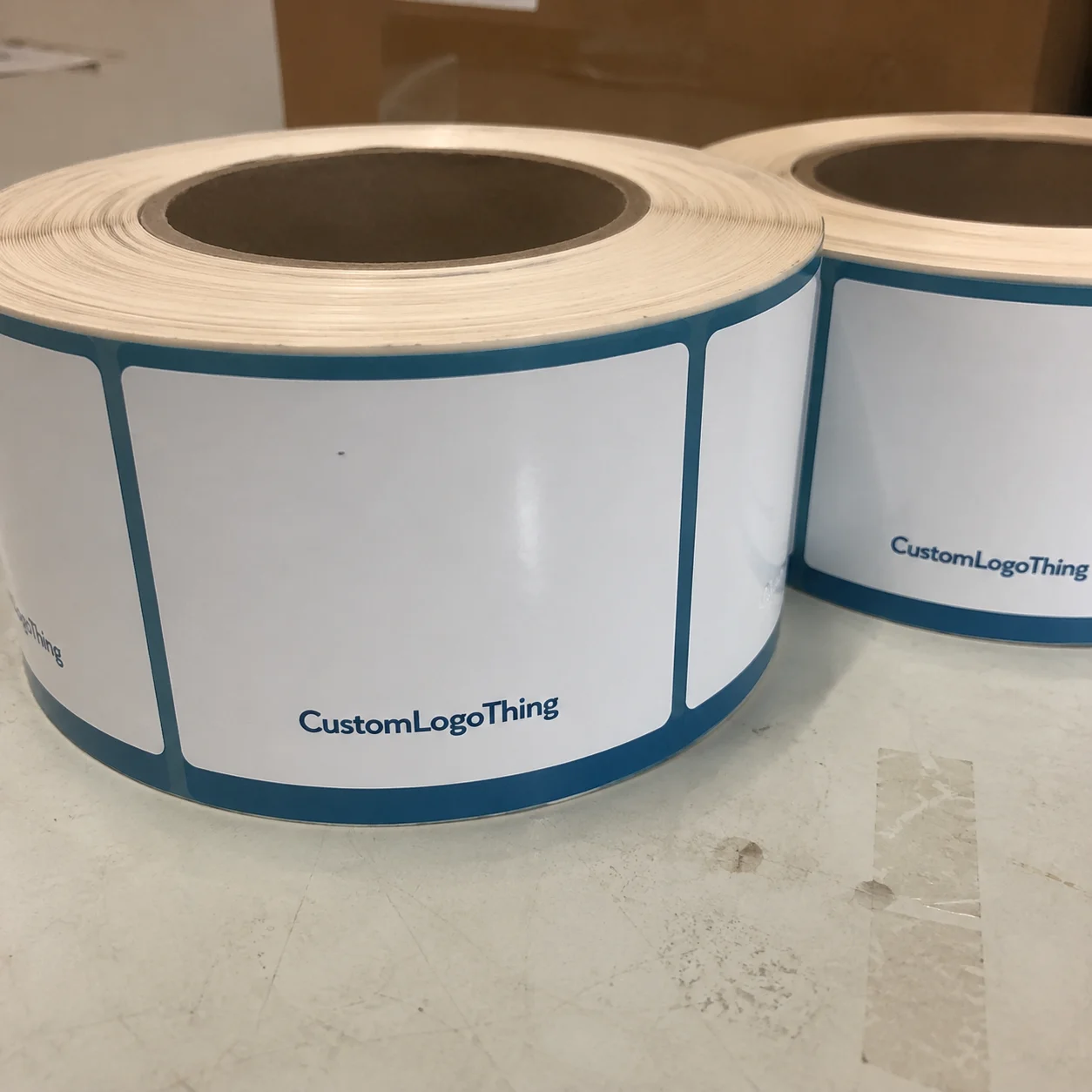
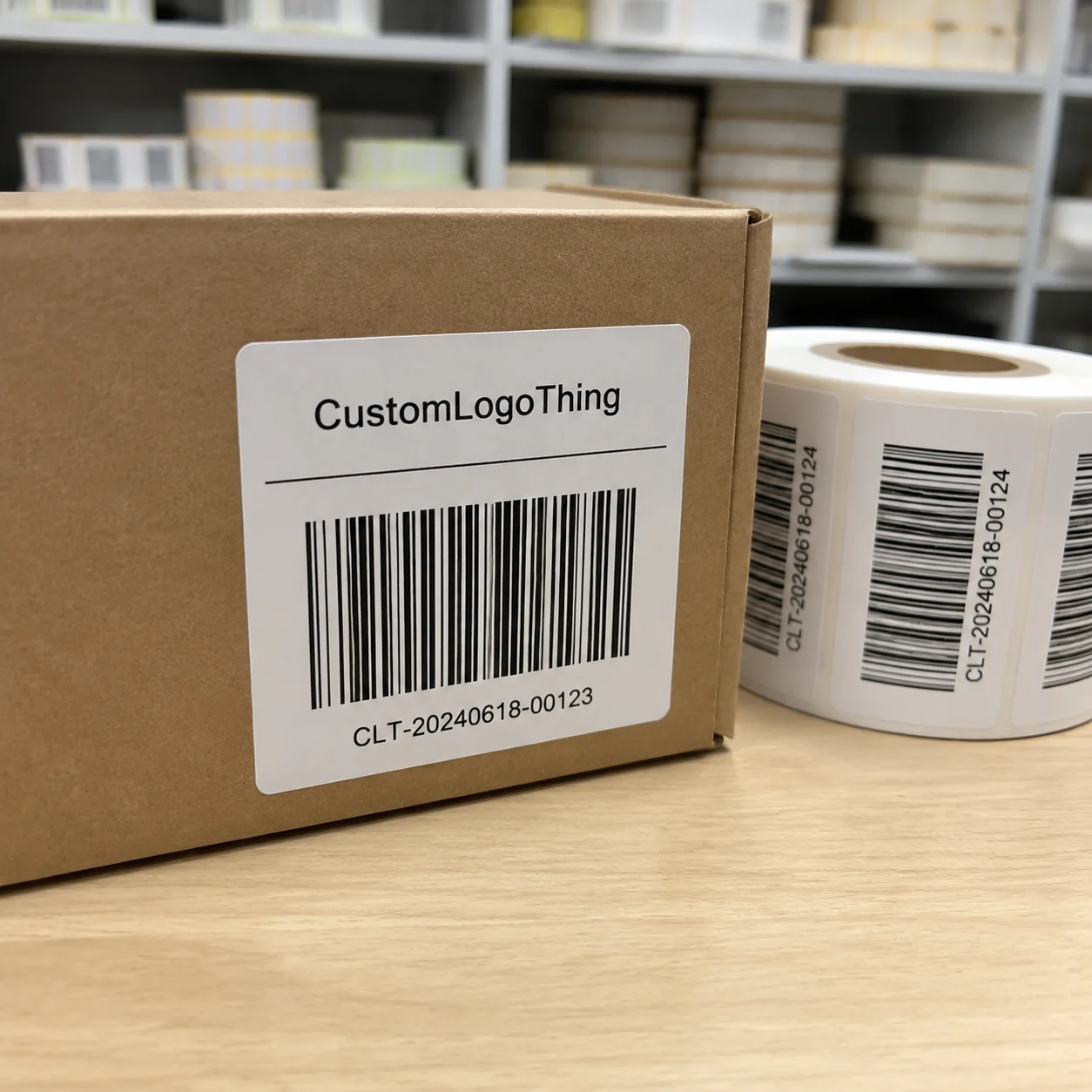
For apparel teams, Custom Address Labels staples are not the attention-grabbing part of packaging, but they do a lot of work that becomes visible only when something goes wrong. They keep outbound parcels readable, returns organized, and warehouse bins from turning into a memory test. That matters more once order volume starts outrunning manual habits.
The usual mistake is treating address labels like a generic office supply. In practice, the right label depends on the surface it touches, the way it is handled, and how much data has to fit inside a small footprint. A label on a poly mailer is not the same object as a return envelope label or a bin marker, even if all three carry the same address block.
Brands that specify labels early tend to print less waste, rework less often, and move faster at packout. That is not dramatic, but it is real. A label that reads clearly, sticks to the right substrate, and survives transit can save time across fulfillment, customer service, and restocking. Small failures add up quickly when they repeat thousands of times.
What Custom Address Labels Actually Cover
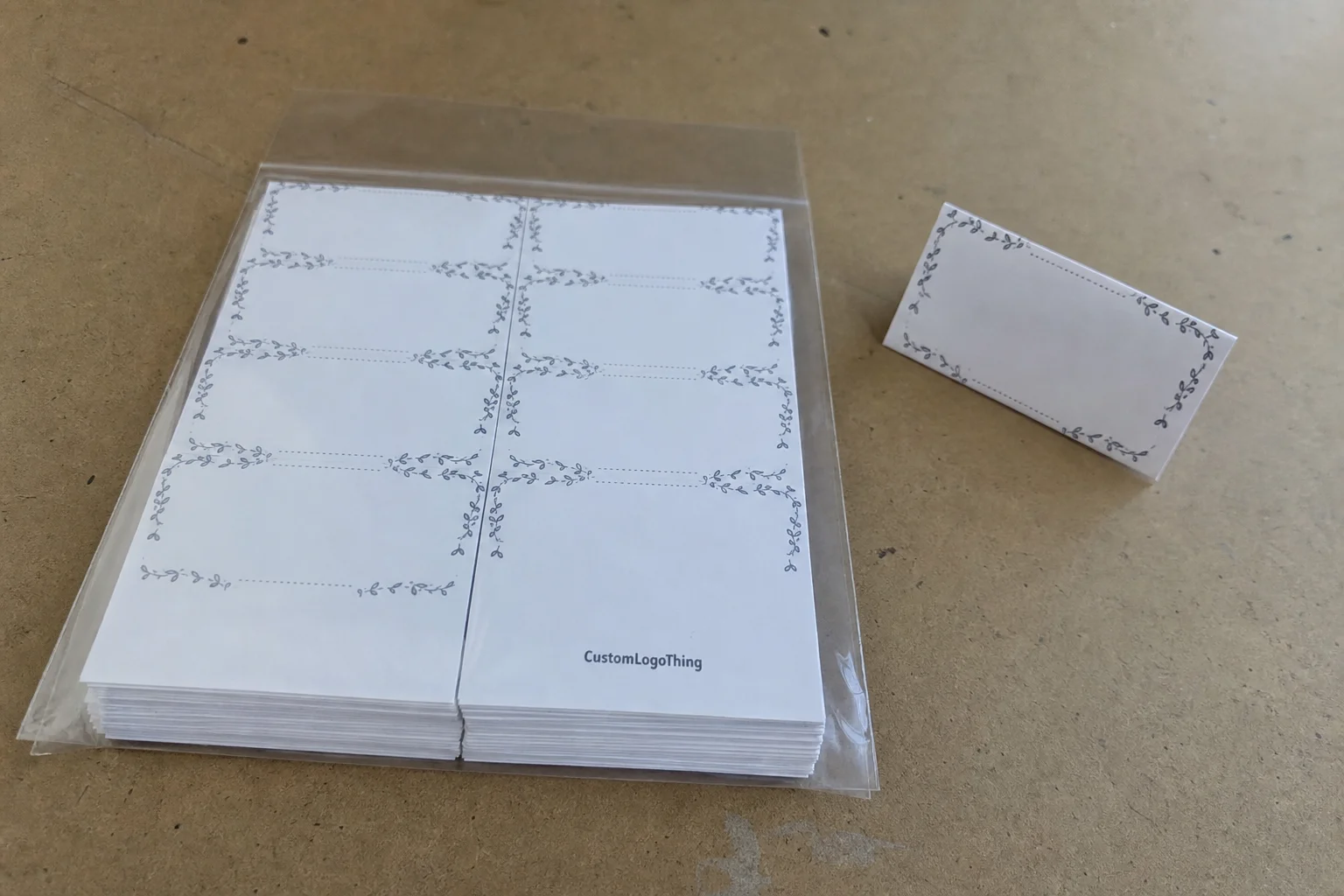
Custom Address Labels cover more than shipping stickers. In apparel operations, they often include outbound parcel labels, return envelope labels, internal routing stickers, and inventory-bin identifiers. That is why one quote can look affordable until the buyer realizes the job includes several different use cases, each with different performance requirements.
The best way to define the order is by use case instead of by shape. A label for a thank-you card envelope may need only light adhesive and clean typography. A label for a mailer that moves through a carrier network needs stronger tack, better abrasion resistance, and enough contrast to stay legible under mixed lighting. One size does not fit all.
For a packaging buyer, the point is to remove friction. Clear address blocks reduce mis-ships. Better placement reduces reprints. A stronger material reduces edge lift and moisture damage during transit. Those improvements are modest on a single order, but they are easier to measure after a month of shipping than they are on a mockup screen.
A good address label does not compete with the package. It moves the parcel through the system with the least possible resistance.
If the team also buys Custom Labels & Tags for size stickers or care tags, those specs should be reviewed in the same pass. Packaging systems work better when the label style, typography, and finish feel connected instead of patched together later.
Brands building broader Custom Packaging Products often miss that the address label is part of package branding too. It is the first readable field on the outside of the shipment. If it looks sloppy, the customer sees that before opening anything.
Two external standards are worth keeping in view. For shipping durability, ISTA protocols help frame how packaging survives transit, and the International Safe Transit Association keeps useful guidance at ista.org. For paper sourcing, FSC certification remains a relevant signal if your brand wants chain-of-custody language on paper-based materials; their organization is at fsc.org.
How Apparel Brands Use Address Labels Across the Packout
The strongest label strategy starts where the package is actually handled. A label on a poly mailer is read by a packer, then a carrier, then a sorter. A label on a return envelope is first handled by the customer, then by a warehouse intake team. A bin label is mostly for staff, which changes the size, contrast, and adhesive requirement entirely.
For clothing sellers, address labels usually sit beside size stickers, barcoded inventory marks, care labels, and branded seals. When those pieces share a visual system, the package feels intentional instead of assembled from unrelated parts. That consistency matters in retail packaging and in direct-to-consumer shipping, because buyers notice order before they notice product.
Think about the reading path. A customer needs the return address to be obvious. A warehouse associate needs the label to sit where it does not cover a barcode or seam. A carrier needs contrast strong enough to scan quickly, especially on kraft envelopes or textured mailers. Each person touches the same label differently, and each touch creates a different failure mode.
Many brands overcomplicate the design in an attempt to make the label feel premium. Usually that slows processing. A restrained layout, clear hierarchy, and consistent placement work better than decorative clutter. The package can still look branded without making the address block harder to read.
- Outbound mailers: use a clean address block, strong contrast, and an adhesive matched to the exact bag or box surface.
- Returns: keep the type larger than you think you need; the label often gets folded, handled, and reused.
- Bins and shelves: prioritize durability and scannability over visual flair.
- Seasonal campaigns: keep variable data and reorder specs tight so fast changes do not create preventable errors.
Brands that already manage custom printed boxes usually understand the principle. The outside of the package has a job. The address label is part of that job, not a separate administrative layer floating above it.
Cost, Pricing, and Minimums
Cost depends on more than quantity. Artwork prep, material, adhesive strength, finish, and whether the labels ship on sheets or rolls all move the unit price. That is why a quote for Custom Address Labels staples can look attractive until the buyer notices setup fees, a higher minimum, or freight charges that change the total spend.
The most useful comparison is total landed cost. A low per-unit price does not help if the order arrives with expensive proof revisions, file correction fees, or shipping charges that erase the savings. Clear terms are worth more than a low headline rate that hides cost in the fine print.
For small apparel launches, lower minimums can be the right answer even if the unit price is higher. Seasonal drops, pilot fulfillment lines, and test runs rarely need large volumes. What matters is speed, consistency, and not locking cash into labels that will become obsolete when the address format or brand layout changes.
Typical pricing shifts along a familiar curve. Simple paper labels usually sit in the low cents per piece at volume. Coated paper moves up a tier. Synthetic film, strong adhesives, or specialty finishes can double the cost again, especially on shorter runs. Short orders almost always carry a setup burden that makes them look expensive next to a larger repeat run.
| Label Type | Typical Use | Relative Cost | Notes |
|---|---|---|---|
| Paper sheet labels | Low-touch indoor addresses, inserts, bins | Lowest | Best for simple jobs with limited moisture exposure |
| Coated paper labels | Mailer addresses, return labels, retail packaging | Moderate | Better print clarity and scuff resistance |
| Film or synthetic labels | Rough handling, moisture, cold storage | Higher | Worth it when durability matters more than print cost |
| Roll format with custom finish | Higher-volume fulfillment | Moderate to higher | Efficient for automated or fast manual application |
Ask for the same spec at multiple quantities. That exposes the actual breakpoints. Sometimes the jump from 1,000 to 2,500 pieces is small enough to justify a larger run. Sometimes it is not. The numbers should decide that, not habit.
Minimums also matter because they shape operational behavior. A buyer who orders too few labels ends up repeating setup, proofing, and freight. A buyer who orders too many ends up holding old artwork after a return address change or packaging refresh. Neither outcome is good, and both are avoidable with a clean quantity forecast.
Materials, Adhesives, and Finish Choices That Affect Performance
Paper labels handle light-duty work well, but apparel shipping often pushes them harder than expected. Moisture from weather, friction inside courier bags, and stacking pressure during fulfillment all change how a label performs. A label that looks fine on a desk can fail after it meets a real packout line.
Permanent adhesive is usually the safer choice for outbound shipping. Removable adhesive makes sense for temporary storage or internal routing, but it is risky on anything that will travel through a carrier network. On smooth poly mailers, tack behaves differently than it does on kraft envelopes or coated cartons, so the actual packaging surface should be tested instead of guessed from a mockup.
Finish affects both appearance and usability. Matte stock cuts glare and makes addresses easier to read. Gloss can feel more polished in some retail packaging contexts, but it can also reflect light in a way that slows scanning. If the label includes QR codes, barcodes, or small type, scan quality should be treated as a production constraint, not a design preference.
Three spec decisions usually matter most:
- Surface match: choose the adhesive for the exact mailer, envelope, or carton in use.
- Print contrast: keep dark text on a light field so the address block reads quickly.
- Application method: decide whether the team needs sheets for hand application or rolls for faster throughput.
If sustainability is part of the brief, recycled content and FSC-certified paper can matter, but only if performance still holds. An eco claim does not compensate for a label that peels off in transit. The Environmental Protection Agency has useful reference material on packaging waste reduction at epa.gov, and that lens is helpful when balancing material choice against disposal goals.
Some buyers also ask for thermal transfer compatibility or a specific liner release because their print process depends on it. That detail belongs in the spec sheet early. If the printer has to infer it later, the risk shifts from the supplier to the customer, and the customer usually pays for that mistake twice.
Proofing, Production, and Turnaround Timing
The production path usually runs file review, proof approval, print, finishing, packing, and shipment. Orders move quickly when the artwork is final, the dimensions are locked, and the supplier does not need to chase copy changes. The fastest jobs are usually the most boring ones.
Delays mostly come from avoidable issues. Missing address data, weak image resolution, poor bleed setup, or last-minute quantity changes can slow the entire job. A buyer may think the printer is behind. In many cases the file is simply not ready. That difference matters if the labels are tied to a launch window or restock date.
Build in time for a digital proof or a physical sample when the order matters. It catches alignment problems, cropped text, barcode size issues, and margin errors that look minor on screen but become waste on press. For a first order of custom Address Labels Staples, proofing is cheap insurance.
Typical timing depends on quantity and complexity, but many standard jobs take around 12 to 15 business days after proof approval. Rush orders can move faster, though faster service usually narrows material and finish options. If timing matters, count backward from ship date and leave space for transit, receiving, and internal handoff.
- Final size already set
- Address block placed with a safe margin
- Barcode or QR code checked at actual print size
- Variable data identified before quoting
- Proof notes written in plain language instead of vague comments
That last point is underrated. “Make it pop” does not help a prepress team. “Increase the return address by 10 percent and move it 4 mm from the left edge” does. Specific instructions shorten the proof cycle and reduce interpretation errors.
If the label is part of a larger packaging program, keep the spec sheet with the rest of the packaging records. Reorders get faster when the supplier has the approved file, substrate, and placement notes all in one place. That also makes it easier to spot drift between runs before the drift becomes a problem.
Common Ordering Mistakes and Spec Sheet Next Steps
The biggest mistake is designing for a screen instead of the label itself. A layout that looks elegant in a mockup can become crowded once it is reduced to real size. Text gets too small. Line spacing collapses. The address block loses hierarchy. That is how otherwise good packaging starts looking improvised.
Adhesive mismatch is another common failure. A label that lifts at the corners on a coated poly mailer usually creates more labor later, because staff have to replace it or work around it. In cold or humid storage, weak tack becomes even more obvious. The price difference between adhesives is tiny compared with the cost of rework.
Quantity planning causes its own damage. Underordering forces repeated setup, repeated proofs, and interruption in the fulfillment process. Overordering ties up cash in old artwork, especially if the return address changes or the brand refreshes halfway through the season. Neither result is attractive, and both are preventable.
Bleed and safe-zone errors are expensive because they are often invisible until the first printed sheet arrives. A proof should confirm the margins around the address block, barcode placement, and any logo lockup. If those details are not checked, the first run becomes a paid lesson.
There is also an operational mistake that has nothing to do with print quality: poor handoff inside the warehouse. If the team does not know exactly where the label goes, even a good design gets applied inconsistently. That slows fulfillment and makes a coherent program look random.
The practical next step is a one-page spec. Include label size, quantity, material, finish, adhesive, print method, and the exact use case inside the apparel workflow. Measure the actual packaging surface, not the mockup. Mailer seams, fold lines, closure flaps, and box edges shrink the usable area in ways a digital comp will not show.
When comparing suppliers, ask each one to quote the same spec. Buyers often compare different sizes, different adhesives, or different finishing methods and then blame the price gap on the vendor. Apples-to-apples quotes are the only meaningful ones.
Keep the approved proof, final artwork, and quantity history together for the next run. Reorders get simpler when the supplier can match the original job without guessing. That shortens back-and-forth, lowers the chance of corrections, and gives the brand a stable standard to build around.
For apparel brands that want fewer mistakes and faster packing, the work is straightforward: spec the job, test the surface, and order for the actual workflow rather than for the mood board. That is how Custom Address Labels staples become a useful operational tool instead of a recurring nuisance.
What are custom address labels staples used for in clothing brands?
They are commonly used on mailers, return envelopes, storage bins, and packout materials to keep apparel operations organized and branded. The main value is fewer address errors, faster handling, and a more consistent customer experience across outbound and return shipments.
Which size works best for apparel shipping labels?
The right size depends on the flat surface available and how much text or barcode content must fit. For mailers, choose a size that preserves legibility at arm’s length and leaves a clear quiet zone around barcodes or QR codes.
Are waterproof or smudge-resistant materials worth the extra cost?
Yes, if the labels will face moisture, abrasion, cold storage, or repeated handling during fulfillment. For low-touch indoor use, standard paper may be enough, but shipping labels usually benefit from stronger performance.
How long does production usually take for custom address labels staples?
Production time depends on proof approval, quantity, material, and whether the order needs special finishing or rush handling. Many standard jobs take about 12 to 15 business days from proof approval, but the fastest orders are the ones with final artwork and clear specs.
Can I reorder the same label file without paying setup again?
Often yes, if the supplier keeps the approved file and production specs on record. To make reorders smoother, keep the final proof, artwork, and quantity history together so the next run matches the original job.