Custom Poly Mailer Bags for jewelry brands look straightforward on a spec sheet, but the decisions behind them are anything but simple. Jewelry is compact, often high-value, and frequently shipped in small batches that still need to feel considered. The outer pack has to protect the contents, keep freight efficient, and support the brand story without adding unnecessary weight, labor, or cost.
That is why so many jewelry teams end up comparing mailers against cartons, padded envelopes, and rigid boxes before settling on a final structure. In the right setup, a Printed Poly Mailer becomes more than a shipping bag. It becomes part of the product presentation, especially for ecommerce orders where the parcel is the first physical impression the customer receives.
For some lines, a mailer is the best outer package by a wide margin. For others, it only works if it is paired with an inner box or pouch. The practical answer depends on item geometry, carrier conditions, and how much unboxing value the brand wants to build into the pack-out.
Custom Poly Mailer Bags for Jewelry Brands: What They Are and Why They Stand Out
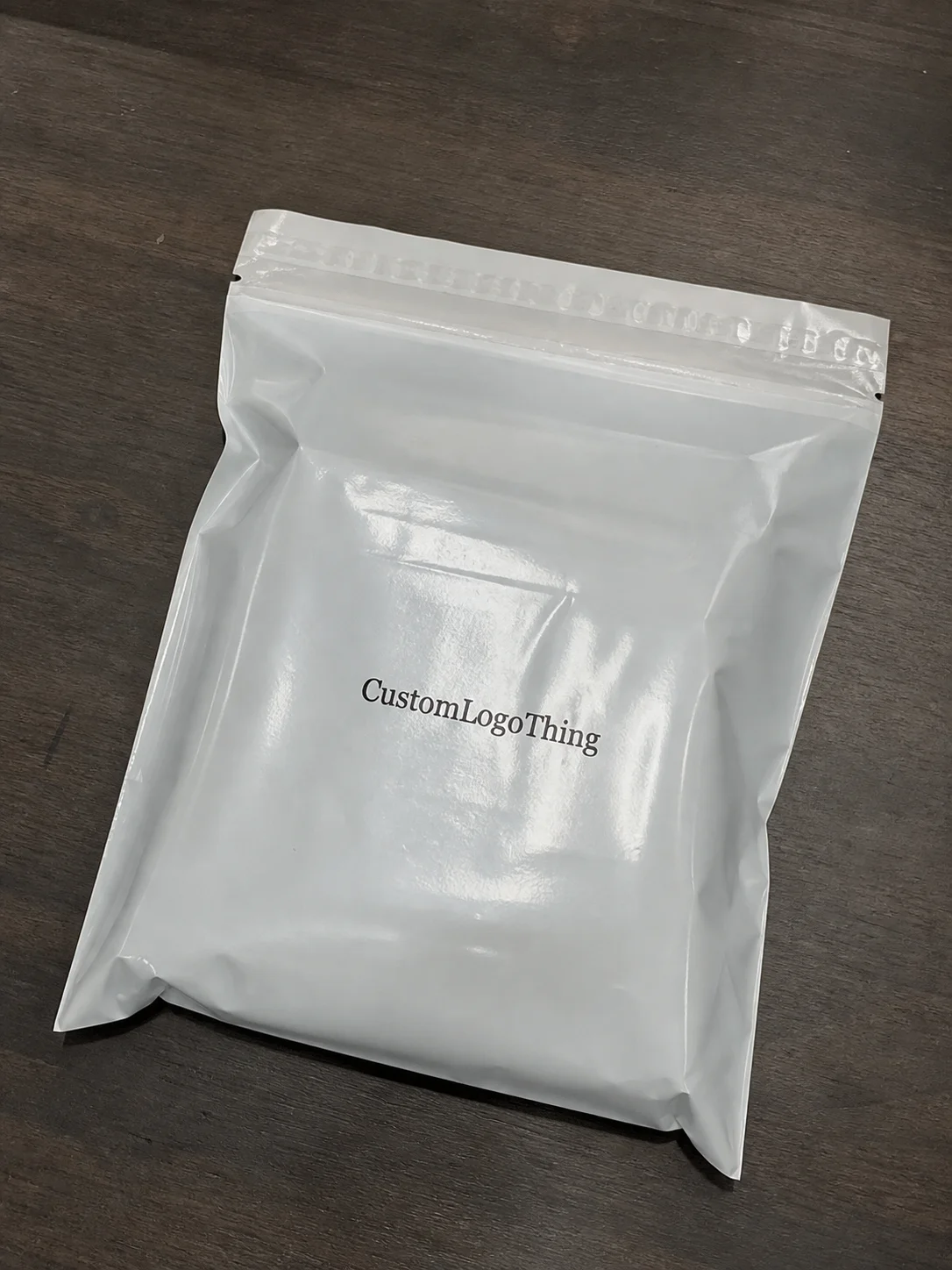
At the material level, these mailers are lightweight shipping bags made from polyethylene film, typically printed with a logo, repeat pattern, campaign art, or a restrained brand mark. They are used as the outer shipping layer, not usually as the only protective layer. That distinction matters because jewelry packaging works best when every layer has a clear job.
Compared with corrugated cartons, poly mailers use far less material and take up much less storage space. Compared with plain envelopes, they offer better moisture resistance, better tear performance, and a far stronger surface for printing. That combination makes them especially useful for brands that ship compact items and want a cleaner balance of protection and presentation.
They fit well with studs, small chains, bracelets, charms, and accessory orders that already sit inside a pouch, jewelry box, or insert system. They also work for subscription shipments and repeat-fulfillment programs where packing speed matters. Once the product starts getting larger, sharper, or more rigid, the outer mailer needs to be chosen with more care.
“Jewelry packaging fails when the outer mailer is treated as decoration only. It still has to earn its place in the shipping stack.”
That is the real appeal here: a well-built mailer can carry branding, reduce shipping bulk, and support everyday operations at the same time. It is not a substitute for every packaging format. It is a practical tool that works well for a specific set of shipping needs.
How Branded Poly Mailers Work in Jewelry Fulfillment
Most jewelry shipments are built in two layers. First comes the inner presentation or protection layer: a velvet pouch, gift box, tissue wrap, insert card, or small rigid carton. Then comes the outer mailer, which protects the pack during shipping and carries the branded impression. That sequence keeps the jewelry itself protected while allowing the outer bag to stay light and efficient.
Single-layer polyethylene can be enough for low-risk shipments, but co-extruded film generally performs better on tear resistance and puncture behavior. The difference shows up in actual handling, especially when cartons, clasps, or metal components have edges that can press against the bag. If a line contains more delicate or rigid products, a slightly stronger structure is usually worth the added cost.
Closure style also affects operations more than many buyers expect. Peel-and-seal strips are standard because they reduce packing time. Double-seal formats can be helpful if the brand wants a stronger first seal or easier returns handling. Tamper-evident features may make sense for higher-value shipments, but they should be tested for ease of opening as well as security.
Printing changes the customer experience in a way that is easy to underestimate. A plain shipping bag blends into the background. A clean logo, a signature color field, or a subtle repeat pattern creates recognition before the parcel is even opened. For jewelry brands, that can matter because customers often notice packaging quality before they can fully evaluate the item inside.
There are still practical limits. A mailer will not protect a loose piece of jewelry as reliably as a box with interior cushioning. Sharp components, rigid display boxes, and heavier gift sets can create weak points if the film is too thin. The outer bag should be matched to the contents, not the other way around.
Another reason brands choose mailers is dimensional weight. A flatter, lighter package can reduce shipping charges on some carrier networks, especially when the product is small enough that a carton would mostly be empty space. Mailers also store flat, which is helpful for teams trying to control warehouse clutter or avoid overbuying bulky packaging inventory.
Key Specs That Affect Protection, Branding, and Customer Experience
Spec selection is where packaging either becomes efficient or quietly expensive. Size, film thickness, closure style, print method, and finish all influence performance. A strong-looking bag that arrives too large, too thin, or too awkward to seal can create more problems than it solves.
Size and fit should be set by the most common order format, not by the rare oversized one. The bag should allow enough room for the inner pouch or box, but not so much space that the contents shift around in transit. Oversized mailers look less polished, waste material, and can reduce the premium feel of the shipment. Undersized ones create seal issues and often distort the presentation.
Thickness is usually measured in mils or microns. Thicker film improves puncture resistance and generally feels more substantial in hand, but it also increases cost and may add stiffness that changes the pack-out experience. For a small, soft jewelry pouch, a lighter gauge may be perfectly adequate. For a rigid bracelet box or a sharp-edged accessory, a heavier structure can be the safer choice. There is no universal thickness that works for every line.
Closure type affects both security and packing speed. Standard peel-and-seal is common because it is fast and reliable when the adhesive is properly specified. Double-seal closures can help brands that want better return handling or a stronger initial closure. If a customer may reopen the mailer cleanly, the adhesive needs to behave predictably after the first seal, not just during a lab test.
Print method and finish shape how the packaging reads visually. Digital printing is useful for shorter runs and more varied artwork. Flexographic printing becomes more economical at scale. Matte finishes usually feel calmer and more refined, while glossy surfaces read brighter and more promotional. Metallic accents can work well in jewelry packaging, but only if they are restrained. Too much shine can make the bag feel busy instead of elegant.
Sustainability requires careful language. Some mailers contain recycled content, and some structures may be recyclable under specific local collection systems, but claims should be precise. Brands should avoid broad statements that cannot be backed up by the actual film structure or by realistic end-of-life conditions. The U.S. EPA has useful guidance on packaging waste and recycling at EPA recycling resources, and forest-based inserts or companion materials may call for FSC certification: FSC.
| Spec | What It Changes | Typical Buyer Takeaway |
|---|---|---|
| Mailer size | Fit, presentation, shipping efficiency | Choose the smallest size that still packs cleanly |
| Film thickness | Puncture resistance and feel | Increase thickness for rigid boxes or sharper components |
| Seal type | Tamper resistance and packing speed | Peel-and-seal is standard; double seal suits returns |
| Print finish | Luxury perception and color appearance | Matte reads refined; glossy reads brighter and bolder |
| Recycled content | Sustainability message and structure | Verify claims carefully before publishing them |
Cost, MOQ, and Unit Economics
Pricing is where packaging decisions become operational reality. For custom Poly Mailer Bags for jewelry brands, the final number depends on size, film thickness, print coverage, number of colors, finish, and special features such as extra adhesive strips or custom closures. A simple one-color logo on a standard size is usually the most economical path. Full-coverage art, specialty finishes, or unusual dimensions will move the price up quickly.
As a rough market range, straightforward custom runs around 5,000 pieces can often land near $0.18 to $0.28 per unit, though smaller quantities usually cost more per bag. That is not a quote and should not be treated like one. Freight, artwork complexity, setup charges, and material swings can change the real cost faster than buyers expect.
MOQ has a direct effect on unit economics. Lower minimums are easier for growing jewelry brands, but the per-piece cost is usually higher because production setup gets spread across fewer units. Larger runs lower the unit price, yet they tie up cash and require storage space. The right decision depends on sales velocity, forecast reliability, and whether the packaging design is likely to stay in use long enough to justify the quantity.
There is also the hidden cost of rework. If the artwork needs multiple revisions, or if the first sample fails on color, seal performance, or size, the project can consume more time than planned. That is why landed cost matters more than quote price alone. Packaging that looks inexpensive but carries expensive freight, longer lead times, or more labor can end up costing more in practice than a slightly pricier but better-specified option.
For jewelry brands, the unit economics should be reviewed in five parts:
- Unit price: the bag cost at your actual order quantity.
- Landed cost: packaging, freight, duties if applicable, and handling.
- Packing labor: how many seconds each order takes to close and label.
- Shipping impact: weight and dimensional footprint versus a carton.
- Brand value: how consistently the package supports perceived quality.
That last point is easy to dismiss until repeat purchases start relying on it. Packaging is part of merchandising. It is not just transport. For teams looking at broader systems across outer packs and inner presentation, Custom Packaging Products and Case Studies can help frame how different materials sit together inside a larger packaging program.
Process and Turnaround: From Art File to Delivered Order
The production flow is usually straightforward when the files are clean and the dimensions are already settled. A typical sequence includes briefing, sizing, artwork prep, proofing, sampling, approval, production, quality check, and shipping. Most delays come from incomplete artwork, unclear placement instructions, or color revisions that could have been resolved earlier.
For a plain run with simple art, production can often move from proof approval to shipment in roughly 12 to 15 business days. That timing can stretch if a physical sample is required, if the print is more complex, or if the factory is in a busy season. Larger orders also take longer, and freight adds another variable that buyers sometimes forget to include in the schedule.
Stock-size customization is usually faster and more forgiving than fully bespoke dimensions. If the jewelry line uses standardized boxes or pouches, a stock mailer with custom print often gives the best mix of speed, pricing, and reorder simplicity. Fully custom sizing makes more sense when the pack-out has unusual dimensions or when the brand is trying to create a very specific presentation format.
Buffer time matters. Launches, seasonal drops, and influencer shipments often need packaging earlier than the team expects. If the timeline is tight, the packaging schedule should be locked before the order goes live. Printed packaging does not behave like digital files; once the production queue is set, it will not speed up just because the launch calendar did.
Step-by-Step: Choosing the Right Mailer for a Jewelry Line
Step 1: Map the product mix. Group pieces by size, fragility, and presentation value. A small stud set, a layered necklace kit, and a rigid gift box are not the same packaging problem, even if they all fit under the same brand name.
Step 2: Decide what the mailer has to do. Some bags are mostly about protection and shipping efficiency. Others are expected to carry most of the branding. Knowing which job matters most keeps the rest of the spec from drifting.
Step 3: Define the visual goal. Minimal logo placement, campaign-specific art, or a luxury matte finish all create different impressions. Jewelry brands often do better with disciplined restraint than with overly busy graphics, especially if the product itself is the main visual focus.
Step 4: Check compatibility with inner packaging. Test the mailer with pouches, tissue, insert cards, inner boxes, and any protective wrap. The outer bag should close cleanly without crushing the contents or making the presentation look forced.
Step 5: Request samples or proofs and inspect them under real conditions. Look at seal strength, print clarity, scuff resistance, and how the bag behaves after handling. A sample is useful only if it reflects the way the package will actually be used.
The strongest jewelry packaging systems tend to be consistent rather than dramatic. Consistency in size, color, closure behavior, and print quality makes the brand feel intentional. That is especially true for custom Poly Mailer Bags for jewelry brands, where the outer pack may arrive before the product has a chance to speak for itself.
Common Mistakes Jewelry Brands Make With Poly Mailers
The most common mistake is oversizing. A bag with too much empty space allows movement, increases the chance of bent insert cards or scuffed boxes, and weakens the premium feel. It also makes the shipment look less controlled, which is a small detail that customers still notice.
The second mistake is focusing only on artwork while ignoring structure. A beautiful print on a weak film does not solve puncture risk. Jewelry shipments often include sharp clasps, hard edges, or rigid packaging corners, and those details can expose a thin bag quickly.
A third issue is mismatched interior and exterior packaging. A polished outer mailer paired with a careless inner presentation creates a split impression. The customer sees the whole system, not the isolated parts.
Some teams also skip testing for label adhesion, return handling, or closure behavior after opening. That leads to practical frustrations that never show up in a mockup. If the shipping label does not sit well on the finish, or the adhesive is awkward to reopen, the pack-out becomes harder to manage at scale.
Finally, brands can overstate sustainability. If the material is recyclable only under specific conditions, say that clearly. If it contains recycled content, be precise about the percentage and the structure. Vague environmental language is easy to challenge and harder to defend.
“A mailer that looks premium but fails in transit is not premium. It is just expensive.”
Expert Tips for Better Branding, Lower Damage, and Faster Reorders
Start with one or two strong brand cues and repeat them consistently. For jewelry, that often means a limited palette, a recognizable logo position, and a finish that matches the rest of the packaging system. Consistency usually performs better than visual complexity because it is easier to recognize and easier to reorder without redesign.
Design with photography in mind. Jewelry parcels are often unboxed, gifted, or posted, and the mailer may appear in social content before the piece is even shown. A clean background, controlled color use, and a legible mark can make the package read well on camera without trying too hard.
Use standard sizes wherever possible. A small range of reliable formats reduces procurement headaches and helps avoid excess inventory. It also makes forecasting easier, which is a real advantage if packaging is reordered monthly or tied to seasonal campaign volume.
Run a pilot before scaling. A short test batch can expose issues that proofs miss, including seal weakness, scuffing, or a finish that marks too easily in normal handling. That kind of feedback is far cheaper to act on before the full order is in motion.
Plan reorders around sales velocity, not panic. If the monthly shipment number is fairly steady, packaging should be ordered before the stock gets tight. The smoothest programs are usually the ones that give operations enough time to absorb freight delays and small production surprises.
For brands that also use custom printed boxes or other custom printed bags, the goal should be visual harmony rather than identical graphics across every item. A packaging family feels stronger when the outer mailer, insert, and inner box belong together.
FAQ
Are custom poly mailer bags for jewelry brands strong enough for fragile items?
Yes, if they are used as the outer shipping layer and paired with the right inner packaging. A pouch, box, or insert usually handles the product itself, while the mailer protects the shipment during transit. For items with sharp edges or more rigid presentation packaging, choose a stronger film and test the closure before placing a large order.
What size should I order for jewelry mailers?
Start with your most common order dimensions, then add enough room for the inner pack and a secure seal. Oversizing is usually the bigger problem because it creates movement and weakens the presentation. Sampling two or three likely sizes is often the most efficient way to avoid buying the wrong format.
How much do custom poly mailer bags for jewelry brands usually cost?
Pricing depends on size, film thickness, print coverage, quantity, finish, and freight. Straightforward runs at scale can be relatively economical, while smaller quantities usually carry a higher unit cost. The best comparison is the total landed cost, not the unit quote alone.
What is the typical turnaround time for branded poly mailers?
For a simple order with clean artwork, production can often move from proof approval to shipment in about 12 to 15 business days. More complex art, larger quantities, or seasonal congestion can extend the timeline. It is wise to add buffer time for freight and sample review.
Can poly mailers support luxury branding for jewelry shipping?
Yes. A matte finish, disciplined logo placement, and a restrained color palette can read as premium, especially when the inner packaging is well matched. Luxury perception comes from consistency, material quality, and fit, not just from the outer format.
For jewelry brands, Custom Poly Mailer Bags for jewelry brands sit in a useful middle ground: lighter than cartons, more protective than plain envelopes, and flexible enough to support a strong brand presentation without bloating shipping costs. The best results come from careful sizing, honest testing, and a clear view of how the mailer fits into the rest of the packaging system.


