For a subscription brand, the first physical thing a customer often touches is not the product itself, but the mailer that lands on the doorstep. That is why custom Poly Mailer Bags for subscription brands matter far more than many buyers expect: they protect the shipment, carry the brand, and shape the mood before the package is even opened.
Done well, they do quiet but important work. They keep lightweight products dry, reduce shipping weight, and create a polished branded look that feels more intentional than a plain mailing bag. Done poorly, they can make a subscription feel underwhelming before the customer sees what is inside.
Why subscription brands rely on branded poly mailers
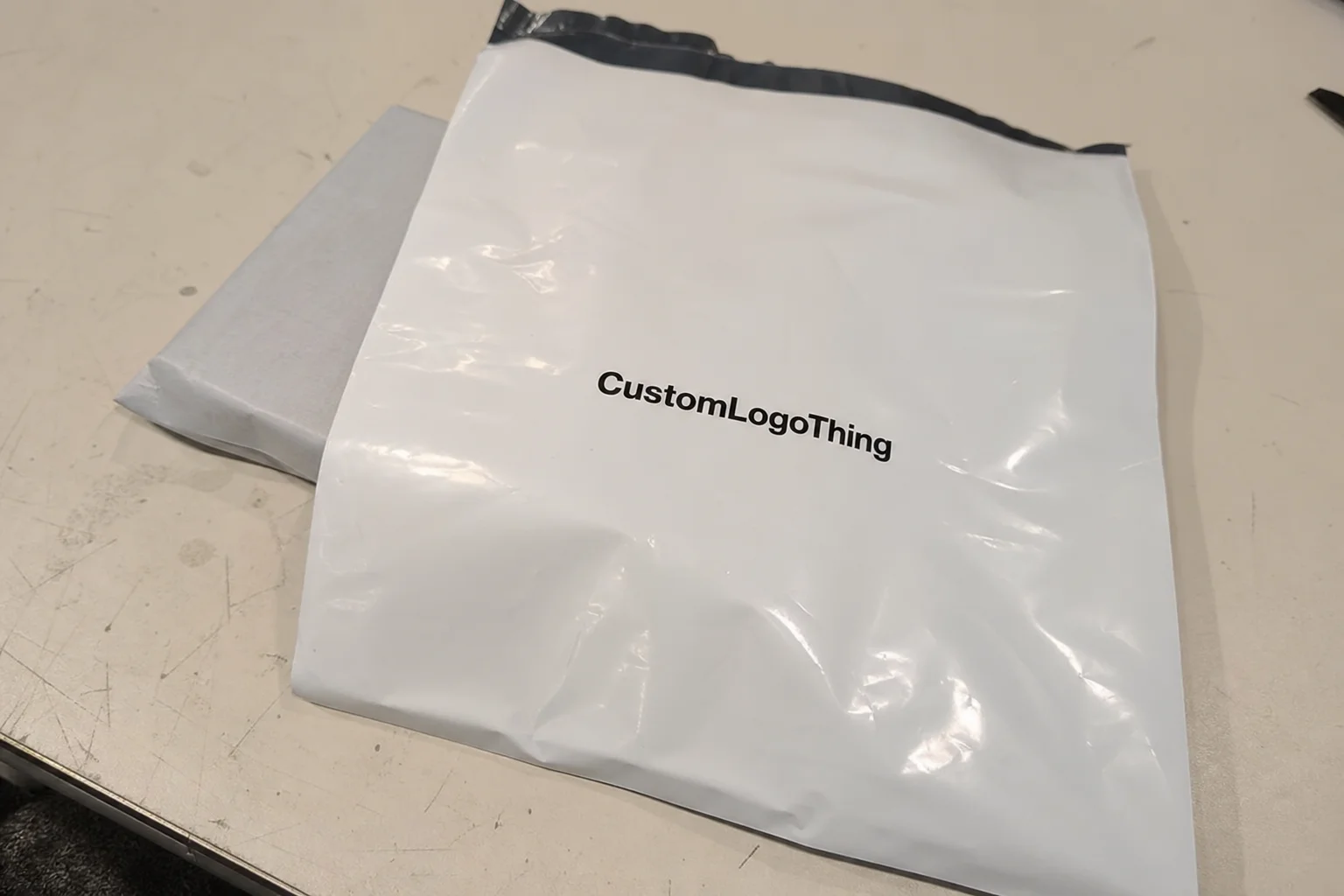
A surprising reality in subscription fulfillment is that the mailer is often the first brand touchpoint a subscriber sees in person. That means the package is doing more than surviving transit; it is acting like a miniature billboard, a protection layer, and part of the unboxing experience all at once.
Custom Poly Mailer Bags are lightweight shipping bags made from polyethylene film, usually LDPE or a blend designed for mailing. They can be plain, printed, tinted, or labeled, depending on how much branding the company wants to put into the package. For many brands, they sit in a practical middle ground between a basic shipping bag and more premium retail packaging such as rigid cartons or custom printed boxes.
In practice, these mailers show up everywhere in subscription commerce:
- Apparel subscriptions, especially soft goods like tees, socks, or accessories
- Beauty and personal care bundles with compact, non-fragile items
- Wellness kits, samples, and lightweight replenishment products
- Accessories and lifestyle items that do not need crush protection
- Bundled products that fit neatly in a flexible shipping format
The main advantage is shipping efficiency. Poly mailers weigh far less than corrugated cartons, so they can help reduce postage on many parcel networks. They also take up less storage space in the warehouse and can be ordered in many sizes, which makes them easier to fit around different subscriber kits.
That said, they are not the right answer for everything. If a product is fragile, has rigid components, or needs crush resistance, a mailer bag alone is not a replacement for a box or a protective insert system. A subscription brand should choose the package based on the product, not just the look.
“A good mailer should feel like part of the brand, not just the thing holding it together. If the package feels cheap, the product has to work harder to win the customer back.”
How custom poly mailer bags are made and used in fulfillment
Most poly mailers have a straightforward structure: an outer film surface for printing or labeling, a seal area with adhesive, and sometimes an inner black layer or printed interior for privacy. Some versions include extra features like a tear strip, a second adhesive strip for returns, or a writable panel for fulfillment notes and routing labels.
The outer surface can be designed in several ways. A brand may choose a fully printed film, a stock-colored bag with a logo label, or a mailer with special finishes like gloss, matte, or metallic accents. Each option changes the feel of the package, and each has a different effect on setup cost and production speed.
Typical fulfillment flow
- Products are picked and checked against the pack list.
- Items are inserted into the mailer with enough room to close cleanly.
- The peel-and-seal strip is pressed closed to create the final seal.
- A shipping label is applied, usually on a flat zone with clear barcode visibility.
- The parcel enters carrier handling, where readability and seal integrity both matter.
Security and presentation go hand in hand. An opaque film can hide the contents, which matters for privacy in categories like beauty and wellness. A tamper-evident closure helps reduce accidental opening, and a clean barcode area keeps parcels moving through sorting equipment without delays.
From a customer’s point of view, the package experience starts at the doorstep and continues on the kitchen counter, office desk, or apartment floor where the parcel gets opened. Good packaging design makes that moment feel neat and intentional. Poor package branding makes the same product feel like a generic shipment.
Key specs that affect performance, brand feel, and cost
The first spec buyers usually ask about is thickness, often described in mils. Thicker film generally improves puncture resistance, opacity, and the ability to survive rougher handling, but it also raises material use and can increase cost. Thin film can save money, yet it may feel flimsy if the product has sharp edges or if the shipment travels long distances.
Size matters just as much. A mailer that fits the bundle well helps the package look tidy, holds products in place, and reduces that loose, sloppy feeling that shoppers notice instantly. Too much empty space can let the product shift; too little can make packing difficult and may stress the seal.
Printing options are another major decision. Flexographic printing is common for larger runs and works well for simple one-color branding or repeat logos. Multi-color artwork is possible, but the more colors and coverage you add, the more setup complexity you usually create. Buyers sometimes assume every design is cheap to print, but ink coverage and registration requirements can change the economics quickly.
| Mailer option | Best for | Typical tradeoff | Relative cost |
|---|---|---|---|
| Stock poly mailer | Fast launches, basic fulfillment | Limited branding control | Lowest |
| Stock mailer with branded label | Lower-volume branded packaging | Extra application step | Low to medium |
| Custom-printed poly mailer | Strong package branding and repeat shipments | Higher MOQ and setup | Medium to higher |
| Special finish mailer | Premium presentation, gift-like feel | More expensive and sometimes longer lead time | Higher |
Closures also deserve attention. A strong peel-and-seal adhesive is standard, but some brands want a second adhesive strip for returns, which can help with repurchase behavior in apparel and other reusable subscription categories. Tear strips can improve the opening experience, while writable panels can help during fulfillment when internal codes or notes are needed.
Sustainability is more nuanced than many sales sheets suggest. A lighter bag can reduce material use, which is a form of source reduction, but durability still matters because damaged packages waste both product and shipping energy. Some buyers look for recyclable film options or source-certified materials where applicable. For reference, the EPA has general packaging and recycling guidance at epa.gov, and certification details can be checked through the FSC at fsc.org when paper-based components are part of a broader package system.
When packaging buyers compare options, the real question is not “what is cheapest?” It is “what performs well enough for the shipment, looks right for the brand, and stays within freight and fulfillment limits?” That is the balance point for strong product packaging.
Custom poly mailer bags for subscription brands: process and turnaround
Once a brand is ready to order custom Poly Mailer Bags for subscription brands, the process usually follows a familiar production path. It starts with a quote request, moves into artwork prep and proofing, then continues through plate setup or plate-less digital production depending on the print method, followed by printing, converting, inspection, and final packing.
Complexity drives timing. A simple one-color mailer with a standard size and clean logo can move through the system faster than a custom-sized bag with tight color matching, regulatory text, and multiple design revisions. Artwork that is built incorrectly, especially with low-resolution logos or missing dielines, can add days before production even begins.
Typical lead times vary by supplier and order type, but stock mailers with labels often move faster than fully custom-printed mailers. Many buyers should plan for a window that includes not just production, but also inbound freight, receiving, and integration into the fulfillment schedule. More than one launch has been squeezed because the packaging arrived after the subscriber kits were already packed.
Order volume also matters. Larger runs usually need more setup and planning, but the unit economics often improve because fixed preparation costs are spread across more pieces. That is one reason brands with steady subscriber counts tend to move from test orders into more structured buying programs once the packaging format proves itself.
For a broader view of packaging formats and finishing options, the product library at Custom Packaging Products can help teams compare mailers against other branded packaging solutions. Brands that want to see how packaging choices support growth often review Case Studies before making a final decision.
Cost, pricing, and MOQ basics for subscription packaging
Pricing for mailers usually comes down to five things: quantity, number of print colors, film thickness, size, and whether the order is stock or made to spec. Special finishes, opaque black interior film, custom gussets, and dual adhesive strips can all move the number higher. If a buyer wants a highly specific look with tight color control, the budget should reflect that reality.
MOQ stands for minimum order quantity. In plain language, it is the smallest run a supplier will make economically. Minimums exist because printing setup, material purchasing, and machine changeovers all take labor and time. A factory cannot reasonably stop and reset for a tiny custom run without charging more per piece.
For lower-volume brands, a practical strategy is to use stock mailers and add branded stickers or labels. That does not deliver the same integrated look as full custom printing, but it can still create a strong first impression while the brand tests demand. Once order volume becomes predictable, moving into custom printed bags can improve consistency and lower the per-unit branding cost.
Buyers should ask about hidden or less obvious costs too:
- Tooling or plate charges for print setup
- Freight from origin to warehouse
- Proofing or sample charges
- Testing for seal strength, opacity, or carrier compatibility
- Rush fees if the launch date is compressed
It helps to estimate cost per shipped subscription pack, not only cost per mailer. A mailer that saves half an ounce in freight or reduces damage claims may be more valuable than a cheaper bag that creates problems later. That is especially true for brands watching retention, because packaging is part of the retention story whether buyers admit it or not.
Step-by-step guide to choosing the right mailer
If a team wants to choose the right mailer without wasting time, the best move is to work methodically.
Step 1: Define the shipment, not the idea
Start with product dimensions, weight, and any fragility issues. A soft apparel bundle is a very different package from a wellness kit with bottles or a kit that includes rigid inserts. Select the mailer around the actual shipment, not around a guess.
Step 2: Decide what the package should say
Should the mailer feel premium, playful, eco-conscious, minimalist, or bold? That answer guides packaging design. A clean one- or two-color design often reads more premium than an overcrowded print layout with too many messages competing for attention.
Step 3: Match film and thickness to transit conditions
If parcels move through hot warehouses, rainy climates, or long carrier chains, the bag needs enough durability to keep its shape and seal. A supplier should be able to discuss film gauge, opacity, and puncture resistance in real terms, not vague promises.
Step 4: Review proof samples carefully
Always check logo placement, barcode space, seal alignment, and any required copy before production. A digital mockup is helpful, but a sample in hand tells you more about feel, opacity, and closure performance. Good branding is as much about fit and finish as it is about the artwork itself.
Step 5: Test with real packers and a small live run
Have actual fulfillment staff pack a few sample orders. Watch how fast the bags close, whether the adhesive holds, and whether the final parcel arrives in good shape. That small operational test can save a lot of rework later.
For buyers comparing packaging paths, the easiest way to think about it is this: the right bag should support the product, the warehouse workflow, and the customer’s first impression all at once. If one of those three fails, the package is not pulling its weight.
Common mistakes that hurt subscription retention
One of the most common mistakes is choosing a mailer that is too large. Oversized bags can look cheap, shift the product around, and increase shipping inefficiency. A bag that swallows the product does not feel premium; it feels unfocused.
Another problem is over-designing the artwork. Too many colors, too much text, and too many icons can make the package hard to read and inconsistent across print batches. Strong package branding usually comes from clarity, not noise. A simple logo and a disciplined color system often outperform crowded artwork.
Weak adhesive is another retention killer. If the seal fails, the customer may receive a damaged parcel, or the contents may be exposed in transit. That first bad delivery can hurt trust quickly, especially for a subscription where the customer expects repeat shipments to be routine.
Brands also forget carrier and compliance requirements. Label placement matters. Barcode readability matters. If the mailer surface wrinkles badly or makes scanning difficult, the package can create avoidable handling issues. For brands shipping at scale, that is not a minor detail.
Finally, many teams focus on the warehouse handoff and forget the subscriber journey after delivery. Easy opening, clean presentation, and a package that feels deliberate can affect how a customer talks about the brand, posts an unboxing photo, or decides whether to renew. That is why custom printed boxes are not the only branded format worth serious attention; the right mailer can be just as influential for the right product mix.
Expert next steps before you request a quote
If you are preparing to source custom Poly Mailer Bags for subscription brands, the most efficient next step is to create a one-page packaging brief. Include product dimensions, average unit weight, monthly volume, target ship date, branding priorities, and any special handling needs. That one sheet prevents a lot of back-and-forth later.
Then gather the artwork assets. Logo files, brand colors, legal copy, return address details, and any care or recycling notes should all be ready before proofing begins. Better files mean fewer revisions, and fewer revisions usually mean a calmer production schedule.
Ask for samples. Compare the feel, opacity, seal strength, and print quality in your hand, not just on a screen. A sample can reveal whether a mailer feels thin, whether the matte finish dulls the artwork too much, or whether the closure strip is strong enough for actual fulfillment.
If the budget is tight, compare two routes: a fully custom mailer and a lower-risk option using stock inventory with branded labels. That gives you a practical fallback while demand is still proving out. Once the subscription base grows, the order can shift into a more custom format with better package branding and tighter control over the customer experience.
To keep costs sane, build your ordering plan around forecasted subscriber growth, not just the current month’s numbers. Subscription packaging has a habit of getting urgent right when a campaign, launch, or seasonal spike lands. Planning ahead keeps you from running short at the worst possible moment.
For brands ready to compare formats, the next stop is usually a mix of material samples, pricing checks, and a look at broader Custom Poly Mailers options. If the goal is packaging that fits the product, the fulfillment line, and the customer experience, the right mailer choice is rarely the flashiest one; it is the one that prints clearly, closes cleanly, and arrives on time.
FAQs
Are custom poly mailer bags for subscription brands better than boxes?
They are often better for lightweight, non-fragile items because they reduce shipping weight and material use. Boxes are still the better choice for crush protection, premium rigid presentation, or products with multiple breakable components. The best option depends on product fragility, shipping cost, and the unboxing experience you want to create.
What thickness should I choose for custom poly mailer bags for subscription brands?
Choose thickness based on product weight, sharp edges, and transit conditions rather than price alone. Thicker film can improve durability, opacity, and puncture resistance, but it may cost more and use more material. A supplier can help match the film gauge to your actual shipping profile.
How long does production usually take for custom poly mailer bags?
Stock mailers with labels can move faster than fully custom-printed and custom-sized bags. Artwork revisions, proof approval, print complexity, and freight all affect the final schedule. Build extra time into launches so the packaging arrives before fulfillment begins.
What affects the MOQ and unit cost the most?
Quantity, print colors, size, film thickness, and whether the bag is stock or fully custom all influence MOQ and pricing. Higher volumes usually lower the unit cost because setup expenses are spread across more pieces. Special finishes and custom dimensions often raise both minimums and price.
How can I make branded mailers feel premium without overspending?
Keep the design clean, choose one or two strong brand colors, and prioritize a tidy fit for the product bundle. Use strong closure performance and accurate sizing, since a well-made simple mailer often feels more premium than a busy one. If budget is tight, start with stock mailers plus labels, then move to full custom printing once demand is proven.


