Buyer Fit Snapshot
| Best fit | Custom Bakery Boxes Bulk Order projects where brand print, material claims, artwork control, MOQ, and repeat-order consistency need to be specified before quoting. |
|---|---|
| Quote inputs | Share finished size, material target, print colors, finish, packing count, annual reorder estimate, ship-to region, and any compliance wording. |
| Proofing check | Approve dieline scale, logo placement, barcode or warning zones, color tolerance, closure strength, and carton packing before bulk production. |
| Main risk | Vague material claims, crowded artwork, missing packing details, or unclear freight terms can make a low unit price expensive after revisions. |
Fast answer: Custom Bakery Boxes Bulk Order: Pricing, Specs & Lead Time should be specified like a repeatable production item. The safest quote records material, print method, finish, artwork proof, packing count, and reorder notes in one written spec.
Production checks before approval
Compare the actual filled-product size with the drawing, then confirm tolerance on folds, seals, hang holes, label areas, and retail display edges. Reserve space for logos, QR codes, warning copy, and material claims before decorative graphics fill the panel.
Quote comparison points
Review material grade, print process, finish, sampling route, tooling charges, carton quantity, and freight assumptions side by side. A quote is only useful when the supplier can repeat the same color, closure quality, and packing count on the next order.
Custom Bakery Boxes bulk order buyers often start with the headline price and stop there. That number is easy to compare, but it rarely tells the full story. The costly surprises usually show up elsewhere: box dimensions, board weight, window cutouts, grease resistance, print coverage, and the way each carton packs into a master case. A box can look inexpensive on paper and still become an expensive way to move frosted product from one place to another.
Bulk bakery packaging needs more discipline than a quick checkout decision. A carton that looks polished in a mockup can waste freight space, crush delicate tops, or trigger refunds once it meets real handling. Buyers comparing Custom Printed Boxes for a bakery line should ask a harder question than, "What is the lowest quote?" A better question is, "What does this box really cost after production, freight, damage, labor, and storage are all counted?"
For buyers who want a clearer starting point, browse our Custom Packaging Products, review our Wholesale Programs, and scan the common setup questions on our FAQ page. A few minutes there can save a week of back-and-forth once pricing starts.
If the bakery item shifts during transit, the box failed. Fixing that failure later usually costs more than choosing the right structure at the start.
Why bakery boxes get expensive fast when you order wrong
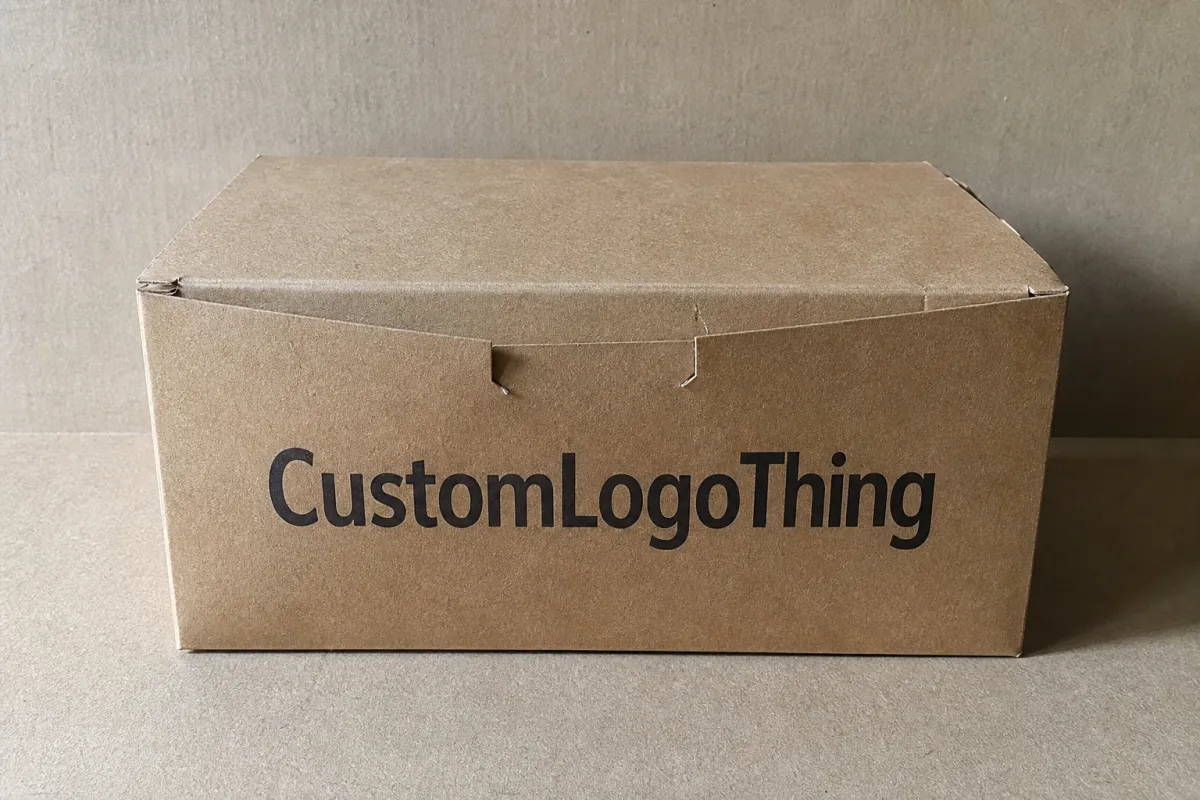
The fastest way to overspend is to choose a bakery box by appearance instead of by function. Retail teams do this constantly. They approve a stock-style carton because it looks neat, then discover it is too large for the pastry, too light for stacked product, or too weak for carrier handling. The result is a chain reaction: more filler, more damaged items, more complaints, and a higher true cost per sale.
Size is usually the first hidden cost. A carton that is just 10 to 15 mm too tall can increase shipping volume enough to move freight costs on a bulk run. A box that is too wide can force the bakery to add inserts, dividers, or extra wrapping. That sounds minor until you multiply it by 5,000 or 10,000 units. Then every extra cent starts acting like a recurring charge.
Board weight matters just as much. A light pastry carton may work at 14-16 pt SBS for counter service, but decorated cakes and heavier items often need thicker board, corrugated construction, or a reinforced base. The upgraded material raises the unit price, yet it can save money by lowering breakage and repacking labor. Fewer damaged items usually beats a cheaper box that does not hold up.
Bulk buying pays off because setup and tooling get spread across a larger run. Unit cost drops, supply becomes steadier, and branding stays consistent. Once the spec is locked, the team stops scrambling for emergency reorders or accepting odd substitutes that look off-brand. That is where package branding starts showing up in numbers, not just in mood boards.
The clean way to judge a quote is landed cost. Include the printed carton, inserts, finishing, freight, and any split-shipment or storage charges. A slightly higher box price can still win if it packs better, arrives flatter, and cuts product loss. That is plain purchasing math.
For buyers comparing retail packaging and bakery packaging, the real cost often hides in the order mistakes:
- Oversized cartons that push up freight and carton volume.
- Underbuilt board that causes crushed corners or collapsed bottoms.
- Overdesigned artwork that adds cost without helping sales.
- Late reorders because the team never locked a repeatable spec.
If the goal is to keep the bakery line profitable, the box has to do three jobs at once: protect the product, support the brand, and pack efficiently. That combination is the only one that matters for a real bulk order.
Bakery box styles, materials, and print options that matter
Bakery packaging is not a single product category. It is a mix of use cases with very different demands. A cupcake box does not need the same structure as a pastry tray, and a window cake box behaves differently from a rigid presentation box for premium gifting. Pick the format first, then choose the finish. That order saves money and avoids a lot of rework.
Common box styles include tuck-top bakery cartons, folding cake boxes, window boxes, pastry trays, cookie mailers, and rigid-style gift boxes. Tuck-top cartons are usually the cheapest and easiest to ship flat. Window boxes help with display and impulse buying. Corrugated mailer-style boxes are a better fit for heavier items or shipping. Rigid boxes make sense when the unboxing experience matters as much as the product inside.
Material selection is where packaging stops being abstract and starts doing real work. SBS board is the standard choice for crisp print and a clean retail look. Kraft board gives a more natural, artisan feel and works well for branded packaging that wants to look earthy or handmade. Corrugated board is the safer choice for weight and transit. Coated board helps when moisture or grease is part of the picture, which is common with butter-heavy pastries and frosted items.
There are also features worth paying for and features that are only decoration. Clear windows can increase sell-through because customers can see the product. Grease-resistant linings help reduce staining. Die-cut handles improve carry comfort for larger cakes. Inserts matter when the item can move during delivery. Locking tabs help staff assemble faster and keep the closure secure. Each one solves a real problem.
Printing choices affect both brand impact and price. A single-color logo on kraft can look disciplined and intentional. Full-bleed graphics on SBS create stronger shelf presence. Inside printing is useful for premium product packaging because it adds a second brand touch point. Foil, embossing, and soft-touch or gloss coatings can lift perceived value, but each one adds setup complexity and cost. If the bakery item is already visually strong, the box does not need heavy finishing to carry the message.
That is the tradeoff buyers often miss. A simpler box can lower unit cost, speed production, and still look polished if the shape and typography are strong. A fancier box can help on shelf, but it may not make sense if the product has thin margins or moves mostly through shipping. A smart custom printed boxes program keeps the design aligned with what the item actually needs, not with what looks impressive in a sample kit.
There is no universal "best" material. A few practical examples:
- 16 pt SBS often suits light pastries, cookie sleeves, and counter display cartons.
- 18-24 pt SBS works better for taller pastries and boxes that need more stiffness.
- Kraft board fits brands that want a rustic retail packaging look.
- Corrugated E-flute or B-flute is the practical choice for heavier cakes or shipping use.
One more practical point: the best-looking box is not always the cheapest to run. Fancy die cuts increase waste. Full coverage graphics increase press time. Large windows reduce printable area. If the design team can trim a bit of decoration without hurting the brand, the buyer usually gets a better deal.
Size, structure, and performance specs for bakery packaging
Correct sizing is the difference between a bakery box that works and one that just occupies shelf space. Measure the finished product first, not the pan or the recipe sheet. Use the actual length, width, and height of the baked item after decoration, cooling, and any wrapping. Frosting height matters. So does how much the item settles when stacked. Those are the numbers that decide whether the box protects the product or crushes it.
For cupcakes and pastries, buyers should leave enough clearance so the top decoration does not touch the lid. For cakes, both the base diameter and the final presentation height need to be confirmed. For cookies and bars, stackability matters more than height. If the bakery item will be shipped, the box needs a little extra headroom for inserts, liners, or cushioning. A tight fit is fine for a counter box. A tight fit for parcel transit usually ends badly.
Structural decisions change by product type. Cookies usually work best in mailer-style or folding cartons that keep the tray from sliding. Heavy cakes need reinforced bottoms or corrugated support. Warm items may need venting so trapped moisture does not soften the interior before the customer opens it. Fragile decorations often need an insert that locks the base in place and stops lateral movement.
Here are the core specs to lock before you request a quote:
- Length, width, and depth of the finished box.
- Board type and thickness, including SBS, kraft, or corrugated.
- Print coverage, such as one side, outside only, or inside and out.
- Finishing, like matte, gloss, foil, embossing, or soft-touch.
- Pack count per carton and the master carton dimensions.
- Insert or window requirements, if the product needs them.
Food handling also needs a clear answer. If the carton touches wrapped product only, the spec can be more flexible. If the box contacts unwrapped food, the buyer should ask for appropriate food-safe materials and grease resistance. Direct-contact and indirect-contact setups are not the same thing, and mixing them up is a common source of rework. A packaging supplier should be able to explain that without hiding behind jargon.
For shipping-sensitive runs, ask about testing and transit performance. The ISTA test methods are widely used to evaluate how packages hold up in distribution, and they are a useful reference if your bakery boxes move through parcel networks. If you also care about responsible fiber sourcing, FSC-certified board is worth asking about, especially for brands that want a cleaner sourcing story.
Spec mistakes create hidden costs quickly. A too-small box means repacking or product waste. A too-large box raises freight and takes up shelf space. A weak box leads to crush damage and returns. That is why the best buyers treat the spec sheet like a contract, not a casual suggestion.
Pricing, MOQ, and unit cost breakdown for custom bakery boxes bulk order
This is where a custom bakery Boxes Bulk Order turns from a design decision into a purchasing decision. The quote can look simple on the surface, but the price is shaped by several moving parts: quantity, board choice, print colors, coating, window cuts, die charges, and the complexity of the artwork. The more custom the structure, the more the setup costs matter.
MOQ is useful, but it is not the full picture. A lower minimum helps with launches, seasonal items, and test runs. Still, the real savings usually show up once setup and tooling are spread over enough units. That is why a quote at 1,000 units can look very different from a quote at 5,000 or 10,000. The unit price often drops quickly at first, then flattens out once material use and production efficiency balance each other.
Buyers should ask for tiered pricing every time. A quote that only shows one quantity is not enough to compare value. Ask for 1,000, 5,000, 10,000, and 25,000-unit pricing so you can see where the break happens. Sometimes the jump from 5,000 to 10,000 units lowers the per-box price enough to matter. Other times it creates inventory you do not need. That is a storage decision, not just a pricing decision.
Here is a practical pricing view for common bakery box types. These are general bulk ranges and can move up or down based on artwork, structure, and shipping method. They are useful for early planning, not for final budgeting.
| Box type | Typical material | Best use | Usual unit cost at 5,000 units | Typical lead time after proof approval |
|---|---|---|---|---|
| Tuck-top bakery carton | 16-18 pt SBS or kraft | Pastries, cookies, light retail use | $0.22-$0.48 | 10-15 business days |
| Window cake box | 18-24 pt SBS with film window | Display cakes and decorated desserts | $0.35-$0.85 | 12-18 business days |
| Mailer-style bakery box | Corrugated E-flute or B-flute | Ship-safe cookies, bars, heavier items | $0.60-$1.40 | 12-20 business days |
| Rigid presentation box | Rigid board with wrap | Premium gifting and specialty launches | $1.50-$4.00+ | 15-25 business days |
Those numbers change with print coverage. A one-color logo on kraft will usually sit lower than a full-bleed design on coated SBS. Foil stamping, embossing, and inside printing can add meaningful cost because they add setup time and more opportunities for waste. If the product is already premium, the extra spend may be justified. If not, it can be more decoration than value.
Freight matters more than many buyers expect. A quote that is $0.04 cheaper per box can still lose if the cartons pack badly or trigger higher shipping costs. Ask for pack count per master carton, pallet count if needed, and any split-shipment fees. If the supplier stores part of the order, ask about storage charges too. Landed cost is the number that matters, not the vanity number on the quote sheet.
A few price drivers deserve blunt attention:
- More colors usually mean more setup and higher waste on press.
- Windows add material and die work.
- Custom sizes can raise tooling cost and material yield loss.
- Special finishes raise both unit price and production time.
- Low MOQ is helpful, but it rarely gives the best unit economics.
If you want to compare options intelligently, ask the supplier to quote the same artwork across multiple quantities and one alternate structure. That shows whether the better move is changing the box size, switching the board, or simply buying a larger run. It is a much better exercise than staring at a single price and guessing.
Process, timeline, and production steps
A clean production process keeps the project moving and prevents expensive mistakes. The normal flow is simple enough: brief, spec confirmation, quote, dieline or artwork prep, proof approval, production, finishing, packing, and delivery. The issue is not the sequence. The issue is how often buyers skip one of those steps because they want the order wrapped up quickly.
Timeline depends on the structure. Simple printed bakery cartons move faster than custom shapes, windowed designs, or boxes with specialty finishes. A standard tuck-top carton with basic print can turn around fairly quickly. Once the job includes a new dieline, insert design, film window, or foil, expect more time. That is normal. Rushing it usually increases the odds of a bad proof or a fit problem.
The most common delays are unglamorous. Missing artwork. Vague measurements. Late changes after proofing. Unclear delivery instructions. None of that is dramatic, but all of it pushes the schedule. A buyer who sends only a logo and a rough size is asking for extra rounds of clarification. A buyer who sends the exact product dimensions, print references, and carton pack-out details usually gets a faster answer.
Before production starts, confirm these points in writing:
- Exact box dimensions and acceptable tolerance.
- Board thickness and material finish.
- Print method and approved color references.
- Inside versus outside print coverage.
- Window size, insert type, or closure style.
- Master carton count, shipping destination, and delivery target.
One practical warning: do not approve a rush order without proof review unless the box is already a repeat and the spec has been used successfully before. That is the quickest way to pay twice. If the bakery item is sensitive to frosting height or packaging compression, a sample fill or preproduction sample is cheap insurance.
For transit-sensitive items, ask whether the production team can reference distribution test standards like ISTA. For sourcing-sensitive brands, ask whether the board can be FSC-certified. Neither step fixes a bad size spec, but both help tighten the overall packaging design and make the final result easier to defend.
Timelines also depend on shipping mode. Air freight can rescue a deadline, but it can also wipe out the savings from a strong factory price. Ocean freight is cheaper per unit but slower. Domestic freight is easier to manage, but material and production choices may be different. Buyers who plan ahead get more control. Buyers who wait until inventory is almost gone usually pay the panic tax.
The real production risk is usually not the press. It is the unclear brief. Give a supplier the wrong dimensions and you can end up with a beautiful box that does not fit the actual bakery item.
Why choose us for bulk bakery packaging
For bulk bakery packaging, consistency matters more than a flashy sample. A box that looks beautiful once is nice. A box that can be reordered at the same spec, with the same print quality and the same fit, is what actually helps a bakery run profitably. That is the difference between a marketing piece and a usable packaging system.
We focus on practical sourcing, clear quoting, and repeatable production. That means better guidance on MOQ, sharper recommendations on board and finish, and fewer surprises when the order moves from sample to production. Buyers do not need romance. They need a supplier who can explain tradeoffs clearly and keep the spec stable across reorders.
From a packaging buyer's point of view, the useful support usually looks like this:
- Dieline help so the box fits the product, not just the artwork.
- Material recommendations based on weight, moisture, and display use.
- Print checks to keep logos, type, and panel layout consistent.
- Quote clarity so tooling, freight, and pack-out are not hidden later.
- Reorder stability so future runs do not drift from the first order.
That kind of support matters because bakery packaging rarely stays still. One season may need a window box for display. The next may need a shipping-safe mailer. A holiday run may need a heavier board or a different insert. Good sourcing turns those changes into controlled options instead of panic buying. It also makes branded packaging easier to standardize across product lines.
There is also a commercial side to this. Better quote discipline reduces wasted back-and-forth. Better spec control reduces sampling waste. Better reordering habits reduce emergency freight. Those are not tiny gains. Over a year, they can make the difference between a packaging line that feels managed and one that feels like a permanent fire drill.
If you are comparing a few suppliers, ask them the same questions in the same order. What is the board grade? What is the MOQ? What is the lead time after proof approval? What is included in the price? Can you support custom printed boxes with repeatable specs on a reorder? A supplier that answers cleanly is usually easier to work with than one that hides behind vague language.
We also try to keep the buying process usable for teams that are not packaging engineers. A bakery owner, operations manager, or retail buyer should be able to get the key facts without decoding jargon. That matters especially for product packaging that has to serve both shelf appeal and practical handling. Nice visuals are good. Clear answers are better.
The long-term benefit is simple. Once a bakery locks the right box spec, the next order gets faster, the pricing becomes easier to forecast, and the team spends less time fixing preventable packaging issues. That is what smart wholesale packaging support is supposed to do.
What to do next before you place the order
Start with the product, not the box. Measure the finished bakery item after decorating and cooling. Confirm whether it ships wrapped, unwrapped, or with an insert. Decide whether the box is for counter display, takeaway, delivery, or parcel shipment. Those four answers shape everything else.
Then gather the quote inputs in one place:
- Length, width, and height of the box.
- Preferred material and thickness.
- Print colors and artwork coverage.
- Window, foil, embossing, or coating requirements.
- Quantity target and two higher quantity tiers.
- Shipping destination and target delivery date.
Do not stop at one quantity. Ask for at least two or three pricing tiers so you can see where the unit cost drops and where it levels out. Sometimes the jump from 1,000 to 5,000 units is worth it. Sometimes it is not. The numbers decide that, not guesswork. If storage space is tight, a smaller run and a faster reorder cycle may be the better move.
If the bakery item is delicate, request a proof against the actual product or a sample fill. That is the easiest way to catch problems with lid clearance, insert fit, or panel size before production starts. A proof on a flat screen is useful. A real sample is better. Guessing is the worst option.
Here is the short version of the buying logic:
- Choose the box style that fits the product use case.
- Lock the real dimensions and board grade.
- Quote multiple quantity tiers.
- Review the proof against the actual bakery item.
- Approve production only after the spec is confirmed.
That process is not flashy, but it works. It keeps your custom bakery boxes bulk order tied to actual operations instead of theoretical design ideas. That is usually the difference between packaging that only looks good and packaging that actually earns its keep.
FAQs
How many custom bakery boxes do I need for a bulk order?
Most bulk pricing starts once setup costs are spread across enough units to lower the per-box price. A useful comparison usually includes 1,000, 5,000, 10,000, and 25,000 units so you can see where the savings flatten out. If you are testing a new product, ask for the lowest practical MOQ first, then compare the jump to the next tier before you commit.
What affects custom bakery boxes bulk order pricing the most?
Quantity, board type, print coverage, window cuts, coating, and finishing are the biggest drivers. Custom sizes cost more than stock-like dimensions because they affect material yield and tooling. Freight and carton pack-out can change the landed price more than buyers expect, so always compare delivery cost as part of the quote.
Can I get food-safe custom bakery boxes with windows?
Yes, but the right setup depends on whether the box touches wrapped or unwrapped food and whether grease resistance is needed. Window film, board coating, and insert design should be confirmed before production, not guessed after the quote. Ask for a sample or proof when the bakery item is sensitive to moisture, frosting height, or display visibility.
How long does a custom bakery boxes bulk order take?
Simple printed orders move faster than custom structures, specialty coatings, or windowed designs. Artwork approval and proof revisions are usually the biggest schedule risk, not the press time itself. If the delivery date matters, confirm lead time up front and ask what can be rushed without creating quality issues.
What should I confirm before approving the final quote?
Confirm the exact dimensions, material, print colors, coating, quantity, and shipping destination. Make sure the quote includes tooling, samples, packing, and freight so there are no hidden add-ons later. For a custom bakery boxes bulk order, check that the approved proof matches the actual bakery item and packaging use case before you sign off.

