Buyer Fit Snapshot
| Best fit | Recycled Subscription Boxes Bulk Order for Brands That Scale projects where brand print, material claims, artwork control, MOQ, and repeat-order consistency need to be specified before quoting. |
|---|---|
| Quote inputs | Share finished size, material target, print colors, finish, packing count, annual reorder estimate, ship-to region, and any compliance wording. |
| Proofing check | Approve dieline scale, logo placement, barcode or warning zones, color tolerance, closure strength, and carton packing before bulk production. |
| Main risk | Vague material claims, crowded artwork, missing packing details, or unclear freight terms can make a low unit price expensive after revisions. |
Fast answer: Recycled Subscription Boxes Bulk Order for Brands That Scale should be specified like a repeatable production item. The safest quote records material, print method, finish, artwork proof, packing count, and reorder notes in one written spec.
Production checks before approval
Compare the actual filled-product size with the drawing, then confirm tolerance on folds, seals, hang holes, label areas, and retail display edges. Reserve space for logos, QR codes, warning copy, and material claims before decorative graphics fill the panel.
Quote comparison points
Review material grade, print process, finish, sampling route, tooling charges, carton quantity, and freight assumptions side by side. A quote is only useful when the supplier can repeat the same color, closure quality, and packing count on the next order.
Recycled Subscription Boxes Bulk Order for Brands That Scale
A recycled subscription boxes bulk order is rarely judged by the material label alone. The real test begins after the cartons leave the warehouse. They get stacked, dropped, packed, scanned, moved again, then opened in a kitchen, bathroom, office, or studio. A box that survives that chain without sagging, splitting, or losing its shape protects more than the product inside. It protects the first impression, which is often formed in silence, before the customer has even decided whether to reorder.
Cost still matters, but price tells only part of the story. A recycled structure has to match product weight, assembly speed, and the way the box moves through carrier networks. A well-specified recycled mailer can feel deliberate and premium. A poorly matched carton can look weak before the tape is even cut. Bulk ordering gives a subscription brand something more valuable than a discount: repeatability. Every shipment arrives with the same size, the same fit, and the same unboxing rhythm.
That kind of consistency is not decorative. It reduces confusion on the packing line, lowers the odds of damage claims, and makes inventory planning more predictable. For a subscription business, those are not minor benefits. They affect labor, freight, customer satisfaction, and the amount of waste generated when packaging has to be replaced midstream.
"A recycled box still has to survive transit, pack quickly, and open cleanly. Sustainability only matters when the structure holds its own."
Why a Recycled Subscription Boxes Bulk Order Makes Sense
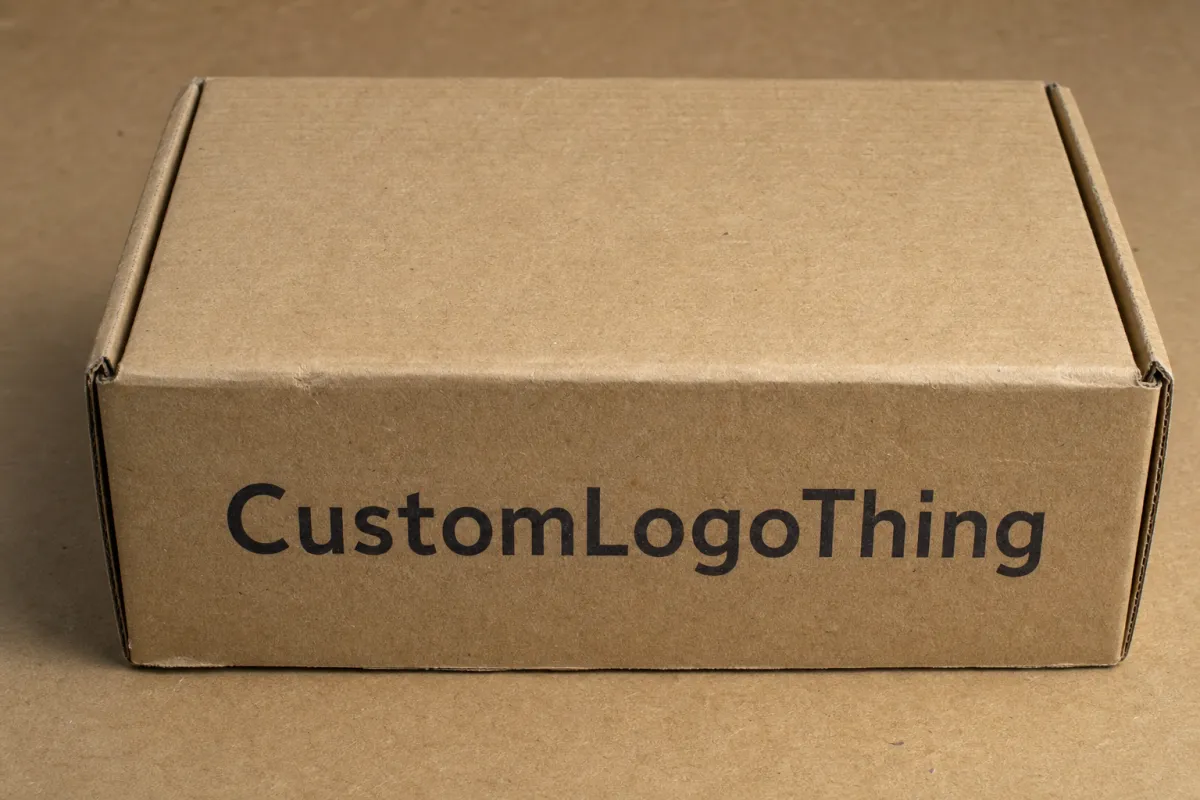
Subscription packaging faces more handling than many buyers expect. It is picked from storage, assembled, filled, sealed, moved into cartons, shipped, sorted, and opened. Each step adds stress. Recycled board has to be chosen for those conditions first, not for the marketing language printed on the spec sheet. If the board tears at a fold or buckles in a stack, the result is more waste, not less.
There is a clear business case here. Brands want packaging that signals responsibility without sacrificing presentation. A recycled package can do both when the caliper, flute, print method, and closure style are selected with care. Think of the difference between a kraft mailer with precise folds and a flimsy carton that collapses under a light stack. Both may be made from recycled fiber. Only one supports a premium subscription experience.
Bulk ordering makes that decision easier to repeat. Once the dieline, dimensions, and board choice are locked in, every production run can follow the same spec. That matters for monthly boxes, seasonal kits, and launches that add new SKUs over time. A team that knows exactly how the carton behaves can pack faster, forecast more accurately, and avoid the awkward surprises that come with changing packaging after a launch has already started.
The sustainability case also becomes more concrete. Recycled content reduces the need for virgin fiber, and a properly sized box can lower void fill, cut oversized shipping, and reduce wasted corrugated. Those are measurable effects, not vague claims. A buyer can ask practical questions: How much recycled fiber is in the board? Is the recovered fiber post-consumer, pre-consumer, or a mix? Does the box reduce insert waste? Does a smaller footprint improve cube efficiency? The answers affect both materials and freight.
There is one important caveat. Recycled content does not automatically mean a package is the most recyclable option in every market. Coatings, heavy inks, plastic windows, laminated wraps, and mixed-material inserts can change how easy the package is to recover after use. A responsible packaging decision weighs the full structure, not just the board claim on a quote.
- Lower damage risk: better board selection and fit usually cost less than the replacements they prevent.
- Cleaner brand presentation: the same spec repeats across every shipment, which keeps the unboxing experience steady.
- Less waste: a tighter fit reduces void fill and avoids oversized cartons.
- More predictable replenishment: bulk production supports recurring monthly or quarterly runs.
- Better labor planning: the pack-out team learns one box format instead of managing a rotating mix of cases.
For brands launching a new subscription line or replacing a patchwork of packaging sources, a recycled subscription boxes bulk order offers control as much as savings. Controlled specs are easier to quote, easier to test, and easier to scale. The fulfillment team gets a box that behaves the same way every time, which is the kind of operational calm that rarely gets mentioned in packaging decks but shows up immediately on the packing floor.
Recycled Board, Print, and Structure Options
No single recycled box fits every subscription model. Product weight, shipping method, unboxing style, and warehouse assembly all push the design in different directions. A lightweight beauty kit has different needs from an apparel bundle or a coffee sampler. Recycled materials should be matched to the structure, not selected as a broad label and left at that.
For buyers who have only seen sample boxes in a presentation room, the shipping environment can be easy to underestimate. A carton that looks fine on a desk may fail once it is compressed in a parcel cage, slid across a conveyor, or handled by a rushed fulfillment team during peak season. That is why board choice and structure should be evaluated together.
Common recycled structures
Corrugated mailers are the backbone option for many subscription shipments. They handle transit stress well, print cleanly on the outside, and still fold efficiently on the packing line. When the box is moving through parcel networks, this is often the first structure to review because it balances strength, Cost, and Branding without forcing the buyer to sacrifice one for the other.
Folding cartons work best for lighter kits, retail-style presentation, and products protected by inner packaging or a secondary shipper. They usually use paperboard in the 14pt to 24pt range, depending on the application, and they carry fine print detail without adding much weight. For some subscription programs, that lighter structure is the right choice because the contents do not need serious crush resistance.
Rigid-style recycled builds suit premium gifting, layered unboxings, and products that need a more substantial hand feel. They cost more, and the price difference is real, but the opening experience changes dramatically. These boxes also work when the assortment is sensitive, nested, or arranged with inserts that need extra support to stay aligned.
Print and finish choices
Most recycled subscription packaging uses CMYK printing, sometimes paired with one or two spot colors for stronger brand control. Matte and gloss aqueous coatings are common because they protect the printed surface without making the carton feel plastic-heavy. Selective embellishment can lift the presentation if it is used with restraint. A small embossed logo or a precise spot treatment can add value. Too much decoration on recycled stock can pull attention away from the material itself.
Recycled does not have to mean rough or unfinished. With careful prepress work, the box can still produce crisp type, accurate color, and sharp line work. The substrate matters. Dark solids, tiny text, and fine reversals behave differently on kraft and recycled white-board surfaces, so the artwork should be evaluated against the board rather than assumed to print the same way everywhere. A brown kraft surface, for example, will mute some color and sharpen others; a bright white recycled liner can improve contrast but may change the tone of the finished piece.
Internal structure matters just as much as outside print. Inserts, dividers, and fitments reduce movement during transit and make the unboxing cleaner. A subscription kit with loose items usually benefits from an organized layout, especially when one component is fragile or spill-prone. In many cases, a simple divider or paperboard insert prevents more damage than a thicker outer box that should never have been oversized in the first place.
If you want to compare more box families before settling on one, our Custom Packaging Products page is a good place to review formats that can be adapted for subscription use.
For sourcing teams that care about certified fiber, the FSC system remains a practical reference point for chain-of-custody and responsible paper sourcing. It does not guarantee recycled content by itself, but it does help buyers verify that fiber claims are traceable.
Box Specifications That Affect Fit, Strength, and Shelf Appeal
Buyers should gather the specs that actually drive production before asking for quotes. Size is only one piece of the puzzle. A useful quote usually needs inside dimensions, board grade, flute type, print coverage, closure style, and the shipping environment the box must survive. A mailer that lives on a retail shelf has a different job from a carton shipped individually through parcel carriers.
Small dimensional changes can alter more than appearance. A shift of even 1/8 inch can change whether a jar rattles, whether an insert stays seated, or whether pack-out slows because workers have to fight the fit. Multiply that across several thousand units and the effect shows up in labor, freight space, and customer complaints. Bulk ordering works best when it is based on measured product data rather than a rough guess.
One buyer scenario comes up often: a subscription brand launches with a sample set that fits well in a prototype, then discovers the real production run includes slightly larger retail units, seasonal inserts, or printed cards that were never part of the original measurement. The result is a box that looks right on paper and wastes time on the floor. A good spec sheet prevents that kind of mismatch.
| Box Style | Typical Recycled Spec | Approx. Unit Cost at Bulk Volume | Best Fit |
|---|---|---|---|
| Corrugated mailer | ECT-rated recycled corrugated board, custom die-cut, CMYK or 1-color print | $0.45-$1.25 depending on size and print coverage | Parcel shipping, monthly kits, heavier contents |
| Folding carton | 14pt-24pt recycled paperboard, aqueous coating, simple tuck closure | $0.25-$0.85 depending on quantity and finish | Lighter kits, retail presentation, secondary packaging |
| Rigid-style recycled box | Heavier recycled chipboard or wrapped rigid board with printed wrap | $1.80-$4.50 depending on structure and embellishment | Premium gifting, layered unboxings, high perceived value |
| Mailer with insert system | Corrugated outer with paperboard or corrugated insert | $0.70-$1.75 depending on insert complexity | Fragile items, mixed SKU kits, presentation-driven programs |
The table is a starting point, not a promise. Real pricing depends on artwork coverage, run quantity, and whether tooling already exists. Even so, it shows why one carton can cost twice as much as another while both are made from recycled fiber. The difference usually sits in the structural details, not in the label on the material.
Fragile products like glass jars, sample bottles, and delicate accessories usually need compression resistance and interior support more than flashy print. Apparel may need less crush protection but more attention to fold behavior and shelf appearance. Mixed assortments create a different problem altogether. Several items need to stay in place without making pack-out awkward or slow.
Recycled packaging still needs a tidy opening experience. If the box is photographed for launch content or opened directly by the customer, sharp edges, accurate folds, and clean print registration matter. No buyer wants a recycled story that looks improvised. A carefully specified recycled box feels deliberate, and that is what gives the sustainability message weight.
Durability testing is worth the time before full production. Physical samples help verify closure, insert fit, and board response under pressure. For parcel-distributed programs, it is also smart to review transit profiles or compression expectations, especially when the box will move through a carrier network instead of traveling only between warehouses. The ISTA test methods provide useful context for that kind of planning.
One practical point often missed in early quoting: recycled boards can vary from mill to mill, and recycled content percentages can shift between supply lots. A good supplier should be able to explain the board grade, liner quality, and any expected variation before the order is approved. That kind of transparency matters when a brand wants its next run to match the last one closely.
Recycled Subscription Boxes Bulk Order Pricing and MOQ
Pricing for a recycled subscription boxes bulk order is shaped by a handful of predictable variables. Size matters, but so do board type, flute profile, print coverage, number of colors, inserts, coatings, finishing steps, and total quantity. A buyer who understands those drivers can compare quotes more accurately and avoid chasing the lowest line item without noticing the tradeoff behind it.
MOQ, or minimum order quantity, is where the economics usually become obvious. Smaller runs cost more per unit because setup time, die preparation, press adjustment, and waste allowance are spread across fewer boxes. Larger bulk orders improve material use and reduce the share of setup cost per piece. That does not mean every brand should buy the largest run possible. It does mean unit pricing should be viewed in volume tiers rather than as a single flat number.
Here is a practical way to read the cost stack:
- Box size and board grade: larger boxes and heavier constructions require more material.
- Printing complexity: full coverage, multiple colors, or tight registration increases setup and press time.
- Internal components: inserts, dividers, and custom fitments add cost and assembly steps.
- Order quantity: higher volume usually lowers the unit cost through better efficiency.
- Delivery plan: split shipments, staging, and warehousing can change landed cost.
In practice, a simple recycled mailer with one-color branding may land near the lower end of the range, while a full-color box with an insert system and coating moves higher. Many bulk corrugated programs sit around $0.45-$1.25 per unit depending on the spec, while more involved rigid-style packaging can reach $1.80-$4.50 or more at lower volumes. Those figures are planning ranges, not guarantees, but they help set expectations before the formal quote arrives.
Shipping and warehousing should sit in the same conversation as unit price. A lower number on the quote does not always produce a better total result if the boxes are difficult to store, difficult to stage, or awkward to replenish. A subscription brand may benefit more from a slightly better-sized carton that stacks cleanly and packs faster than from a carton that saves a few cents but slows the line every month.
The most useful quote comes from final specs. Vague requests such as "recycled subscription box" or "custom mailer" often produce broad estimates that are hard to compare. A stronger request includes inside dimensions, product weight, print colors, finish preference, insert requirements, and the target quantity for the first run and future replenishment. That level of detail gives buyers a quote they can actually use.
If you need help understanding how bulk tiers usually work for packaging programs, our Wholesale Programs page is designed for buyers who are comparing recurring volume, multiple SKUs, or staged purchases across a subscription launch.
A supplier worth working with should be able to explain why pricing changes from one tier to the next. If the quote rises because the board is stronger, the insert is more complex, or the print setup uses more coverage, that is useful information. If the answer stays vague, buyers usually discover the real cost later, after the first shipment lands.
There is also a timing side to MOQ. A higher minimum can be useful if your forecast is stable and the packaging is unlikely to change for several months. It is less useful if the product mix is still being refined. In those cases, a moderate first run paired with a clear replenishment plan is usually safer than overbuying cartons that may go obsolete after one campaign cycle.
Production Process and Lead Time
A good production plan starts long before the boxes arrive at the dock. The process usually begins with concept review and a look at the product load, followed by dieline setup, artwork placement, material selection, proofing, converting, and final inspection. Each step has a job. If the layout is wrong, the box will not fit. If the board is too light, the box will not protect. If the print file is off, the brand face can suffer even when the structure is sound.
Lead time depends on more than order size. Artwork complexity, board availability, tooling needs, and structural sampling all affect the schedule. A straightforward recycled corrugated mailer can move faster than a custom rigid setup with inserts and specialty coating. When the project uses an existing die, the front end is often quicker. When a new shape is being developed, a sample cycle usually adds time before production can begin.
The proofing stage deserves close attention. Digital proofs help confirm layout, copy placement, and artwork alignment. They are useful, but they do not replace a physical sample when fit, closure, or finish matters. A real sample shows how the lid closes, how the insert holds the contents, and whether the printed surface reflects the brand as intended. Approval should happen only after the buyer is comfortable with what the box does, not only with what the file shows.
For most bulk subscription runs, a realistic planning window is often 12-18 business days after proof approval for simpler projects, and 15-25 business days or more for more involved structures. That range can shift with season, material availability, and sample requirements. It is safer to confirm lead time from the final spec sheet than from a rough description, because even a simple-looking box can become more complex once inserts, coatings, and folding steps are added.
Once production starts, communication matters. Subscription brands need to line up warehouse space, launch dates, and customer shipping schedules. If cartons are arriving in batches, the fulfillment team needs pallet counts and receiving timing. If a launch is tied to a campaign date, the packaging schedule has to support that calendar rather than fight it. The more visible the production path, the fewer surprises show up on launch week.
Testing can prevent expensive guesswork. A box that will move through parcel channels should be reviewed for compression, drop resistance, and closure integrity. A box that lives mostly in a controlled warehouse may need a different level of testing, but it still should be checked under realistic pack-out conditions. Packaging standards exist for a reason, and production should respect them rather than assume all recycled board behaves the same in every environment.
EPA guidance on recycling basics is a useful reminder that material recovery depends on both design and disposal behavior, which is why packaging choices should be evaluated with the full life of the box in mind, not only the first impression. A package that is easy to recycle after use is better positioned for long-term brand credibility than one that relies on a sustainability message but complicates end-of-life handling.
Why Custom Logo Things Is a Practical Packaging Partner
Custom Logo Things takes a packaging-first approach. The conversation starts with structure, material, and production behavior instead of surface claims. A subscription brand needs a box that packs efficiently, stacks cleanly, and ships without unnecessary damage. We work through those decisions in plain language so the result matches the real requirements of the program rather than a generic idea of what branded packaging should be.
That approach matters because recycled materials are not interchangeable. The same recycled fiber can perform very differently depending on caliper, flute profile, print coverage, and whether the box carries inserts or dividers. We help customers align those choices with the product inside, which makes the packaging easier to use at scale and easier to repeat on later purchase orders.
We also talk through tradeoffs directly. If a stronger board raises the unit cost but lowers transit risk, that is worth discussing. If a matte coating improves the feel of the box but adds another production step, that should be part of the decision. If an insert can reduce movement and allow a smaller outer carton, that may save on shipping while improving the opening experience. Clear decisions usually beat polished promises.
For buyers managing recurring programs, our FAQ covers common questions about setup, timing, and ordering. If you are comparing packaging styles for a specific kit or launch, our Custom Packaging Products page can help narrow the options before you request a quote. If you are building volume across several recurring programs, the Wholesale Programs page gives a useful starting point for bulk planning.
Just as important, our process is designed to reduce surprises. That means clarifying dimensions early, reviewing artwork before production, and keeping the schedule visible enough for fulfillment teams to plan around it. Subscription packaging is not an area where guesswork helps. Buyers need a supplier who can explain the reasons behind the recommendation and keep the order moving in a steady, understandable way.
For brands that want a dependable production partner rather than a one-time box quote, the value is in repeatability. The same structure, the same print standard, and the same size tolerance from run to run is what helps a subscription program stay organized as it grows. That matters as much as recycled content, because a package that changes too much from shipment to shipment can create operational friction even when the material story is strong.
Next Steps for a Recycled Subscription Boxes Bulk Order
The cleanest way to move forward is to gather the information that actually Affects the Quote. Start with inside dimensions, product weights, print goals, delivery timing, and the quantity you need for the first run. If the box needs inserts, dividers, or a special closure, include that from the start. A quote built on complete data is always more useful than one built on a rough idea.
If the kit includes fragile items, tight fit-ups, or a premium unboxing sequence, ask for a sample or dieline review before you commit to full production. That step takes a little extra time, but it usually saves much more time later by reducing corrections and avoiding a mismatch between the spec and the finished box. The same is true for warehouse teams. Their packing workflow should be part of the packaging decision, not an afterthought.
Compare lead time, MOQ, and unit cost together. A lower price with a long delay may not fit a launch window. A fast turnaround with a weak structure may create problems in transit. A well-planned bulk order finds the right balance between budget and reliability, which is what most subscription brands need once they start shipping at volume.
One simple rule helps here: do not approve a recycled subscription boxes bulk order until the box has been checked under the conditions that matter most to your program. That might mean a transit test, a pack-out rehearsal, or a hands-on review of how the carton opens, closes, and stacks. Real-world performance is the deciding factor, not the language on the quote.
At that point, the decision becomes practical. A recycled structure can support the brand, protect the product, and keep the pack-out process manageable if the spec is chosen carefully. For brands that want a cleaner material story and a repeatable production plan, a recycled subscription boxes bulk order is usually the steadier path forward.
- Before ordering: confirm inside dimensions, product weight, print coverage, and insert requirements.
- Before approving: review a sample or dieline so fit and closure are verified in hand.
- Before launch: align pallet counts, receiving dates, and warehouse space with the production schedule.
- Before scaling: compare recycled content, board grade, and transit performance rather than looking at unit price alone.
FAQ
What is the usual MOQ for a recycled subscription boxes bulk order?
MOQ depends on the box style, board choice, print setup, and whether custom tooling is needed. Corrugated mailers often price better at larger quantities because setup costs are spread over more pieces, while rigid-style boxes usually carry higher thresholds. If you are testing a new subscription program, request pricing at multiple volume tiers so you can see where the unit cost starts to improve.
How long does a recycled subscription boxes bulk order take to produce?
Timing changes with artwork approval, material availability, and structural complexity. Simple orders can move quickly after the proof is approved, while custom insert systems or new dies may add sample time before the run begins. The safest way to plan is to confirm lead time from the final spec sheet rather than from a loose concept description, because the production schedule follows the details.
Can I customize the size and print on recycled subscription boxes bulk order packaging?
Yes. Custom sizing is often the best way to reduce void space, improve product fit, and lower the risk of movement during transit. Print can usually be tailored to brand colors, logo placement, and unboxing design, whether the look is simple and restrained or more fully covered. A good packaging partner will confirm the dieline, artwork, and finish details before production so the finished box matches the plan.
What recycled materials work best for subscription box shipping?
Recycled corrugated board is a strong choice for mailer-style packaging because it gives the box more structure and better transit protection. Heavier recycled paperboard can work well for lighter kits or presentation packaging that does not need the same shipping strength. The best choice depends on the product weight, the delivery method, and whether inserts or dividers are needed inside the box.
Do I need a sample before placing a recycled subscription boxes bulk order?
A sample is strongly recommended when fit, print accuracy, or closure performance matters to the final customer experience. It is especially useful for fragile items, tight inserts, or subscription kits with several components packed into one box. Sampling gives you a clearer view of the final unboxing and helps reduce costly changes once production is underway, which is why it is often the smarter move for a serious launch. For brands that want the safest route, recycled subscription boxes bulk order planning should include that sample step whenever the contents are sensitive or the presentation needs to be exact.
Does recycled always mean the box is eco-friendly?
Not automatically. Recycled content is only one part of the equation. A box that uses recycled fiber but adds heavy lamination, mixed plastics, or unnecessary oversizing can still create avoidable waste. The cleaner choice is usually the one that uses the right amount of board, ships efficiently, and can be recovered easily after use.

