Custom Beanies for Event Merch: How to Order Smartly
Some promo items vanish the moment the event ends. Others keep working for months. That is the basic reason Custom Beanies for Event merch are such a dependable choice: they solve a real weather problem, they fit almost any audience without size drama, and they stay visible long after the registration desk closes.
Beanies also behave better than most giveaways from a logistics standpoint. They are compact, easy to pack, and forgiving in mailers or welcome kits. A T-shirt demands sizing decisions. A tumbler adds weight. A beanie sits neatly between usefulness and low handling risk, which is why so many event buyers keep coming back to them for winter activations, conferences, team offsites, and outdoor brand moments.
The strongest event giveaway is rarely the flashiest one. It is the item people wear twice because it solved a problem they actually had.
That is the appeal here. A good beanie is not just a logo carrier. It is a piece of cold-weather gear with a branding job attached.
Why custom beanies for event merch outperform throwaway swag
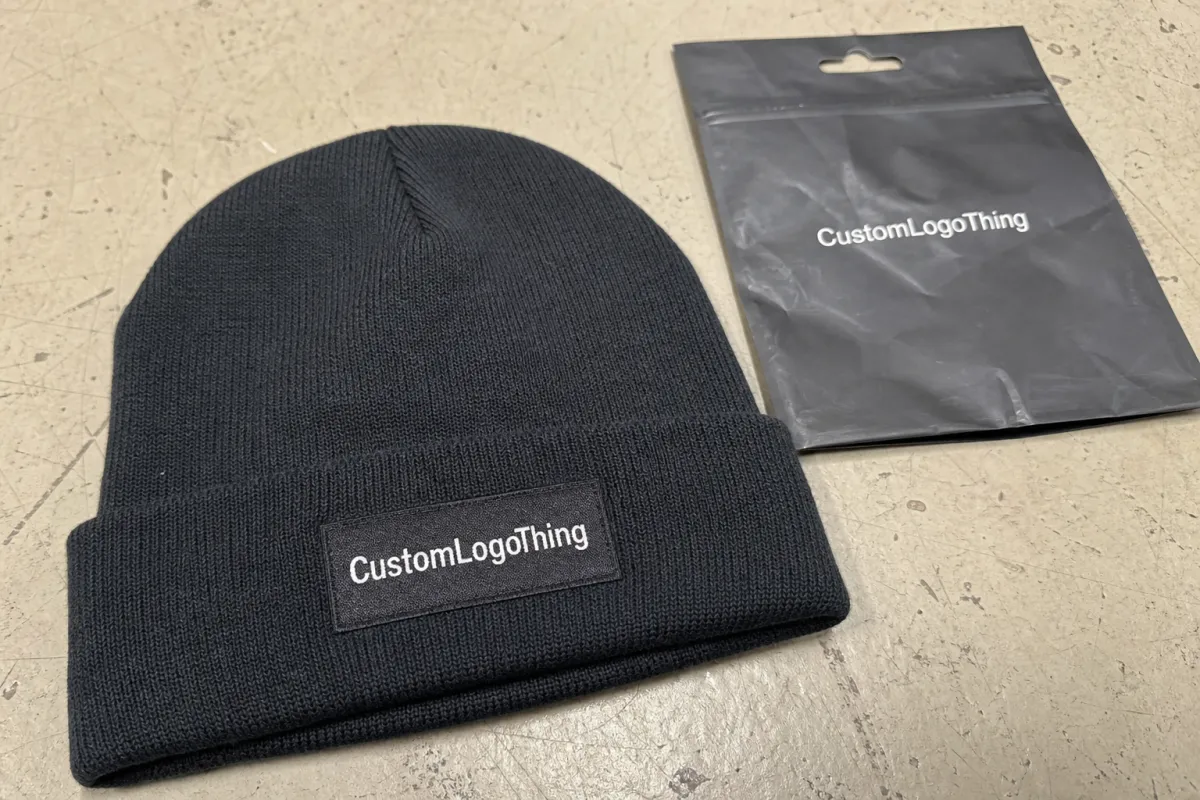
If an item has to be explained, it usually has a shorter life. Beanies are different. They are useful, recognizable, and easy to hand out without asking attendees to guess a size or comfort level. For conference planners and brand teams, that matters. The item is simple enough to distribute quickly, yet practical enough that people will actually keep it.
They also perform well in photos. A beanie creates an immediate visual cue in crowd shots, transit scenes, and social content. One attendee wearing a branded cap can generate more impressions than a stack of pens or stickers sitting in a bag. That is not a romantic argument; it is a math argument. One wearable item can create repeated exposure every time it gets pulled on for a commute, a dog walk, or a chilly morning run.
There is a useful comparison here. A low-cost giveaway can look cheap after one use. A slightly better beanie tends to age into the event memory. The audience may forget the name of the coffee cart sponsor, but they often remember the cap they wore home because it was actually warm.
Beanies also work across a wider range of brand personalities than people expect. A clean embroidered cuff feels restrained and professional. A jacquard knit with a strong color block feels fan-friendly and energetic. A woven patch sits somewhere in the middle. That flexibility makes them suitable for everything from executive forums to campus events, especially when the merch needs to match a larger packaging or welcome-kit concept.
Used well, they can anchor a full handoff. Pairing the cap with custom printed boxes or a simple insert gives the package a deliberate feel instead of a pile-of-items feel. That matters because attendees read order as care. A neat kit signals planning. A loose bundle signals leftovers.
How the decoration and production process works
Beanie production starts with the blank itself, and this is where a lot of quotes diverge. The knit construction can be cuffed, slouch, ribbed, pom, or fully custom in shape. Each option changes both the look and the production effort. A cuffed style gives you the most predictable branding zone. A slouch style gives a more relaxed silhouette, but the decoration area can be less consistent from piece to piece.
There are two broad decoration paths. The first is woven-in or knit-in branding, where the logo or pattern is built into the fabric. That creates a cohesive look and works especially well for bold shapes, limited text, and simple color palettes. The second path is applied decoration, which includes embroidery, woven patches, and sewn labels. These methods can give sharper edge control and are often better for smaller runs or marks that need to feel more premium.
Embroidered logos are usually the easiest to approve because the process is familiar, but they still have limits. Tiny type, thin strokes, and detailed gradients often lose clarity on knit surfaces. Woven patches can preserve more detail than embroidery, though they add a second material and a slightly more layered look. If the goal is a clean, integrated brand object, knit-in artwork can be the best fit. If the goal is crisp logo recognition, a patch or embroidery may be smarter.
Color is another variable that buyers underestimate. Dark yarns make logos read stronger in person, but light yarns can look better in photos and can feel more open or premium depending on the event mood. Melange or heathered yarns hide minor inconsistencies well. Bright contrast colors are louder and more attention-grabbing, but they also expose alignment issues faster.
Quality control should start before the run, not after it. Ask for a proof that shows logo placement, stitch scale, and color references. If possible, request a physical swatch or sample when the order is important enough to justify the time. Look closely at cuff height, seam finish, label placement, and any loose thread management. A beanie can look fine in a flat mockup and still disappoint if the fold sits too low or the embroidery lands in the wrong visual zone.
If the beanies are part of a larger welcome kit, it helps to treat the packaging as part of the design rather than an afterthought. Branded packaging inserts or a simple folded card can make the final kit feel intentional, especially when there are sponsor layers or reveal moments involved.
Production process and timeline: what to expect
Knitwear takes longer than a printed postcard or sticker sheet, and the reason is mechanical. Yarn has to be sourced, knitting programs have to be set, samples or proofs need review, decoration happens, then the pieces are trimmed, shaped, checked, and packed. Nothing about that is especially difficult. It is simply not fast.
A realistic production window for custom beanies is often 15 to 25 business days after proof approval. Stock blank beanies with straightforward embroidery can move faster, sometimes in the 7 to 12 business day range when the artwork is clean and the decoration is simple. Fully custom knit programs, especially those with multiple colors or special labels, can take longer. Shipping time sits on top of that, not inside it.
The schedule usually slips at the approval stage, not the knitting stage. One fast reviewer can save a week. One slow round of comments can push the whole order into a new month. That is why event teams should build in a cushion for revisions, color tweaks, and freight delays. If the hats are tied to a launch date or a weather-dependent program, the margin matters more than the cheapest quote.
Rush orders are possible, but they carry tradeoffs. You usually get fewer decoration options, less room for custom yarn choices, and a narrower selection of blanks. That is acceptable if the event date is fixed and the design is simple. It is not a great fit if the brand team wants to keep changing the color story after proofing has started.
Packaging can affect the schedule too. If the beanies are shipping in custom printed boxes, sleeves, or multi-item kits, those components need to be timed carefully. A delayed insert can hold up the entire assembly. That is one of the quiet realities of event merch: the hat may be ready, but the packout still has to happen.
For shipment planning, it is worth thinking about transit protection early. If the product is going through a mailer or a carton with other inserts, ask whether the outer packaging has been built to survive compression and stacking. The ISTA standards are useful if you need a practical reference point for reducing crushed boxes and damaged arrivals.
Pricing, MOQ, and unit cost drivers
Most beanie pricing comes down to five things: quantity, knit complexity, decoration method, packaging, and shipping. Change one of those variables, and the unit cost can move more than expected. That is why a mockup is a poor proxy for cost. A simple-looking hat can still be labor-heavy if the knit structure is custom or the logo needs a second production step.
Minimum order quantity depends on the decoration method. Stock blanks with embroidery can often start at lower counts. Fully custom jacquard knit styles usually need a higher volume because the machine setup and programming work have to be spread across more units. In plain terms: a 100-piece order still has to pay for setup; a 1,000-piece order distributes that cost much more efficiently.
Here is a useful range comparison for planning purposes:
| Option | Typical MOQ | Approx. Unit Cost at 500 pcs | Best For | Brand Look |
|---|---|---|---|---|
| Stock acrylic beanie with embroidery | 100-150 | $4.50-$7.50 | Fast-moving events and practical giveaways | Clean, straightforward |
| Stock beanie with woven patch | 100-200 | $5.50-$8.75 | Sharper logo edges and a more refined finish | Polished without feeling overdone |
| Fully custom knit jacquard beanie | 250-500 | $6.75-$12.00 | Brand launches, fan merch, and color-led campaigns | Most integrated |
| Recycled-yarn beanie with custom label | 250+ | $7.25-$13.50 | Sustainability messaging and premium kits | Story-driven and elevated |
Those numbers are directional, not absolute. Yarn prices move. Labor markets move. Packaging choices move. Even freight can swing enough to change the landed cost more than the decoration method does. That is why a useful quote should itemize the major components instead of hiding everything behind a single unit price.
The cheapest option is not always the smartest buy. A beanie that pills quickly, fits awkwardly, or looks dull in photos can end up being worse value than a slightly pricier one that gets worn repeatedly. For event merch, the real metric is not sticker price. It is cost per wear, cost per impression, and how much of the inventory leaves the venue in active use rather than storage.
If sustainability matters to the program, ask about recycled content, but ask carefully. Recycled yarns can be a good fit, yet the hand feel and color consistency still need to meet basic standards. A sustainability story does not excuse scratchy fabric. On the packaging side, paper-based inserts and sleeves can sometimes be specified with FSC-certified stock, which is useful when the broader kit has to align with environmental messaging. The FSC framework is a good reference for that piece.
Key factors that change the final look and feel
Material choice is the first decision that changes how a beanie behaves in the hand. Acrylic is common because it is cost-efficient, durable, and easy to color-match. It is also forgiving in production. Wool blends usually feel warmer and more premium, though they can cost more and may need clearer care guidance. Recycled polyester or recycled yarn options are increasingly common, especially when a brand wants a sustainability story that is visible in the product itself.
Knit gauge matters too. A finer gauge can support cleaner detail and a more polished surface, while a heavier knit feels thicker and more winter-ready. Double-layer construction adds warmth and structure, but it also changes how the cuff sits and how the decoration lands. If the supplier cannot explain the construction clearly, the quote is too vague for a decision.
Fit is not cosmetic. It affects whether people wear the item at all. A cuffed beanie usually gives the best logo placement and the most predictable fit. A slouch style reads more lifestyle-driven and can feel current, but it may not sit as cleanly in photos. Pom styles are good for festive or fan-heavy settings, though they skew playful fast. Ribbed knits are familiar and practical, which is often enough for corporate events or internal programs.
Logo placement deserves more attention than it usually gets. Front-cuff branding is the safest route because it creates a stable area for the logo and keeps the mark visible when the hat is worn. A centered woven label can look more refined. All-over knit graphics are the boldest option, but they require tighter planning, stronger artwork discipline, and usually higher minimums. Tiny text is the most common mistake. It looks okay on a screen and disappears on a textured knit surface.
The audience should decide the finish level. A tech crowd often responds to restrained branding, muted colors, and smaller marks. A festival crowd usually wants stronger contrast and a more expressive silhouette. A retail-minded audience may care more about shape and texture than about the logo size. That difference sounds small in a meeting, but it changes the product on the table.
And then there is the practical test that never gets enough attention: does the hat feel good after ten seconds of handling? If it is too thin, too rough, or too loosely stitched, people notice immediately. Good event merch should survive that first tactile judgment without asking for a speech.
Step-by-step ordering checklist from idea to delivery
Start with the event objective. Are you trying to support registration, reward attendees, build sponsor visibility, or create a photo moment? The answer affects the style, decoration, and budget allocation. A giveaway for an outdoor winter event can justify a warmer, heavier beanie. A conference kit may benefit from something lighter and more polished.
Next, define the order brief before the artwork begins. Quantity, target date, budget range, preferred materials, branding hierarchy, and packaging needs should all be in the same document. Otherwise, the team ends up redesigning the item after it is already in motion. That is one of the fastest ways to waste time.
After that, prepare the artwork properly. Use vector files, confirm brand colors, and specify the placement clearly. If the logo belongs on the cuff, say so. If the body knit should carry a repeating pattern, define the repeat. If sponsor marks need to be smaller, state the hierarchy before proofing begins. Clear input saves more money than rushed correction later.
Before approving production, inspect the proof or sample like a buyer, not a designer. Check logo scale, stitch readability, cuff proportion, color accuracy, and label placement. Look at the item under normal lighting. If possible, put it next to the rest of the kit so you can see whether the beanie actually belongs in the broader visual system. A good sample should feel consistent, not merely attractive in isolation.
- Lock the event objective and audience.
- Confirm quantity, budget, and delivery date.
- Choose the knit style and decoration method.
- Approve vector art and placement.
- Review sample, proof, and packout details.
If the order includes sleeves, mailers, or inserts, treat those as part of the product, not as accessories. The right packaging can make a simple cap feel considered. The wrong one makes even a good hat feel like a leftover.
Common mistakes that cause delays or dead stock
The most expensive mistake is starting too late. Event merch often gets ordered after creative approval, which leaves very little room for sampling, corrections, or freight problems. By the time the team notices the schedule squeeze, the only options left are compromise or rush charges.
The second mistake is overcomplicated artwork. Fine lines, tiny text, multiple gradients, and too many colors are dangerous on knit surfaces. What looks sharp in a PDF can blur once it becomes yarn or thread. If the production team suggests simplifying the mark, that is usually not a sign of weakness. It is a sign that the material has limits.
The third mistake is choosing the wrong silhouette for the audience. A fashion-forward slouch beanie can be a great piece of merchandise and still be the wrong piece for a cold conference crowd that wants a snug cuff and a visible logo. Audience fit matters as much as visual fit. Good merch gets worn because it matches the moment.
Then there is the inventory problem. Dead stock happens when order quantity is based on optimism instead of distribution. If 300 hats are needed for guaranteed handouts and another 200 are only probable, the order should reflect that split. Overbuying on a guess leaves boxes of leftovers. Underbuying creates awkward shortages. Neither is ideal, and both are preventable.
A practical way around that is to define a core run and a small contingency buffer. That gives the event team room to react without overcommitting to inventory that may never move. It is not always the cheapest option in a spreadsheet, but it is often the safer one in the real world.
Expert tips and next steps for a stronger merch rollout
Use the beanie as part of the experience, not as an isolated object. A note card, sponsor insert, or simple fold placement can make the handoff feel intentional. That does not require a big spend. It requires order. People read the whole kit in seconds, and that first impression travels.
Timing matters just as much as design. If the event includes outdoor programming, hand out the beanies before attendees need them. The sooner the item gets worn, the faster it starts doing its job. Distribution at the end of a session is often less effective, especially if people are already bundled up or heading straight to a car or shuttle.
For new designs, sampling is worth the extra time. A digital mockup cannot reveal how the cuff sits, how the embroidery behaves on knit, or whether the color feels right under normal room light. A physical sample catches problems while they are still cheap. That is especially true for first-time programs or anything with sponsor exposure.
Strong event merch does not need to shout. It just needs to be useful, comfortable, and clear about what brand it belongs to. That is why custom Beanies for Event Merch keep earning their place in winter kits and seasonal activations. They solve a real need, they photograph well, and they keep working after the crowd has moved on.
What style works best for event merch beanies?
Cuffed beanies are usually the most reliable choice because they give you a stable logo zone and a fit most people understand immediately. Slouch styles work better for lifestyle-focused events, and pom styles make sense when the tone is more playful. If the audience wants understated branding, use embroidery or a woven label instead of a busy all-over knit.
What is the usual MOQ for custom knit hats?
MOQ depends on the decoration method and whether the hat is stock or fully custom. Stock beanies with embroidery often start lower than fully custom knit styles. If you need a smaller quantity, keep the design simple and avoid special yarn requests, because those raise setup pressure quickly.
How long does production usually take for branded beanies?
Plan for more time than a standard printed promo item. A simple stock-beanie order can move quickly, but fully custom knit programs usually need several weeks after proof approval. Shipping is separate, and it should be treated as a real schedule line rather than a vague final step.
Which decoration method keeps logos looking sharp on beanies?
Embroidery is usually the cleanest choice for compact logos with solid shapes. Woven patches can preserve sharper edges on more detailed marks, while knit-in branding feels most integrated. Tiny text and thin lines are the main risks, no matter which method you choose.
How do I avoid leftover event merch inventory?
Order against a distribution plan, not a guess. Use attendance history, sponsor commitments, VIP allocations, and overage needs to size the run more realistically. If demand is uncertain, split the order into a core quantity and a smaller contingency batch instead of betting everything on one number.

