Buyer Fit Snapshot
| Best fit | custom belly bands for candles branding for packaging buyers comparing material specs, print proof, MOQ, unit cost, freight, and repeat-order risk where brand print, material, artwork control, and repeat-order consistency matter. |
|---|---|
| Quote inputs | Share finished size, material target, print colors, finish, packing count, annual reorder estimate, and delivery region. |
| Proofing check | Approve dieline scale, logo placement, barcode or warning zones, color tolerance, and any recyclable or compostable wording before bulk production. |
| Main risk | Vague material claims, crowded artwork, or missing packing details can create delays even when the unit price looks attractive. |
Fast answer: Custom Belly Bands for Candles Branding: Dieline, Finish, Proof, and Buyer Review should be specified like a repeatable production item. The safest quote includes material, print method, finish, artwork proof, carton packing, and reorder notes in one written spec.
What to confirm before approving the packaging proof
Check the product dimensions against the actual filled item, not only the sales mockup. Ask for tolerance on folds, seals, hang holes, label areas, and retail display edges. If the package carries a logo, QR code, warning copy, or legal claim, reserve that space before decorative graphics fill the panel.
How to compare quotes without losing quality
Compare board or film grade, print process, finish, sampling route, tooling charges, carton quantity, and freight assumptions side by side. A lower quote is only useful if the supplier can repeat the same color, closure quality, and packing count on the next order.
Custom Belly Bands for candles do more work than most people give them credit for. They are small, economical, and easy to overlook, which is exactly why they matter. A well-made wrap can turn a plain jar into a product that looks finished on a boutique shelf, in a gift set, or in an online unboxing video. It can also give a fragrance line a clear identity without forcing you into expensive structural packaging. That matters because most candle collections start with the same vessel shape. The packaging has to carry the difference.
Buyers choose this format for practical reasons. It is flexible, low waste, and usually far easier on the budget than ordering custom printed boxes for every SKU. Swap the scent name, change the accent color, update seasonal artwork, and keep the line moving. No need to rebuild the entire package every time a fragrance rotates. That is why Custom Belly Bands for Candles show up in launch runs, gift sets, and small-batch drops where the jar already looks good and just needs a stronger brand frame.
If a candle line is still finding its footing, belly bands are one of the smartest places to start. They let you test the market without locking money into packaging you may outgrow quickly. Fancy is nice. Flexible keeps the lights on.
Custom belly bands for candles: the small wrap that does big selling
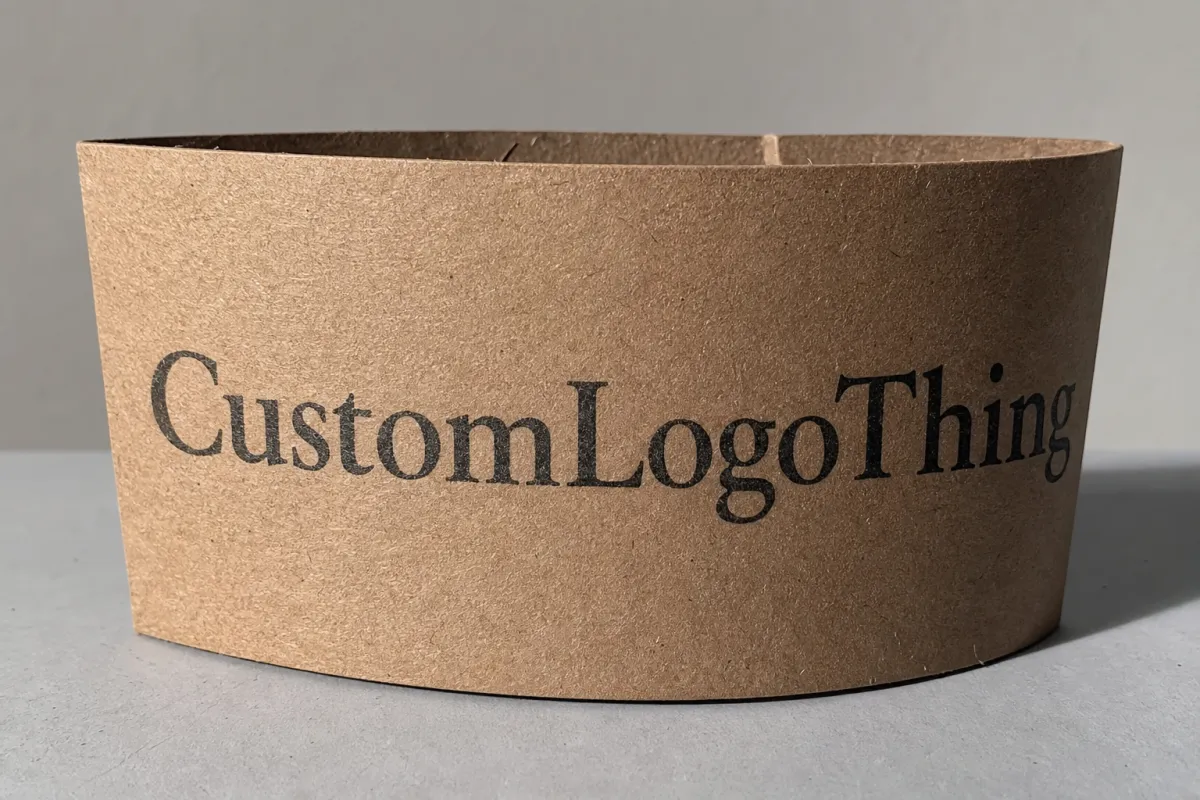
A belly band is a printed paper or card wrap that sits around a candle jar, tin, sleeve, or box. It can carry the logo, scent name, collection name, ingredients, burn time, care copy, and the brand story without crowding the vessel itself. In plain terms, it is a label with more presence and a cleaner silhouette than a full wrap label on glass.
Brands use them because they solve a familiar candle problem. The vessel may already be attractive, but it still looks unfinished without a strong packaging layer. A clear jar with wax, a wick, and a lid can look fine. Add a band with the right proportions, and it suddenly feels retail-ready. Nothing mystical there. Just packaging doing its job.
The format is especially useful for small-batch makers who want a polished look without paying for rigid cartons, insert trays, or full custom printed boxes. A printed wrap can be produced in modest quantities, changed quickly between fragrances, and stored flat. That keeps inventory simple and saves shelf space. It also helps avoid the classic candle-maker headache of sitting on 2,000 boxes for a scent that had its moment and disappeared.
Picture the practical version: three jar sizes, eight scents, and a holiday collection coming up fast. You do not need a different structural box for each item. You need a system. Custom belly bands for candles give you one flexible brand layer that can shift across the line with fresh artwork, updated copy, or a new foil accent when the budget allows.
If the band is doing its job, the customer should understand the brand, the scent, and the category in about two seconds. If they still need a detective, the design is trying too hard.
There is a retail reality behind this too. Most shoppers choose candles by scent first, then appearance, then price. The belly band gives the product a fast visual signal that helps it stand out next to ten other jars doing their best to blend in. That makes custom belly bands for candles more valuable than they look on paper. They are not decorative extra credit. They are part of the sale.
For brands building a full line, it helps to treat the wrap as part of the total product packaging system, not a loose add-on. When the band, lid label, base label, and shipping carton speak the same design language, the brand feels more credible. If you need related formats, our Custom Packaging Products for candles and gift sets can help you compare wraps, labels, and box options side by side.
How custom belly bands for candles work on jars, tins, and boxes
The physical setup is straightforward. The band wraps around the product, overlaps at a seam, and is secured with adhesive, tuck folds, or a friction fit. Which one works best depends on the vessel shape, the paper stock, and how much handling the product will take during packing and shipping. A basic rectangle works for many candles. Some brands go with a die-cut shape or a folded sleeve when they want a stronger presentation.
On glass jars, the band usually wraps the circumference and sits below the lid shoulder or above the base curve. On metal tins, the band often carries most of the branding because the tin itself may be plain. On clamshells, it can identify the scent and make the product feel more giftable. On gift boxes, it can serve as a closure band or a message strip that keeps the box from looking generic. Same idea, different job.
The best use depends on what the candle already brings to the table. If the jar has strong color, clear wax, and a nice lid, the belly band can stay minimal and refined. If the vessel is plain or the collection has many similar scents, the band may need to carry more of the story. That is where package branding becomes strategic instead of decorative.
For minimalist candle lines, the band can become the main brand surface. One logo, one scent name, one short descriptor. Done well, that looks cleaner than a crowded label stack trying to explain itself. For more compliance-heavy lines, the band can support a separate base label or safety sticker. Both approaches work. What matters is whether the customer can understand the product without turning it over six times.
Here is a useful way to think about the role of the band:
- Identification - it tells the customer which brand and scent they are holding.
- Hierarchy - it separates the logo, scent name, and technical copy so the layout feels intentional.
- Gift appeal - it makes the candle feel ready to give, not just ready to sit on a shelf.
- Shelf blocking - it helps one fragrance line stand out next to ten others with similar jars.
- Seasonal flexibility - it lets you change artwork for holidays, limited editions, or collaborations without rebuilding the whole package.
That flexibility is a big reason custom belly bands for candles are popular with small brands and larger brands running scent families. One band system can work across multiple SKUs as long as the dimensions stay consistent. Buyers like that because it keeps the line visually aligned and makes changes less painful.
The same logic applies if the band is paired with custom printed boxes for premium sets. The box can handle shipping or shelf structure, while the belly band carries the identity and scent story. That split is usually cleaner than trying to cram everything onto one surface and hoping the customer can read it.
Design factors that decide whether the band looks premium or cheap
Most bad candle bands fail for boring reasons: wrong size, weak paper, too much text, or a layout that ignores the jar shape. The good ones usually do four things well. They use the right stock, the right finish, the right amount of copy, and a hierarchy that makes the scent easy to read from arm's length.
Paper stock matters more than a lot of first-time buyers expect. A 60-80 lb text stock can work for lighter wraps, but if the band needs to stand up around a tall jar or survive a lot of handling, a thicker cover stock often feels better. Matte and uncoated stocks tend to fit artisan, earthy, or apothecary-style branding. Coated stocks usually give richer color and a more polished retail look. Soft-touch laminates push the product toward luxury, but they can also add cost and make some designs feel too glossy or too precious for a handmade line.
Finish should match the brand promise. Rough kraft or uncoated texture says natural, handcrafted, and straightforward. Smooth coated finish says brighter color and a cleaner retail presence. Soft-touch says premium, though if the rest of the line is modest, it can feel disconnected. That mismatch is how a candle ends up looking dressed by two different people.
Typography needs to be readable first and decorative second. If the scent name is tiny or buried under a fancy font, the design is fighting the shopper. Keep the logo strong, the scent name clear, and the supporting text smaller but still legible. For most candle bands, type sizes below 6 pt become annoying fast, especially on textured stock or darker print.
Color palette affects shelf impact and production cost. Full-bleed dark designs can look rich, but they also eat ink and show scuffs more easily. Light backgrounds with dark type usually read best in retail. If you want a more natural look, soft neutrals, muted botanical tones, and warm grays do a better job than forcing neon onto a wood-wax brand. That rarely ages well.
Spacing is where good packaging design looks calm and cheap packaging looks desperate. Empty space gives the eye room to breathe. It also makes the candle feel more expensive. Overpacked layouts tend to look promotional instead of premium. Let the logo breathe. Give the scent name its own line or block. Do not cram ingredients, warnings, and a slogan into the same area unless you want the whole thing to look like a coupon.
Size matters too. A band that is too narrow can look flimsy, even if the stock is decent. A band that is too tall can overpower the jar and make the vessel look awkward. For many 8 oz to 12 oz jars, a band height in the 1.5 to 2.5 inch range is common, but the real sweet spot depends on shoulder shape, label placement, and how much copy you need. For wider tumbler jars or gift boxes, the height may need to increase so the design does not disappear.
A useful measurement habit: measure the jar circumference, then subtract for the seam, overlap, or tuck allowance based on the construction. If the band closes with adhesive, leave a little extra wrap so it does not pop open after handling. If the band uses a friction fit, test it on a filled candle, not an empty jar. The empty one lies. The filled one tells the truth.
For brands sourcing paper responsibly, FSC-certified stock can be a sensible choice, especially when the customer base cares about paper sourcing. If the candle line will be shipped in e-commerce mailers, consider transit testing against recognized methods such as ISTA procedures or ASTM distribution standards. A beautiful band is not much use if it gets crushed before it reaches the buyer.
A practical way to compare options is to test at least three versions before signing off: a light stock, a medium stock, and a more premium finish. That comparison makes it obvious whether the design is carrying enough structure or leaning too hard on print alone. In branded packaging, material is part of the message. Cheap paper sends a cheap signal. Customers notice, even if they never say it.
One more detail that gets overlooked: print method. Digital print can be ideal for short runs, seasonal changes, and variable scent names. Offset printing usually wins on consistency and unit economics at higher volume. If the design uses foil, embossing, or spot UV, make sure the supplier can prove how those effects register on the actual stock you plan to use. A mockup can flatter almost anything. The press sheet is less forgiving.
Process and timeline: from artwork to delivery
Production runs smoother when the spec is locked before the artwork gets pretty. That sounds obvious. It still gets ignored constantly. The normal workflow starts with measurements, then moves to dieline setup, artwork placement, proof approval, production, finishing, and shipping. If one step is fuzzy, the whole schedule starts wobbling.
The first step is measurement. You need the jar diameter or usable wrap width, the vertical height available for the band, and the seam preference. If the candle will be wrapped around a curved vessel, measure the body where the band actually sits, not just the widest point of the jar. That difference matters more than most people think. A band that fits the shoulder is not automatically the same band that fits the base curve.
Next comes the dieline. This is the structure map that shows where the fold, overlap, cut, and safe zones live. A clean dieline saves a lot of pain later, especially if the brand wants multiple scents or a seasonal system. If the same format will be used across the line, build the template once and adapt the copy inside it. That is the difference between organized production and a pile of avoidable mistakes.
Artwork should be placed with production in mind, not just a screen mockup. Thin rules, tiny icons, and low-contrast copy can disappear on textured stock or under certain finishing methods. If foil, embossing, or spot varnish is involved, ask for a proof that reflects those elements instead of assuming the mockup tells the whole story. It usually does not.
Typical timelines vary by complexity:
- Simple bands with final art ready: often 7-12 business days after proof approval.
- Bands with custom cutting or special finish: often 10-18 business days.
- Rush orders: possible in some cases, usually 5-7 business days if the spec is locked and the files are clean.
- Sample or pre-production proofing: add several days, sometimes a full week depending on the finish and shipping method.
Those ranges are not a promise. They are a working estimate. Quantity, print coverage, and finishing all push or pull the schedule. A 500-piece run with simple one-color print is very different from a 10,000-piece order with foil, soft-touch lamination, and Custom Die Cutting. If a supplier claims every job takes the same amount of time, they are either very optimistic or not paying attention.
One good habit is to gather a complete project packet before asking for a quote. Include final dimensions, artwork files, copy approval, barcode files if needed, shipping destination, and a single decision maker. If three people are still arguing over the scent description after prepress begins, the schedule will pay for it.
For launch work, I would also recommend a test cycle before full production. Order enough units to wrap a small batch of filled candles, then inspect them under normal handling, shelf light, and shipping conditions. That reveals problems with adhesive, sizing, curl, or print contrast before they become expensive. A little discipline up front saves a lot of annoyance later.
If the line also needs broader product packaging support, compare wraps against labels and cartons in our Custom Packaging Products range. A candle brand usually looks better when the wrap, box, and shipping layer are planned together instead of stitched together after the fact.
It also helps to think about who is handling the product after it leaves the factory. A candle sold through wholesale has different pressure points than one sold direct to consumer. Wholesale goods get handled by buyers, merchandisers, and store staff before a shopper ever sees them. E-commerce orders spend time in mailers, trucks, warehouses, and hot porches. That is why the timeline should include not just print approval, but a quick handling check. If the band slips during packing or arrives scuffed, the package is not finished.
Cost, MOQ, and quote basics you need to know
Pricing for custom belly bands for candles comes down to the usual suspects: material, size, print coverage, finish, die cutting, and quantity. Shape matters too. A simple rectangle costs less than a special cut with rounded corners, folds, or lock tabs. The more the band behaves like a small carton, the more the quote starts acting like one.
MOQ, or minimum order quantity, is where small brands feel the sting. Lower quantities usually carry a higher per-unit price because setup costs are spread across fewer pieces. Larger runs push the unit price down faster than people expect. That is the tradeoff. If you are launching a new scent line and only need a pilot run, pay the higher unit cost and treat it as a test. If the collection is already proven, place the larger order and let the math do some work for once.
Here is a practical pricing comparison for a common candle band setup. These are broad working ranges, not a quote, because final cost depends on size, coverage, and finish.
| Option | Best for | Typical unit range at 5,000 pcs | What to expect |
|---|---|---|---|
| Uncoated matte stock | Handmade, earthy, natural brands | $0.05-$0.10 | Soft feel, good writeability, moderate color pop |
| Coated cover stock | Sharper color and brighter retail displays | $0.07-$0.14 | Smoother surface, better image fidelity, slightly more polished look |
| Soft-touch laminated stock | Premium collections and gift sets | $0.12-$0.22 | Luxury feel, stronger tactile impact, usually higher setup cost |
| Recycled or kraft-based stock | Eco-positioned candle lines | $0.08-$0.16 | Natural texture, visible fiber, more muted print appearance |
At smaller quantities, the per-piece price can easily move into the $0.15-$0.35 range, especially if there is custom cutting or special finishing. That is not a warning to avoid small runs. It is the reality of setup economics. If you are testing a new fragrance, paying more per unit is often cheaper than overordering the wrong look.
A quote should never be vague. It should tell you the dimensions, stock type, quantity, finish, artwork status, packaging format, and shipping destination. If a supplier leaves out one of those items, ask again. Hidden line items are where cheap quotes become expensive ones. Plate charges, die fees, shipping surcharges, and proof fees can alter the real cost fast.
For candle makers comparing multiple suppliers, the cleanest way to judge value is to compare total landed cost, not just print price. A lower unit price that comes with slow lead time, poor consistency, or surprise freight may not be the best deal. That is especially true for retail packaging, where missed launch dates can cost more than the packaging itself.
One more buying tip: ask whether multiple scents can share the same setup. If the band size, stock, and finish stay constant, only the artwork changes. That reduces repeat tooling and keeps package branding more consistent across the line. It also makes reorders less annoying, which is a quality most buyers appreciate and rarely get enough of.
Another cost factor worth checking is whether your design uses the full sheet efficiently. A smart dieline layout can reduce waste and help the quote stay predictable. If the band is oversized or the artwork requires unusual nesting, the supplier may need more material per run. That does not just increase cost. It can also complicate inventory because the band may no longer fit neatly into the same production schedule as your labels or cartons.
Common mistakes that ruin candle belly bands
The most common mistake is sizing the band only from the jar circumference and forgetting the overlap, seam position, and final wrap behavior. That leads to bands that are too tight, too loose, or visibly crooked once they are on the candle. The fix is simple: measure the real wrap area, build in the seam allowance, and test on a filled product before approving the run.
The second mistake is saying too much. Candle brands often want the logo, scent story, usage instructions, ingredient details, social handle, tagline, and two badges on one little strip of paper. The result is not premium. It is busy. A better layout uses hierarchy: brand first, scent second, details third. If everything screams, nothing gets heard.
Here are the production errors I see most often:
- Too-thin stock on tall jars, which makes the band curl or sag.
- Low-contrast print on dark glass or dark-colored stock, which hurts readability.
- Weak adhesive or closure design that fails in heat, storage, or shipping.
- Incorrect dieline setup that ignores the vessel curve or the overlap.
- Overdecorated artwork that looks nice on screen but turns muddy in print.
Heat deserves a serious mention. Candles live in warm environments more often than people think: warehouses, cars, shop windows, summer deliveries, and kitchen counters near windows. Adhesives that look fine in a cool studio can fail in real conditions. The same goes for glues on tuck bands or folded sleeves. A design that survives a desk test is not automatically ready for a retail shelf.
Compliance blind spots also cause trouble. If the band is acting as the primary label surface, you may need certain warnings, fragrance details, or barcode placement to satisfy retail or marketplace requirements. The rules vary by market and by product type, so the legal side should be checked before print approval. That is not glamorous work, but it is cheaper than reprinting 3,000 units because the copy was incomplete.
Another frequent miss is visual mismatch. A candle brand may look natural on Instagram but overly glossy in hand, or the other way around. That disconnect usually comes from poor stock selection. A kraft-style band with a neon foil logo can look confused. A luxury-scent candle with a thin uncoated wrap can look underpriced. The material has to match the positioning. There is no shortcut for that.
People also underestimate the seam. A seam that lands on the front panel can interrupt the logo or split the scent name in an awkward place. A band can be technically the right size and still look wrong because the closure point was ignored. That is a design problem, not just a production problem. It should be planned in the mockup, not discovered when the boxes are already full.
If the band is meant to support broader retail packaging goals, it needs to fit into the whole shelf picture. The candle, the box, and the shipping carton should feel like one family. When one piece is shouting and the others are whispering, the brand looks less expensive than it is.
Expert tips and next steps for custom belly bands for candles
The smartest candle brands build one band system and adapt it across the line. The logo position stays consistent, the scent name lands in the same place, and only the color accent or scent descriptor changes. The payoff is obvious: easier production, stronger shelf recognition, and fewer design headaches every time a new fragrance launches.
If the final look is still uncertain, start with a small pilot run. Wrap a filled batch. Put it on a shelf. Ship a few units. Then see what breaks. Does the paper scuff? Does the seam open? Does the type disappear under warm lighting? Does the band sit straight after transport? Those answers matter more than a polished mockup because they tell you whether the real product works under normal use.
Use the band to build hierarchy. The brand mark should lead. The scent name should be the next thing the eye catches. The technical details can sit below that in a smaller, cleaner line. Reverse that order and the candle starts reading like compliance paperwork with fragrance attached. Nobody wants that.
From a packaging buyer's point of view, the next steps are simple:
- Measure the jar, tin, or box where the band will sit.
- Decide whether the band is the main brand surface or a support layer.
- Gather artwork, logo files, and final copy.
- Ask for a quote with stock, size, finish, and quantity specified.
- Approve a sample or proof before scaling the order.
If you are still comparing formats, use the same planning process for labels and cartons in our Custom Packaging Products selection. The goal is not to buy more packaging. It is to buy the right packaging.
Custom belly bands for candles work best when fit beats trend chasing. Choose a stock that matches the brand, a size that fits the vessel, and copy that tells the customer what they need in one clean glance. That is how custom belly bands for candles move from decoration to sales tool. Which is where they should have been all along.
The real takeaway is simple: treat the band like a working part of the product, not a decorative afterthought. Measure carefully, choose stock with the final handling conditions in mind, and test the filled candle before you commit to a full run. That habit catches the problems that glossy mockups hide, and it is the difference between packaging that looks fine in theory and packaging that sells in practice.
How wide should custom belly bands for candles be?
Measure the usable wrap area on the jar or box, not just the full circumference. Leave room for overlap or a seam so the band stays closed during handling. Keep enough vertical height for the logo and scent name to stay readable without crowding the shape.
What material works best for candle belly bands?
Uncoated and matte stocks usually feel more natural and premium for handmade candle brands. Coated stocks can work when the design needs stronger color saturation or a slicker retail finish. Choose stock weight based on structure; too thin looks flimsy, too thick can fight the wrap.
What is a realistic MOQ for custom belly bands for candles?
MOQ depends on print method, size, and finishing, but small runs are usually possible for simple designs. Lower quantities usually cost more per unit, so compare the test-run price against the long-term savings. If you plan multiple scents, ask whether different artwork can share the same size and material setup.
How long does production usually take?
Simple belly bands with final artwork approved can move quickly through production. Proofing, special finishes, and custom cutting extend the schedule. Rush timelines are possible, but only if artwork is finished and the spec is locked.
Can belly bands replace full candle labels?
Yes, in some cases they can act as the main brand surface for jars or boxes. For compliance-heavy products, you may still need a separate label for required details. Use the band as the visual layer and confirm legal copy placement before printing.

