Buyer Fit Snapshot
| Best fit | Custom Bottle Labels Wholesale projects where brand print, material claims, artwork control, MOQ, and repeat-order consistency need to be specified before quoting. |
|---|---|
| Quote inputs | Share finished size, material target, print colors, finish, packing count, annual reorder estimate, ship-to region, and any compliance wording. |
| Proofing check | Approve dieline scale, logo placement, barcode or warning zones, color tolerance, closure strength, and carton packing before bulk production. |
| Main risk | Vague material claims, crowded artwork, missing packing details, or unclear freight terms can make a low unit price expensive after revisions. |
Fast answer: Custom Bottle Labels Wholesale: Pricing, Specs, Lead Time should be specified like a repeatable production item. The safest quote records material, print method, finish, artwork proof, packing count, and reorder notes in one written spec.
Production checks before approval
Compare the actual filled-product size with the drawing, then confirm tolerance on folds, seals, hang holes, label areas, and retail display edges. Reserve space for logos, QR codes, warning copy, and material claims before decorative graphics fill the panel.
Quote comparison points
Review material grade, print process, finish, sampling route, tooling charges, carton quantity, and freight assumptions side by side. A quote is only useful when the supplier can repeat the same color, closure quality, and packing count on the next order.
Custom Bottle Labels Wholesale: Pricing, Specs, Lead Time
If you need a bottle to look shelf-ready without turning the project into a full packaging rebuild, Custom Bottle Labels wholesale is usually the smartest place to put the budget first. There is no mold bill to absorb, no bottle tooling delay, and no waiting around for a new container shape to clear the line. A well-built label, sized correctly and printed on the right stock, can lift a plain bottle into something that feels ready for retail. That is the real value of custom bottle labels wholesale: stronger presentation without the overhead of a structural redesign.
From the buyer side, the appeal is easy to defend. A label can make a standard bottle read as private label, seasonal release, line extension, or premium refresh with one print run. It can hold costs in check while you test a new formula, launch a flavor family, or update an existing SKU that needs more shelf presence. That is why Custom Bottle Labels wholesale keeps showing up in beverage, sauce, supplement, cosmetic, and wellness programs. You are buying clarity, recognition, and durability, not just adhesive on a roll.
The rest of the package still has to pull its weight. A polished bottle label can feel oddly unfinished if the cap, carton, insert, or shipper is sending a different visual signal. Good product packaging works as a system. Good branded packaging makes the product feel planned from the first glance, not patched together under pressure the night before a launch. That difference shows up on shelf, in the hand, and in reorder confidence.
Custom Bottle Labels Wholesale: the fastest packaging upgrade
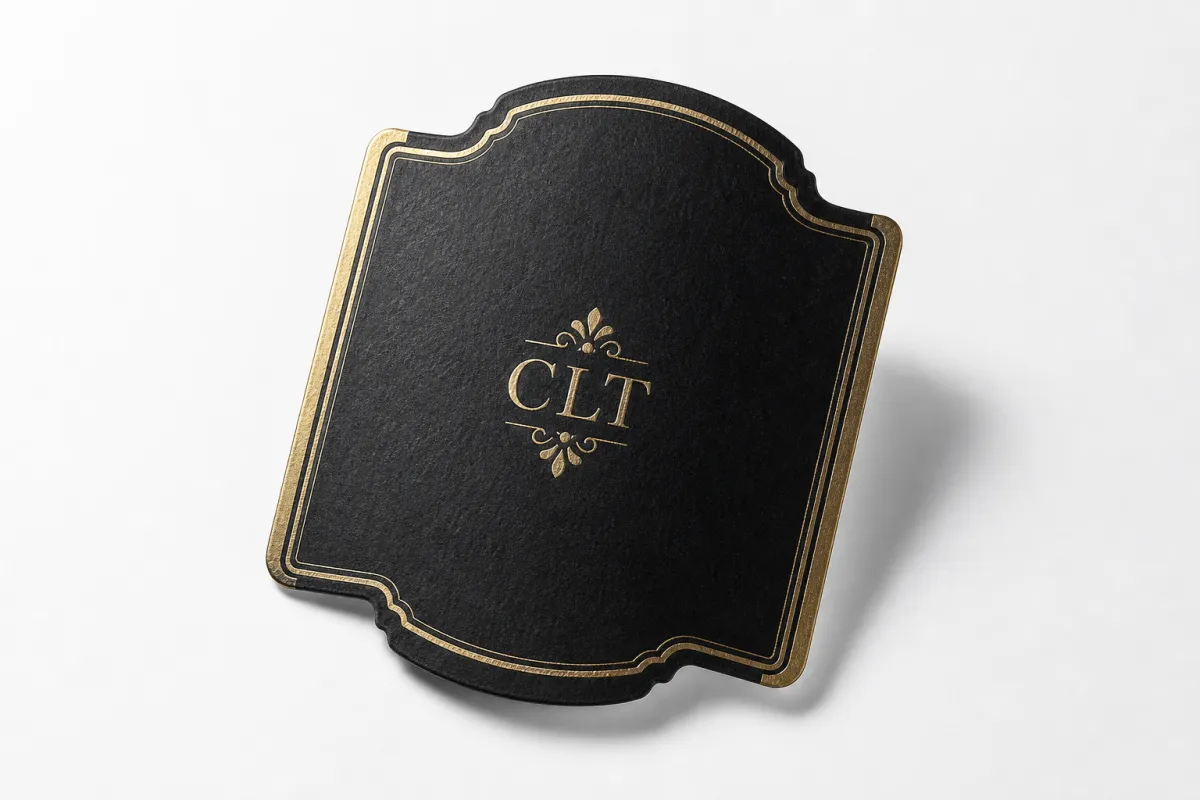
Custom Bottle Labels wholesale is the fastest packaging upgrade because it changes how the product reads without forcing a structural reset. The container can stay the same. The finish can stay the same. The label becomes the part that carries the brand story, and that shift is often enough to move a product from plain to retail-ready.
That matters during launches, and it matters just as much during reorders. A standard bottle with a solid label can move from trial batch to store shelf without another round of packaging engineering. In practice, that is why buyers use custom bottle labels wholesale for beverage launches, sauces, supplement bottles, cosmetic serums, essential oils, and seasonal items that need a quick but credible refresh. The label does the visual heavy lifting while the rest of the pack stays stable.
The other benefit is risk control. If you are testing a new recipe, scent, or format, you do not want to bury cash in packaging inventory before demand proves itself. A wholesale label run lets you buy in bulk while keeping the bottle itself standard, so you are not committing to a complicated supply chain before the product earns its place. That is a steadier way to approach package branding for a line that is still finding its market.
For buyers comparing packaging options, this is the ladder I usually use:
- Lowest risk: update the bottle with custom bottle labels wholesale and keep the container standard.
- Moderate investment: add neck bands, cartons, or inserts to strengthen retail packaging.
- Higher commitment: move into custom molds, specialty finishes, or structural changes after the SKU proves demand.
That ladder matters because packaging cost is never only the print price. It includes lead time, inventory exposure, changeover, and the cost of reordering something that does not quite fit the product environment. If a label can carry the brand cleanly and survive handling, there is no reason to add complexity just to look expensive on a mockup. Clear, legible, durable packaging tends to earn the repeat order.
A label that fits the bottle and holds up in the product environment beats a glossy label that peels in the cooler. Pretty is useful. Reliable is what gets reordered.
Private-label programs rely on that logic. The bottle can stay standard while the brand changes by flavor, scent, formula, or market. You keep scale without locking yourself into a brittle packaging plan. For a growing line, that is a solid trade.
Custom Bottle Labels Wholesale Materials and Finishes
Material choice decides whether the label performs or disappoints. Custom bottle labels wholesale works best when the stock matches the product environment instead of only matching the artwork on screen. Dry shelf product? Paper can work beautifully. Refrigerated item? Moisture resistance matters. Oil exposure? Choose a film that will not smear, lift, or cloud up after handling.
That is the part a lot of buyers underestimate, and I have seen it happen more than once. A label can look perfect in a proof and still fail in real storage if the stock is wrong. If a label is gonna live in a cooler, a washdown area, or a shipping lane with temperature swings, you do not want to gamble on a paper face stock and hope for the best.
The short version is simple: paper labels are budget-friendly and can look sharp on dry products, BOPP handles moisture well, vinyl adds durability, and clear films create a no-label effect when the bottle itself is part of the brand presentation. Those decisions keep custom bottle labels wholesale from turning into replacement costs later on.
Label stocks that make sense
Paper still earns its place on dry goods, pantry sauces, supplements stored away from moisture, and products that want a natural or textured feel. It can be coated or uncoated, and if sustainability matters, FSC-certified options are worth asking about through resources like FSC-certified paper guidance. Paper does have limits, though. If condensation, splash, or cooler storage are part of the product life cycle, paper becomes a liability pretty quickly.
BOPP is the workhorse for custom bottle labels wholesale. It is a polypropylene film that resists moisture, tears less easily than paper, and prints with strong color consistency. White BOPP is a good fit when the brand needs solid opacity. Clear BOPP is useful when the bottle color, product fill, or interior texture should stay visible. For beverages, wellness items, and personal care products, BOPP is often the safest default.
Vinyl is tougher, but that does not mean every project needs it. It makes sense for bottles that face repeated refrigeration, abrasion, or rough handling. If the bottle sits in a gym bag, cooler, shipping tote, or anywhere else where scuff resistance matters, vinyl can justify its higher cost. If the product lives on a dry shelf and never sees that kind of abuse, the extra strength is usually unnecessary.
Clear film gives the printed-on-the-bottle effect. It works best when the container is visually attractive and the design uses the bottle itself as part of the composition. Clear film is unforgiving, though. It exposes adhesive quality, color decisions, and print cleanliness more than an opaque stock does. Dust, registration issues, and weak white ink setups stand out fast, so the artwork and placement need to be tight.
| Material | Best Use | Typical Strength | Typical Wholesale Range |
|---|---|---|---|
| Paper | Dry shelf products, pantry items, light-duty retail packaging | Lowest cost, easy printability, natural feel | $0.04-$0.12 per label at larger runs; higher on small orders |
| White BOPP | Beverages, supplements, cosmetics, refrigerated items | Moisture resistance, strong color hold, good all-around value | $0.06-$0.16 per label at mid-to-higher quantities |
| Clear BOPP | No-label look, transparent bottles, premium branding | Clean visual effect, moisture resistance, good shelf appeal | $0.08-$0.18 per label depending on coverage and finish |
| Vinyl | Durable applications, heavy handling, cooler storage | High durability and abrasion resistance | $0.10-$0.24 per label or more for complex shapes |
Those ranges are illustrative, not fixed. Size, ink coverage, adhesive type, and finishing choices move them quickly. A small label with a clean layout can stay affordable. A large full-bleed label with soft-touch lamination and a tight die cut is a different project altogether. That is normal. What causes trouble is comparing quotes before checking whether the label material actually fits the product environment.
Finish choices that earn their keep
Matte gives a softer, quieter impression. It suits wellness, natural products, premium sauces, and brands that want restraint instead of loudness. Gloss helps color pop, especially on beverages and cosmetics where bold branding matters. Soft-touch adds a tactile layer that can feel elevated, but it should be chosen for a reason. If the bottle is mostly seen from across a shelf and not handled for long, the finish may impress in a sales deck more than in the real world.
Foil accents and metallic inks can raise the perceived value of a label, yet they also add cost and production complexity. They work best on a hero SKU or a premium line extension. They do not need to appear on every bottle just because they photograph well. That is how custom bottle labels wholesale budgets drift upward without improving sell-through.
For products that must survive cold, wet, or oily conditions, the adhesive matters as much as the stock. A label can fail because the face material is wrong, but it can also fail because the adhesive was not tuned for curved glass, textured plastic, or a bottle surface that resists bonding. The same design can behave very differently on a smooth PET bottle versus a frosted glass bottle.
If the package needs to travel through rough distribution, talk about testing early. The ISTA test methods are useful because they move the discussion away from assumptions and toward actual shipping conditions. If the label lifts under vibration, temperature swings, or compression, that is useful information before the full run leaves the facility. Catching that early is not overcautious. It is sound purchasing discipline.
The practical formula stays the same. Match the stock to the product. Match the finish to the brand story. Match the adhesive to the bottle and its environment. That is how custom bottle labels wholesale stays cost-effective instead of becoming a chain of corrections.
Specifications That Make or Break the Fit
Most label problems begin with sizing, not print quality. A design can look perfect on screen and still miss the mark on the bottle because the panel height is wrong, the curve is too tight, or the seam lands where the hand naturally grips the package. That is why custom bottle labels wholesale works best when the bottle is treated as a measured object, not a blank canvas.
The measurements that matter are straightforward: bottle diameter, circumference, straight panel height, taper angle, and whether the label crosses a shoulder or waist. Cylindrical bottles are easy. Tapered bottles ask for more care. Curved glass and plastic often need a slightly reduced panel width or a different adhesive strategy so the label does not wrinkle or pop up at the edges.
Every buyer should ask for, or provide, a dieline. That flat template shows exact label dimensions, seam gap, bleed, safe zone, and cut line. If the dieline is wrong, the print is wrong. If the dieline is missing, the proof stage becomes guesswork. Nobody needs that. Not the design team, not the press, and not the person who has to explain a delayed launch.
Artwork details that prevent delays
- Bleed: extend artwork beyond the cut line so small shifts do not leave white edges.
- Safe zone: keep key text away from the edge so cutting tolerances do not clip copy.
- Seam gap: leave room where the ends meet so the label does not buckle or overlap badly.
- Resolution: use vector files where possible; raster art should be high enough to hold print detail.
- File format: AI, EPS, or print-ready PDF is usually the cleanest path for custom bottle labels wholesale.
Color control matters too. CMYK is fine for most jobs. Pantone makes sense when the brand depends on a precise color that cannot drift much from run to run. Clear film often needs white ink underneath the color build so the graphics do not disappear against the bottle or product fill. That extra layer is not decoration. It is what keeps the artwork readable.
Compliance deserves space in the layout as well. If the product needs ingredient copy, legal statements, barcode placement, or lot coding, those elements should be built into the design before production starts. Regulatory copy should not be squeezed into the leftover corner because the layout looked cleaner without it. A good custom bottle labels wholesale file makes room for the practical details. Those details keep the product moving.
Here is the proofing checklist I would want before production begins:
- Final bottle sample or exact bottle drawing.
- Confirmed label width, height, and wrap length.
- Placement photo showing where the label sits on the bottle.
- Final text, barcode, and legal copy.
- Material and finish confirmed in writing.
- Color references if brand color matching matters.
If the line includes multiple bottle sizes, do not assume one dieline works for all of them. A 250 ml bottle and a 500 ml bottle may feel related, but the label panel can still shift enough to cause trouble. Small differences become expensive when nobody checks them early. That is why custom bottle labels wholesale is really about control, not just print quantity.
Custom Bottle Labels Wholesale Pricing, MOQ, and Unit Cost
Pricing gets noisy fast when buyers only ask for the cheapest quote. The result is often a label with the wrong stock, a weak finish, or a minimum order that does not fit the plan. A better question is simpler: what does the label need to do, and what is the real cost per unit at the quantity you intend to buy? That is the right way to buy custom bottle labels wholesale.
The biggest price drivers are quantity, size, material, finish, print coverage, die cutting, and shipping. A straightforward paper label with one color or a clean full-color layout will cost less than a large BOPP label with soft-touch lamination and foil accents. Custom shapes cost more than standard rectangles because the die has to be made or modified. Heavy ink coverage can also move the price because the press uses more material and more time.
For planning purposes, many wholesale buyers see something like this: a simple label in a small run may land around $0.18-$0.45 per unit; at 5,000 pieces, that same label may drop into the $0.06-$0.18 range depending on size and finish; larger runs can reduce the unit cost again if the specs stay standard. Specialty coating, clear film, and metallic effects push prices upward. That is normal. Cheap and good do not always live in the same quote.
MOQ is the minimum order quantity. For custom bottle labels wholesale, it often starts around 500 to 1,000 labels per SKU, although some jobs sit higher when the label is custom-shaped or uses more complex finishing. If the product is still being tested, lower MOQ helps protect cash flow. If the SKU already has demand, larger quantities usually bring better unit pricing. That tradeoff is just the shape of print production.
Here is the tradeoff in plain language:
- Lower MOQ: better for testing, but the unit cost is usually higher.
- Higher MOQ: better unit cost, but more inventory tied up.
- Simple spec: cheaper and faster.
- Special finish: more shelf appeal, more cost, more lead time.
A smart buyer asks for quotes by SKU and quantity break, not by a vague lump sum. Not “what’s your cheapest label?” The better request includes bottle dimensions, artwork count, material preference, finish preference, application method, and deadline. That gives a quote that is usable instead of decorative. It also prevents the common trap where the headline price looks excellent and the final invoice tells a different story.
There are simple ways to reduce cost without wrecking the design:
- Use one label size across multiple flavors or scents.
- Choose roll labels if machine application is possible.
- Limit special finishes to hero SKUs.
- Standardize bottle shapes where possible.
- Keep the print layout efficient and avoid oversized dead space.
That last point matters more than many buyers expect. Extra blank area can look elegant, yet it also eats substrate and can increase trim waste. A tighter, smarter layout often delivers the same shelf presence at a lower cost. That is the kind of detail that makes custom bottle labels wholesale a better spend than changing the bottle shape just to feel more premium.
If the project also includes cartons or mailer components, compare the full package rather than the label by itself. A bottle that ships in a custom printed box may need a simpler label to stay within budget. The right balance of custom printed boxes, labels, and inserts can raise the quality of the whole package without inflating every line item. That is smarter product packaging, not just prettier packaging.
Production Process, Timeline, and Turnaround
The production path for custom bottle labels wholesale should feel predictable in the best possible way. Quote, file review, proof, approval, print, check, ship. If that flow gets messy, the schedule gets messy with it. Most delays are not mysterious printing failures. They come from missing information, late revisions, or specs that were never fully locked down.
A typical job begins with the inquiry. The customer sends bottle dimensions, label size, quantity, material preference, and artwork if it is ready. A good vendor reviews the file, flags issues, and confirms the quote. Then comes the proof. That proof should show trim, text placement, color intent, and any special finishes. Once the proof is approved, the job moves into production.
Fast proofs are common when artwork is clean and the specs are clear. Same-day or next-business-day proofing is realistic for straightforward jobs. Production after approval commonly lands in the 7 to 15 business day range, though Custom Die Cuts, special finishes, and multiple rounds of revisions can add time. If a vendor promises aggressive timing, ask what happens if the proof changes. That answer usually tells you how realistic the schedule is.
The fastest way to keep custom bottle labels wholesale on schedule is to do three things well:
- Send final bottle dimensions up front.
- Keep one decision-maker responsible for approval.
- Confirm material, finish, and quantity before the proof is locked.
The slowest path is easy to recognize: vague copy, changing bottle measurements, last-minute color changes, and a design file that was never truly print-ready. Every revision adds time. Every missing detail creates back-and-forth. That is not the press being difficult. That is the job arriving underprepared.
For products that need shipping validation, transit packaging deserves an early conversation. If labels need to stay in place after vibration, compression, or temperature swings, the label stock and adhesive should be tested against realistic handling. That is where packaging testing standards help replace guesswork with proof. Transit methods like those used in ISTA packaging testing are useful because they reflect the kind of abuse bottles see in distribution. If a label fails in test, it will not improve on the truck.
Keep launch dates honest too. A label can be printed quickly and still arrive too late if the project starts too close to the fill date. Buyers compress schedules, then act surprised when rework pushes shipping back. It is not a mystery. It is a calendar. Good custom bottle labels wholesale planning leaves room for proofing, production, and transit.
If you are ordering across multiple bottle sizes or flavors, ask whether the vendor can stage the run efficiently. Same substrate, same finish, different artwork is often manageable. Different substrate, different finish, different die means a wider production window. Not impossible. Just slower and more expensive. Honest scheduling helps the buyer plan the fill line, the warehouse, and the launch window without drama.
Why Buyers Choose Us for Repeat Orders
Repeat orders are where a label supplier proves whether the first job was luck or process. Buyers come back when the color stays consistent, the cut stays clean, the adhesive behaves, and the reorder looks like the first run. That is the standard for custom bottle labels wholesale. No theatrics. No big promises. Just consistent output.
Reliability matters because wholesale packaging has consequences. A color shift on a one-off sample is annoying. A color shift on a reorder can throw off an entire product family. A weak adhesive on one bottle is a nuisance. A weak adhesive across a 10,000-unit run can become a serious problem if the product environment is harsh enough. Buyers do not need drama. They need packaging that supports the brand and stays put.
Good packaging support is practical, not dramatic. It means helping with file checks, dielines, placement guidance, and sample recommendations before the job goes to production. It means telling a buyer, “That finish looks nice, but it may not survive the cooler,” instead of pushing the most expensive option in the room. It also means understanding that package branding has to fit the product, not only the mockup.
Wholesale buyers also want the rest of the packaging line to feel coherent. If the bottle label, carton, and outer shipper live in different visual worlds, the brand reads as pieced together. If you are coordinating labels with Custom Packaging Products, keep the type, color, and finish family aligned. If the project needs matching stickers, inserts, or neck tags, our Custom Labels & Tags page is the better starting point than guessing at substitutions.
For customers who reorder regularly, Wholesale Programs can simplify planning because volume, repeat specs, and timing are already part of the conversation. That helps if you are managing several SKUs at once and need the packaging side to stay quiet and predictable. Quiet is a virtue here. Quiet means the labels arrive, the line runs, and nobody is rewriting the schedule at the last second.
Another reason buyers stay is consistency across the full pack. A label should not fight the cap, the carton, or the shelf tray. For a complete line, the best results usually come from aligning the label with the broader branded packaging system. That could include custom printed boxes, inserts, neck bands, or secondary packaging that repeats the same visual cues. The more the pieces agree, the more polished the shelf presence feels.
That matters even more in retail packaging that competes in a crowded category. A bottle does not need to shout to get attention. It needs to read clearly from a distance, hold up in the hand, and stay legible under store lighting. That is the kind of practical outcome buyers value more than a portfolio full of abstract design language.
Next Steps for Ordering Custom Bottle Labels Wholesale
If you want the quote to be useful the first time, gather the basics before you send the request. The best custom bottle labels wholesale orders usually start with exact bottle dimensions, label panel width and height, quantity, preferred material, finish, and target delivery date. That is enough to avoid most of the back-and-forth that slows projects down.
If the artwork is not final, ask for a dieline first. That saves time and keeps the design team from guessing at panel size or seam placement. If there are multiple SKUs, tell the vendor whether the artwork changes by flavor, scent, or formula while the physical size stays the same. That detail matters because it can reduce cost and streamline production.
Before you approve anything, compare quotes on unit cost, MOQ, and turnaround, not only the lowest total line. A cheap quote that forces a larger minimum or a slower schedule can cost more in real terms. If the launch date is fixed, the cheapest option is not the cheapest if it misses the market window. That is exactly why buyers use custom bottle labels wholesale with a spec sheet instead of guessing.
Here is the cleanest way to move forward:
- Confirm the bottle measurements and label area.
- Choose the material based on storage and handling.
- Pick the finish based on brand position and budget.
- Send the artwork or request a dieline.
- Approve the proof only after checking text, color, and placement.
- Lock the production timing and keep the same specs for reorders.
One more practical point: if you are building a line with multiple packs, keep the label system scalable. A consistent size or format across variants can lower the unit cost and make reorders less painful. That matters for seasonal products, growth-stage brands, and any business that does not want to pay extra just because every SKU was designed from scratch.
Custom bottle labels wholesale is not about chasing the cheapest sticker. It is about getting the right material, the right fit, the right price, and a lead time that actually matches your launch plan. Send the bottle details, quantity, finish, and artwork together, and you will get a quote that is usable instead of vague. That is how custom bottle labels wholesale should work.
FAQ
What is the usual MOQ for custom bottle labels wholesale?
MOQ varies by material, size, and finish, but many wholesale jobs start around 500 to 1,000 labels per SKU. If the label uses a custom die, heavy coverage, or specialty finishing, the minimum can move higher. Ask for the exact break points before you compare suppliers for custom bottle labels wholesale.
Are custom bottle labels wholesale waterproof?
They can be, but only if the stock and adhesive are built for moisture, refrigeration, or oil exposure. BOPP and vinyl are common choices for wet environments. Paper is better for dry shelf use. If the bottle sees condensation or cooler storage, do not assume any label will hold up just because the artwork looks good.
How long does custom bottle labels wholesale production usually take?
Proofing can be same day or next business day if the file is clean and the specs are clear. Production commonly takes about 7 to 15 business days after approval. Special finishes, custom shapes, or multiple revision rounds can add time. That is normal, not a crisis.
What file format should I send for custom bottle labels wholesale?
Vector files such as AI, EPS, or PDF are best because they hold edges and dimensions accurately. If you only have a PNG or JPG, expect a file review before print and possible cleanup before proofing. The better the file, the faster the approval cycle.
Can I order multiple flavors or scents in one wholesale run?
Yes, if the label size and material stay the same, you can often split the run across different artwork versions. That usually helps with unit cost and inventory control, as long as the total order still meets the wholesale minimum. It is a practical way to keep a product family consistent without overbuying.

