Buying a custom boutique paper Bags Bulk Order is less about chasing the lowest unit price and more about getting a bag that matches your product, holds up in use, and does not look off-brand the moment it leaves the register. If the paper is too weak, the handles feel flimsy, or the print color misses the mark, the packaging becomes a problem instead of part of the sale.
Bulk ordering is usually the right move for retailers, salons, fashion labels, gift shops, and event teams because it keeps the spec consistent across locations and reorders. That consistency matters when the bag is part of the customer experience, not just a carryout container. The decisions that affect cost are usually the same ones that affect performance: paper weight, handle style, print coverage, finish, and inspection.
Why Boutique Bags Need to Do More Than Carry
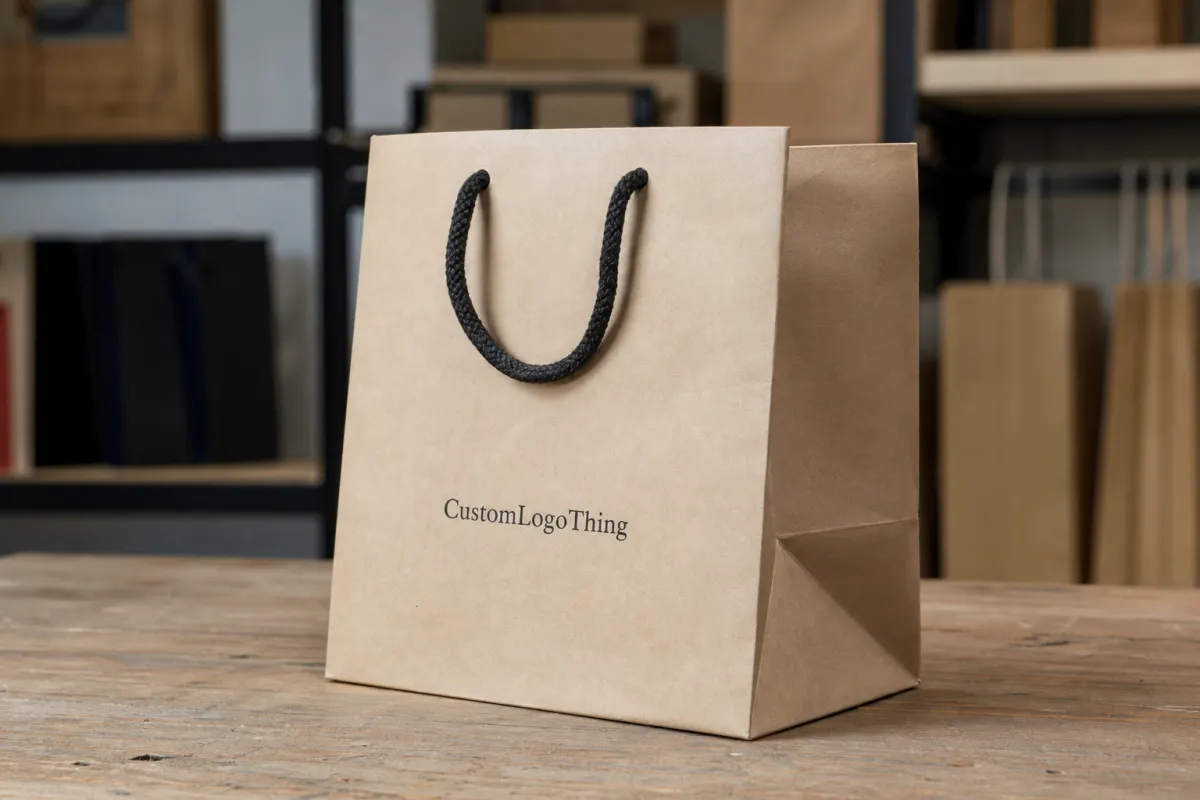
A boutique bag travels farther than most packaging. It moves through the store, out to the car, into homes and offices, and often stays visible after the purchase. That makes it a small but public expression of the brand. A bag that sags, wrinkles, or tears quickly makes the whole purchase feel less considered.
That is why a well-planned bag spec matters. A custom boutique paper Bags Bulk Order helps keep size, paper tone, handle type, and print placement stable from run to run. If you are supporting multiple locations, seasonal launches, or recurring promotions, that consistency is worth more than tiny savings on a weak spec.
The bag should also make packing easier for staff. The right size speeds up checkout, reduces product damage, and avoids stuffing items into a bag that is too small or wasting paper on a bag that is too large. In practice, the best bag is the one that fits the product cleanly and stays presentable through normal use.
A good bag does not need to be flashy. It needs to hold its shape, carry the product cleanly, and support the brand without calling attention to construction flaws.
If you already source Custom Packaging Products such as tissue, boxes, or inserts, it helps when the bag specification matches the rest of the package system. Matching does not mean every item needs the same finish. It means the set should feel like it belongs together.
Paper Stock, Handle Styles, and Bag Build Options
Paper weight is one of the biggest performance drivers. For light accessories, jewelry, small candles, and skincare, 210-250 gsm often works. For apparel, boxed gifts, and heavier retail loads, 300-350 gsm is safer. Thin stock can lower cost, but it usually reduces stiffness, structure, and perceived quality.
Handle choice changes both cost and presentation. Twisted paper handles are the most economical and work well for lighter products. Rope handles feel more premium and usually hold better in hand. Ribbon handles lean giftable, but they are not ideal for heavy loads. Die-cut handles create a clean look, though they often need reinforcement if the bag will carry real weight.
Construction details matter just as much as the visible design. A wider gusset helps the bag sit flat and fit boxed items better. Reinforced tops and bases improve durability. Strong glue lines and accurate folding reduce the risk of collapse, scuffing, or uneven assembly. If the order will carry dense goods, ask whether the bottom is board-reinforced and whether the handle attachment points are doubled.
Shape matters too. Tall narrow bags can look elegant, but they are not always the most efficient for layered purchases or gift sets. Wider bags are easier to pack, easier to store, and usually more forgiving when product sizes vary. If the bag must serve more than one SKU, practicality should outrank style.
Print Methods, Finishes, and Brand Details That Matter
Printing should follow the brand and the budget. One-color print is often the most cost-effective and can still look sharp with a strong logo. Spot color or PMS matching is the safer choice when exact brand color matters. Full color is useful for illustration-heavy designs, while foil stamping and embossing add texture and polish at a higher cost.
Finish affects how the bag reads in person. Matte gives a softer retail look. Gloss makes color appear brighter. Soft-touch feels premium, but it is not always the right fit for a busy retail setting. Uncoated stock offers a more natural look and is often the better choice for brands that want a craft or eco-conscious feel.
Artwork prep can save or waste time. Vector files print more cleanly than low-resolution artwork. PMS references are more reliable than vague color descriptions. Clear placement notes prevent logo crowding, awkward centering, and guesswork around the gusset. If copy needs to sit low or wrap around the sides, specify that early so proofing does not become a round of corrections.
For color-critical jobs, ask for a proof or sample print before full production, especially if the bag must match Custom Packaging Products already in use. Paper absorbs ink differently than coated board, and dark or pale tones can shift once they hit the press. If your brand color has to stay exact, do not rely on a screen mockup alone.
For sourcing and testing references, the FSC and ISTA are useful starting points when comparing materials and shipping expectations. They do not replace a clear spec, but they help frame what responsible sourcing and transit durability should look like.
Pricing, MOQ, and Unit Cost Drivers for a Custom Boutique Paper Bags Bulk Order
Price is driven by a small set of variables: size, paper weight, handle style, print coverage, finish, and reinforcement. Larger bags use more material. Heavier stock costs more. Rope handles and specialty finishes add labor. Full coverage printing and foil increase both setup and production cost. The quote usually rises or falls predictably once those inputs are fixed.
MOQ for boutique-style bags often starts around 500 to 1,000 units. Simple one-color bags may be available at lower volumes, while premium specs with foil, embossing, or custom handle builds usually need larger quantities to justify setup. Quantity lowers unit cost, but design changes become harder once the run gets large. Buyers usually have to choose between flexibility and better per-piece pricing.
| Spec Level | Typical MOQ | Common Use | Indicative Unit Cost |
|---|---|---|---|
| Simple twisted-handle bag, one-color print | 500-1,000 | Accessories, small gifts | $0.35-$0.70 |
| Midweight stock, rope handle, spot color print | 1,000-3,000 | Apparel, boutique retail | $0.70-$1.40 |
| Heavier stock, premium finish, foil or embossing | 3,000+ | Gift sets, high-end retail | $1.20-$2.80+ |
Those numbers are directional, not a promise. The real quote depends on the exact spec, carton configuration, and shipping lane. The useful buying rule is simple: only commit to a larger run if the bag design is stable enough to use through multiple replenishment cycles. Otherwise, the discount may be cheaper on paper than in storage.
When comparing Wholesale Programs, ask for pricing at two or three volume breaks. A good quote should show where the unit cost drops and where decoration or reinforcement begins to push the budget too far. Also ask what is included. Some quotes cover printing but not cartons, inserts, or freight assumptions. A low number that excludes core costs is not a useful comparison.
Process, Timeline, and Lead Time From Proof to Delivery
The order flow should be straightforward: quote, artwork check, digital proof, sample if needed, production, inspection, packing, and shipping. If a supplier cannot explain those steps clearly, expect confusion later. The cleanest orders are usually the ones where each stage has an owner and a deadline.
For a typical custom Boutique Paper Bags bulk order, production often takes about 10 to 20 business days after proof approval. Simple one-color jobs move faster. Foil, embossing, structural changes, and custom inserts add time. Freight is separate, so the in-hand date should include both factory production and transit, not just the print schedule.
Approval speed is a major variable. Delayed artwork sign-off, missing PMS references, or multiple decision-makers can turn a normal schedule into a late one. If the bags are tied to a launch or event, build in slack. Paper packaging is not the place to assume shipping can make up for lost time.
If you are ordering for multiple product lines, ask whether one size can cover more than one SKU. That keeps replenishment simpler and reduces the risk of sitting on dead inventory. A practical size range is often better than a perfectly tailored size that gets used once and forgotten.
For broader shipping and packaging disposal context, the EPA packaging recycling guidance is a useful reference when you are thinking through material choices and end-of-life impact.
Quality Checks, Packing, and Freight Before You Approve
Quality control is what keeps a good spec from turning into a bad delivery. Before approval, the supplier should check color consistency, print alignment, handle pull strength, glue lines, carton count, and base support. For heavier retail loads, the bag should not bow excessively or tear at the handle attachment during normal use.
Packing affects landed cost more than many buyers expect. Carton size changes freight charges. Loose packing wastes space and money. Overpacked cartons increase crush risk. If the supplier is shipping internationally, ask about moisture protection, carton strength, and pallet stability. Paper bags do not need excessive wrapping, but they should not arrive dented or scuffed because the cartons were poorly built.
Sample approval is worth it. A pre-production sample or printed proof is cheaper than discovering a weak handle or off-color print after thousands of units are already in inventory. It is especially useful when the order has a strict brand color, a premium finish, or a nonstandard construction detail.
Also check how the bag opens and stacks. Some bags look fine flat but behave poorly when filled. Others pass a visual check and then crease badly at the gusset or curl at the top edge. Small defects are easy to ignore in a photo and obvious in a store.
What to Expect From a Supplier That Actually Ships Cleanly
A supplier worth using does more than send a low quote. They confirm the spec in plain language, flag issues before proof approval, and keep repeat runs consistent. The second order matters as much as the first, because a color shift or fit change turns a reorder into a new problem.
Good suppliers ask practical questions early: product weight, intended use, print coverage, delivery window, and whether the bags will sit in storage before use. Those questions are not sales talk. They are the difference between a usable order and one that creates rework.
If you buy packaging across categories, from bags to Custom Packaging Products, organized file handling and repeat notes save time on every reorder. That consistency reduces back-and-forth and makes it easier to keep the brand aligned across formats.
They should also tell you when something is a tradeoff. If a finish adds days, say so. If a rope handle pushes the budget past target, say that too. Buyers do not need hype. They need an order that arrives on time, matches the proof, and can be reordered without rebuilding the spec from scratch.
For general ordering questions and basic setup guidance, the FAQ should cover the essentials without requiring extra emails for MOQ, timing, or file prep.
Next Steps to Quote Your Custom Boutique Paper Bags Bulk Order
To get an accurate quote, send the basics first: bag size, quantity, paper stock, handle type, print sides, finish, and delivery location. Include logo files, brand colors, and any required details such as foil, embossing, or lamination. Exact inputs reduce revision time and make the quote more useful.
Do not overload the process with too many options. Compare two or three versions instead of ten. The point is to see how price changes when you move from lighter stock to heavier stock, or from twisted handles to rope handles. That makes the buying decision clearer because you are comparing real spec differences, not random variations.
For most buyers, the cleanest approach is to lock the spec, approve the proof, and schedule production with enough freight time built in. That keeps the packaging consistent and avoids last-minute changes that usually cost more than the original upgrade would have.
One final check: ask what can stay fixed across repeat runs. If the supplier cannot clearly say what will remain the same, that is a warning sign. Stable color, stock, and handle construction are what make replenishment easy and keep the packaging experience predictable.
What is the minimum order for custom boutique paper bags bulk order?
MOQ usually starts around 500 to 1,000 units, but the floor depends on size, print complexity, and finish. Simple one-color bags can sometimes run lower than premium builds with foil, embossing, or special handles. If you plan repeat orders, ask for pricing at more than one volume break.
Which paper weight works best for a boutique retail bag order?
Most boutique bags land in the 250 to 350 gsm range, with lighter stock used for accessories and heavier stock used for apparel or gift sets. If the bag will carry boxed goods or multiple items, reinforce the base and handles. Thin paper can save money up front, but it usually costs more in performance.
Can you match brand colors exactly on boutique paper bags in bulk?
Spot or PMS matching is the safest route when color accuracy matters. CMYK works for more complex artwork, but small shifts can happen based on paper tone and coating. If the color is strict, request a proof or sample before full production.
How long does production take after proof approval?
Standard production often runs about 10 to 20 business days after artwork approval. Specialty finishes, structural changes, or peak-season schedules can add time. Freight is separate, so the in-hand date should include both production and transit.
What should I send to get an accurate quote for custom boutique paper bags bulk order?
Send size, quantity, paper stock, handle type, print sides, finish, and delivery zip or postal code. Include logo files, brand colors, and any must-have details like foil, embossing, or lamination. If you are unsure, ask for two or three spec options so you can compare price, appearance, and turnaround.

