Buyer Fit Snapshot
| Best fit | Custom Branded Carton Sleeves projects where brand print, material claims, artwork control, MOQ, and repeat-order consistency need to be specified before quoting. |
|---|---|
| Quote inputs | Share finished size, material target, print colors, finish, packing count, annual reorder estimate, ship-to region, and any compliance wording. |
| Proofing check | Approve dieline scale, logo placement, barcode or warning zones, color tolerance, closure strength, and carton packing before bulk production. |
| Main risk | Vague material claims, crowded artwork, missing packing details, or unclear freight terms can make a low unit price expensive after revisions. |
Fast answer: Custom Branded Carton Sleeves: How They Work and Cost should be specified like a repeatable production item. The safest quote records material, print method, finish, artwork proof, packing count, and reorder notes in one written spec.
Production checks before approval
Compare the actual filled-product size with the drawing, then confirm tolerance on folds, seals, hang holes, label areas, and retail display edges. Reserve space for logos, QR codes, warning copy, and material claims before decorative graphics fill the panel.
Quote comparison points
Review material grade, print process, finish, sampling route, tooling charges, carton quantity, and freight assumptions side by side. A quote is only useful when the supplier can repeat the same color, closure quality, and packing count on the next order.
Custom Branded Carton Sleeves: How They Work and Cost
Custom Branded Carton Sleeves have a way of making a plain carton feel considered, polished, and ready for the shelf without asking the packaging line to start from zero. That matters for buyers and brand teams alike, because custom branded carton sleeves give you a fast route to a stronger presentation while keeping the base carton intact underneath.
They turn up in all kinds of packaging programs for a reason. A sleeve can carry launch copy, retailer-specific messaging, seasonal artwork, regional language, or a clean brand refresh. In practical terms, custom branded carton sleeves let you change the outward message while keeping the carton structure and the filling operation largely the same.
For many packaging teams, the appeal is as much operational as it is visual. Brands use custom branded carton sleeves to move faster, avoid waste tied to full-box redesigns, and keep packaging flexible when SKUs multiply or promotions change on short notice. The sleeve works best as a purposeful layer, not as decoration added at the end of the process.
The difference shows up quickly. A sleeve can improve shelf appeal, yet it cannot fix a carton that is poorly engineered, a dieline that is off, or a product that shifts around inside the pack. Well-made custom branded carton sleeves perform because the carton is already doing its job and the sleeve is sharpening the message on top of that foundation.
What Custom Branded Carton Sleeves Actually Do
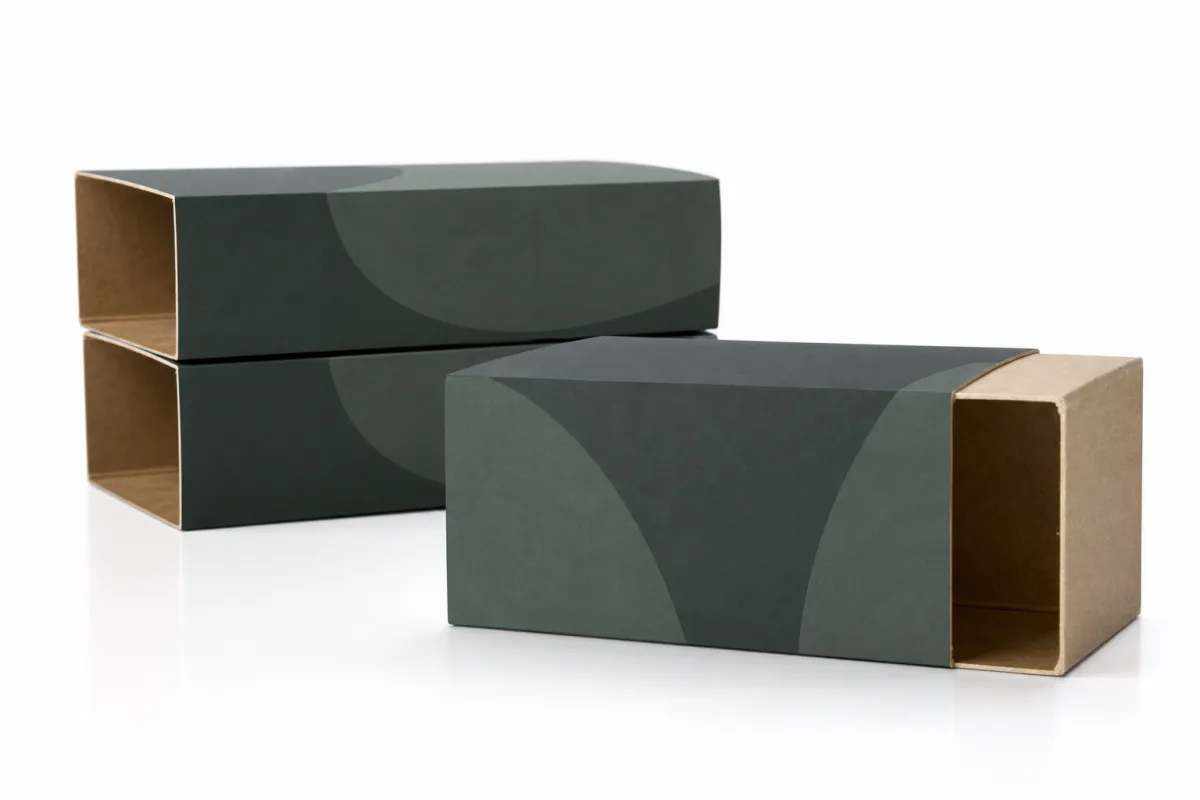
A carton sleeve is a printed wrap that slides over, wraps around, or locks onto an existing carton. The simplest version is a band-style piece of board that adds branding and information to an otherwise plain box. More advanced custom branded carton sleeves can include perforations, tamper-evident elements, window cutouts, or multiple panels for campaign-specific messaging.
That sounds straightforward, yet the business value is substantial. A brand can keep one core carton and use custom branded carton sleeves to distinguish SKUs, regions, retailers, or promotions. That is much faster than reworking a fully printed carton each time a label changes or a campaign needs fresh artwork. For teams managing branded packaging across multiple channels, that flexibility can be the difference between launching on time and missing a retail window.
A plain carton can feel premium almost immediately once a sleeve is added. A matte uncoated base box paired with a crisp, high-contrast sleeve often reads more cleanly on shelf than a fully printed carton crowded with competing details. That is one reason custom branded carton sleeves carry so much weight in retail packaging.
They fit especially well in a few situations:
- Product launches where the base carton is already approved, but the branding still needs a stronger story.
- Limited editions and seasonal packs that should stand out during a short selling window.
- Subscription kits and multi-item sets where the outer presentation changes more often than the structural carton.
- Multi-language or region-specific packs where the message must shift without rebuilding the whole pack line.
- Retail promotions where a retailer wants exclusive artwork or a short-run offer message.
From a packaging design standpoint, sleeves are ideal when the brand wants speed and modularity. They are less useful when the carton itself needs to carry structural strength, product protection, or a completely different internal format. That boundary matters. Custom branded carton sleeves are a branding layer first and a structural solution second.
Practical rule: if the sleeve is trying to repair a weak carton, the program probably needs a different starting point. If the carton already performs, custom branded carton sleeves can add shelf appeal without forcing a full packaging reset.
Sustainability teams often like the format for another reason. A sleeve can reduce the need for a new full carton print run when the base pack is reused across versions. That does not make every sleeve eco-friendly by default, yet it can reduce waste compared with redesigning a complete product packaging system for each campaign. For recyclability and material choices, many teams review guidance from the EPA recycling resources and specify paper-based substrates that fit existing recovery streams.
Custom branded carton sleeves are not a gimmick. They are a compact branding tool with real operational consequences, especially when the SKU count rises and marketing wants shorter turnaround times.
How Custom Branded Carton Sleeves Work on the Line
On the production floor, custom branded carton sleeves usually enter the process after the carton is formed and filled, although the exact sequence depends on the line setup. Some operations pre-form the sleeve and slip it over the carton. Others wrap it around the pack and secure it with a seam, tuck, or light adhesive. High-volume facilities may use inline equipment; smaller runs often rely on hand application or semi-automatic stations.
The mechanics matter because a sleeve that looks perfect in a mockup can behave badly in motion. It needs enough rigidity to hold shape, enough flexibility to move through the applicator, and enough tolerance to sit squarely on the carton once the product is packed. If fit is off by even a few millimeters, the sleeve can buckle at the corners, ride high on one side, or scuff in transit. That is why custom branded carton sleeves need to be designed around the real carton dimensions, not idealized artwork dimensions.
Three application methods show up most often:
- Manual application for small runs, seasonal orders, or pilot programs. Labor is higher, but tooling stays simple.
- Semi-automatic application for mid-volume production. This balances speed with flexibility and often works well for custom branded carton sleeves across several SKUs.
- Inline application for higher throughput, where the sleeve is formed and applied as part of the packaging line.
Line speed deserves attention too. If the sleeve format adds even two or three seconds of handling time per unit, labor costs can rise faster than the print cost itself. That is why the strongest custom branded carton sleeves are designed with the application method in mind from the start. A beautiful sleeve that slows the line is not a good commercial outcome.
Structure brings another tradeoff. Too flimsy, and the sleeve can warp or wrinkle. Too stiff, and it may resist the application process. Most packaging teams settle on a substrate that behaves like a compromise: strong enough for print quality and handling, flexible enough for smooth application. For many branded packaging programs, that balance matters more than chasing the thickest board.
There is a quieter operational benefit too. One core carton can support multiple versions of custom branded carton sleeves for retailer exclusives, export markets, or promotional bursts. That means fewer carton redesigns, less inventory complexity, and a cleaner changeover schedule. For companies that also use Custom Packaging Products, sleeves often become the layer that keeps the base system stable while the outward message changes.
Validation usually borrows from the kind of transit testing used in distribution packaging. That means looking at abrasion, compression, vibration, and handling risks in a way that mirrors ISTA testing guidance. If the sleeve cannot survive the trip from pack-out to store shelf, the design is not ready, no matter how good it looks in a render.
I have seen sleeves pass a tidy table-top review and then catch a rough edge in the warehouse because the board was just a touch too soft for the pack weight. That kind of failure is frustrating, but it is also predictable once you know where to look. Custom branded carton sleeves work best as a performance package, not a print job.
The Design Factors That Make or Break Performance
Good packaging design starts with the box the sleeve will wrap around. If the carton dimensions are wrong, the sleeve will never sit correctly. That sounds obvious, yet it remains one of the most common problems in custom branded carton sleeves projects. Before anyone opens layout software, the packaging team should lock down the carton size, panel orientation, seam location, and application method.
Print space comes next. A sleeve gives you a valuable exterior surface, but it is not endless. Fold lines, seams, and overlaps interrupt artwork. Copy placement needs to account for that reality. Strong headlines, one primary visual, and a clear hierarchy usually outperform crowded, text-heavy graphics. In retail packaging, clarity often beats decoration.
Material choice affects both the look and the runnability of custom branded carton sleeves. Common options include SBS, C1S, CCNB, and recycled paperboard, with weights often landing in the 250gsm to 350gsm range depending on carton size and finish. Matte coatings create a softer, more premium feel. Gloss coatings improve contrast and color pop. Soft-touch lamination gives a luxury effect, but it also changes fold behavior and can affect how the sleeve moves through equipment.
Finishing choices matter just as much. Foil, embossing, debossing, spot UV, and spot varnish can all strengthen package branding, but each one adds complexity. The more finishing steps involved, the more the team must watch for cracking on folds, abrasion during shipping, and registration shifts during print. With custom branded carton sleeves, premium does not mean complicated by default. It means the finish supports the message and still runs cleanly.
Regulatory content can reshape the sleeve as well. Nutrition panels, ingredient lists, legal copy, sustainability claims, and barcode zones all need space. If the sleeve is used for a regulated product, the design should leave enough room for readable type and a reliable scan zone. That becomes especially important for Brands That Sell across multiple retailers or export markets, where compliance rules can change the layout quickly.
A well-made sleeve also needs to account for handling. Will it sit in a shipping case for weeks? Will it move through a warehouse with humidity swings? Will the retailer stack it under bright lights that can reveal scuff marks? Those are practical questions, and they matter more than most design decks admit. Custom branded carton sleeves only succeed if they survive real handling, not just a presentation board.
I still keep a mental checklist from projects that went right and projects that needed a second round: carton size, seam placement, barcode quiet zone, fold tolerance, and the actual finish behavior under light. That list is not glamorous, but it saves time. A sleeve can be beautiful and still kind of fussy if those basics are skipped.
A simple comparison helps frame the design tradeoffs.
| Sleeve Type | Typical Use | Approximate Unit Cost | Main Design Tradeoff |
|---|---|---|---|
| Basic printed wrap | Promotions, entry-level branding, simple SKU differentiation | $0.08-$0.18 at higher volumes | Lowest cost, fewer finish options |
| Mid-range branded sleeve | Retail packaging, seasonal runs, launch kits | $0.12-$0.28 depending on quantity | Better print quality, more layout flexibility |
| Premium finished sleeve | Gift sets, premium product packaging, brand relaunches | $0.22-$0.45 and up | Higher visual impact, more finishing risk |
| Tamper-evident sleeve | Health, food, and regulated categories | $0.18-$0.40 depending on structure | Security features add complexity and setup time |
Those ranges are not universal and should not be treated as a quote. They do help buyers see how structure, finish, and unit economics connect. In many custom branded carton sleeves projects, the final cost is driven less by the printed surface and more by the number of constraints layered onto it.
If you need a material sourcing reference, FSC certification guidance is worth reviewing. It is not a replacement for sound packaging design, but it gives teams a useful starting point when specifying paper-based materials with verified sourcing.
The sleeve’s job should stay narrow. If it must educate, sell, differentiate, and protect at the same time, the design usually turns crowded. The best custom branded carton sleeves tend to carry one clear message and let the carton and product packaging system handle the rest.
Custom Branded Carton Sleeves: Cost and Pricing Drivers
Cost is where a lot of packaging conversations get tangled. Buyers want a clean answer, but custom branded carton sleeves are priced by a stack of variables rather than a single line item. Quantity, board grade, print coverage, finishing, die-cutting, application method, and proofing cycles all shape the final number.
Setup cost is the first piece to understand. A small order can look expensive per unit because the prepress work, die creation, and press setup are spread across fewer pieces. Larger runs usually lower the per-piece cost sharply. That is why custom branded carton sleeves can feel pricey at 1,000 units and much more reasonable at 10,000 or 25,000 units. The math changes fast.
Print complexity moves the price too. A one- or two-color design on an uncoated board will usually cost less than a full-bleed, full-color sleeve with foil, embossing, and a specialty varnish. The more coverage and finishing involved, the more press time and inspection time the job requires. In branded packaging, premium visuals are rarely free.
Application method is another hidden cost driver. Hand-applied custom branded carton sleeves can be economical for short runs, but labor may become the largest expense. Semi-automatic and inline methods need more planning up front, yet they often save money as volume rises. If a brand expects repeated reorders, the right application method can matter more than trimming a cent from print cost.
Rushed timelines are expensive too. When a sleeve needs to move from proof to production on a compressed schedule, teams often pay for accelerated freight, extra proofing, or short-run scheduling. Frequent artwork changes add another layer of friction. Each revision can push back approval, and every delay affects the launch calendar. The cheapest custom branded carton sleeves are usually the ones approved cleanly the first time.
Compare the sleeve against the total packaging impact rather than the sleeve alone. If the sleeve lets you reuse a stable carton across a launch cycle, or avoids a full custom printed boxes redesign, the overall spend may improve. That is the kind of comparison smart buyers make.
The pricing drivers, in plain terms, look like this:
- Quantity: Higher volume usually lowers per-unit cost.
- Material grade: Recycled board, premium SBS, and coated stocks price differently.
- Print complexity: Number of colors, coverage, and registration demands matter.
- Finish level: Foil, lamination, embossing, and UV all add cost.
- Structure: Tamper-evident or multi-panel sleeves need more tooling and setup.
- Application: Manual, semi-auto, or inline installation changes total project cost.
For buyers comparing options, the sweet spot is often a straightforward sleeve with enough finish to signal quality but not so much that it becomes fragile or slow to run. In many custom branded carton sleeves programs, the best value comes from disciplined packaging design rather than piling on more decoration.
If you want a closer look at how packaging projects are scoped and delivered, the examples in our Case Studies page can help you see how different formats perform under real commercial pressure. The pricing story becomes clearer when it is paired with production reality.
Step-by-Step Process and Timeline for Custom Branded Carton Sleeves
The cleanest custom branded carton sleeves projects follow a predictable path. The sequence matters because every step depends on the one before it. Skip one, and the cost usually shows up later as proof corrections, rework, or production delays.
Start with a packaging audit
Begin by confirming the carton dimensions, fill method, shelf orientation, and commercial objective. Is the sleeve meant to increase shelf impact, add promotion copy, or support a retailer-specific version? That answer shapes the entire design. If the team cannot define the sleeve’s job, the artwork tends to become cluttered. Strong custom branded carton sleeves start with a narrow purpose.
Build the dieline around the actual carton
Once the carton spec is fixed, the sleeve dieline should be built to fit it precisely. The seam position, panel widths, fold lines, and overlap tolerances all need to match the real box. Millimeters matter here. A sleeve that is even slightly too loose can shift during handling; one that is too tight can crush corners or resist application. Good packaging design respects the physical object first and the artwork second.
Review proofs and prototypes early
Proofing is not a formality. It is where color, barcode placement, copy legibility, and fit are tested before full production starts. For custom branded carton sleeves, a printed prototype often saves more money than it costs because it exposes issues before the whole order is committed. If the program includes special finishes, the prototype becomes even more valuable. Foil placement, lamination behavior, and fold crack risk are easier to fix before the press run.
Plan for the production timeline
Simple sleeves with standard materials can move quickly once artwork is approved. More complex programs take longer because sampling, material sourcing, and regulatory sign-off can stretch the calendar. A realistic lead time for straightforward custom branded carton sleeves is often 12-15 business days after proof approval, while more complex jobs can take longer if the finish stack or application method is unusual. That is not universal, but it is a sensible planning baseline.
Prepare the launch checklist
Before the first production run, lock the artwork, confirm materials, approve the sample, and train the team responsible for application. Check barcode scanability, seam alignment, abrasion resistance, and package orientation on the line. If the sleeve will be applied manually, document the labor step. If the sleeve is automated, confirm the equipment settings before the full run starts. This stage often determines whether custom branded carton sleeves support the launch or create avoidable friction.
A good timeline leaves a buffer for surprises. Material availability can shift. Color matching can take a second round. A retailer may request a copy tweak. None of that is unusual. The best teams plan for those interruptions rather than pretending they will not happen.
The workflow is simple to explain and complex enough to respect:
- Define the commercial goal.
- Confirm the carton spec.
- Design the sleeve around the real pack.
- Proof and prototype.
- Approve materials and finish.
- Run production.
- Test application and retail readiness.
That sequence is a big reason custom branded carton sleeves work so well for fast-moving brands. They let the marketing calendar, the production calendar, and the retail calendar meet in the middle instead of fighting each other.
Common Mistakes to Avoid With Carton Sleeves
The most expensive mistake is designing before measuring. It sounds almost too simple, but it happens constantly. If the carton dimensions are not locked, the sleeve may curl, sit crooked, or slip during transport. Even a few millimeters can matter, especially on compact packs where the visible surface is small. Custom branded carton sleeves reward accuracy.
Another frequent problem is trying to say too much. Brands want the sleeve to announce the product, explain the offer, carry claims, support compliance, and look premium all at once. The result is often a cluttered panel with weak hierarchy. Better packaging design usually comes from subtraction rather than addition. One dominant message, one visual idea, and one clean callout often outperform a crowded layout.
Production planning creates another trap. If the sleeve format does not match the application method, line speed falls and labor cost climbs. A sleeve that is easy to hand-apply may be awkward in automation. A sleeve that runs well on a machine may be overkill for a short promotional batch. Custom branded carton sleeves should be chosen with the real production environment in mind.
Material mismatch causes headaches too. Some finishes look excellent in renderings but crack on folds, scuff in shipping, or absorb moisture in humid conditions. A soft-touch laminate can feel upscale, but if the sleeve spends time in a distribution environment with friction and stacking pressure, the tactile finish may not hold up as expected. That is why sample testing matters.
Approval discipline is the final safeguard. Skipping prototypes or rushing sign-off often creates reprints, delayed launches, or avoidable compliance issues. If the sleeve includes legal copy, barcode zones, or region-specific claims, a second review is cheap insurance. The cost of fixing custom branded carton sleeves after production is almost always higher than the cost of checking them properly before the run.
A few warnings are worth keeping close:
- Do not assume the first dieline is correct without a physical carton check.
- Do not overfill the design with copy that competes with the product name.
- Do not approve finishes without testing fold durability and abrasion.
- Do not ignore how the sleeve will be packed, shipped, and displayed.
- Do not treat compliance as a late-stage edit.
Those are not abstract risks. They show up in real product packaging projects, and they tend to show up late. Good custom branded carton sleeves prevent those problems by making fit, function, and approval part of the design process from the start.
Expert Tips and Next Steps for a Better Sleeve Launch
The strongest sleeve programs stay focused. A sleeve should usually do one job well rather than three jobs badly. Maybe it introduces a product. Maybe it creates a seasonal retail moment. Maybe it supports a retailer-exclusive version. Whatever the goal, let that goal drive the packaging design. Custom branded carton sleeves work best when the message is clear within three seconds on shelf.
Keep the visual hierarchy simple. The product name should be easy to find. The brand mark should be visible. The offer or claim should support the story, not bury it. That approach matters in retail packaging, where the shopper is scanning quickly and the shelf is noisy. Strong package branding is rarely complicated; it is usually disciplined.
Build a fit-and-finish checklist before approving the run. Test the carton dimensions, seam placement, barcode scanability, abrasion resistance, and line performance. If possible, inspect samples under store-like lighting, because some finishes behave differently once they leave the studio. Custom branded carton sleeves can look excellent in a sample room and still need adjustment for the real shelf.
Launch order matters too. Gather carton specs first. Define the commercial goal second. Request a quote third. Ask for a sample schedule before artwork is finalized. That sequence reduces rework and keeps the project moving. If your team wants to see how this plays out across different formats, the examples in our Case Studies library offer a useful way to compare practical outcomes.
Experienced buyers usually follow a short list of habits:
- Choose the sleeve job before choosing the finish.
- Lock dimensions before final artwork.
- Test the application method before signing off on volume.
- Balance shelf impact against line speed and labor.
- Compare total packaging cost, not just the sleeve quote.
If you want the sleeve to support a broader branded packaging system, align it with cartons, labels, and secondary packaging from the beginning. That is where the format earns its keep. It can tie together a launch, stabilize a fast-moving SKU family, or give a promotion a cleaner visual identity without forcing a full packaging overhaul. Custom branded carton sleeves are most effective when the format, artwork, and production method are chosen together, not one at a time.
For teams that want a practical next step, start by gathering carton measurements, quantity targets, finish preferences, retailer requirements, and a realistic launch date. Then ask for a sample path and a production plan that includes the application method. If those inputs are clear, the sleeve decision gets a lot easier, and the project is far less likely to wobble halfway through. That is the cleanest way to make custom branded carton sleeves work as both a branding tool and a commercial decision.
What are custom branded carton sleeves used for?
They add branding, promotions, and product information to an existing carton without changing the base package. They are especially useful for launches, seasonal campaigns, region-specific versions, and retailer-exclusive packs. Many brands use custom branded carton sleeves to refresh shelf presence faster than a full carton redesign.
How much do custom branded carton sleeves usually cost?
Cost depends on quantity, material grade, print complexity, finish level, and whether the sleeve is hand-applied or machine-applied. Small runs usually cost more per unit because setup is spread across fewer pieces. The best quote compares total packaging value, not just the sleeve price alone, because custom branded carton sleeves can reduce the need for a full carton change.
How long does it take to produce custom branded carton sleeves?
Simple projects can move quickly if carton dimensions and artwork are already finalized. Prototype approval, specialty finishes, and regulatory reviews are the most common schedule drivers. Build time is usually shorter when custom branded carton sleeves use standard materials and a straightforward application method.
What specs do custom branded carton sleeves need before quoting?
Provide exact carton dimensions, pack orientation, desired quantity, print area, and application method. Share barcode, legal copy, and retailer requirements early so the dieline is accurate from the start. If the sleeve needs tamper evidence or a special finish, that should be noted before proofing, because those details change how custom branded carton sleeves are built and priced.
Are custom branded carton sleeves better than fully printed cartons?
Sleeves are often better when the base carton already works structurally and the brand needs flexible graphics. Fully printed cartons make more sense when the packaging needs permanent artwork or structural redesign. The right choice depends on volume, launch cadence, and how often the messaging changes. In many programs, custom branded carton sleeves offer the best balance of speed, cost control, and shelf impact.
If you are planning a sleeve program, the most reliable takeaway is simple: lock the carton spec first, then choose the application method, then shape the artwork around those real-world limits. That order keeps custom branded carton sleeves practical, printable, and much less likely to cause trouble on the line.

