Custom Bucket Hats for Outdoor Event Sponsors: Quote Guide
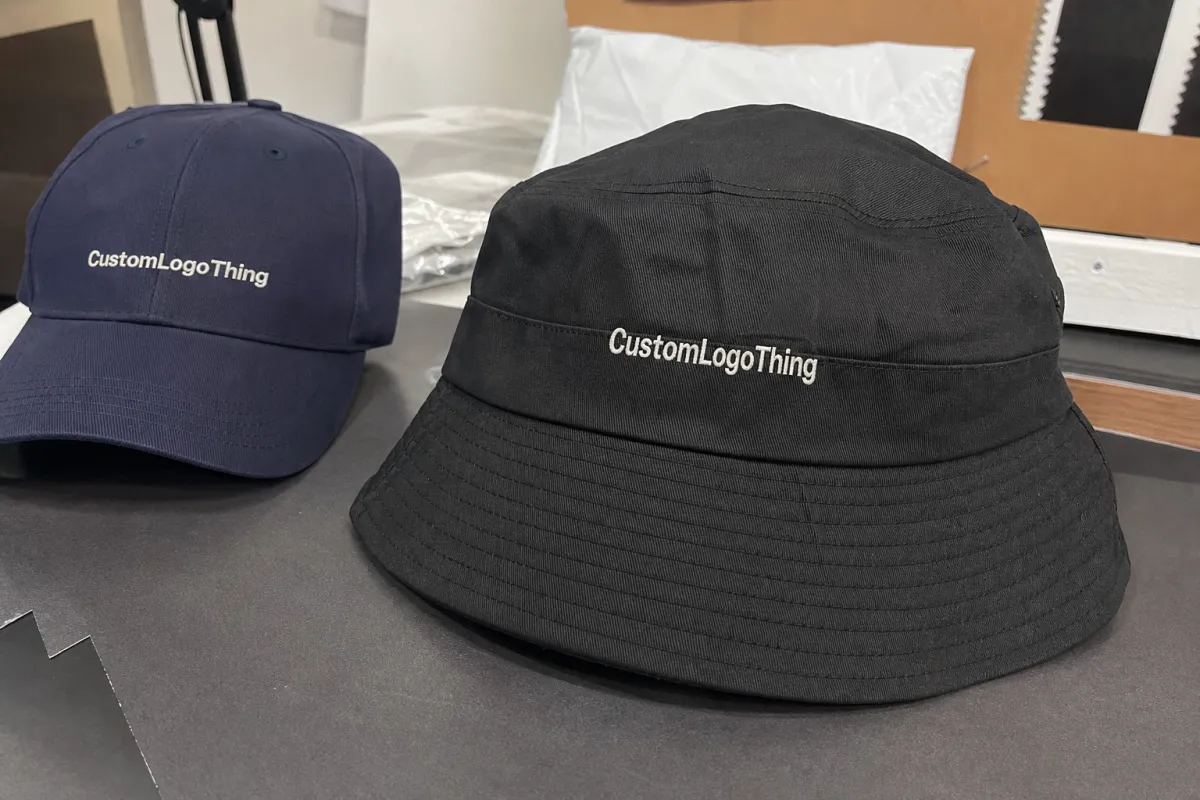
Custom Bucket Hats for outdoor event sponsors do more than fill a giveaway table. They shade faces, carry a logo in a place people actually see, and stay in use long enough to keep paying off after the music starts, the race begins, or the first round of networking wraps up. That combination is why they outlast a lot of cheaper promo items that look fine in a mockup and disappear once the event is over.
The strongest sponsor merchandise usually earns attention without forcing it. A bucket hat does that better than most headwear because the crown gives you a readable branding zone, the brim adds practical value, and the overall shape feels relaxed enough for outdoor settings. It can support a sponsor mark without turning the wearer into a walking banner, which is where many event giveaways go wrong.
From a buyer's perspective, the useful question is not whether the hat can be branded. It is whether the hat will still be worn after people leave the activation area. If the answer is yes, the sponsor gets a second exposure window for free. If the answer is no, the budget was spent on something that only worked during distribution.
Why sponsor bucket hats work so well outdoors
Outdoor events expose the weak points in nearly every giveaway category. Paper items bend, cheap sunglasses break, and small accessories vanish into pockets before anyone notices them. A bucket hat solves an actual problem: sun on the face, heat on the head, and the need for something comfortable enough to keep on for hours. That practical value is why the item gets worn instead of handed off.
They also perform well visually. The hat sits high enough to keep a logo in view, and the rounded surface reads clearly in photos, crowd shots, and sponsor recap content. For festivals, golf outings, charity walks, community fairs, beach activations, and race weekends, that matters. A well-placed mark on the front panel can stay legible from a distance, while a small side or brim detail can support the event identity without fighting the main sponsor.
Custom Bucket Hats for outdoor event sponsors work best when the design respects the hat's shape. One strong front logo, a secondary mark if the sponsor structure truly needs it, and a clean color combination usually outperform a crowded layout with too many competing messages. The hat should look like something people would wear on purpose, not something they tolerate because it was free.
“A sponsor hat earns its keep when the wearer keeps it on long after the photo moment is over.”
That simple test is useful. If the hat feels awkward, too hot, or visually overloaded, it will come off. Once that happens, the branding disappears with it. The best designs understand that comfort is part of visibility.
Process, proofing, and turnaround for sponsor orders
A sponsor order should follow a straightforward path: define the event need, confirm the quantity, gather logo files, choose a decoration method, approve a mockup, and move into production. The less improvisation in that sequence, the fewer surprises show up later. Most delays come from missing art, slow approvals, or last-minute design changes, not from the sewing itself.
The first thing to lock is the brief. Event date, venue, quantity, ship-to address, branding rules, and sponsor hierarchy need to be clear before mockups begin. If the event has multiple stakeholders, get the approval chain in writing. That sounds administrative, but it prevents a lot of circular feedback when one sponsor wants a larger logo and another wants different placement.
Artwork quality matters more than buyers sometimes expect. Vector files are the safest starting point because they keep logos sharp at different sizes. Clean SVG, AI, or PDF files are ideal. Low-resolution PNGs can work for quick references, but they often create extra time when the decoration team has to redraw edges, fix tiny type, or separate colors for patches and embroidery.
Turnaround depends on the decoration method and how locked the art is. A simple embroidered run on in-stock blanks can often land around 10-15 business days after proof approval. Woven patch programs usually need a bit more coordination, and mixed-logo or special-color orders can move into the 15-21 business day range. Rush timelines are possible in some cases, but they depend on blank availability, clean artwork, and quick sign-off from everyone involved.
Proofing deserves more attention than it usually gets. A flat digital proof is useful, but it does not show how the hat sits on a head, how the brim changes the line of sight, or how large the logo looks once the crown curves. Ask for front, side, and worn views if the order is important. On complex sponsor pieces, that extra review can prevent a lot of avoidable disappointment.
Shipping should be treated as part of production, not an afterthought. Event hats often travel with other merch, and they need packaging that holds shape in transit. Case counts, carton strength, and internal packing all matter if the shipment is moving through multiple hands. If the event kit includes other items, it can also help to coordinate with Custom Packaging Products so the full presentation arrives intact.
Before requesting pricing, send a clean spec sheet with the basics:
- Final quantity, including a small overage
- Event date and delivery deadline
- Vector artwork or the best available files
- Number of sponsor versions needed
- Decoration method preference
- Ship-to address and receiving notes
- Color, placement, and branding rules
That list saves time on both sides because it reduces the back-and-forth that usually slows down sponsor orders more than the manufacturing itself.
Cost, MOQ, and quote drivers buyers need to know
Pricing for sponsor hats is shaped by a few predictable variables: the blank style, decoration method, artwork complexity, quantity, and timing. A simple cotton or poly-cotton bucket hat might sit around $2.20-$4.50 per unit at higher quantities before decoration. Add embroidery, a woven patch, or special packing, and the number rises quickly. That is not markup for its own sake; it reflects labor, setup, and material cost.
Minimum Order Quantity affects the quote as much as the decoration itself. A 50-piece run carries more setup cost per hat than a 250-piece run, and a 250-piece run often prices much better than buyers expect. In many cases, moving from 100 to 250 units can lower the unit cost by 15-30 percent, depending on the build. After that, 500-plus quantities tend to unlock steadier savings, especially if the design stays consistent.
Decoration method is one of the biggest levers. Embroidery usually brings a premium feel and long wear life, but dense stitch counts add cost. Woven patches can hold fine detail better and often suit logos with smaller type. Printing can help when the art is colorful or the budget needs a lower entry point, though it usually has a softer appearance than embroidery or a woven patch. There is no single best option; the right choice depends on how the hat will be worn and how close people will be standing when they see it.
| Decoration option | Typical added cost per hat | Best use case | Tradeoff |
|---|---|---|---|
| Embroidery | $0.80-$2.25 | Simple sponsor logos, durable wear, premium appearance | Fine text and thin lines can lose clarity |
| Woven patch | $0.65-$1.80 | Sharper detail, smaller type, cleaner edges | Patch size must fit the crown without crowding |
| Printed patch | $0.45-$1.50 | Budget-conscious color art and simpler sponsor runs | Less texture and depth than embroidery |
| Printed panel or brim art | $0.90-$2.80 | High-visibility campaigns and larger graphics | More setup and more room for alignment issues |
Packaging and packing details can move the total more than some buyers expect. Polybags, size stickers, inserts, and carton labeling all add cost, though usually in small increments. If the hats are part of a larger event kit, it is worth deciding early whether they will ship bulk-packed or individually packed. Bulk shipping is cheaper, but individual packing can make distribution faster at the event and improve presentation.
A useful pricing habit is to ask for two or three spec levels in the same quote. For example, request a simple embroidered version, a patch version, and a slightly upgraded blank. That gives a cleaner view of where the money goes. A vague ask like “price on bucket hats” usually produces a vague answer. Specific specs produce useful numbers.
Material and decoration choices that protect sponsor visibility
Material choice changes comfort, structure, and how the hat ages in sun. Cotton twill is common because it feels familiar and soft, often in the 220-260 gsm range. Poly-cotton blends give a slightly lighter hand and dry a little faster. Polyester holds shape well in heat and can work better for active outdoor settings where sweat and weather are constant factors. For long wear, the safest answer is often a balanced blend with enough structure to keep the crown neat.
The brim is not just a style element. A very soft brim can look relaxed in a sample and weak in real use, especially if the event runs long or the weather gets humid. A firmer brim gives better shade and keeps the silhouette cleaner in photos. Crown depth matters too. Too shallow, and the fit can feel pinched. Too tall, and the hat can sit awkwardly with the logo farther from the eye line than expected.
Decoration choice should match the artwork, not just the budget. Embroidery is a good fit for clean, bold logos with limited color changes. Woven patches do better when the logo has smaller details or thin letterforms that would be hard to stitch cleanly. Print methods can be useful for multi-color sponsor graphics, but they need careful contrast so the mark still reads under bright sun. If the design depends on subtle gradients or tiny type, it may need simplification before production.
Placement affects readability more than many proofs suggest. The front crown remains the safest location because it is direct and easy to see. Side panel placement can support a secondary sponsor or event mark, but it should stay smaller. Brim branding can work for some activations, yet it has to be bold enough to survive curvature and movement. For most custom bucket hats for outdoor event sponsors, restraint creates better results than stacking on every available surface.
Durability should be checked in the sample stage, not after the order ships. Thread tension, patch adhesion, seam finish, and sweatband quality all affect how the hat feels after an hour outdoors. Good suppliers check stitch cleanliness, logo alignment, and color consistency before packing. If the order includes a dyed hat body, colorfastness should be considered too, especially when the event takes place in heat or direct sun for long stretches.
If the hats are part of a larger branded package, it can make sense to coordinate paper inserts or event cards with FSC-certified stock. That does not change the hat itself, but it keeps the whole kit visually aligned. It also helps if the rest of the package uses the same tone and color system. For broader packaging needs, Packaging Association references are useful when a campaign includes multiple physical components.
Step-by-step ordering plan for event teams
The cleanest ordering process starts with the event conditions, not the hat style. A coastal festival, a charity golf outing, and a summer 5K all place different demands on comfort, visibility, and brand presentation. If the hat has to survive long sun exposure, it needs a different material and decoration strategy than one used for a short staff welcome kit.
- Define the use case. Decide whether the hat needs to feel premium, relaxed, utility-driven, or highly visible.
- Confirm quantity tiers. Lock sponsor allocations first, then set staff, VIP, and spare quantities.
- Choose a base color. A single strong base color usually outperforms trying to mirror every sponsor logo exactly.
- Collect artwork early. Get vector files, brand rules, and sponsor hierarchy notes before design starts.
- Review the proof on the hat shape. Check front, side, and worn views rather than only a flat layout.
- Confirm packing and delivery. Decide whether hats ship bulk, polybagged, or inside a larger event kit.
It also helps to confirm the final logo size before production begins. A size that looks elegant on a screen may need adjustment once it wraps the crown. Curved surfaces change spacing, and fine text can become crowded faster than expected. That is not a flaw in the process; it is just how hats behave.
For event teams building a larger merchandise set, think about the kit as one system. Hats, boxes, inserts, and other promo pieces should share a visual logic so the sponsor story feels deliberate. Coordinating custom printed boxes or other branded packaging with the hat order can make the whole activation feel more considered without adding unnecessary complexity.
Common mistakes that waste budget and hurt the giveaway
The most common mistake is overcrowding the hat. Buyers want every sponsor to feel included, but too many logos create a cluttered result that nobody wants to wear. If the proof already looks busy, the production version will not improve it. One strong mark and one supporting element usually beat five tiny logos fighting for space.
Late approvals are another costly habit. A design that sits in review for several days can push a production slot out of reach, especially if the blanks need to be reserved or the artwork needs cleanup. Missing vector files cause the same delay. So do brand color changes that arrive after the proof has already been built.
Underordering is a quiet budget problem. Event teams often discover, after the hats are already finished, that they need a few more for VIPs, replacements, or sponsor requests. A small overage is usually cheaper than a second run. Ordering exactly to the spreadsheet may feel disciplined, but it often creates a more expensive follow-up later.
Another avoidable error is choosing a style that looks good under office lighting and loses its appeal outdoors. Heat matters. So does sweat, wind, and glare. A hat that traps too much heat or sits too loosely may be abandoned halfway through the event. Once people stop wearing it, the sponsor loses visibility and the giveaway loses value.
Finally, some teams forget to check the hat in motion. A logo can look clean in a still mockup and still read poorly once the hat bends, moves, or gets adjusted by the wearer. That is why shape, placement, and contrast should be reviewed together. A good proof should answer the real-world question: will this still look right after a few hours outside?
Expert tips for better sponsor ROI and smoother approvals
If the sponsor list is complicated, set a hierarchy early. The lead sponsor should own the strongest placement, while secondary sponsors stay smaller and cleaner. Equal sizing sounds fair, but it often makes the hat harder to read. Clear hierarchy usually leads to fewer revisions and a better-looking final piece.
Use contrast instead of chasing exact color matches across every logo. A dark mark on a light hat, or a light mark on a darker hat, usually gives better outdoor readability than trying to preserve every brand color at the cost of legibility. Bright sunlight flattens subtle combinations. Good contrast survives that better than delicate shade matching.
Ask for mockups from three angles whenever possible: front, side, and worn. The flat proof is useful, but the worn view is the honest one. It shows the crown height, brim curve, and real logo placement at a scale the sponsor can understand. If a logo disappears in the worn view, it needs to be reconsidered before production starts.
“A proof that looks polished on a screen and awkward on a head is not a finished design. It is a warning.”
Keep the rest of the event kit visually aligned. Shirts, signage, lanyards, and hats should feel like they belong to the same program even if they are produced separately. That consistency helps the sponsor read the event as organized and intentional, which is often part of the return they are buying. The hat works harder when it supports the same visual language as the rest of the activation.
The strongest ROI usually comes from clean systems, not flashy extras. One base style, one approval path, one packaging plan, and one clear logo rule make the process easier to manage. That approach also keeps the final result more wearable, which is the real test for outdoor sponsor merchandise.
Next steps to lock specs and request a real quote
Start by collecting the facts that actually change pricing and production: quantity, event date, delivery location, sponsor count, artwork files, decoration method, and packaging requirements. Once those pieces are clear, set a target unit budget before asking for pricing. Without a budget range, the quote tends to drift upward while everyone tries to be helpful.
Request at least two versions of the same concept. A basic embroidered option and a patch option are often enough to show the tradeoffs. If the event has a premium audience, ask for one upgraded blank and one standard blank so you can see how much feel and finish matter relative to the spend. That comparison is often more useful than a single number.
Build in proof time and production time separately. Approval delays are often the real schedule risk, not the manufacturing line. If sponsors may request edits after seeing the proof, keep that possibility in mind before setting the event deadline. A slight buffer is cheaper than paying for urgency later.
For larger programs that include merchandise and presentation pieces, the hats should be planned alongside the rest of the package rather than as a separate afterthought. That way the visual system stays consistent and the distribution process stays easier to manage. If needed, branded packaging options can support the final presentation without making the kit feel overdesigned.
Handled well, custom bucket hats for outdoor event sponsors are practical, visible, and easy to wear. The best orders keep the spec tight, the artwork clean, and the approval path short. That is usually what separates a useful sponsor item from a forgettable one.
How many custom bucket hats for outdoor event sponsors should I order?
Start with sponsor commitments, staff needs, and a modest overage for replacements. A 10-20 percent buffer is common when the hats are being handed out at an event with moving attendance or VIP lists. If the headcount is still uncertain, avoid overbuying just to lower the unit price.
What decoration method works best for sponsor bucket hats outdoors?
Embroidery is dependable for simple logos and repeated wear, while woven patches handle fine detail better. Printed options can be useful for colorful artwork or tighter budgets, but they need good contrast to stay readable in bright sun. The best choice depends on logo complexity, visibility distance, and the expected amount of wear.
How long do custom bucket hats for outdoor events usually take?
Simple runs can finish in about 10-15 business days after proof approval if the blanks are in stock and the artwork is ready. More complex programs, especially those with multiple logo versions or special packing, can take 15-21 business days or longer. Proofing is often the longest part of the schedule.
What affects the price of sponsor bucket hats most?
Fabric type, decoration method, quantity, and artwork complexity drive most of the cost. More stitch density, more logo versions, and more packing steps usually raise the price. Shipping speed can also matter, especially if the order is tied to a firm event date.
Can different sponsors get different logos on the same bucket hat order?
Yes, but mixed-logo runs require tighter artwork control and can increase setup work. They are easiest to manage when the hat style stays the same and only the sponsor mark changes. If there are many versions, ask whether grouped designs are more efficient than fully custom individual runs for custom bucket hats for outdoor event sponsors.

