Buyer Fit Snapshot
| Best fit | Custom Canvas Tote Bags with Logo projects where brand print, material claims, artwork control, MOQ, and repeat-order consistency need to be specified before quoting. |
|---|---|
| Quote inputs | Share finished size, material target, print colors, finish, packing count, annual reorder estimate, ship-to region, and any compliance wording. |
| Proofing check | Approve dieline scale, logo placement, barcode or warning zones, color tolerance, closure strength, and carton packing before bulk production. |
| Main risk | Vague material claims, crowded artwork, missing packing details, or unclear freight terms can make a low unit price expensive after revisions. |
Fast answer: Custom Canvas Tote Bags with Logo: Production Spec, Color Control, and Delivery Risk should be specified like a repeatable production item. The safest quote records material, print method, finish, artwork proof, packing count, and reorder notes in one written spec.
Production checks before approval
Compare the actual filled-product size with the drawing, then confirm tolerance on folds, seals, hang holes, label areas, and retail display edges. Reserve space for logos, QR codes, warning copy, and material claims before decorative graphics fill the panel.
Quote comparison points
Review material grade, print process, finish, sampling route, tooling charges, carton quantity, and freight assumptions side by side. A quote is only useful when the supplier can repeat the same color, closure quality, and packing count on the next order.
Custom canvas tote Bags With Logo do more than carry a purchase from the counter to the car; they keep moving through daily life after the first handoff is over. That lingering visibility is a big reason they keep showing up in branded packaging programs, retail packaging kits, event giveaways, and product packaging bundles that need to feel more substantial than a paper bag or a thin poly sleeve. A good tote does a quiet but useful job: it holds up in real use, keeps the logo readable, and gives the customer something they are actually willing to reuse.
That usefulness matters more than people sometimes admit. A plain reusable bag can carry items, sure, but custom canvas tote bags with logo add a stronger sense of finish, a cleaner package branding moment, and a more polished first impression. The trick is balancing fabric weight, print method, size, and lead time so the bag supports the brand instead of fighting it. If your team is comparing presentation formats, it helps to review the broader Custom Packaging Products lineup before you settle on a tote spec.
Most buyers are asking a practical question, even if they phrase it differently: how do custom canvas tote bags with logo look premium enough for the brand while still fitting the budget and deadline? That question sits at the center of this post, along with the production details that matter in real orders, like stitch quality, imprint placement, minimums, file prep, and freight timing. There is a real difference between a tote that simply exists and one that earns repeat use, and that difference usually comes down to a few decisions made before production starts.
A good tote should feel like part of the package, not a loose add-on. If it can survive repeat use and still keep the logo clear, it is doing real branding work.
Custom Canvas Tote Bags With Logo: Why They Stand Out
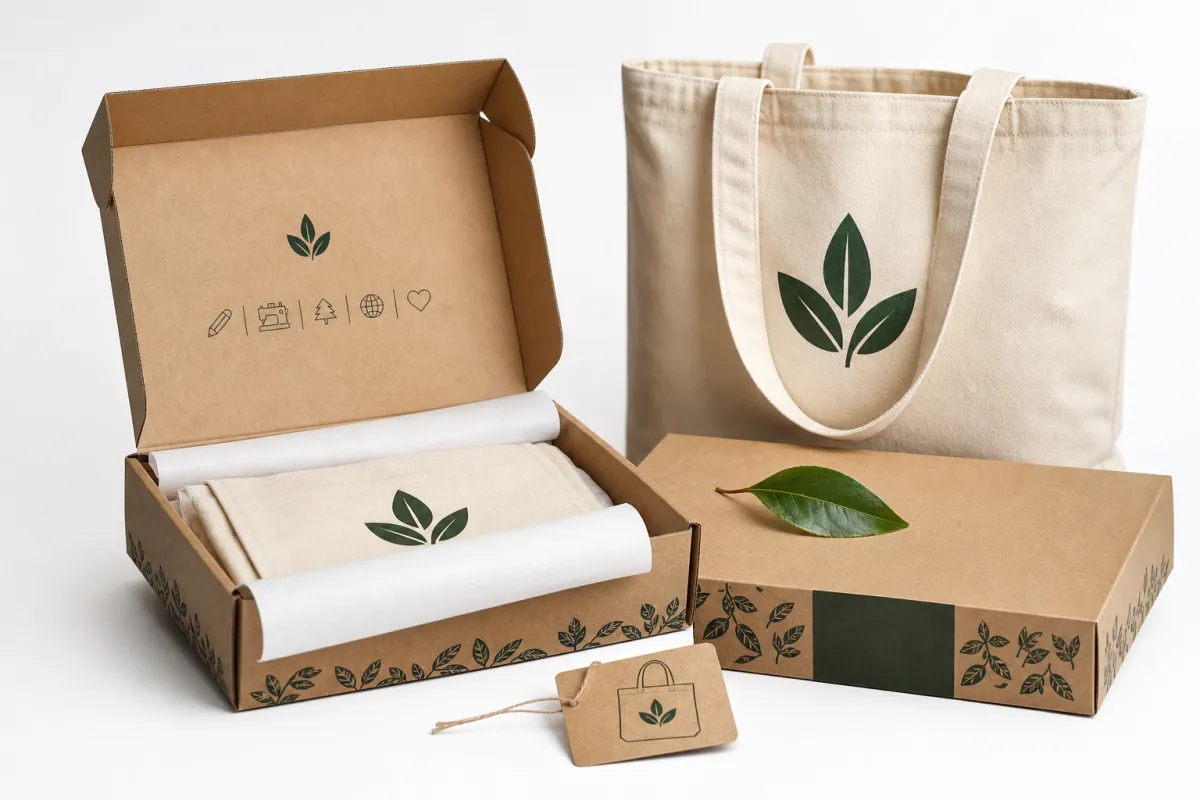
Custom canvas tote bags with logo stand out because canvas has a grounded texture that feels more substantial than thin polypropylene or a light promotional poly bag. That texture changes the whole impression. A tote made from canvas can support a simple one-color logo and still look deliberate, or it can carry a more detailed design and feel retail-ready rather than giveaway-only. For many brands, that is the point: custom canvas tote bags with logo are not just carriers, they are part of the experience the customer takes home.
Think about a trade show pickup, a boutique handoff, or a gift-with-purchase bundle. If the bag feels flimsy, the presentation falls apart pretty fast. If it has structure, a neat imprint, and handles that do not twist or thin out under load, people notice. Custom canvas tote bags with logo also get reused more often than single-use packaging, which means the logo keeps showing up in public spaces, at school, in the office, and on the train. That repeated visibility is why many teams treat the tote as a marketing asset rather than a disposable container.
From a materials point of view, canvas works because it offers body without becoming overly rigid. It folds, but it does not collapse into a wrinkled sheet the way lighter fabrics often do. That makes it useful for package branding, retail packaging inserts, employee welcome kits, and events where the presentation has to feel organized. It also pairs well with other branded packaging items, including custom printed boxes, tissue, inserts, and product packaging sleeves, because the visual language stays cohesive.
The buyer question behind custom canvas tote bags with logo is usually not whether the bag can be printed. It is whether the tote will hold up, look good after repeated use, and fit the budget without cutting corners on the details people actually see. A tote that handles groceries one week and event materials the next gives the brand a long tail of exposure without recurring packaging cost every time it is used.
In practice, canvas is a smart choice for brands that want the bag itself to feel like part of the purchase. It can support minimal logos, bold typography, line art, or a clean retail mark depending on the mood you want. Heavy branding is not always stronger. A crisp logo on a well-proportioned tote often looks better than a crowded graphic that fights the fabric. That kind of restraint can be harder to choose, but it usually pays off.
There is also a tactile piece here that gets overlooked. Customers feel the bag before they inspect the logo. If the weave has some substance, the seams sit flat, and the handles feel secure, the brand comes across as careful. If the bag is soft and limp, the whole thing feels a bit rushed, even if the artwork itself is nice.
How Custom Canvas Tote Bags With Logo Are Made
Custom canvas tote bags with logo usually start with a cut-and-sew construction. The supplier cuts the fabric panels, stitches the side seams and bottom seams, attaches the handles, then checks the bag for alignment, stitch consistency, and imprint readiness. That sounds simple, but the final result depends on how each stage is controlled. Even small variations in seam placement or handle attachment can shift the print area enough to change the whole look of the bag.
The logo application is where buyers usually need the most guidance. Screen printing remains common because it handles bold graphics well and keeps unit cost manageable for larger quantities. Heat transfer can work for more detailed art or shorter runs, though the feel on canvas depends on the film, the press settings, and the texture of the fabric. Embroidery gives a premium finish, but it adds cost and is better suited to simple marks with clear shapes. Woven labels or sewn-on patches can also work, especially for retail packaging programs where tactile detail matters, but those methods add steps and usually increase lead time.
Fabric weight and weave shape the print result as much as the decoration method does. A lighter promotional tote might use a thinner canvas or canvas-like material, which lowers cost but can look softer and less structured. A heavier retail-ready bag often uses denser canvas, tighter weave, and stronger stitching so the bag keeps its form under repeated loading. That difference matters because custom canvas tote bags with logo are often judged by touch before the logo is even read.
Artwork prep is another point where real-world production can go right or wrong. Vector files are the safest starting point because they preserve clean edges and scale without losing sharpness. The supplier also needs to know the exact imprint area, whether the bag has a gusset, how close the design sits to the seam, and whether the handles could interfere with the visual placement. Shrinkage is not dramatic in every run, but it can affect the final fit enough that artwork needs a little breathing room around the edges.
A good supplier checks consistency before the order is packed out. That means verifying that the logo is centered, the handles are even, the seams are secure, and the print is aligned on the same spot from bag to bag. For custom canvas tote bags with logo, consistency is the difference between a branded item that looks assembled with care and one that looks rushed. Nobody wants to open a carton and find the design drifting left on every third bag.
The best production teams also think ahead about use conditions. If a bag is meant to hold catalogs, glass bottles, boxed merchandise, or heavier gifts, the construction should reflect that. Extra stitching at the stress points, stronger handles, and a reinforced bottom can make the tote feel materially better without changing the visual identity at all. That is a good reminder that custom canvas tote bags with logo are not just printed fabric; they are functional packaging, and function is part of the brand message.
Custom Canvas Tote Bags With Logo Pricing, MOQ, and Unit Cost
Pricing for custom canvas tote bags with logo usually comes down to a handful of variables: fabric weight, bag size, print colors, imprint locations, handle style, and finishing details such as lining, pockets, or closures. A small tote with a single-color logo and basic stitching can land in a very different price bracket from a heavier, retail-style bag with embroidery, inner pockets, or a zipper top. Buyers sometimes compare quotes without realizing the specs are not actually the same, and that is where pricing confusion starts.
Minimum order quantity also shapes the decision. In many cases, the unit cost drops as the quantity rises because setup, labor, and print prep spread across more bags. That does not mean the lowest per-unit cost is always the smartest move. If the order is too large for the campaign, the tote inventory can sit in storage and lose value. If it is too small, setup and freight can make the quote look high even though the production itself is efficient. For custom canvas tote bags with logo, the right MOQ is the one that fits the real use case, not just the neatest spreadsheet number.
Decoration complexity matters more than many buyers expect. One-color screen printing is usually simpler than a multi-color design that needs tight registration. Embroidery adds thread, machine time, and digitizing work. A print on both sides can also increase cost, especially if the artwork differs from one side to the other. If the logo has very fine details, the supplier may suggest simplifying the artwork so the mark reproduces clearly and does not blur into the weave.
There are also hidden cost points worth asking about early. Setup fees, proof charges, sample charges, packaging style, freight method, and rush service can all change the total number. Sometimes the bag price looks attractive, but the overall landed cost rises once shipping and preparation are added. A buyer comparing custom canvas tote bags with logo should always ask for the same spec across each quote so the comparison is meaningful.
Here is a practical way to think about the market ranges. These are broad planning numbers, not fixed quotes, but they help set expectations for custom canvas tote bags with logo and related retail packaging work.
| Bag Type | Typical Spec | Decoration | Common Planning Range | Best For |
|---|---|---|---|---|
| Promotional canvas tote | Light to midweight canvas, basic stitching | One-color screen print | About $1.50-$3.50 each at higher quantities | Events, handouts, broad distribution |
| Midweight branded tote | Heavier canvas, reinforced handles | Screen print or transfer | About $3.00-$6.50 each depending on details | Retail packaging, launches, client gifts |
| Retail-ready tote | Heavy canvas, lining, gusset, premium finish | Embroidery, patch, or multi-step print | About $6.00-$12.00+ each | Premium product packaging, boutiques, resale |
These ranges shift with quantity, artwork, freight distance, and finishing details, so they should be used as a starting point rather than a promise. Still, they give a useful picture of how custom canvas tote bags with logo behave in budget planning. A buyer who wants a simple, useful giveaway can usually keep costs lean. A buyer who wants the bag to function as premium branded packaging should expect to pay more for the materials and the extra labor that make the bag feel finished.
Low price does not always mean low total cost, but it can mean low durability. If a tote tears at the handle or the print cracks after a few uses, the brand loses value. A slightly better construction often pays for itself in perceived quality and reuse. That is a trade worth making more often than not.
Production Process and Timeline for Custom Canvas Tote Bags With Logo
The production path for custom canvas tote bags with logo usually starts with the inquiry. A buyer sends the target quantity, intended use, dimensions if known, logo files, and timeline. From there, the supplier confirms the material, construction, decoration method, and packaging instructions. Once the spec is locked, the artwork proof is prepared. If the order is straightforward, a digital proof may be enough. If the bag is highly visible, has tight placement tolerances, or uses a complicated finish, a physical sample can save time and avoid expensive corrections later.
For stock totes with custom print, turnaround can be relatively efficient because the bag body already exists and the supplier is mainly managing print prep and finishing. Fully custom sewn options take longer because the factory has to manage more steps, more material handling, and sometimes more sourcing. That difference matters for launch dates, trade show schedules, and retail packaging deadlines. Custom canvas tote bags with logo are easy to underestimate because the product looks simple, but the chain of steps behind a good tote is not trivial.
Delays often happen in the same predictable places. Artwork may not be print-ready. Brand colors may need extra confirmation. The imprint area may need adjustment after the proof is reviewed. Fabric stock can also slow things down if the exact weight or color is not already available. From a buyer's perspective, the best defense is to approve the spec early and keep the file exchange tight. Every extra round of revision adds time, even when the order itself is not especially complex.
Shipping is part of the timeline too, and it is often overlooked. A well-run production schedule can still miss a deadline if freight is booked too late or if the delivery destination requires more transit time than expected. Large orders of custom canvas tote bags with logo may need more pallet space, more handling, or a different carrier class than a smaller carton shipment. Build in buffer time for approvals, production, and transit so the tote arrives before the event rather than after it.
For planned events or retail launches, I usually recommend thinking in three windows: proof approval, production, and shipping. If any one of those windows gets squeezed, the rest of the schedule feels it. A one-week delay on artwork might sound harmless, but it can collide with carton packing, warehouse booking, or receiving schedules on the other end. That is why early specification matters so much for custom canvas tote bags with logo.
If the tote is part of a broader package branding program, align it with the rest of the packaging stack at the same time. Matching the tote to labels, inserts, and Custom Packaging Products keeps the visual language consistent and avoids the common problem of one item feeling polished while the rest of the kit feels improvised.
There is also value in checking testing and sourcing standards if the order is sensitive or carries heavier product loads. Packaging and transit testing references from groups like ISTA can be useful for distribution planning, while sourcing frameworks from FSC may matter if the broader program includes fiber-based components and documented material claims.
Key Factors That Affect Quality and Performance
Fabric weight is usually the first quality checkpoint for custom canvas tote bags with logo. A lighter fabric can be fine for event giveaways, but it may not keep its shape well once it is loaded with catalog stacks, boxed gifts, or heavier merchandise. A heavier canvas provides more structure, better opacity, and a more premium hand feel. The right choice depends on the carrying load and the impression the brand wants to make. There is no universal best; there is only the spec that fits the job.
Handle construction matters just as much. Longer handles make shoulder carry easier, while shorter handles can suit hand-carry or compact tote styles. Reinforcement at the handle attachment points is critical, especially if the bag is expected to carry multiple pounds repeatedly. Cross-stitching, bar-tacking, and wider seam allowances can make a noticeable difference in longevity. If the bag is part of retail packaging or employee kits, these details become part of the perceived quality immediately.
Logo placement can make or break the visual balance. A centered mark on a flat front panel looks clean and easy to read. On a gusseted tote or a bag with a seam running close to the print zone, the artwork may need to move slightly so it does not warp around the construction. That is why custom canvas tote bags with logo should never be ordered on artwork assumptions alone. The bag pattern matters, and the print area should respect it.
Functional features also influence the final result. Gussets add capacity. Inner pockets help organize smaller items. Linings can improve durability and make the interior feel more finished. Closures, whether magnetic, zippered, or simple tie-top options, change the bag's use case. A tote meant for trade show literature does not need the same spec as a tote that will sit in a boutique as a resale item. The right feature set should follow the actual application, not the other way around.
For quality control, a supplier should check stitch alignment, color consistency, print sharpness, and handle symmetry. That sounds basic, but a surprising number of rejects come down to small misalignments that were easy to catch earlier. With custom canvas tote bags with logo, a clean visual line across multiple units is a strong signal that the factory has control over the process.
Quality also connects to compliance and testing expectations. If the tote is carrying heavier merchandise, ask whether the construction has been evaluated against common transit stress conditions or internal pull expectations. The exact test method depends on the program, but the mindset should be practical: will the tote survive the actual use pattern without scuffing, tearing, or distorting the logo?
One simple rule: if the bag feels thin at the sample stage, it will not feel better after production. Buyers sometimes hope print will make a light tote feel premium, but the fabric is what users touch first. Custom canvas tote bags with logo work best when the physical material supports the visual branding, not when the print has to carry everything on its own.
Step-by-Step Ordering Guide for Custom Canvas Tote Bags With Logo
Start with the use case. That sounds obvious, but it is the step that most often gets skipped. Is the tote for a retail handoff, a trade show, a welcome kit, a membership item, or a product packaging bundle? The answer determines the size, fabric weight, handle length, and decoration style. A tote for light literature can be simpler than one meant to carry boxed merchandise or samples. Custom canvas tote bags with logo should be specified around the real carry load, not just a brand preference.
Next, choose the construction details. Confirm the width, height, and gusset depth if needed. Decide whether the bag should be flat, boxed, lined, or reinforced. Pick the handle style and color. If the brand wants a natural canvas look, that should be clear from the start. If it needs a dyed body to match package branding, the supplier needs that information before proofing begins. These choices have a direct impact on pricing and turnaround.
Artwork comes after that, and file quality matters. Vector-based files are best for custom canvas tote bags with logo because they keep edges crisp and scale correctly. Send the exact logo version you want printed, not a screenshot or a low-resolution export if you can avoid it. Include Pantone references if color matching matters, and be honest about any flexibility on shade. A little clarity here prevents a lot of back-and-forth later. If the artwork is complex, ask for the supplier's preferred format before sending it in. That saves time.
If the order has any pressure on quality, request a proof or sample. A digital proof can catch placement issues, while a physical sample can reveal scale, thread tension, and print feel. For custom canvas tote Bags with Logo That will be used in retail packaging or high-visibility events, a sample is often worth the extra step. It is much easier to adjust a proof than to correct a full production run.
After approvals, finalize the quantity, ship-to address, cartons, and labeling instructions. If the bags need to arrive in retail packs, master cartons, or unit folds, say so clearly. Some teams forget to specify how the totes should be packed, and that can create a mess at receiving. A complete order note should include the timeline, the delivery destination, and the person who will approve any last-minute substitution. That level of detail sounds small, but it prevents most avoidable problems.
For buyers building a broader branded packaging program, custom canvas tote bags with logo should be coordinated with labels, inserts, and Custom Packaging Products so the final handoff feels intentional. A tote that matches the rest of the package branding does more than carry merchandise; it reinforces the brand system every time it is used again.
Common Mistakes and Expert Tips for Custom Canvas Tote Bags With Logo
The most common mistake is chasing the lowest quote without checking the actual spec. Two bags can look similar in a photo and behave very differently in use. One may have thinner fabric, weaker stitching, or a less durable print method. Another may cost a little more but hold up far better in daily use. With custom canvas tote bags with logo, that difference can show up quickly in the field, especially if the tote is carrying bottles, samples, or heavier printed material.
Another frequent issue is weak artwork. Low-resolution logos, file formats that do not scale well, or vague color instructions can slow the entire job. Even worse, they can produce fuzzy edges or off-brand colors that undermine the whole package. A clean logo file is not a nice-to-have; it is part of the production brief. If the supplier has to guess at the artwork, the result usually reflects that guess.
Design overload can also backfire. Too many print colors, small text, and crowded layouts often make the tote harder to read and more expensive to decorate. A simpler mark often works better on canvas because the weave already adds visual texture. Strong typography, a bold icon, or a clear wordmark usually gives custom canvas tote bags with logo a more confident look than a busy composition that competes with the fabric.
Here is the practical rule I like most: match the bag to the moment. Event giveaways can be lighter and simpler. Retail packaging and premium gifting usually deserve heavier canvas, stronger stitching, and a more refined decoration method. Employee kits often sit somewhere in the middle. If the tote is likely to be reused regularly, invest in the physical construction first and the visual polish second. The print can only look as good as the bag underneath it.
Expert tip: keep the logo bold, readable, and centered whenever possible. It is better for a tote to be clean and confident than overly detailed and hard to read from a few feet away. That is especially true for custom canvas tote bags with logo used in public settings, where quick recognition matters.
Another tip is to think about the brand mood. Natural canvas gives a warm, craft-forward feel. Dark canvas can feel more upscale and understated. Bright ink pops differently depending on the base color. In packaging design, those choices shape how the whole kit feels, especially if the tote sits next to custom printed boxes or other product packaging elements. The bag does not exist alone; it contributes to the full visual story.
Finally, plan for reorders. If the tote performs well, people will ask for it again. That is a good sign, and it is also why documenting the final spec matters. Keep the approved artwork, fabric description, print notes, and carton instructions together so the next order of custom canvas tote bags with logo can move faster and stay consistent. That small bit of discipline saves a lot of hassle later.
Expert Tips and Next Steps for Custom Canvas Tote Bags With Logo
The smartest next step is to build a short internal checklist before asking for quotes. List the audience, carry load, deadline, target budget, logo file status, and whether the tote needs to feel promotional or retail-ready. That five-minute exercise makes the quote request much sharper and usually gets you better answers back. Custom canvas tote bags with logo are easier to spec correctly when the buyer already knows what the bag needs to do.
Then compare two or three options using the same specification. Same fabric weight, same dimensions, same print count, same delivery terms. Without that discipline, price comparisons are mostly noise. The cheapest offer may be the one with the thinnest material or the least durable decoration, while the higher quote may include the finish that actually supports the brand. For custom canvas tote bags with logo, value lives in the details that are easy to miss.
If the tote will be used for high-visibility gifting or retail, order a pre-production sample or a close proof before the full run starts. That small investment can save an entire order from a placement mistake or a finish you did not want. It also gives the team a chance to feel the fabric, check the handle drop, and see how the logo sits on the bag in real life rather than on screen. Those are the checks that matter most.
Keep the briefing clear. A good supplier works faster when the ask is specific: quantity range, logo files, intended use, packaging expectations, and delivery date. That kind of clarity supports not only custom canvas tote bags with logo, but the rest of your branded packaging and package branding plan as well. If the tote is part of a larger launch, align it with the rest of the presentation so every touchpoint feels like it belongs to the same brand system.
If you are revisiting your current tote spec, this is the right moment to tighten the artwork, confirm the fabric weight, and map the deadline backward from the delivery date. The goal is simple: have custom canvas tote bags with logo arrive ready to use, with the print centered, the construction solid, and the timeline under control. If you need to expand the program, review Custom Packaging Products alongside the tote so the full order works as one coordinated package instead of a series of disconnected parts.
Custom canvas tote bags with logo work best when they feel honest to the material and clear in their branding. Get the structure right, Choose the Right decoration method, and give production enough time to do the job properly. Then document the approved spec so the next order follows the same standard, because that is what keeps the tote useful, consistent, and worth carrying again.
Frequently Asked Questions
What is the best fabric weight for custom canvas tote bags with logo?
Use a lighter weight for giveaways and event handouts where cost matters most. Choose a heavier canvas when the tote needs structure, repeated reuse, or product-carrying strength. The best choice depends on the intended load, because the right balance prevents sagging and improves perceived quality. A tote that is meant to carry a few brochures can be much lighter than one expected to hold bottles or boxed goods.
How much do custom canvas tote bags with logo usually cost?
Pricing depends on fabric weight, size, print method, color count, and order quantity. Unit cost usually drops as quantity increases, while setup and freight can matter more on smaller orders. Ask for quotes using the same spec so you can compare true value rather than just headline price. If one quote is much lower, check whether the bag construction or decoration method changed.
What is the typical turnaround for custom canvas tote bags with logo?
Turnaround depends on whether you are ordering stock totes with custom print or a fully sewn custom bag. Simple stock runs can move faster, while custom construction, color matching, and approval cycles add time. For launch dates, trade shows, or retail releases, it is wise to leave room for proofing, production, packing, and transit. Rushing the timeline usually creates problems in the proof stage or in freight booking.
Can I use embroidery on custom canvas tote bags with logo?
Yes. Embroidery can give the tote a more premium finish, especially when the logo is simple and the brand wants a tactile detail. It is usually a better fit for clean marks than for fine text or very small artwork, since dense detail can lose clarity on canvas. If the logo is intricate, screen print or transfer may reproduce it more clearly.
What file type should I send for custom canvas tote bags with logo?
Vector artwork is the safest choice because it stays sharp at any size and gives the supplier clean edges to work from. If the logo has exact color requirements, include Pantone references and send the final approved version rather than a screen capture or a low-resolution file. If there is any doubt, ask for the supplier's preferred format before you submit the art. That little step can save a round of revisions.

