The custom clothing store paper bags Sample Order Checklist is less about paperwork than risk control. A quote can tell you the unit price and a rough lead time. It cannot tell you whether the bag will sag under folded denim, crack on the crease, or arrive with a logo that looks three shades darker than the proof. For clothing stores, the sample has to prove structure, print quality, handle strength, and presentation under real store conditions. A bag that photographs well but fails at checkout is just expensive decoration.
That is why buyers who sell apparel, accessories, and gifts usually treat the sample as a small production run, not a courtesy item. The goal is to catch issues before they become carton after carton of waste. A good sample also reveals something a spec sheet cannot: how the packaging feels in the hand. That matters more than many suppliers admit, because customers judge the store before they judge the garment.
Why a sample bag tells you more than a quote
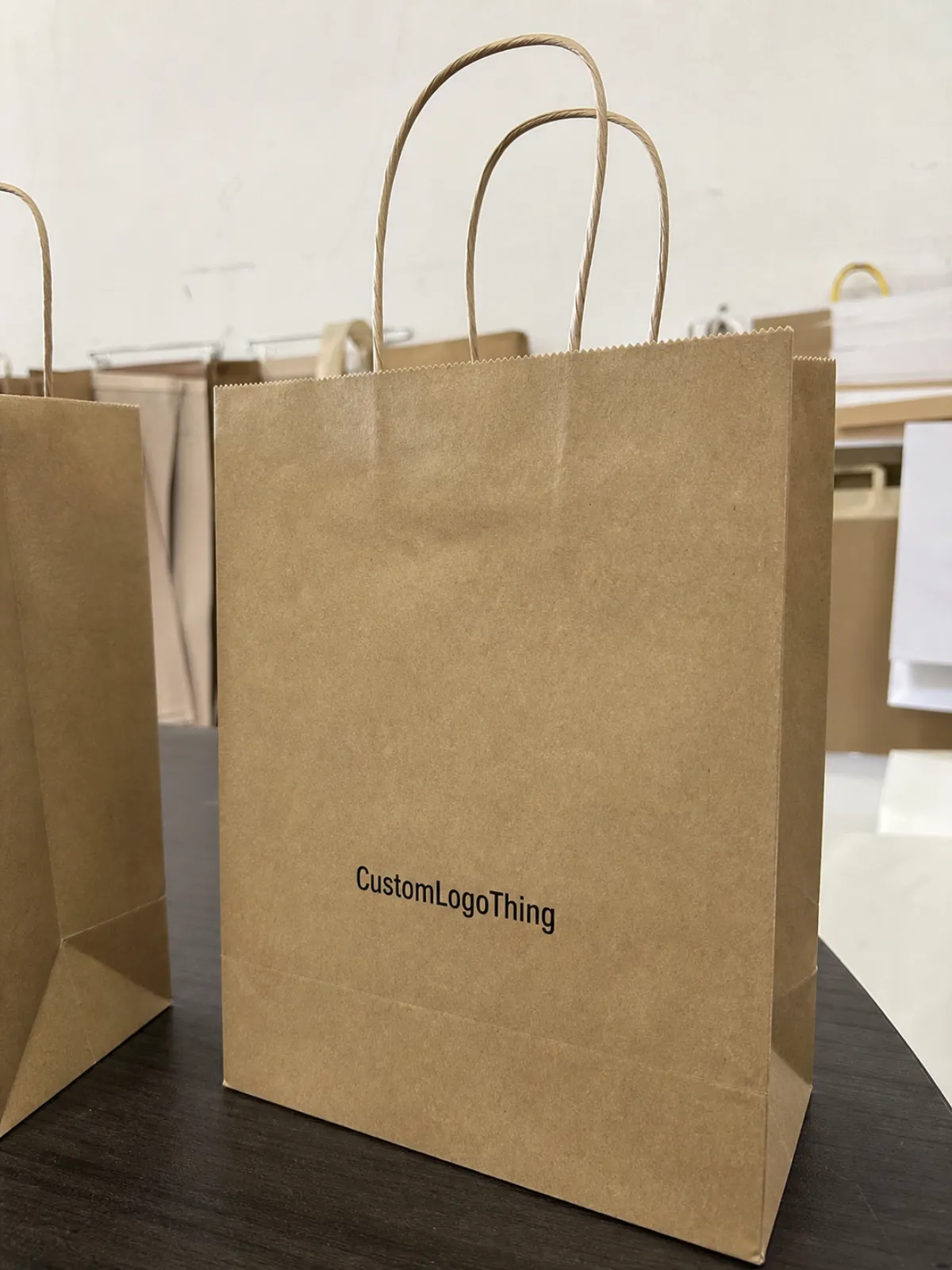
Retail packaging has a way of exposing weak assumptions quickly. A bag may look fine in a render and still fail at the counter because the bottom panel bows, the handles sit too low, or the side gussets are too narrow for folded items. The sample shows those problems early, while the order is still cheap to correct. That is the practical value of a checklist built around a sample order rather than a price-only comparison.
For clothing stores, the difference between a usable bag and an annoying one is rarely dramatic. It is usually a few millimeters of width, a slightly heavier paper stock, or a handle patch that spreads the load better. Those small changes shape the whole buying experience. A shopper carrying a sweater, jeans, and a small accessory should not feel the bag stretching with every step.
Sample review also protects repeat orders. If your store relies on seasonal drops or a consistent branded look, the second and third production runs need to match the first. Suppliers sometimes get a sample right once and then drift on bulk runs if the spec is not locked tightly. A reliable checklist forces the conversation back to measurable details: dimensions, paper weight, print method, and finishing tolerance.
There is another reason to insist on a sample. Shopping bags sit at the boundary between merchandising and operations. Staff use them all day, customers carry them home, and every weak seam becomes visible in the first week of use. The sample lets you test the bag in the real chain of events, not in a showroom version of it.
Practical test: load the sample with the heaviest typical purchase from your store, then walk it around for a few minutes. If the top curls, the handle bites into the hand, or the base tilts, the design still needs work.
Pick the right bag style for your store mix
Flat paper bags are the least expensive option, but they offer the least support. They work for lightweight items, folded tees, or simple add-ons. Once the basket includes denim, knitwear, boxed goods, or multiple items, flat bags start to show their limits. They are easy to store and simple to print, yet they do not project much structure.
Gusseted bags give you more room without jumping to a full square-bottom build. They are a good middle ground for smaller apparel orders and mixed purchases. Square-bottom bags are the most versatile choice for clothing retailers because they stand upright, load faster at the counter, and hold shape better in transit. If your store sells folded garments plus accessories, this style usually produces the cleanest experience.
Size deserves more attention than it gets. A bag that is technically “close enough” can still be wrong if the top folds over the product, the depth is too shallow, or the base wastes space and lets items slide around. If the bag is too large, it can make the order look underpacked and cheap. If it is too small, staff have to force items into it. Neither feels premium.
Handle choice changes both durability and brand tone. Twisted paper handles are common because they are affordable and dependable for everyday retail use. Cotton handles add strength and a softer feel, but usually increase cost. Ribbon handles lean upscale and work well for boutiques that want a gift-like presentation. Die-cut handles keep the profile simple, though they are better for lighter contents than for full apparel bundles.
Finish should match the store position, not the supplier’s upsell sheet. Matte stock gives a restrained, modern look. Gloss adds shine but can reveal scuffs quickly. Foil, embossing, and spot UV can elevate a premium line, yet they are less forgiving if the artwork is crowded or the budget is tight. A store that sells everyday basics does not need luxury finishing just to look “special.” It needs a bag that holds up and looks clean after several handoffs.
Paper stock, GSM, and print specs that change the result
The paper stock determines how the bag behaves long before the ink dries. Kraft paper gives a natural, sturdy appearance and suits brands that want a practical, earthy feel. White board delivers sharper print and usually looks more polished in fashion retail. Coated paper gives smoother color coverage and better detail on logos, gradients, and fine type, though it can show fingerprints and scuffs more readily than kraft.
Recycled stock makes sense for brands with a genuine sustainability position, but buyers should check the fiber mix rather than trusting a generic “eco” claim. Recycled content varies a lot. Some papers hold up well; others feel softer than expected or show uneven print absorption. If environmental claims matter, ask for FSC-certified paper and verify it through fsc.org instead of relying on a label alone.
For most clothing retail bags, a useful weight range sits around 150gsm to 250gsm. Smaller gift bags can work on the lighter side. Larger bags carrying denim, heavy knitwear, or multiple folded items usually need more body and better reinforcement. The heavier paper is not only about strength. It also helps the bag stand straighter and gives the customer a firmer, more expensive-feeling carry.
Print specs need to be locked before anyone starts cutting material. Confirm Pantone references, bleed, safe zone, and logo placement tolerance. If the design uses fine lines or tiny text, ask for a sample that shows the smallest readable detail at actual size. Dark fills can look rich on screen and muddy on paper if the file setup is weak or the substrate absorbs ink unevenly.
There are also constraints that do not show up in mockups. Top folds need to stay flat. Handle patches should spread load evenly. Seams should not split when the bag is slightly overfilled. If the supplier cannot explain how the construction handles pressure, that is a warning sign. A bag can be visually clean and still be mechanically weak.
Practical note: color tends to shift a little between kraft and coated stock, even with the same artwork. Buyers should judge color on the actual paper they plan to use, not on a screen rendering.
Sample order cost, MOQ, and quote ranges to expect
Pricing looks simple until you ask what is actually included. A plain blank sample is not the same thing as a pre-production sample with full print, finishing, and matched handles. A simple unprinted or lightly printed sample may fall around $40-$90. A custom-printed sample with better stock, shaped handles, or extra finishing often lands around $80-$180. If tooling, foil, embossing, or special plates are involved, the number can climb higher.
Bulk pricing follows a different logic. Standard twisted-Handle Paper Bags in moderate quantities may sit around $0.28-$0.55 per unit. Premium coated bags, heavier paper, or finishes such as foil or embossing can move into the $0.55-$1.20 per unit range, depending on quantity and setup. Those are working ranges, not promises. Freight, customs, artwork changes, and carton packing can shift the final landed cost.
| Sample type | Typical sample fee | Best for | Watch-outs |
|---|---|---|---|
| Standard printed sample | $40-$90 | Basic logo, size, and construction checks | May not show premium finishes well |
| Custom pre-production sample | $80-$180 | Final approval before bulk order | Often slower, but more exact |
| Foil or embossed sample | $120-$250+ | Premium presentation and specialty branding | Higher setup cost and more revision risk |
| Couriered blank prototype | $25-$60 | Size and structure check only | No print confirmation |
MOQ is usually where the conversation gets real. Lower quantities mean setup costs are spread across fewer units, so the unit price looks worse. That is normal. Ask whether the sample fee is refundable, credited toward production, or charged separately. Ask how tooling, freight, and packaging are itemized. If a quote hides those costs, the total landed price is still unknown, and that makes comparison difficult.
If your store needs matching tissue, inserts, or boxes for a full launch set, the Custom Packaging Products page gives a broader view of the packaging stack. Clothing retailers rarely use only one printed item. The bag has to sit naturally beside the rest of the packaging, not feel like an afterthought.
Production steps, lead time, and approval checkpoints
The cleaner the approval path, the fewer surprises later. It usually starts with artwork review. The supplier checks the dieline, dimensions, print boundaries, and any areas that sit too close to folds or glue lines. After that comes the proof, then the sample, then the signed approval. Skip one of those steps and the final order can drift in size, color, or construction. Usually in the expensive direction.
Sample turnaround is often faster than bulk production. A straightforward bag can take 7-14 business days after artwork confirmation. Standard production commonly lands around 12-25 business days, though finishing, seasonality, shipping distance, and factory workload can stretch that. Buyers planning a store opening or seasonal launch should leave a buffer. Freight delays do not care about a retail calendar.
Approval should not move forward until three things are fixed in writing: final dimensions, color references, and logo placement. If the supplier cannot confirm those details clearly, the job is not ready. That sounds basic, yet a surprising number of mistakes start with vague approval emails.
Shipping also deserves attention. A sample crossing borders can lose days to customs or courier handling. Use tracked freight for anything tied to a deadline. If the order includes outer cartons or shippers, ask how the supplier protects the bags inside transit packaging. Good packaging vendors understand that the outer carton can ruin an otherwise solid product if the shipping plan is weak. For carton and transit testing, ISTA protocols are a useful reference point.
Practical caveat: a sample approved under rush timing is more likely to miss small defects. If the order matters to a launch date, it is still better to build in one extra revision day than to approve too quickly.
Quality checks that separate a usable sample from a pretty one
A sample should be handled like a working product. Start with the handle pull test. Load the bag with the heaviest realistic purchase from the store and lift it several times. Watch for handle stretch, patch lift, or tearing near the attachment point. A handle that feels fine empty can behave very differently once it carries folded denim or a boxed accessory.
Then check the base. Put the sample on a flat counter and see whether it stands square. If the bottom caves in or the gussets pull unevenly, packing speed drops and the bag looks tired before it even leaves the store. Fold it open and closed a few times. Paper that cracks early is telling you something about the stock, the coating, or the crease line.
Print quality needs close inspection too. Look at the logo from both sides, not just the front-facing panel. Measure alignment from top edge to print center if the design is supposed to sit precisely. Rub the surface with a dry cloth to see whether ink transfers or scuffs. Fine lines, small type, and dark fills are the areas that usually reveal poor press control first.
Use a short in-store style checklist:
- Does the bag fit the most common purchase without forcing the top open?
- Does it stand upright while staff pack it?
- Does the handle feel comfortable for one-handed carry?
- Do the folds stay crisp after several opens and closes?
- Does the color look consistent under store lighting and daylight?
Those checks sound ordinary because they are. That is the point. Packaging failures usually happen in ordinary use, not during photo shoots. A bag that only succeeds on a white background has not yet proven anything.
If the sample looks polished but fails those tests, reject it or revise it. Do not talk yourself into accepting a bag because the print is nice. A retail bag is part of the product experience, but it is also a functional object. Both sides have to work.
How to compare suppliers without paying for reprints
The easiest suppliers to compare are the ones that answer in measurable terms. Ask for a spec sheet with exact size, paper weight, handle type, print method, and finish. Ask for a measured sample report if they have one. Ask for photos or short videos of the actual sample in neutral light. Marketing images are useful for style, not for approval.
Good suppliers are also honest about limits. They may tell you that Pantone matching on recycled stock will be close, not exact. They may explain that embossing works, but tiny type loses clarity. They may flag that a handle color can be matched while the adhesive edge still shows. Those limits are more useful than polished promises that collapse in production.
There are a few red flags that show up early. Vague pricing. No dieline support. Slow replies to simple measurement questions. Refusal to confirm tolerances in writing. If the supplier cannot explain the difference between sample cost and production cost, the buying process is already less transparent than it should be. For recurring orders, ask whether they have a wholesale or repeat-run path that keeps specifications stable across seasons. That kind of process control matters more than a low first quote.
The best comparison is not “which supplier is cheapest.” It is “which supplier can repeat the same bag without extra correction.” A slightly higher sample fee is easier to accept if it avoids a reprint, a missed launch, or a rack full of packaging that no longer matches the store’s standard.
Practical rule: if a supplier will not put the final size, paper weight, and print reference into writing, they are asking you to trust memory. That is a poor basis for a production order.
Next steps after the sample arrives
Do not approve the sample the minute it lands on your desk. Measure it. Compare it with the spec sheet. Load it. Photograph it. Check the color against the approved artwork and note any mismatch in plain language. If revisions are needed, be specific: exact width, exact height, exact handle length, exact finish issue. Vague feedback usually produces vague corrections.
Once the sample matches, confirm the order path in writing. Lock quantity, confirm the delivery address, and ask for the production schedule. If the bags are tied to a seasonal launch or store opening, leave room for freight and customs. Deadlines are rarely hurt by having one more day of cushion. They are often ruined by assuming the first estimate is final.
Keep the bag project aligned with the rest of the packaging system. A premium bag paired with weak outer cartons, mismatched tissue, or inconsistent labels can make the whole package feel off. Retail buyers notice those disconnects faster than most suppliers expect. Presentation is usually a set, not a single item.
Use the Custom Clothing Store Paper Bags sample order checklist to decide whether the bag is ready for production, needs revision, or should be rejected. If it passes on structure, print, and cost, you have something worth scaling. If it fails, the sample fee is still cheaper than a full reprint and a delayed launch.
What should be included in a custom clothing store paper bags sample order checklist?
Include exact bag size, paper weight, handle type, print method, finish, and target quantity. Add checks for load capacity, fold quality, color accuracy, and how the bag sits on a counter. Pricing, MOQ, sample fee, freight, and lead time should be part of the same checklist so the approval is based on total value, not just appearance.
How much does a sample order for clothing store paper bags usually cost?
Simple blank or lightly printed samples are usually the least expensive, while full-color samples with premium finishes cost more. A practical range is often $40-$90 for standard samples and $80-$180 for custom pre-production samples, with specialty finishes above that. Always ask whether the sample fee is refundable or credited toward production, because policies vary.
How long does the sample and production process usually take?
A straightforward sample can take about 7-14 business days after artwork is confirmed. Standard production often runs 12-25 business days, but finishing and shipping can add time. If the order is tied to a store opening or seasonal launch, build in extra days for revisions and freight handling.
Which paper and handle options work best for clothing stores?
Kraft, white board, and coated paper are the most common choices, and each has a different feel. Twisted paper handles are practical and cost-efficient, cotton handles feel softer and stronger, and ribbon handles lean more premium. The best option depends on garment weight, store traffic, and the image the store wants to project.
What if the sample does not match the artwork or dimensions I ordered?
Stop before approving production. Measure the bag, photograph the mismatch, and send the supplier exact correction notes. Do not rely on general comments like “make it closer.” Final approval should only happen after the revised sample matches the agreed spec sheet.

