Approving a beanie on screen and approving it in hand are different decisions. The slouchy knit beanies Sample Order Checklist keeps fit, finish, and decoration from drifting after the bulk order is already in motion. A style can look relaxed in a mockup, then arrive too short, too stiff, or too bulky once yarn and tension are real.
For custom logo programs, the sample is where buyers verify the details that are hardest to judge digitally: slouch length, cuff height, opening width, logo visibility, and how the knit rebounds after stretching. If those points are not written down clearly, the correction usually becomes more expensive later. A good checklist turns a subjective approval into a spec-driven one.
Practical rule: if the sample does not match the fit you expect on a head form or real wearer, do not approve it just because the logo placement looks right.
Why sample first: fit, slouch, and stitch density can change the sale
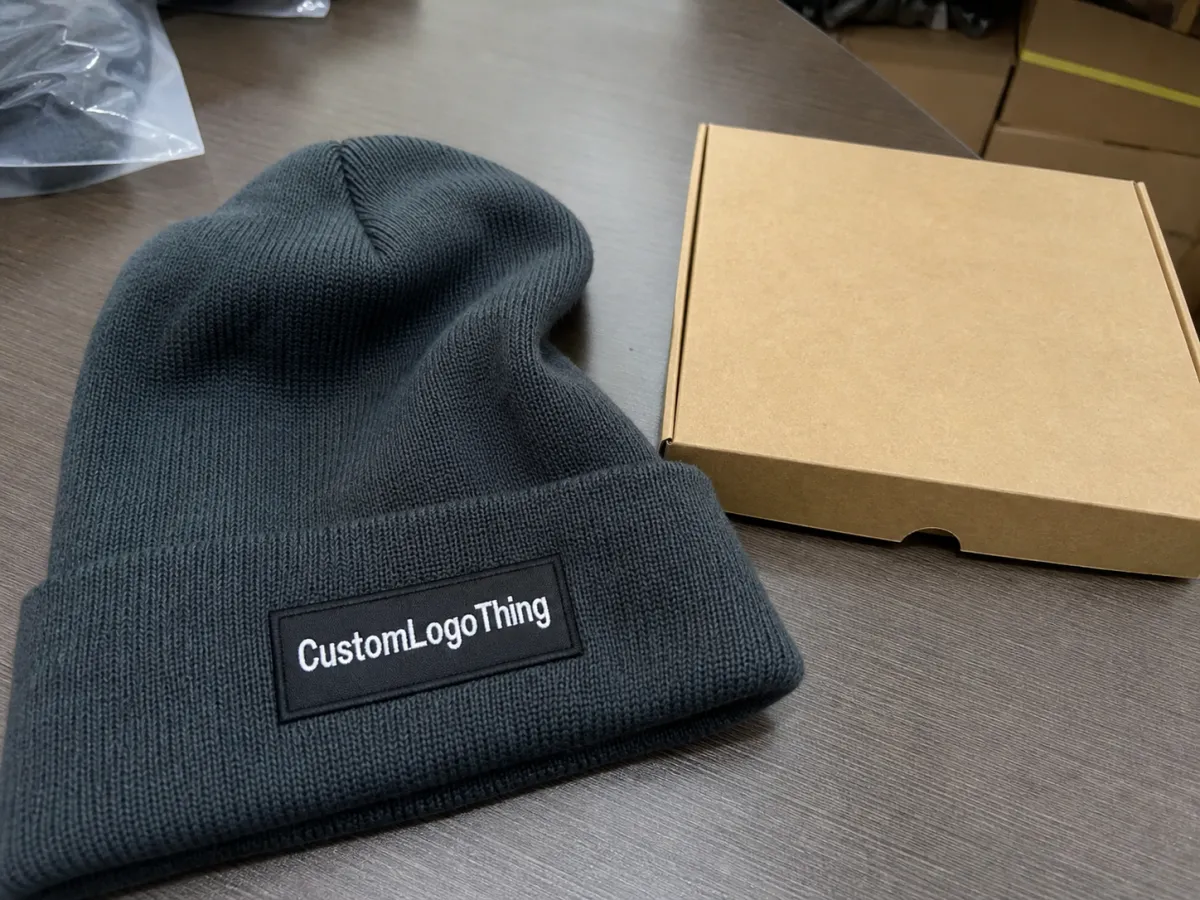
Knitwear rarely behaves exactly as described on paper. Yarn weight, fiber blend, and machine tension can change the drape enough to alter the final silhouette. That is why the slouchy knit beanies Sample Order Checklist should start with fit, not decoration.
The main approval points are straightforward: slouch length, cuff height, crown shape, and stitch density. Slouch length determines whether the beanie falls casually or sits more upright. Cuff height affects both look and branding space. Crown shape changes how structured the hat feels. Stitch density affects warmth, flexibility, and how clearly the knit pattern reads.
A spec that sounds reasonable in a spreadsheet can still produce a beanie that fits shallow, stretches poorly, or never fully recovers after wear. The sample is the only realistic way to see the finished behavior. If you are comparing suppliers, ask each one to sample against the same written target, not a vague phrase like “normal slouch.”
Useful checkpoints include a reference photo, a flat measurement sheet, and a simple comment form. That extra structure reduces back-and-forth and helps teams judge the same silhouette. It also makes later reorders easier because the approved shape is documented instead of remembered.
Dial in the beanie profile, cuff, and crown shape
The profile is the first thing a customer notices. A strong sample should confirm whether the style is relaxed slouch, medium slouch, cuffed fit, or a more unstructured crown. The right shape depends on whether the buyer wants a retail-clean look, a heavier workwear feel, or a softer streetwear profile.
The cuff deserves special attention because it affects both appearance and decoration area. A taller cuff creates more room for embroidery, woven labels, or a hem tag, but it can make the hat feel heavier. A shorter cuff looks lighter, yet it can reduce the usable branding zone once the beanie is worn.
Measure and record the key dimensions:
- Body length: from cuff fold to crown tip
- Cuff depth: folded and worn
- Opening width: relaxed and stretched
- Stretch recovery: how quickly the knit returns
The crown finish also matters. A shaped crown looks cleaner and more intentional, while a gathered top can add bulk. Neither is wrong, but the choice should be deliberate before sampling starts. The Slouchy Knit Beanies sample order checklist works best when style language is converted into measurable points.
Materials, gauge, and decoration specs to confirm before production
Material choice drives both price and hand feel. Acrylic is usually the most budget-friendly and offers broad color options. Wool blends feel warmer and more premium. Recycled yarns can support sustainability goals if the hand feel and lead time still work for the program. A useful checklist should ask for yarn type, blend ratio, and gauge before sampling begins.
Gauge controls how tight the knit looks and how heavy the beanie feels. A denser gauge can improve perceived quality, but too much tightness can make the hat rigid. A looser gauge may reduce cost, but it can also expose the knit more than intended. When comparing quotes, keep the same gauge and finished dimensions so the pricing is meaningful.
Decoration changes the build and the cost structure. Most buyers choose between embroidery, woven labels, knit-in logos, faux leather patches, and hem tags. Knit-in logos feel integrated but need tighter proofing. Embroidery is familiar and quick to review, though dense stitching can pull on soft fabric. Faux leather patches look premium, but placement accuracy matters because small shifts are obvious on a folded cuff.
Include artwork files, logo dimensions, thread colors, placement notes, and Pantone references if color matching is required. If the supplier needs vector art for a knit jacquard pattern, send it up front. The sample should leave no guesswork about where the logo sits relative to the seam or cuff edge.
| Decoration option | Typical use | Sample impact | Relative cost effect |
|---|---|---|---|
| Embroidery | Front logo, simple branding | Fast approval if artwork is clean | Low to moderate |
| Woven label | Subtle retail branding | Small visual footprint, easy to review | Low |
| Knit-in logo | Integrated brand look | More technical proofing required | Moderate |
| Faux leather patch | Workwear or premium casual styles | Needs placement and edge review | Moderate to higher |
For packaging and transit thinking, it helps to use the same discipline buyers apply to broader supply chain work. References from ISTA and the Institute of Packaging Professionals are useful when you need to define handling expectations, even if the beanie itself is not being test-certified.
Cost, pricing, MOQ, and sample charges to compare
Sample pricing usually depends on complexity more than on volume. A basic sample in standard yarn may be relatively low, while custom colors, special patches, or knit-in details raise the development charge. In the market, simple samples often land around $30-$80, while more technical programs can cost more depending on revisions and setup.
Bulk pricing should be compared on landed cost, not just the headline number. A beanie with a simple woven label may cost less than one with a complex jacquard logo, even if the base fabric is similar. At scale, small changes in knit time, finishing labor, and trim cost can move the total enough to matter on a 3,000- or 5,000-piece run.
Minimum order quantity also needs to be explicit. Some suppliers allow mixed colors across one style; others require a separate MOQ per color or decoration variation. If you need black, charcoal, and navy in the same program, ask whether the MOQ applies to the style or to each SKU.
Use the checklist to request these quote items in writing:
- Sample fee and what it covers
- Bulk unit price at the target quantity
- Setup or tooling charges for logos or labels
- Whether sample fees are credited back after approval
- Shipping terms and any packout charges
Time also has a cost. A lower unit price can disappear if the supplier needs several sample rounds. For seasonal orders, a slow approval cycle can push the product into a weaker selling window, so lead time should be part of the pricing comparison.
Process and timeline: from artwork review to sample approval
A clean sample process should follow a predictable sequence: inquiry, artwork review, written spec confirmation, knitting, finishing, and shipment. Each step should end with a clear sign-off point. The sample is not just a physical item; it is proof that both sides agreed on the build before bulk production starts.
Typical timelines vary. A straightforward beanie with standard yarn and one simple logo may take about 7-12 business days after proof approval. Custom dyeing, special labeling, or stitch revisions can stretch that to 12-20 business days or more. What matters is that the supplier explains which step is driving the lead time.
Buyers should separate editable sample stages from locked production stages. Ask when artwork can still change, when yarn color is fixed, and when the sample becomes the bulk reference. Also confirm whether revisions affect price, lead time, or MOQ so there are no surprises later.
For repeat programs, the strongest suppliers document the spec sheet, decoration position, yarn choice, and packaging details in one place. That gives sourcing, merchandising, and production the same reference. It also makes it easier to reuse the approval record for future reorders.
When reviewing the sample, check it in daylight and under the lighting where it will actually be sold or stored. Stretch the cuff, release it, and inspect how fast the knit recovers. Look at the logo from arm’s length, since that is closer to how a shopper sees it. Those basic checks catch issues a photo review will miss.
Color matching, labeling, and packaging details that protect approval
Color is easy to misjudge on a screen. Yarn behaves differently under daylight, warehouse lighting, and retail fixtures, and dye lots can vary enough to matter. If the beanie must match a logo color or broader seasonal palette, ask for physical yarn references when possible. The checklist should always include a color standard, not just a Pantone number in an email.
Labeling is another approval point that gets missed. Care tags, size markers, custom hang tags, and folding instructions affect how the product presents on arrival. If the sample is meant to represent final retail packaging, say so early. If it only needs to prove fit and decoration, that should be stated too.
Packaging instructions deserve their own line. Should the sample arrive folded in a specific retail manner? Should it include an individual polybag, insert card, barcode label, or carton mark? Each choice changes the build and the cost. For warehouse programs, carton labeling and pallet requirements should be part of the sample instruction file from the start.
Color approval should also account for dye lot tolerance. Minor variation is normal, especially on darker shades and marl effects. A clear checklist gives the buyer a standard for what is acceptable and what is not. That matters because small shifts on a knit surface can look larger than on a woven item.
How a dependable sample program reduces rework on bulk orders
The value of a sample is the rework it prevents. A good process catches pattern problems, trim mistakes, loose threading, decoration drift, and packaging confusion before a full run starts. That matters because a 200-piece mistake is annoying, but a 5,000-piece mistake is a budget problem.
Reliable communication is part of the quality system. Buyers need clear answers on dimensions, revisions, and confirmation points; suppliers need instructions that are not changing every other message. A clean Slouchy Knit Beanies sample order checklist keeps both sides aligned on the same reference.
The strongest vendor relationships are built on documents that match the delivered goods. If the sample says the cuff is 7 cm, the production run should not quietly drift to 5.5 cm unless the buyer approves it. That kind of control is basic, but it is often where frustration starts.
For repeat seasonal programs, keep the approved sample, spec sheet, and artwork together in one folder. That folder becomes the benchmark for reorder calls, price negotiations, and future revisions. It also gives the team a faster path if the style comes back for another season.
Use the checklist as a control document, not a suggestion. Confirm the spec, confirm the sample, then confirm the bulk approval against the same record. That is the difference between a style that stays consistent and one that drifts every run.
Next steps for the slouchy knit beanies sample order checklist
Before you submit the order, gather the practical details in one package: artwork files, target dimensions, yarn preference, decoration method, color references, packaging instructions, and the delivery date you actually need. If the program has more than one colorway, list each one clearly so the sample room does not have to guess.
Once the sample arrives, review it against the same criteria every time: fit, finish, color, and branding. If changes are needed, send one consolidated revision note rather than several partial comments. That keeps the factory from patching together conflicting instructions and reduces the chance of a new mistake being introduced.
If the style is meant to be a long-running program, archive the approved sample photos with the physical reference. Photos are not a substitute for the actual hat, but they are useful when a reorder needs a quick decision and the original sample is stored away. That small habit saves time every season.
FAQ
What should I include in a slouchy knit beanies sample order checklist?
Include artwork, yarn preference, color references, measurements, decoration method, labeling needs, packaging notes, and the required delivery date. Add any must-match details such as cuff depth, logo placement, and care tag requirements so the sample reflects the bulk plan.
How long does a slouchy knit beanies sample order usually take?
Timing depends on yarn availability, knit complexity, and whether color matching or logo sampling is required. Simple samples move faster, while custom colors, labels, and revisions add time. Ask for a written timeline with milestones for proofing, knitting, finishing, and shipment.
Do sample fees apply to the bulk order for slouchy knit beanies?
Often the sample fee is separate, but many suppliers credit it back after bulk approval. Confirm whether setup, shipping, and custom color work are included or billed separately, and get the credit policy in writing so you can compare quotes on a true net basis.
Can I request multiple colors or logo placements in one sample order?
Yes, but each variation may affect cost, MOQ, and production time. Request every version you need to approve if the final order will include more than one SKU, and ask the supplier to label each sample clearly so comparisons stay organized.
What are the most common mistakes in a slouchy knit beanies sample order checklist?
The biggest issues are vague measurements, missing artwork specs, unclear color references, and skipped packaging instructions. Buyers also forget to confirm decoration placement before the sample is made. A precise checklist prevents avoidable revisions and helps the bulk order move smoothly after approval.

